8 WEEK CLASS: NOVEMBER 2025
One Big Beautiful Light: Week Three
I want you to do this with one frame – no Photoshop builds. Choose your subject wisely so that you will not have to do a lot of Pshop layers.
OK to use:
- Large fill cards or shiny cards.
- Window light with fill.
- Softboxes and scrims.
Lightroom, C1, Affinity, or Photoshop should be used to enhance the image, but not CREATE the image.
This is a lighting and compositional challenge.
Below you will find examples of photographers who built their styles on one light. It is a style that has no boundaries, but it can look dated a bit if not handled well. (BTW, that ‘dated’ look is coming back hard and will be with us in mainstream photography within the next year.)
So make your image, but don’t think of it as dated as much as updated and classic.
I want you to make sure that your light is many times larger than your subject. I want you to make sure the light is predominant in the composition.
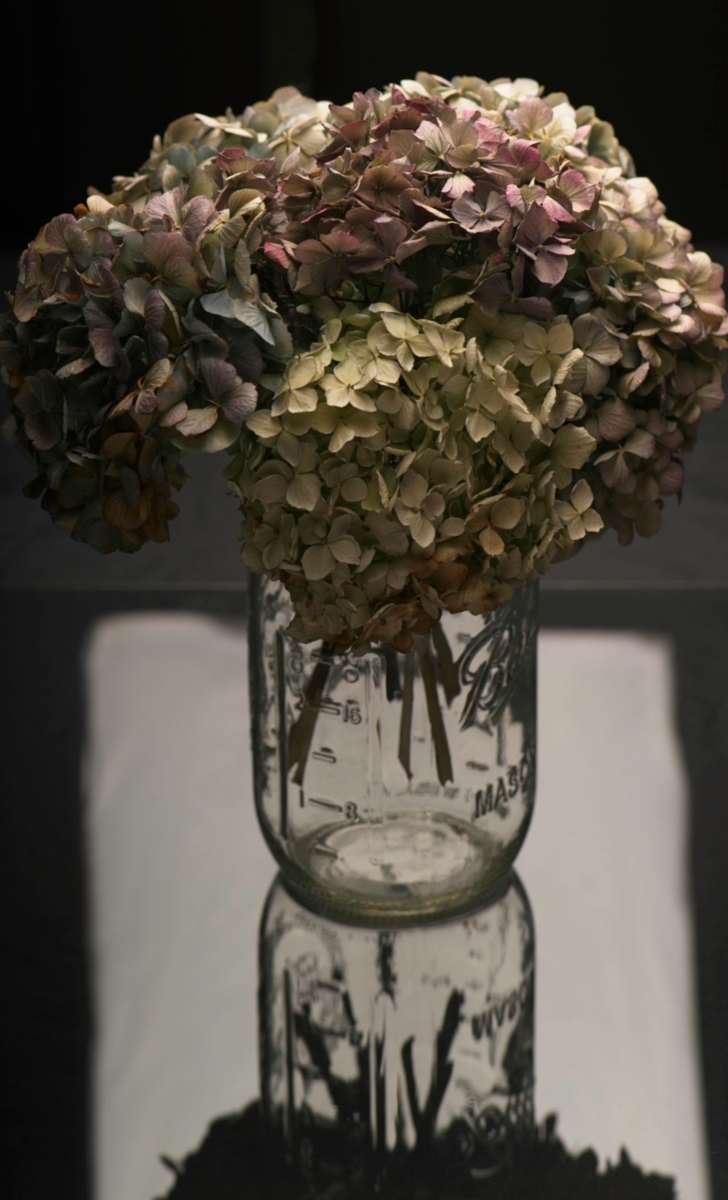
For instance, the large specular on shiny objects, and wide and soft reflections on matte surfaces. Dark and defining shadows that are not blocked up, but deliver a depth to the image that reinforces the lighting design.
The use of large, soft light in still life dates back to the renaissance when painters began painting the world in the light in which it was presented to them.
Previously, the light was rarely seen as having dimension or presence, it was simply ignored in much the same way a child ignores it with stick figure drawings. While there were semblances of the light in many of the images, the light was usually just painted in to be flat and without much interest.
In the three examples below, you can see a hint at the shaping qualities of light, but it is not overt, nor does it resemble real life.
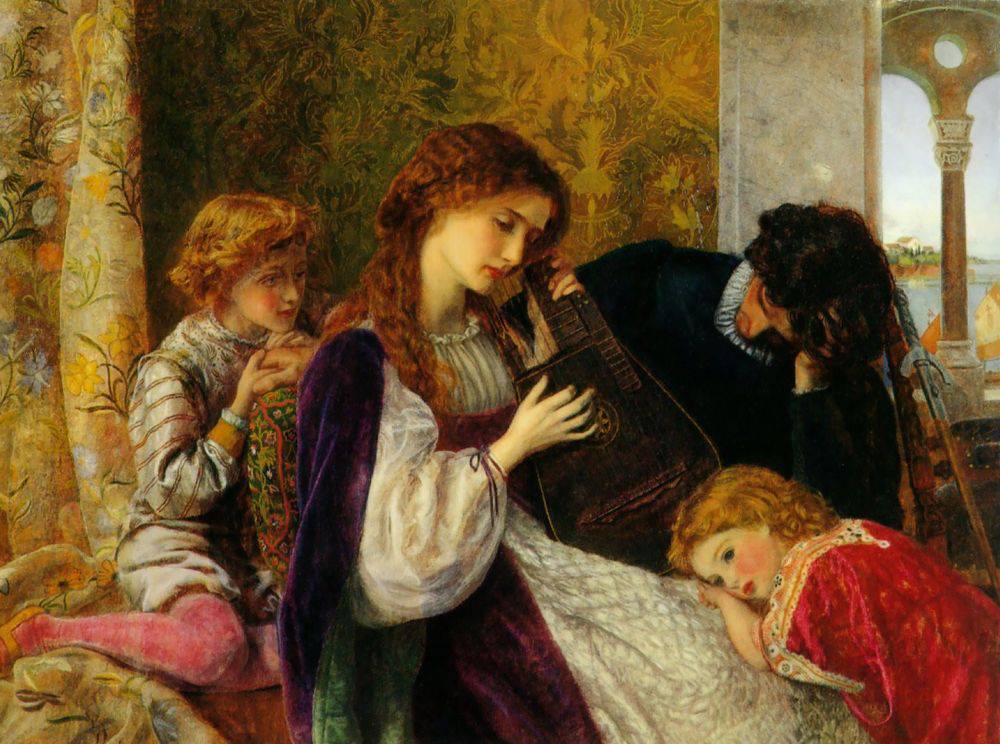
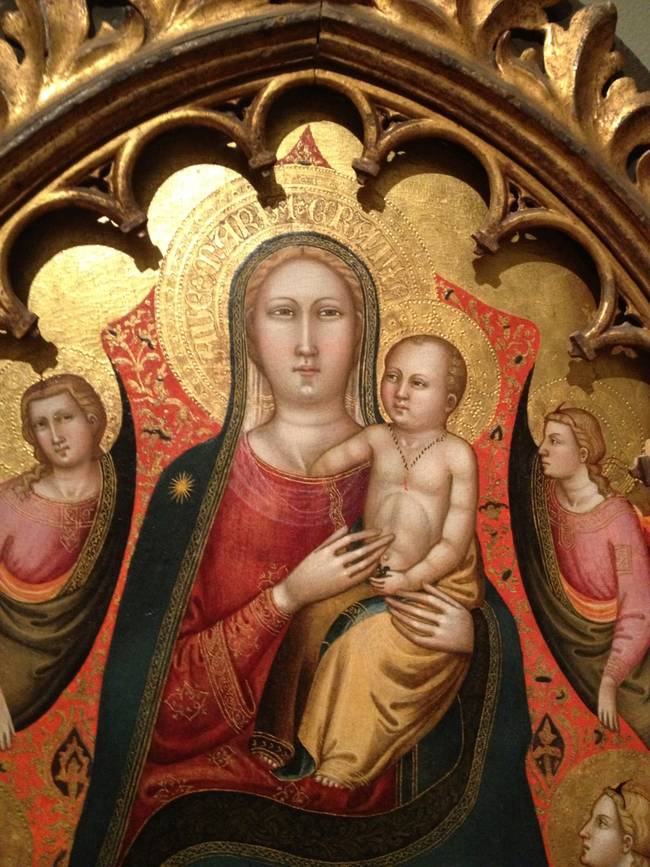
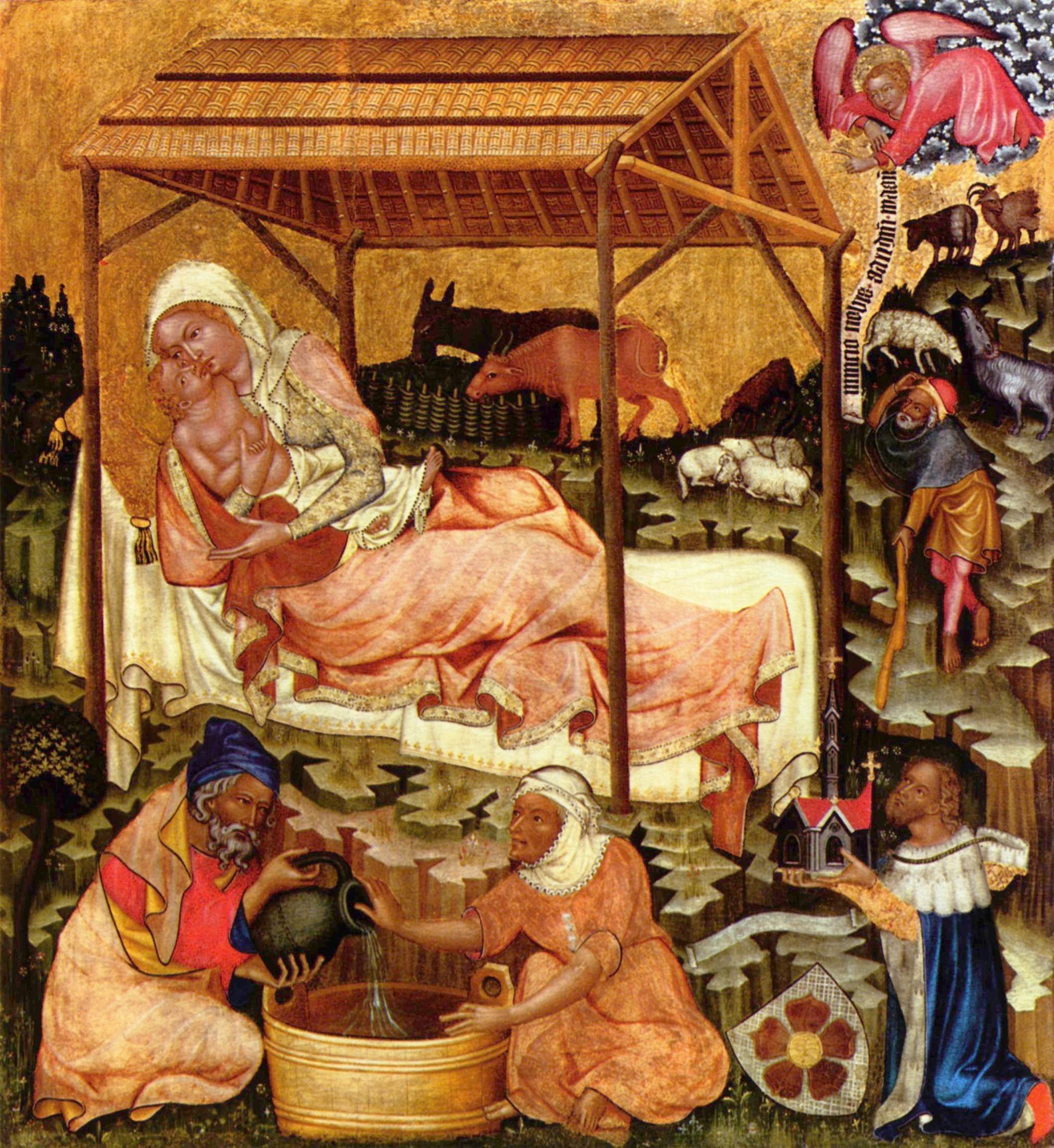
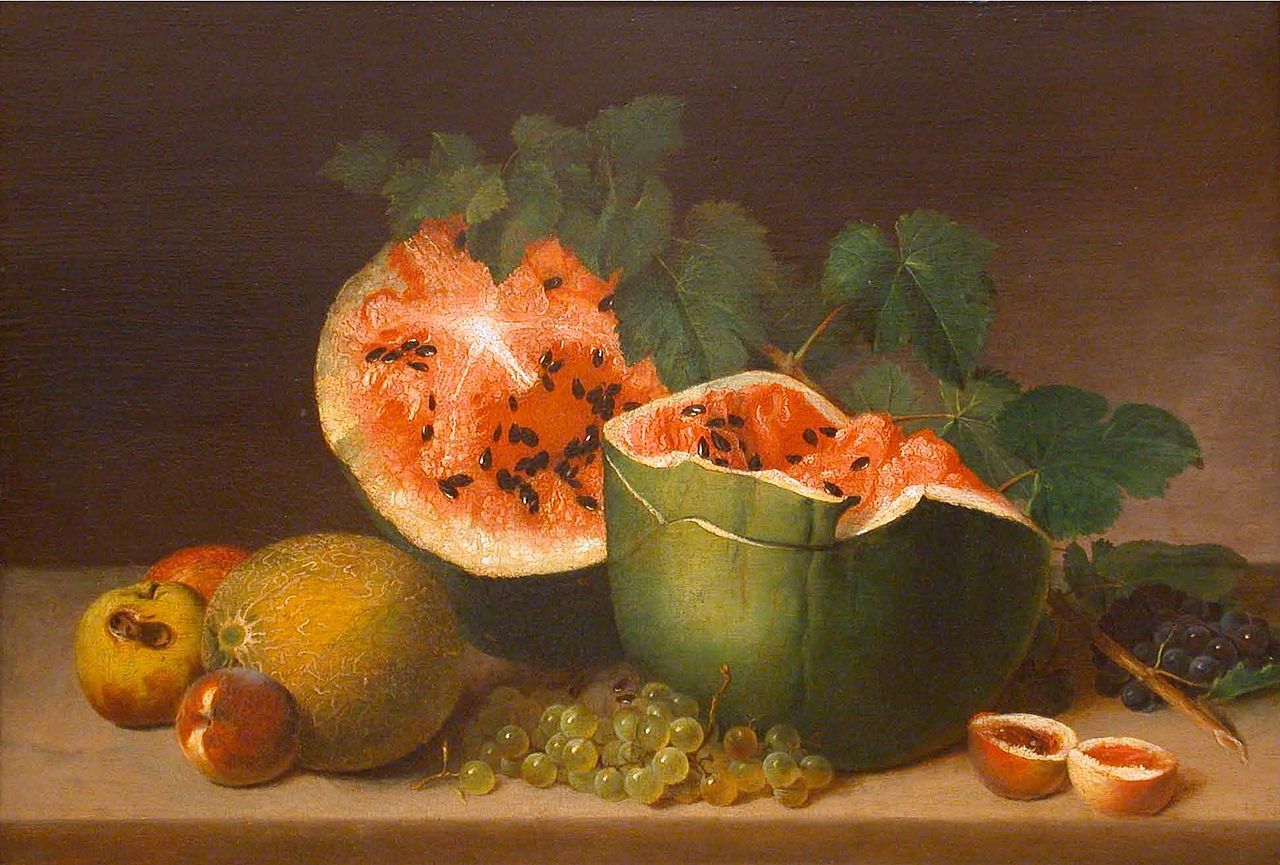
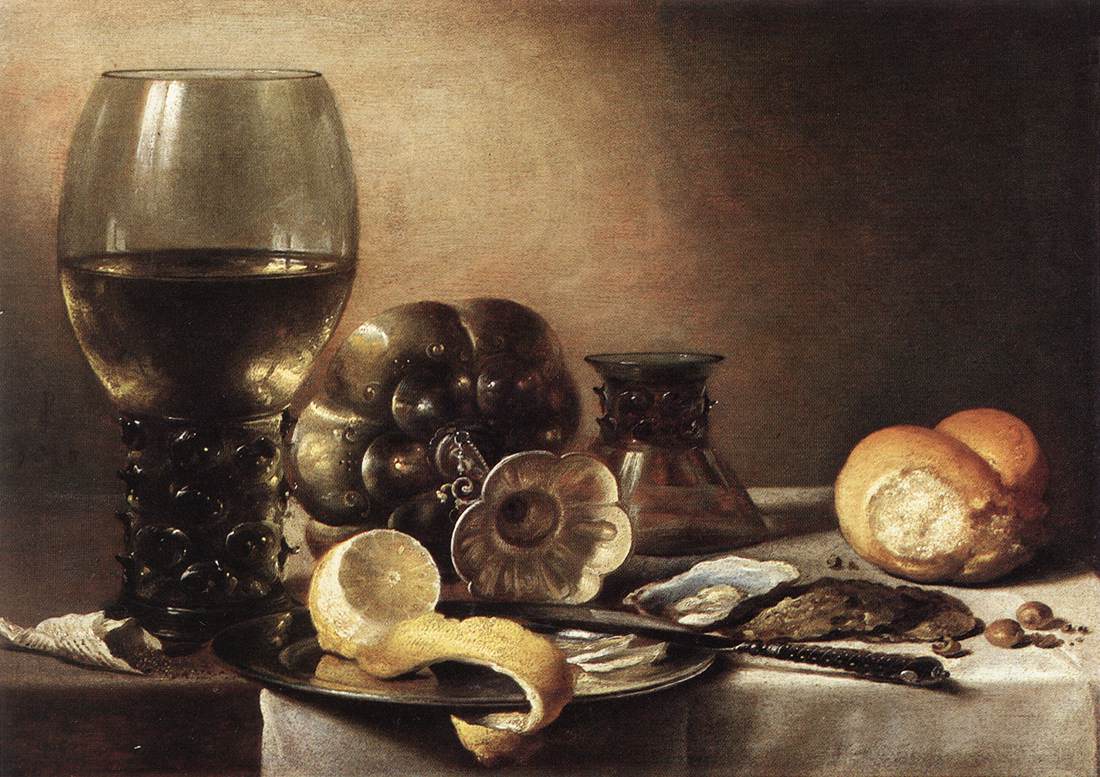
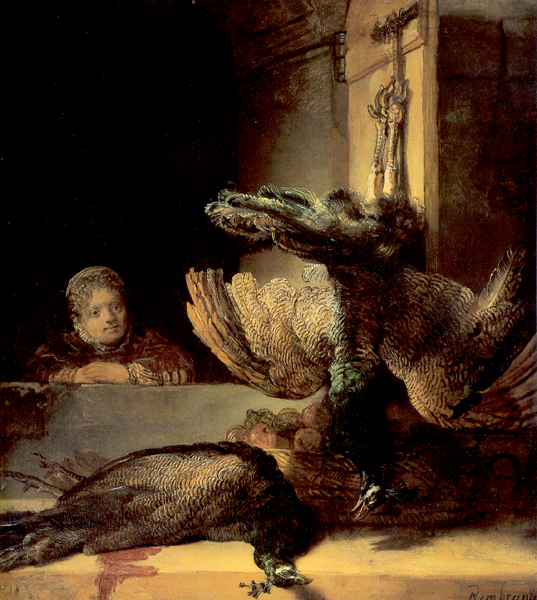
This style was a radical departure for many artists of the timed who were used to painting in their own light and not looking at the natural world for inspiration.
The introduction of super large soft light in still life photography was nearly as radical. Most still life photography was shot with either natural light or many spotlights throwing shadows in many directions.
When photographers began using the large soft light it had quite an impact. One of the first adopters of this large soft light in a box was the photographer Phil Marco.
ASSIGNMENT THREE:
Two Still Lifes:
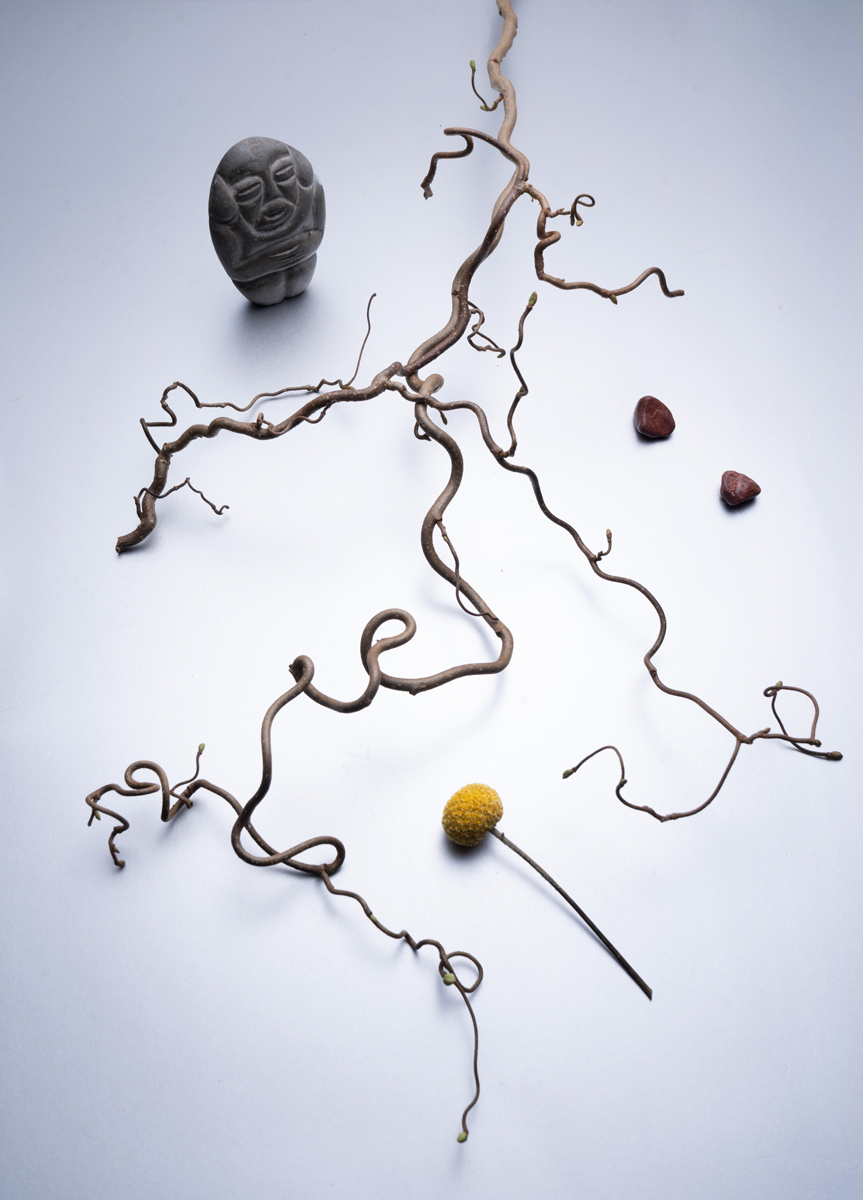
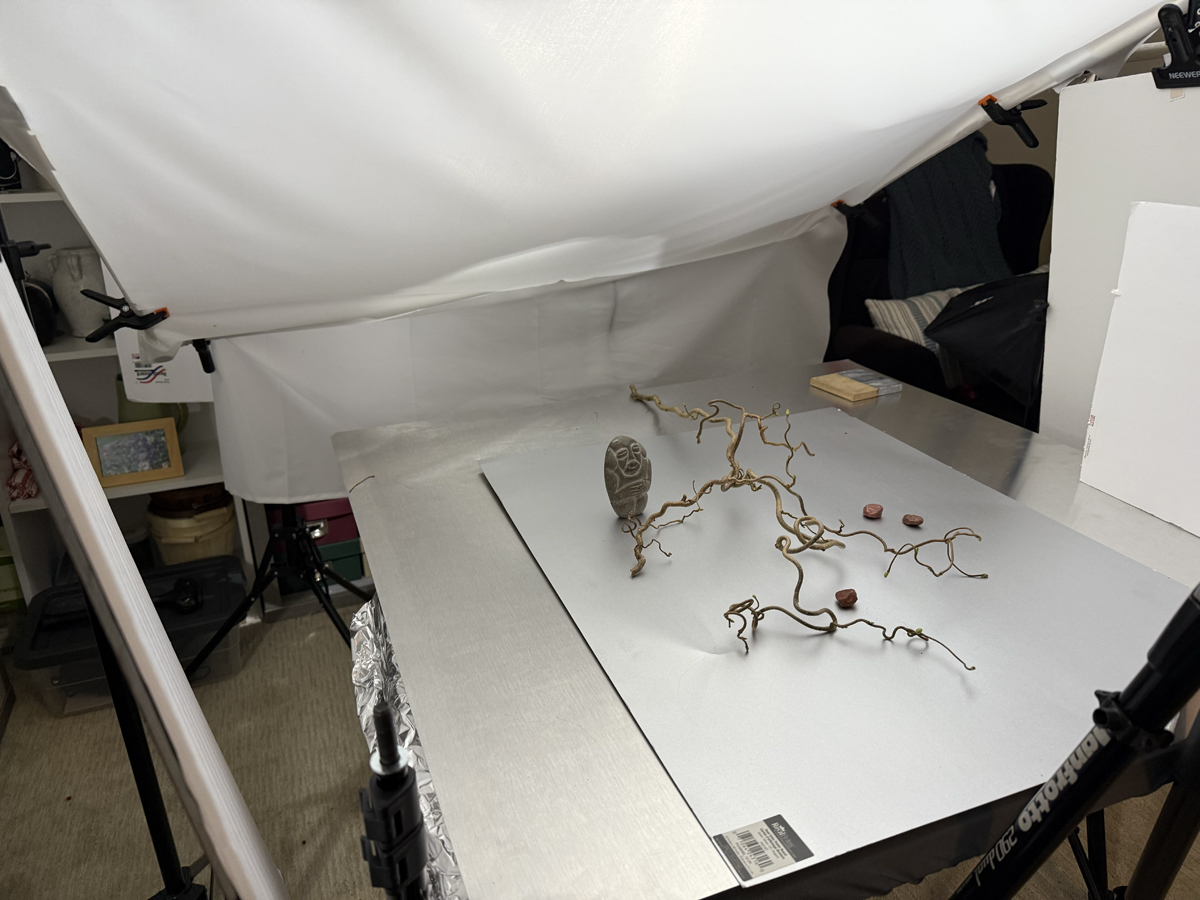
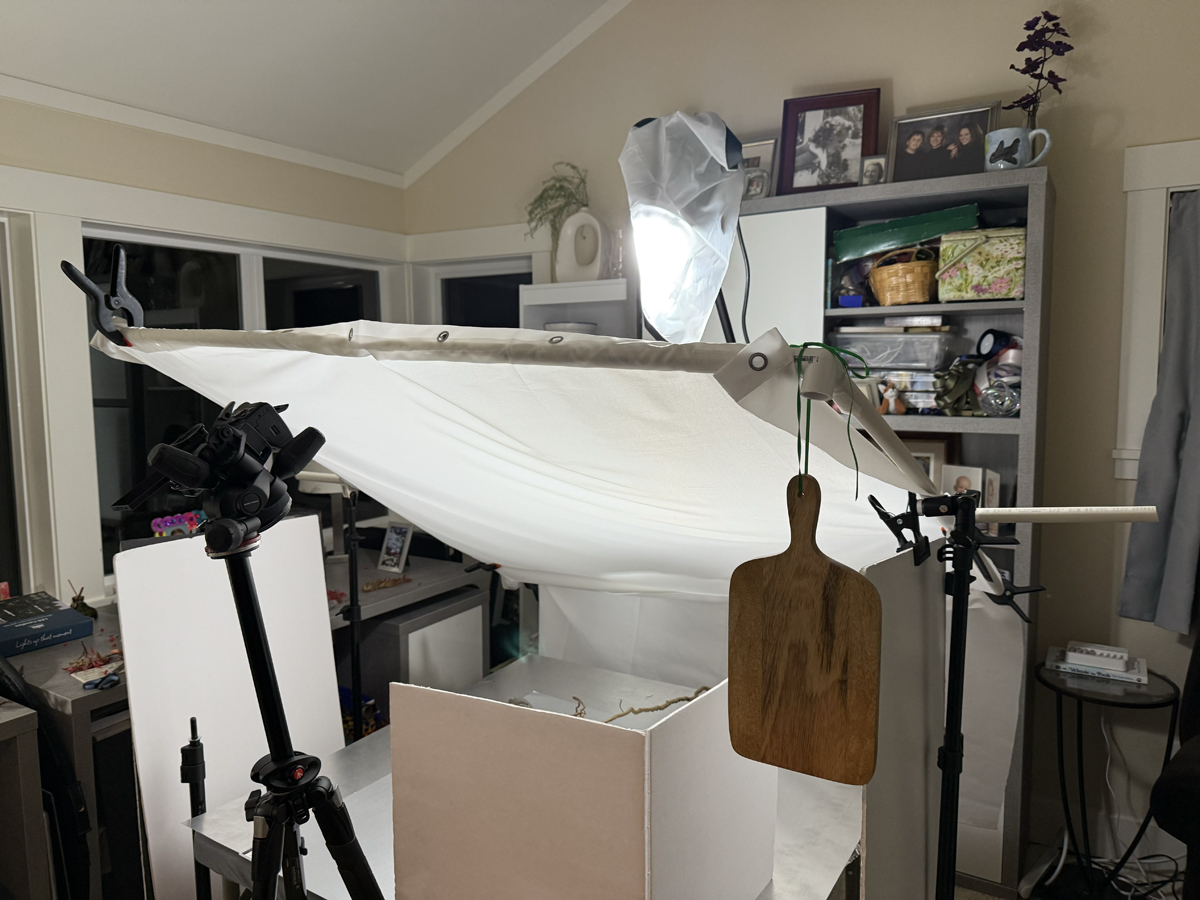
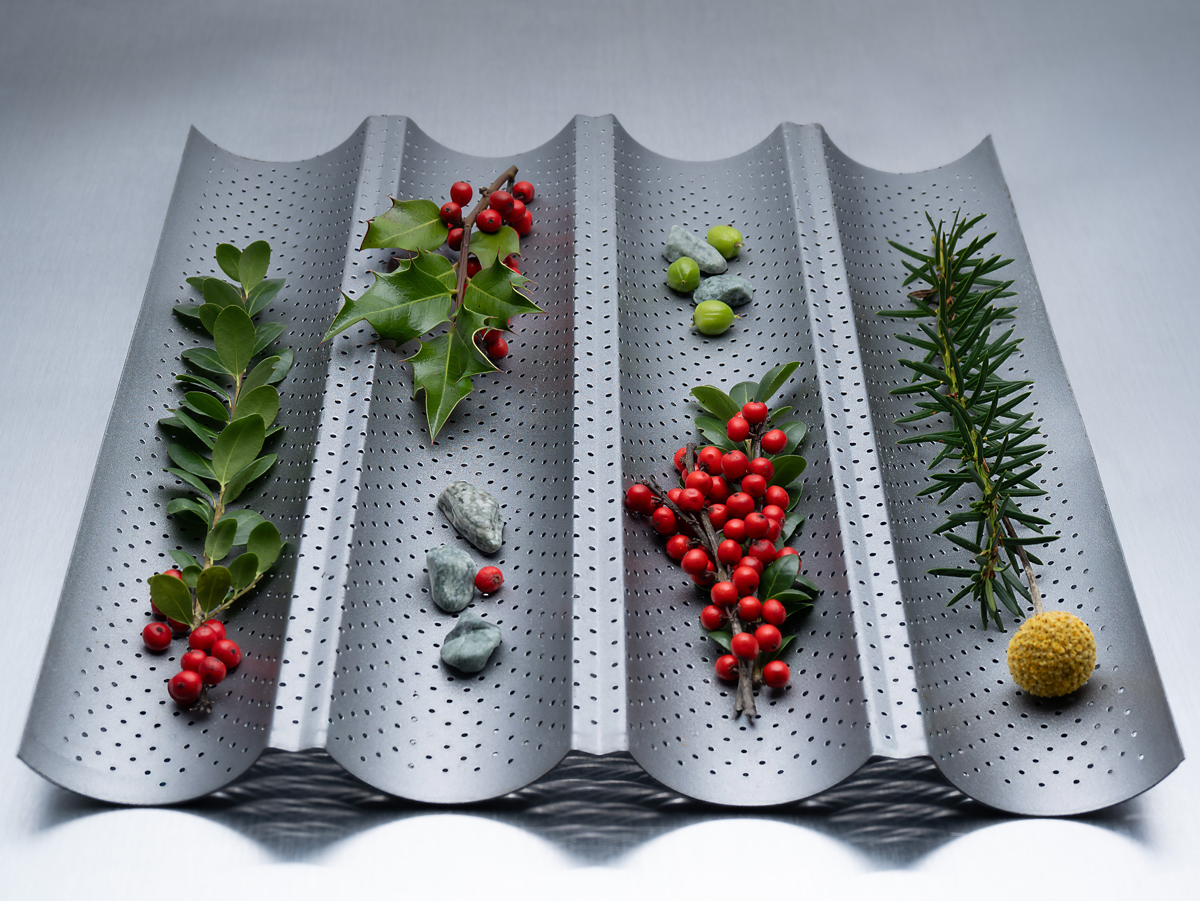
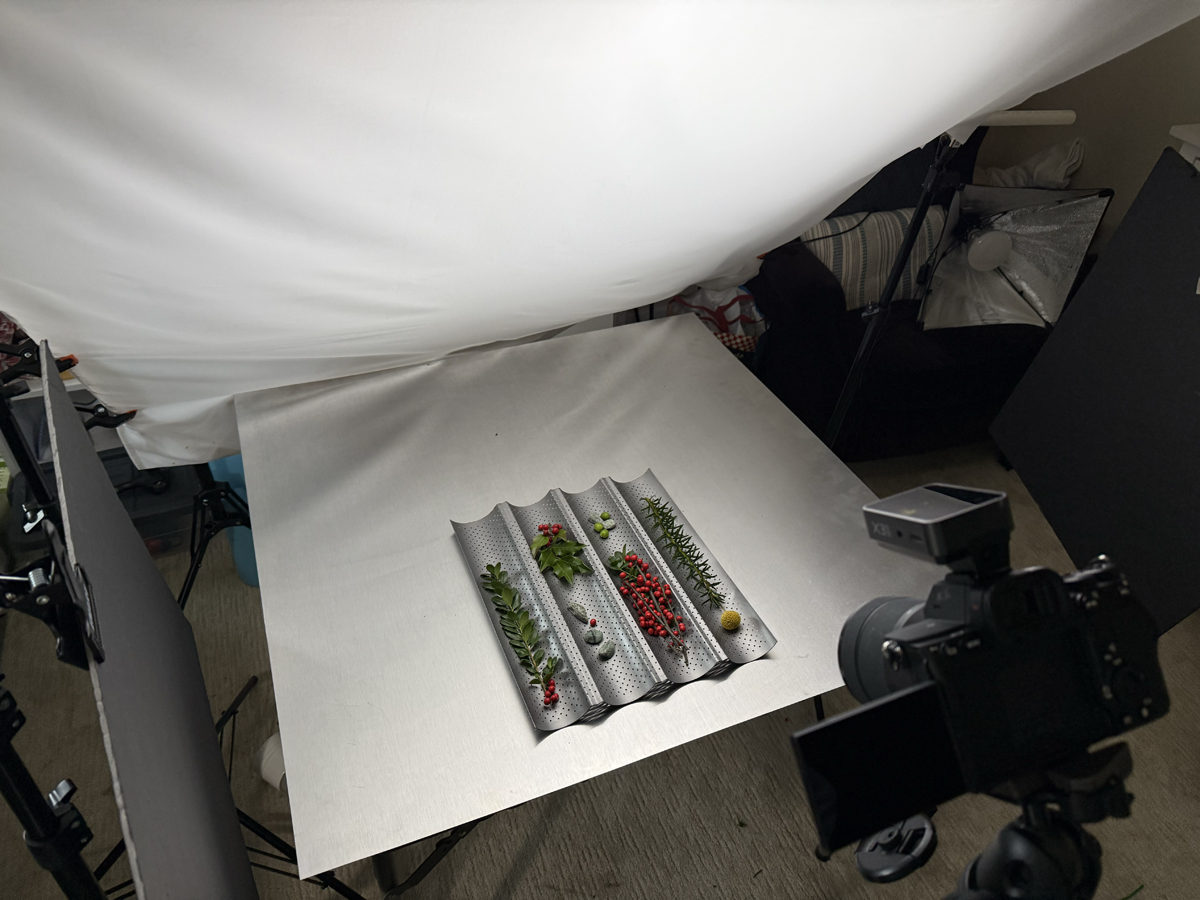
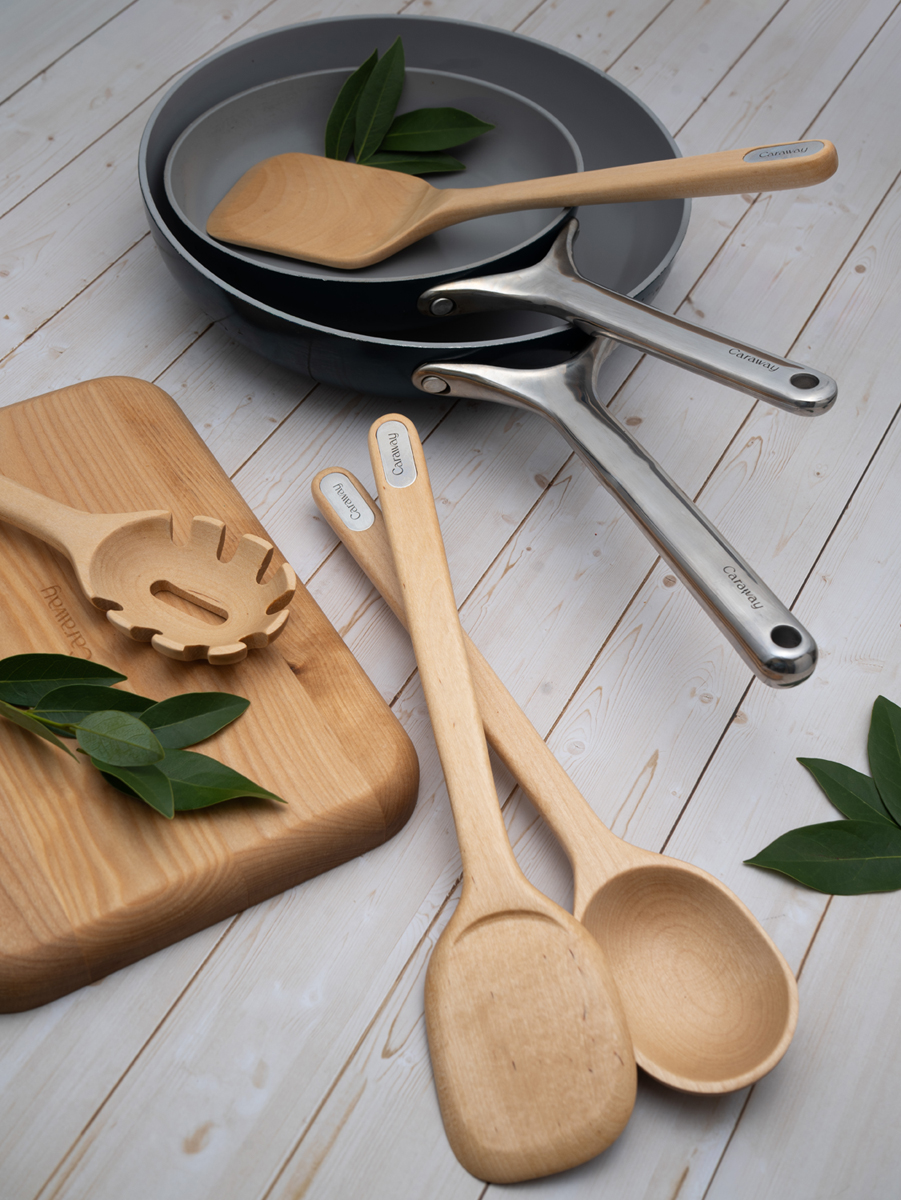
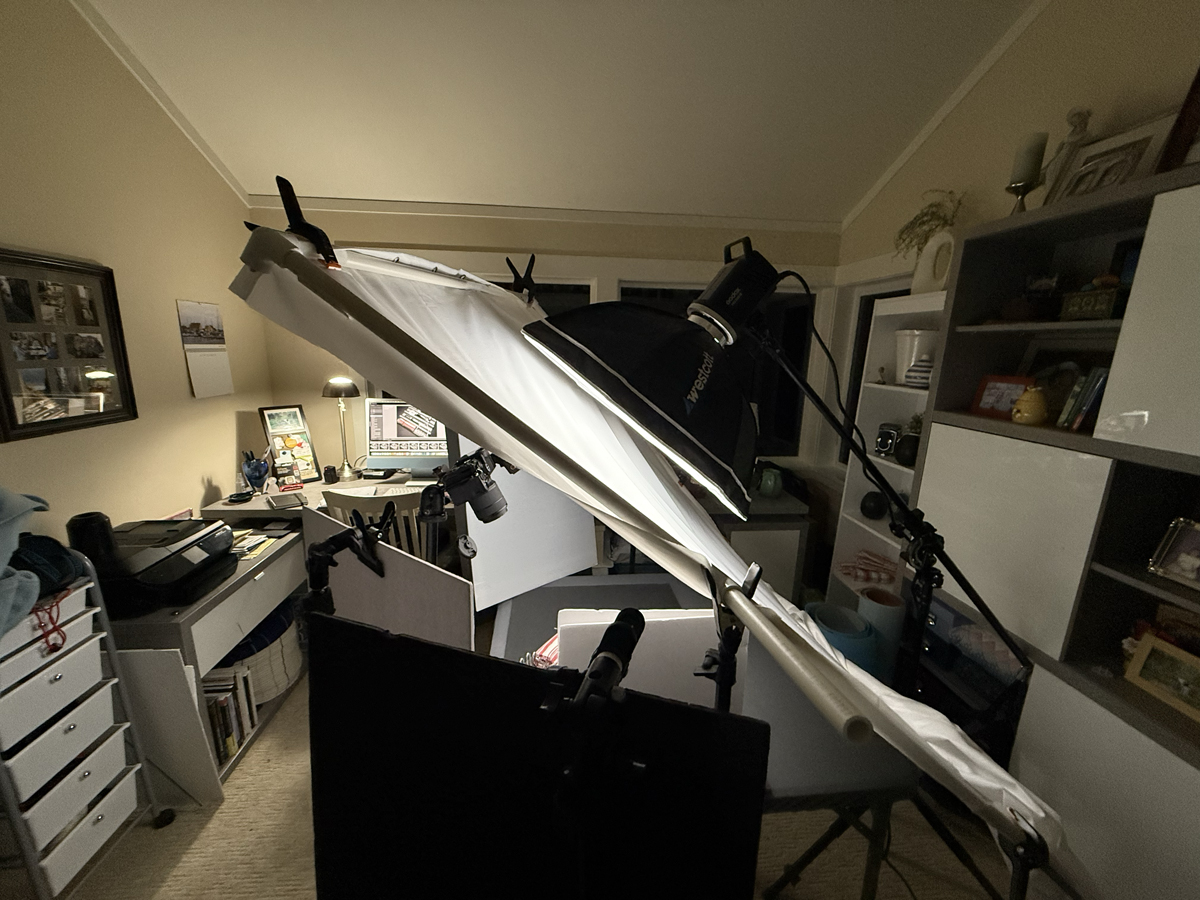
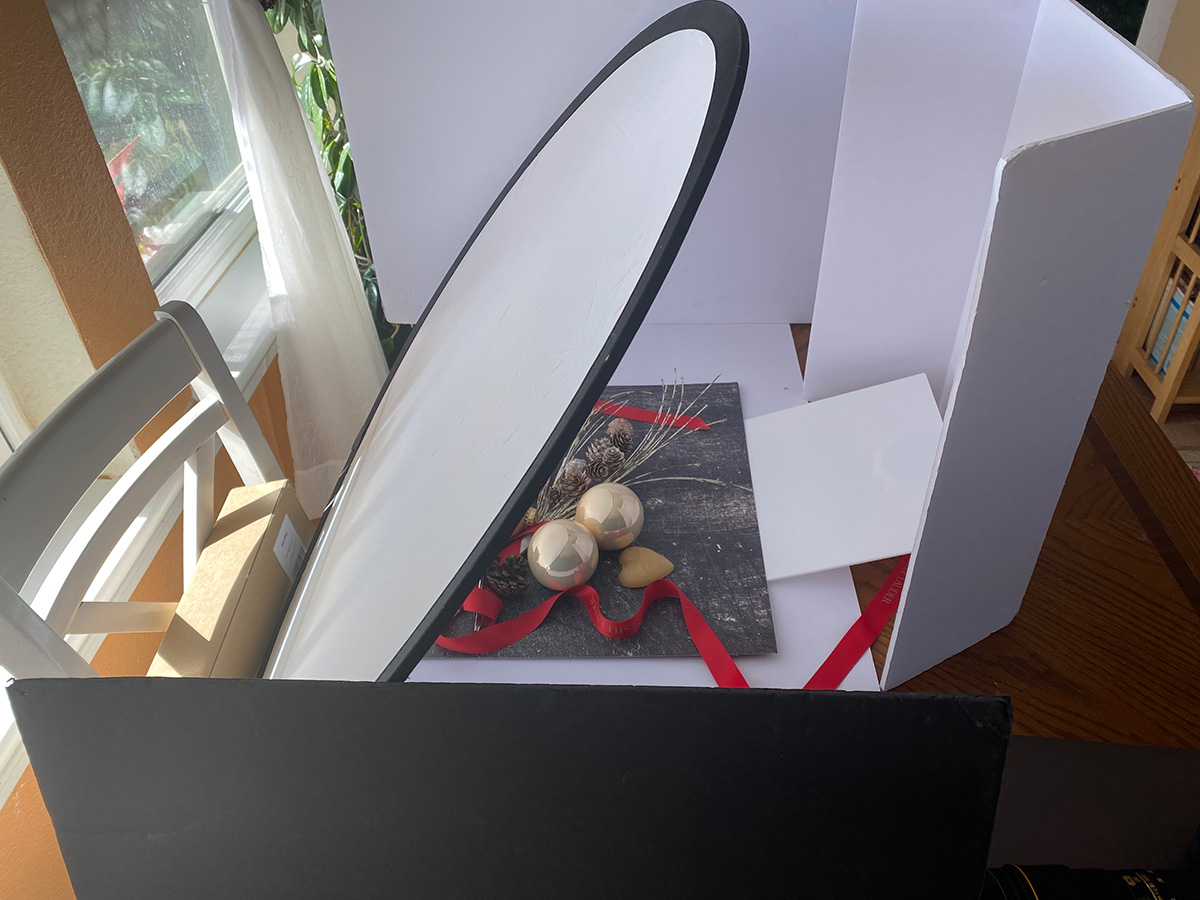
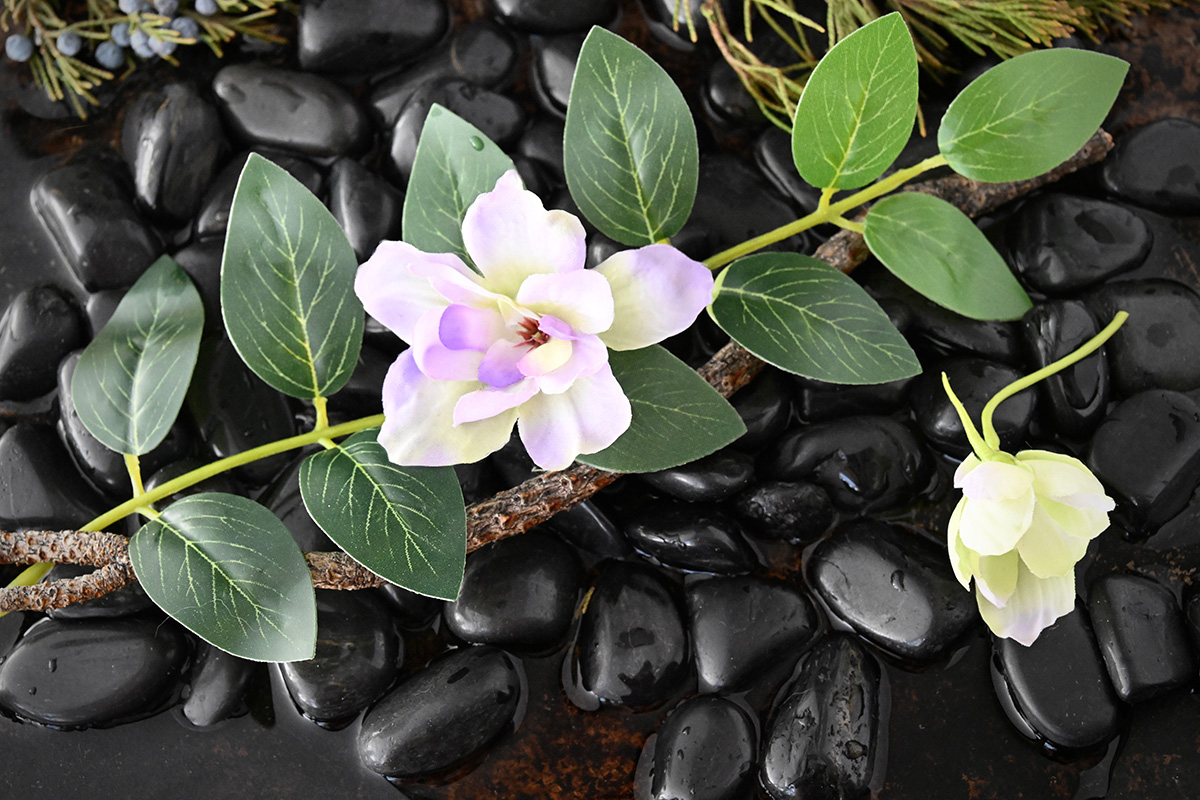
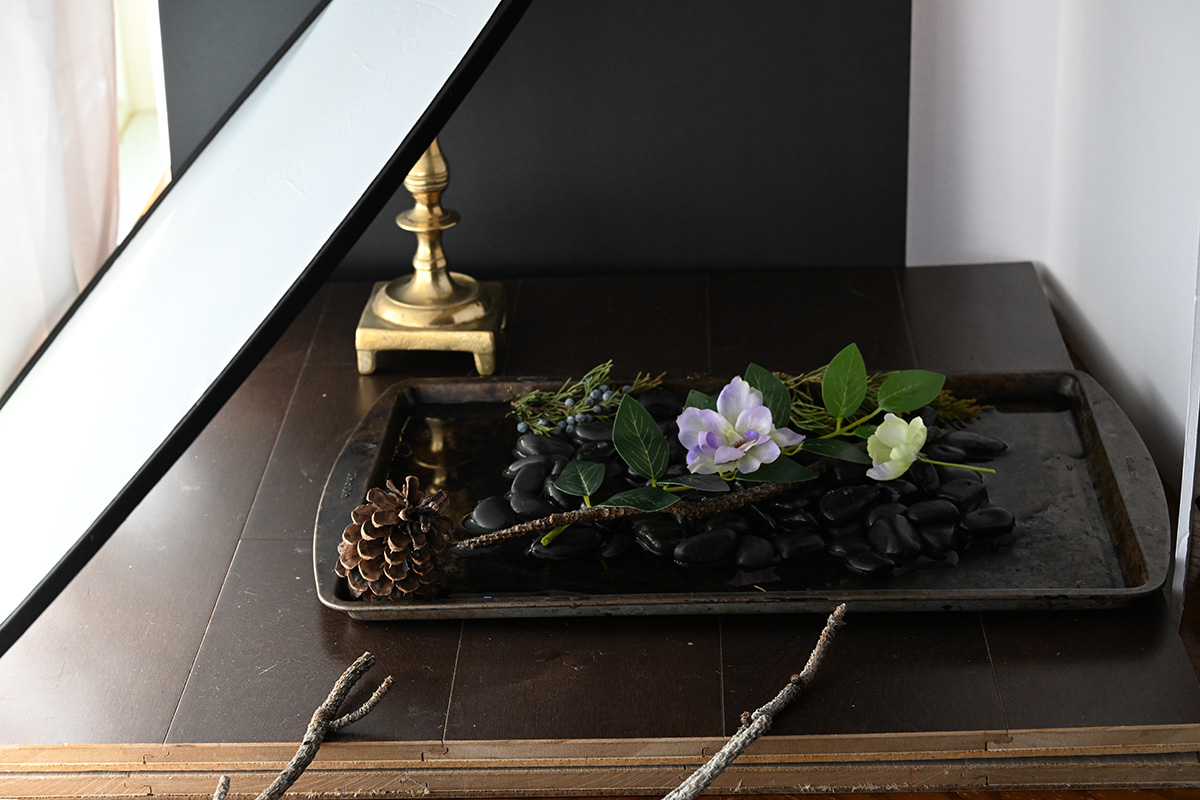
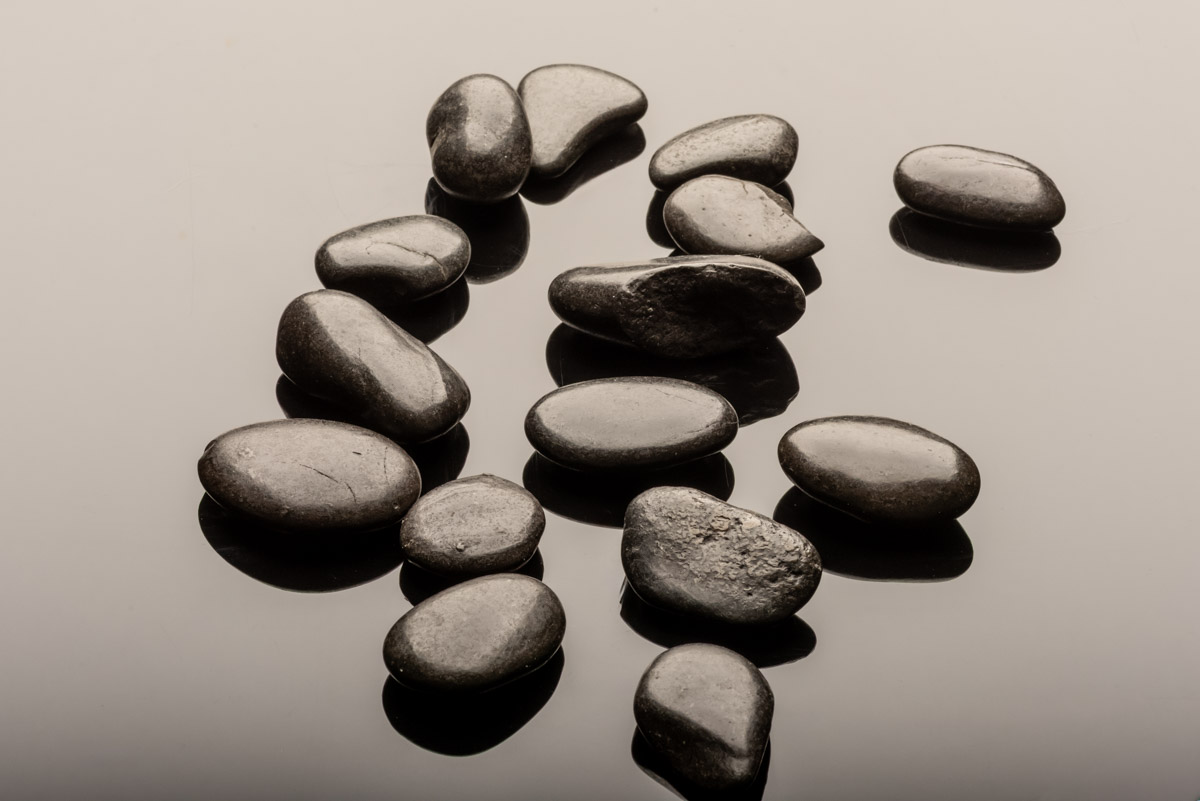
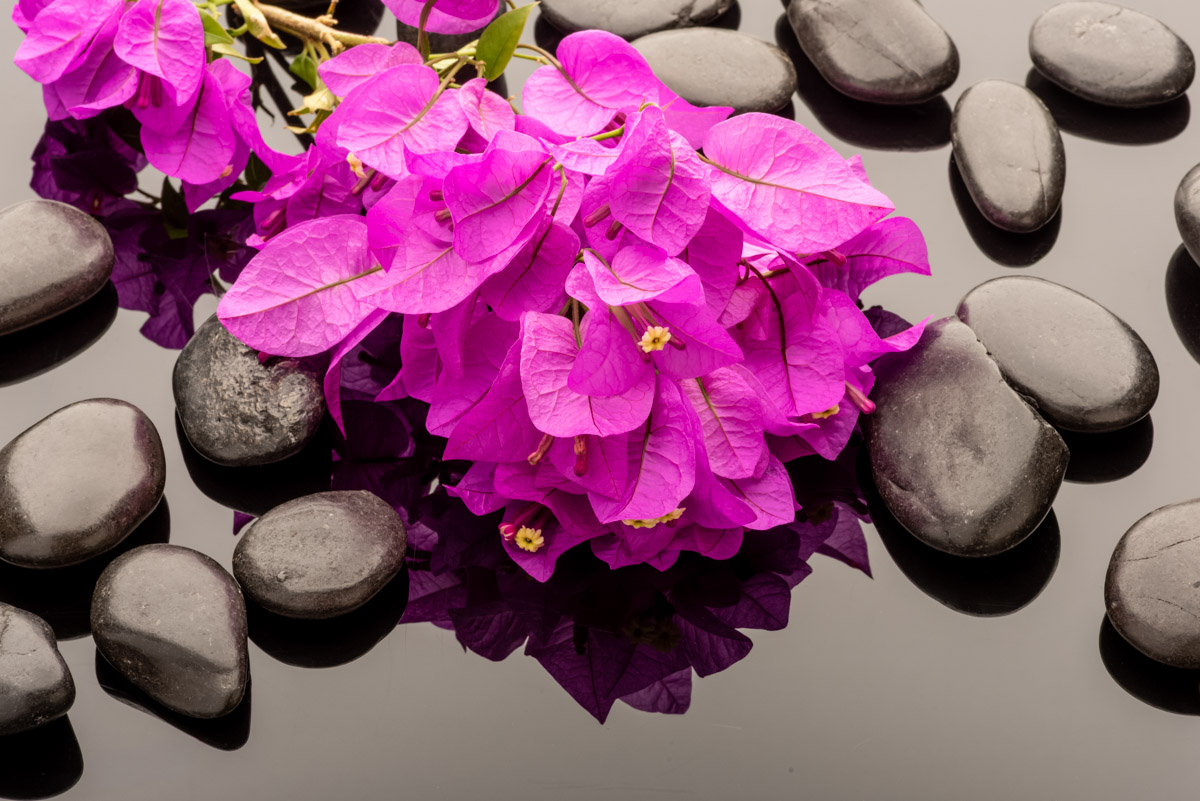
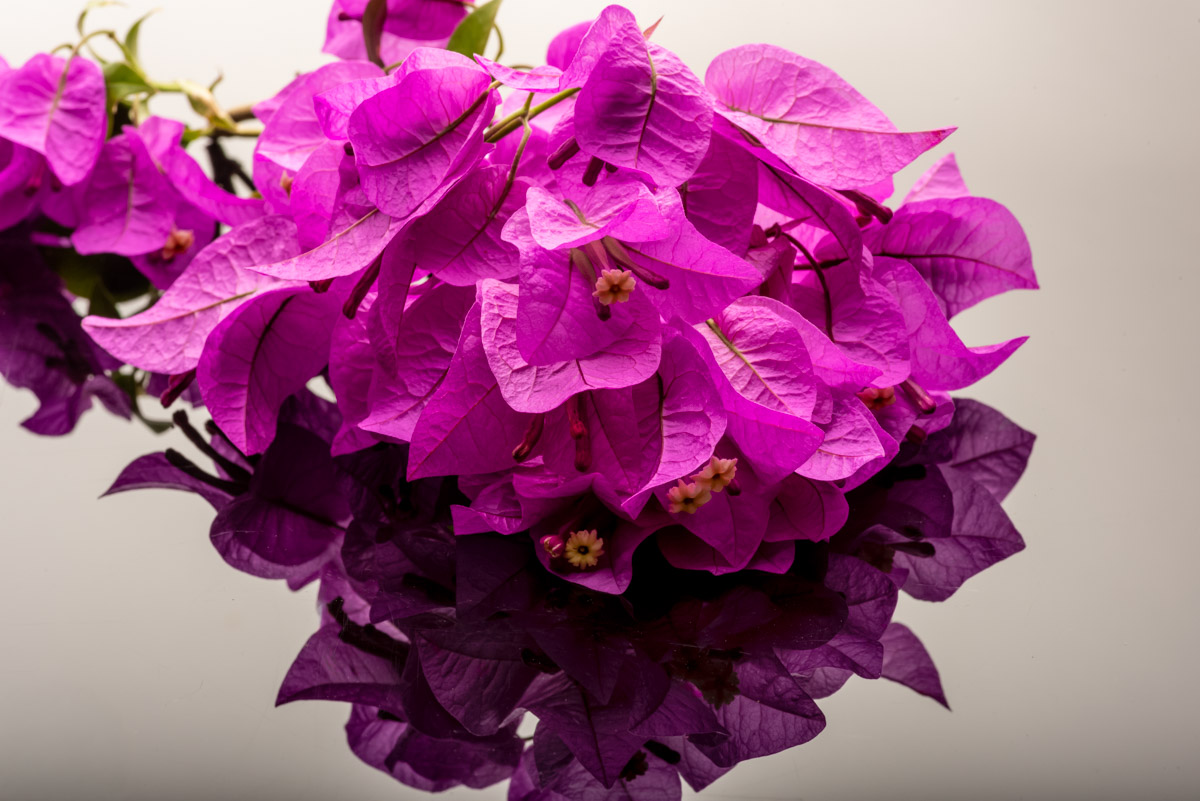
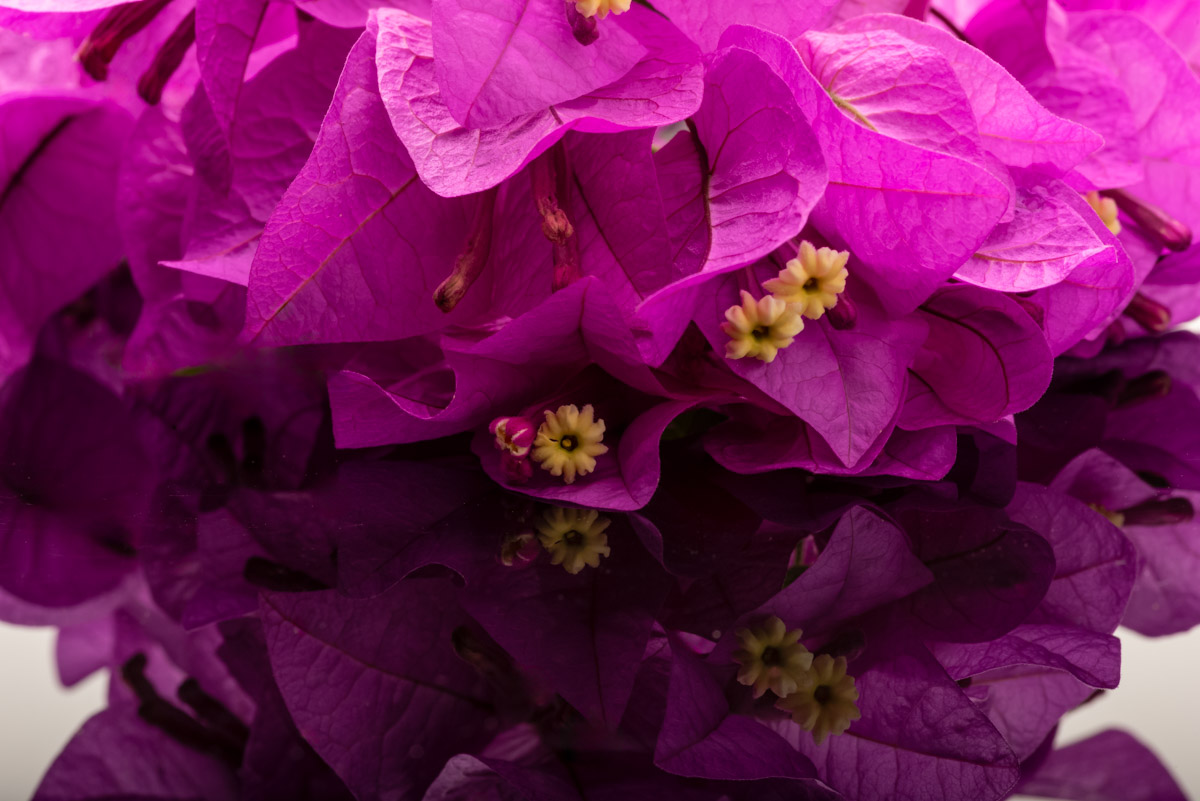
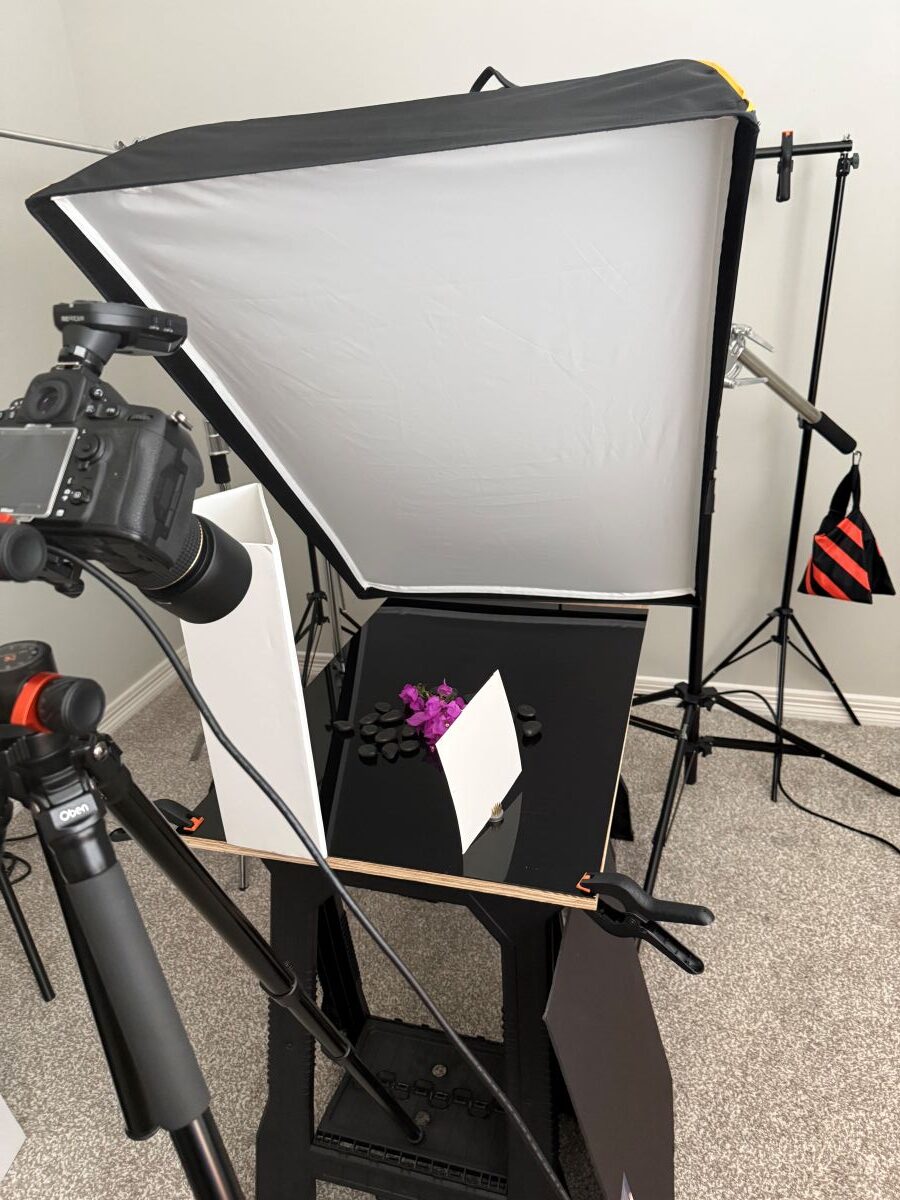
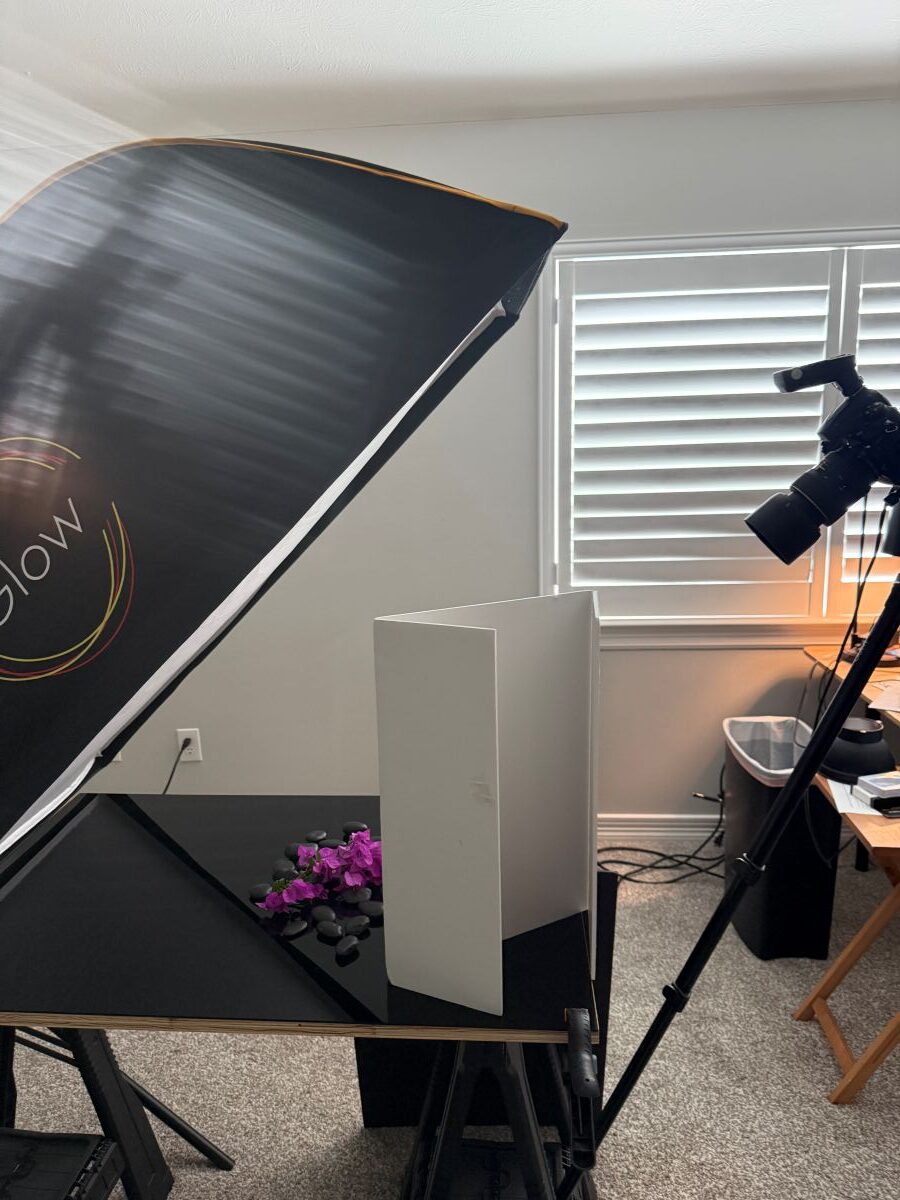
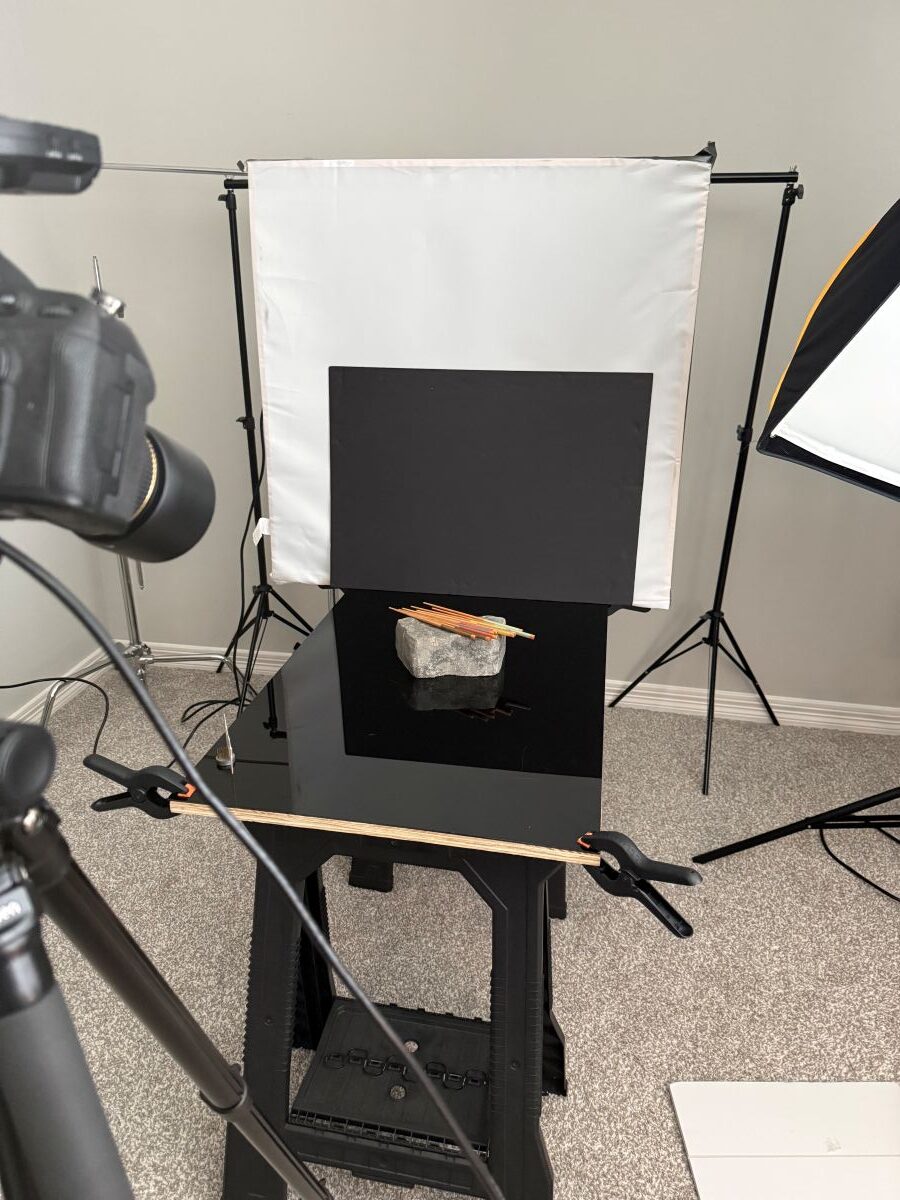
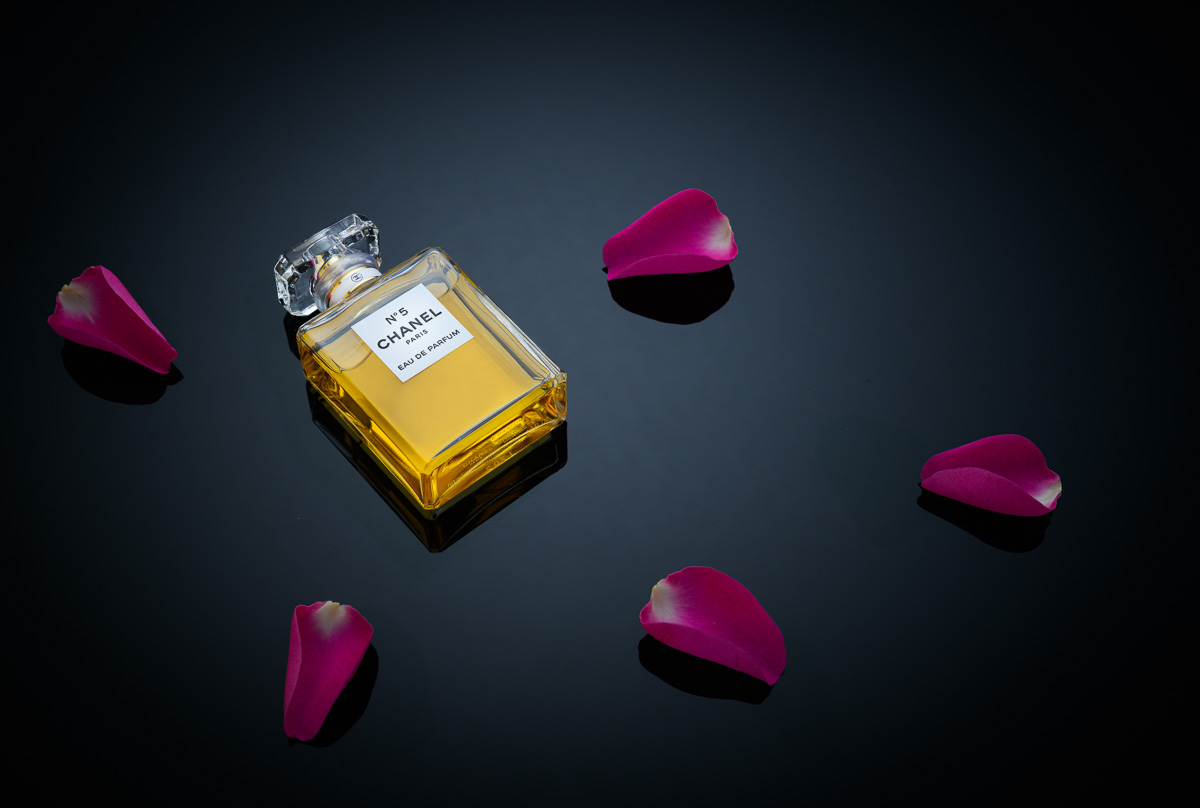
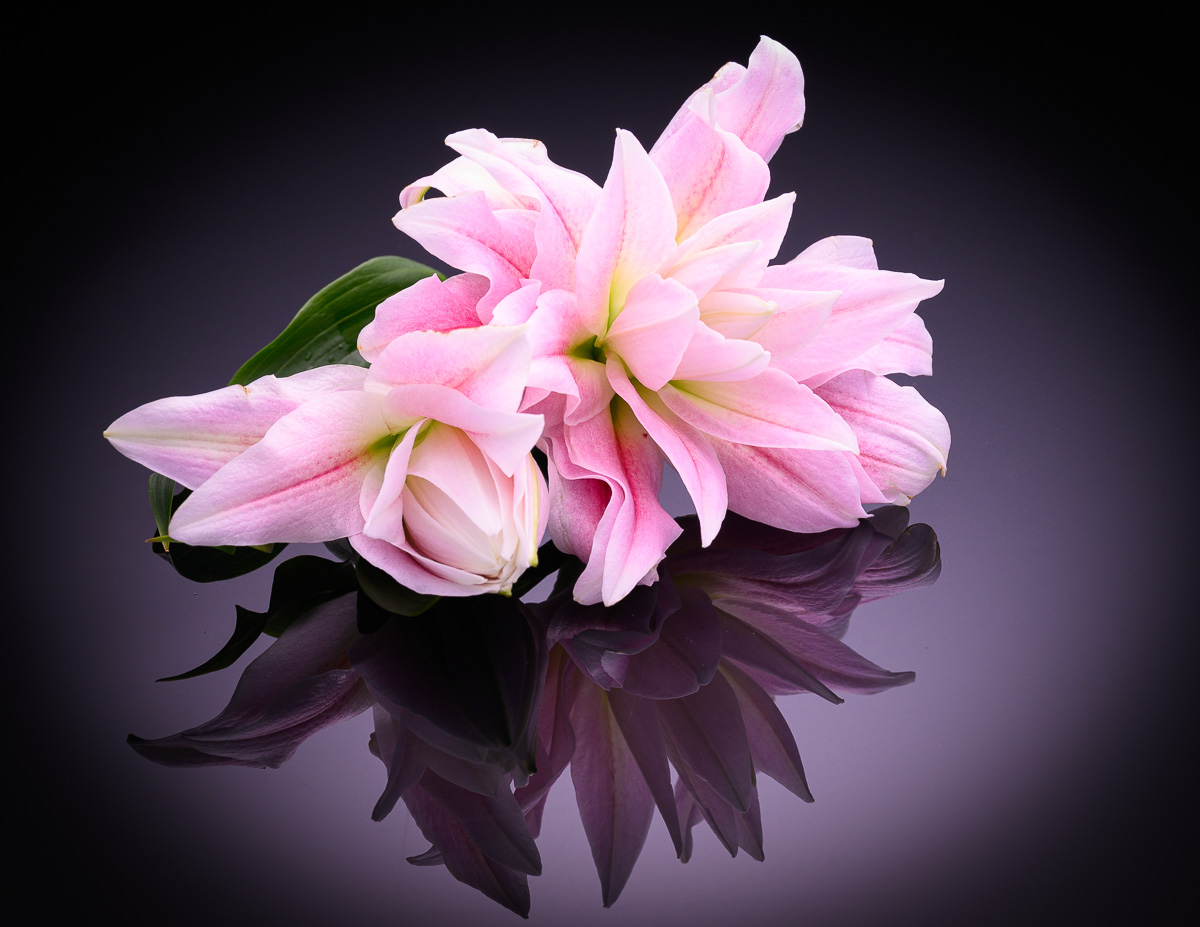
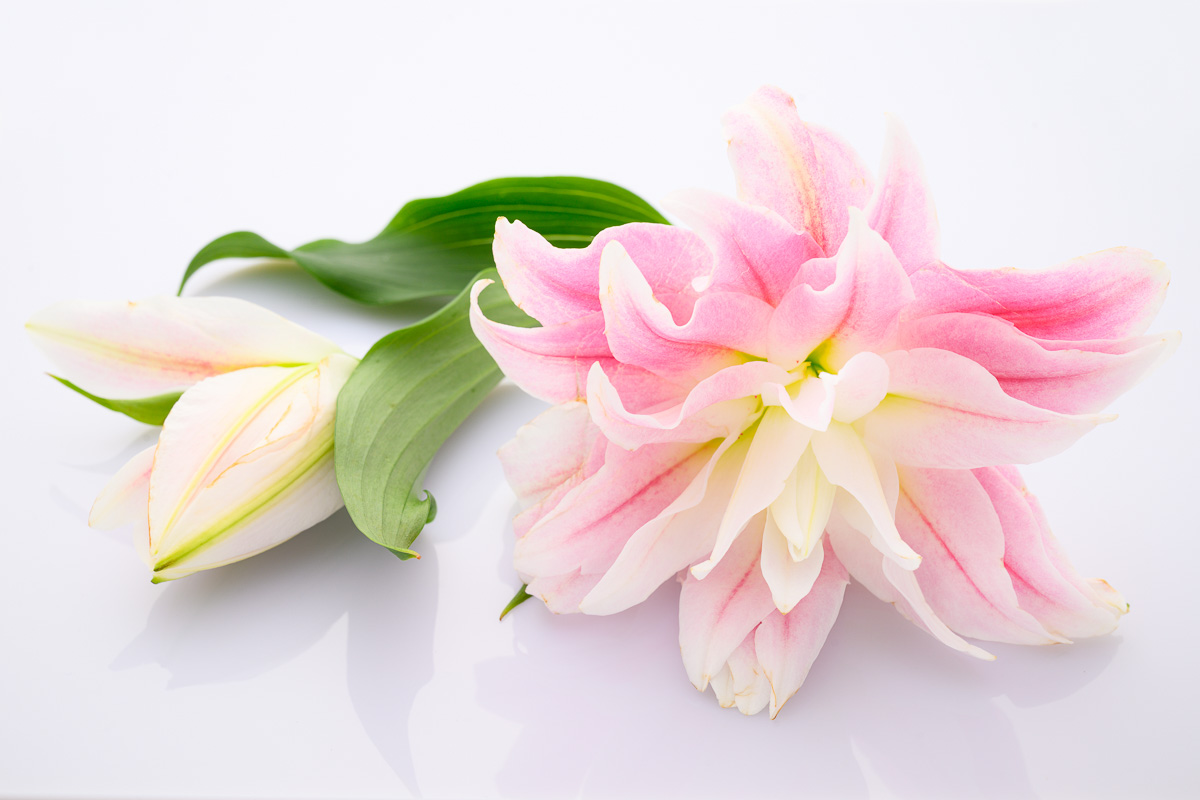
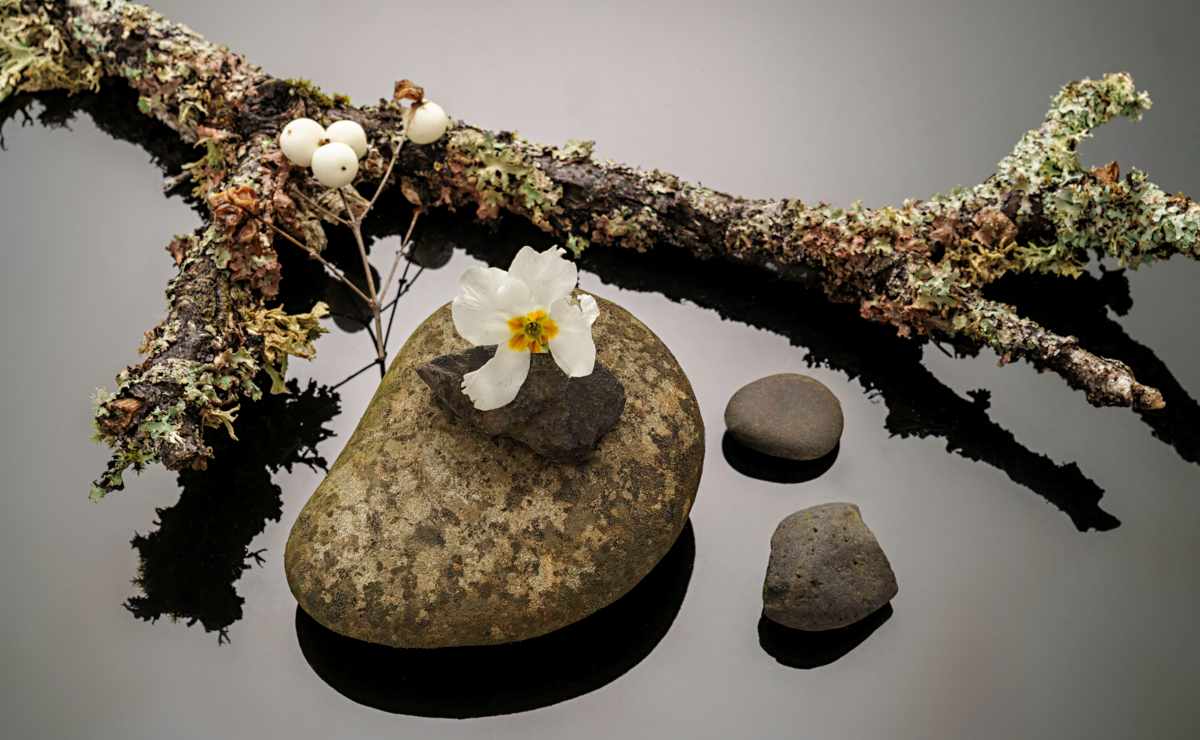
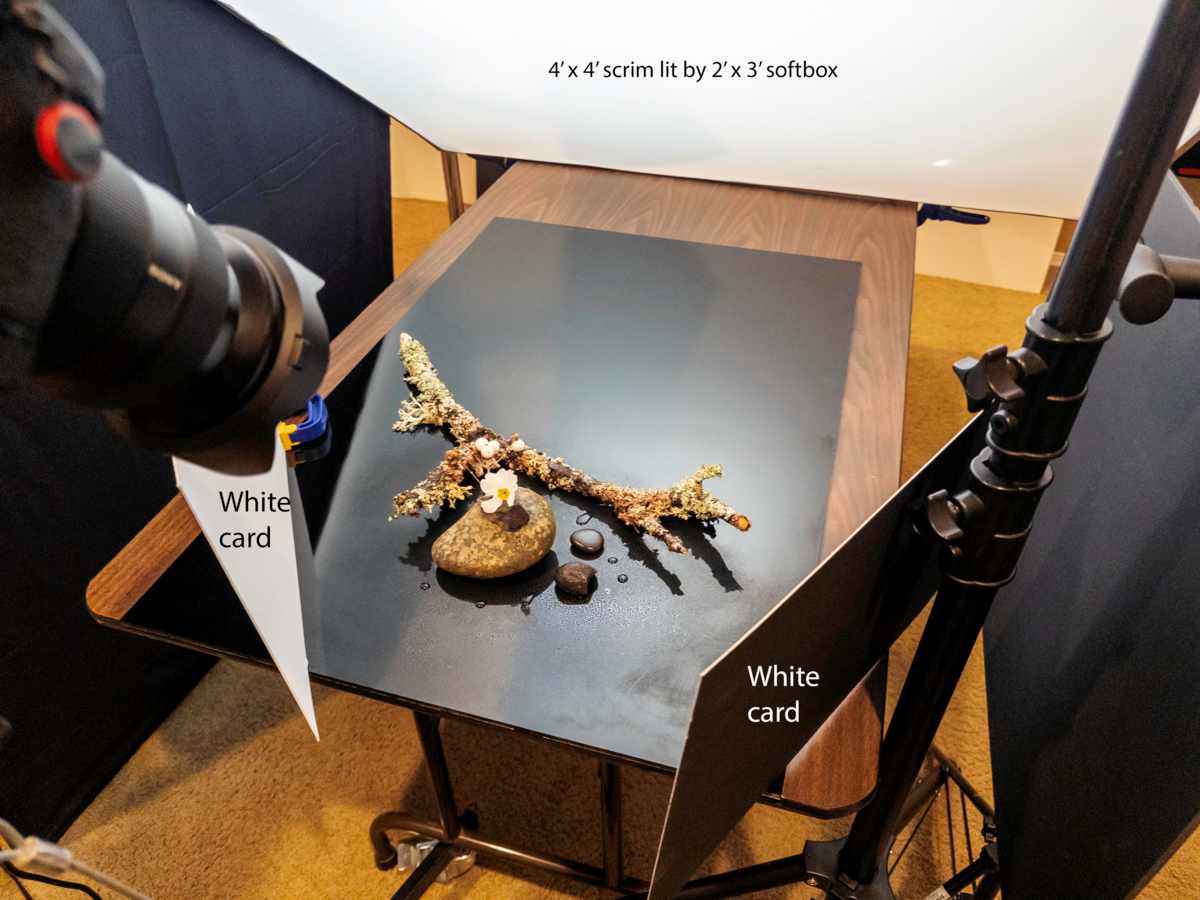
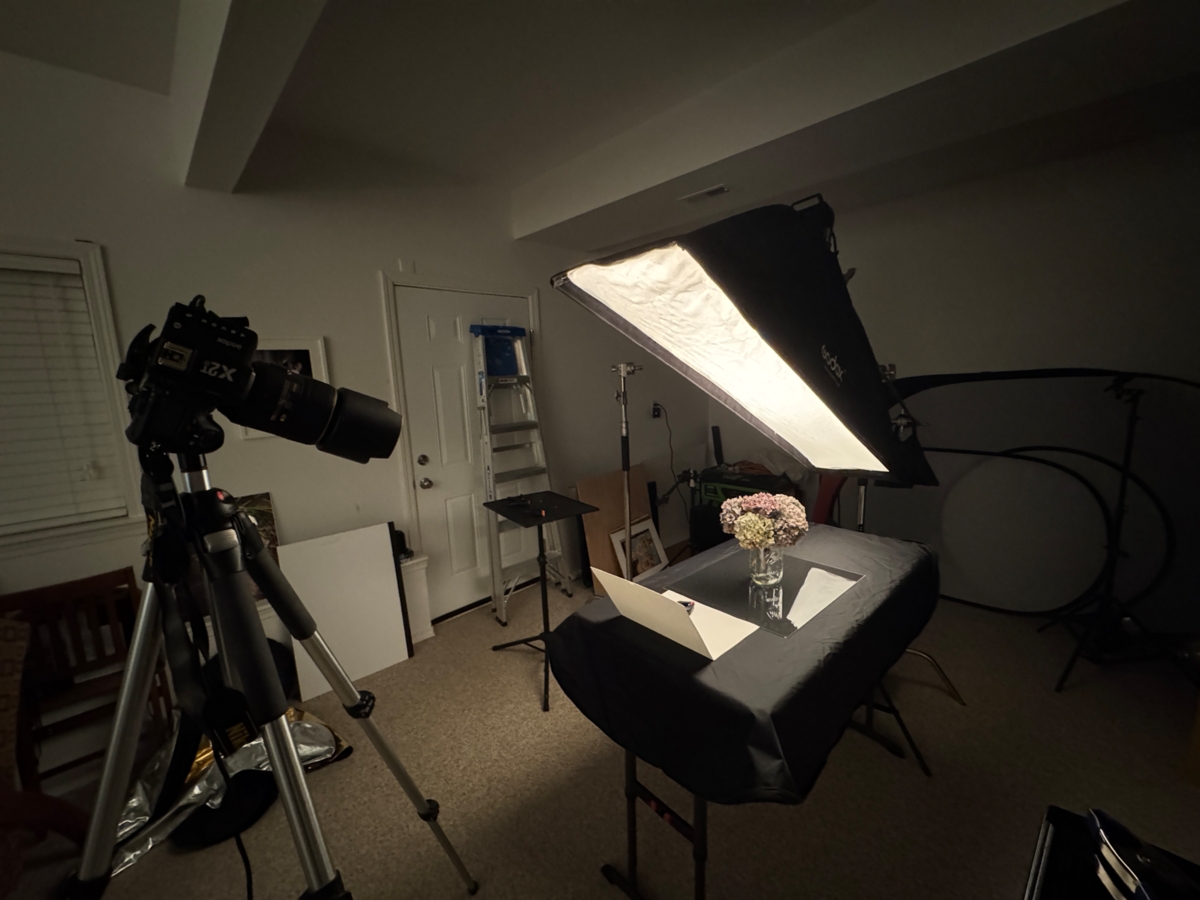
1. Flowers, props, twigs, rocks… a “Nature’s Garden” on a shiny surface. Use the reflection of the softbox to give a compositional element to the image. Whether that be a bright reflected circle (bring a round light close to the scrim), or a gentle gradient from light to dark using a softbox behind the scriim. The angle of the light and the camera should match closely (45-35 degrees down onto the surface.
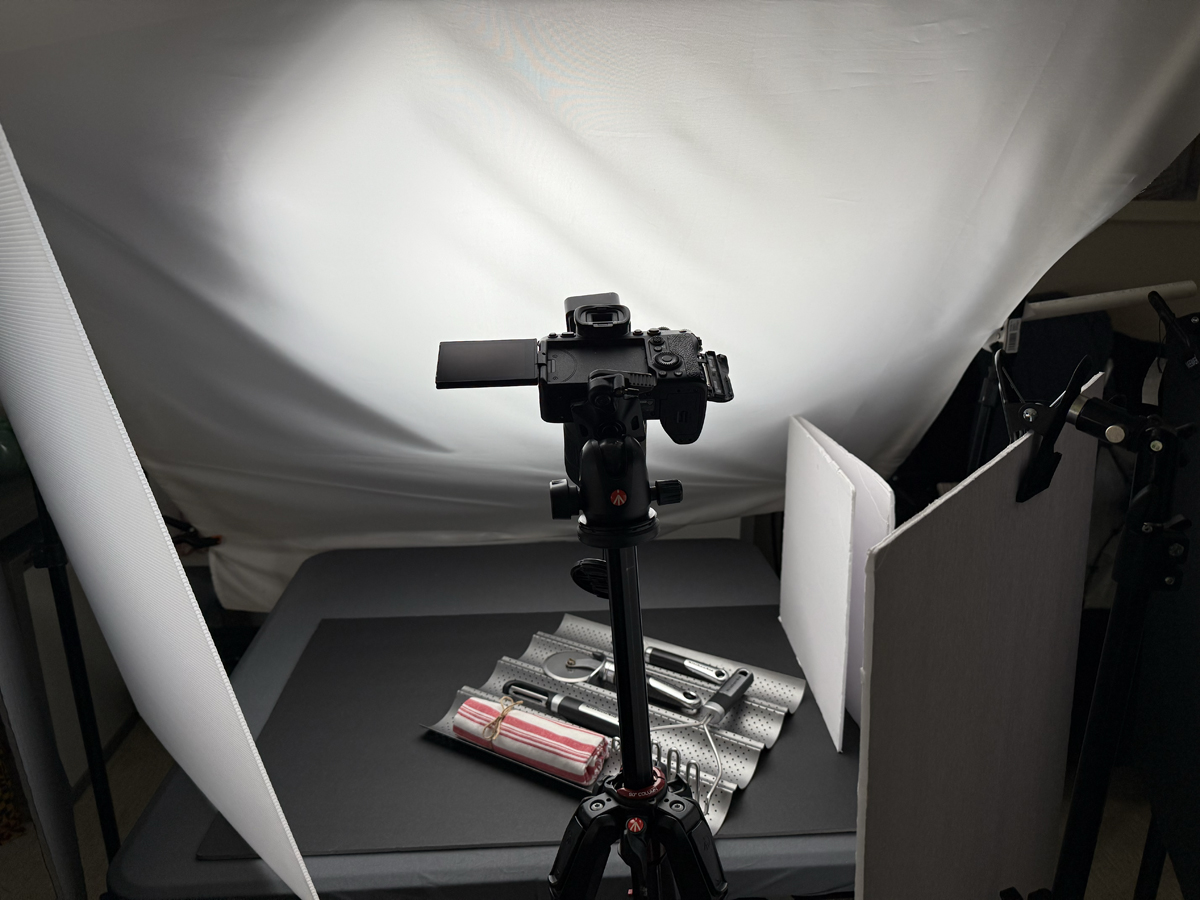
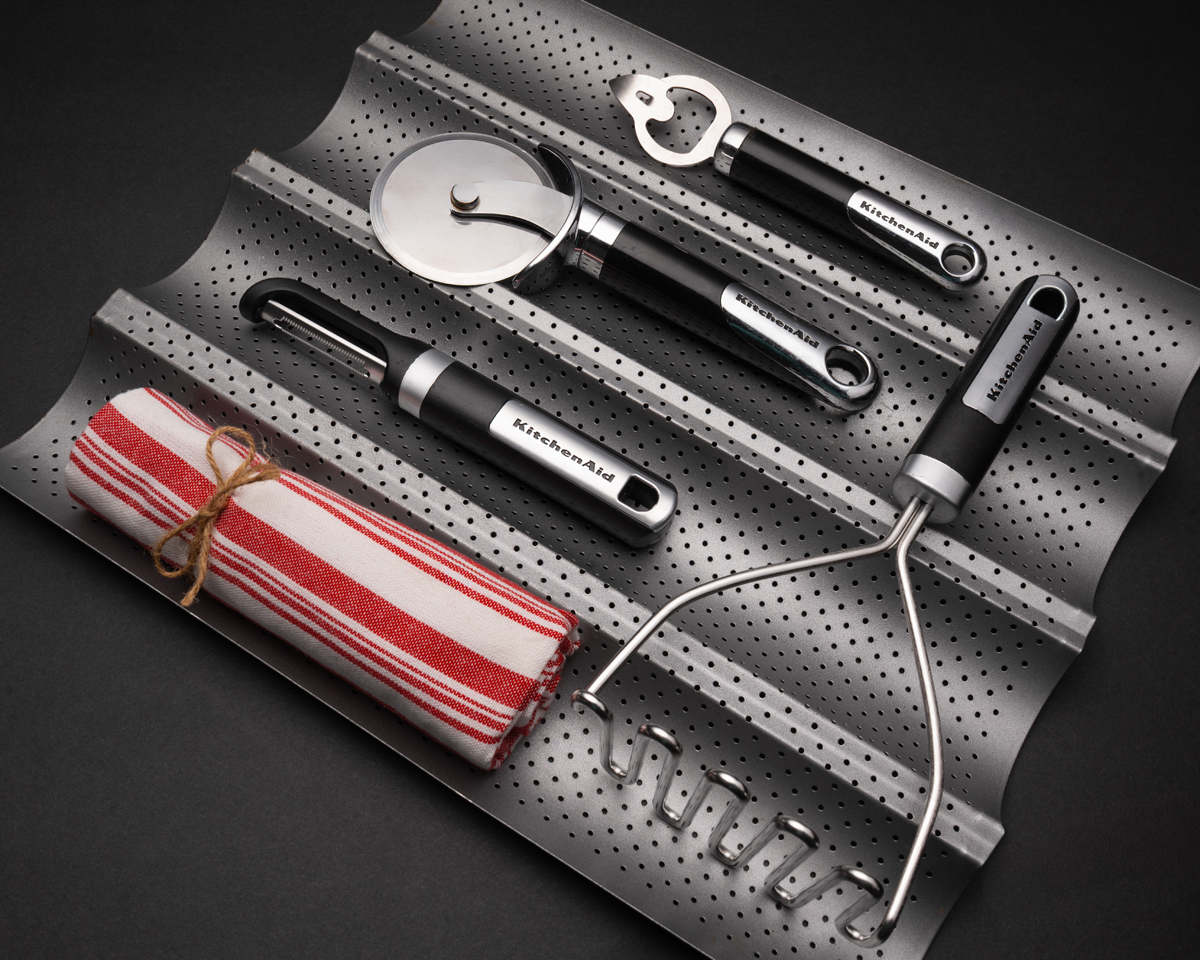
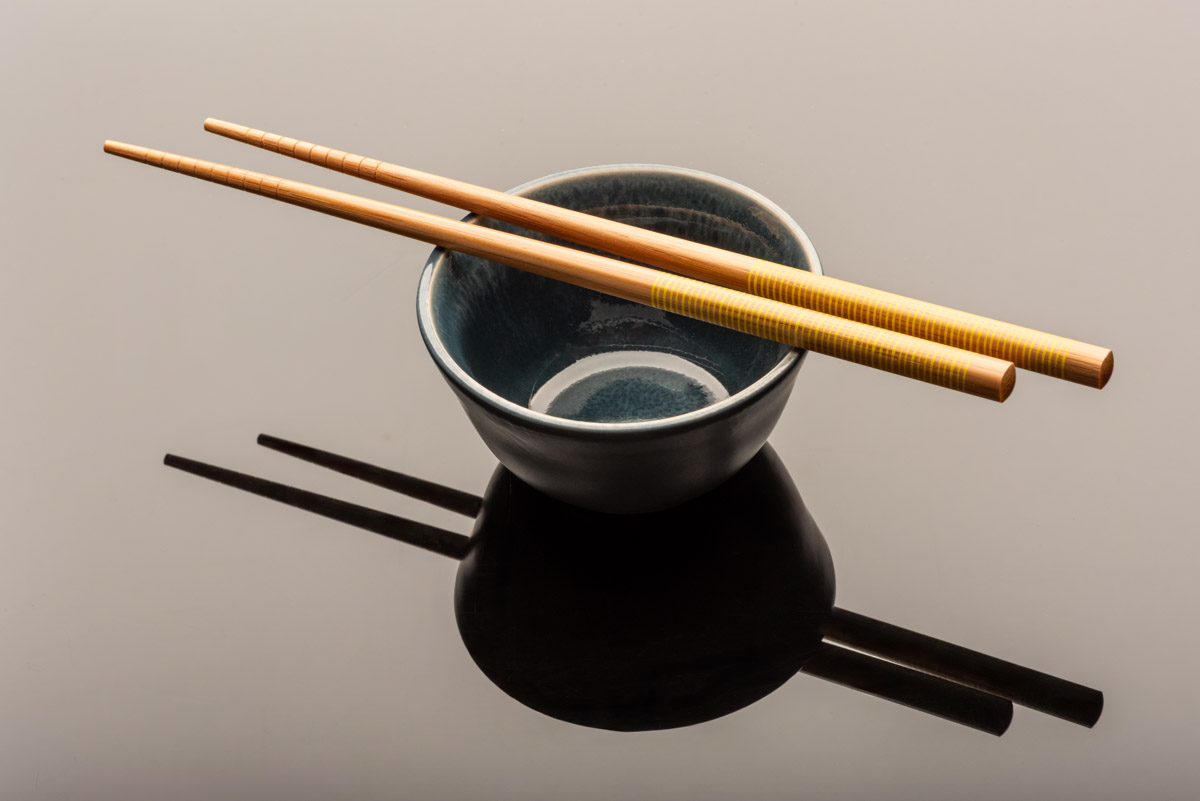
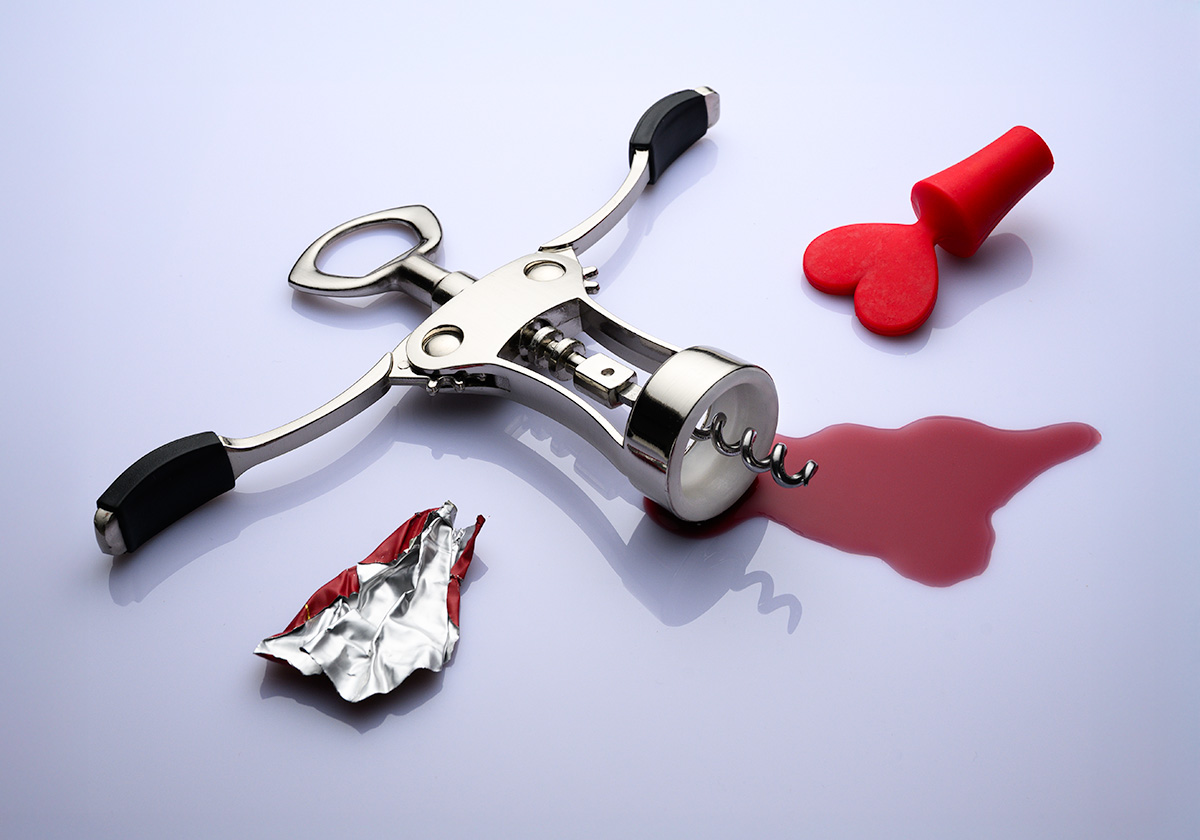
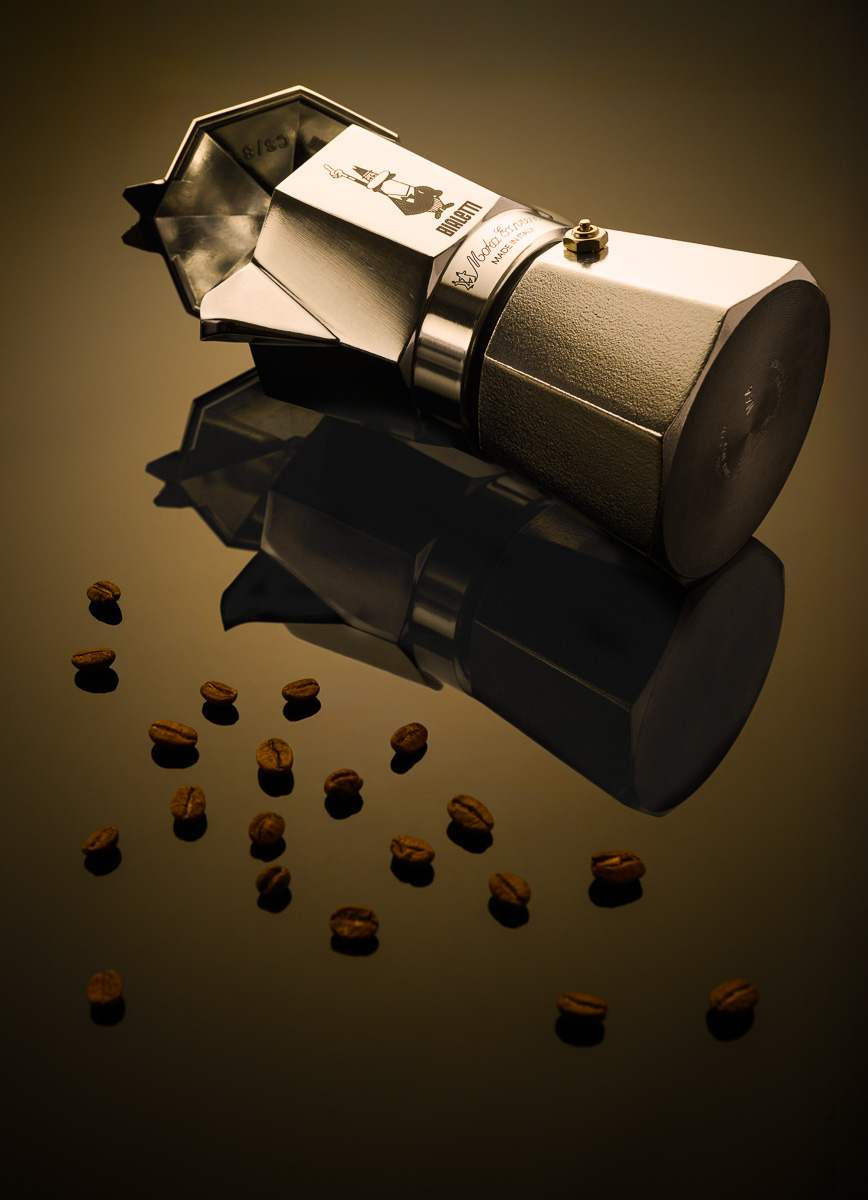
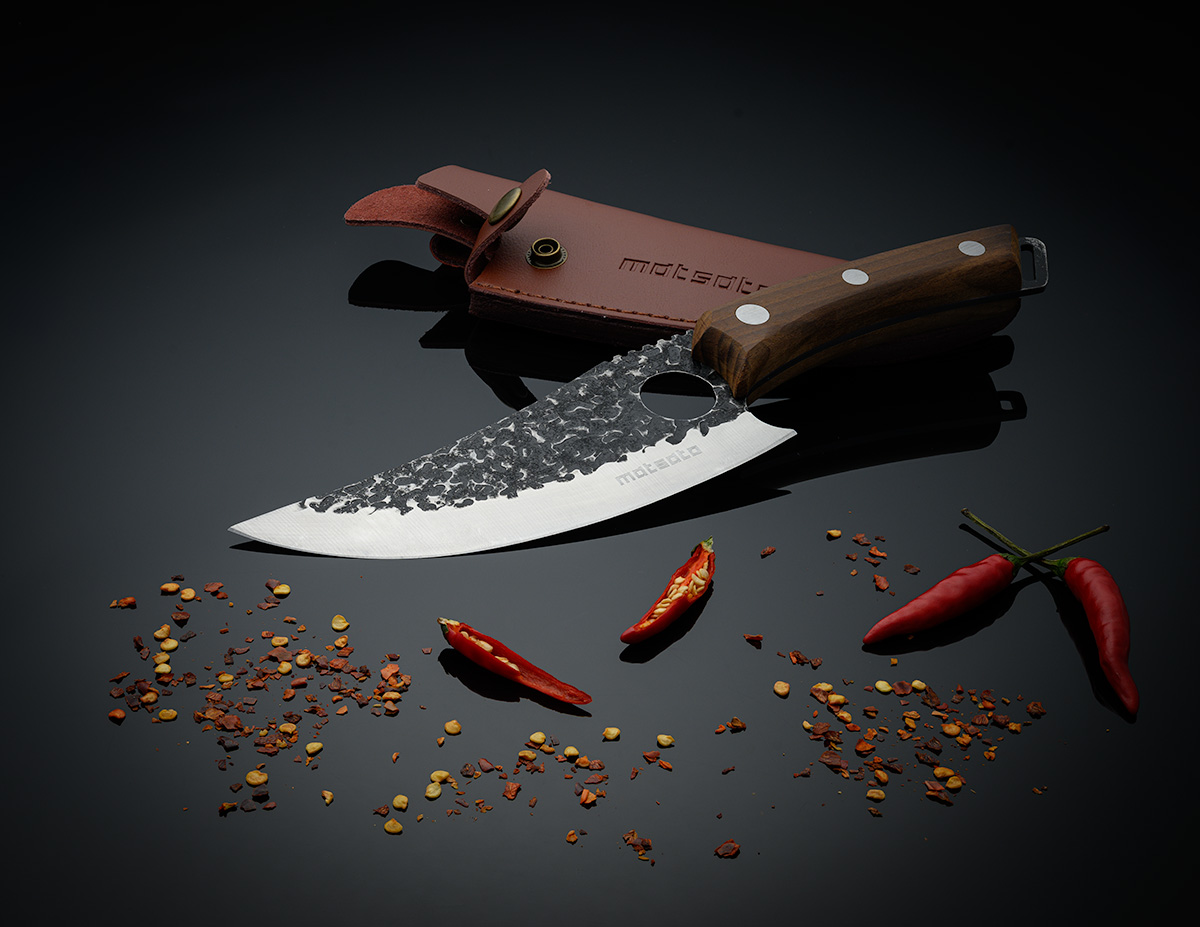
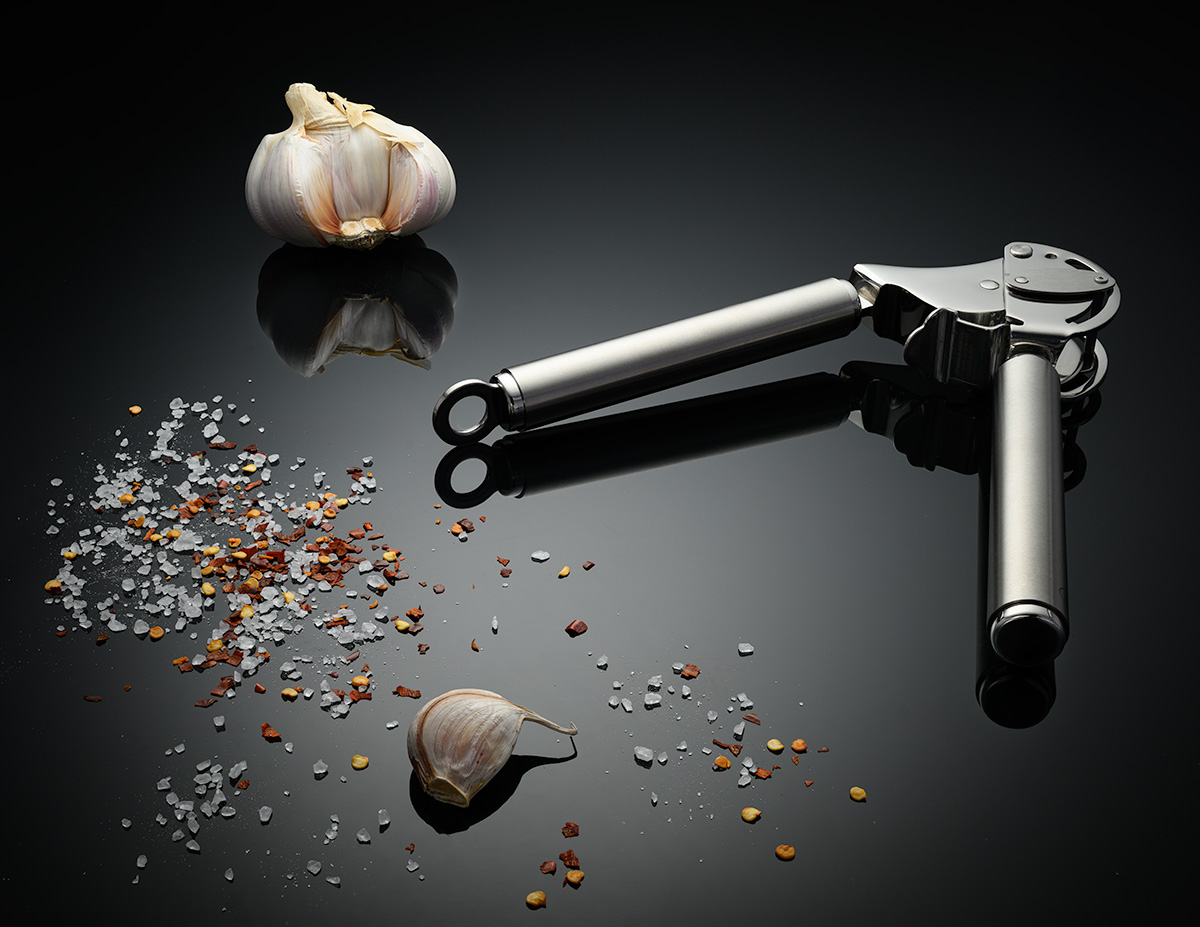
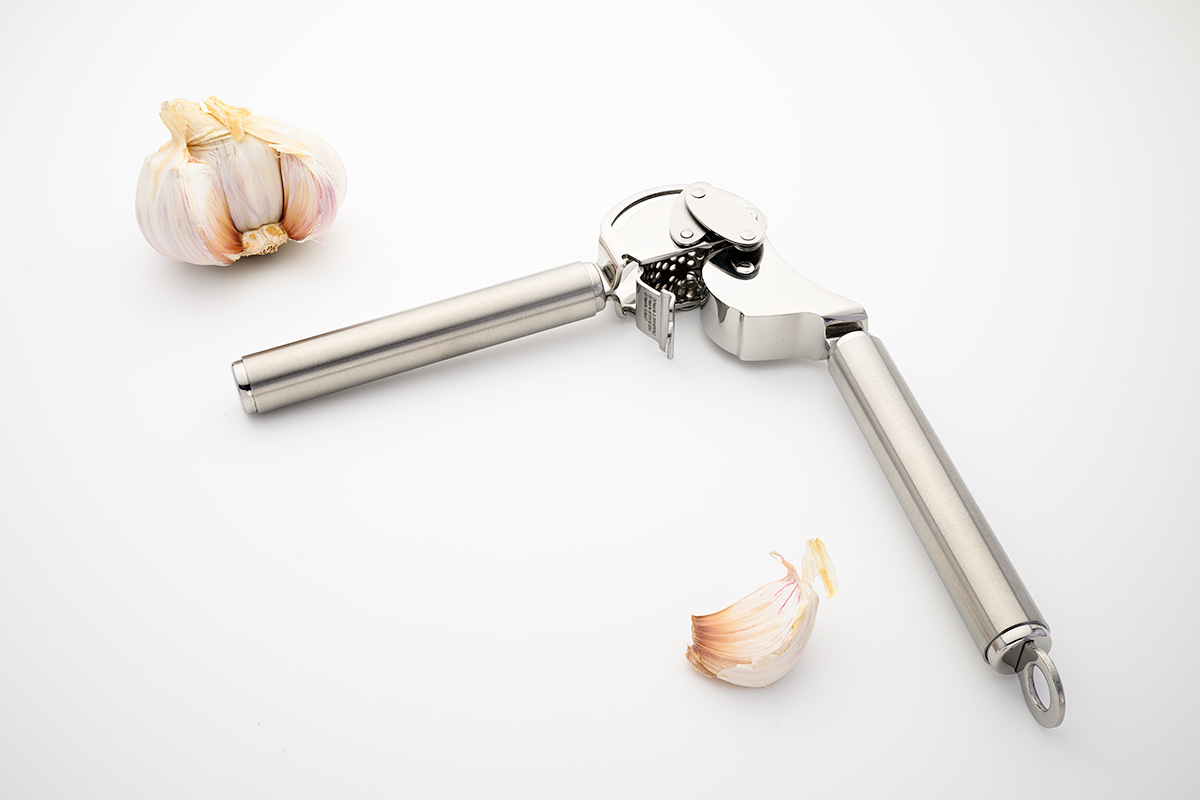
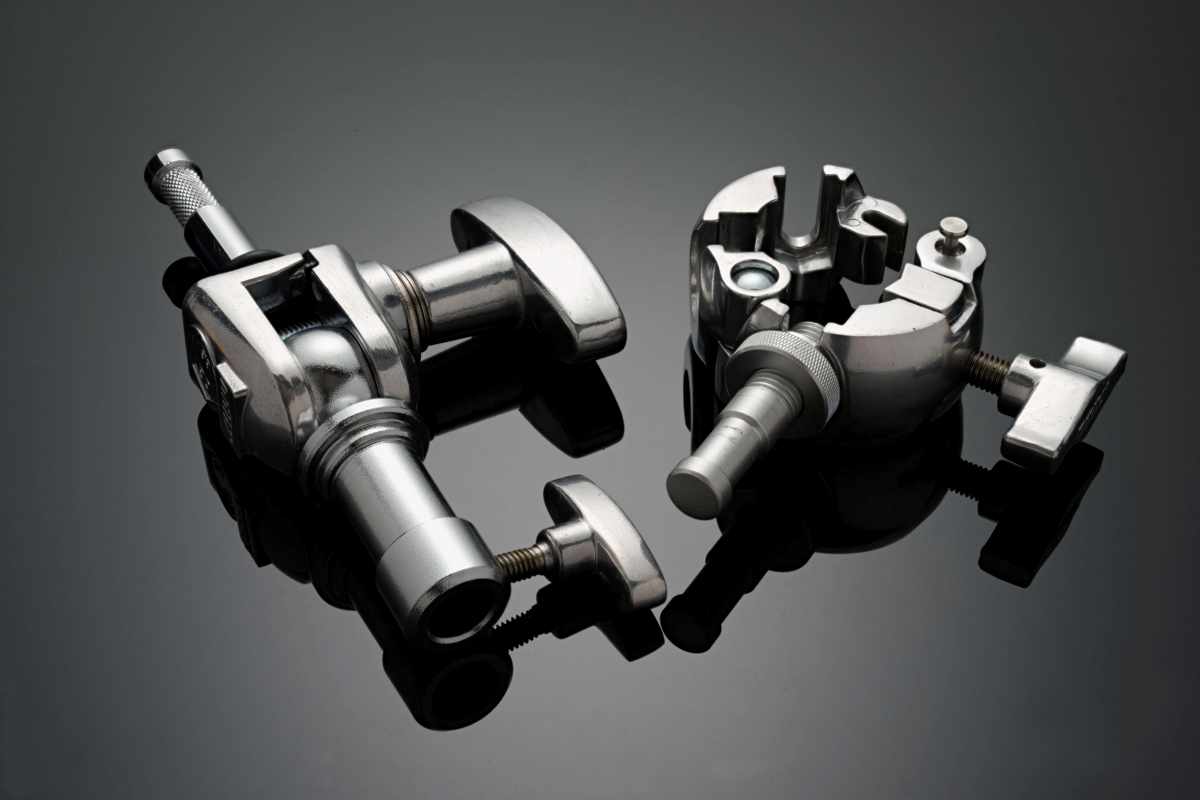
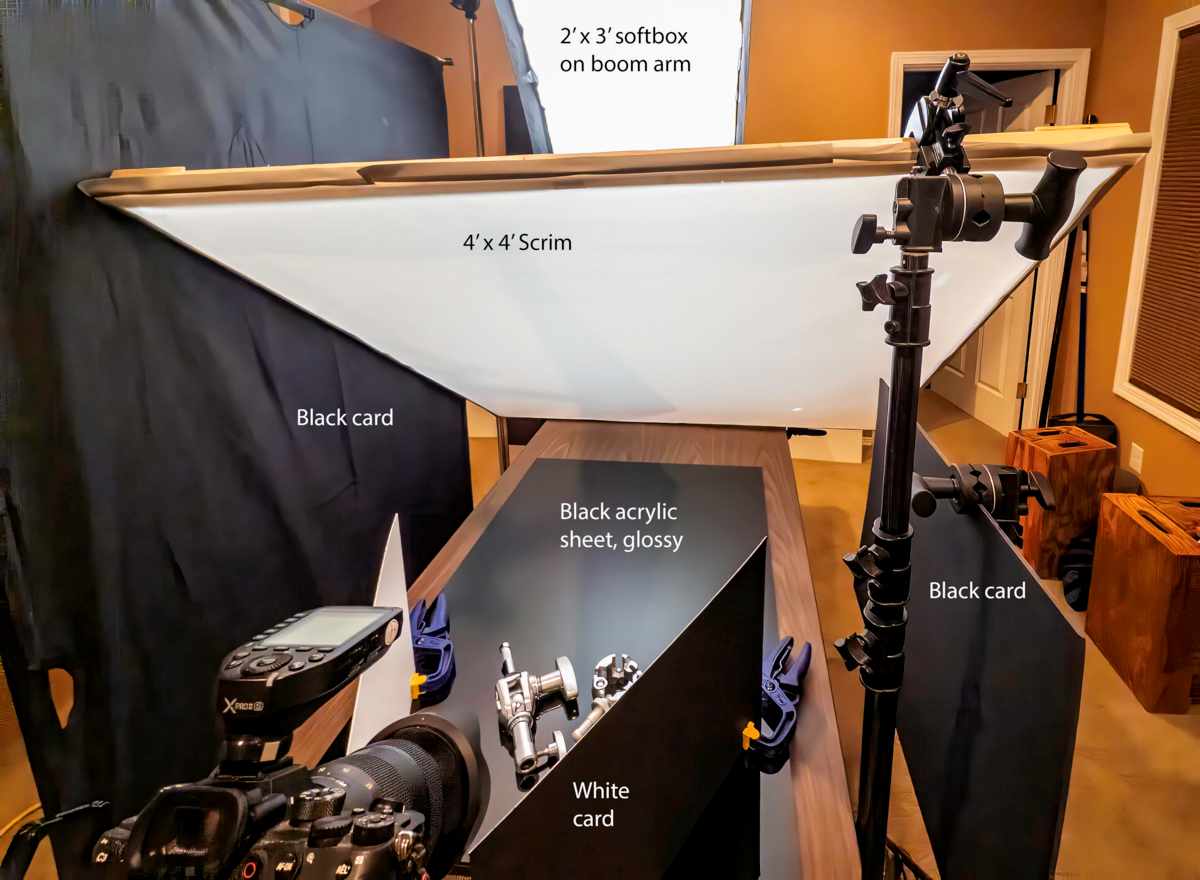
2. Shiny objects like plumbing tools, or items, cosmetics, or electronics. Use the large, “liquid” highlight to sculpt the objects and show the texture and shape. Use either the same shiny surface, or a semipshiny surfacle like black fome-core, or poster board (see Phil Marco Mouse Trap).
Remember the Book Light:
WHAT IS A BOOK LIGHT SET UP?
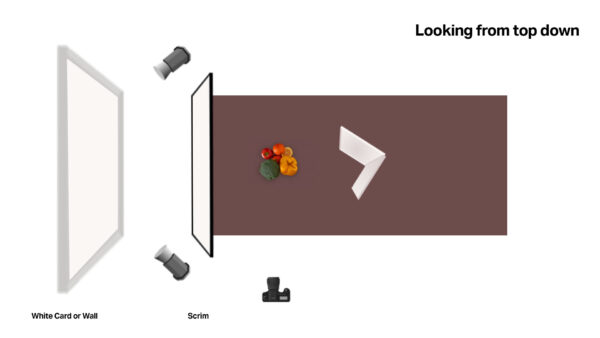
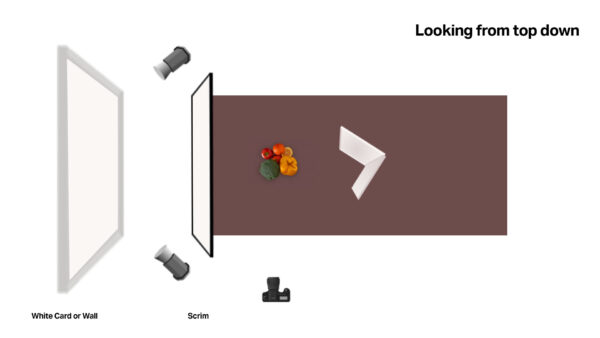

Gary Perweiler’s amazing book.
Available on Amazon.
ASSIGNMENT UPLOAD
1. Must not be larger than 1200 pixels on the longest side.
2. Must be .jpg format
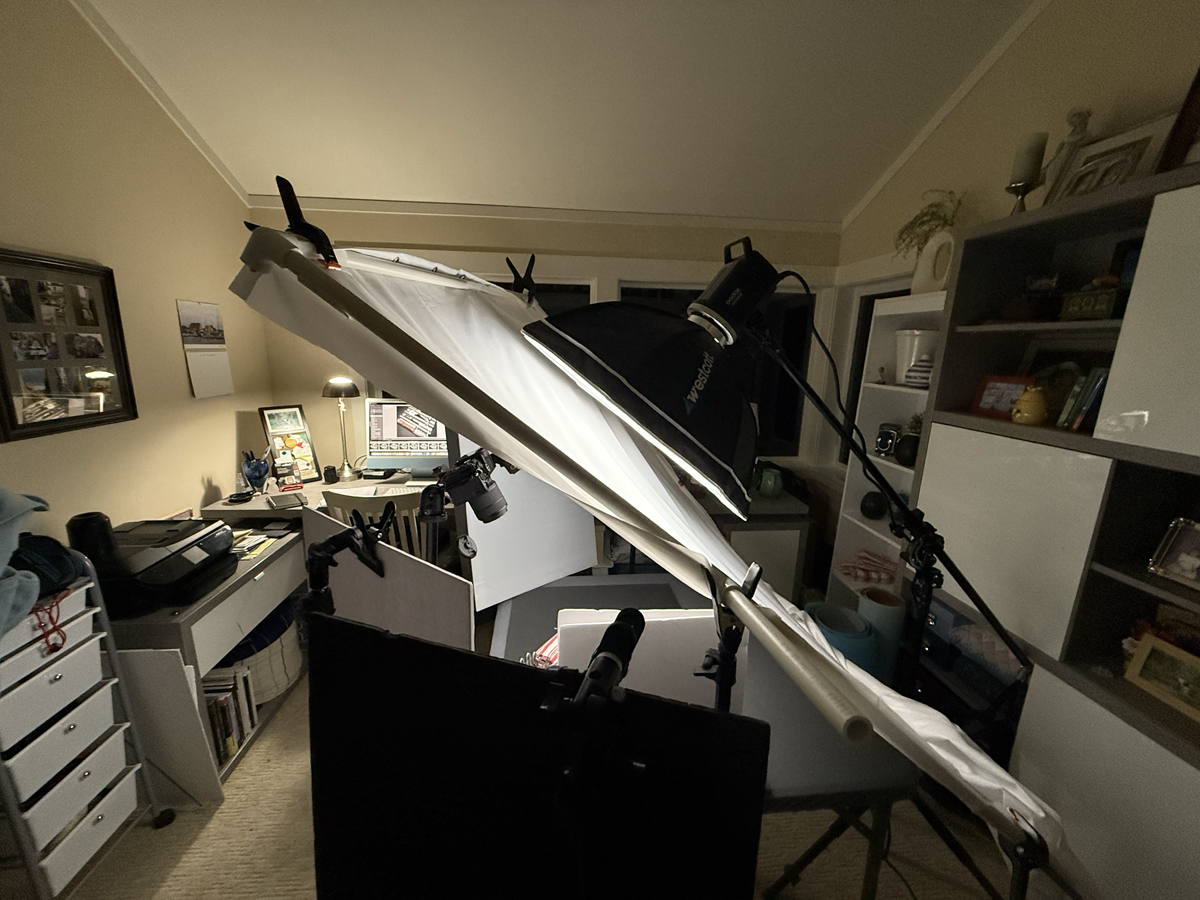
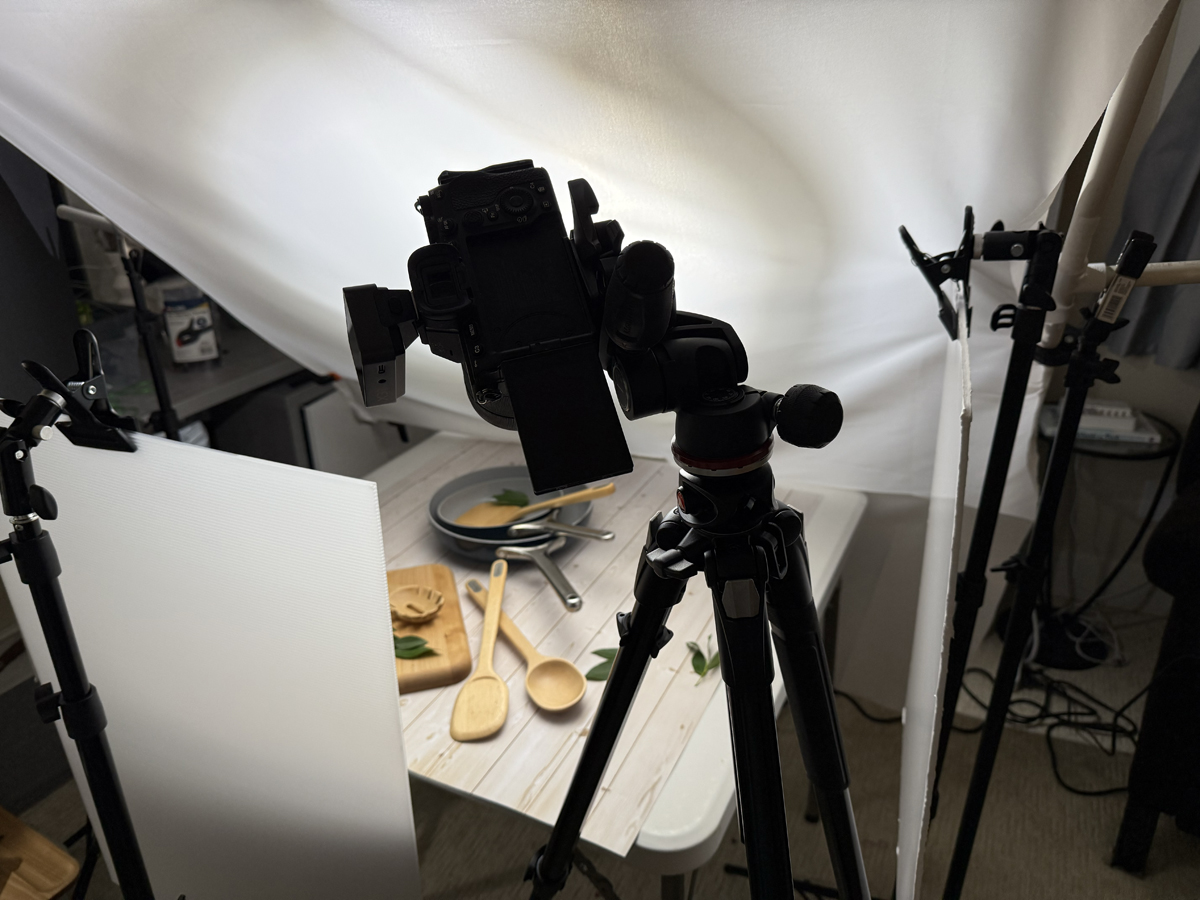
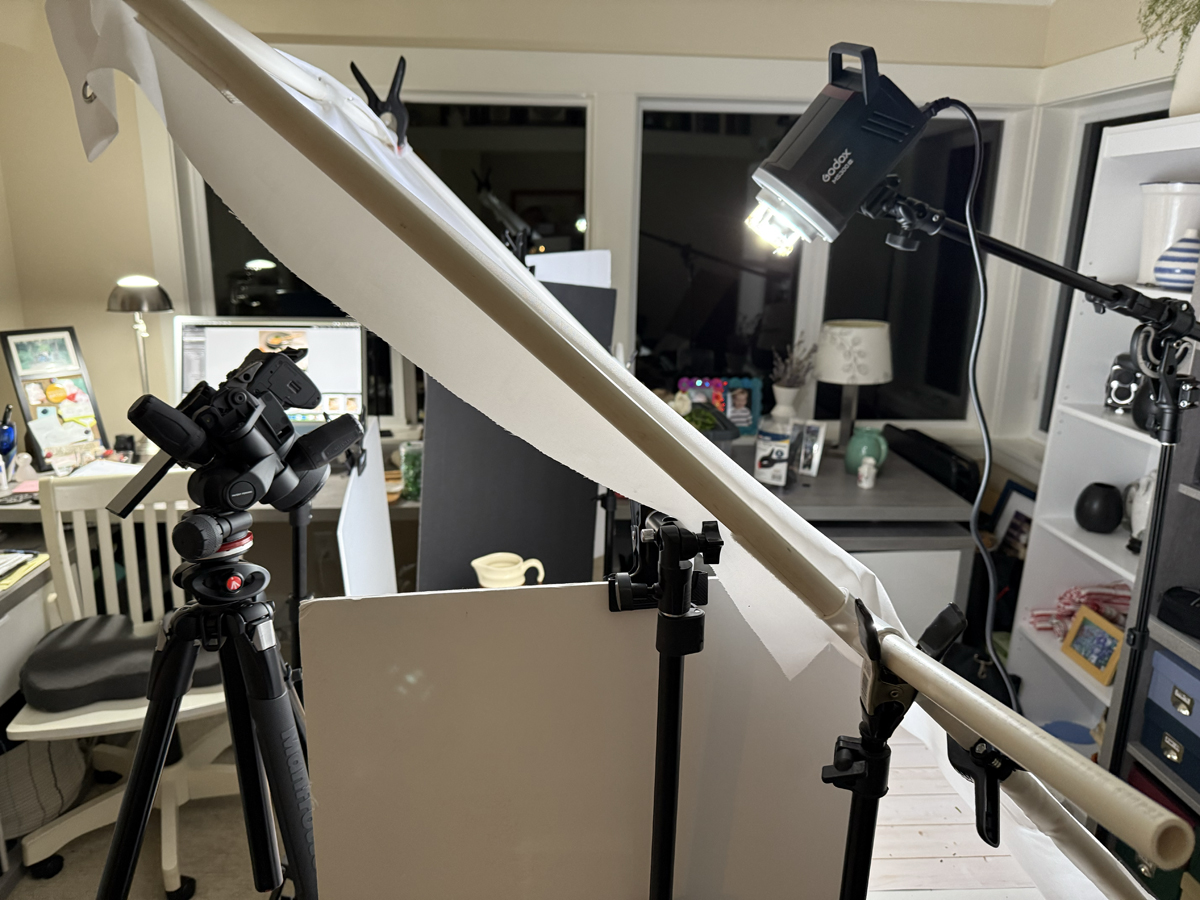
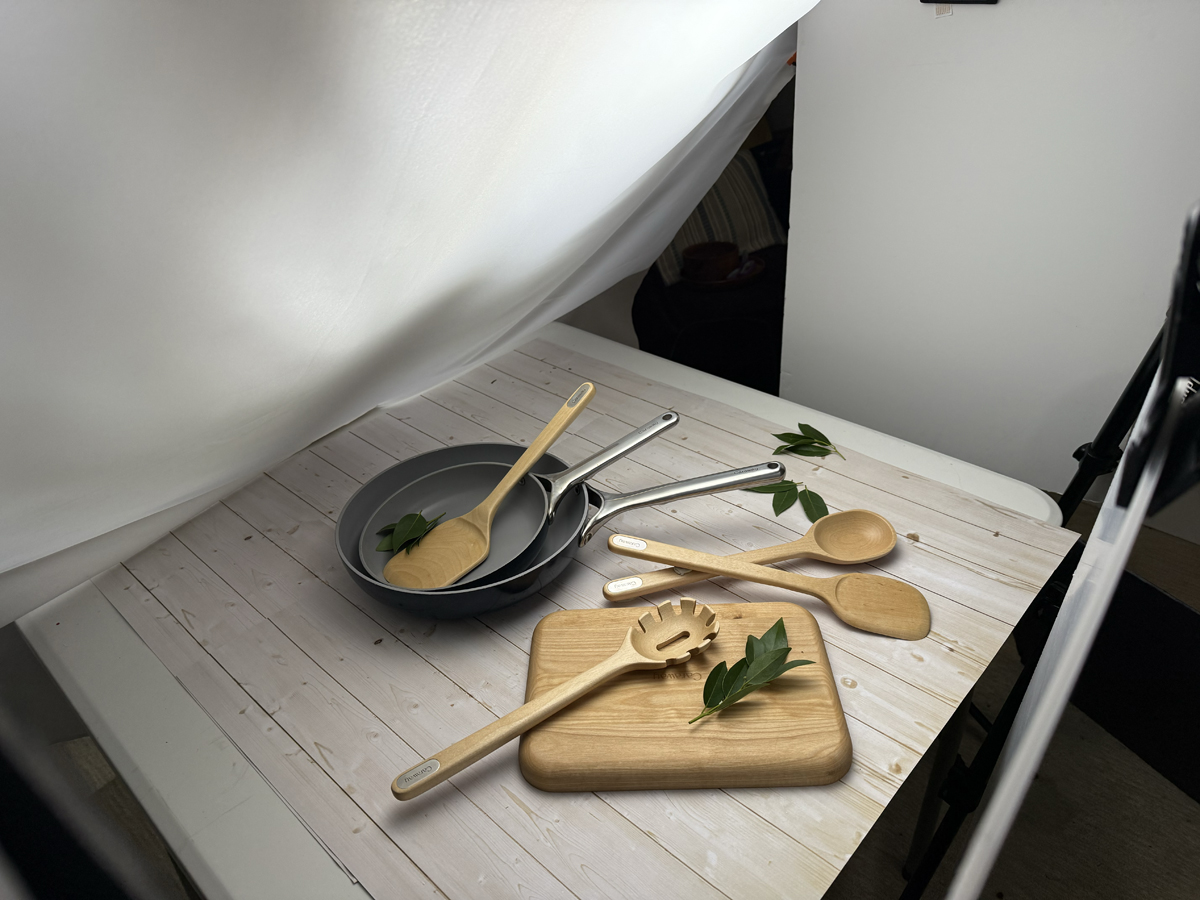
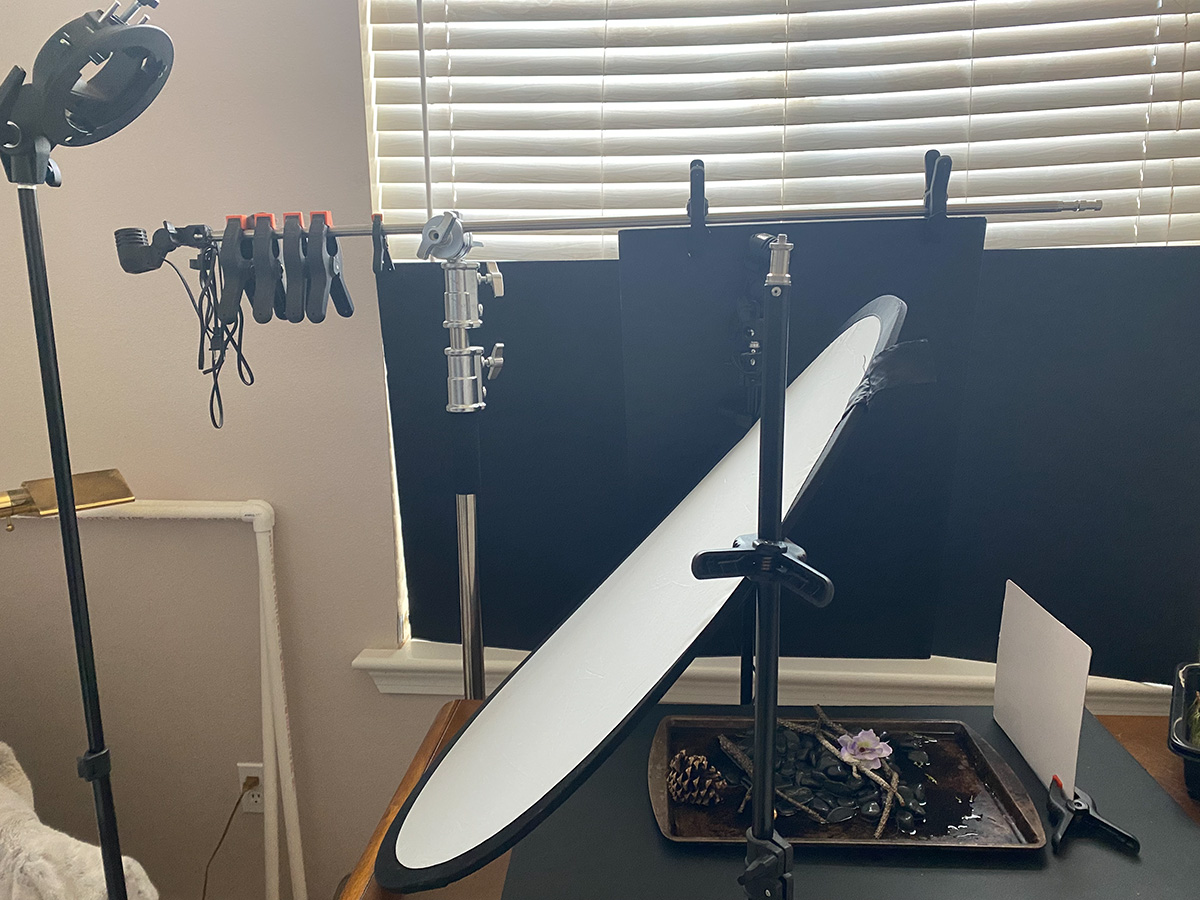
3. Include BTS shots
4. File naming: first-last-assignnumber-1.jpg (don-giannatti-1-a.jpg, don-giannatti-1-b.jpg, etc…
5. Be sure to resize phone shots.
|
Upload files
|
|
|
|
|
|
|



|
|
What you will need:
- One or Two lights
- Scrim
- Tabletop
- Flowers/twigs/rocks for a “Nature” shot on shiny surface
- Tools, plumbing parts, mechanical anything
- Large Flag (black card)
- Stand for light and a stand for the flag.
Resources:
AI TOOLS I USE:
Open AI ChatGPT
Gemini
Claude
GenSpark
Grok
____________________
The Ultimate Guide to Starting Your Creative Business
The Ultimate Guide to Starting Your Creative Business (PDF)
Meeting summary
Quick recap
The class discussed various lighting techniques using scrims and diffusers for product photography. Students shared their photos and experiences, with Don providing feedback and suggestions for improvement. Topics covered included choosing the right diffuser material, adjusting light angles, and stabilizing setups. Don emphasized the importance of starting with the light close to the subject and experimenting with different positions. The class also discussed cleaning techniques for acrylic surfaces and using A-clamps for stabilizing backgrounds. Don announced the next class would be held two weeks later, after New Year’s.
Next steps
- christinelarson: Go back to Lightroom and apply lens correction to images to address vignetting, as suggested by Don.
- robinson: In Lightroom, increase the yellows in the image with the leaves and adjust both leaves by the same percentage, as advised by Don.
- Robert: Try using Adobe Camera Raw’s distraction removal/dust feature to clean up dust spots on black acrylic, as discussed.
- All participants: For the next session (in two weeks), complete the new assignment: set up lighting with a vertical card and an ambient builder (angled card/foam board) across the top, using a dark bottle and another product (such as candy, Christmas ornaments, food, cups, or software), and experiment with flag positions; upload results for review.
- All participants: If using glass for reflection shots, experiment with changing angles and using a scrim at the same angle as the glass to reduce double reflections, as discussed by Don and Steve.
- LucianaRizzi: Look for Roscoe or Savage Translum/Roscoe Rolex diffusion material in EU dealers, as referenced by Don for sourcing diffusion material in Europe.
- All participants: Consider stabilizing the ambient builder setup for the next assignment using clamps and dowels/stands, as described by Don.
Summary
Photography Lighting and Surface Cleaning
The group discussed challenges with using scrims and softboxes in photography, with Steve sharing his struggles with achieving the correct angle and flare control. Don provided guidance on using strip boxes and explained that Gary Perwheeler often used large metal softboxes instead of scrims. The conversation then shifted to cleaning techniques for acrylic surfaces, with LucianaRizzi recommending methylate spirit (alcohol) and Don suggesting using Singer Sewing Machine Oil to fill small scratches. The conversation ended with a brief discussion about the AI Companion tool not running properly for some participants.
Photography Setup with Reflective Materials
The group discussed a photography setup using reflective materials, with Christine presenting photos taken with silver poster board and a baking sheet as backdrops. Don provided technical feedback, suggesting the use of double scrimmed frames and closer lighting placement, while also praising the lighting and composition of Christine’s photos. The discussion concluded with Don encouraging the group to continue experimenting with the setup, noting its potential for future use.
Lens Correction and Lighting Tips
Don helped Christinelarson identify and fix lens vignette issues in her photos by suggesting she use Lightroom’s lens correction feature. They discussed lighting techniques, with Don recommending small adjustments to the light angle and using hairspray to reduce hot spots. Don praised Christinelarson’s photos, noting their natural beauty and close proximity to being print-ready, suggesting only minor adjustments like boosting highlights and increasing contrast were needed.
Photography Lighting Techniques Discussion
Don and the group discussed various photography lighting setups, focusing on studio and natural light techniques. Don encouraged experimenting with different lighting equipment, such as softboxes, bare bulbs, and reflectors, to achieve diverse looks. Inge shared her experience using daylight with a scrim and highlighted the challenges of working with south-facing window light, which changes frequently. Don provided suggestions for improving Inge’s photos, including adding a vignette and adjusting the composition to reduce distractions. The group also discussed the work of photographers like VK Reeves, who often used window light for food photography.
Photography Lighting Setup Discussion
Don and Robinson discussed Robinson’s photography setup using a black plexi surface and a Glow 3×4 softbox. Don provided feedback on adjusting the yellow tones in Lightroom and explained the concept of dark field lighting, which Robinson had experimentally explored. Don clarified that dark field lighting is essentially one big light with a flag, and he encouraged Robinson to continue experimenting with it while being mindful of the setup’s key elements.
Product Photography Lighting Techniques
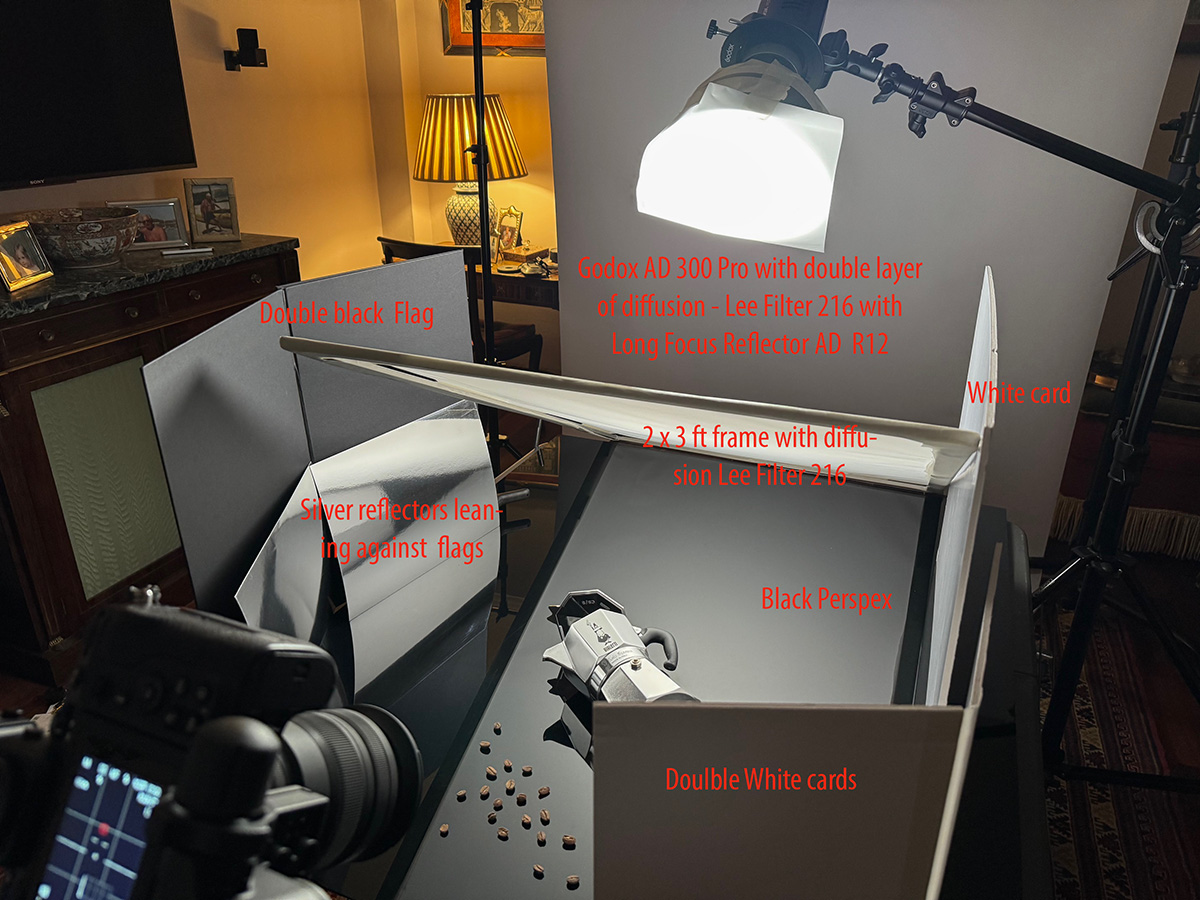
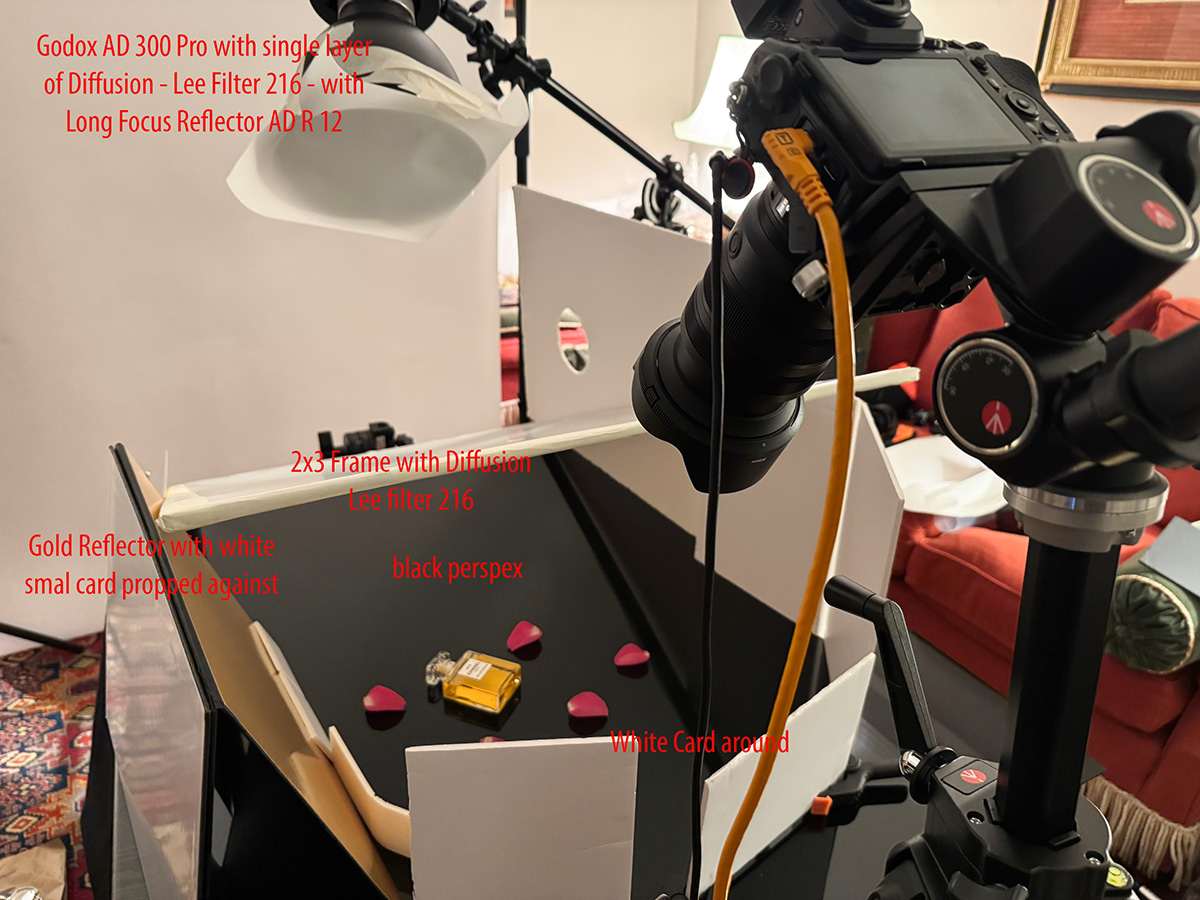
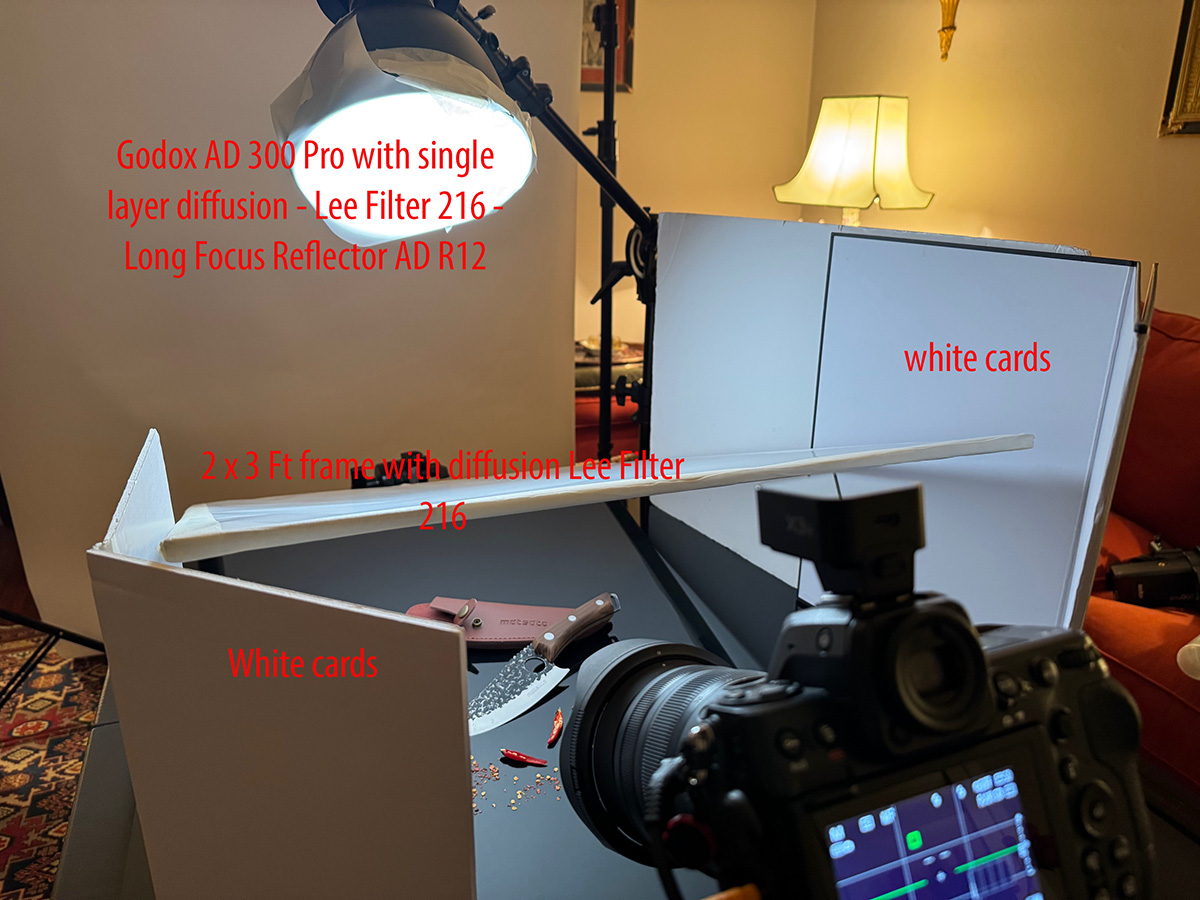
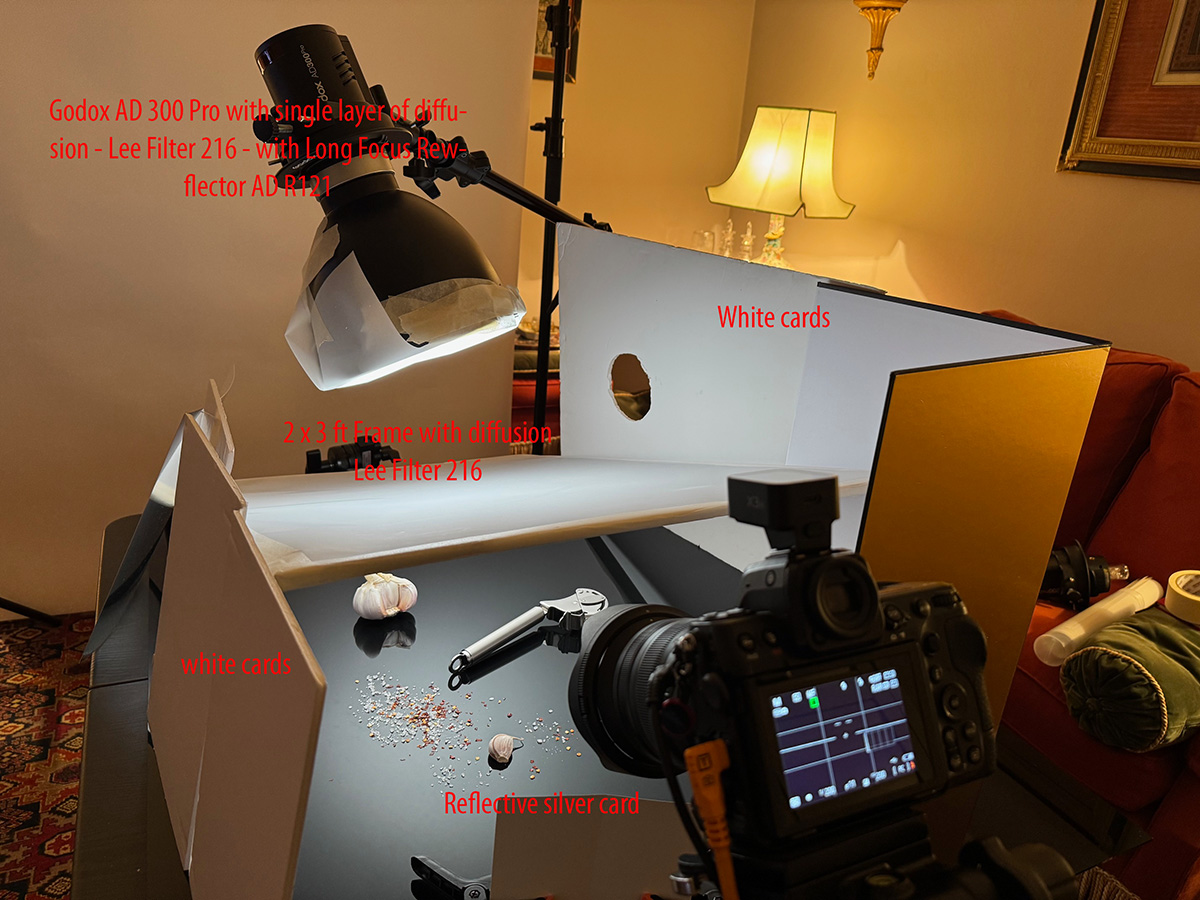
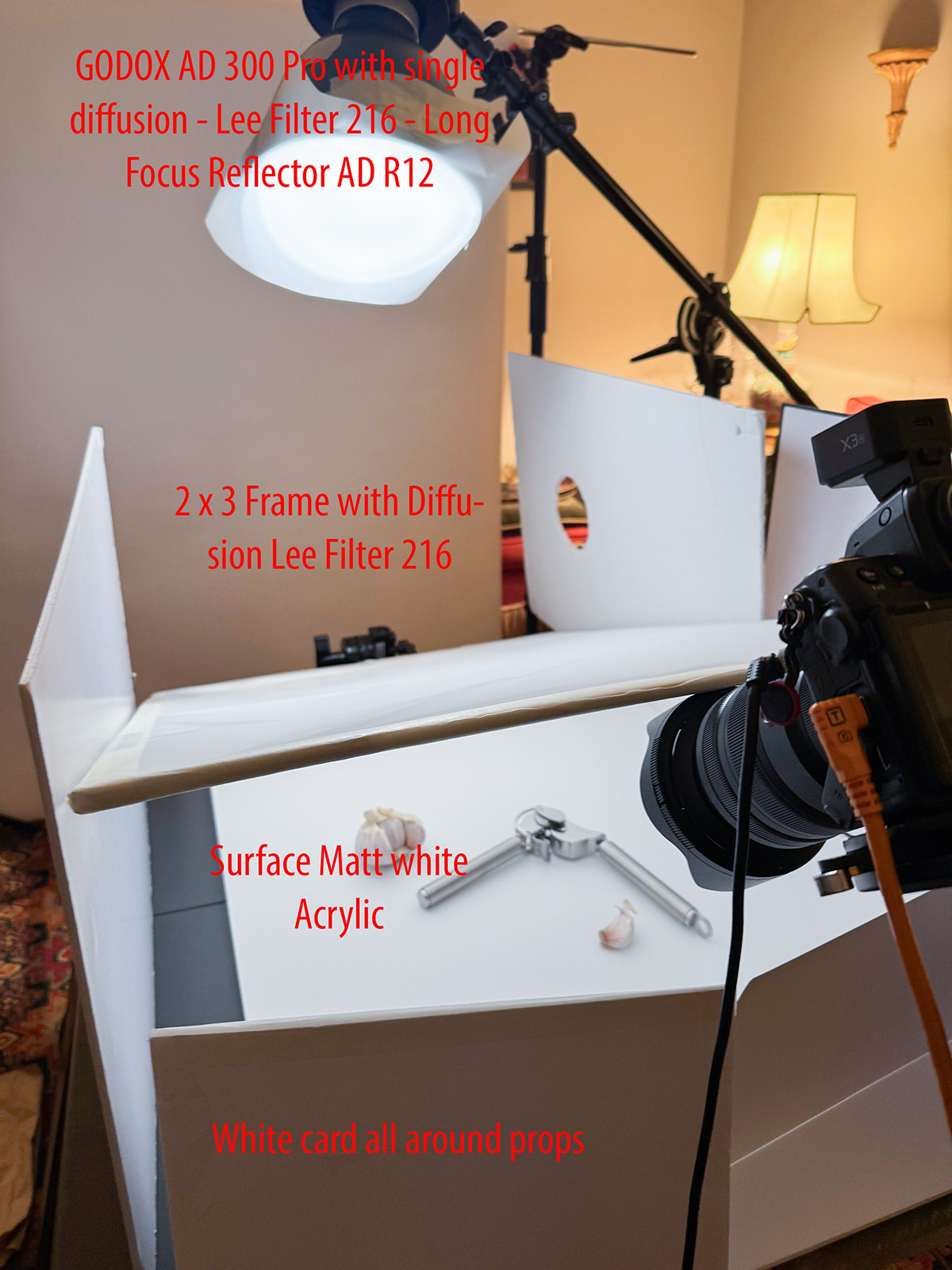
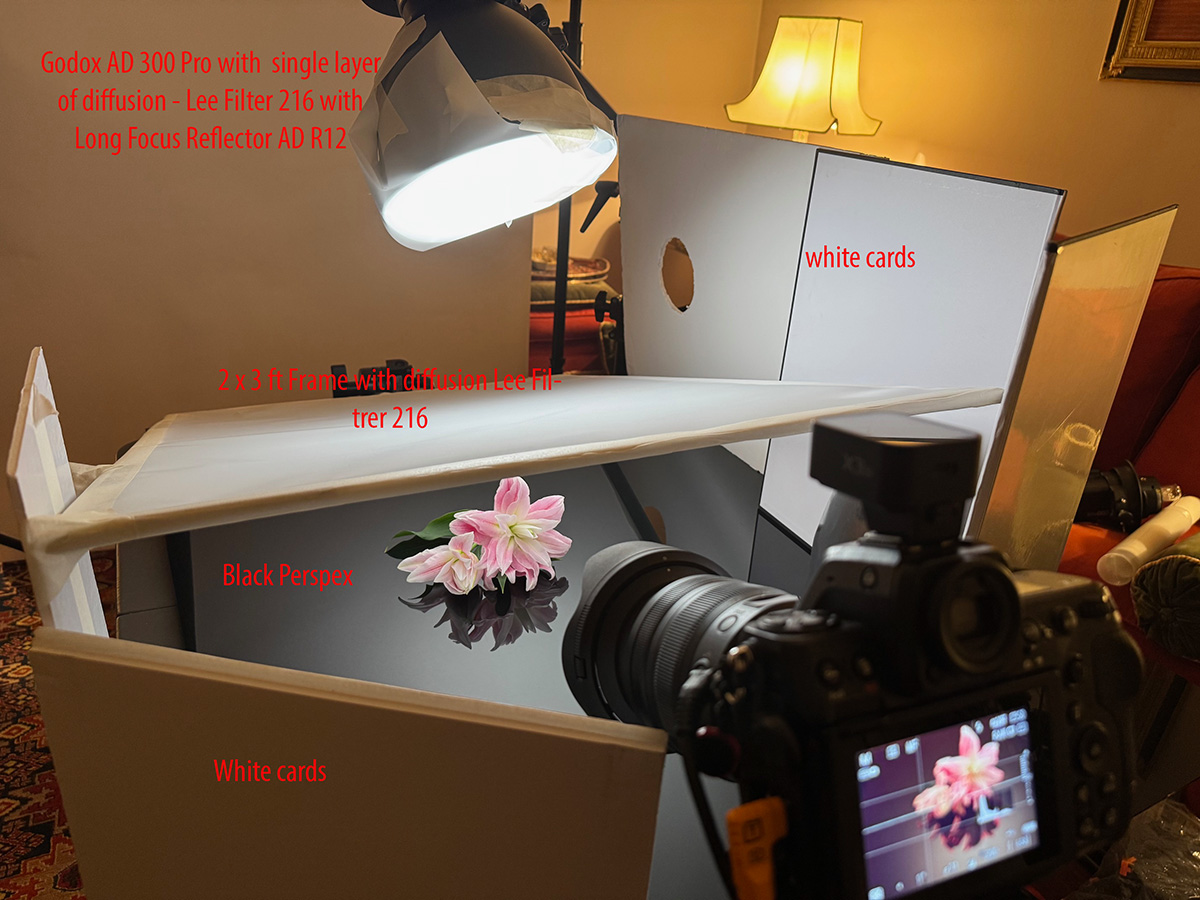
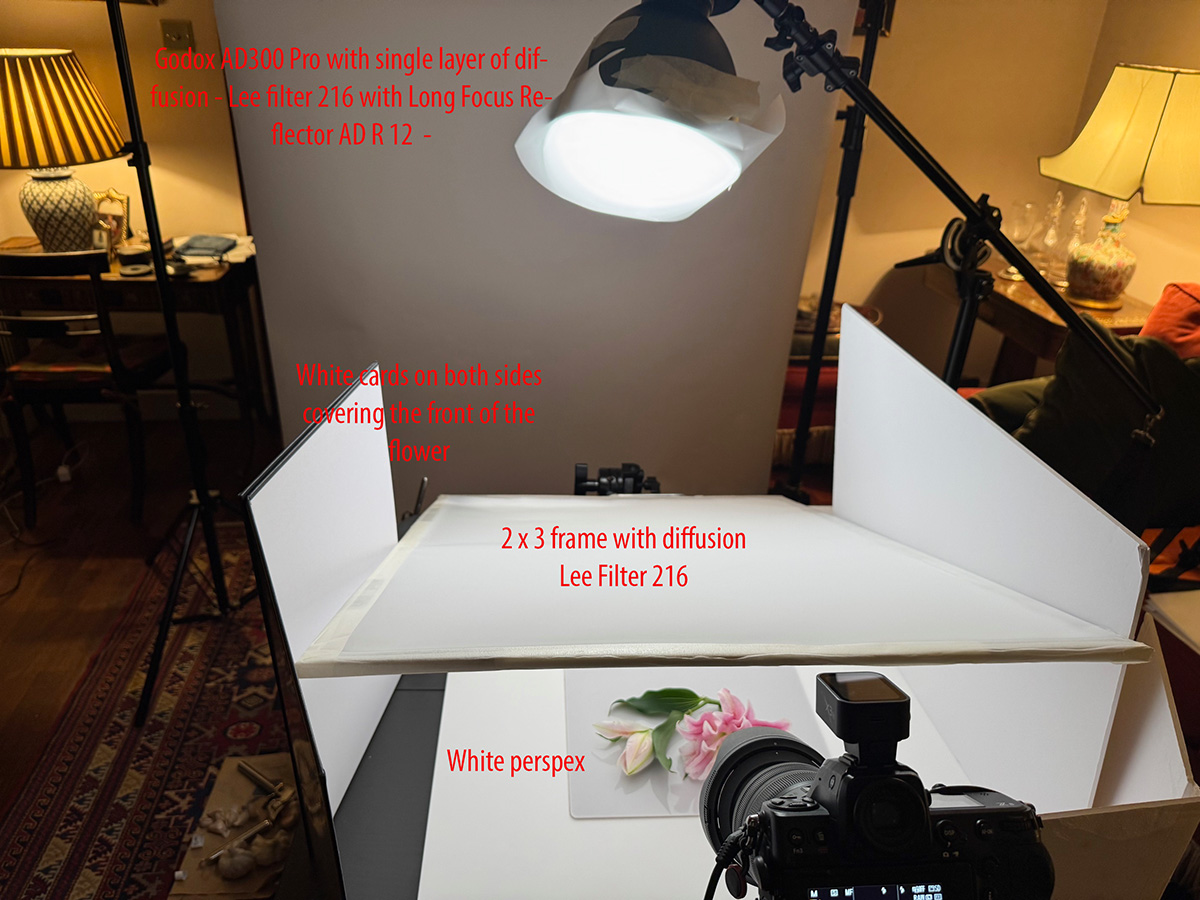
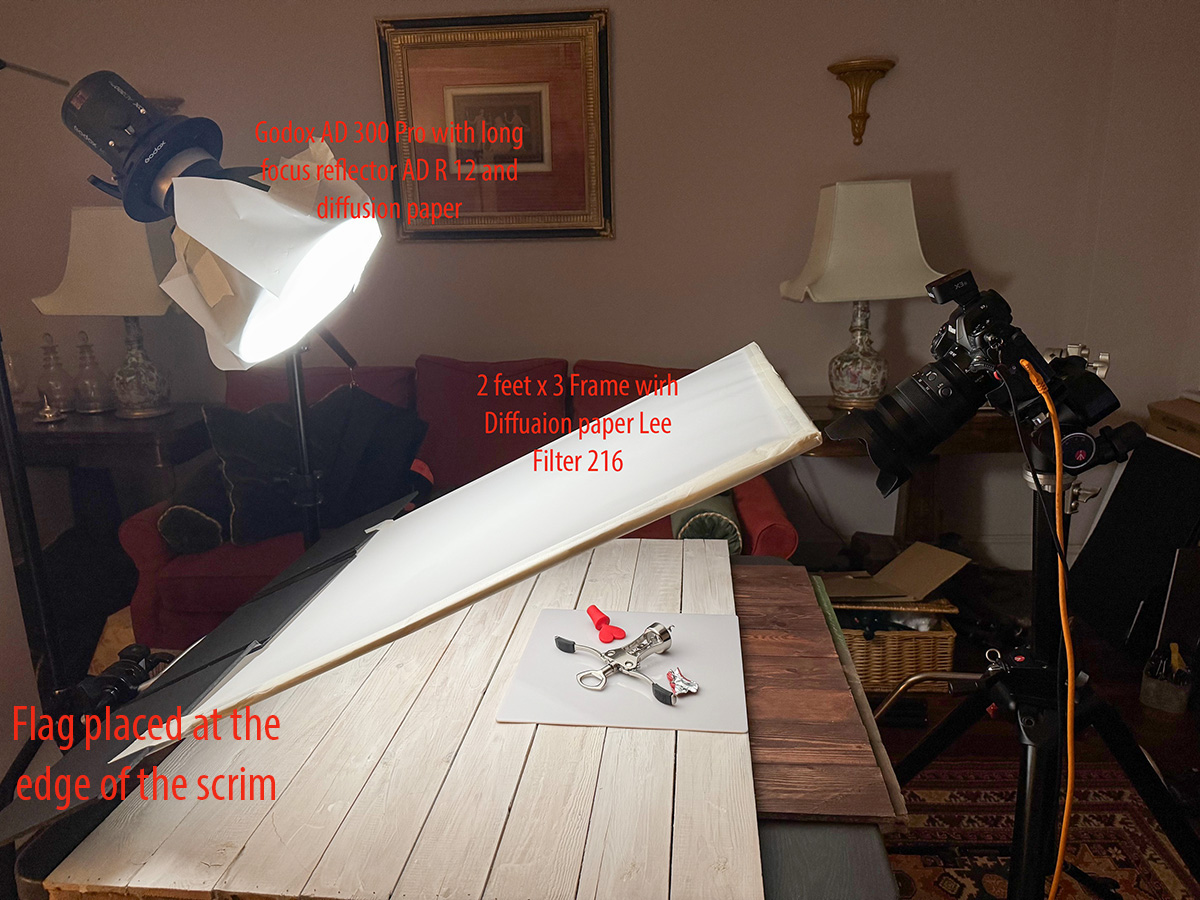
Don and Luciana discussed lighting techniques for product photography, focusing on controlling reflections and shadows using various equipment like diffusers, reflectors, and black cards. Luciana shared her setup using a Godox AD300 with a reflector and diffusion filters, while Don provided tips on managing light to enhance product details. They also explored the impact of background colors on reflections and discussed the importance of proper lighting to avoid overexposing whites.
Garlic and Flower Photography Techniques
Luciana presented photos of garlic and flowers, discussing her techniques for lighting and composition. She explained her preference for showing individual garlic cloves rather than whole bulbs, and highlighted the unique qualities of French garlic. Don praised her work, particularly the black persimmon photo with its reflective background and the flower shot with backlit lighting. He emphasized the importance of starting with close lighting to the subject and noted how quickly 10 products could be photographed using this setup.
Lighting Techniques and Post-Processing
Don and Luciana discussed lighting techniques, focusing on starting with extreme settings and adjusting from there to optimize results. Luciana shared her use of a Lee Filter 216 for diffusing light and mentioned a double diffusion setup, which Don clarified doesn’t effectively double diffuse without adequate space. Robert presented a photograph featuring natural elements and shared his process of learning to remove dust spots using an inclinometer app and various lighting adjustments. The group also discussed using Photoshop and Adobe Camera Raw tools to remove dust spots from images.
Photography Equipment and Techniques
The group discussed photography equipment and techniques, focusing on grip equipment, scrims, and diffusion materials. Robert shared details about his homemade scrim frame and grip equipment setup, while Don provided insights on using Apple boxes for table photography and suggested online resources for finding used equipment. The conversation also covered alternatives to TransLume, such as Roscoe Rolex Diffusion, which is available in Europe.
Photography Lighting Techniques Discussion
The group discussed lighting techniques for photography, focusing on using a 3/4 stop diffuser and adjusting angles to prevent double reflections. Don advised Steve to adjust his setup, suggesting he use a scrim and change the angle to match it. They also discussed a new photography challenge involving vertical cards and ambient lighting for bottles and products. Don provided tips on stabilizing the setup using clamps and dowels. The conversation ended with holiday wishes and a note that the next meeting would be held two weeks later, on the Saturday after New Year’s.

Class Two

