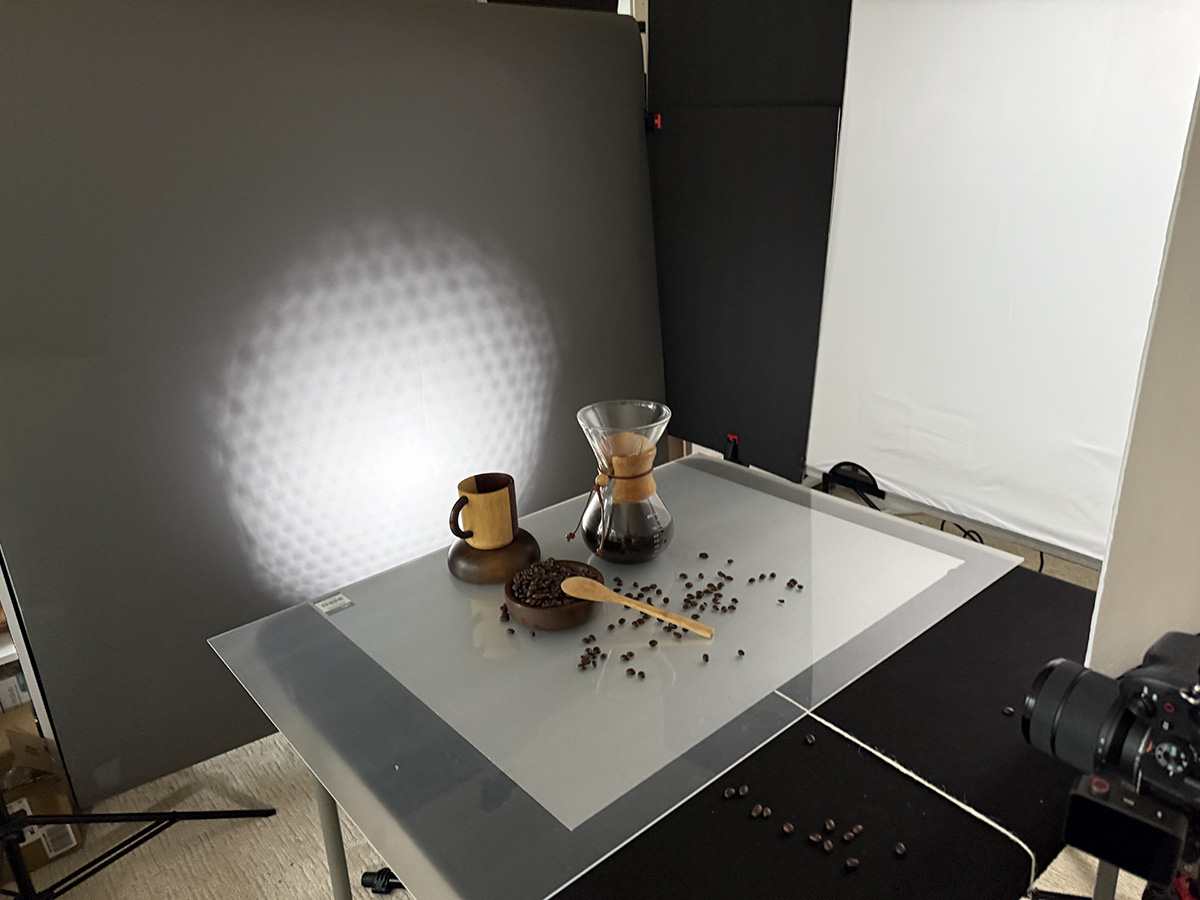
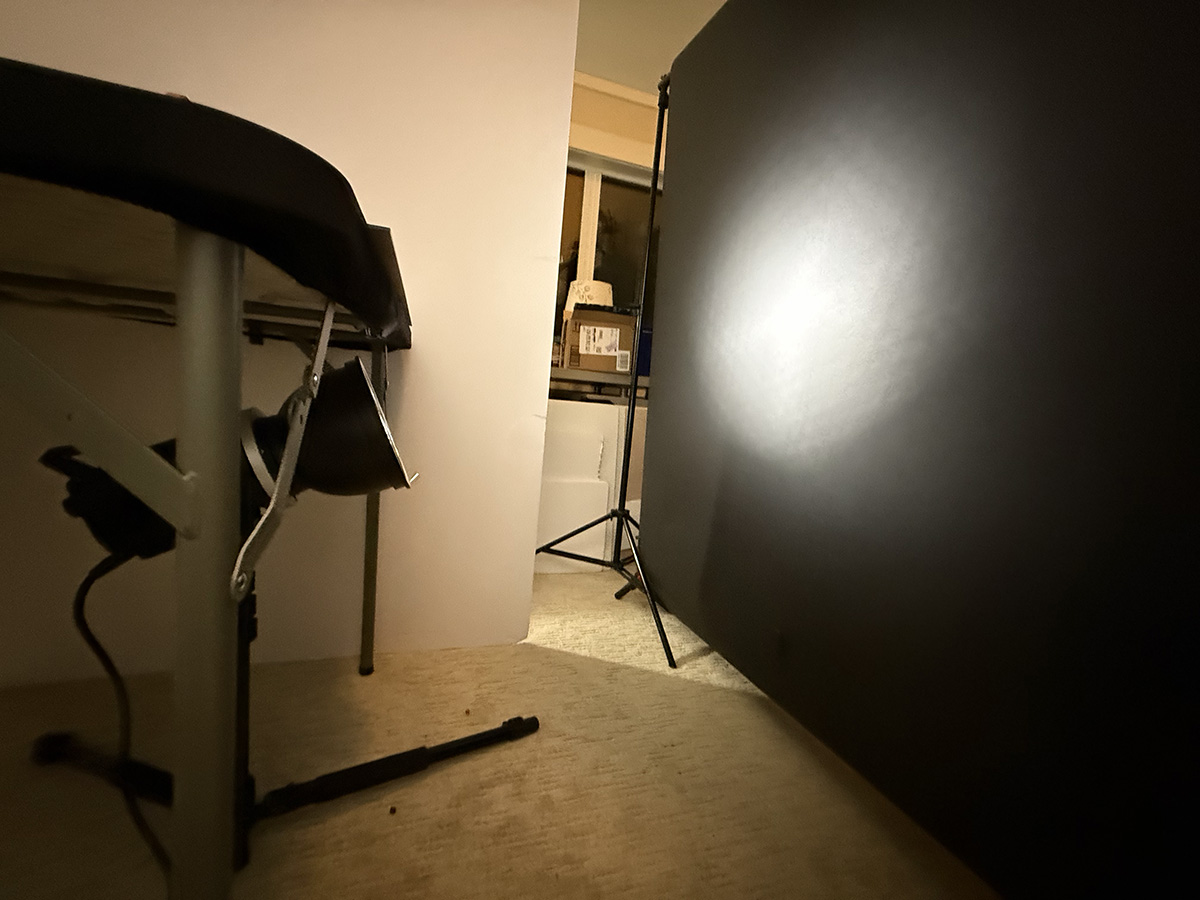
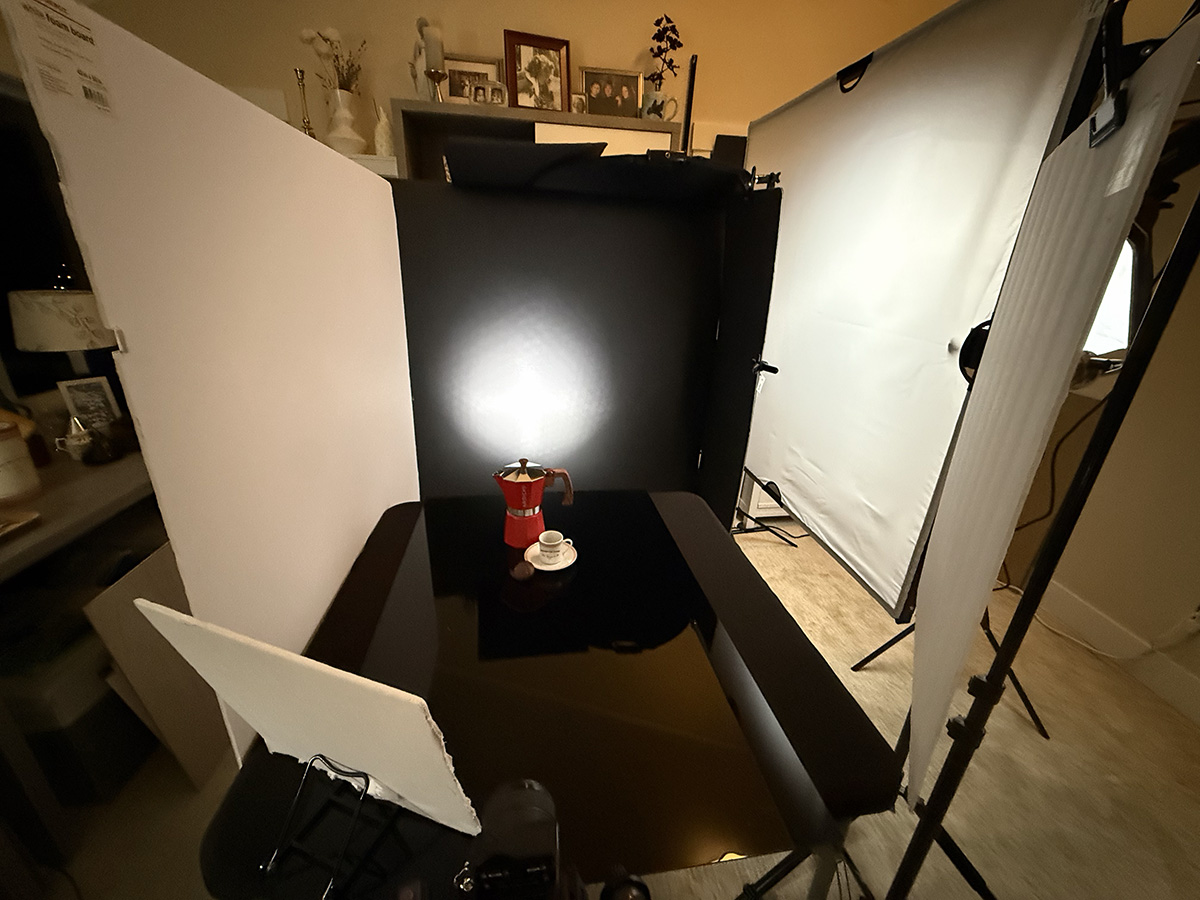
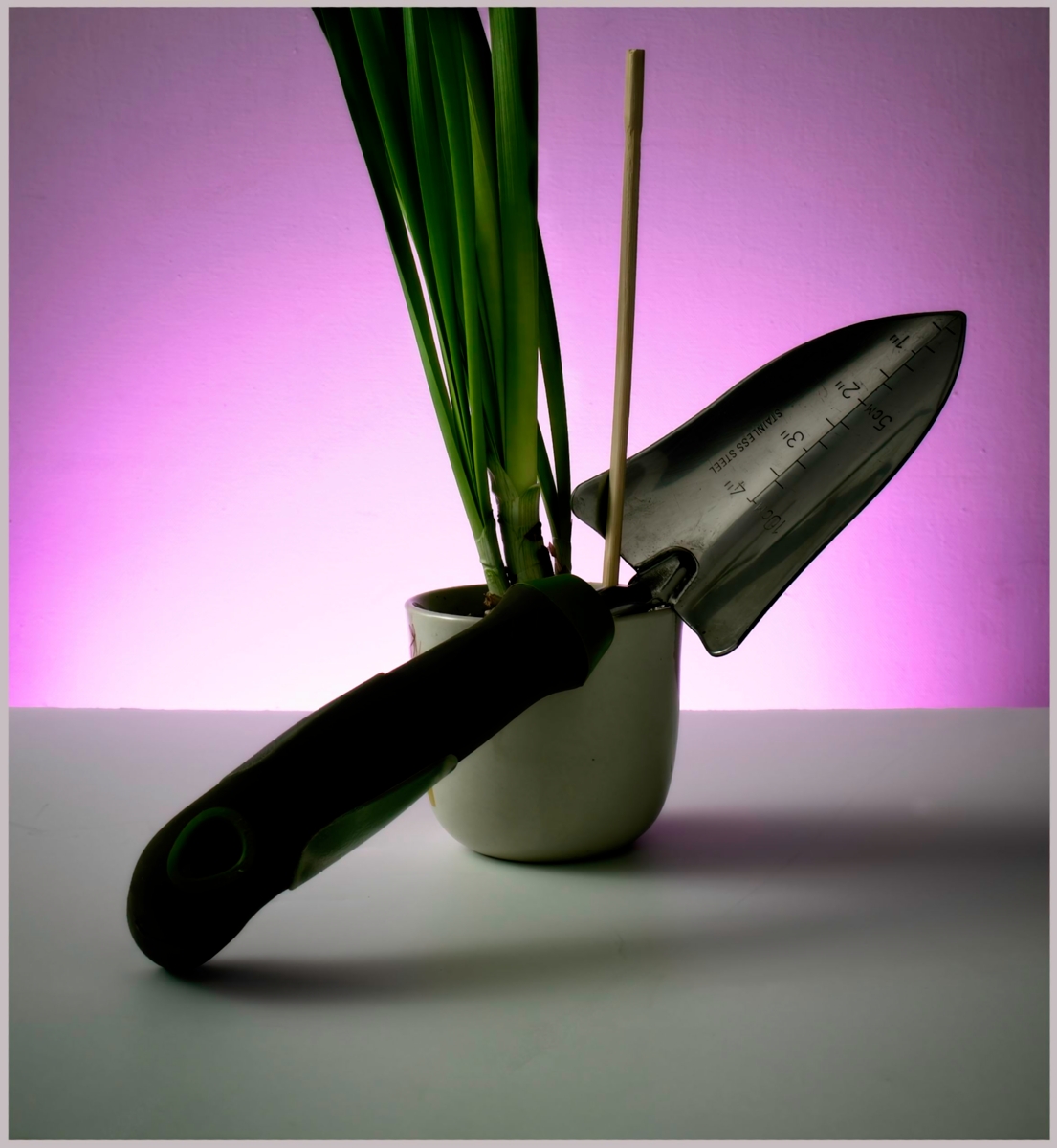
8 WEEK CLASS: NOVEMBER 2025

One Big Beautiful Light: Week Six

Product Photography…

Often includes a mix of shiny and a diffuse surface.

1. Pick the why before the how

Before you touch a light:

  • What is this product selling?

  • Power? Precision? Comfort? Elegance?

  • Who is this for: An engineer, barista, home cook, minimalist?

One sentence. If you can’t say it, the image will fail.
Lighting choices should serve the idea, not show off the setup.


2. Control the highlight like it’s the subject

With one light, highlights are the composition.

  • Rotate the product before moving the light

  • Watch the highlight travel across the surface

  • Stop when the highlight describes form, not when it’s “bright enough.”

If the highlight is boring, the photo will be boring. Period.


3. Use black cards more aggressively than wxpected

Most photographers underuse black.

Try this:

  • Bring a black card closer than feels safe

  • Let it eat light

  • Use it to carve edges, kill spill, and add dimension.

If everything is evenly lit, nothing matters.


4. White cards are scalpels, not floodlights

White fill should solve a visual problem, not “help the main light.”

  • Small and medium card

  • Close to the product

  • Sometimes what is needed is just enough lift to separate detail from shadow

If you can see the fill working, it may be too much.


5. Shoot for edges, not objects

Edges sell shape.

Encourage them to:

  • Look for rim separation

  • Protect the silhouette

  • Let one side fall off into shadow if it strengthens the outline

A clean edge reads as visual direction.


6. Let something go dark on purpose

This may be the hardest lesson.

  • One area should almost disappear

  • One area should carry the most visual weight.

  • One area should simply be supported.

If everything is important, nothing is.

Think lighting hierarchy.


7. Simplify the set until it feels uncomfortable

Then simplify once more.

  • One hero object

  • One supporting prop max

  • No “just in case” elements

If you feel the urge to add something, ask:

What problem am I trying to fix?
What will this prop bring to the image?
How will the prop contribute to or detract from the main subject?
Will the composition support it?

Most of the time, the problem is lighting, not styling.


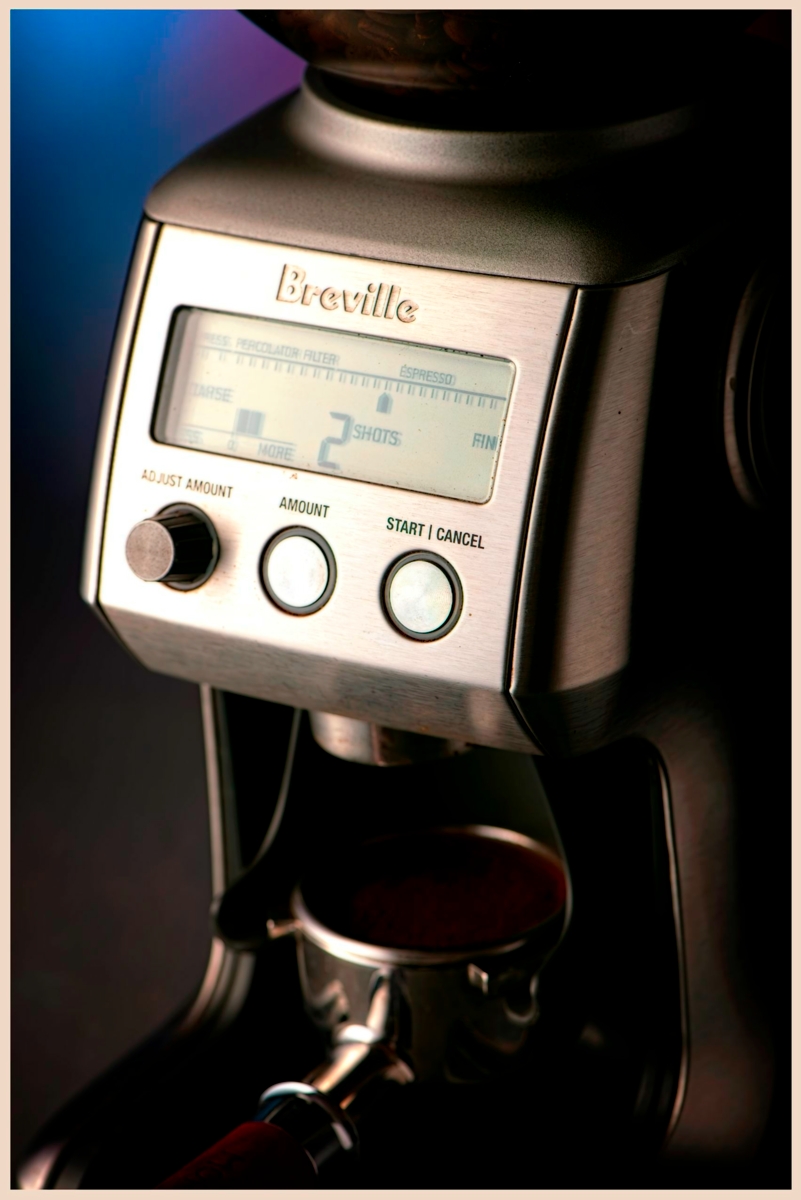
8. Crop slightly tighter than feels safe

Wide shots forgive mistakes. Tight shots expose them.

I Encourage:

  • Cropping in-camera (only for this class)

  • Filling the frame

  • Making the product commit

Cropping is brave, and bravado is rewarded by dynamic images.


9. Move the light by inches, not feet.

With this kind of subject, small moves matter more than big ones.

  • Raise or lower the light a few inches

  • Shift angle by small degrees, not wide variation

  • Check and recheck reflections every time.

This teaches precision, not luck.


10. The Goal is Clarity

“Perfect” is vague. Clear is professional.

Ask yourself:

  • Is the product readable at thumbnail size?

  • Does the viewer know where to look first?

  • Does the lighting feel intentional?

If yes, stop shooting.

Overworking kills good images.

ASSIGNMENT SIX:

2 or 3 Final Product Shots: 
This is an exploratory assignment to stimulate creativity in set building.

Creating the lighting for this shoot can be any of our previous setups, or a combination of your own design.

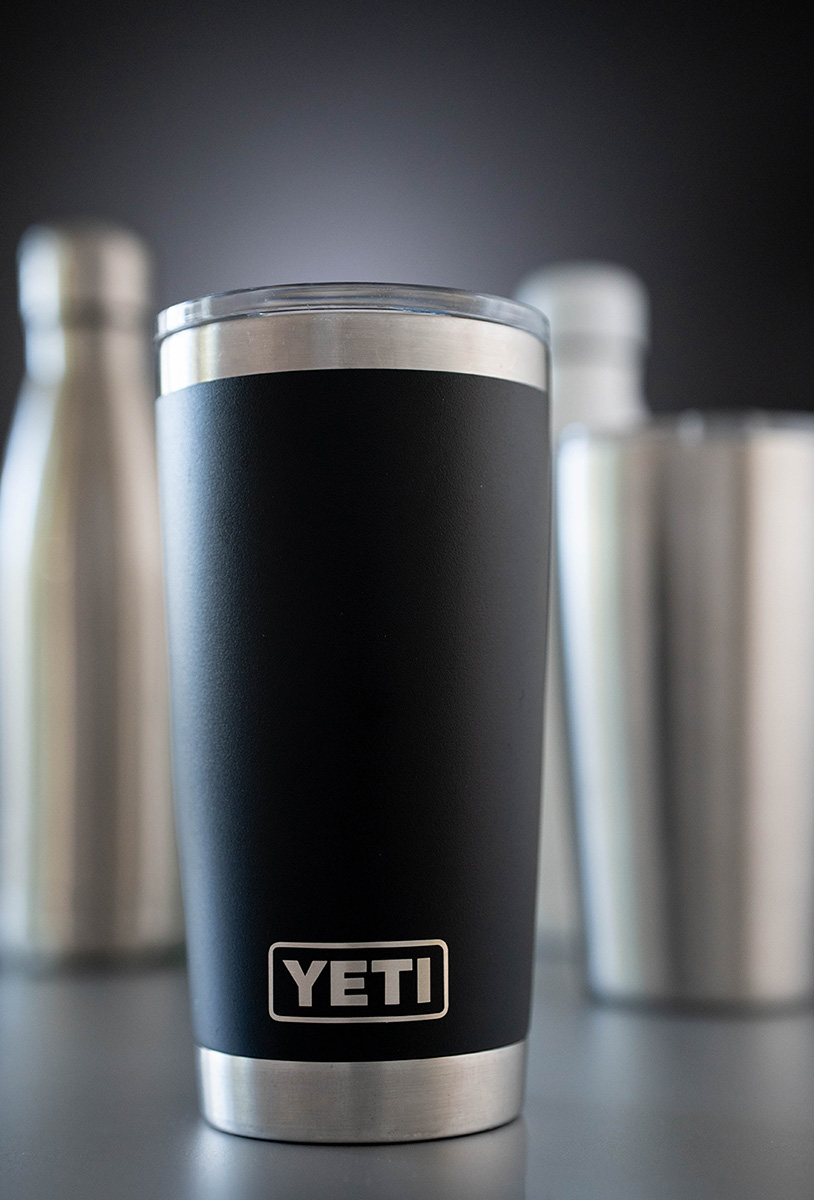
Products:
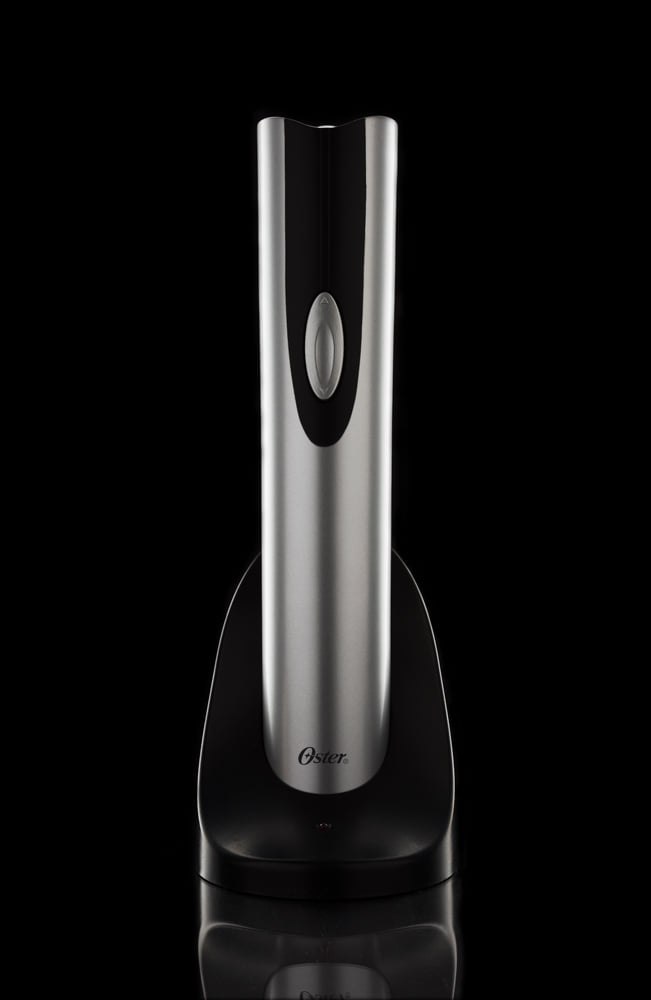
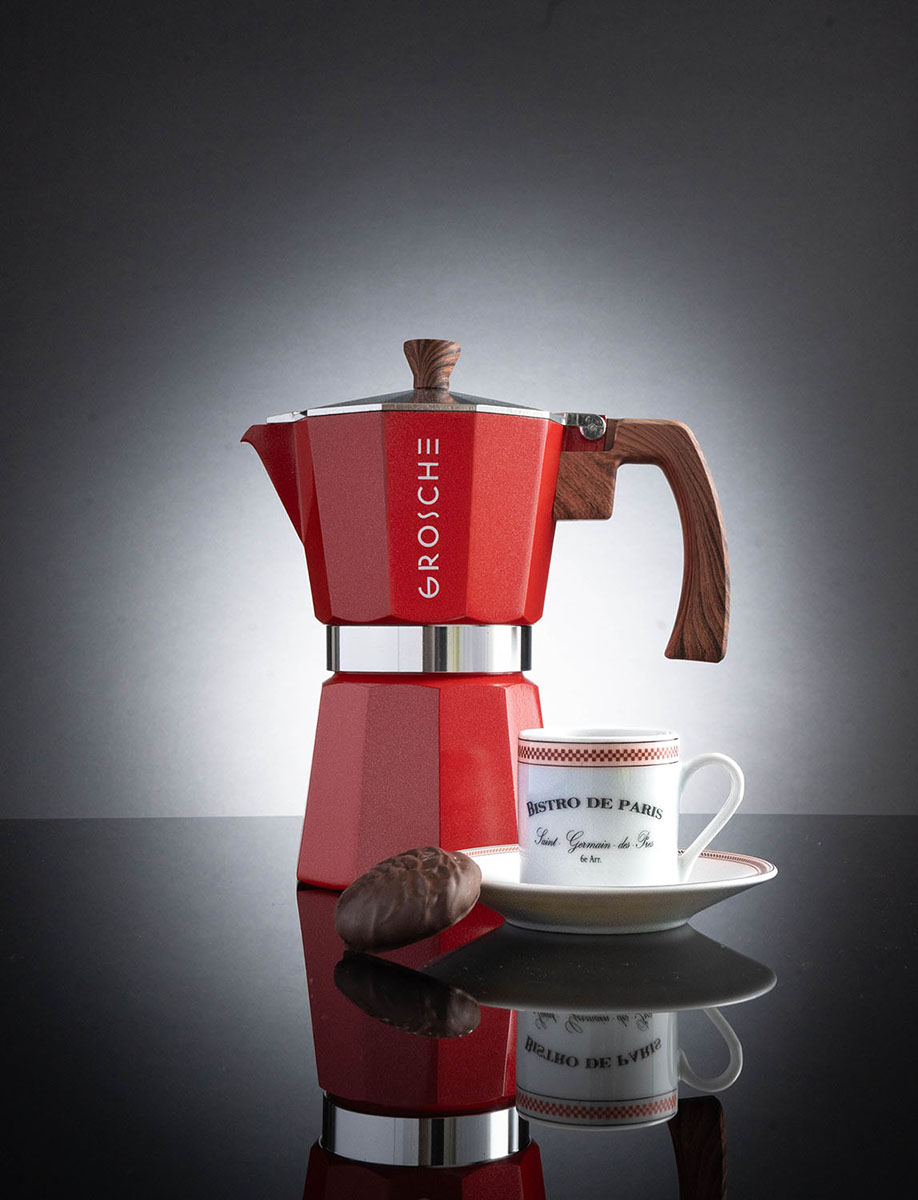
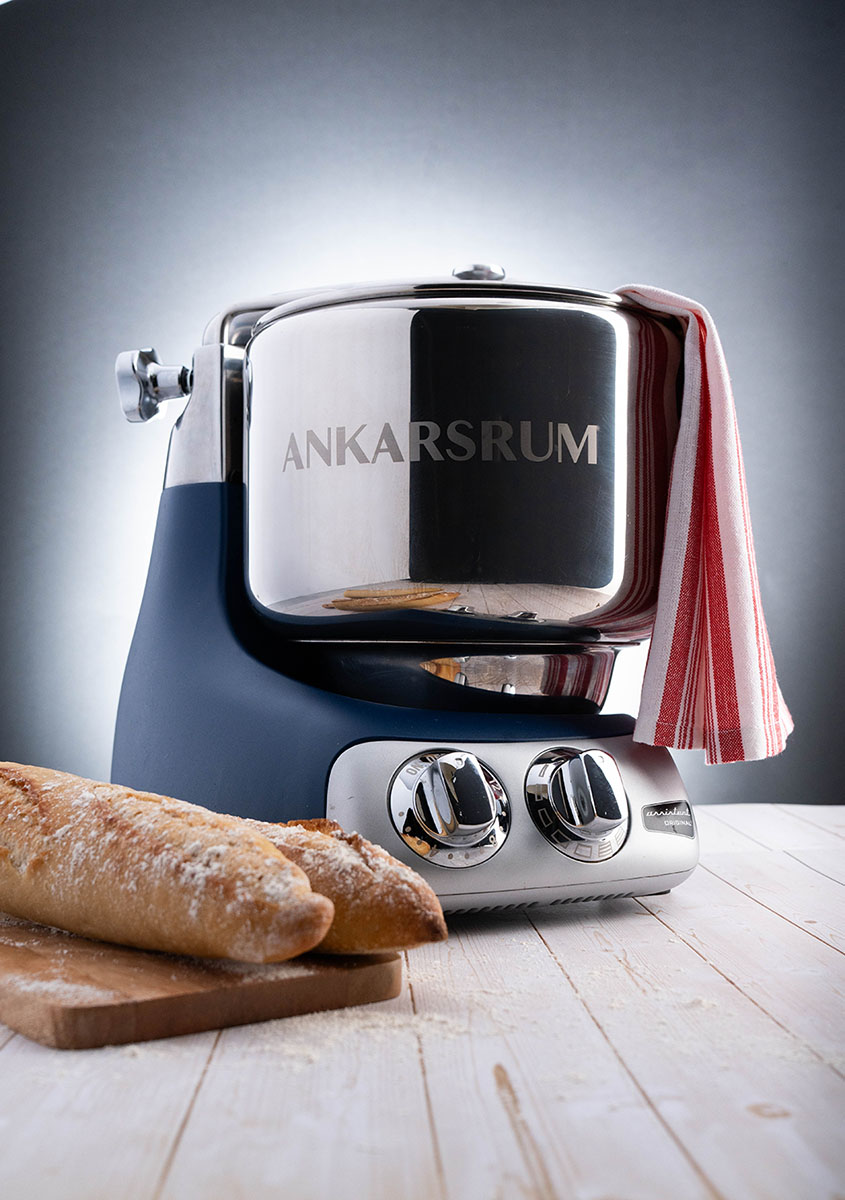
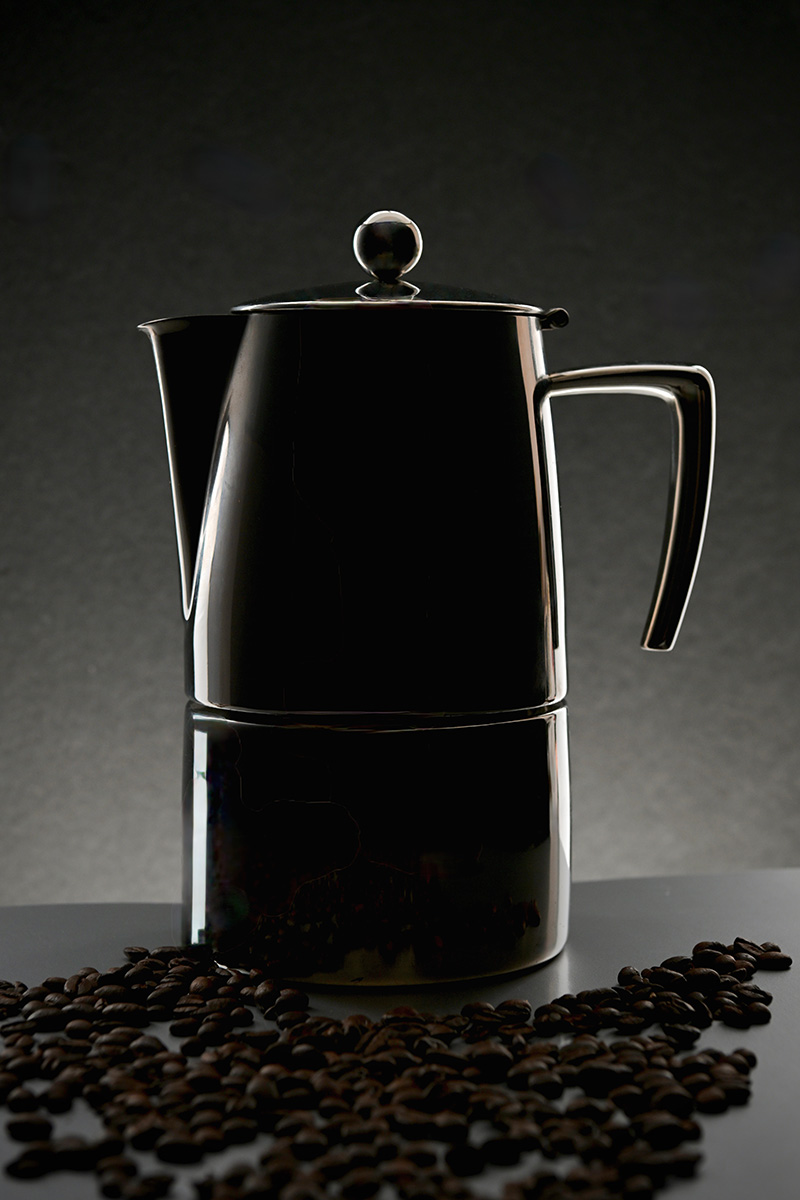
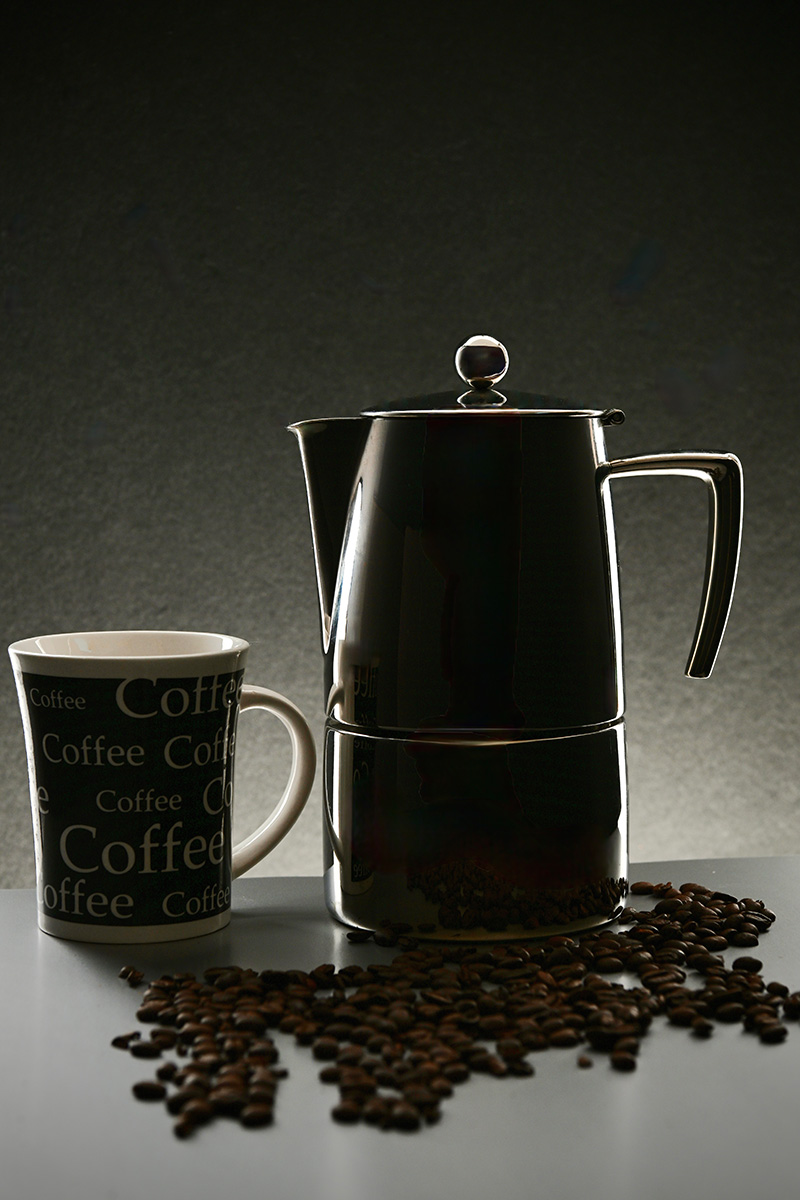
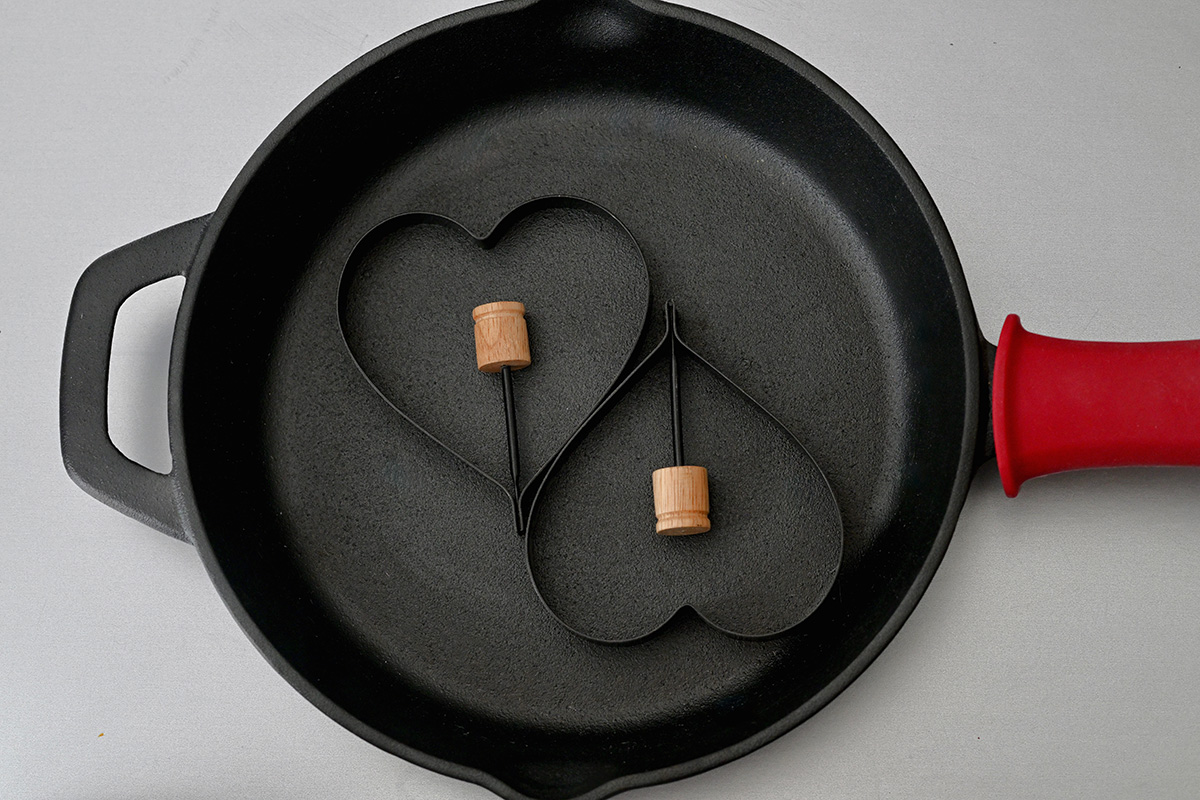
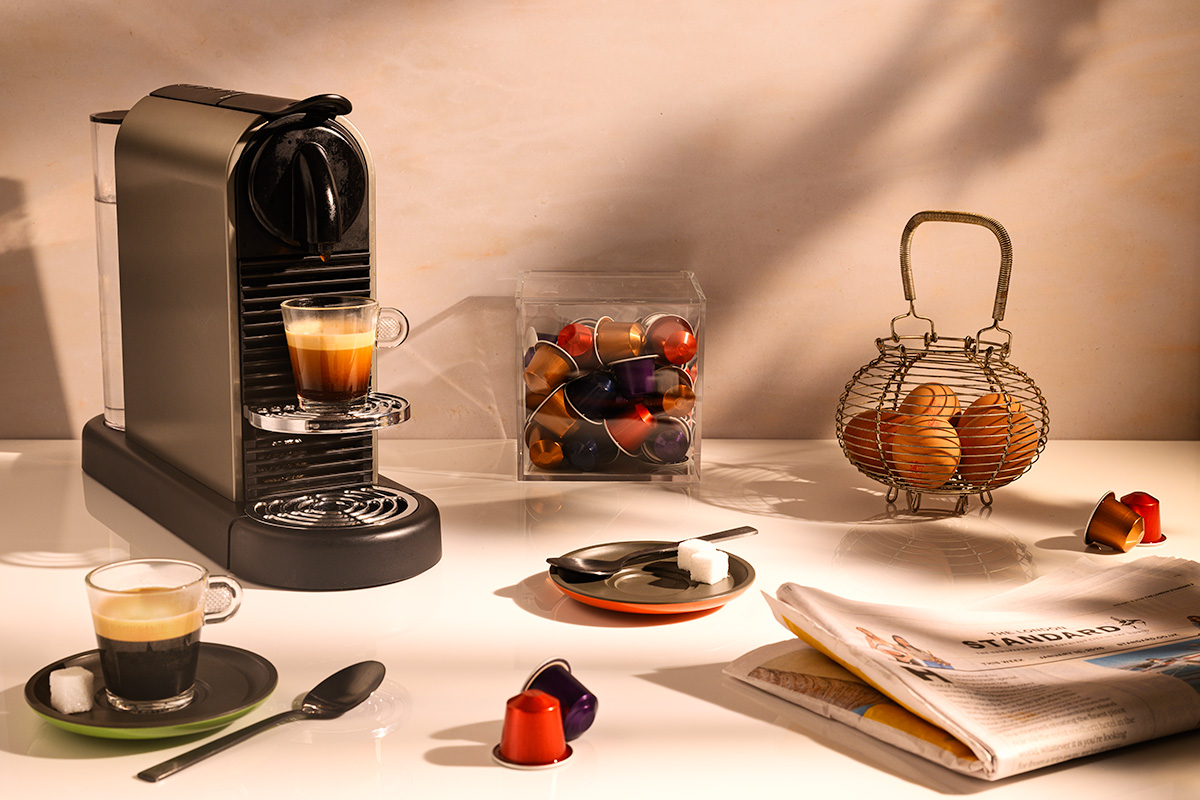
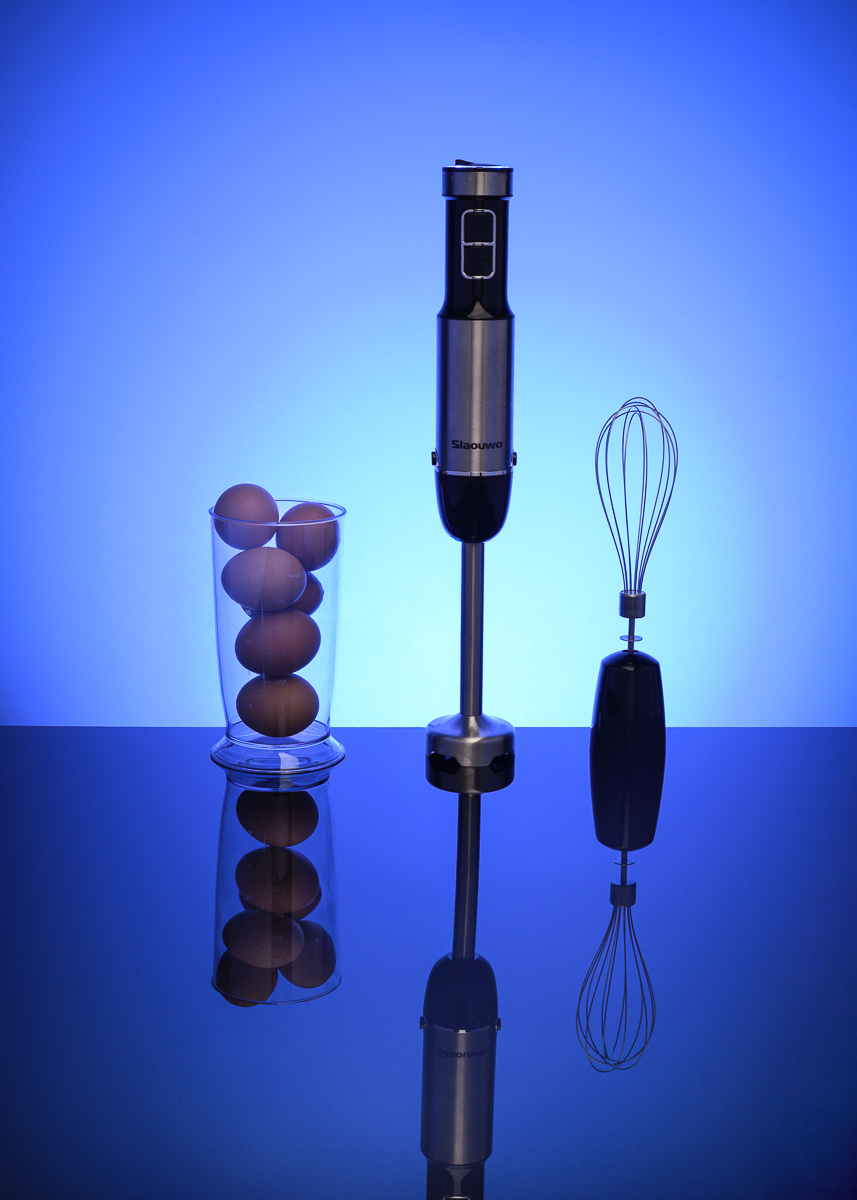
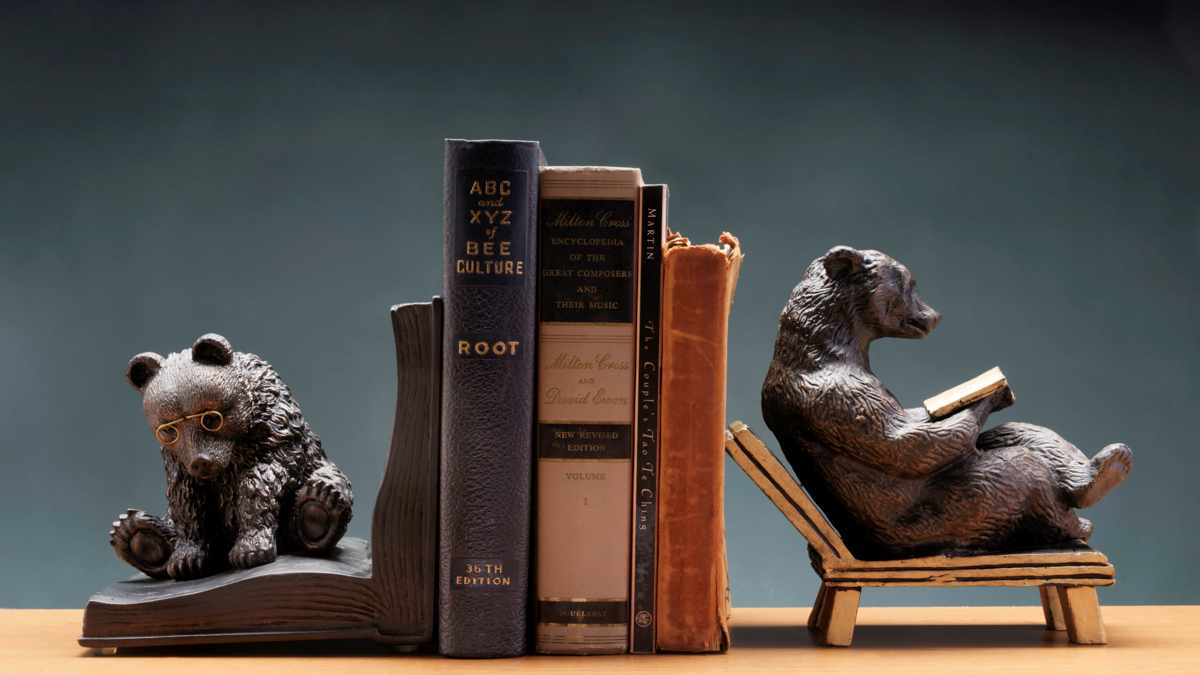
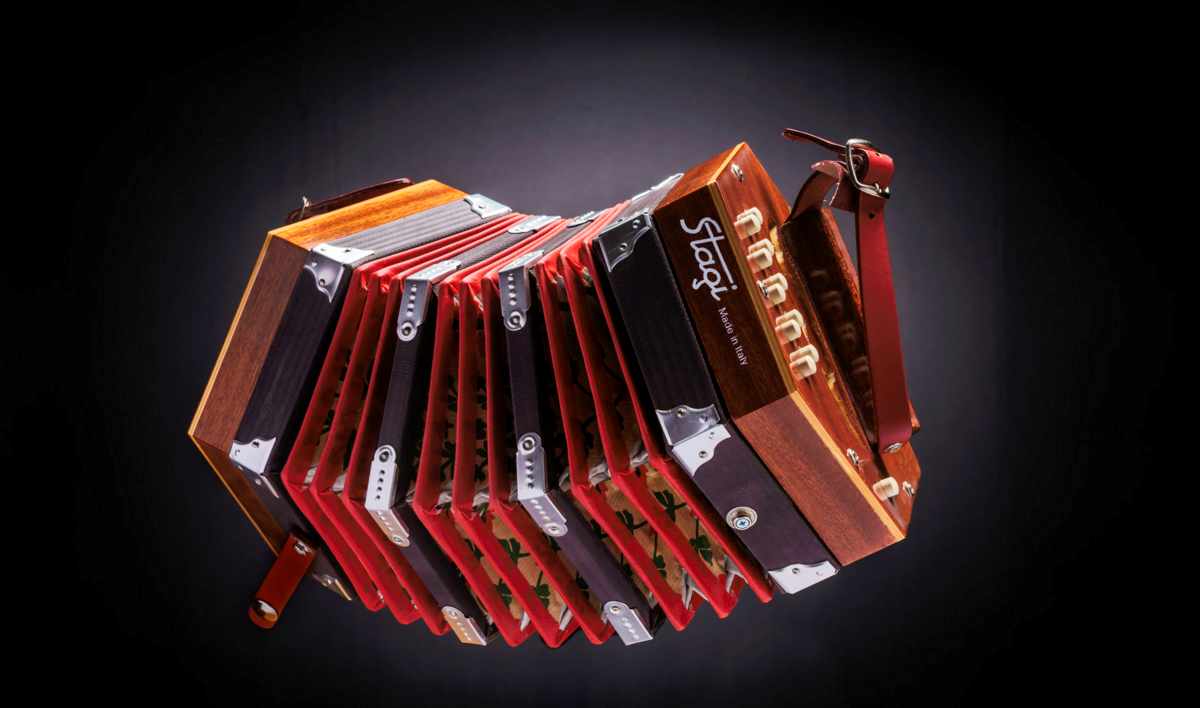
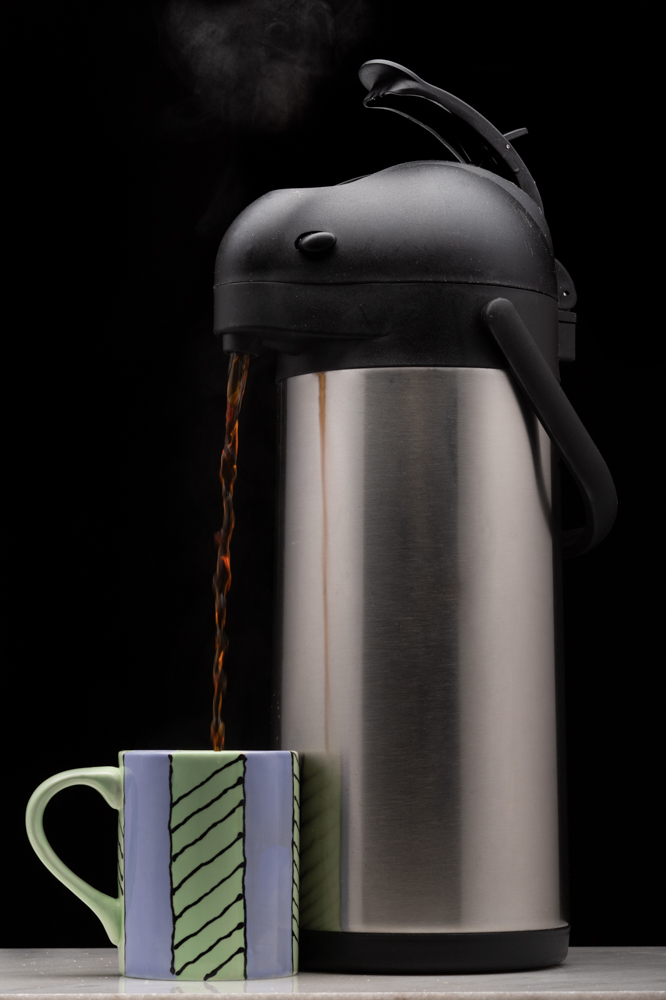
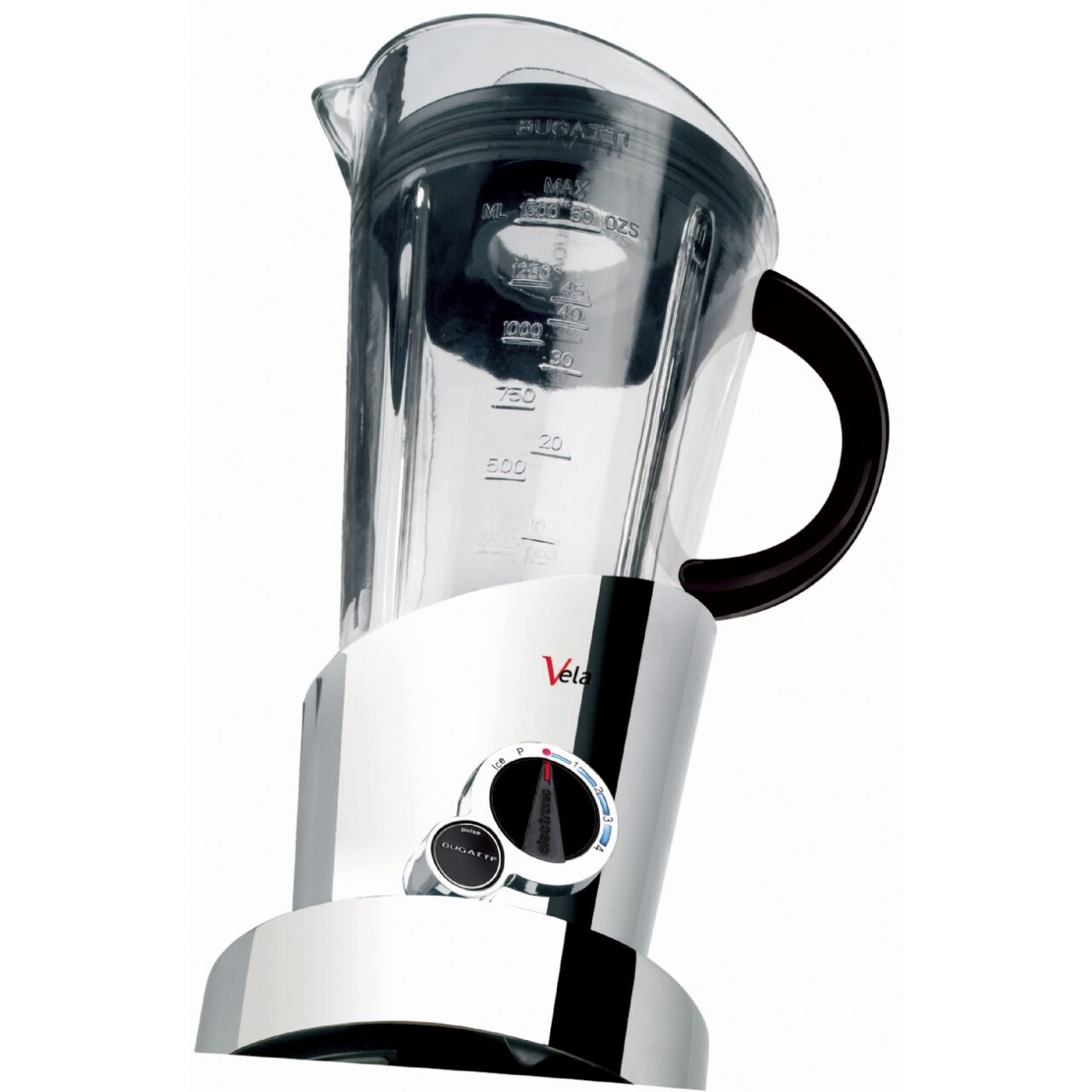
Something that has a bit of shiny and a bit of diffused surface.

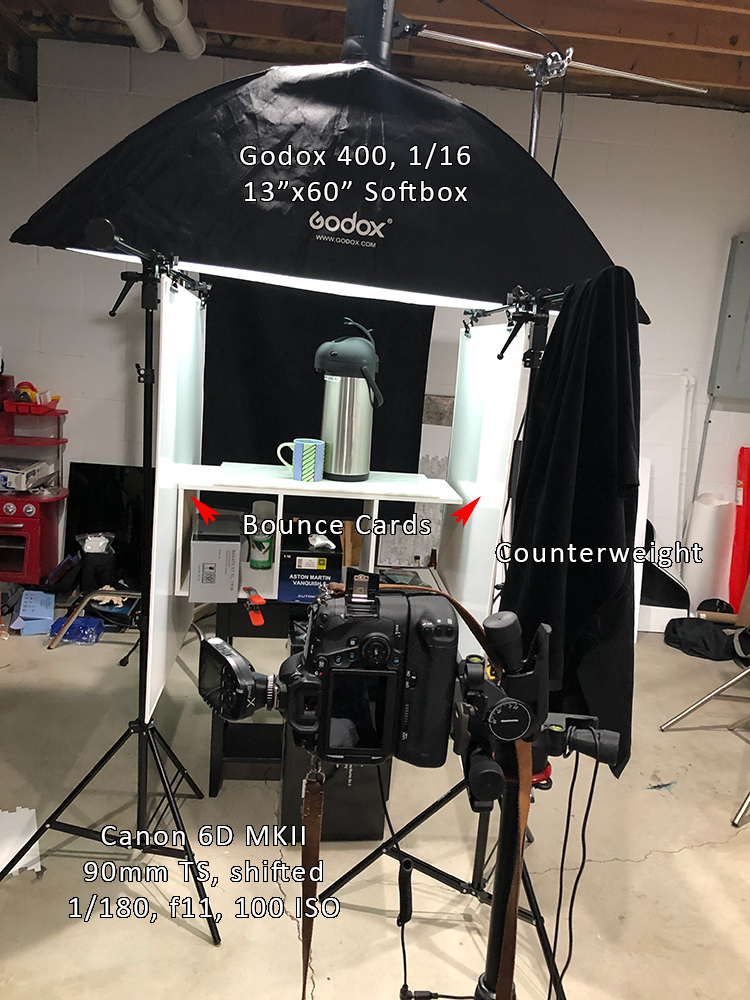
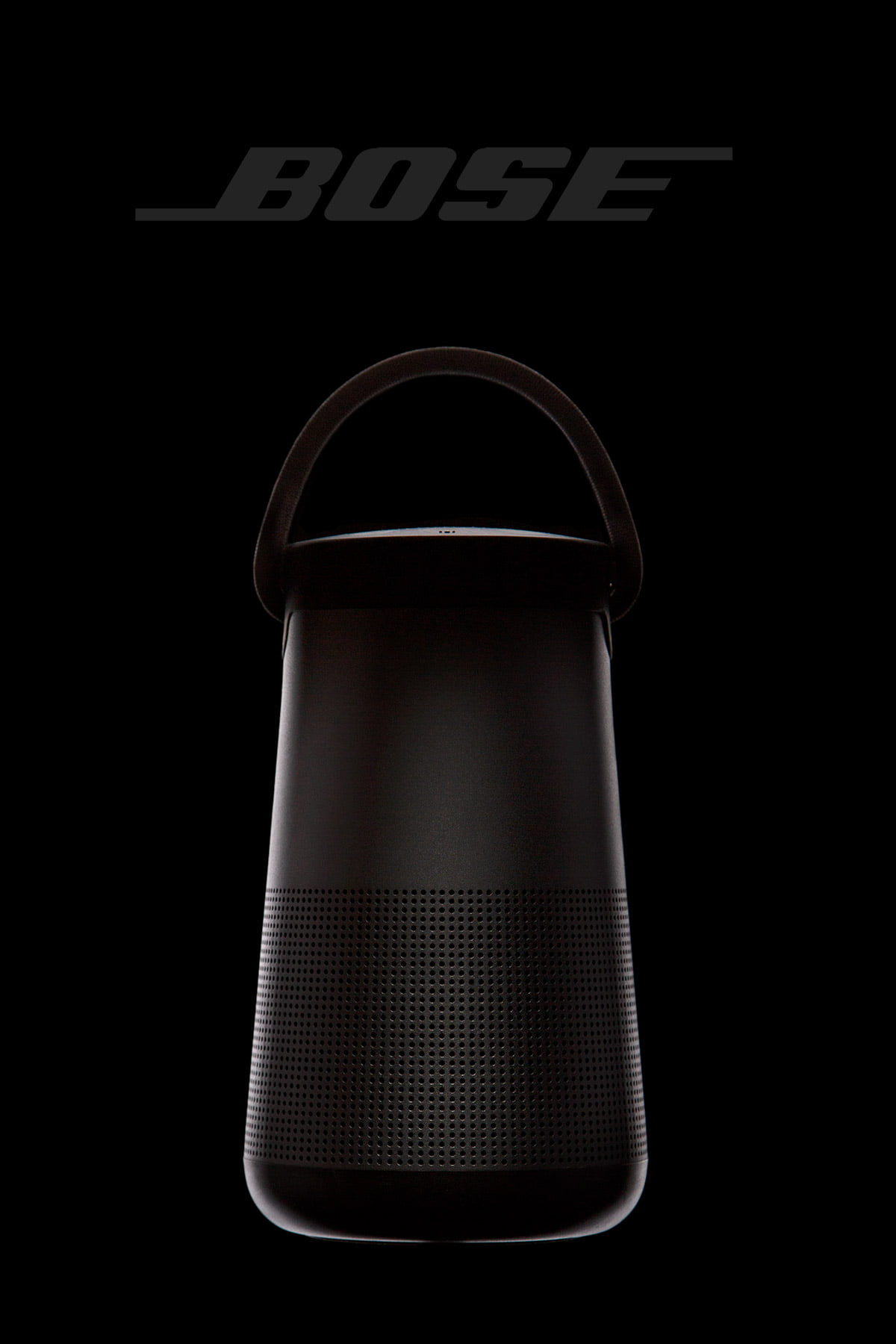
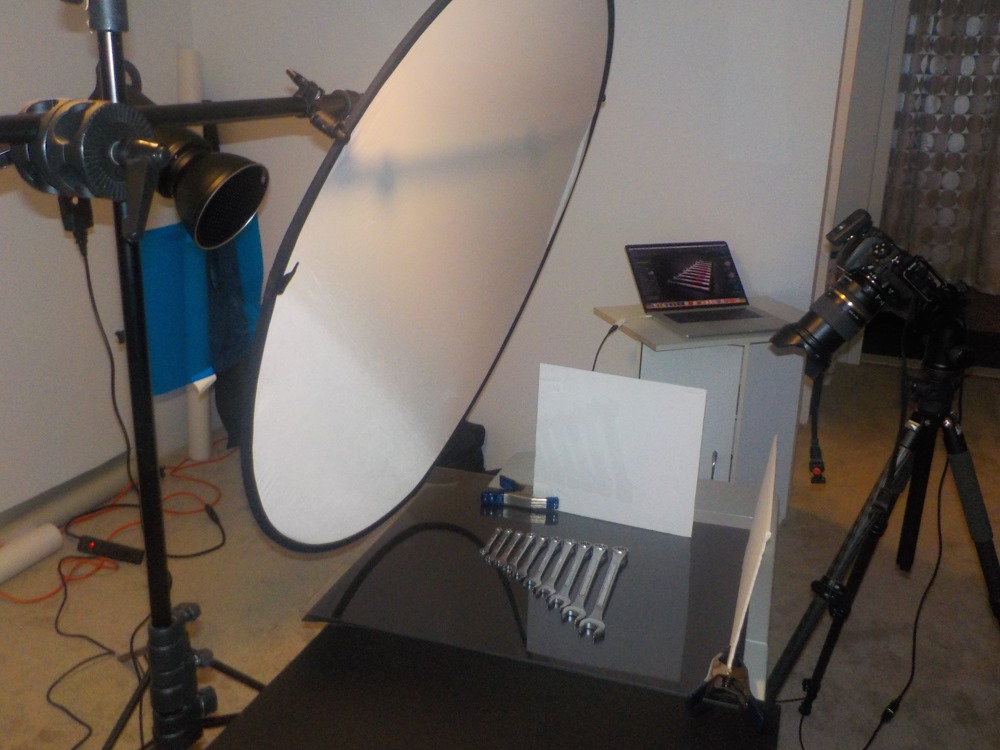
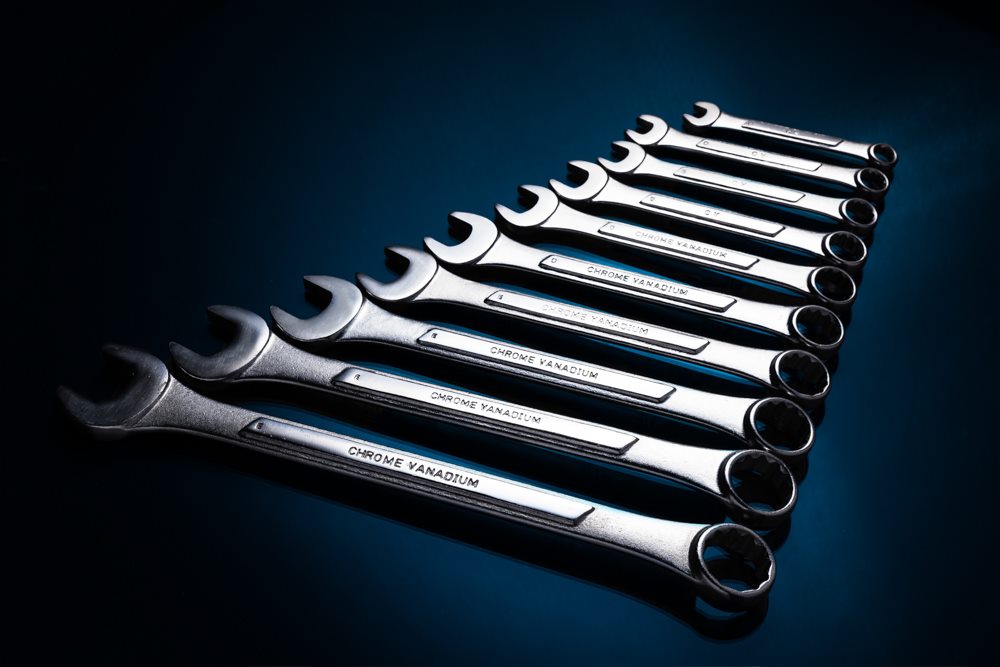
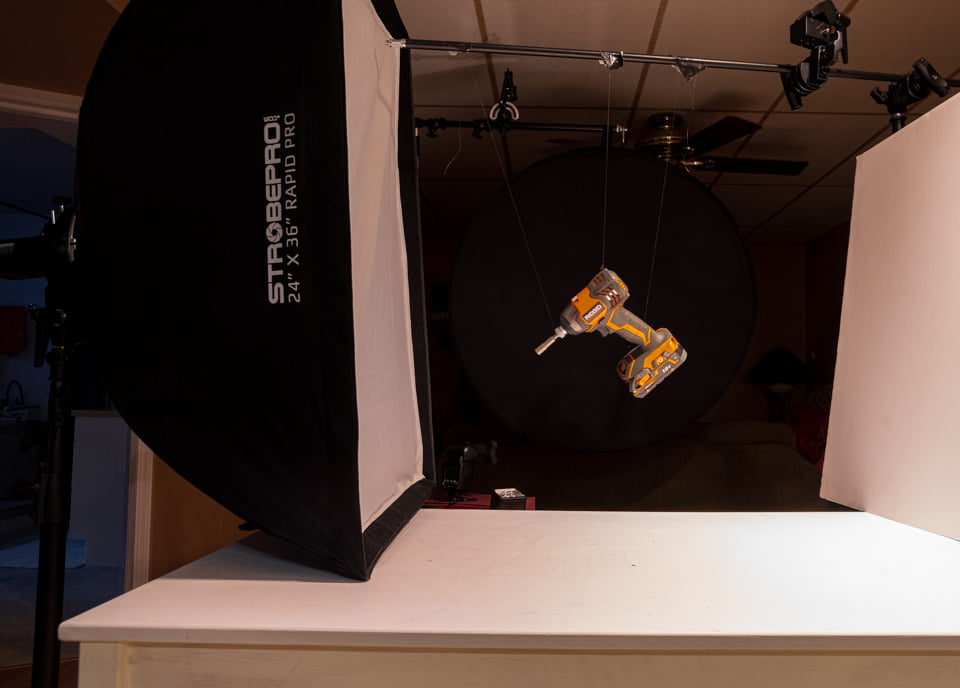
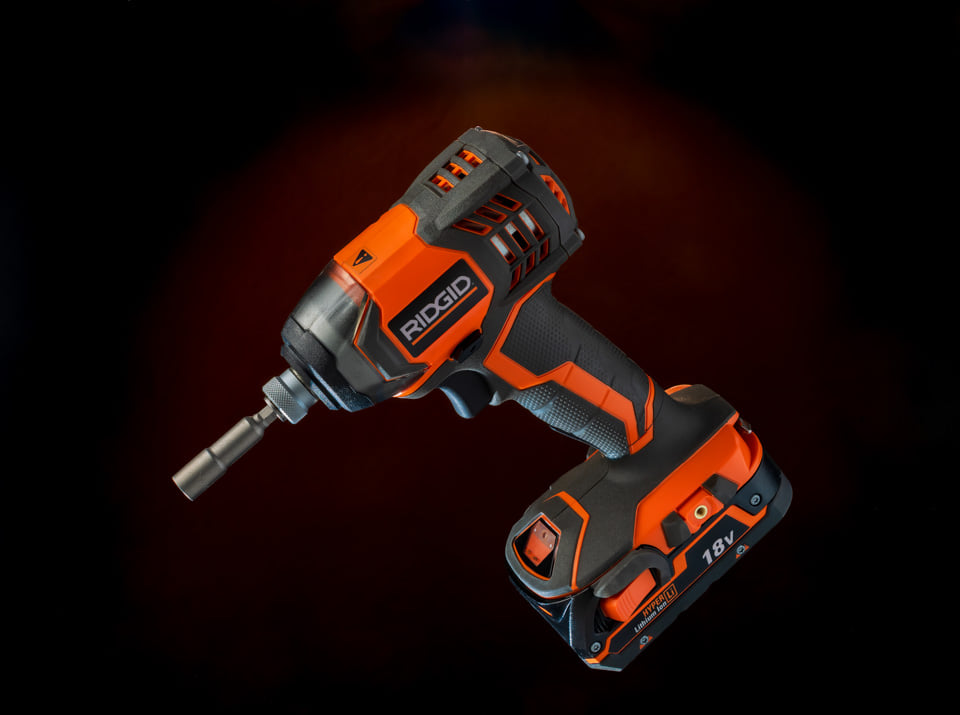
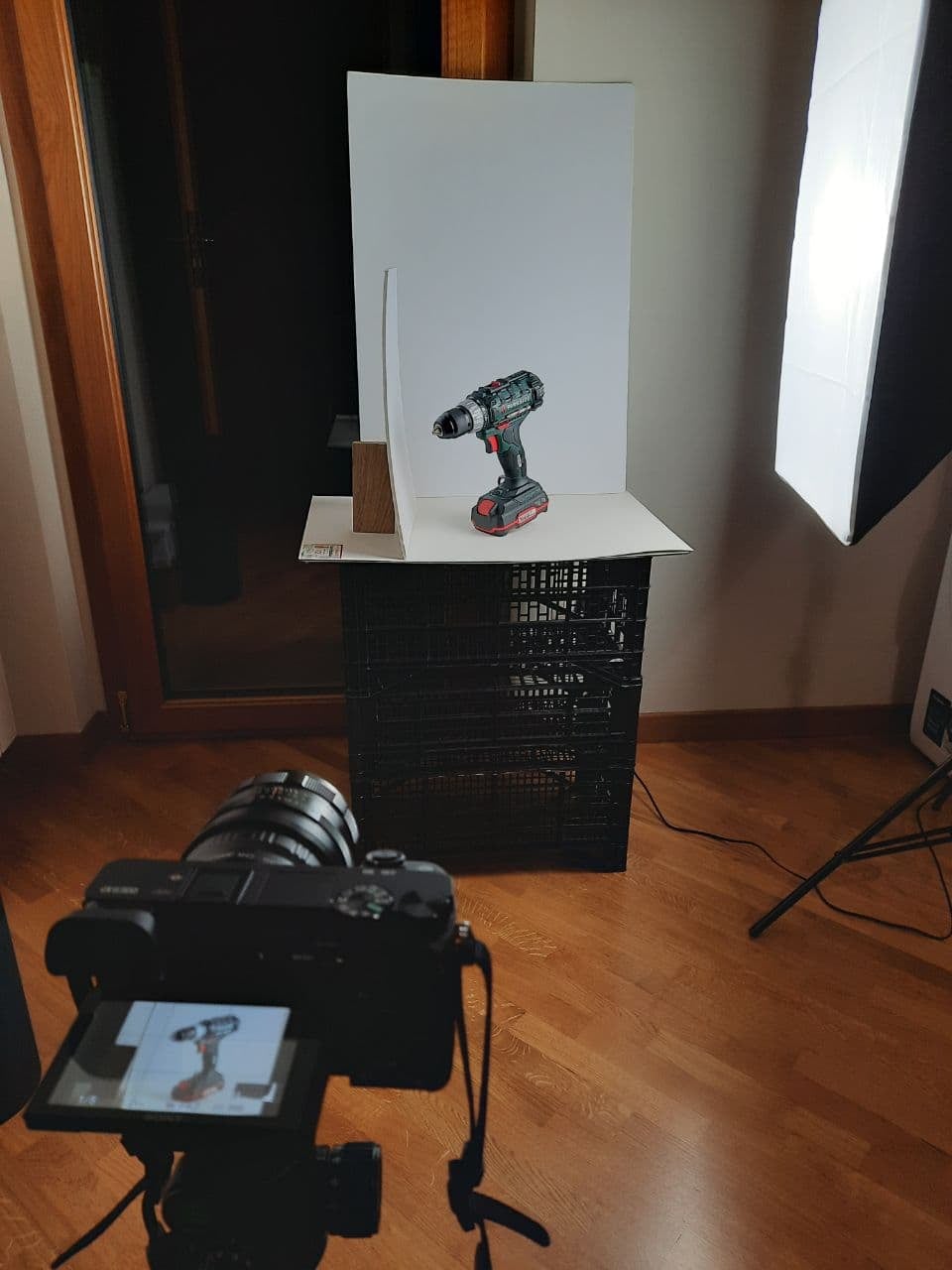
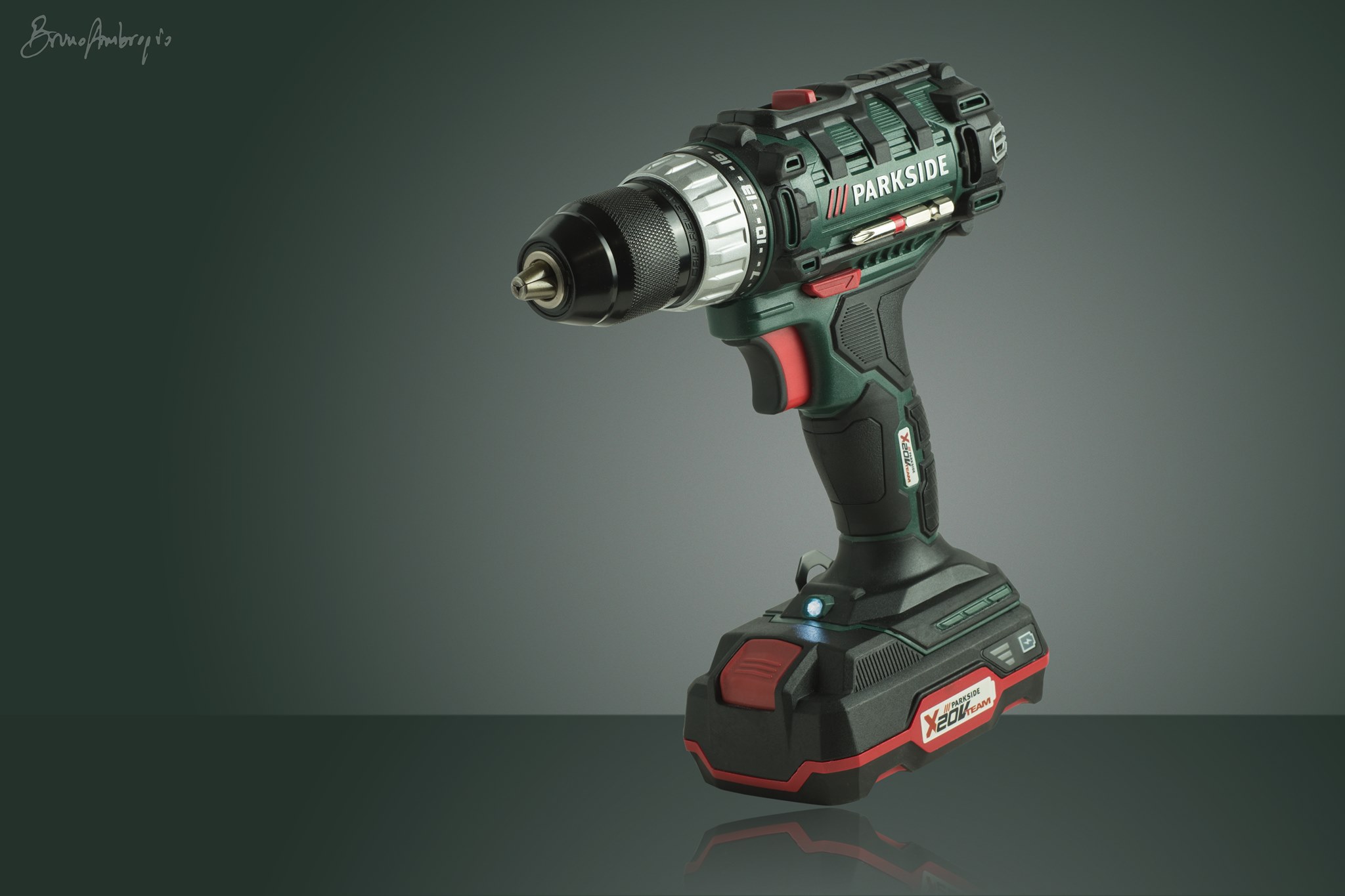
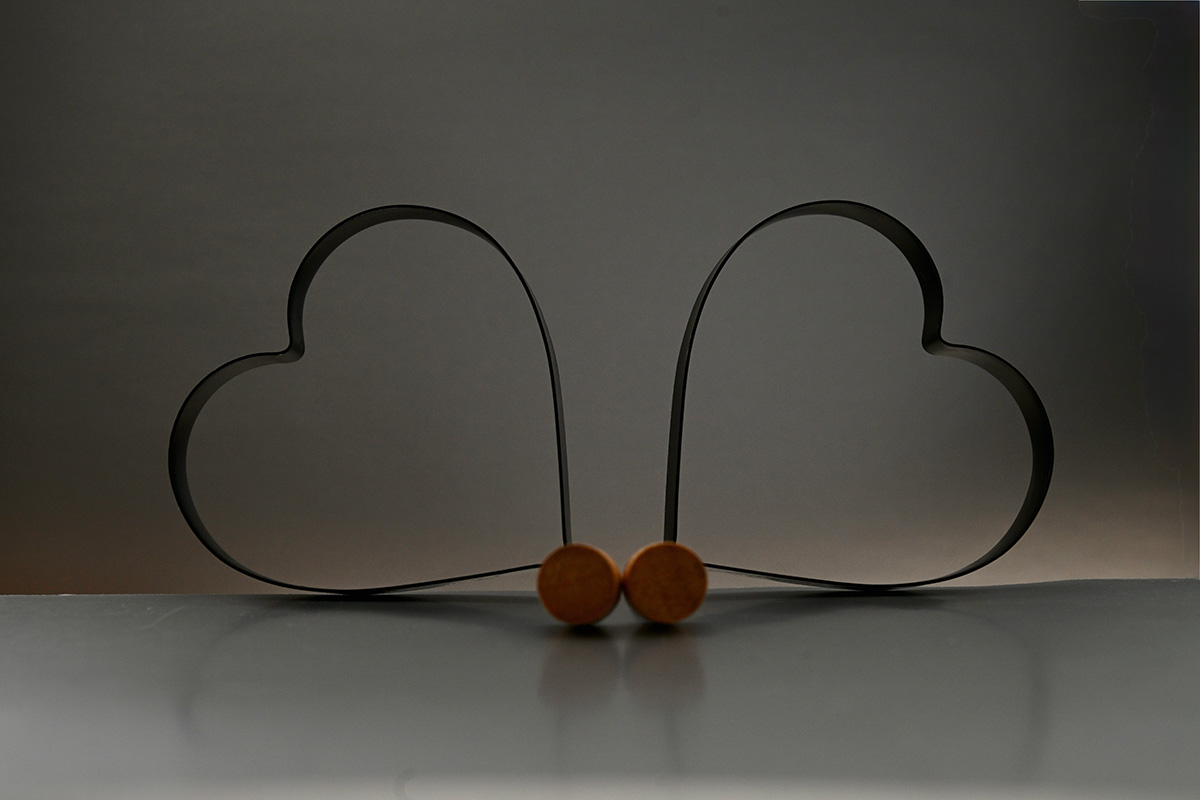
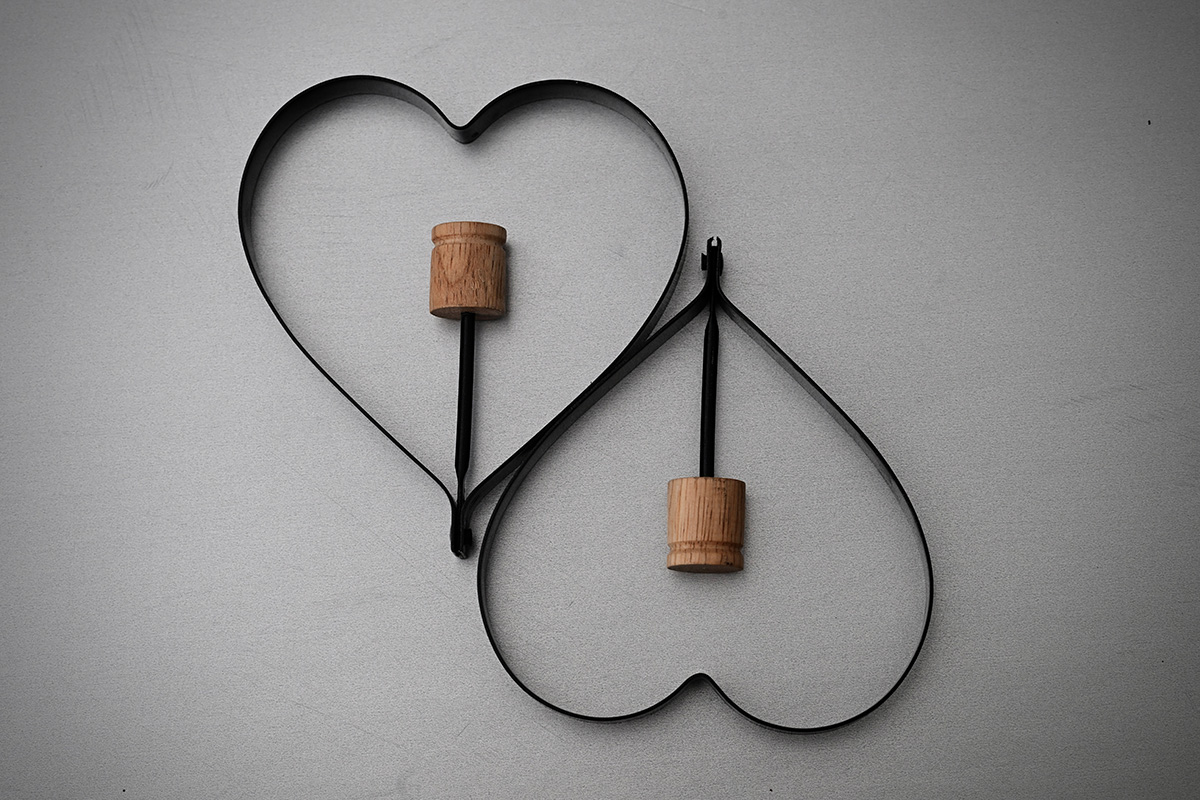
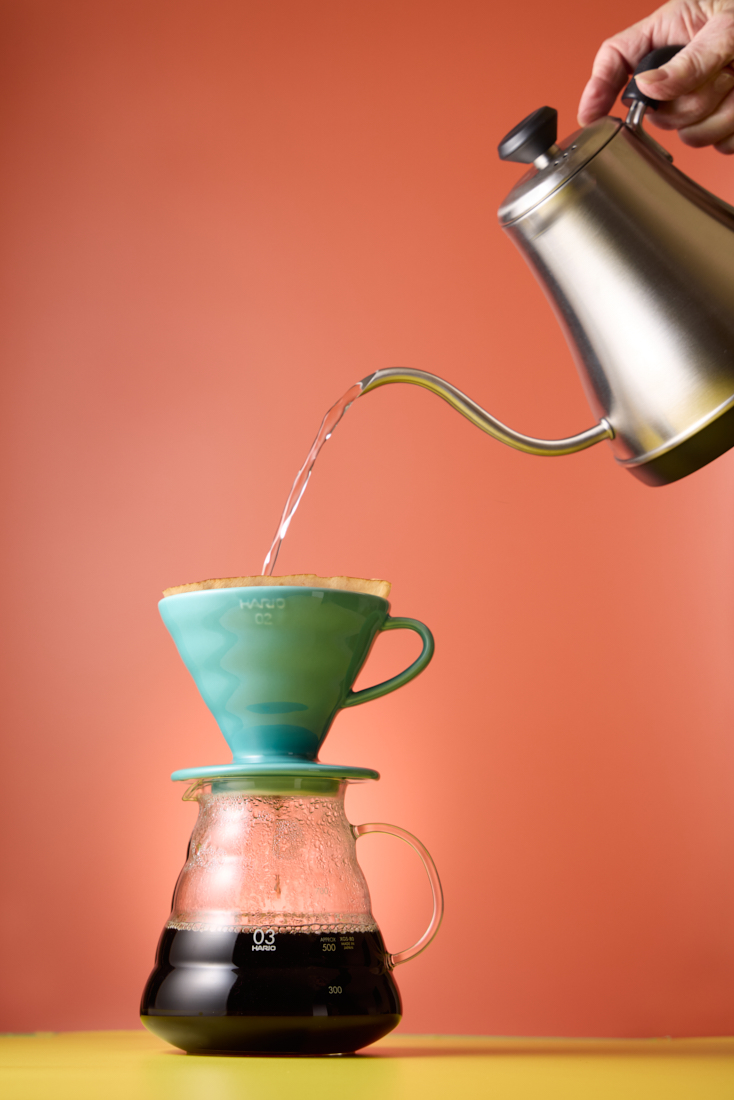
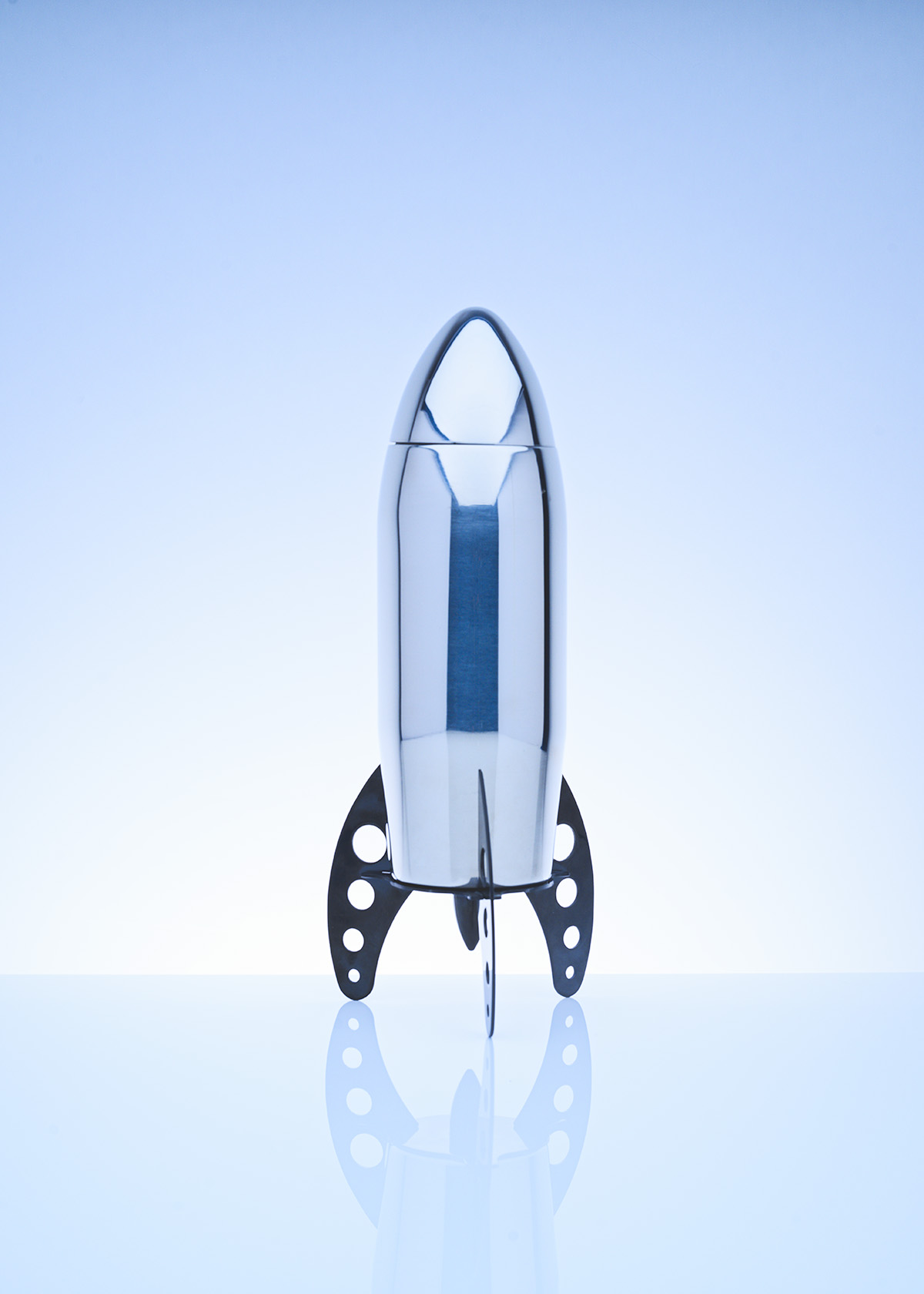
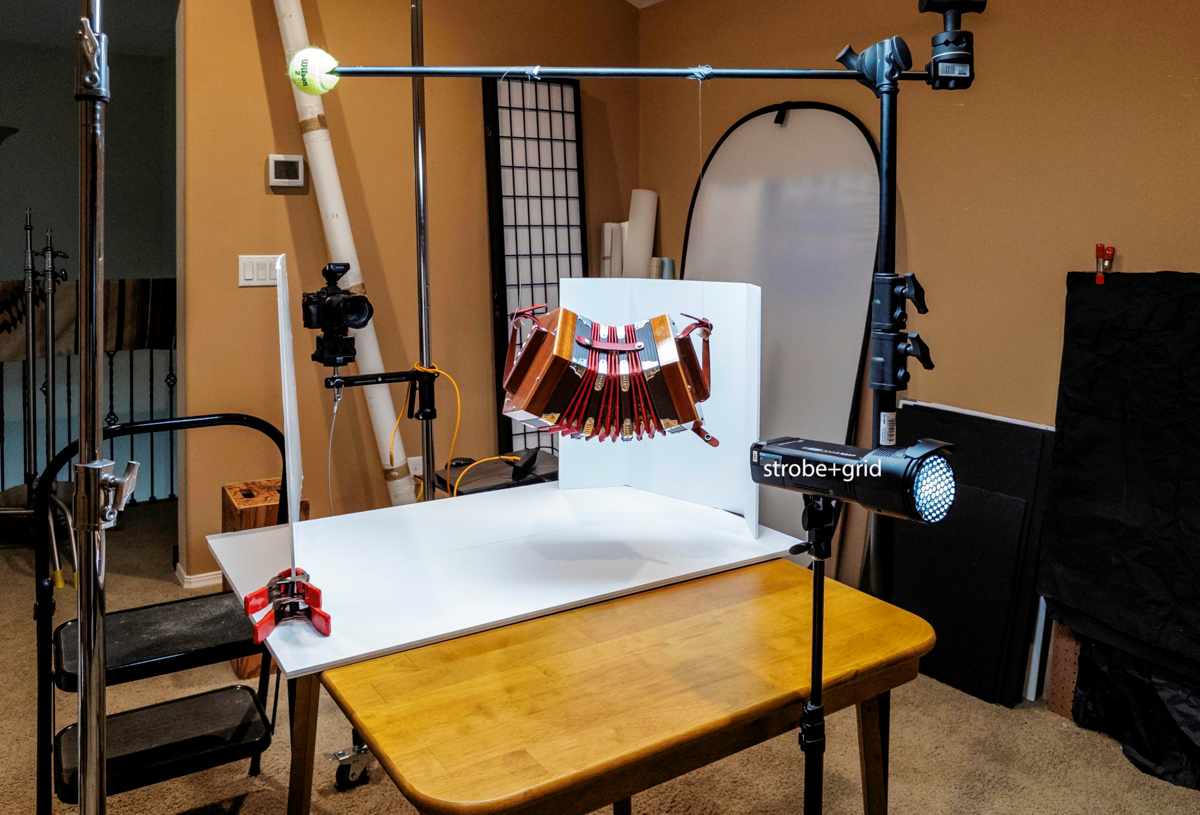
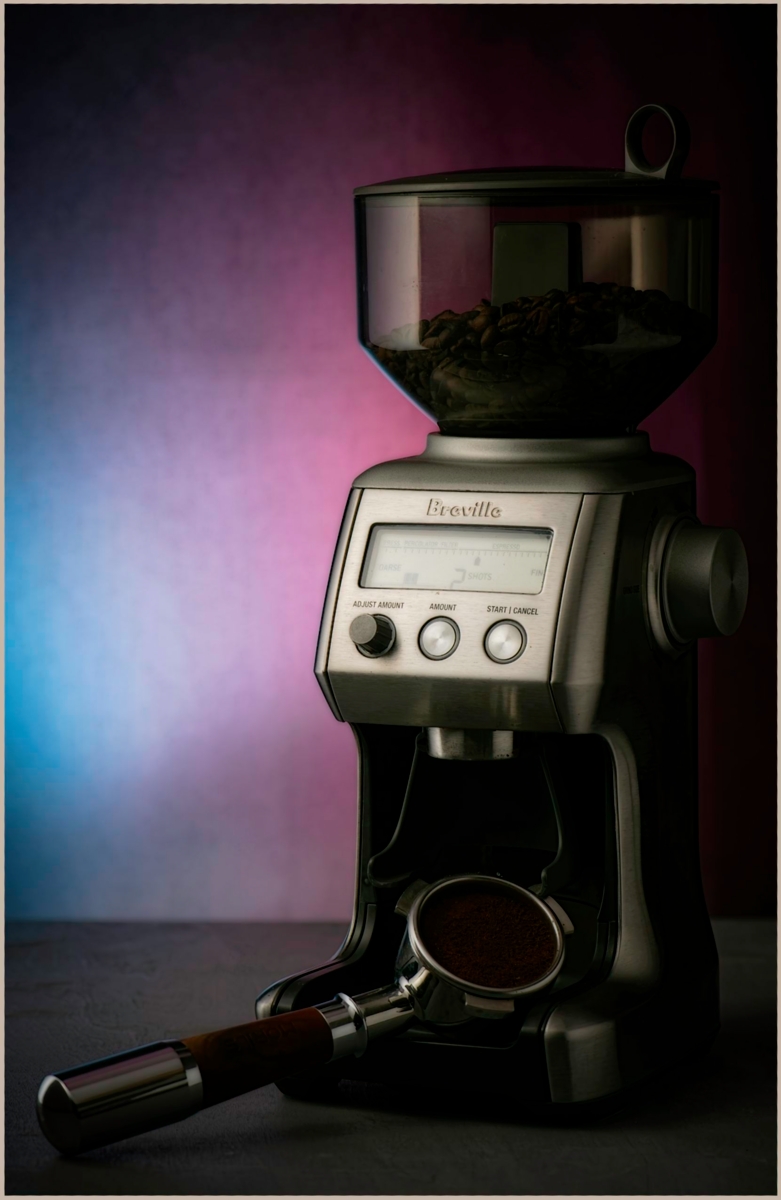
Something like below.
ASSIGNMENT UPLOAD

1. Must not be larger than 1200 pixels on the longest side.
2. Must be .jpg format
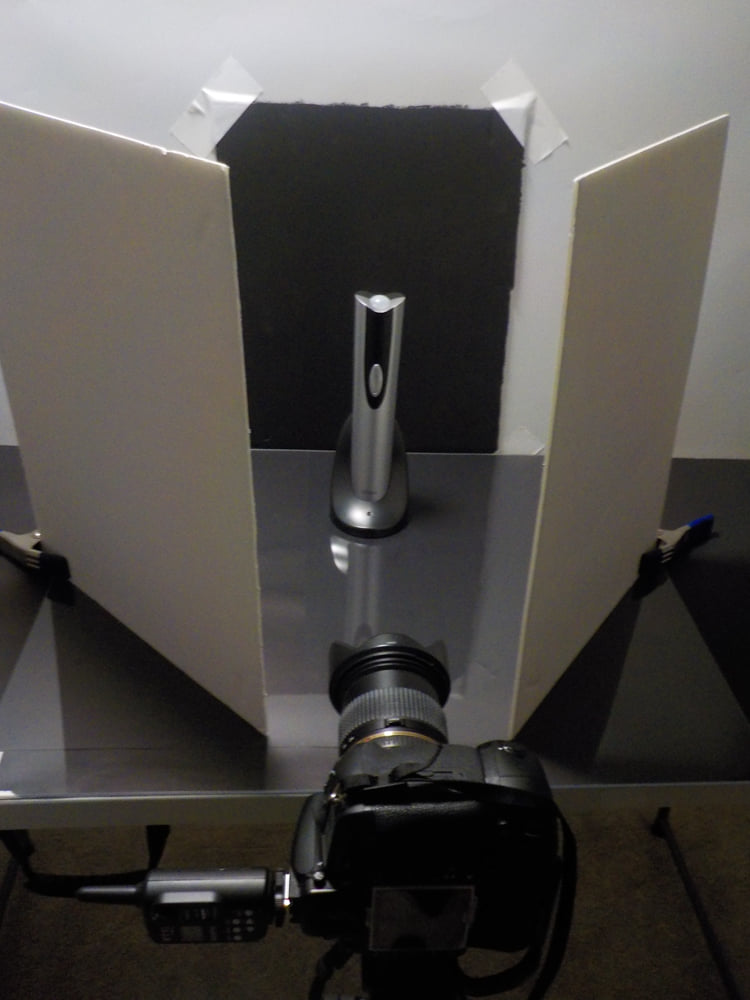
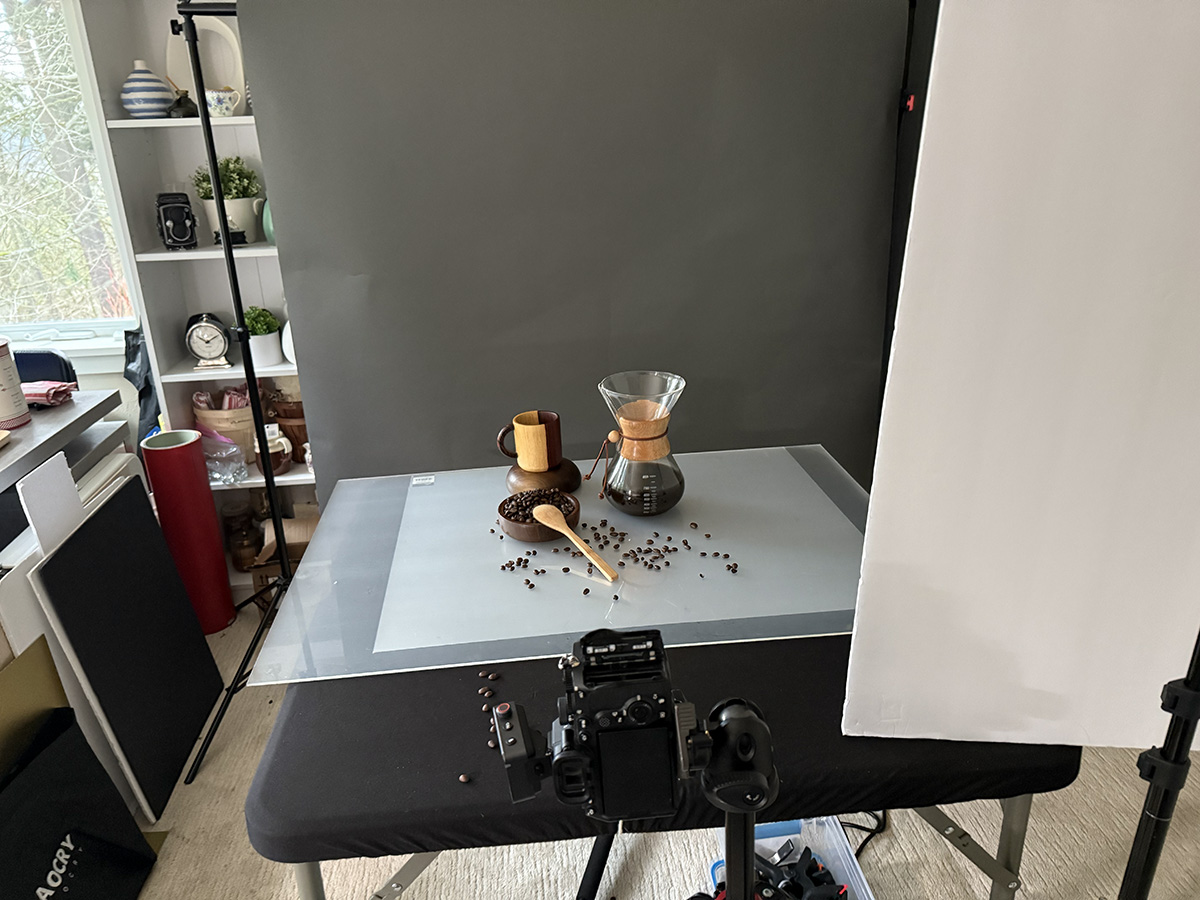
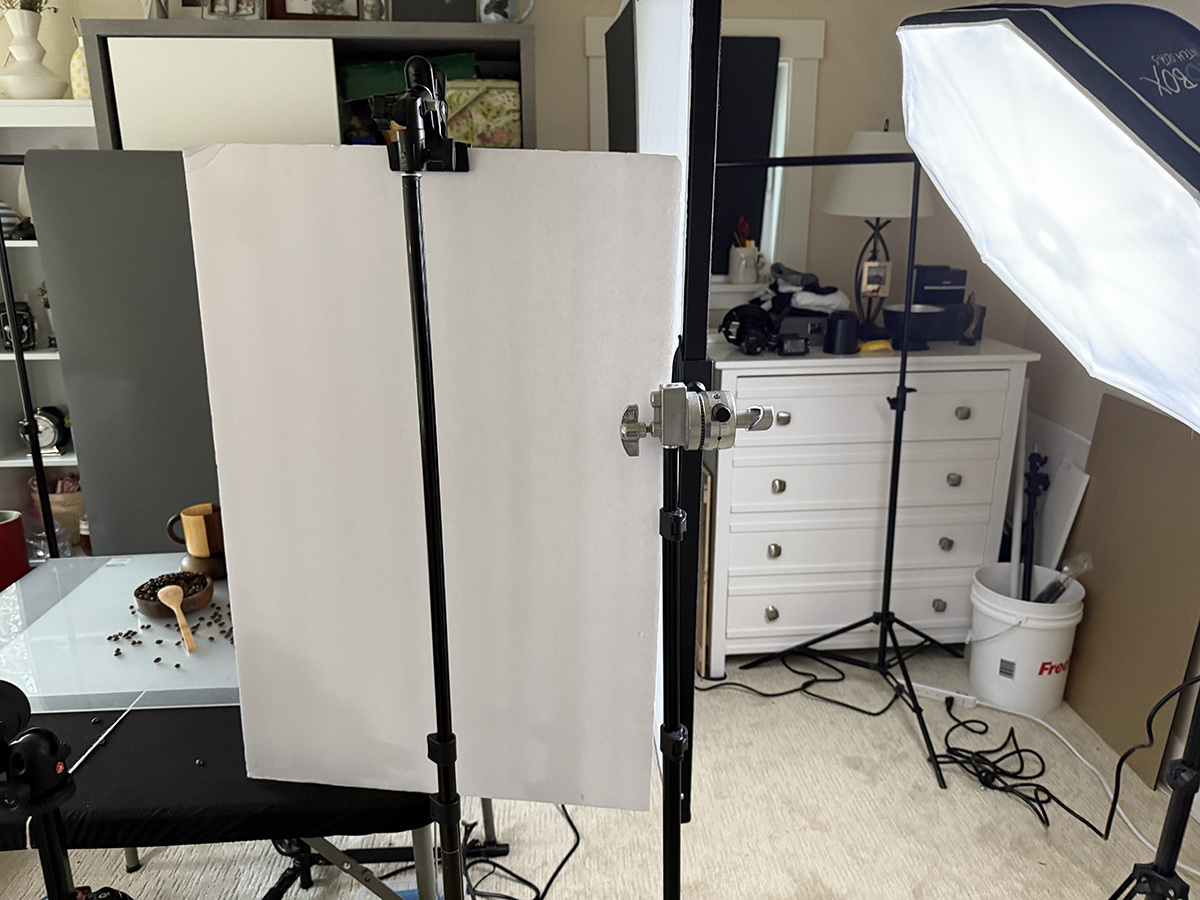
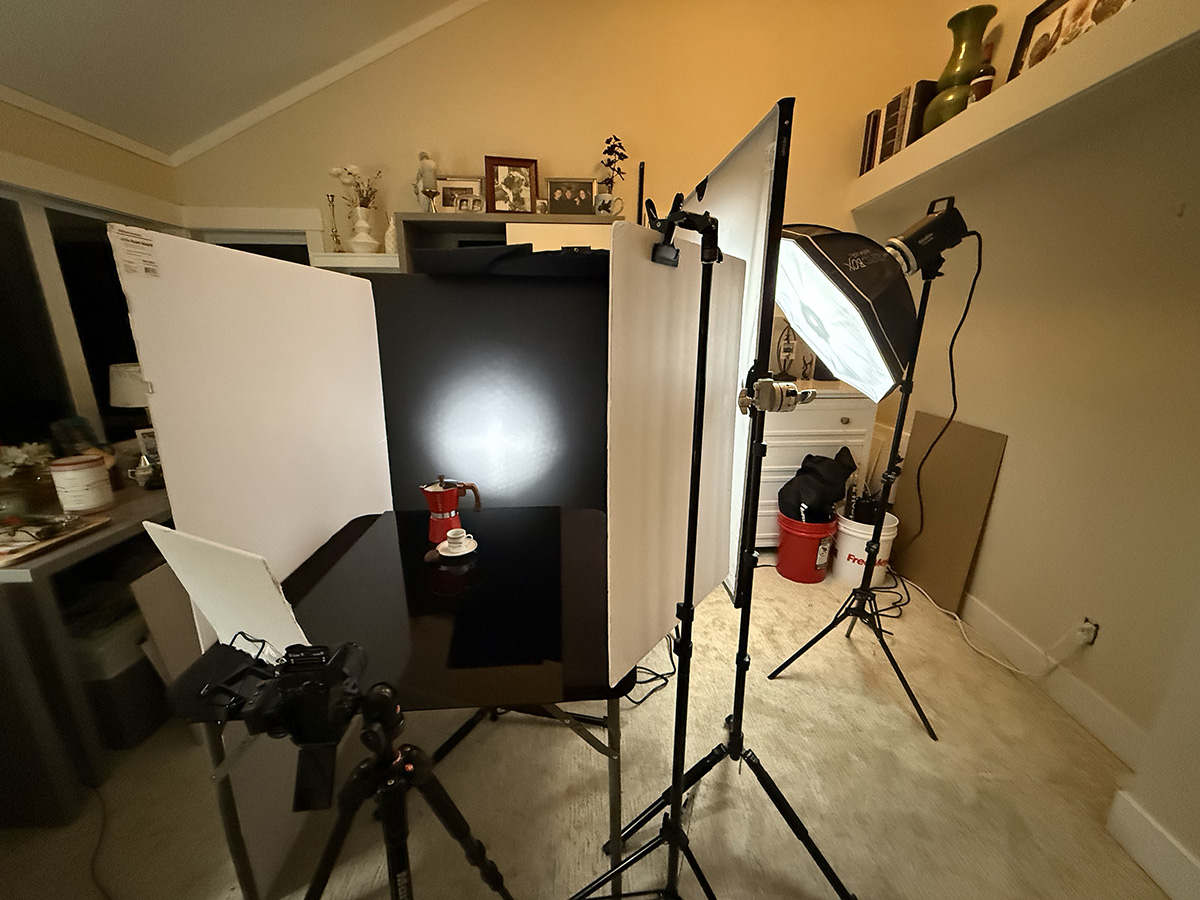
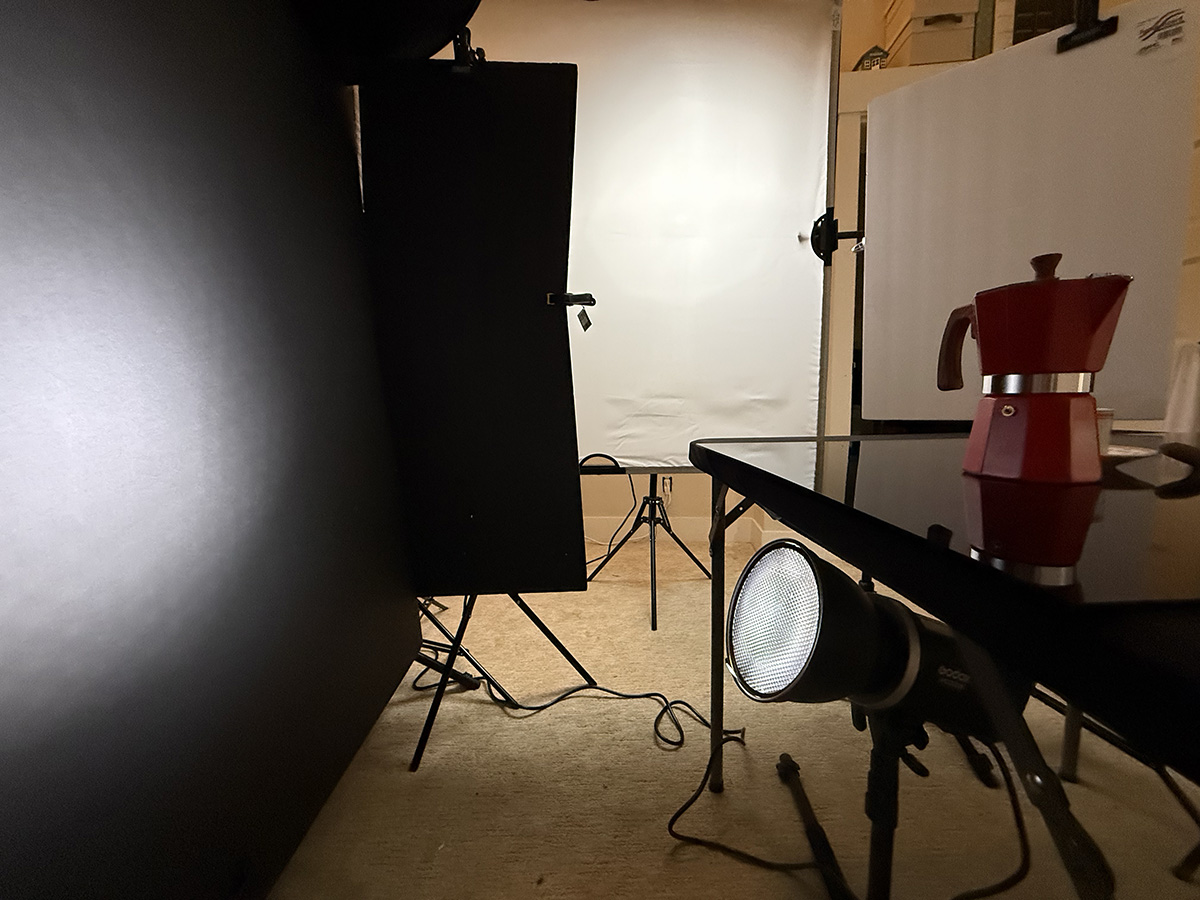
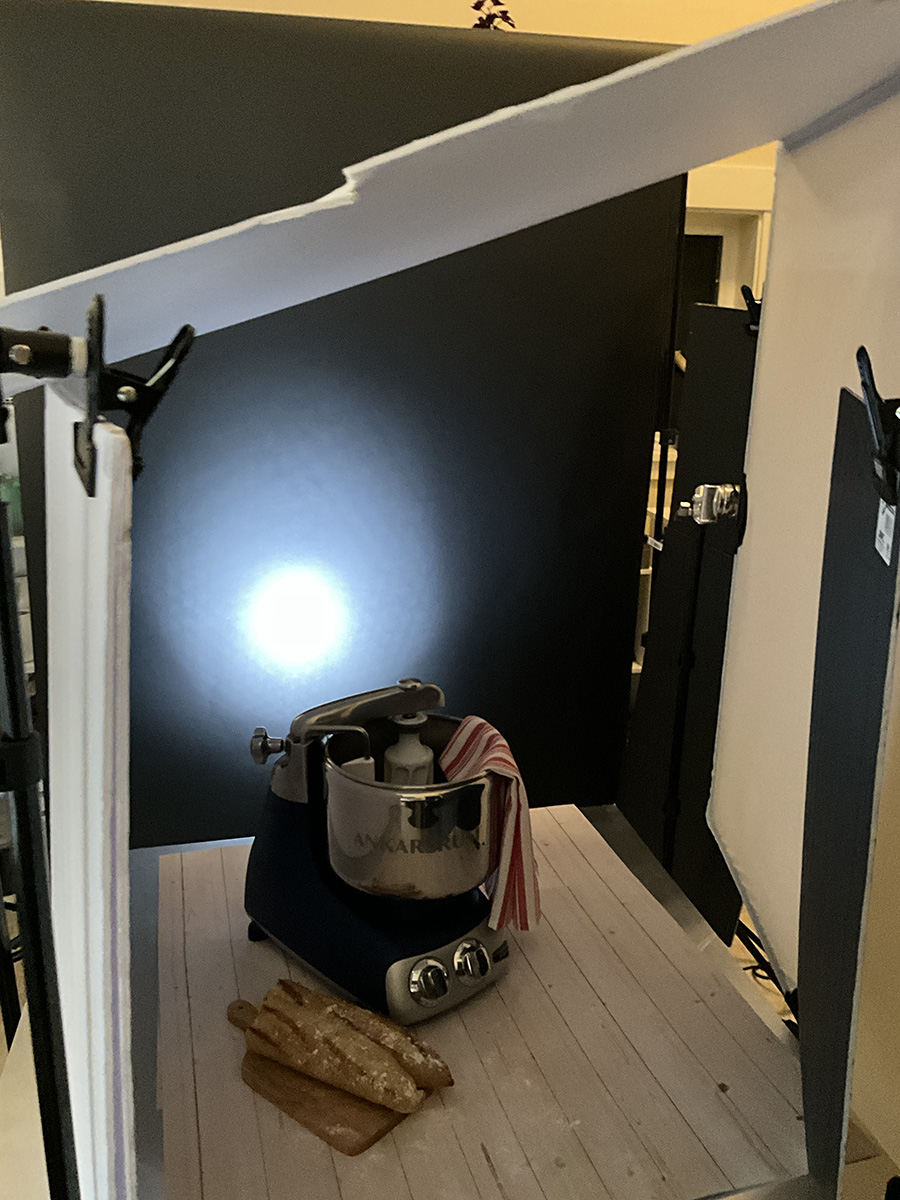
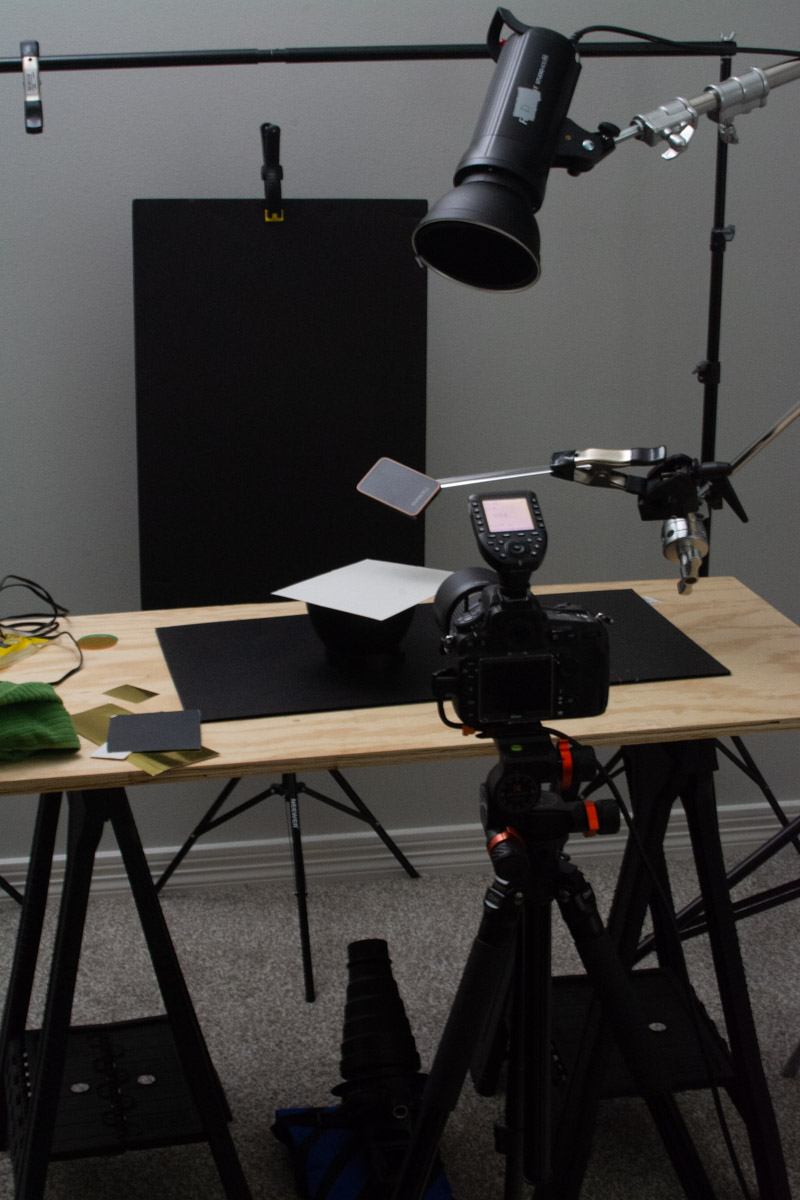
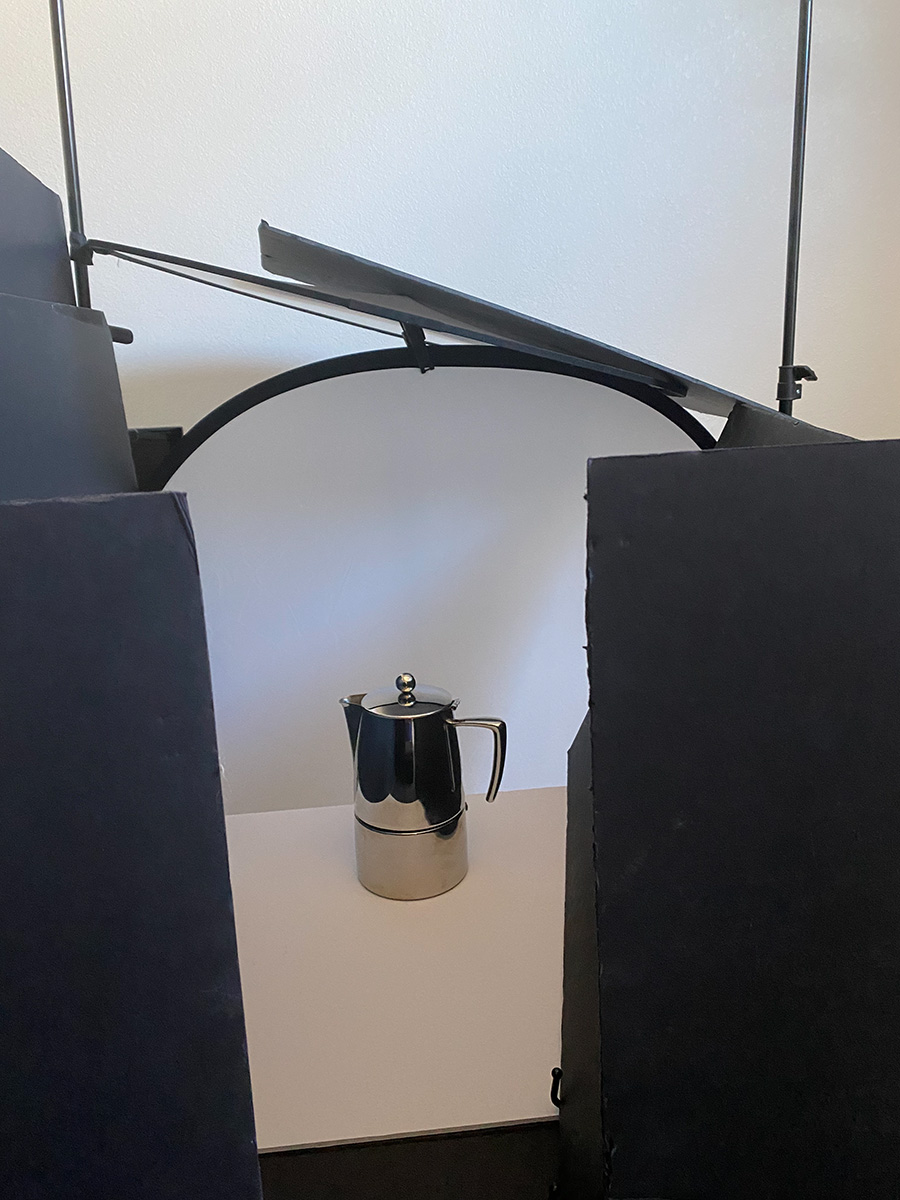
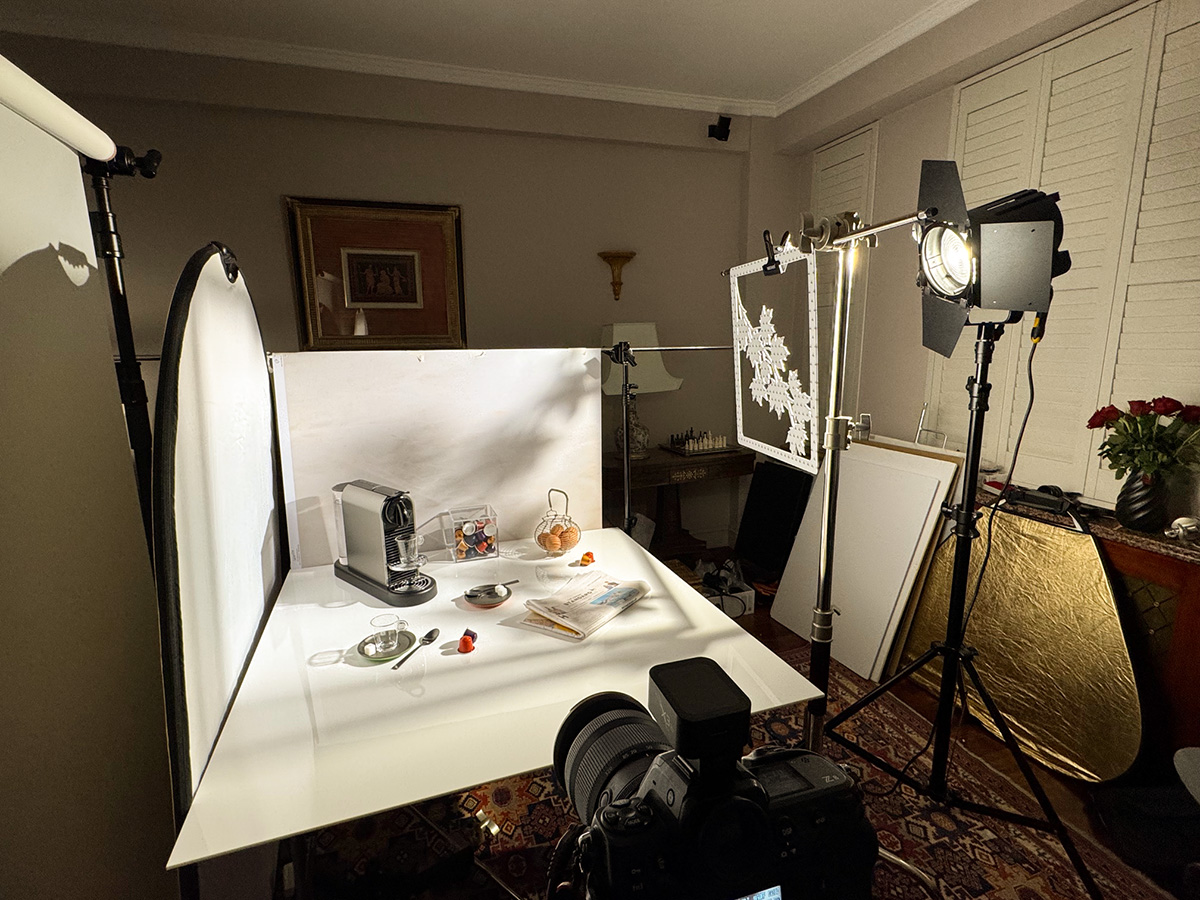
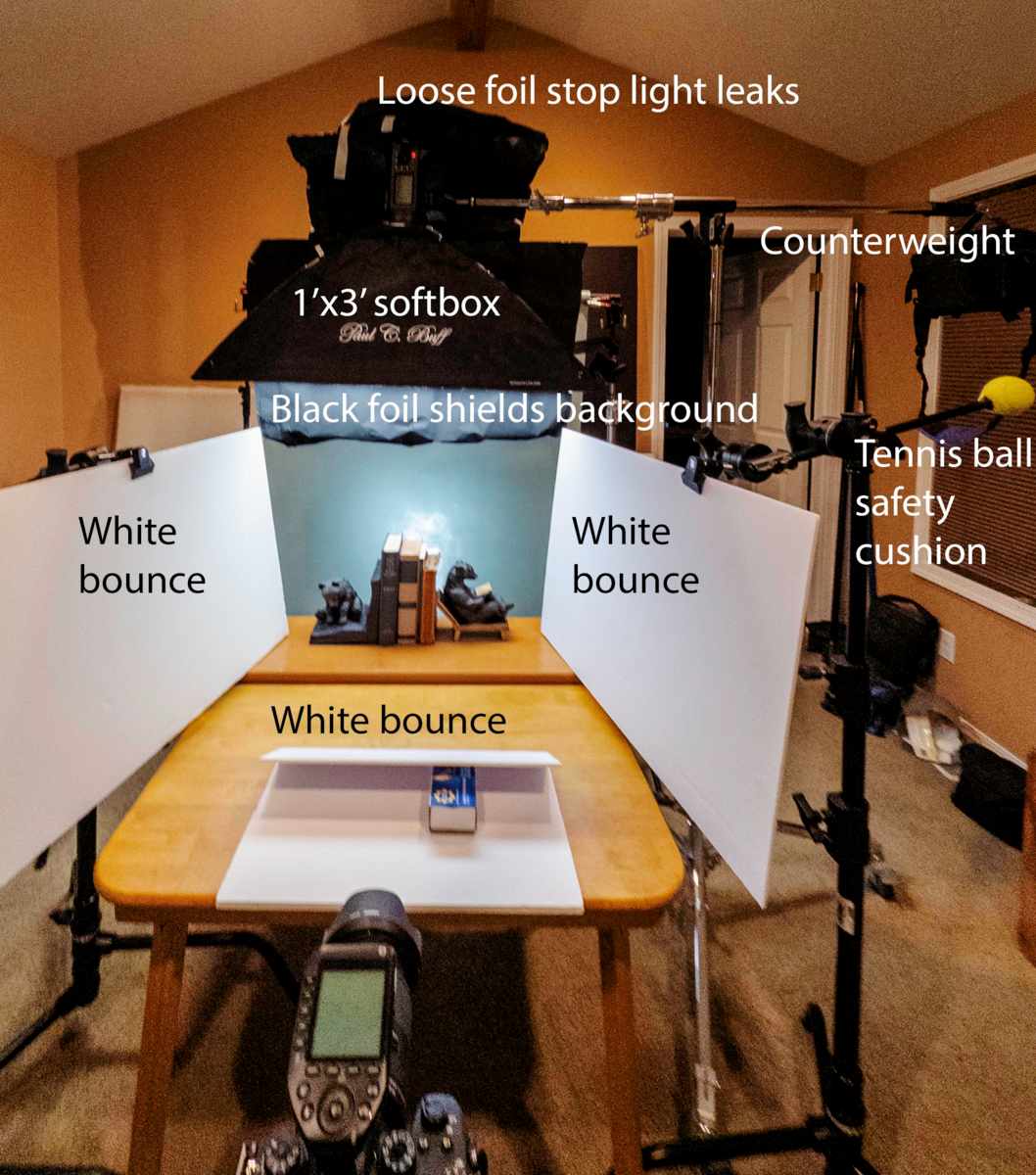
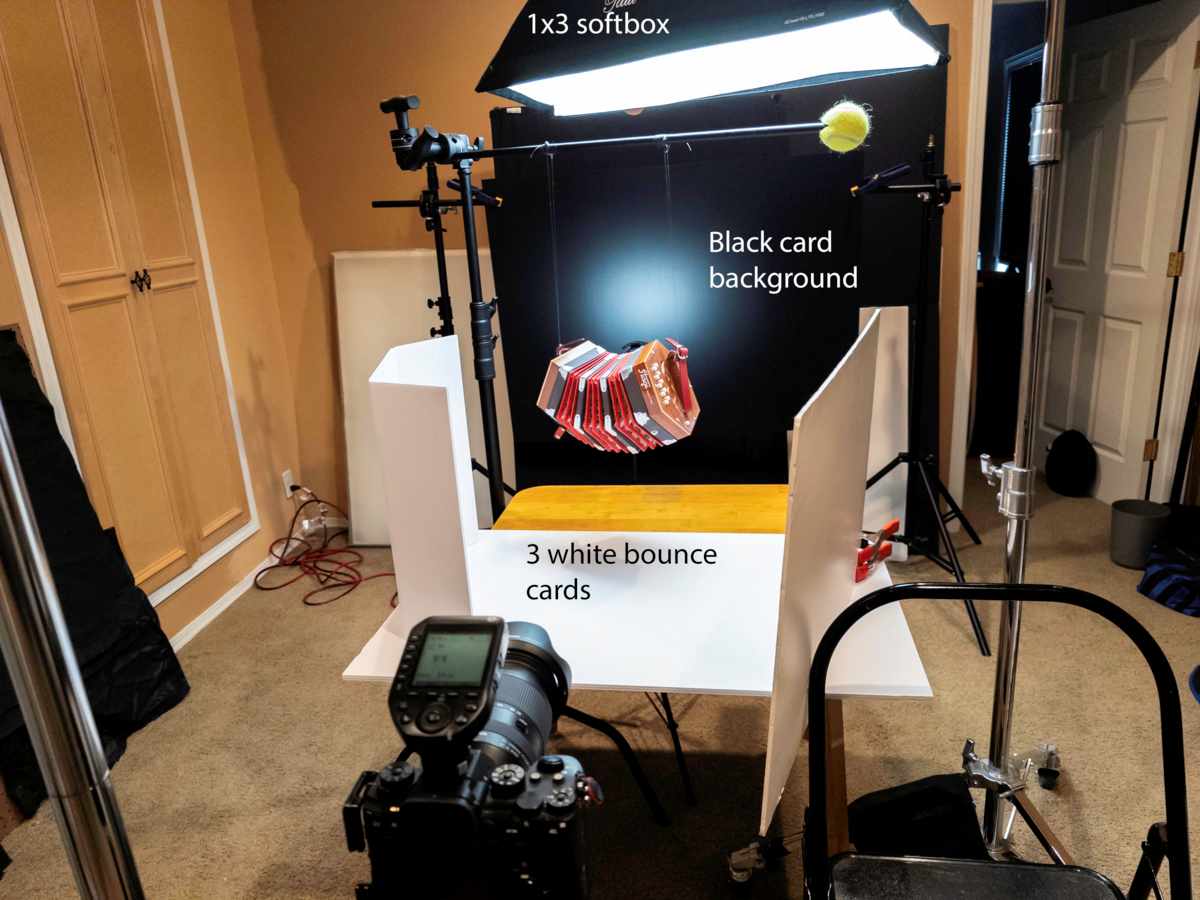
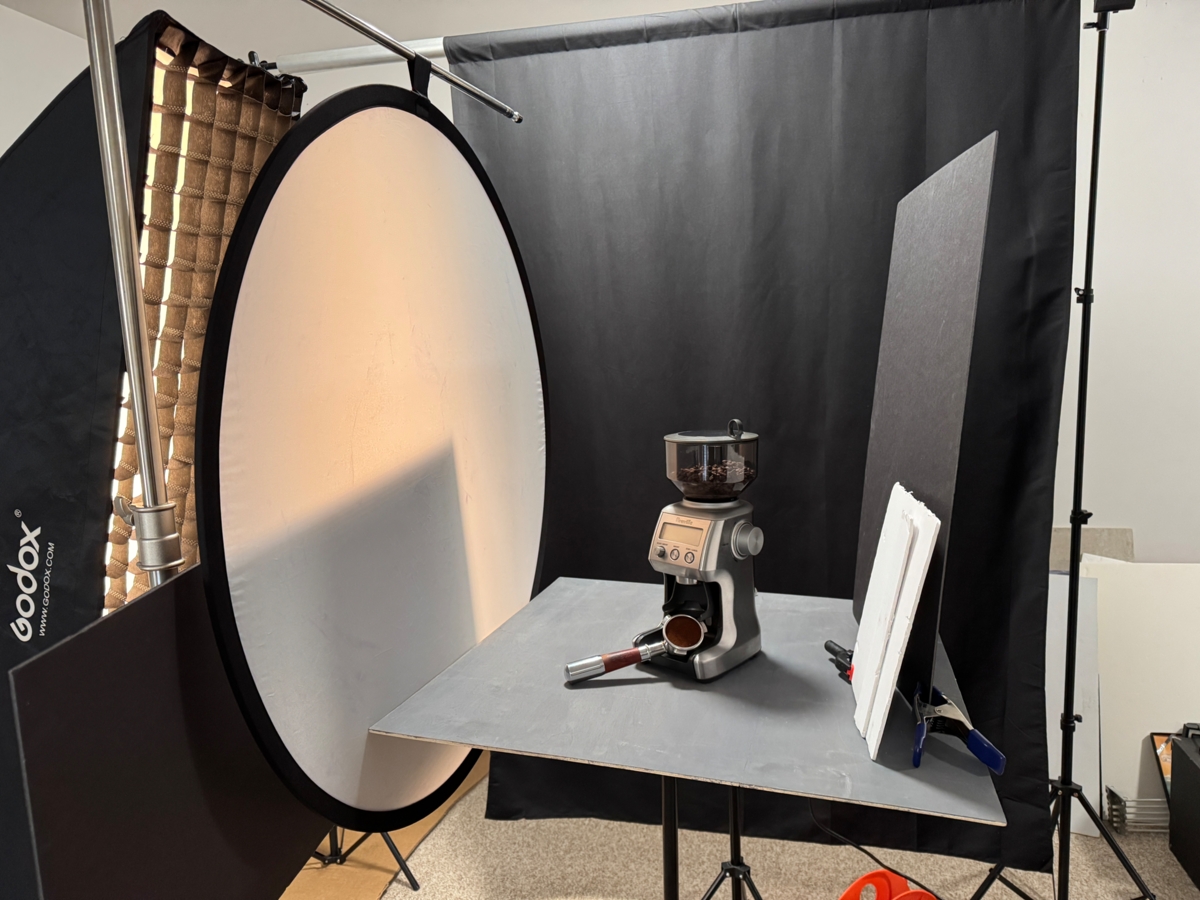
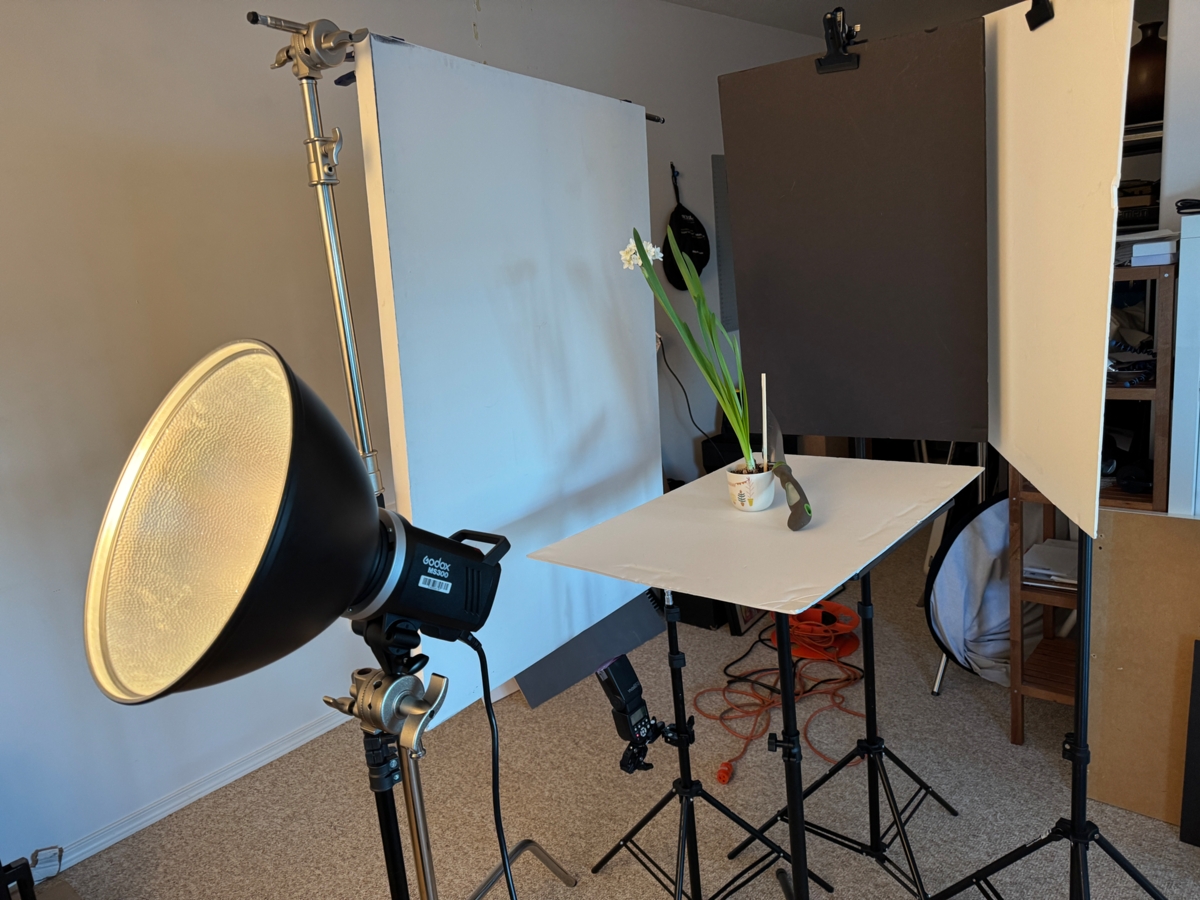
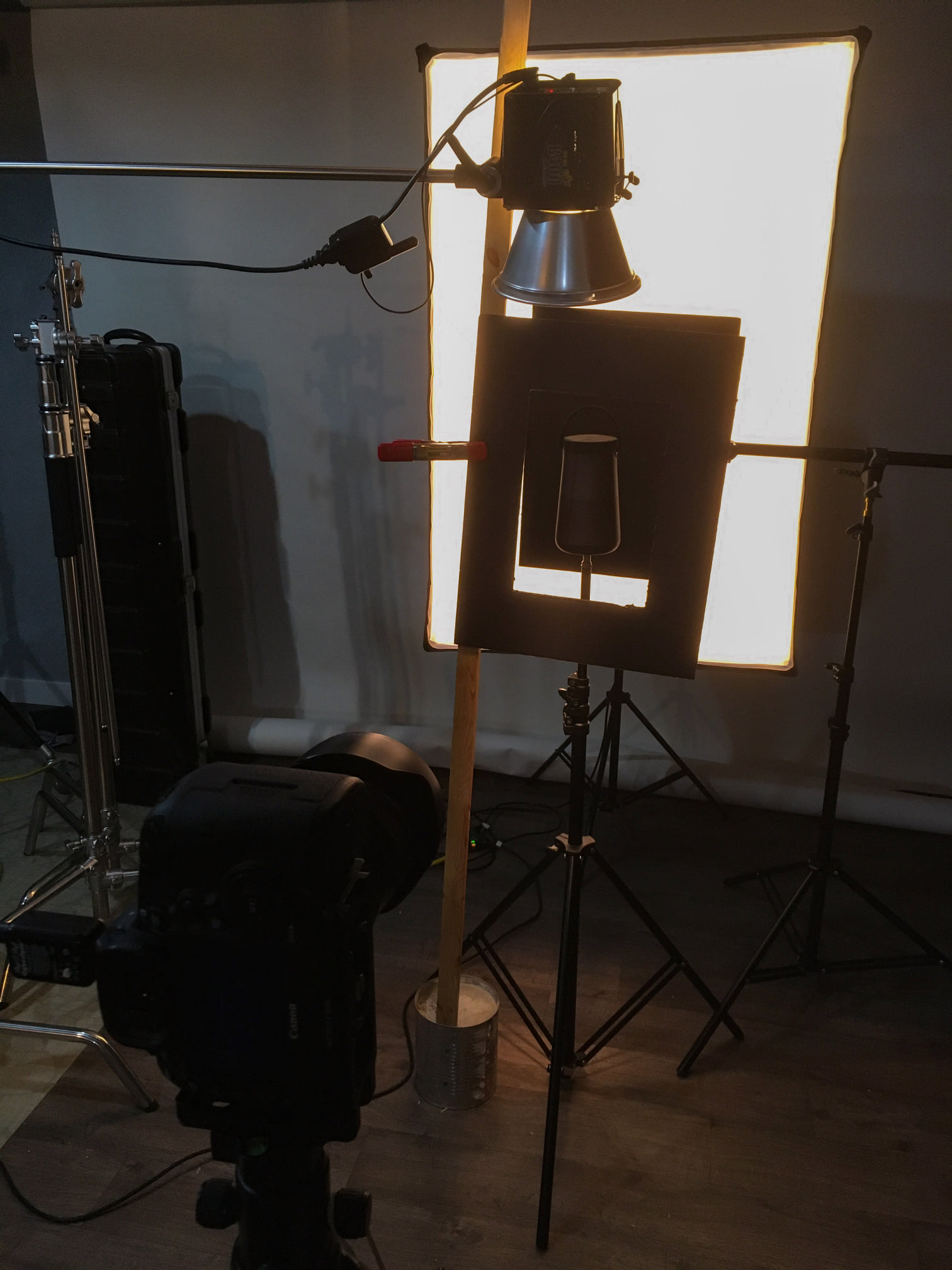
3. Include BTS shots
4. File naming: first-last-assignnumber-1.jpg (don-giannatti-1-a.jpg, don-giannatti-1-b.jpg, etc…
5. Be sure to resize phone shots.

Upload files


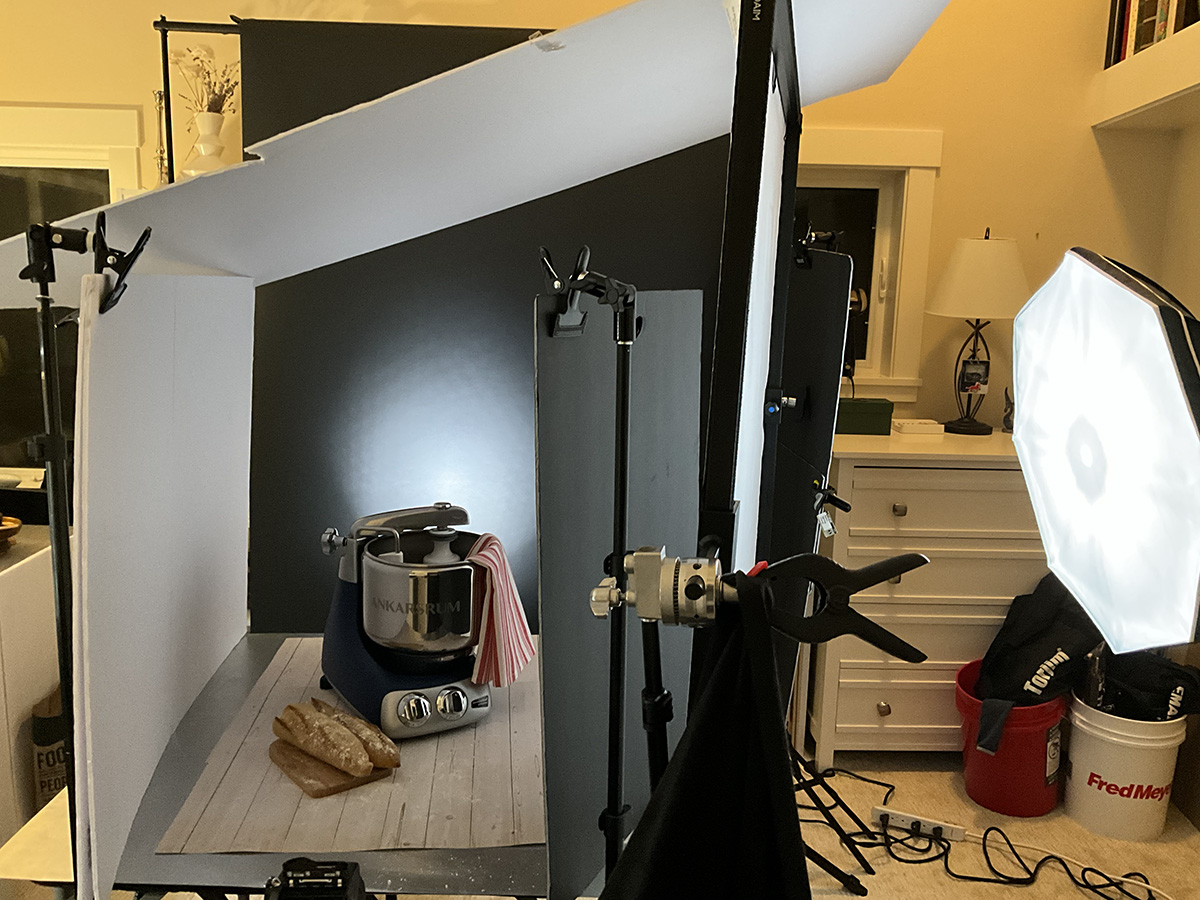
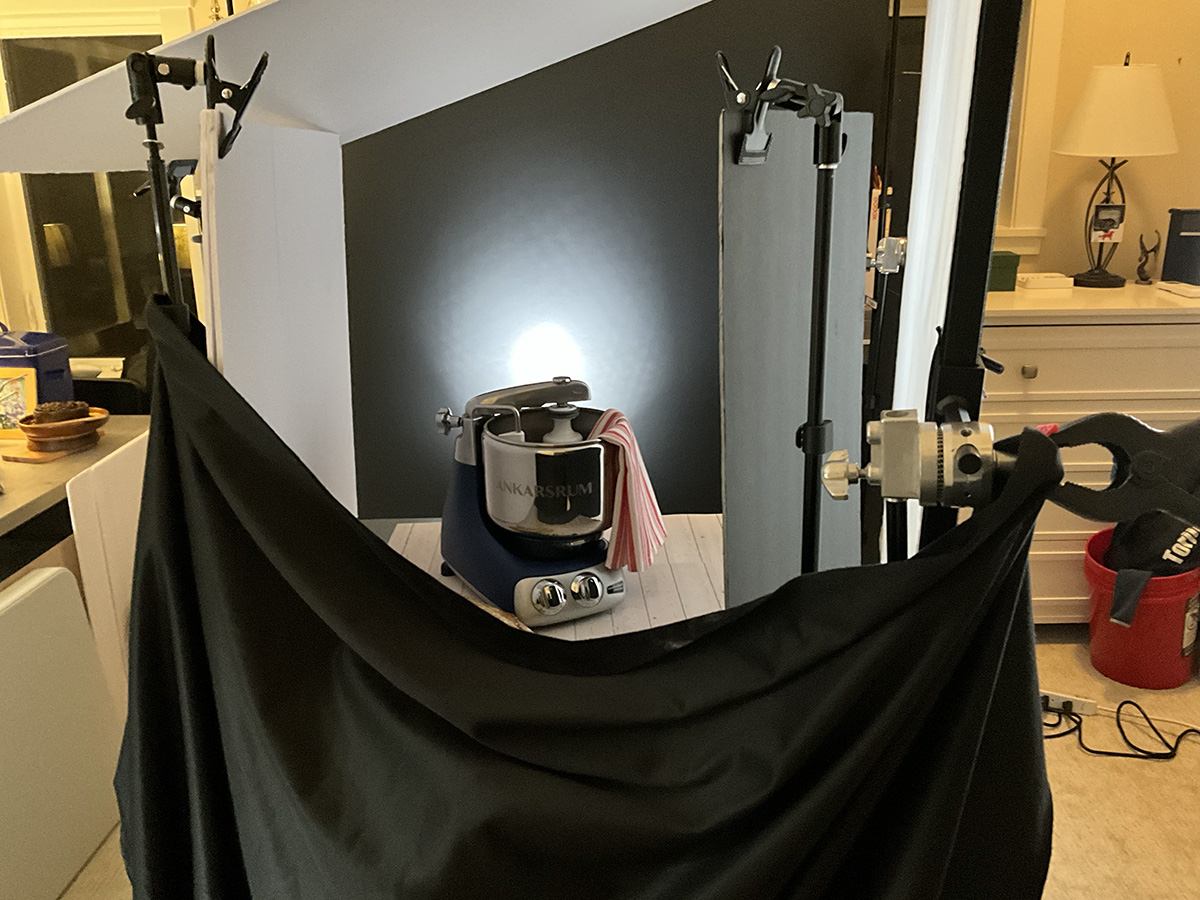
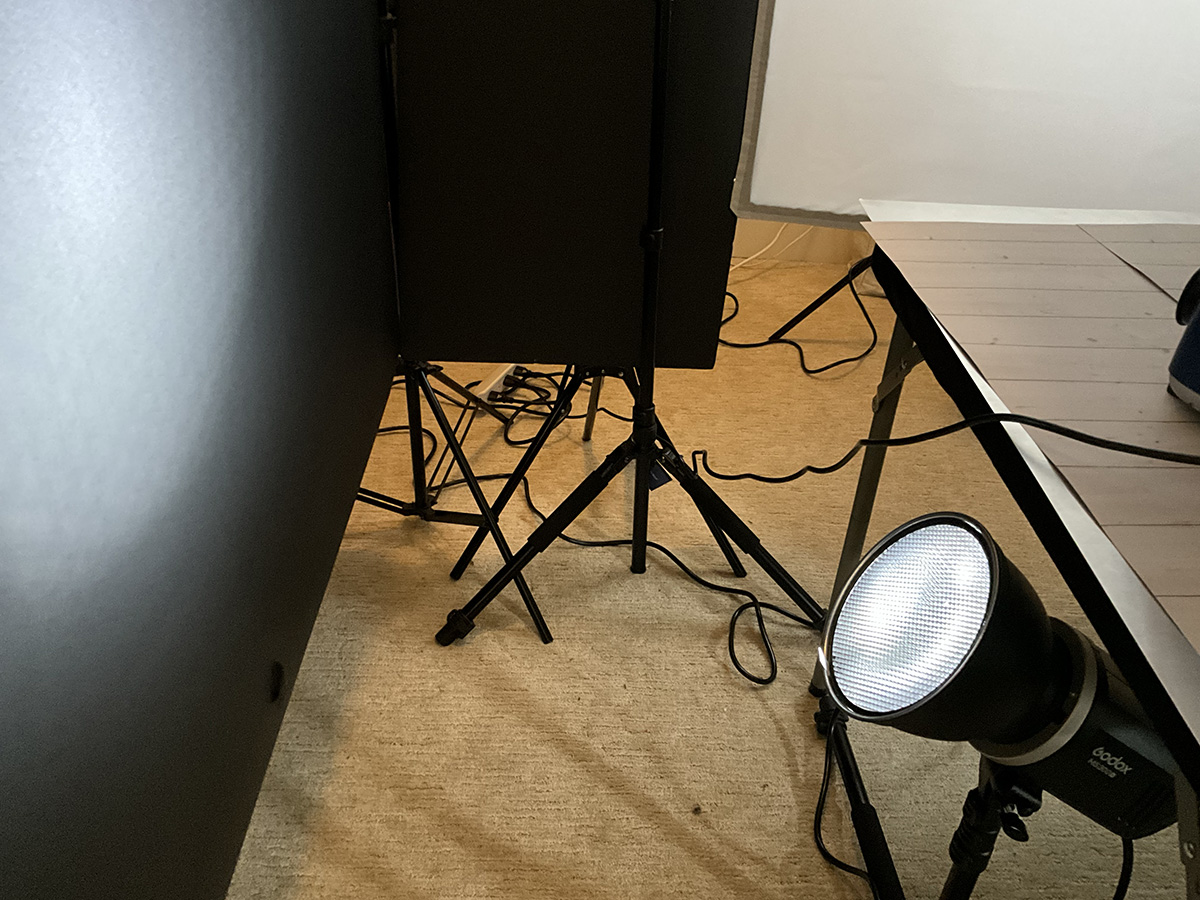
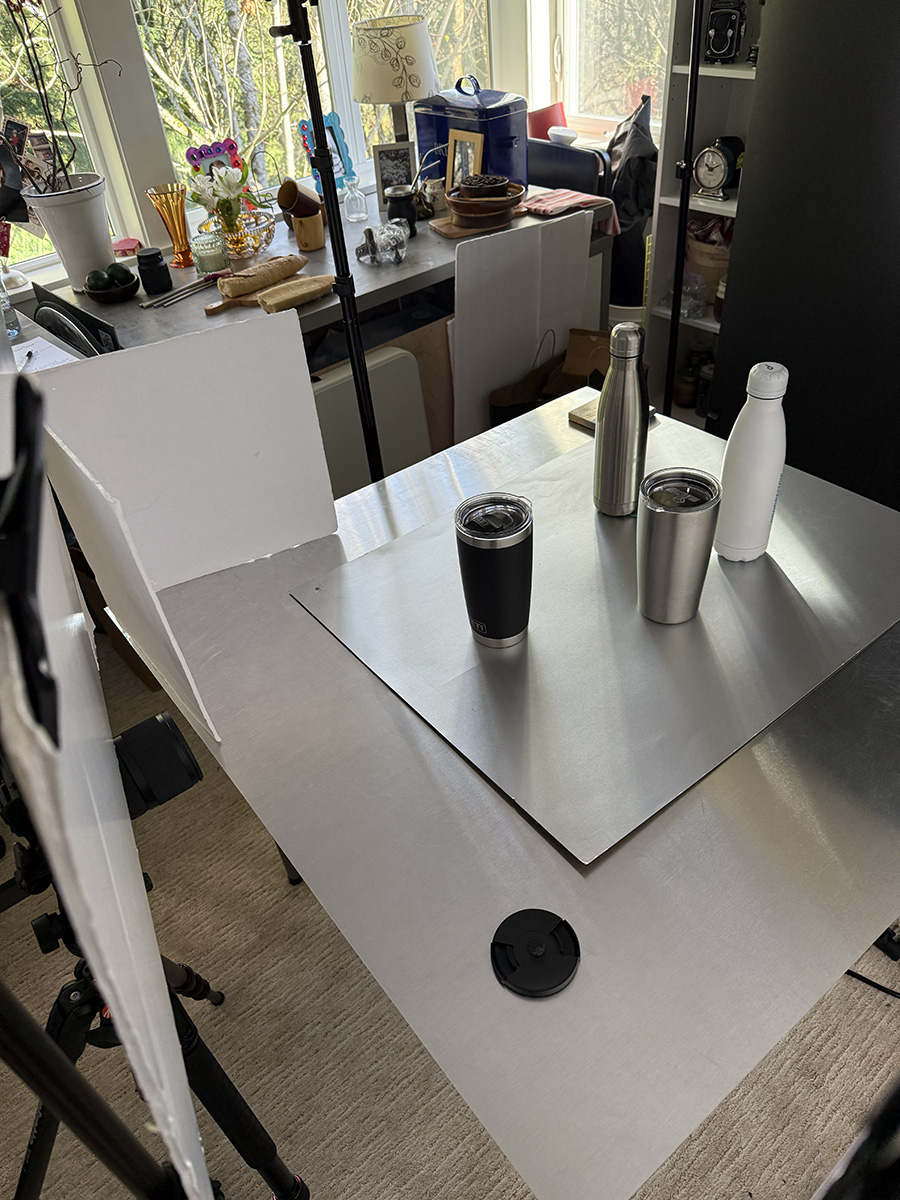
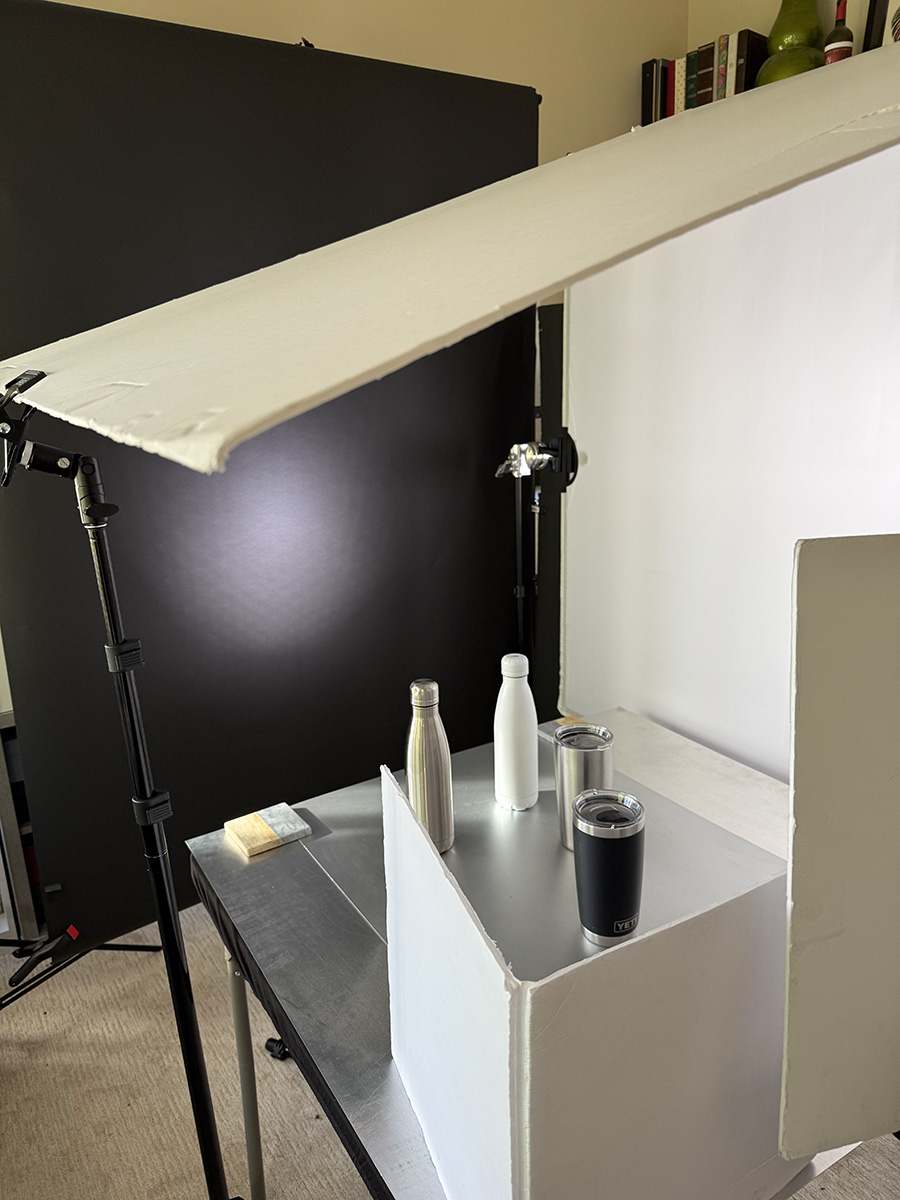
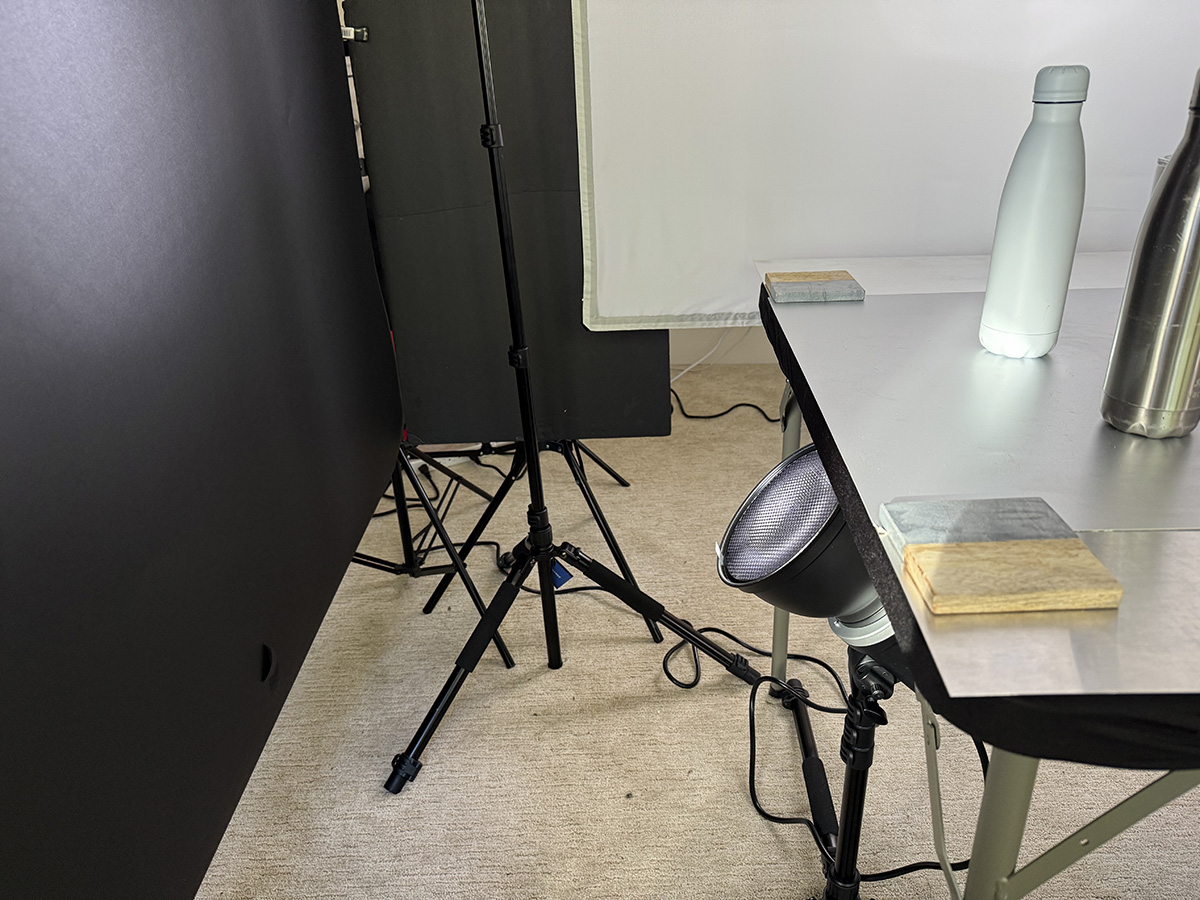
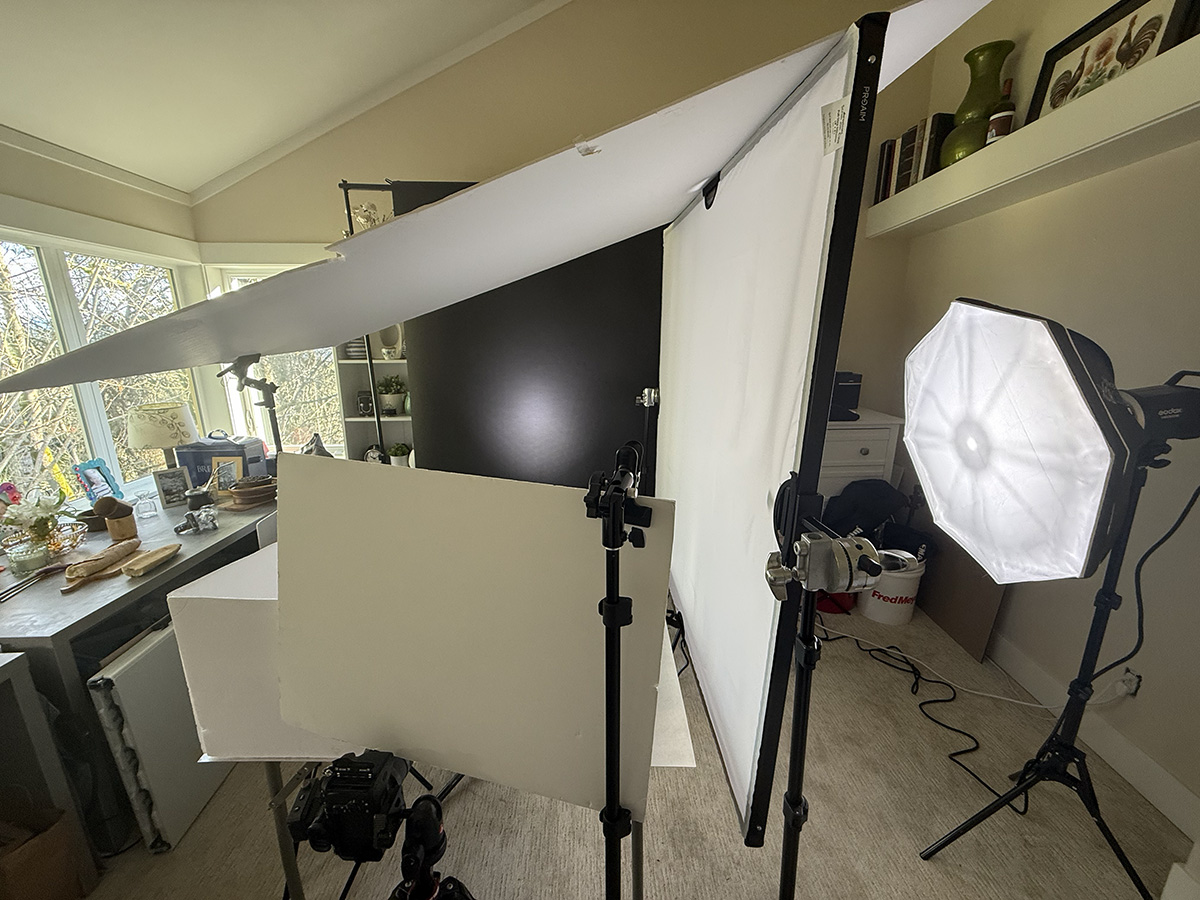
What you will need:

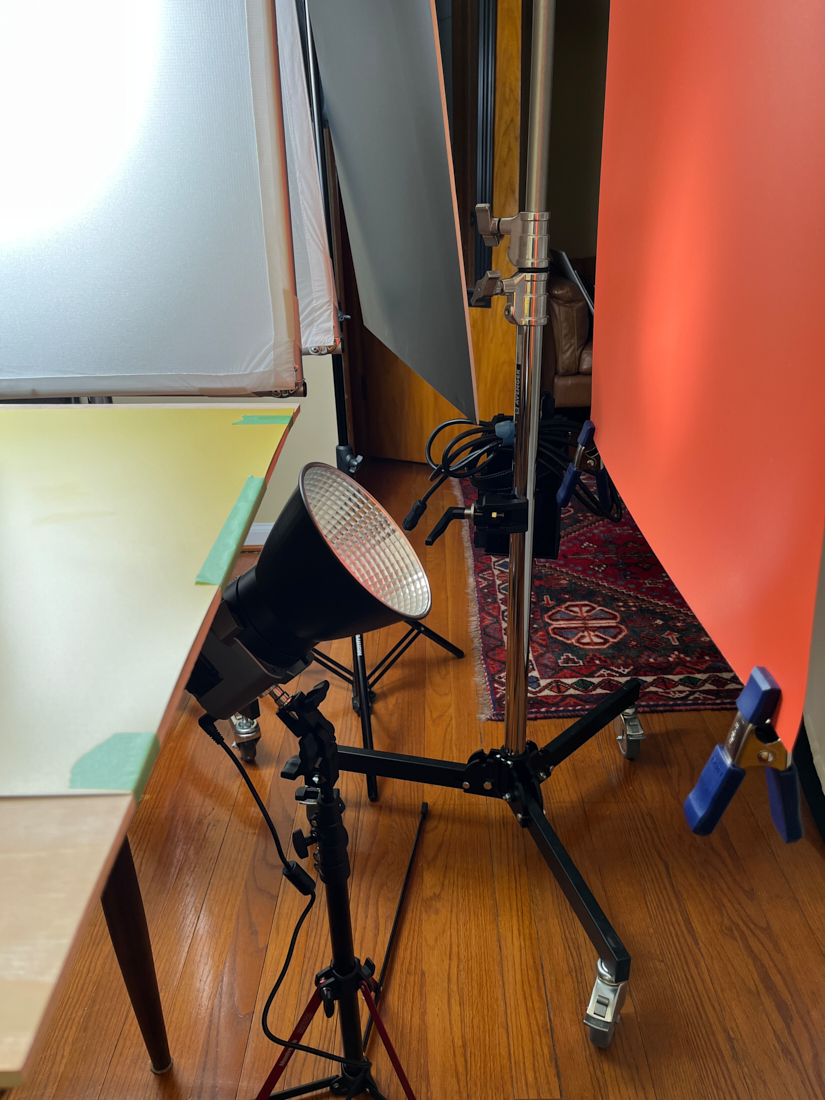
  • One big light.
  • Scrim
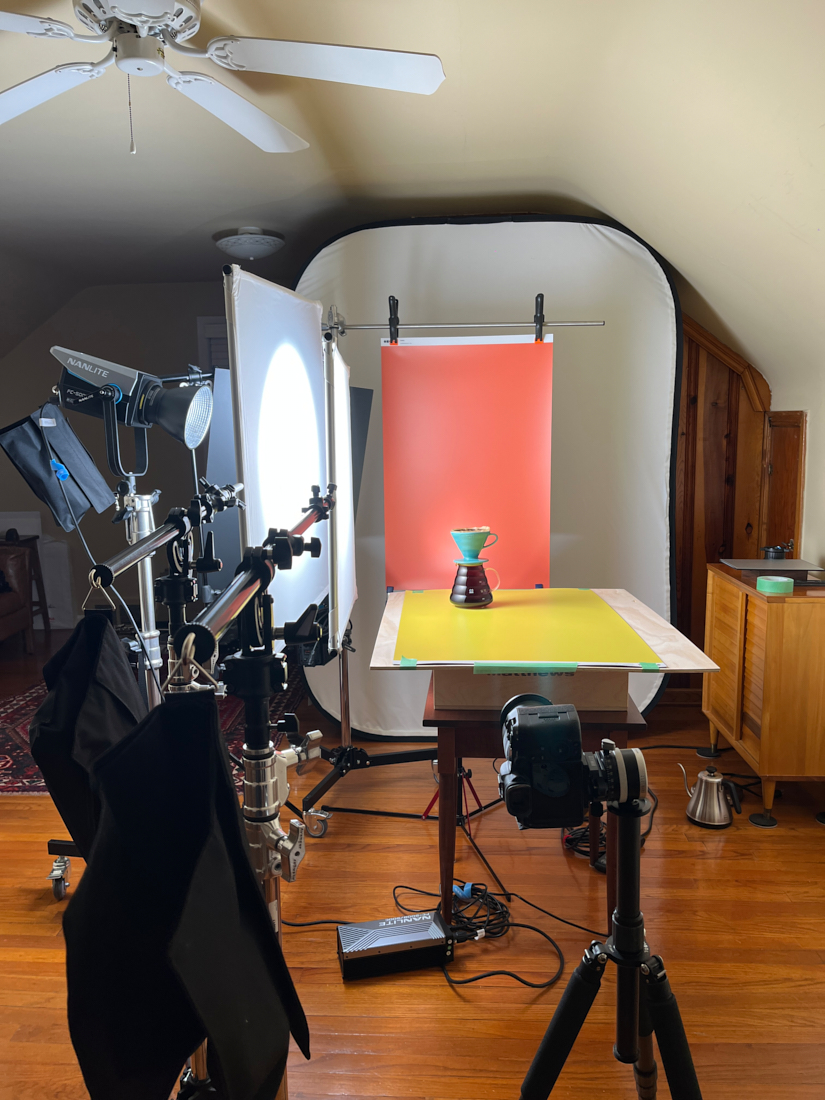
  • Tabletop
  • Props
  • Reflector ((2)black and (2)white cards) 36″ by 24″  or close
    They must match in size.
  • Stands, boxes to hold up the reflectors… etce.

The Ultimate Guide to Starting Your Creative Business

The Ultimate Guide to Starting Your Creative Business (PDF)

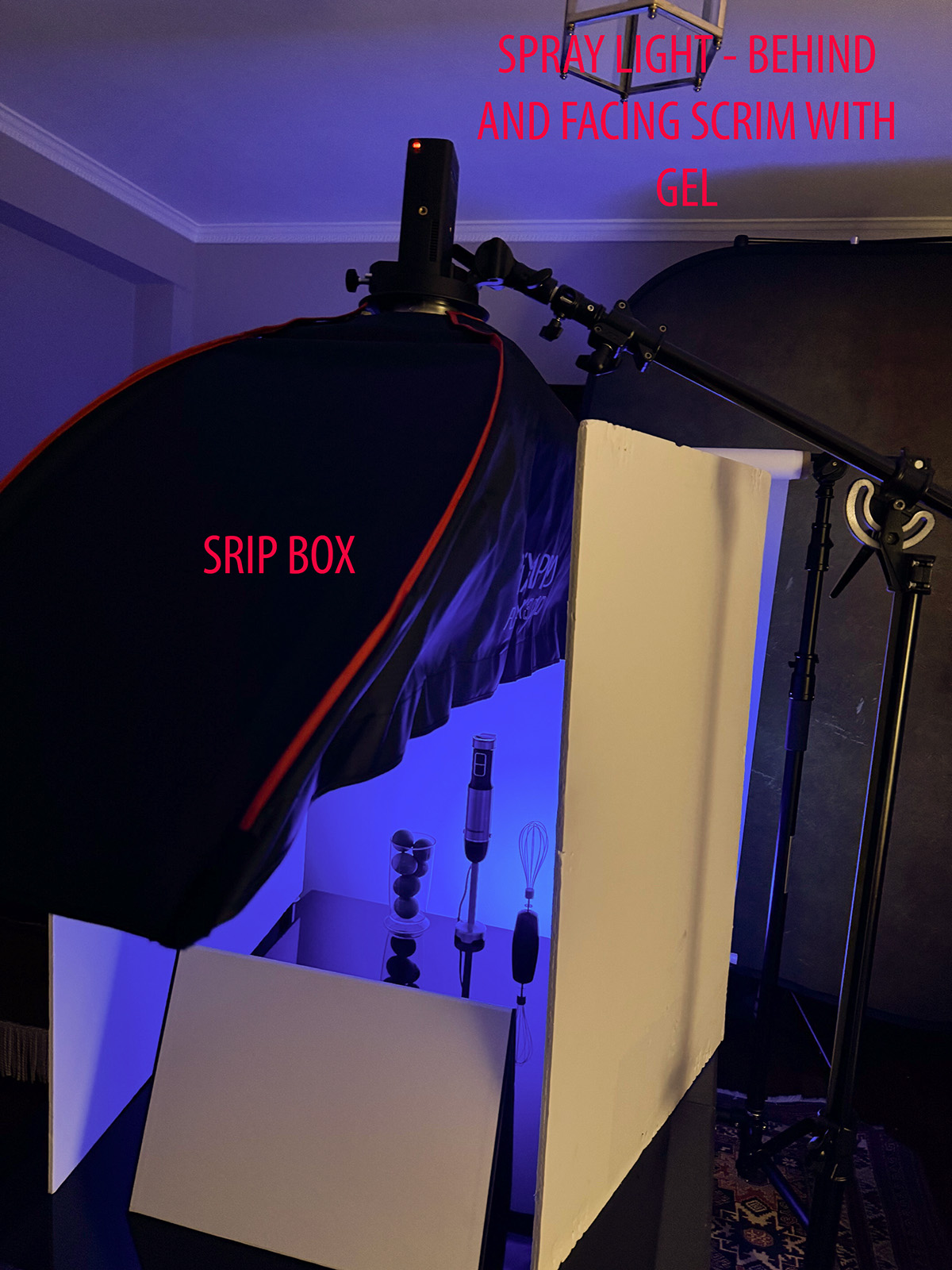
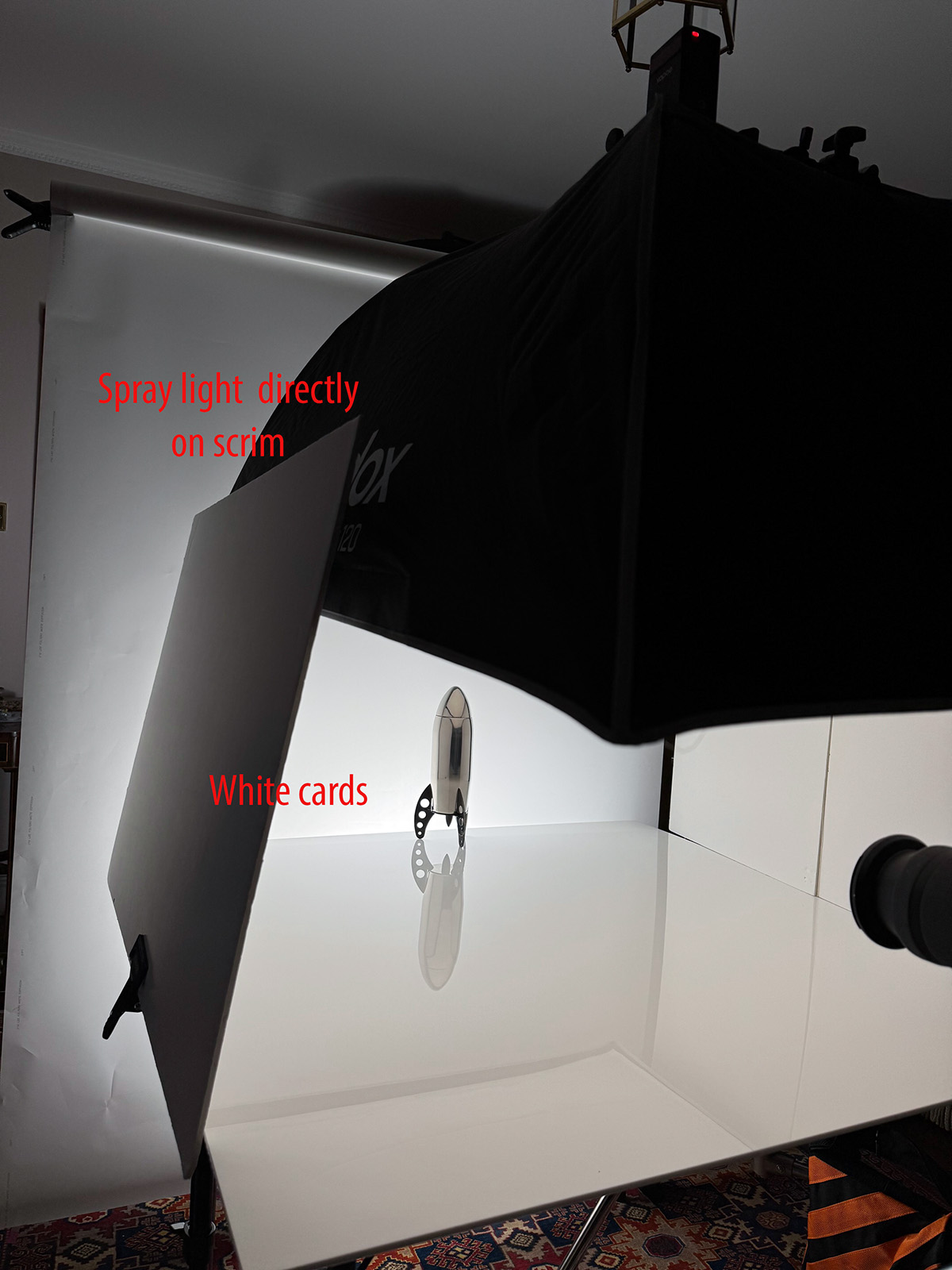
Concerning a spray light.

Spray lights are not considered “lighting” for the product, they are part of the background.

You are free to use spray lights, or background lights that do not affect the subject.

This would include a bottom spray, focused light on the background, Cukis and backlit scrims (In a spray use, not a backlit set like a bright or dark field.

White Backgrounds:

It is also acceptable for you to use a light on a white background to make it a clean white. Keeping your light from falling on the set is the job of flags.
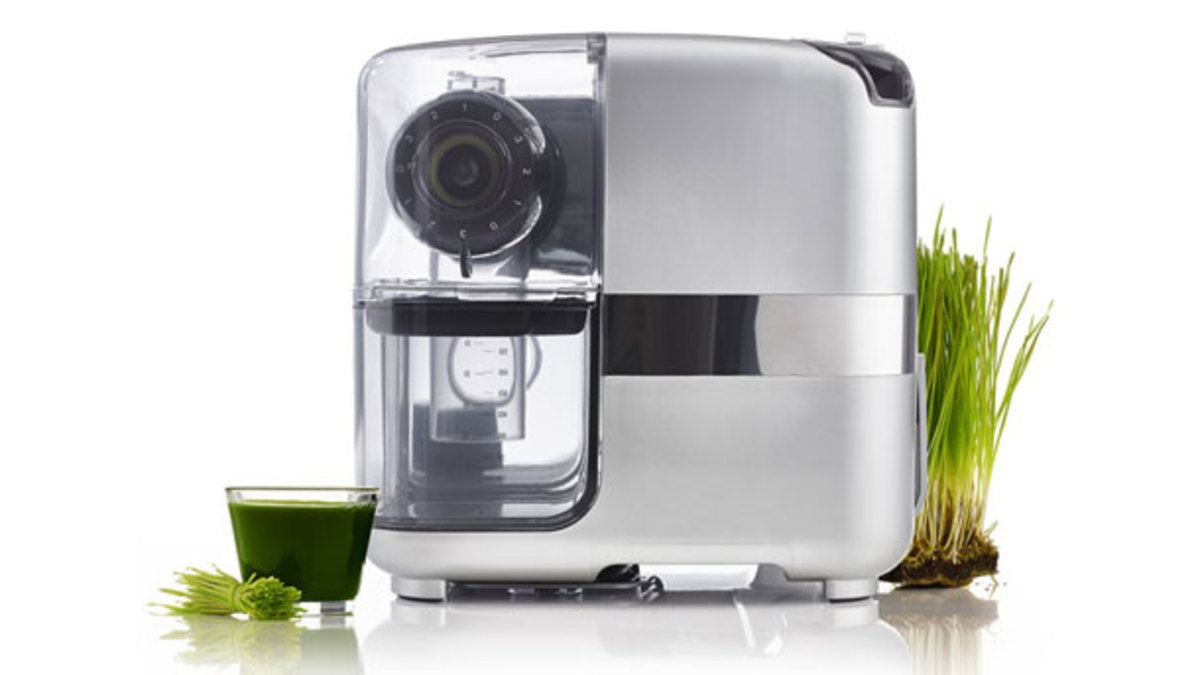
Think of different angles as well.
AI Recap

Quick recap

The meeting focused on photography techniques and lighting setups, with participants sharing and discussing their work using different lighting methods such as dark field and bright field lighting. Don provided guidance on various photography challenges, including managing reflections, creating smooth highlights, and using gels and diffusers effectively. Participants shared their setups and techniques, with specific discussions on using LED panels, continuous lighting, and strobe lights. Don emphasized the importance of understanding lighting dynamics and suggested ways to improve certain images, such as adjusting the horizon line and using multiple layers in Photoshop. The group also discussed practical solutions for common photography issues, such as controlling background reflections and achieving desired highlight effects.

Next steps

Summary

Challenges in Lighting Techniques

The group discussed their experiences with dark and bright field lighting setups, with most participants finding the dark field more challenging. Steve raised concerns about reflections in his setup, which Don suggested could be due to environmental control issues or a potential leak in the strobe connector. Don shared his own experience of painting a studio black, which proved difficult and was quickly reversed. The class discussed solutions for capturing the meniscus of wine in a glass, with Don suggesting the use of a white card for reflection control. Luciana Rizzi asked about jagged edges in bottle highlights, which Don attributed to the position of the bottle and suggested Photoshop adjustments as a temporary solution.

Photography Techniques and Feedback

The group discussed photography techniques, focusing on lighting and composition. Christine shared her photos of a contorted filbert tree branch and a green vase, receiving feedback from Don on how to adjust the exposure and highlight certain elements. Don praised Christine’s use of notes and consistency in her setup, comparing it to his own learning process with large format film cameras. The conversation highlighted the importance of documentation and repeatability in photography, with Don suggesting a technique for capturing additional frames at different exposures.

Crystal Collection Photography Project

Christine shared her photography project involving her mother’s crystal collection, which she is documenting as part of a personal project to create family memorabilia books. Don provided technical guidance on photographing the items using picture frame holders and explained a technique for adjusting lighting and layering in Photoshop to achieve desired effects. The group discussed the practical aspects of using frame holders for displaying items, with Don suggesting they could be found on Amazon and recommending adding weights to keep them stable.

Product Photography Techniques Discussion

The group discussed photography techniques for product shots, particularly focusing on drop and pop photography where multiple items are photographed quickly for a bulk fee. Don explained that for such shoots, photographers should aim for perfect setups that don’t require extensive post-processing, using JPEG and RAW formats, and suggested giving clients USB drives with the final images. The discussion included detailed reviews of various lighting setups and photography techniques, with Inge sharing her experience using LED lighting and discussing how to achieve desired contrast levels in her shots.

Lighting Techniques and Troubleshooting

The group discussed lighting techniques and issues. Don advised Luciana on how to avoid vertical stripes in her LED panel lighting by using double diffusion and maintaining proper spacing. Inge shared her experience working with a white background, noting challenges with achieving pure white and using a branch for creating shadows. Don explained various ways to use gels in lighting, emphasizing the importance of proper placement to avoid melting and damage. Judy mentioned an issue with studio reflections in her photo and expressed the need to reshoot.

Photography Lighting and Post-Processing

Don advised Judy on improving her lighting setup for photography, suggesting she use a black sheet or cloth to block out window light and recommended a background stand kit. He explained that continuous lighting would make it challenging to eliminate reflections, and suggested using an 8×10 black board to adjust the lighting on etched glass. Inge shared her experience with the updated Photos app on her MacBook, which now includes features like reflection removal and color grading. Judy and Don discussed adjusting the white balance and contrast in her photos, and Don noticed a horizon line issue that Judy could address in her composition.

Product Photography Lighting Techniques
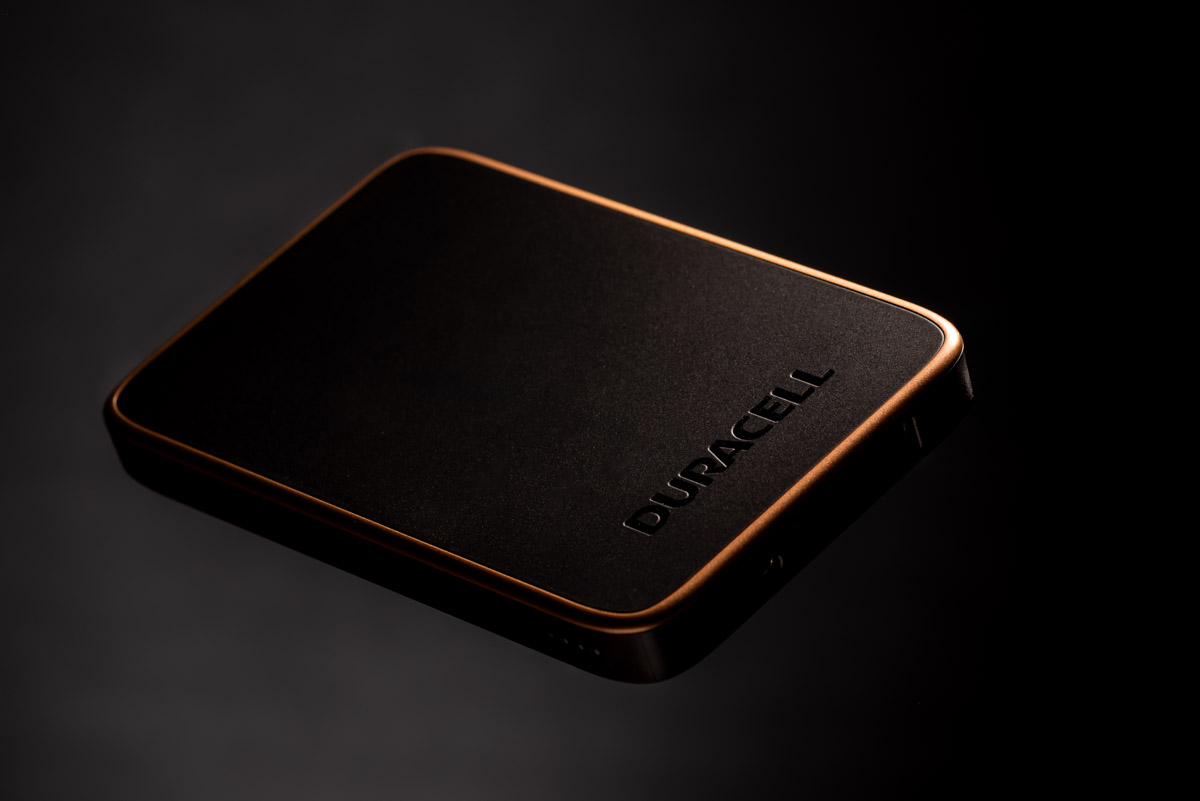
The group discussed photography techniques, focusing on product shots and lighting. Don provided feedback on various photos, including suggestions for reducing background reflections and adjusting spacing between objects. Judy and Robinson shared their setups and challenges, with Don offering solutions and explanations. The conversation also touched on the pros and cons of different lighting methods and the importance of controlling ambient light.

Photography and Slab City Insights

Robinson shared his experience purchasing a Strobe Pro Expedition pack from Canada, noting its high shipping cost of $591 to Texas. Don and others admired Robinson’s photography work, particularly a composite image featuring soft colors and an old jar transformed into a piece of art. The group discussed the unique properties of Slab City near the Salton Sea, with Don describing it as an off-grid community with no facilities or sewer systems.

Photography Techniques and Pricing Discussion

Luciana presented her photography work, including a vertical shot of a textured wine opener and a bottle photograph with dynamic lighting. Don provided feedback on her technique, particularly regarding highlight placement and depth of field, and suggested using black gaffer’s tape to create crisp edges. They discussed the value of photography depending on its intended use, with Don explaining that a simple pub photo could be worth $250-350 while a high-end campaign shot could be worth $40,000 despite similar technical execution.

Product Photography Lighting Techniques
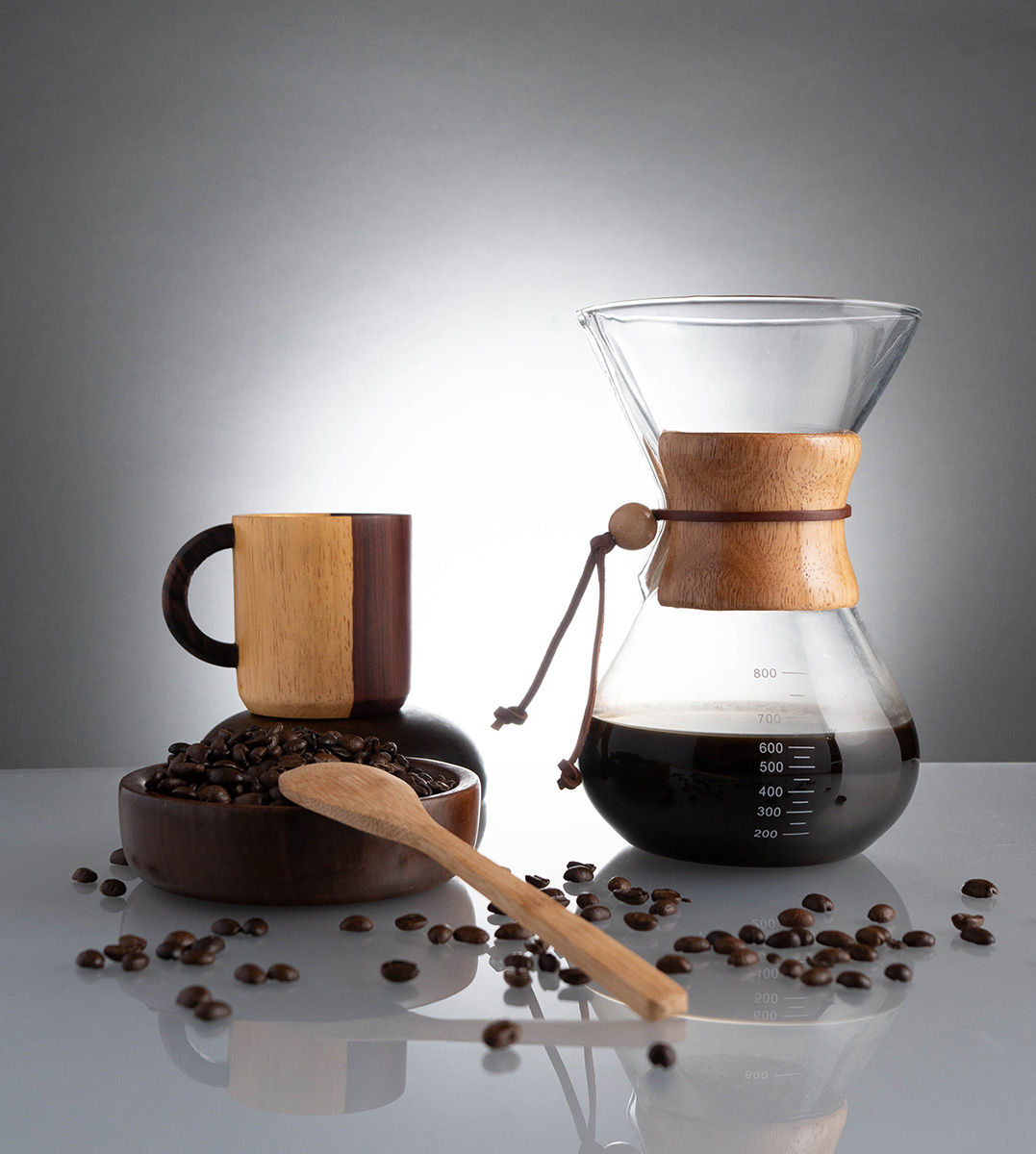
The class focused on product photography techniques, with Robert demonstrating various lighting setups using LED lights and white cards to achieve desired effects. Don provided feedback and suggestions for improving the shots, including adjusting card placement and using Photoshop post-processing techniques. Students shared their own photos and learned about controlling reflections, using black cards for edge definition, and creating fake reflections. Don announced plans to create a video tutorial on creating a tilt-shift effect without a tilt-shift lens.
 

Class One

Class Link


Class Five

Class Link


Added Class Nine:
The Wrap Up

February 14, 2026,
9 AM Pacific

Class Link


Class Two

Class Link

Class Six

Class Link


Class Three

Class Link

Class Seven


Class Four

Class Link


Class Eight

Class Link