
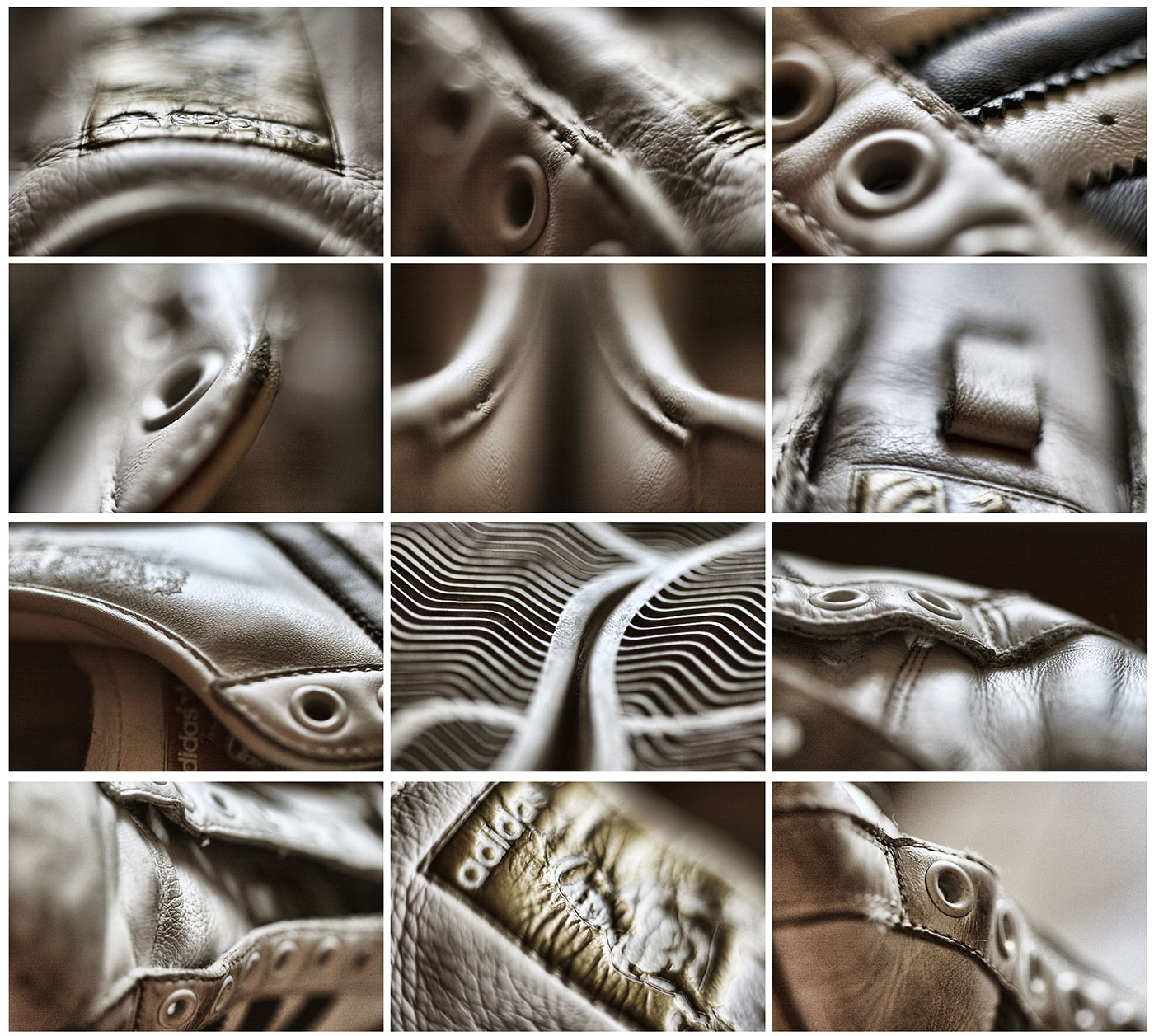
EVERYTHING REFLECTS.
Let me say that again. Everything reflects.
Some things reflect more than others. Some surfaces are more reflective than others.
But since everything reflects, we are sometimes presenting what that subject reflects rather than ‘bouncing’ light into a dark area.
In portraiture, I think of providing the shadow side of the face something to reflect back to me rather than ‘filling’ as in creating light on a dark surface. The reason is that the cheek and chin and hair on the shadow side can be made to reflect the object I have placed there if it will indeed be within the angle of reflection to my camera.
I believe I get more control that way. The brighter the ‘reflectors’ the brighter the reflections back to me. Moving the reflector away from the subject increases the distance, and the reflection becomes less bright.
One of the chief reasons that things reflect the way they do is the surface of the subject. Smooth surfaces may reflect absolutely, with lots of contrast, while adding texture will cut down on the reflection of the light and actually cause it to be presented with less contrast.
It is this nature of the subject that I focus on first when deciding what kind of light to use.
I will say this before we go on… there is NO one way or right way or best way do make images. There is your way and my way and her way and his way and on and on. I will present to you what I do and you are free to take it and modify/adjust/deconstruct/start over or discard what I do. It’s OK. In fact it is what I want you to do. Take this information and make it yours. Utilize subject centric lighting in your own way and make better photographs.
Surfaces have a couple of distinct parameters for us to explore: rough, smooth matte, shiny and combinations of all three sometimes. And each one of them reflects light back to us in different and particular ways.
Shiny, glossy surfaces, matt surfaces, and textured surfaces.
We will first look at textured surfaces.
Texture is what I see first when I start to look at a subject. I just do. Of course color and shape and all play into it, but the light has its way with texture, and I notice how it is presented back to the camera. In nature it can help me decide the angle of my camera to subject and in the studio it helps me decide on what kind of lights/modifiers I will be using.
I can choose to either enhance or mitigate texture by using the angle of the light as it is presented to the subject and back to me. A very rough wood wall with light scraping down across it shows a lot of texture, and I can use that angle of light to reveal that texture to my viewers. If I decide to lessen the contrast I can wait for a cloud to come between the sun and the subject, or go around the subject to see if there is texture wood in the shade. It will still be a texture, but it will have less contrast between the bright part of the texture detail and the shadow side.
The cloud lowers the contrast just as being in the shade does. In simple form, the light source becomes larger than the detail of the texture, but we will discuss this further in the next chapter.
If the light is on either horizon, I can change the look of the texture by changing where I put the light in relation to the subject – in relation to the camera.
Light from the side shows more texture. Light from the camera means less texture. The reason is that there is more contrast between the highlights and the shadows cast on the sidelight than there is with the light coming from the same direction as the camera. The light behind the camera actually doesn’t show shadow to the camera (angle of incidence = angle of reflection) while the sidelight throws shadows and creates contrast.
Texture shows the viewer how rough an area is, or what kind of surface they would find if they were there. It delineates the shape of details and it gives us information beyond what we would see on the surface. Old things have lots of texture from the weather or the sun. Areas that are full of texture have lots of visual energy. The eye knows that the light is playing on something that shows itself with character and charm. Cookies have to have texture, as does old barn wood. We want to see the texture in an old book as we want to see it in a pasta dish or leather jacket.
In the picture below, I am using a hard light to emphasize the texture of the pods. A small light source placed at a side angle to the pods and camera gives me highlight and shadow with very little transition between.
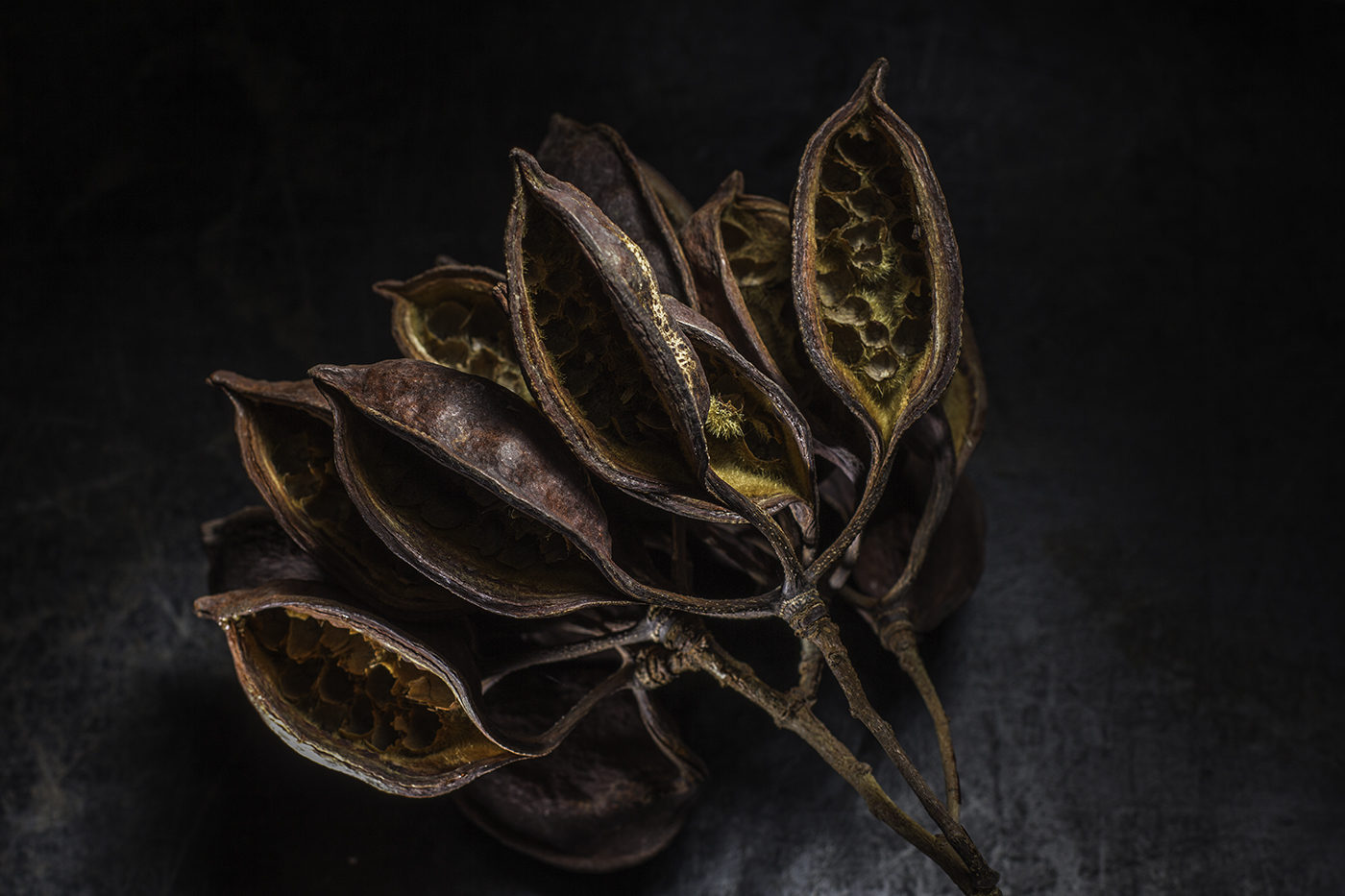
You can see the side light in the stems and the rim of light that is created by the quick fall off from reflection of the light source to the shadow.
Texture gives us context, and it is nearly unconsciously understood. We have seen what light does to texture our whole lives, so when we go to photograph it, we are naturally drawn to those times of day and places where the texture is well rendered.
But there are places where texture may not be as welcome. A subject’s face or skin may not be considered a good thing when rendered with a lot of texture. Unless, of course, they are quite interesting with the texture rendered. Age is something we can show with texture – and along with that inspiration, wisdom and the universal knowledge of what aging does to us all.
The old brick wall that Jamie is running on shows lots of texture due to the sidelight (top light) giving us edges and shadows.
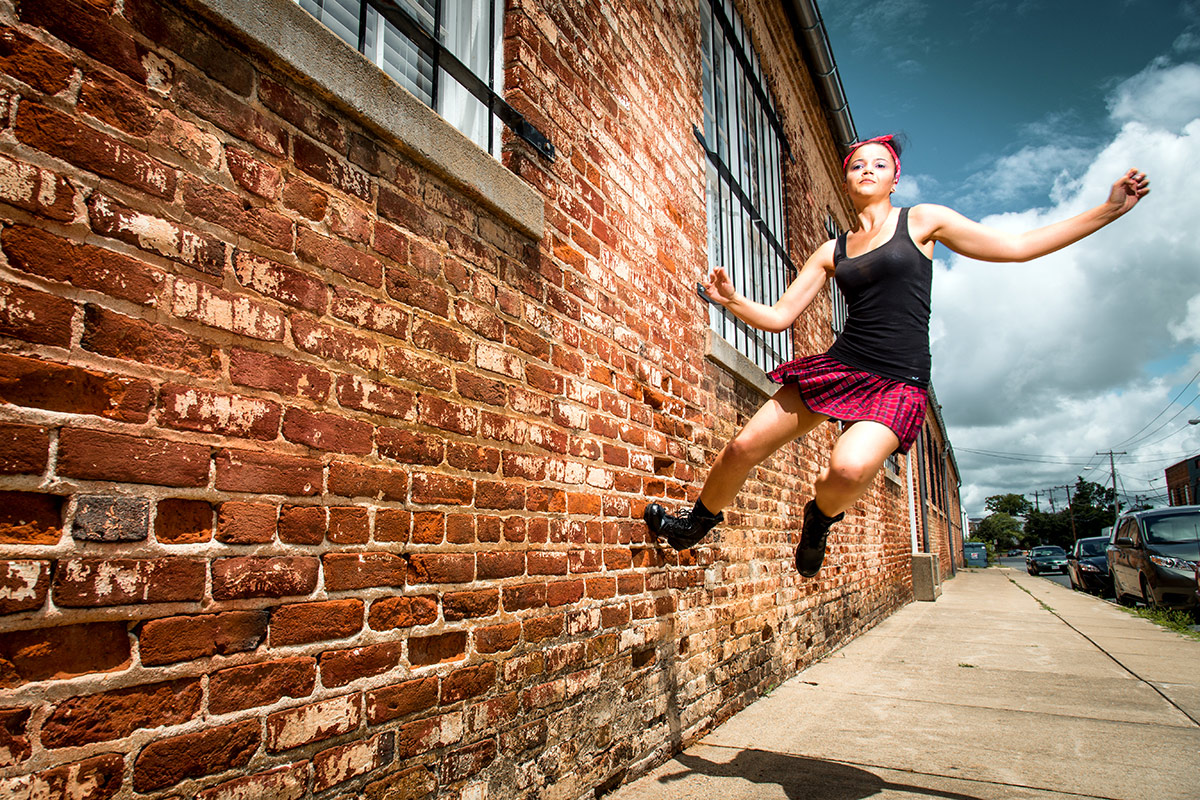
A close inspection shows us the highlights on top of the bricks and then the many indentations exacerbated by highlight and shadow with a fast fall off. This is created by using a small light source – the sun – and a large subject – the wall.
We want our things to be rendered as we expect them to be in real life. Water is wet, rough-hewn wood should look like it is a splinter waiting to happen, glassware should be very smooth, and skin should be smooth and attractive.
Sure there are examples of things being rendered in an un-natural state – and that’s fine. I am talking in a generality here, and one with a lot of history to back it up. While there may be an example of two of rough, scary skin on teenage girls, the vast majority will reject that image instantly.
This shot of cracked earth exhibits many of the properties of a subject / light relationship. Notice how much texture is shown due to the small light source side lighting the cracked earth. The sun is a small light source, and you see no soft, wrapping light, In addition, there is a bright spot in the middle of the image created by the specular – although it is a bit diffused, the dried mud is still reflective enough to show us a reflection of the sun at the same angle from camera. If I moved left or right, I would change where that bright spot was because it was locked into the same angle as my camera from the other side.
I chose to place my exposure one stop less than the recommended exposure to increase the feeling of a vignette.
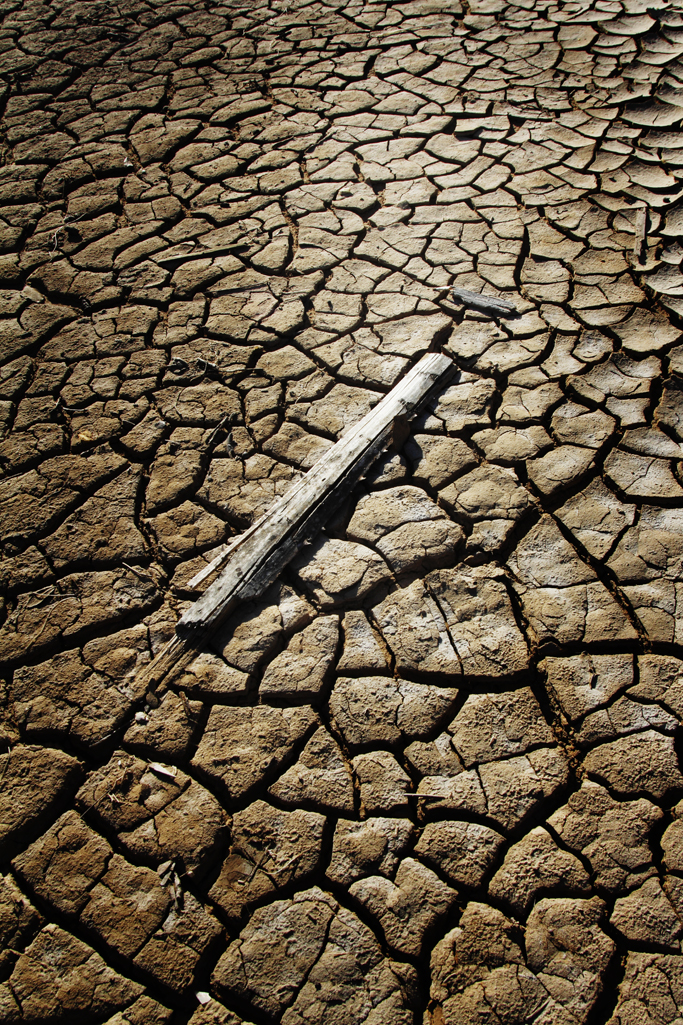
Small lightsource, at a side (back) angle and a slightly reflective surface gives us more to work with than just a dried mud slab.
Texture is also shown by the angle of incidence rule. If we choose to include the light as a part of the composition, for instance, we may choose to include its direct reflection back into the lens. A highlight on a shiny surface will show us how shiny it is by the relationship of the light and the surface around it. A less smooth surface may make a softer reflection of the light source, and that will also tell us about the surface texture.
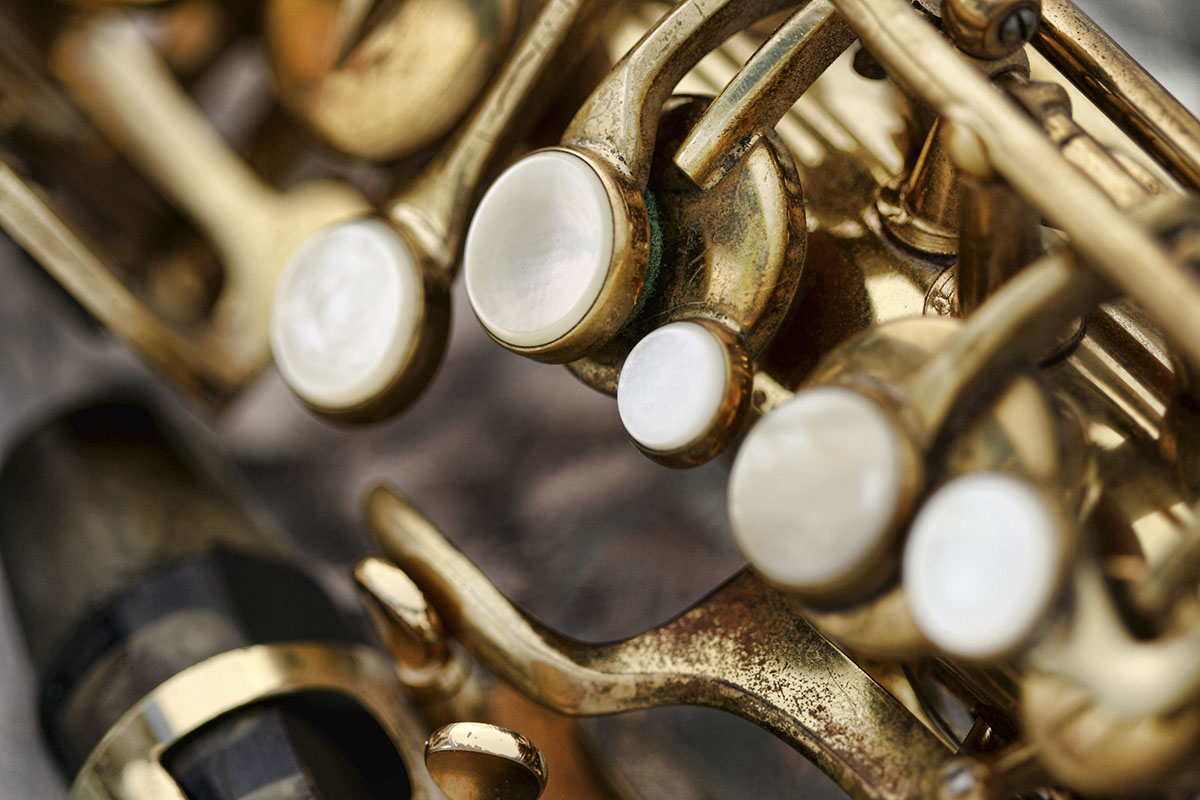
In this detail of an alto saxophone, the light is coming from the top back and it leaves small speculars on the areas that are efficient (shiny) and emphasizes the texture of the old keys and metal discoloration.
There are many places where we can use the reflection of the light source to create a cool looking gradation or highlight to create some interest as a point of composition as well.
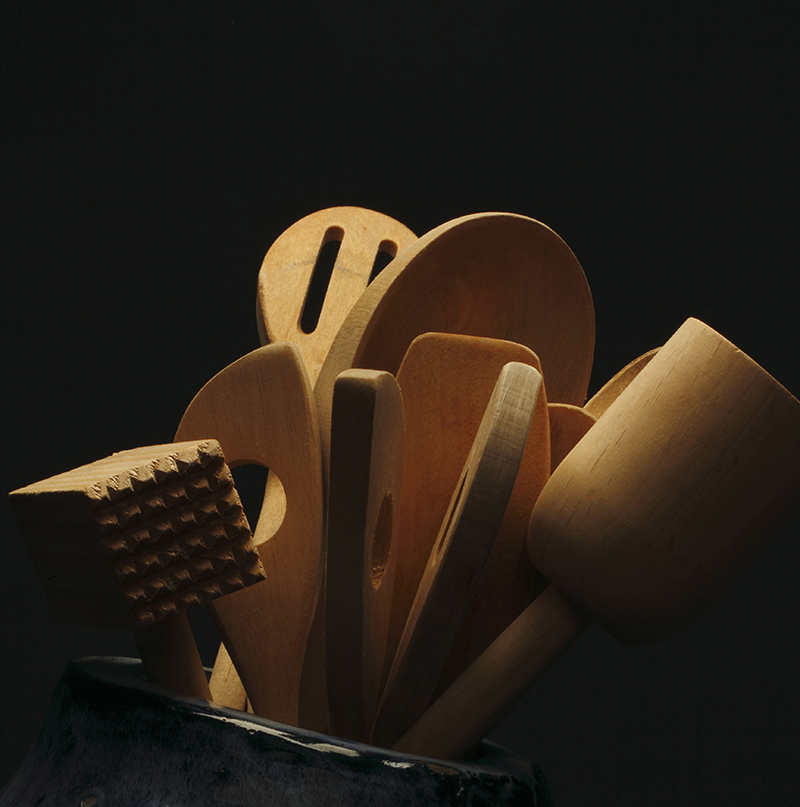
The main point of this composition is the light on the wooden tools. By making sure the matte textured tools have a soft, directional light without any fill, the texture of the wood shows clearly in the image.
Ways to create texture:
Sidelight.
Top light.
Hard light (small source).
Backlight can also be used in many situations.
ASSIGNMENT
- Shoot a textured item (product / thing) to show the texture and find ways to mitigate or lessen the texture. Hint – front light nearly always kills texture, and sidelight nearly always makes it stronger.
- Take a single textured item – like a shoe – and using your flashes or studio lighting, create as many different texture shots as you can using only one light – no fill.
- Look for texture in nature and shoot images that emphasize and also lessen the texture just by walking around the subject to see different angles of light to subject to camera.
Are You Using Emotional Lighting?
I am restless. Unsettling so. I am finding myself wondering aloud what the point is of the image in front of me. Is it to delight? Is it to show my how sharp the lens is? Is it to make me see something I may not have usually seen? Is it to show me how many lights the...
See Ya, 2009… Looking Toward 2010 With Excitement
Well, here we are. The last year of a decade filled with innovation and stagnation, amazing highs and devastating lows. We enter the second decade of the 2000's in 365 days. A year of endings and beginnings, 2010 may be a defining year in so many photographers...
8 Essential Sites for Emerging Professional Photographers
A recent posting elsewhere with "5 Essential Photography sites" or whatever, didn't sit well with me. I don't consider a vendor an essential. My vendor may be essential to me, but they are not essential to you. I found the list rather dreadfully full of vendors. So I...
Introducing the New Category: Rants & Raves
Time for a new category here on LE. I want to share a lot of things with you all, but it needs to be done on a near daily basis. And that causes some problems with how the longer posts get distributed. The "Rants & Raves" pages may appear daily, with the longer...
42 Wonderful Images from the LE Flickr Forum
Well, we enter that last week before the holiday week. That is the week between Christmas and New Years. Another fun post of images from the Lighting Essentials Flickr Pool. Some of the best Flickr photography around. And speaking of that forum, I have decided to kick...
Pittsburgh Overview: A fun and challenging workshop
Well, this was the second to last workshop for 2009 and it had its own challenges. The weather wanted to be a problem, and we were unsure of out talent pool. Talent was wonderful and the weather... while being a little stubborn on Sunday, finally opened up and gave us...
Branding Your Photography Business: A Realistic View
Branding Your Photography Business: A Realistic View Brand. Branding. Words that we hear a lot about. “Brand Yourself†we hear from some quarters. “We specialize in Branding†we hear from others wanting to sell their expertise. And consultants want us to...
Stay Fresh, Stay Current, Stay Visible: by Daron Shade
Daron Shade introduces CMS (Content Management System) and discusses how it benefits photographers greatly to have a website that they can manage themselves. Far more than keeping the portfolio fresh with uploaded images, a full CMS gives photographers greater impact...
Images from the Toronto LE Workshop
Hi, and welcome to Lighting Essentials, a place for photographers. I do believe that is the first time I have used a welcome, and it had to be done. I guess. Stats show that I am getting new people all the time. Actually I was a bit surprised at all the people who are...
It’s All About Me! Photographers ‘About Me’ Pages
Creating an "About Me" page can be quite a challenge for photographers. What should be included? How should it read? First person or third person voice? Should there be a client list or should it be separate. Well, let's take a long look at a lot of those questions....
A Passion for the Image
37,000 feet over the Great Plains of these wonderful United States and I find myself drifting off a bit, as the days have been long and nights short lately. The workshops are the most fun I have had in a long time, and they keep me pretty busy. As well, time must be...
33 Wild and Wonderful Images from our LE Flickr Pool
Image by Don Fadel. Hey... it's been a while. Sorry 'bout that. I have been traveling so dang much that it has been a little hard to get to the site... but I have really got a lot of stuff ready to go. The last few weeks included Boise, Toronto and this weekend it is...

Using a Light Meter and “Placing” the Photographic Exposure
“Breaking Out” as a Professional Photographer: Daron Shade
Daron Shade presents a really well written article about 'Breaking Out' and Breaking In to the world of commercial photography. Another of our "Going Pro" series. I hope you enjoy them. Today finds me in Boise, Idaho. The day after a fantastic workshop weekend here....
44 Terrific Images from the Lighting Essentials Flickr Pool
COVER PHOTOGRAPH BY MATTHEW DUNN We have another inspirational post from the Lighting Essentials Flickr Pool. 44 terrific images that hopefully will inspire you. I love looking through that pool whenever I have a few minutes. Take your time, and as always, the images...
Posing and Lighting: The Synergy and Concept. Guest Post by Eduardo Frances
This morning finds me in Boston. It's cold and overcast, but our goal is to have a terrific workshop. And we will. Eduardo Frances is our guest columnist this morning. He hails from El Salvador and I have profiled him on the site here. I am sure you will enjoy this...
Staying Natural in Front of the Lens: Model Behavior
Briana Shaker adds a new article on having fun and getting the job done. It is good reading for photographers and models alike. More after the jump as they say. I want to take a few minutes and let everyone know how much I appreciate the great emails and comments you...
Gear… OK, Let’s Discuss Gear. Photographic Tools That I Like
I get a lot of questions about gear at the workshops and by email. I have lots to say about gear, but I am not a gear-head. I love gear that helps make my work easier, and couldn't care less about cost or prestige. If something works well I like it. And if it isn't...
Marketing and Good Karma: Guest Post by Daron Shade
Hi everyone. I am in the midst of the Mexico workshop, and a little behind on my gear post. It was mangled in my DB and I have retrieved it fine, but there are some issues with the images. Watch for it in a day or so. In the meantime, my bud from Tucson, Daron Shade,...
Five Things To Do To Land Assignment Photography
As we begin to work toward our new focus on Lighting Essentials, I want to discuss some truths that go along with this business. Some are probably truths for most any business, and some are narrowly within the creative realm of endeavors... but all are nearly...
10 Nifty, Excellent Excuses for Failing at Photography
After being actively involved with photographers of all types for quite a long time, I have met successful shooters and those who have not made it. There are a gazillion excuses for failing at this business. (And a few reasons as well. But excuses are different than...
An Interview with Daron Shade, Tucson Photographer
Daron Shade is a Tucson, Arizona photographer. We have a great interview here and a few of Daron's photographs to enjoy. But first an update on some changes here at Lighting Essentials. For quite a while I have been working to find my voice and deliver the kind of...
24 Photographs That Rock: From the LE Flickr Pool
Cover Shot by Megan. Wow. It has been a while since I posted. My apologies and an explanation. 1. I had decided to move from my little studio to one that has more space to shoot and in a location that I like better. More on that later. 2. I had the flu. Yeah... the...
Natural Light Portraits from Seattle
The Seattle workshop was amazing. We had a great time and made some amazing images. Using the facilities of SPA, we were able to do several setups. And the models, stylists and hair artists were off the chart. Incredible styling, hair that was spectacular and a dozen...