
Subject Centric Lighting: The Five Areas of Light Presentation
Cover image by Project 52 student, Gabriel Alvarez.
When the lighting choices we have made are used, the light is ‘presented’ back to the camera in expected, and controlled ways. There are five parts of the light presentation, and we use them in every image we make.
True Subject Value:
What the subject looks like when not in specular or shadow, this is the area that shows us the color of the subject as well.
Specular:
The exact or absolute reflection of the light source.
Specular Transition:
The point where the specular reflection transitions to the true subject value
Shadow Transition:
The transition between True Subject Value and Shadow
Shadow:
The places on the image that are not lit, the opposite side of the light source.
These areas of light are found in nearly every subject. By understanding what they do, and how they are controlled, we can understand much more about the light that is used to present these areas in the ways we want to show them.
In other words, knowing what causes a shadow transition, how to present true value, and how to control a specular highlight means we have control over our lighting and we can create the looks we want. Whenever we want.
Photographers and artists use these representations of light to show texture, shape, dimension, color, clarity and mood. Illustrators use highlight and shadow in their work to create their own light. And they use the same tools to light their drawings, although quite imaginary, as photographers do.
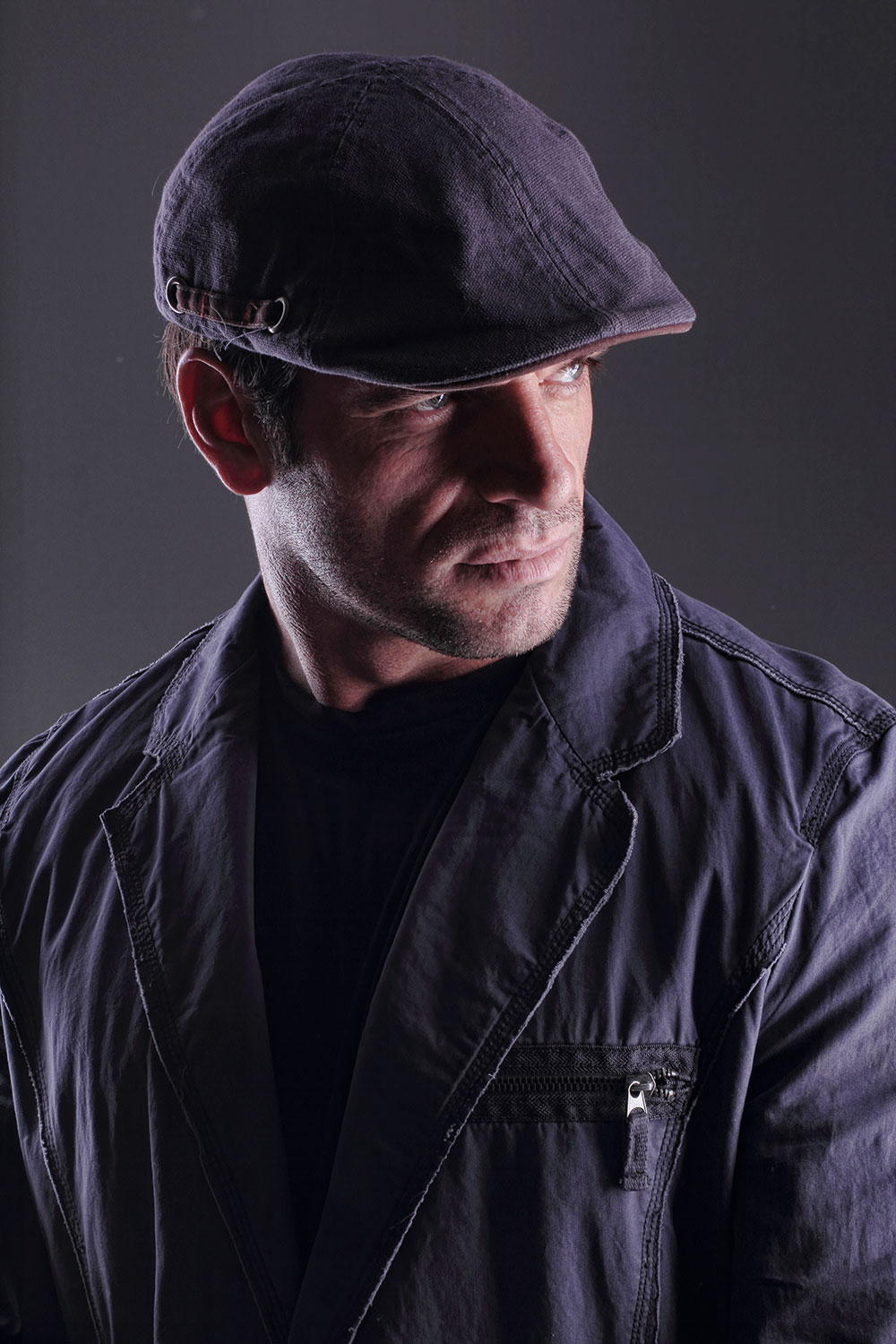
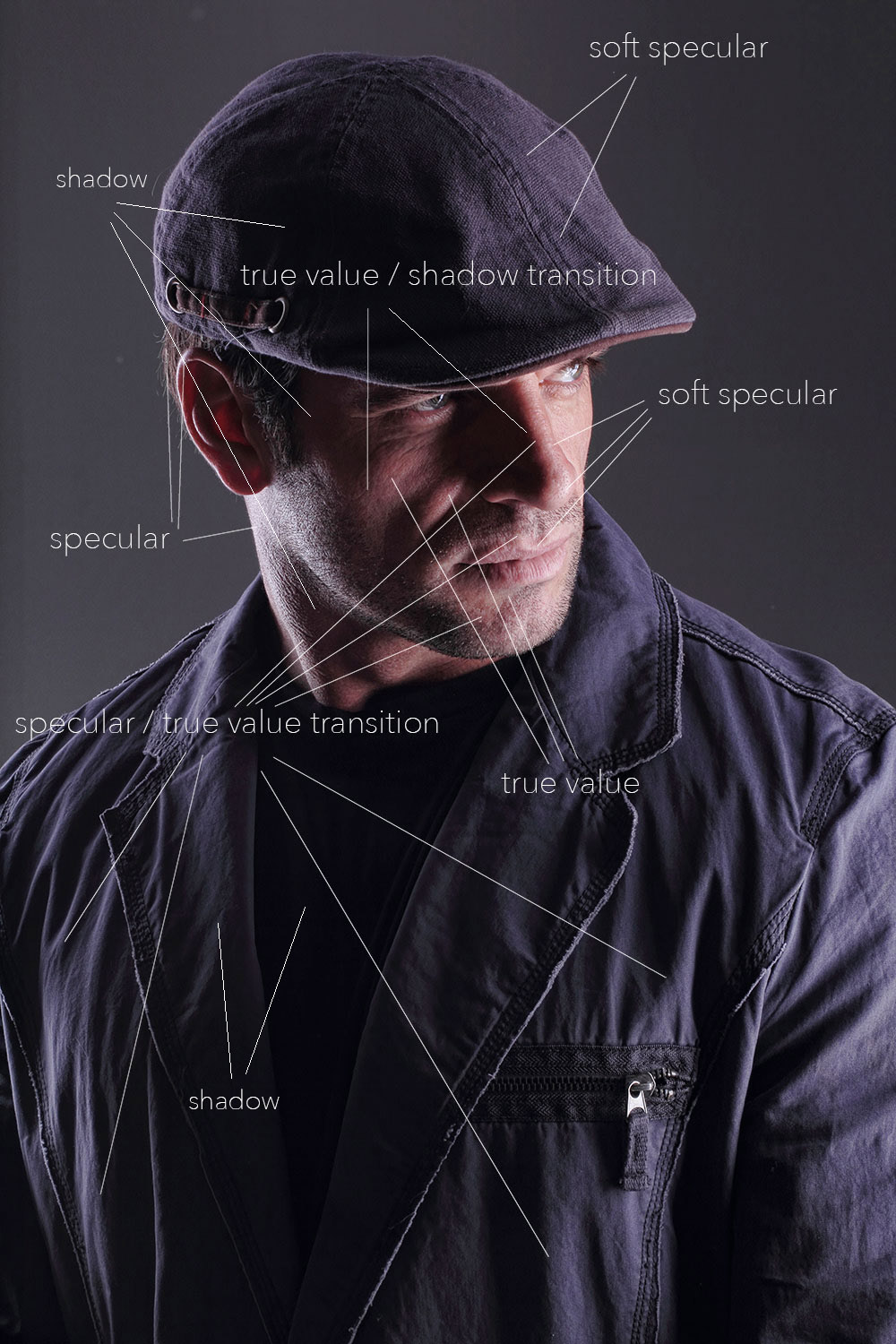
We can see all the presentations of light in this image of Inaudia.
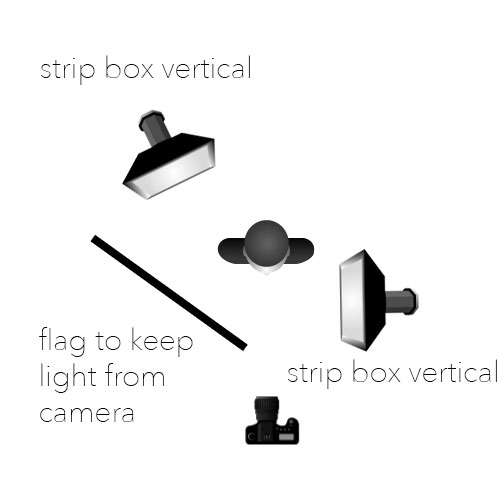
Lit with two strip lights (one on each side), the one on camera left is behind Inaudia and aimed forward just bit. The one on the right is slightly in front of him, and angled at an oblique angle.
This renders two different kinds of specular presentations, the absolute one on his neck and left side, and the softer one on the right side.
All of the transitions are there, and these transitions are what we see when we are determining soft light from hard light. A fast transition is a hard light, where a softer transition – as in the picture below – is a softer light. We would call this image a hard light image because of the fast fall off in the transitions between highlight and true value, and true value and shadow.
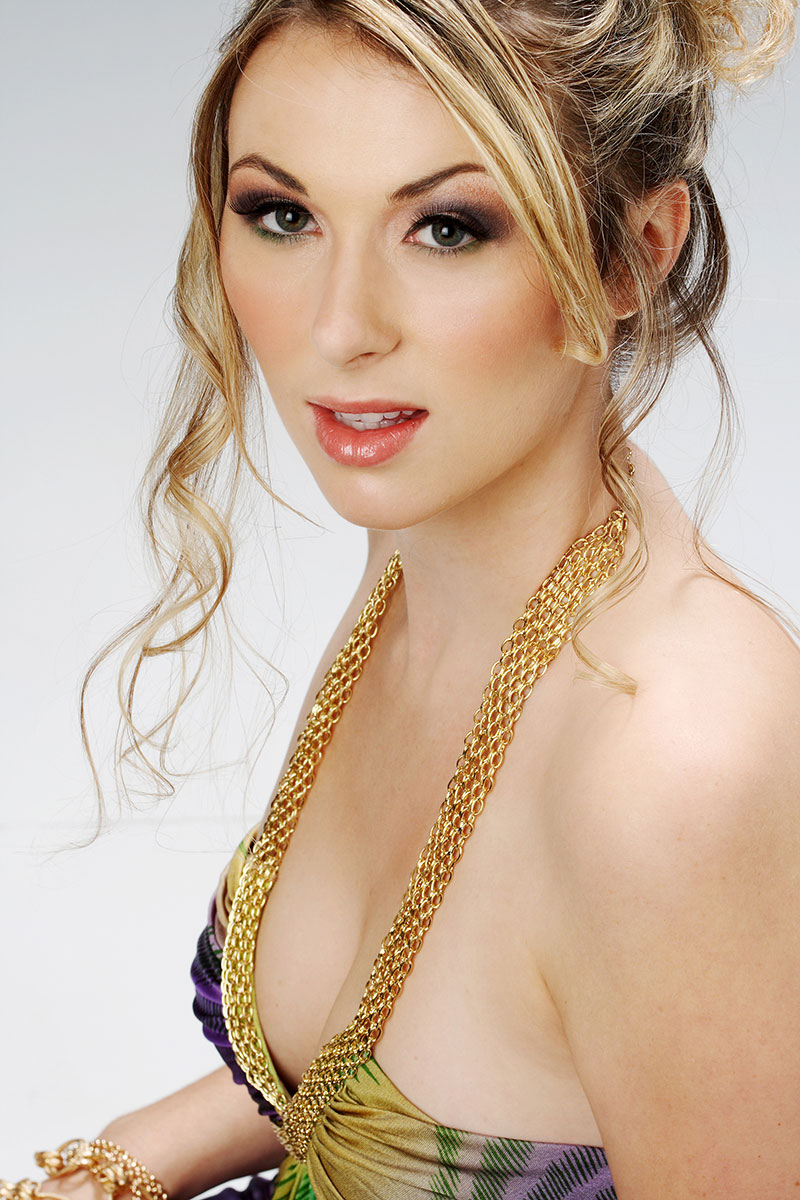
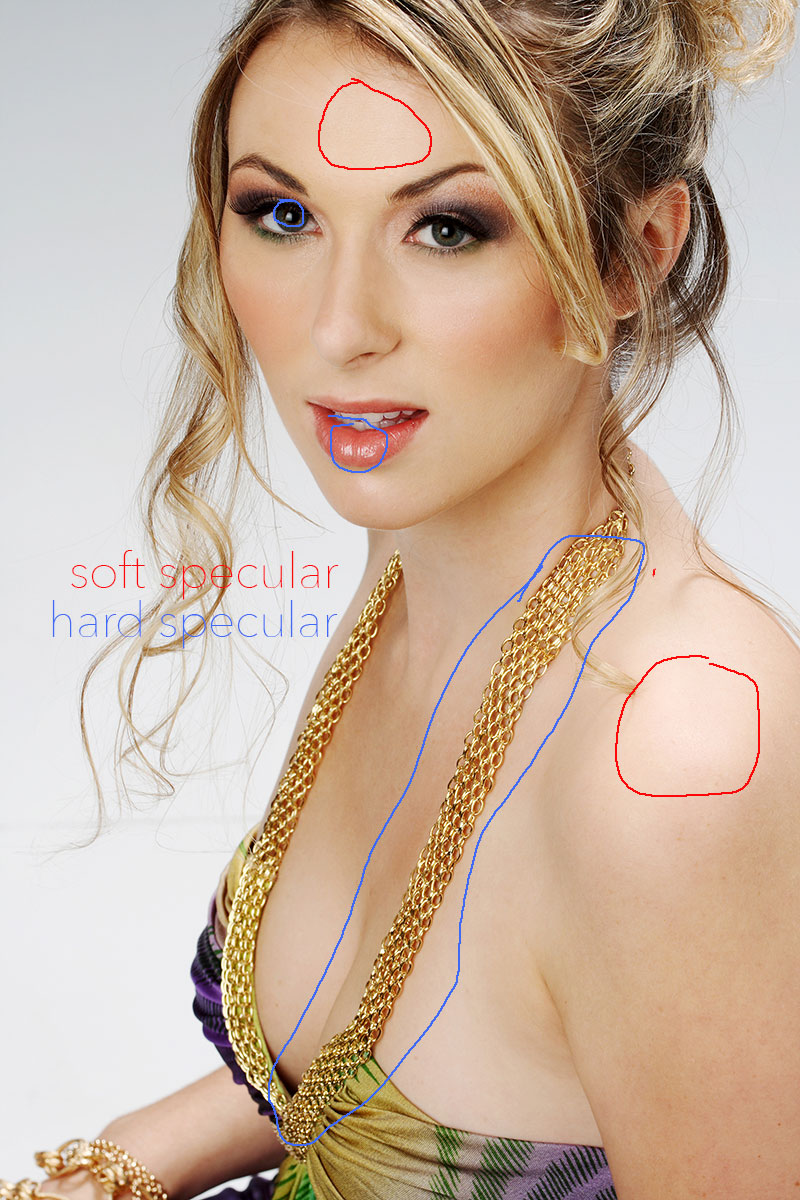
This image shows a lot of true value skin tone. One of the reasons is that the model is not shiny (wet) or perspiring to cause a shinier surface. Powder is used to intensify the diffuse skin (true value) so the speculars (in red) are presented softly. The blue speculars, however, are presented with very sharp transitions. Note that the specular on the shiny lips is absolute, with no soft transition. The gold jewelry on the dress shows as highlight/black because the reflection of the light source from the shiny metal is absolute.
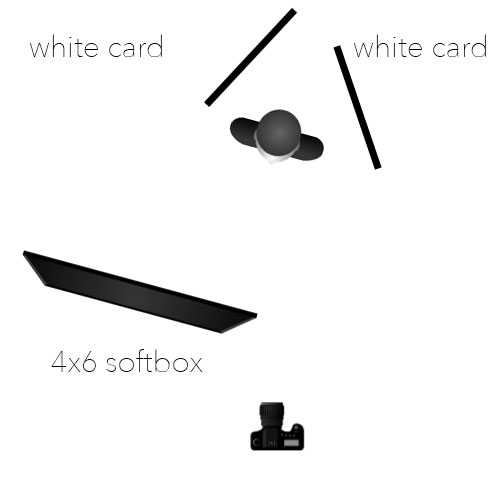
Lighting: Very large softbox directly in front of the model, and back 5 feet. White cards are positioned on either side of her, but pulled back to a point where they will not reflect in her eyes.

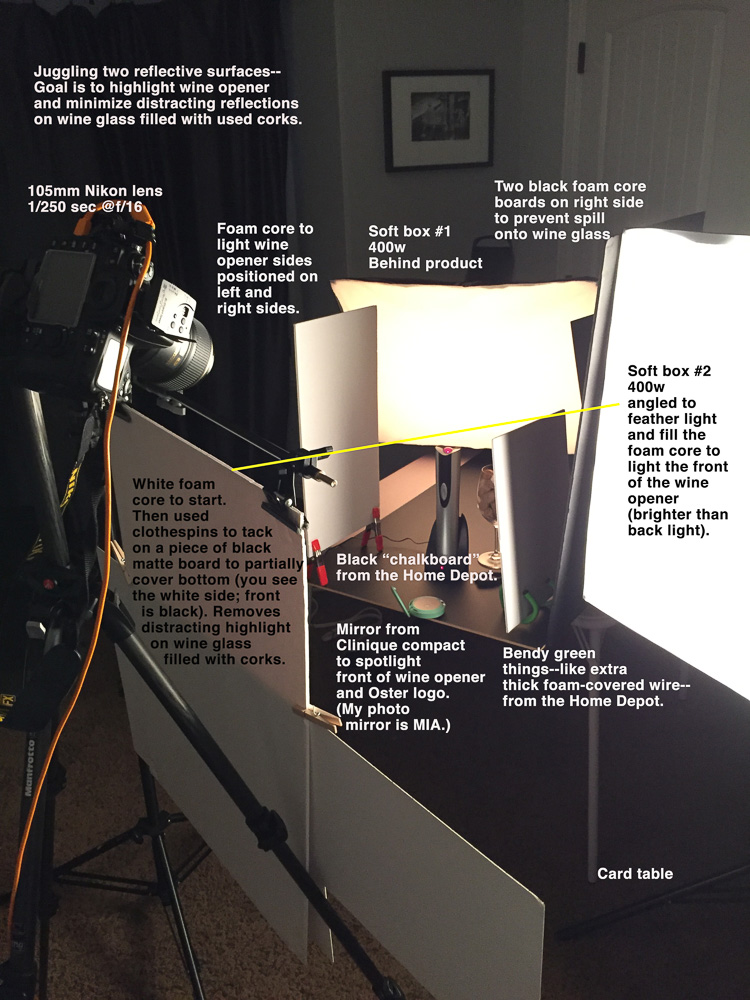
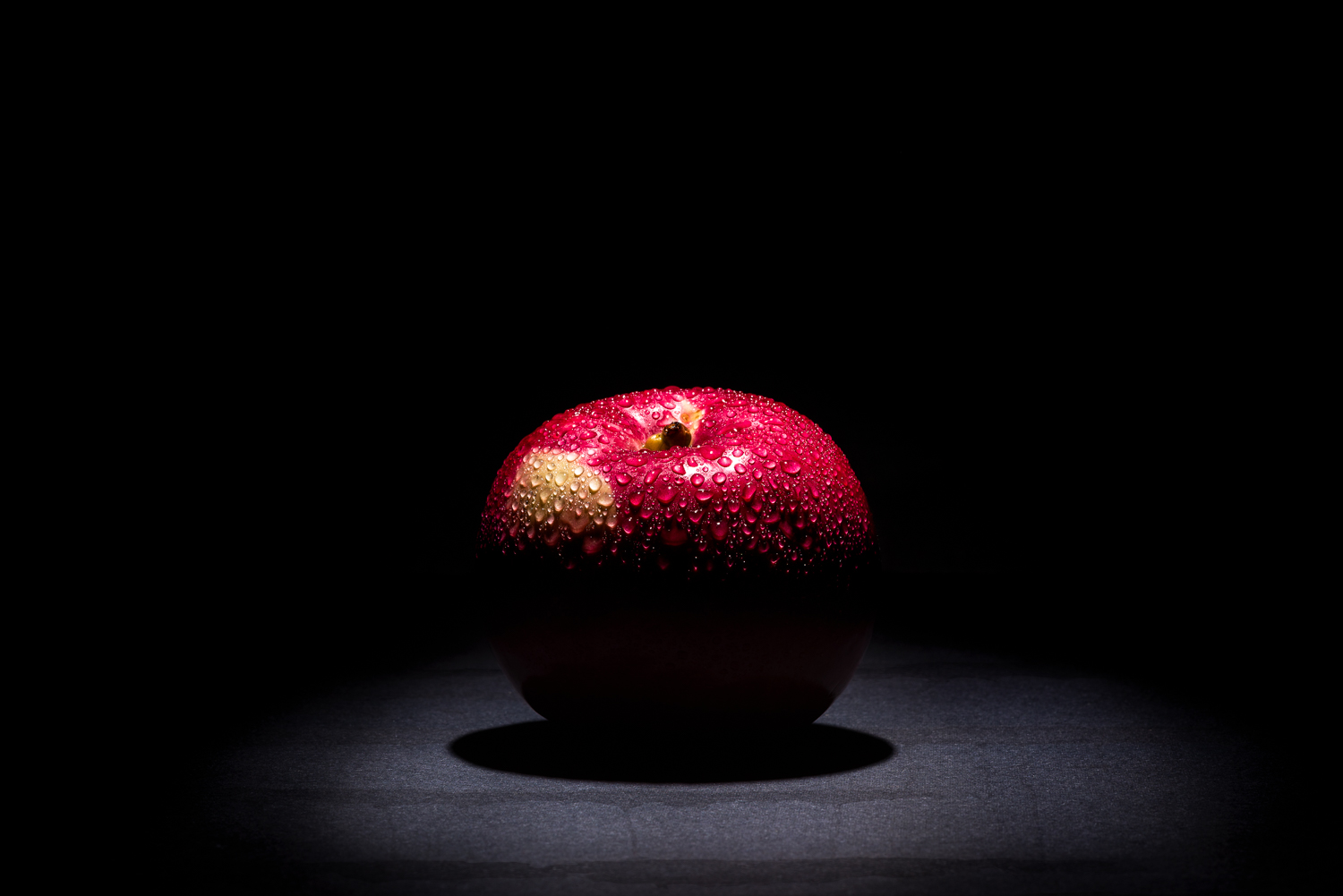
Photographer Anne Stephenson shows how to control the specular, true value, shadow and transitions in this seemingly simple table top product shot. As you can see, nothing done well is simple. Every kind of surface is in this shot.
Let’s start to put all of this together now.
So You Want to Be a Photographer?
https://www.youtube.com/watch?v=dlhPK0cJ978

Seven Product Shots Deconstructed For You
Enjoy the video. Lots to talk about. https://www.youtube.com/watch?v=BbAWDQJUFBM
Is Posting to Social Media the Same as Working For Free?
https://www.youtube.com/watch?v=LtOmKlxRwDc
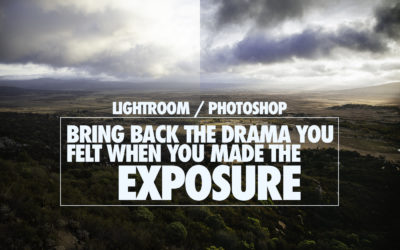
Bring Back the Drama That May Have Been Lost in Exposure
https://www.youtube.com/watch?v=_GaT66Rut1c
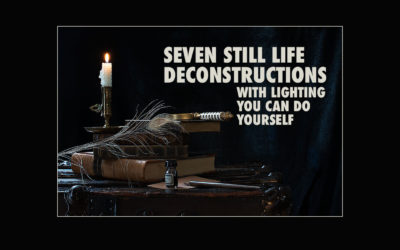
Still Life Images Deconstructed: Lighting You Can Do
Here are some still life shots with the lighting deconstructed for you. Take these ideas and make some still life art. https://www.youtube.com/watch?v=BVtv_uFkvDw&t=2s IMAGES: [gallery link="file" columns="4"...
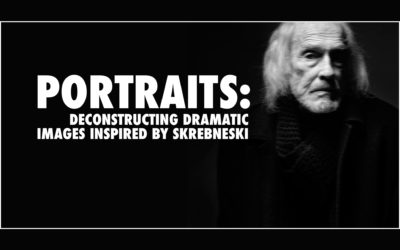
Creative Portraits: Images Inspired by Skrebneski
These are a few portraits made by my students in the 8 Week Portrait Workshop. We look at many different photographers and study their style, their approach, and the ways they use portraiture to convey their art. Ours is not to steal or copy, but to be inspired by....
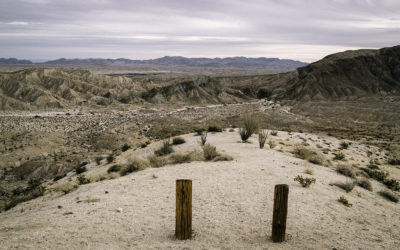
In Search Of…
IN SEARCH OF Tuesday morning I got up later than expected for my drive to San Diego. My short journey/road trip was to see Dan Winters, a favorite photographer of mine, do a talk on his photography. The venue was the Museum of Photographic Arts in Balboa Park, so...
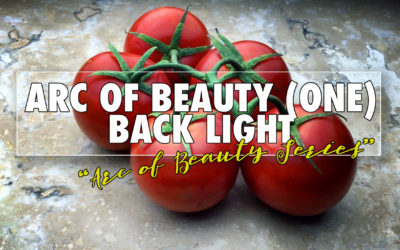
The ARC of Beauty: A Lighting Tutorial
https://www.youtube.com/watch?v=wQ3cU6w3w6s&t=1s
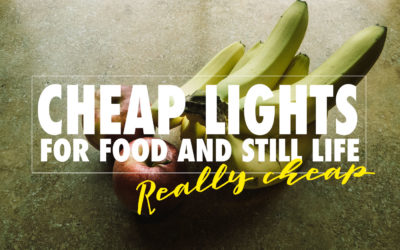
Using Cheap Lights for Food and Still Life Photography
https://www.youtube.com/watch?v=IPtYC4YsS5Y

Thinking in Black and White for Better Monochrome Images
BLACK AND WHITE SHOULD BE MORE THAN AN AFTERTHOUGHT TO COLOR PHOTOGRAPHY https://www.youtube.com/watch?v=e9x0o5zZr_w A mediocre picture becomes more alive when it is reduced to tones and design. [gallery columns="2" link="file"...
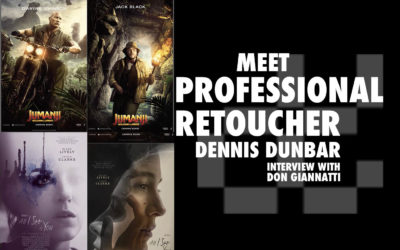
Dennis Dunbar: Professional Photo Retoucher, Los Angeles
https://www.youtube.com/watch?v=pt3XyyuAraU Dennis is a highly sought after digital retoucher in Los Angeles. He sat down with me for a chat about the business of retouching and what it is like to work with photographers and movie studios. Contact Dennis at his...

FIVE SIMPLE THINGS TO DO TO FIND MORE CLIENTS
Try these for a real boost to your client list SEO. Yes, SEO. It is so very important these days. I know we keep hearing that SEO is dead, but that is really just BS. It is alive and kicking. If you are unable to do it well, hire someone who can. I found a few very...
7 Assumptions We Make About Professional Photographers
https://www.youtube.com/watch?v=AIUZtk9ntF0

Three Books That Will Boost Your Success Quotient
These are three books that I think every photographer should read. I believe it is best to read them in order left to right, but do it any way you want to do it. They are full of practical examples, actionable processes and scripts to get you thinking...
Protected: 8 Week Food Workshop: INFO
Password Protected
To view this protected post, enter the password below:
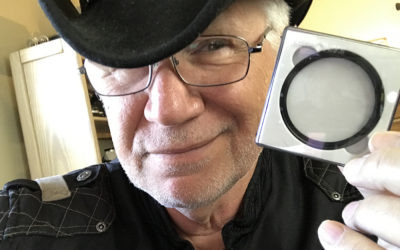
A Premium Filter System from K&F Concepts
Filters come in all shapes and sizes... and qualities. This is a premium product, clear, well made, and a bit thinner than most of the cheap filters out there. I use them when I am on the motorcycle, and when trekking. Usually I take them off when I shoot,...
Lighting Class: Classic Side Light (Part One)
https://www.youtube.com/watch?v=b2qmiime7KI
Review: The Under $100 35MM, F2.0 Lens by Yongnuo
https://www.youtube.com/watch?v=tOdjllTzp0w I saw this lens on Amazon and thought, "Oh what the heck. It's less than a $100 and if it sucks, so what." It doesn't suck. It's fast, clean, full-frame, and bright. Pretty sharp where it counts. It...
Lighting Class: Classic Beauty Lighting
Using one main light, and reflector boards, a photographer can do an amazing classic headshot lighting. https://www.youtube.com/watch?v=u47J3TAkyZ0 Here are the work slides for you: And these are my...
Lighting Class: Bottles (Learning to see Reflected Light)
https://www.youtube.com/watch?v=_J4TXq9WmHA https://www.youtube.com/watch?v=j8sY8vYY7r0
Does It Really Take 10,000 Hours To Become a Good Photographer?
When Malcolm Gladwell wrote his book, "Outliers" he had a chapter devoted to the "10,000 hours" rule that intimated that it took 10,000 hours of practice to become good at something. I think this single criterion has been fairly criticised by people who think that it...

BLACK FRIDAY IS FREE at Lighting Essentials
SPEND BLACK FRIDAY WITH DON GIANNATTI Well, that was a lot of fun. Had a few technical glitches, learned what not to do next time and how to what I want to do better. Next time coming soon. Really soon. We recorded each session and the videos are here on the page for...
8 Week Video Class Five
Assembling Assets: A Roll / B Roll / Audio This week we are going to go a little deeper into the shoot experience. The next video we do will be one a bit more advanced than what we just did. We are going to blend several features together to make a video...
The Image Is The Thing
Becoming a “Photographer” - or being a “Photographer”… what does that mean, really? Does it mean that you now have a top of the line camera? Does it mean a bag of lenses? Does it mean an awesome set of studio lights? Or a light meter? Boom? Storbs? (inside joke,...