
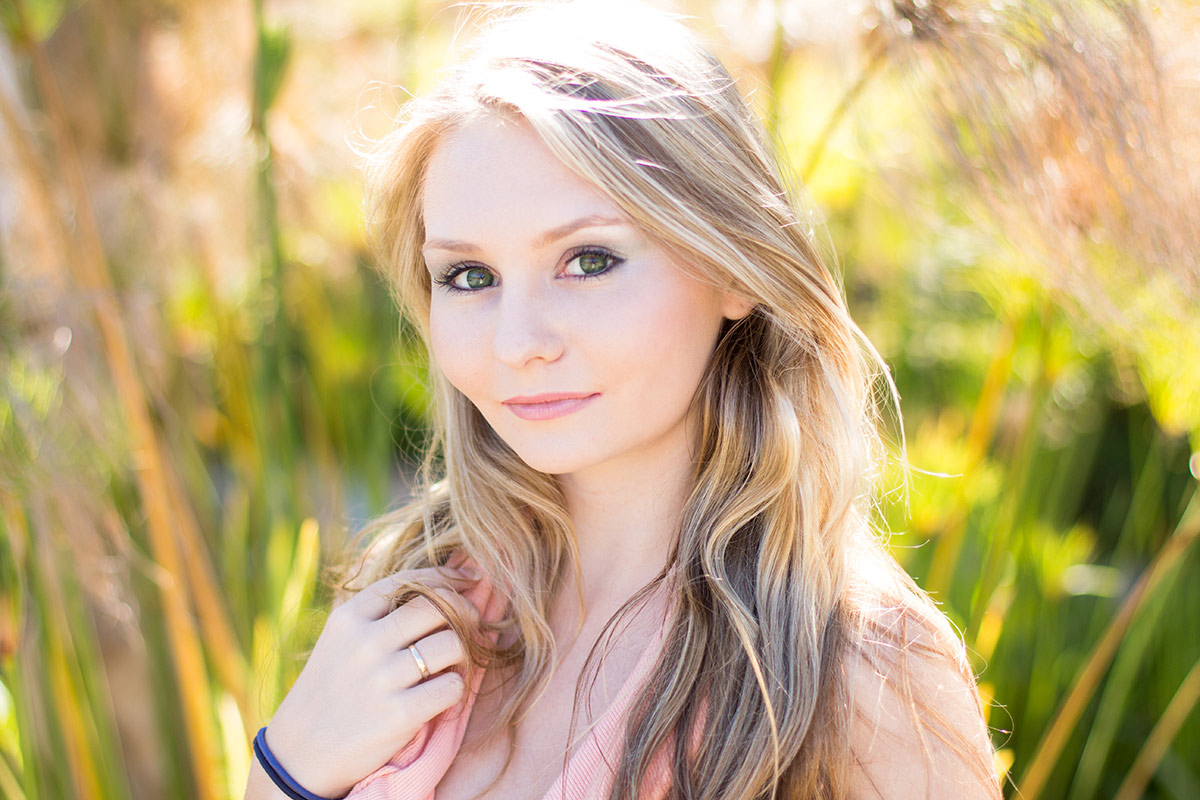
Matte Surfaces
These are surfaces that are not as rough as texture, but not smooth either. Skin, cloth, natural leather, finished woods and many food items are examples. Most of what we deal with in our daily lives would fall under the Matte surface example.
Matte surfaces have a softer way of showing us the reflection of the light source. Where texture showed us mini sources next to mini shadows, the matte surfaces have less of a drastic presentation. The surface doesn’t have that much difference between the size of the components of the texture. A cloth book cover has texture, but it is much more tightly confined than say old barn wood.
And the reflection of the source is shown as a larger area rather than many tiny reflections. This gives the texture a smooth and not altogether recognizable shape. There is an angle where the incidence will match the reflection, and be seen by the camera, but it will be a muted reflection, not a harsh one.
EXAMPLE of Matte Surface reflection of the light source. You can clearly see the reflection of the source, but the transition to the non-reflective areas is gradual and not defined.
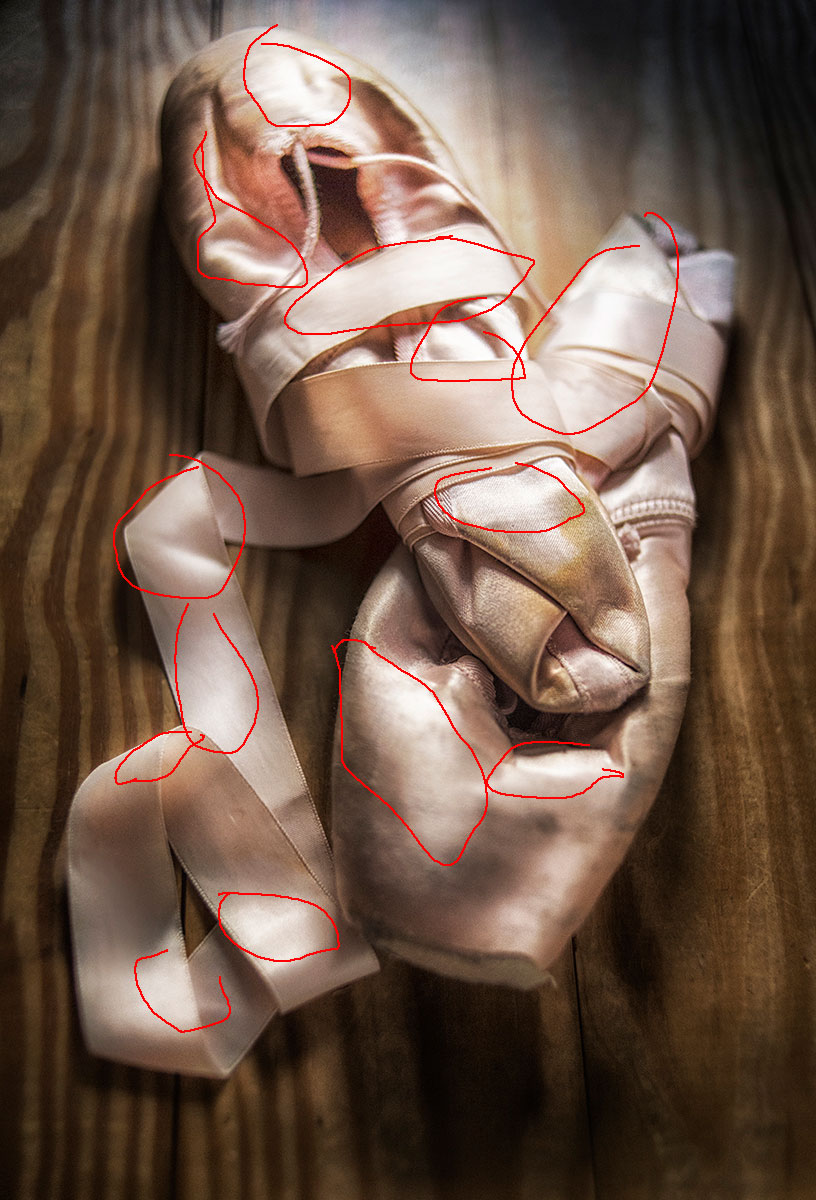
The ballet shoes are most defintely NOT a highly textured object, nor are they glossy.
Skin is one area of great interest. Portrait, beauty and fashion photographers have to be able to control the way skin looks for their imagery. And skin can present some widely diverse efficiency. Dry skin has a very matte look, wet skin becomes more efficient due to the water, and then the reflection is nearly absolute, and skin color can become an issue with the wrong kind of light presentation.
A good makeup artist helps to smooth out skin blemishes, we know. But the MUA also helps to matte the skin evenly so that the reflections of the light sources do not create very bright reflections on the face.
A model begins to sweat…err, sorry, perspire with the heat, and the skin becomes a bit more efficient due to the moisture. Liquid is much more efficient than skin, so the perspiration on the face becomes shinier. The remedy is a little bit of powder, which of course renders the skin more matte and less efficient.
Faces are full of contours and angles that can reflect the light source back to us. Tips of noses, eyebrows, cheeks, chins and foreheads are all areas of concern when we are shooting with light that has a small source. The small source can become a direct reflection on even matted skin, so keeping it within our tolerances is very important.
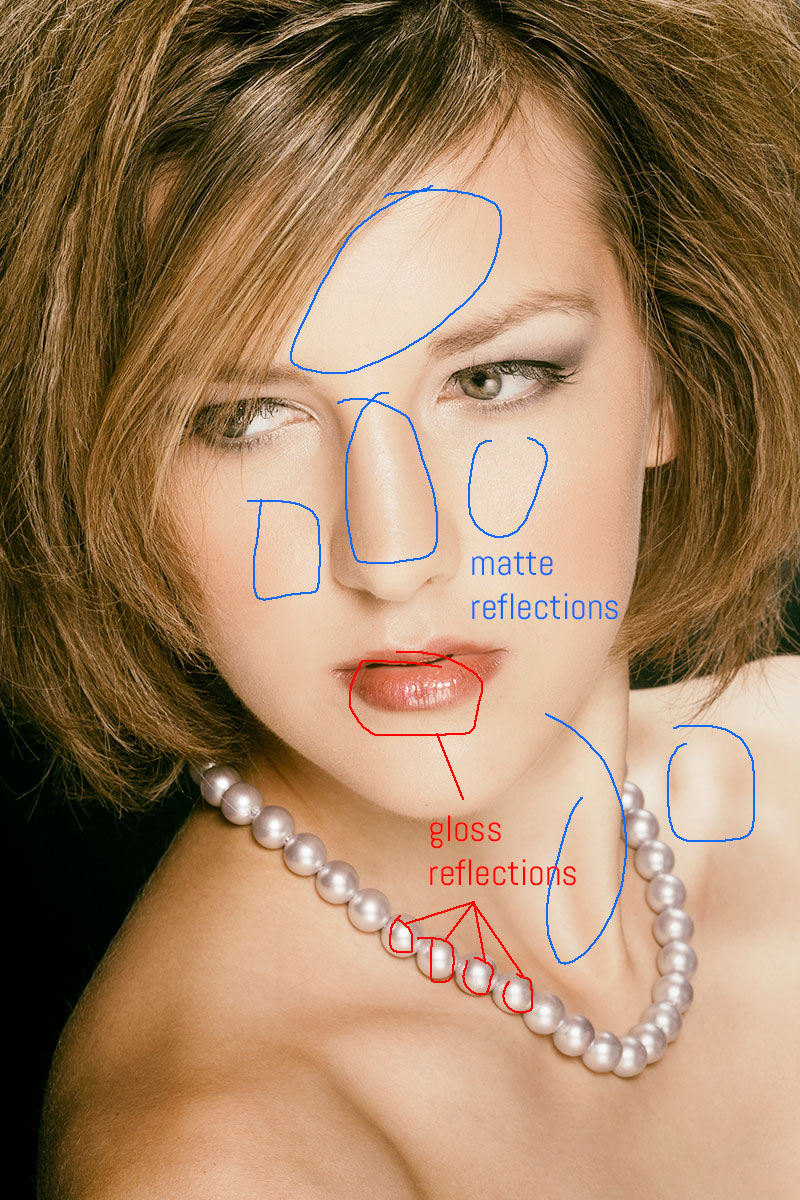
Again, you can see the very soft transition from the highlight to the non-highlight matte surface, where as the gloss lipstick provides a sharp, immediate transition to the non-reflective area.
Photoshop Note:
Trying to fix a small highlight on the tip of the nose, or one that is across the whole front of the forehead is painstaking and difficult. It can be done, of course, but working with the subject to make sure he/she is not rendering the light back to you in such a way as to need the Photoshop is much more preferable.
There may be times when we may want to enhance the matte texture, to make it more discernible, and bring out the texture instead of mitigating it.
Angle of incidence again comes to the fore. Angled to present even the smallest texture, the photographer can decide between broad light, like a softbox, or sharper light, like a direct, unmodified head, or a snoot.
Example of enhanced texture: Portrait of Tomas.
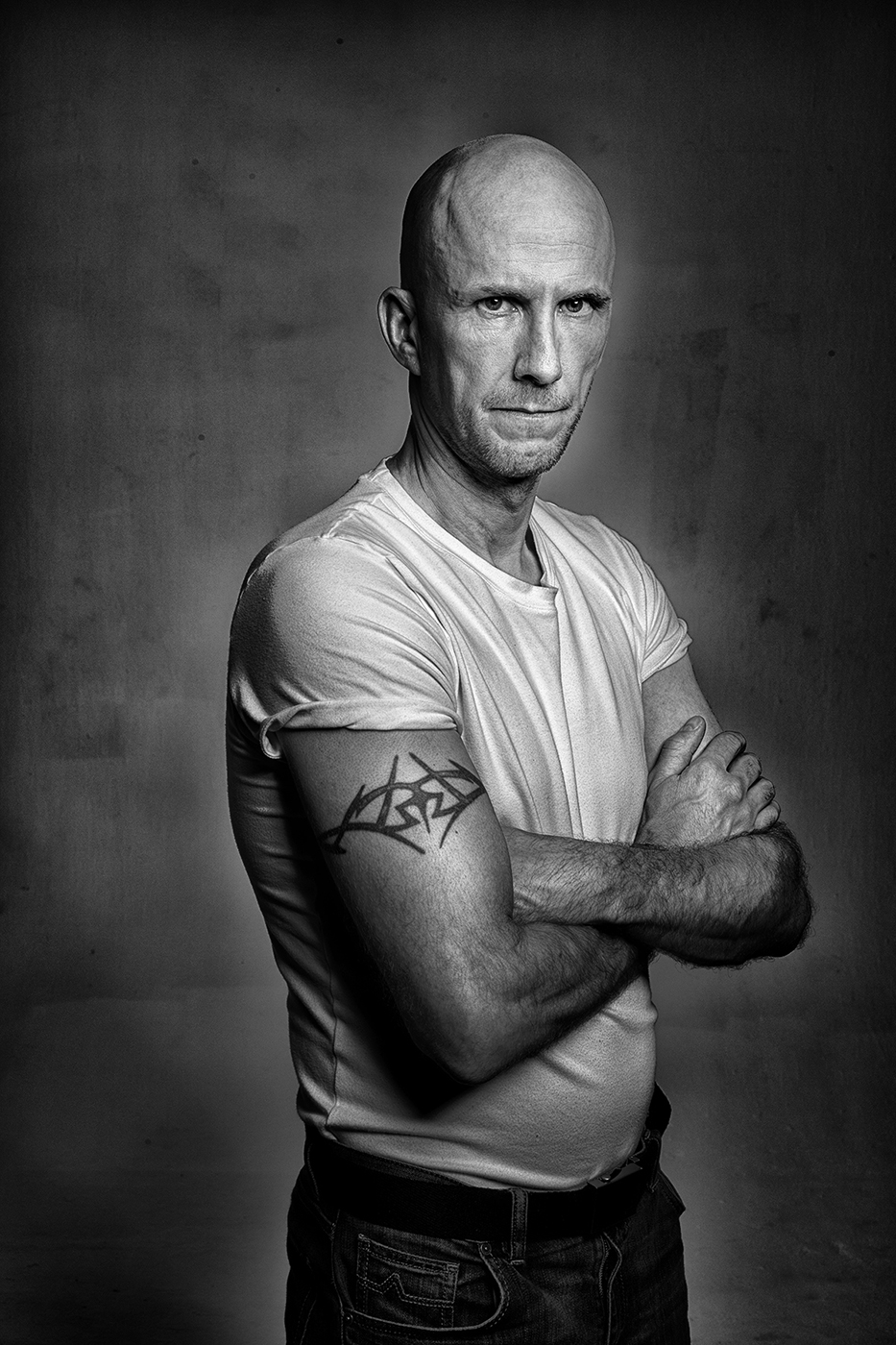
Even with the matte surface of the skin, by using a small lightsource (beauty dish at a distance) we can create more texture in this portrait by putting the light at more of a wide distance from the camera. This adds some texture from the sidelit properties of the subject. Enhancement in Photoshop is then easy, and keeps the matte surface for a cleaner presentation of skin.
Matte surfaces are where we can experiment and work with light to play down or enhance, or simply show it as it really is.
And most matte surfaces can be altered to create something more efficient or less. As we have seen, powder for skin can take away the ‘shine’ that we know is really the reflection of the light. Water or liquid can add sheen to the subject when we want the reflection. And we can use materials to create shine, like wax on a wood floor to enhance the matte to be more shiny by showing the reflection of the light as it renders back to us.
Remember that we all KNOW what shiny looks like, what matte feels like and how rough something is. It is part of what we learn from the beginnings of our lives. We touched, we saw, we felt… and we learned. Photographers aren’t creating anything new, we just learn to present it to others the way we want them to see it.
To recap:
Textured surfaces present small highlights and shadows because of the rough surface and how it reflects light. From a stone to a mountain, the texture can be enhanced by playing up the highlight and darkening the shadow.
Matte surfaces will show the highlight softly, allowing it to transition to the non-reflective part of the surface in a more gradual effect. This may be the most prevalent surface we have around us.
ASSIGNMENT:
- Look around at the matte surfaces. they will most likely be more numerous than very texturized things, or very shiny things. Take some time to quietly study what light does when it is refracted from them.
- Note how different light (direct / indirect) reflects from the surface. Make images showing the difference.
- Examine the ways that matte surfaces can become textured (heavy side/top light), or shiny (wetting the surface down changes its ability to render the highlight and now it becomes more efficient).
So You Want to Be a Photographer?
https://www.youtube.com/watch?v=dlhPK0cJ978

Seven Product Shots Deconstructed For You
Enjoy the video. Lots to talk about. https://www.youtube.com/watch?v=BbAWDQJUFBM
Is Posting to Social Media the Same as Working For Free?
https://www.youtube.com/watch?v=LtOmKlxRwDc
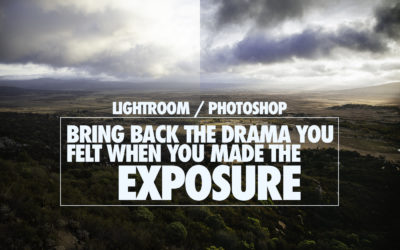
Bring Back the Drama That May Have Been Lost in Exposure
https://www.youtube.com/watch?v=_GaT66Rut1c
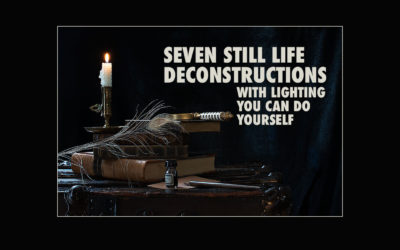
Still Life Images Deconstructed: Lighting You Can Do
Here are some still life shots with the lighting deconstructed for you. Take these ideas and make some still life art. https://www.youtube.com/watch?v=BVtv_uFkvDw&t=2s IMAGES: [gallery link="file" columns="4"...

Creative Portraits: Images Inspired by Skrebneski
These are a few portraits made by my students in the 8 Week Portrait Workshop. We look at many different photographers and study their style, their approach, and the ways they use portraiture to convey their art. Ours is not to steal or copy, but to be inspired by....
In Search Of…
IN SEARCH OF Tuesday morning I got up later than expected for my drive to San Diego. My short journey/road trip was to see Dan Winters, a favorite photographer of mine, do a talk on his photography. The venue was the Museum of Photographic Arts in Balboa Park, so...
The ARC of Beauty: A Lighting Tutorial
https://www.youtube.com/watch?v=wQ3cU6w3w6s&t=1s
Using Cheap Lights for Food and Still Life Photography
https://www.youtube.com/watch?v=IPtYC4YsS5Y

Thinking in Black and White for Better Monochrome Images
BLACK AND WHITE SHOULD BE MORE THAN AN AFTERTHOUGHT TO COLOR PHOTOGRAPHY https://www.youtube.com/watch?v=e9x0o5zZr_w A mediocre picture becomes more alive when it is reduced to tones and design. [gallery columns="2" link="file"...
Dennis Dunbar: Professional Photo Retoucher, Los Angeles
https://www.youtube.com/watch?v=pt3XyyuAraU Dennis is a highly sought after digital retoucher in Los Angeles. He sat down with me for a chat about the business of retouching and what it is like to work with photographers and movie studios. Contact Dennis at his...

FIVE SIMPLE THINGS TO DO TO FIND MORE CLIENTS
Try these for a real boost to your client list SEO. Yes, SEO. It is so very important these days. I know we keep hearing that SEO is dead, but that is really just BS. It is alive and kicking. If you are unable to do it well, hire someone who can. I found a few very...
7 Assumptions We Make About Professional Photographers
https://www.youtube.com/watch?v=AIUZtk9ntF0

Three Books That Will Boost Your Success Quotient
These are three books that I think every photographer should read. I believe it is best to read them in order left to right, but do it any way you want to do it. They are full of practical examples, actionable processes and scripts to get you thinking...
Protected: 8 Week Food Workshop: INFO
Password Protected
To view this protected post, enter the password below:
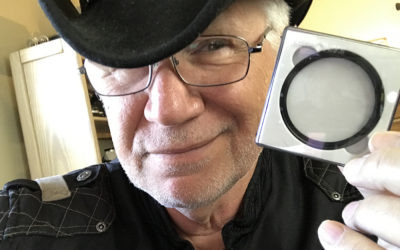
A Premium Filter System from K&F Concepts
Filters come in all shapes and sizes... and qualities. This is a premium product, clear, well made, and a bit thinner than most of the cheap filters out there. I use them when I am on the motorcycle, and when trekking. Usually I take them off when I shoot,...
Lighting Class: Classic Side Light (Part One)
https://www.youtube.com/watch?v=b2qmiime7KI
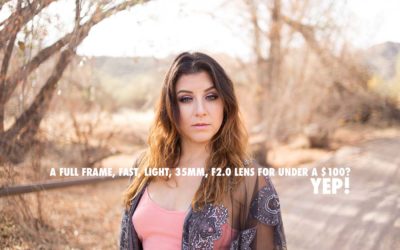
Review: The Under $100 35MM, F2.0 Lens by Yongnuo
https://www.youtube.com/watch?v=tOdjllTzp0w I saw this lens on Amazon and thought, "Oh what the heck. It's less than a $100 and if it sucks, so what." It doesn't suck. It's fast, clean, full-frame, and bright. Pretty sharp where it counts. It...
Lighting Class: Classic Beauty Lighting
Using one main light, and reflector boards, a photographer can do an amazing classic headshot lighting. https://www.youtube.com/watch?v=u47J3TAkyZ0 Here are the work slides for you: And these are my...
Lighting Class: Bottles (Learning to see Reflected Light)
https://www.youtube.com/watch?v=_J4TXq9WmHA https://www.youtube.com/watch?v=j8sY8vYY7r0
Does It Really Take 10,000 Hours To Become a Good Photographer?
When Malcolm Gladwell wrote his book, "Outliers" he had a chapter devoted to the "10,000 hours" rule that intimated that it took 10,000 hours of practice to become good at something. I think this single criterion has been fairly criticised by people who think that it...

BLACK FRIDAY IS FREE at Lighting Essentials
SPEND BLACK FRIDAY WITH DON GIANNATTI Well, that was a lot of fun. Had a few technical glitches, learned what not to do next time and how to what I want to do better. Next time coming soon. Really soon. We recorded each session and the videos are here on the page for...
8 Week Video Class Five
Assembling Assets: A Roll / B Roll / Audio This week we are going to go a little deeper into the shoot experience. The next video we do will be one a bit more advanced than what we just did. We are going to blend several features together to make a video...
The Image Is The Thing
Becoming a “Photographer” - or being a “Photographer”… what does that mean, really? Does it mean that you now have a top of the line camera? Does it mean a bag of lenses? Does it mean an awesome set of studio lights? Or a light meter? Boom? Storbs? (inside joke,...