
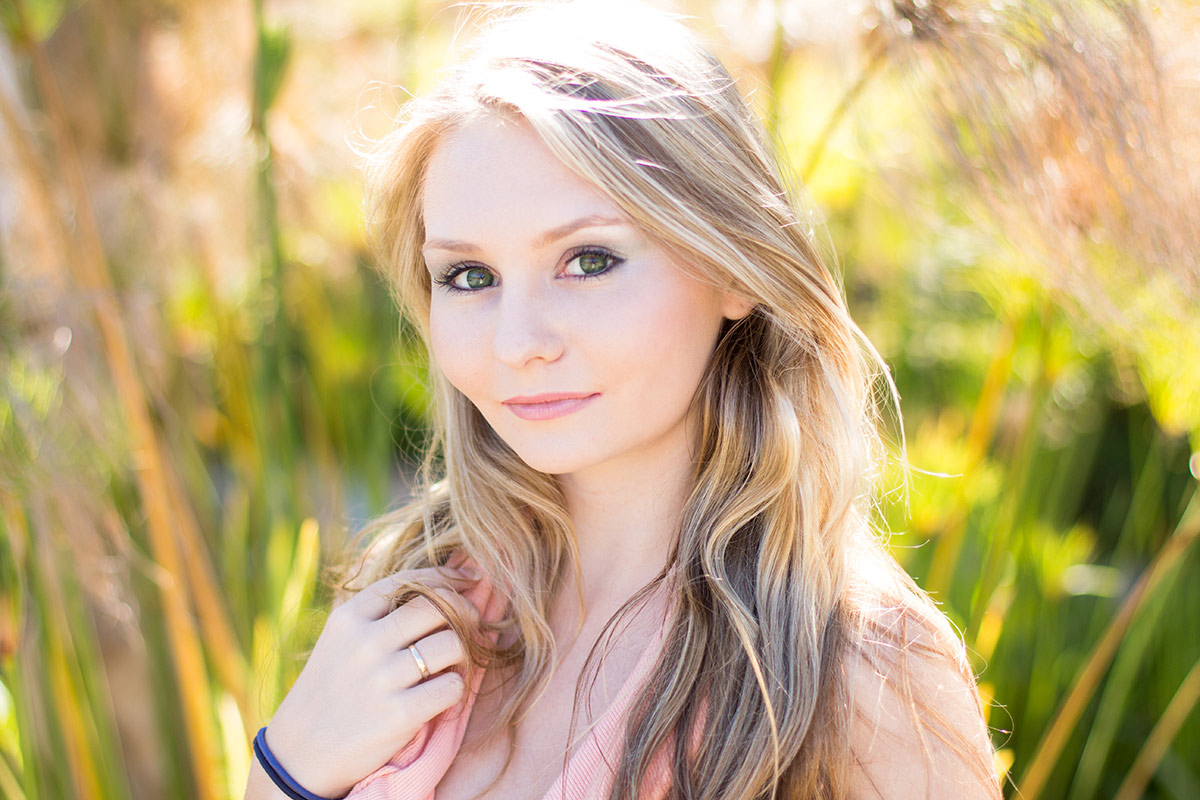
Matte Surfaces
These are surfaces that are not as rough as texture, but not smooth either. Skin, cloth, natural leather, finished woods and many food items are examples. Most of what we deal with in our daily lives would fall under the Matte surface example.
Matte surfaces have a softer way of showing us the reflection of the light source. Where texture showed us mini sources next to mini shadows, the matte surfaces have less of a drastic presentation. The surface doesn’t have that much difference between the size of the components of the texture. A cloth book cover has texture, but it is much more tightly confined than say old barn wood.
And the reflection of the source is shown as a larger area rather than many tiny reflections. This gives the texture a smooth and not altogether recognizable shape. There is an angle where the incidence will match the reflection, and be seen by the camera, but it will be a muted reflection, not a harsh one.
EXAMPLE of Matte Surface reflection of the light source. You can clearly see the reflection of the source, but the transition to the non-reflective areas is gradual and not defined.
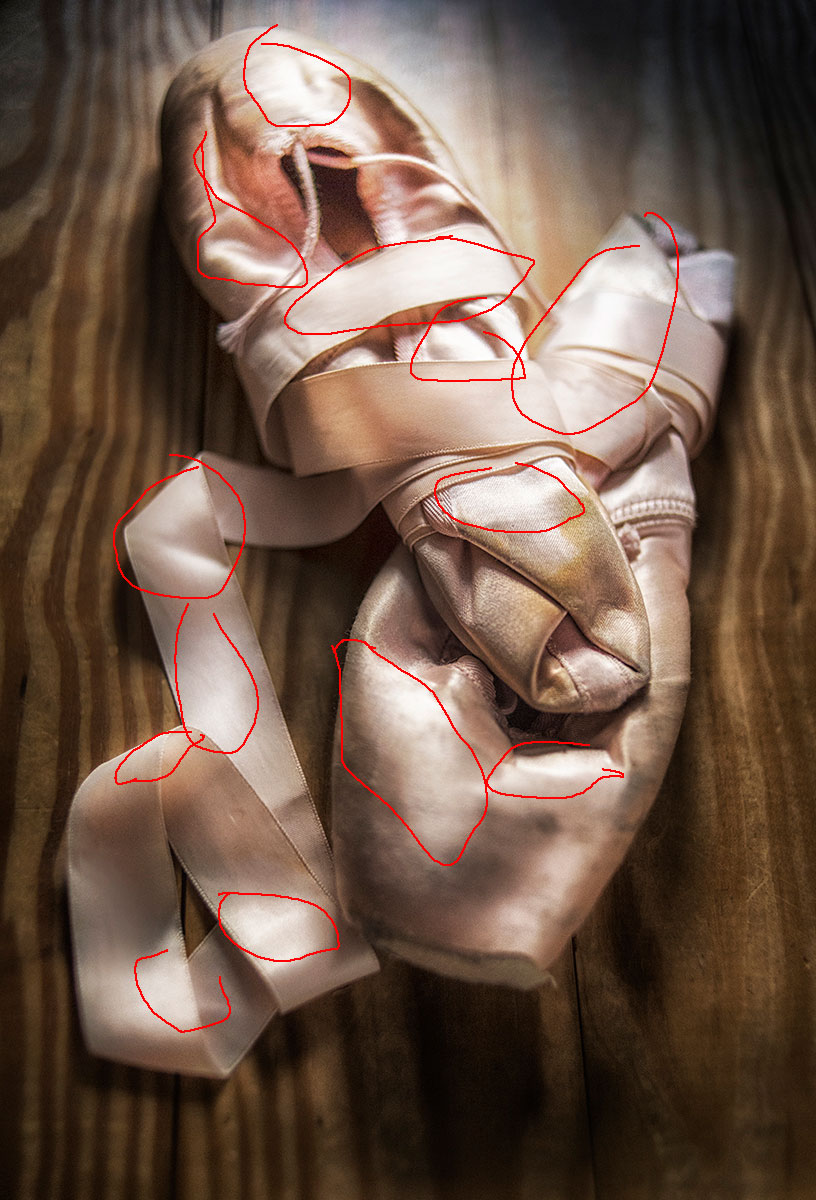
The ballet shoes are most defintely NOT a highly textured object, nor are they glossy.
Skin is one area of great interest. Portrait, beauty and fashion photographers have to be able to control the way skin looks for their imagery. And skin can present some widely diverse efficiency. Dry skin has a very matte look, wet skin becomes more efficient due to the water, and then the reflection is nearly absolute, and skin color can become an issue with the wrong kind of light presentation.
A good makeup artist helps to smooth out skin blemishes, we know. But the MUA also helps to matte the skin evenly so that the reflections of the light sources do not create very bright reflections on the face.
A model begins to sweat…err, sorry, perspire with the heat, and the skin becomes a bit more efficient due to the moisture. Liquid is much more efficient than skin, so the perspiration on the face becomes shinier. The remedy is a little bit of powder, which of course renders the skin more matte and less efficient.
Faces are full of contours and angles that can reflect the light source back to us. Tips of noses, eyebrows, cheeks, chins and foreheads are all areas of concern when we are shooting with light that has a small source. The small source can become a direct reflection on even matted skin, so keeping it within our tolerances is very important.
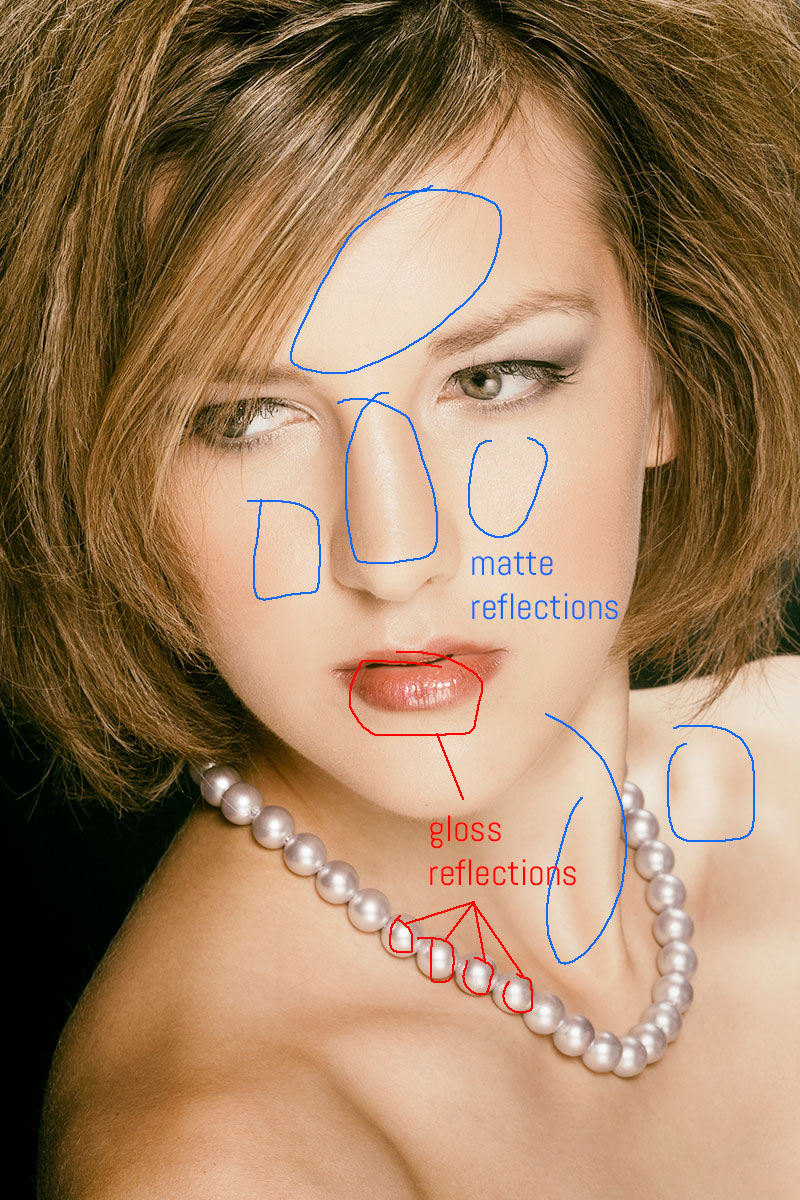
Again, you can see the very soft transition from the highlight to the non-highlight matte surface, where as the gloss lipstick provides a sharp, immediate transition to the non-reflective area.
Photoshop Note:
Trying to fix a small highlight on the tip of the nose, or one that is across the whole front of the forehead is painstaking and difficult. It can be done, of course, but working with the subject to make sure he/she is not rendering the light back to you in such a way as to need the Photoshop is much more preferable.
There may be times when we may want to enhance the matte texture, to make it more discernible, and bring out the texture instead of mitigating it.
Angle of incidence again comes to the fore. Angled to present even the smallest texture, the photographer can decide between broad light, like a softbox, or sharper light, like a direct, unmodified head, or a snoot.
Example of enhanced texture: Portrait of Tomas.
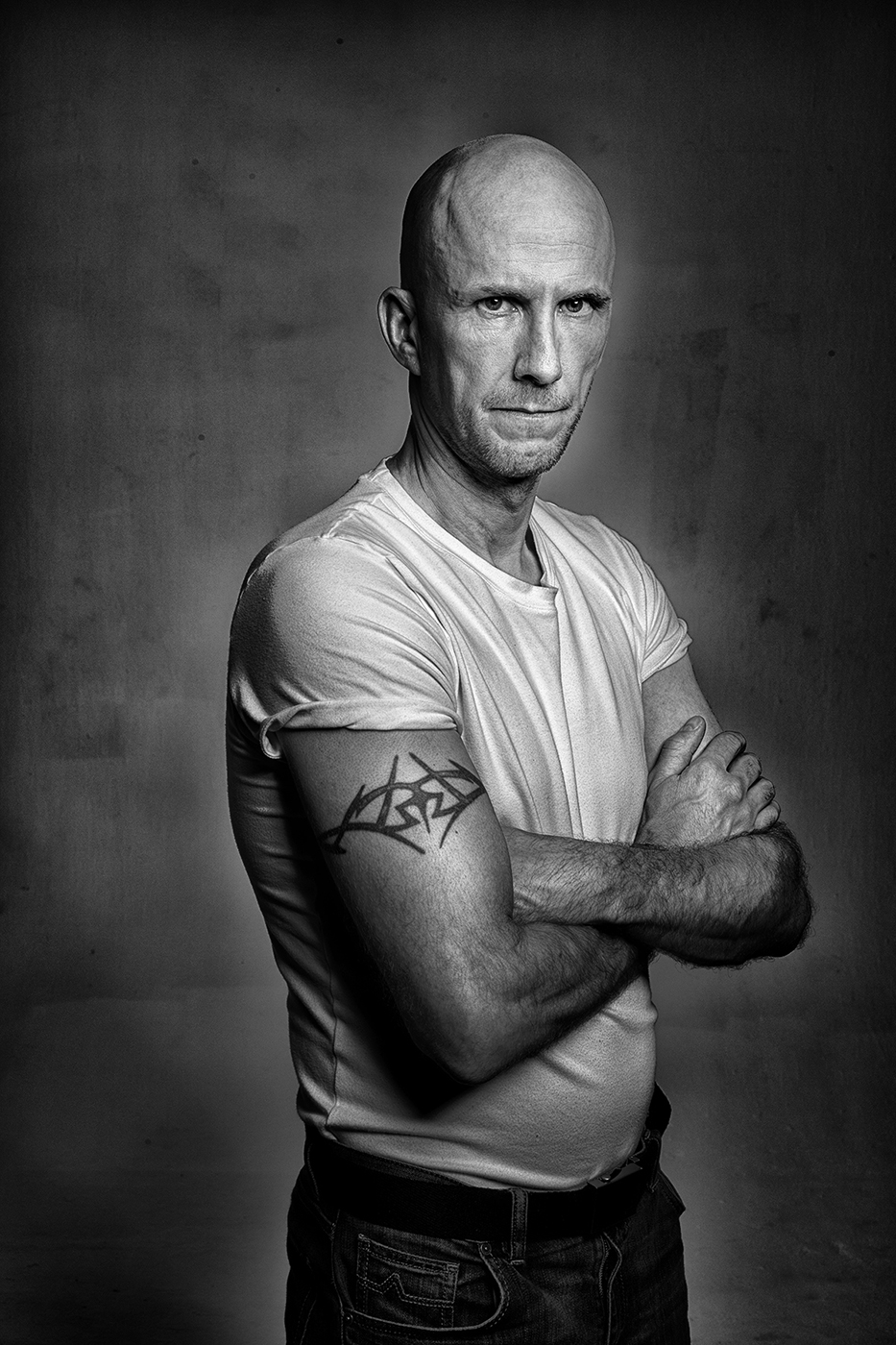
Even with the matte surface of the skin, by using a small lightsource (beauty dish at a distance) we can create more texture in this portrait by putting the light at more of a wide distance from the camera. This adds some texture from the sidelit properties of the subject. Enhancement in Photoshop is then easy, and keeps the matte surface for a cleaner presentation of skin.
Matte surfaces are where we can experiment and work with light to play down or enhance, or simply show it as it really is.
And most matte surfaces can be altered to create something more efficient or less. As we have seen, powder for skin can take away the ‘shine’ that we know is really the reflection of the light. Water or liquid can add sheen to the subject when we want the reflection. And we can use materials to create shine, like wax on a wood floor to enhance the matte to be more shiny by showing the reflection of the light as it renders back to us.
Remember that we all KNOW what shiny looks like, what matte feels like and how rough something is. It is part of what we learn from the beginnings of our lives. We touched, we saw, we felt… and we learned. Photographers aren’t creating anything new, we just learn to present it to others the way we want them to see it.
To recap:
Textured surfaces present small highlights and shadows because of the rough surface and how it reflects light. From a stone to a mountain, the texture can be enhanced by playing up the highlight and darkening the shadow.
Matte surfaces will show the highlight softly, allowing it to transition to the non-reflective part of the surface in a more gradual effect. This may be the most prevalent surface we have around us.
ASSIGNMENT:
- Look around at the matte surfaces. they will most likely be more numerous than very texturized things, or very shiny things. Take some time to quietly study what light does when it is refracted from them.
- Note how different light (direct / indirect) reflects from the surface. Make images showing the difference.
- Examine the ways that matte surfaces can become textured (heavy side/top light), or shiny (wetting the surface down changes its ability to render the highlight and now it becomes more efficient).
Protected: 07 NATURAL LIGHT WORKSHOP MODULE SEVEN
Password Protected
To view this protected post, enter the password below:
Protected: 06-NATURAL LIGHT PORTRAITS MODULE SIX
Password Protected
To view this protected post, enter the password below:
Protected: 06: MARKETING AND PROMO: DESIGNING AN EMAIL CAMPAIGN
Password Protected
To view this protected post, enter the password below:
Protected: 05: MARKETING AND PROMO WORKSHOP: EXECUTING A MARKETING STRATEGY
Password Protected
To view this protected post, enter the password below:
Protected: 04: MARKETING AND PROMO WORKSHOP: DESIGN BASICS
Password Protected
To view this protected post, enter the password below:
Protected: 05: NATURAL LIGHT PORTRAITS MODULE FIVE
Password Protected
To view this protected post, enter the password below:
Protected: 04: NATURAL LIGHT PORTRAITS MODULE FOUR
Password Protected
To view this protected post, enter the password below:
Protected: 03: NATURAL LIGHT PORTRAIT CLASS MODULE THREE
Password Protected
To view this protected post, enter the password below:
Protected: 03: MARKETING AND PROMO WORKSHOP: COLOR MOOD AND BRANDING
Password Protected
To view this protected post, enter the password below:
SKIPPING THE LINE TO A CAREER IN PHOTOGRAPHY
SKIPPING THE LINE!PROJECT 52 CAN HELP JUMPSTART YOUR PHOTOGRAPHY CAREERWe hear all the time about how it is wrong to skip the line, that you have to 'pay your dues' and struggle mightily to get started in an art career.And some of that is true.It isn't an...
Protected: 02 NATURAL LIGHT PORTRAIT CLASS MODULE TWO
Password Protected
To view this protected post, enter the password below:
Protected: 02: MARKETING AND PROMO WORKSHOP: WHY TYPOGRAPHY MATTERS
Password Protected
To view this protected post, enter the password below:
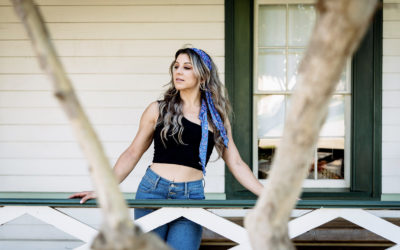
01: NATURAL LIGHT PORTRAIT CLASS MODULE ONE
NATURAL LIGHT PORTRAIT CLASS MODULE ONE One of the most popular and easiest ways to make natural light portraits is to simply use an open sky. Usually, that means working in the shade, or with some sort of backlight. But it should be noted that shade alone is not...

Protected: 01: MARKETING AND PROMO WORKSHOP: WHY DESIGN MATTERS
Password Protected
To view this protected post, enter the password below:

A STUDY IN MINIATURE (2019 SUMMER SCHOOL)
HOW I MAKE THE MINI ME IMAGES BY TAMMY BOGESTRAND The start is usually simply an image or idea that forms in my twisted brain. I should really sketch my ideas, but I never do. I do these totally alone and I don’t have a green screen. Shooting in full sun is never...
TEN SUPER-GOOD PHOTOSHOP, LIGHTROOM, AND NIK TUTORIALS
LEARN TO USE THIS AMAZING SOFTWARE: 10 GREAT VIDEOS: PHOTOSHOP: 4 HOURS: LOTS OF INFO FOR BEGINNER/INTERMEDIATE https://www.youtube.com/watch?v=b-0HekkbdJM WHAT IS NEW IN CC 2019 https://www.youtube.com/watch?v=27RMFuzRvlA ADOBE TRAINING...
Shooting Flying Food (2019 SUMMER SCHOOL)
GET THE PDF OF VIRGINIA'S TUTORIAL HERE.Flying Food BTS (PDF)
A Personal Branding Lifestyle Portrait of a Musician (2019 Summer School)
Personal branding lifestyle shoot for a musician - the complete process from start to finish by Alex Baker, Spain I was asked recently by a friend and long standing client to collaborate on creating a series of curated lifestyle images for her personal brand. She is a...
Module One From Upcoming Free Food Course (2019 SUMMER SCHOOL)
https://www.youtube.com/watch?v=oH9XAKrGMIcFEATURING IMAGES BY THESE PROJECT 52 PRO PHOTOGRAPHERS:ANDERS ERIKSSONCOTY MONTROYJAMES KERNJOHN MCALLISTER
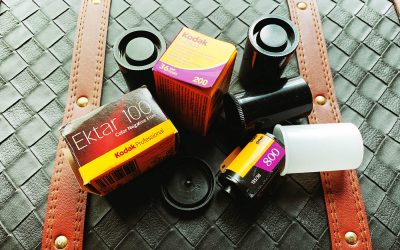
THE LOOK OF COLOR NEGATIVE FILM (C41)
THE VARIOUS COLOR NEGATIVE FILMS AND WHAT THEY LOOK LIKEThese are emulations*, not scans, so they may not be perfect but are very close to the film stock and normal processing.This sample of film stock was taken from the Amazon inventory. These are the films you can...
Learning to Work with Natural Light (2019 SUMMER SCHOOL)
Learning to work with natural lightVirginia LongWhen I first started my photographic adventure with Project 52 I knew nothing about light, the importance of light, or the ways to manipulate it. I didn’t even know you should or could manipulate light. I...
Tech Sheets for Lighting (2019 SUMMER SCHOOL)
SUMMER SCHOOL 2019 CLASS TWO While putting the Lighting Book together (free for subscribers to "In The Frame") I found some tech sheets and thought I may share them here. Some of these techniques are of an older style, but the information is spot on and...
ON THE IMPORTANCE OF COLOR
A compilation of links to Youtube authors explaining the use of color in the cinema.These concepts are also important in the stil photography environment. Being deliberate about your color choices in location, wardrobe, lighting, and composition can...
LIGHTING BOOK (A COMPILATION OF LE TUTORIALS) FOR SUBSCRIBERS
YOURS FREE WHEN YOU SUBSCRIBE Lot's of lighting tutorials with charts, graphics, ideas, examples, and deconstructed images to help you find your own vision using lighting. Yours free when you subscribe to "In The Frame". Also included is the introductory course in...