
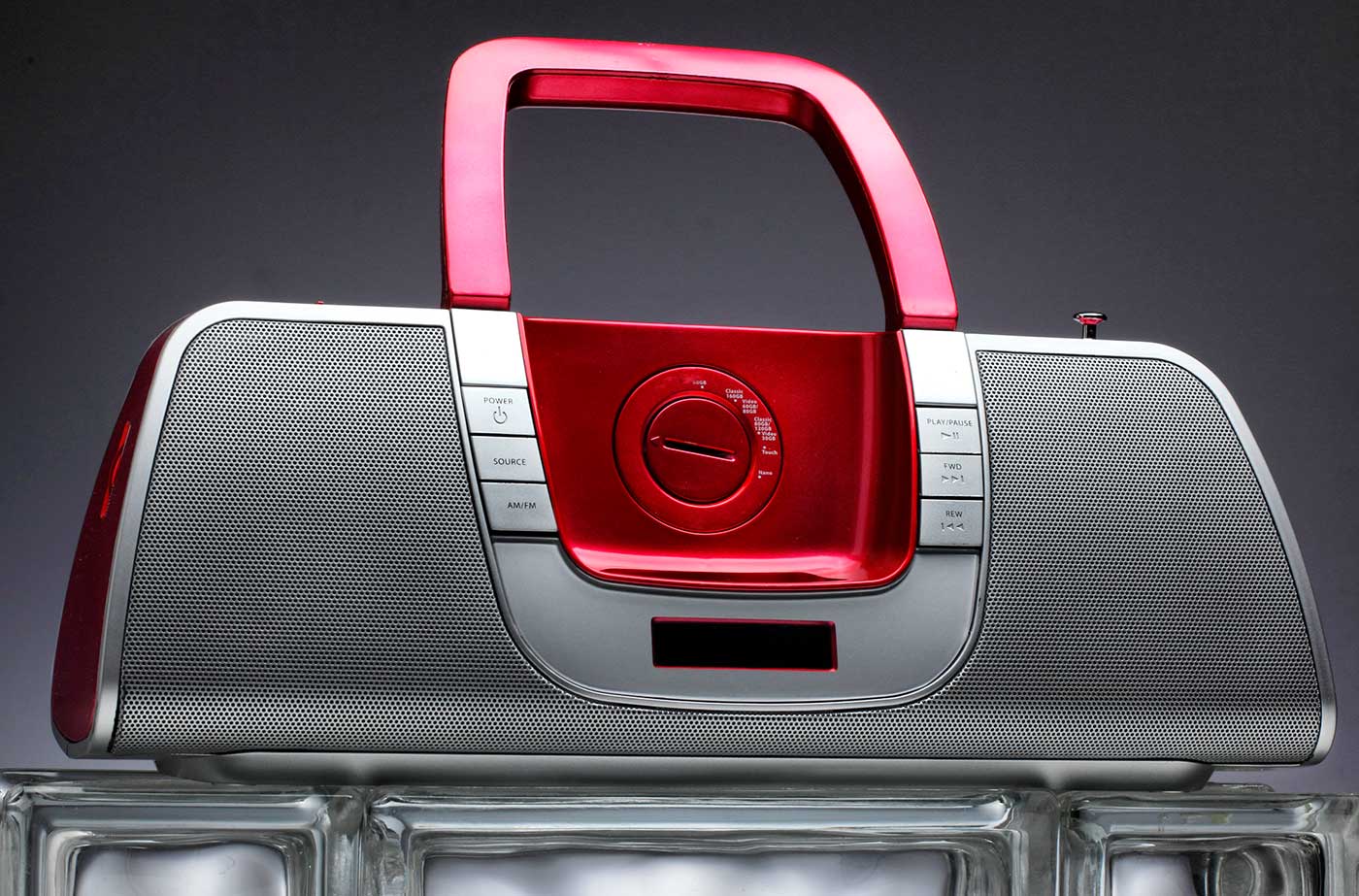
Lighting Principle Number Four: The Angle of the Light to the Subject and the Camera
Law of Physics: Angle of Incidence equals the Angle of Reflection.
This is an axiom that a lot of people hear and repeat without taking careful note of what it means to their photography.
And yet it is one of the most basic and important physical rules of subject centric lighting.
What does it mean and how can we use this to our advantage?
It means that if the light is angled toward a subject, the reflection of that light will be presented back to the camera at the same angle.
Think of the game of billiards or pool. If you hit a ball into the wall at a 30% angle, the ball will come off that wall at a 30% angle. And that completes a triangle. Understanding that triangle is key to making quicker, smarter lighting decisions.
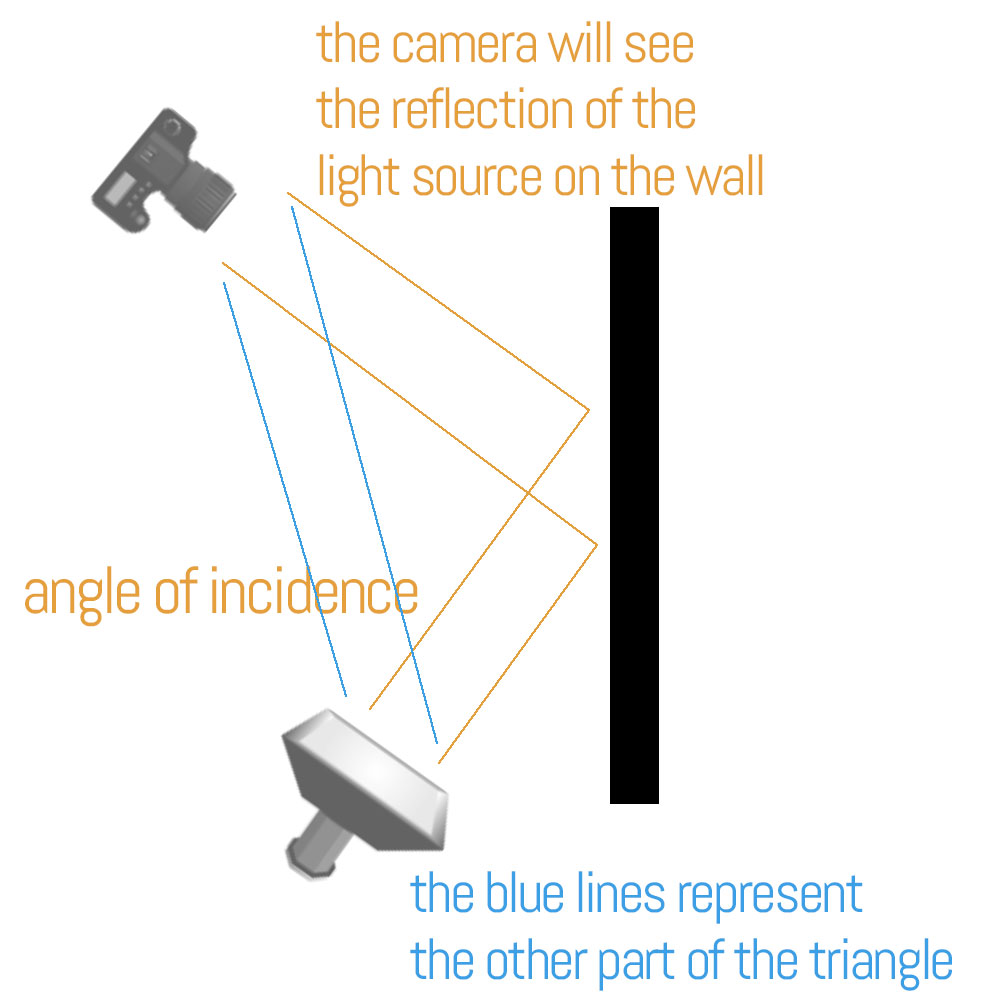
It means that you have to be able to judge the angle of the light as it strikes the subject and understand what that light will do once it strikes the subject. If there is something being reflected in your subject, look at the camera angle from the other side and you will find what it is.
EVERYTHING REFLECTS. EVERYTHING.
Some things reflect more than others, but everything you see is simply the reflection of the light from its surface.
I call it ‘presentation’, and when I discuss lighting, I use the word presentation to talk about how the light looks to the viewer.
Once we realize that the angle of the light source to the subject, and the incident angle of that light source to the subject is going to present to us in ways we can control, lighting becomes so much easier to create.
Think of the way the light strikes hair on a slightly backlit portrait. The reason the hair becomes so much brighter is because it is round in shape, and somewhere on that round, shiny hair is going to be that same angle of incidence that the camera is seeing.
An example.
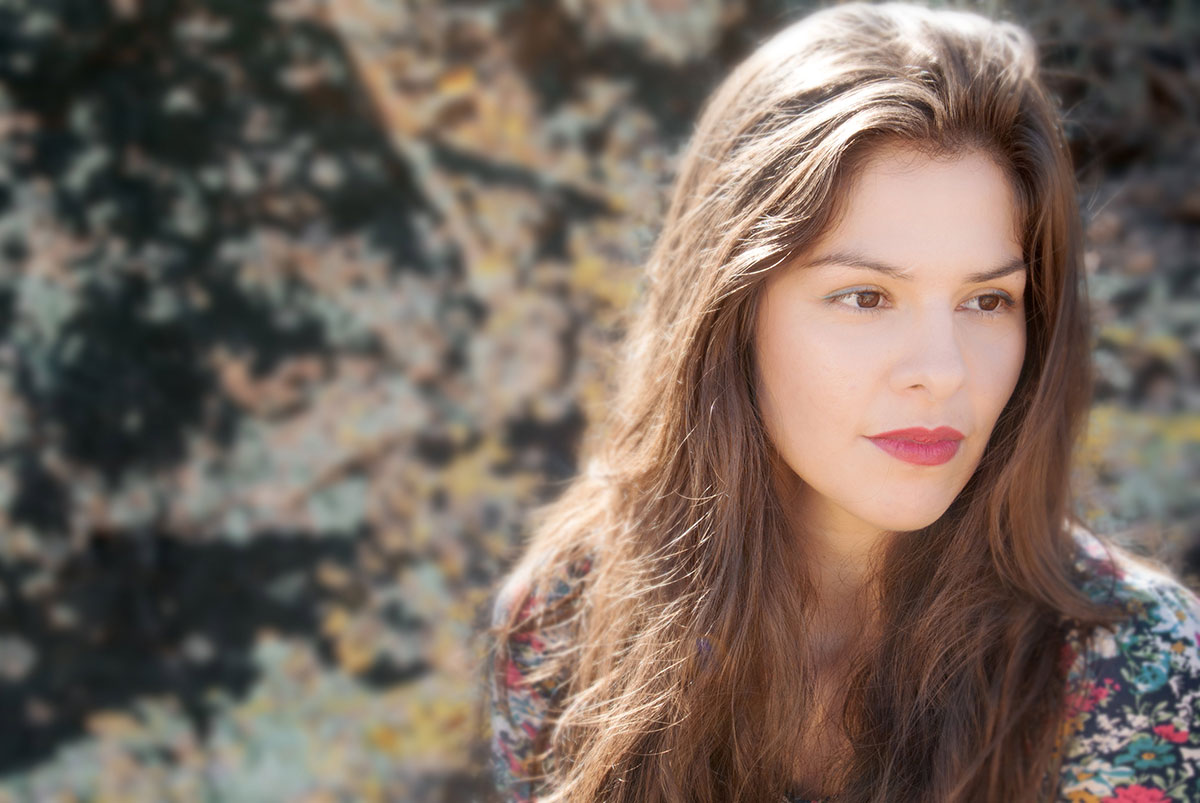
You can see how bright that hair is with the sun shining on it, and each tiny hair reflecting that sun back to the camera.
In the image below, I used a large softbox in order to get a shiny, reflective area off of the wall behind the subject and create a gradient to the background. You can see in the illustration that the angles of reflection come back to the camera on the left side of the model, but not on the right side of the model. The wall is a semi-gloss wall and provides a nice, soft reflection of the light source.
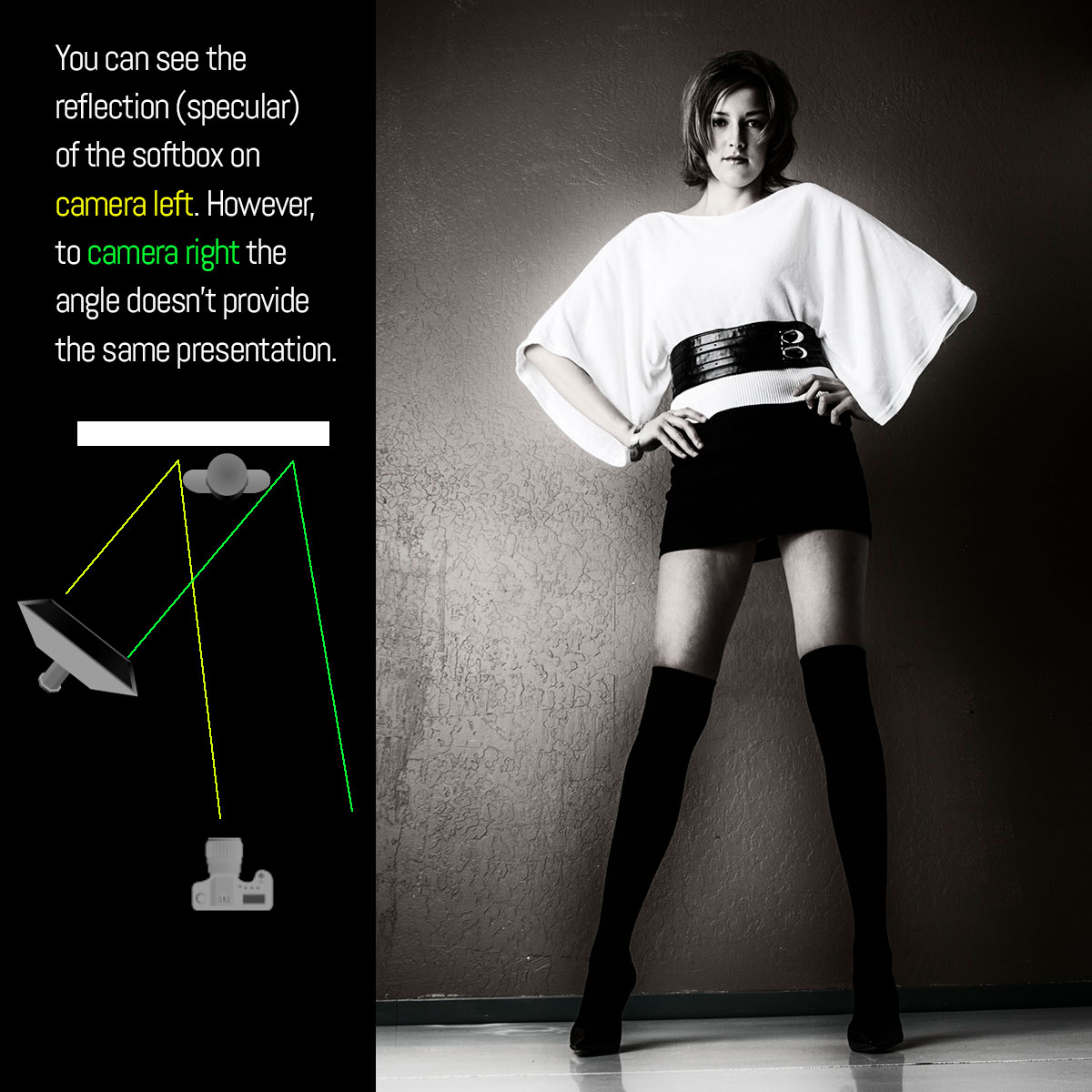
Let’s take a closer look at that triangle that is formed by the light to the subject, the subject to the camera, and the light to the camera.
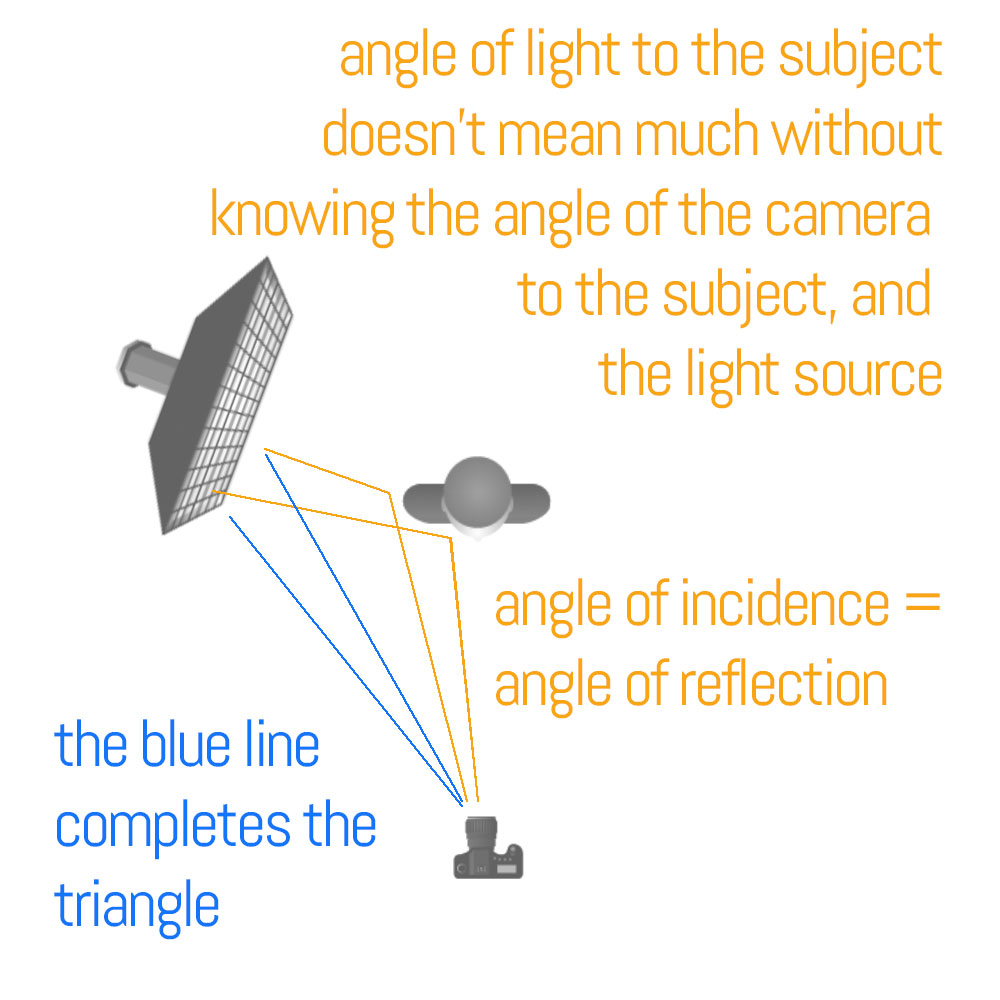
It is being able to see that triangle (shown above with the blue line) and to then visualize the presentation of the light that makes it easier to control. Once you begin to see those angles, and the way they will present back to the camera, lighting can become much more of a finessed technique rather than a flailing exercise.
Let’s talk about direction.
There are three major directions of light and one that doubles as a direction. I will explain.
This is front lighting. The light comes from the side of the camera, and it can be angled quite a bit (90 degrees). The presentation is full angle of incident / angle of reflection, and you can control that fall of incidence by where you place the camera in relationship to the light and to the subject angle.
Front light:
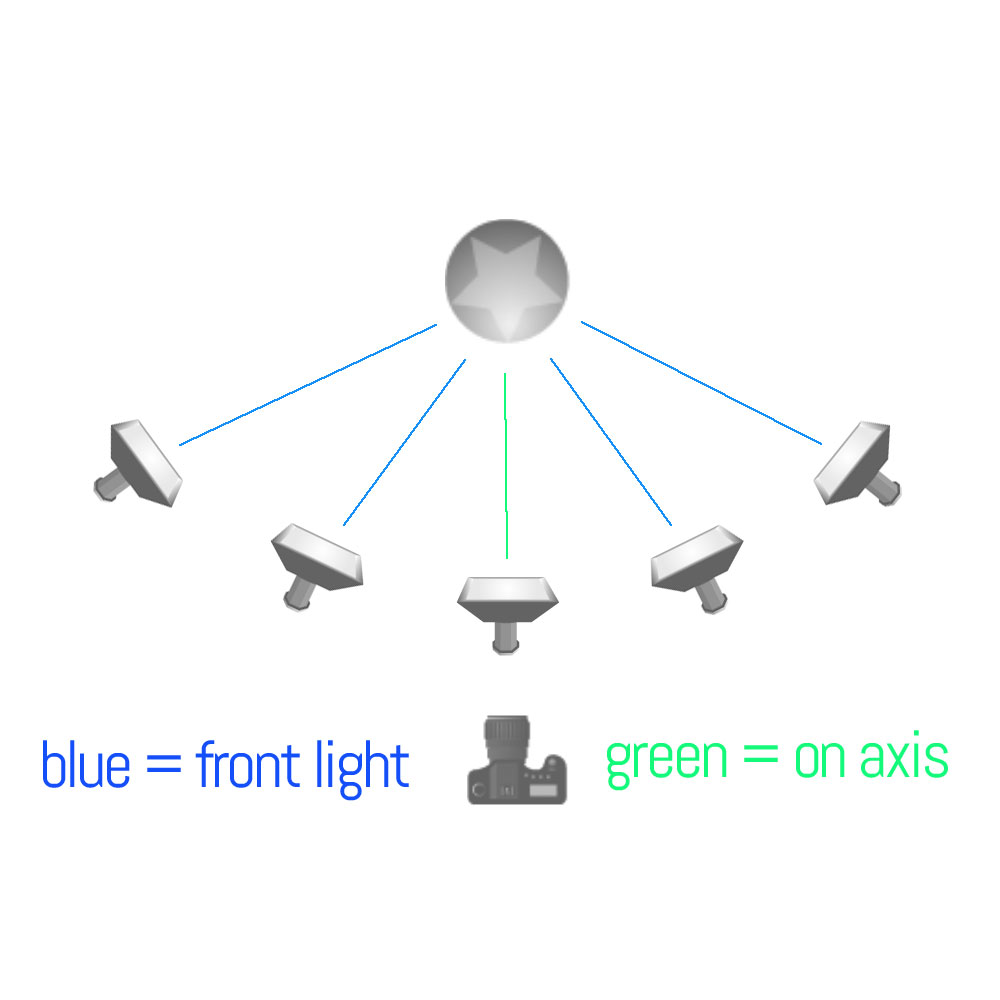
You can see that from right to left there is 180 degrees of placement that will allow you to have front light. There is one point in the middle, however, that is at the same angle as the camera. We call that “on-axis” lighting and is a favorite of beauty and fashion shooters.
On-axis lighting is from the position angle of the camera to the subject, not necessarily at the distance of the camera. That means there is no triangle (horizontally) from light to subject to camera. As you can imagine the reflection is straight back into the camera. A wide, soft light with few shadows.
In the diagram below we see side lighting and backlighting. Side lighting is as its name suggests, directly from the side of the subject creating a 90-degree angle to the camera angle.
When we move the lights farther back from sidelighting, we have backlight. Backlight has all the same angle variations as does the front lighting.
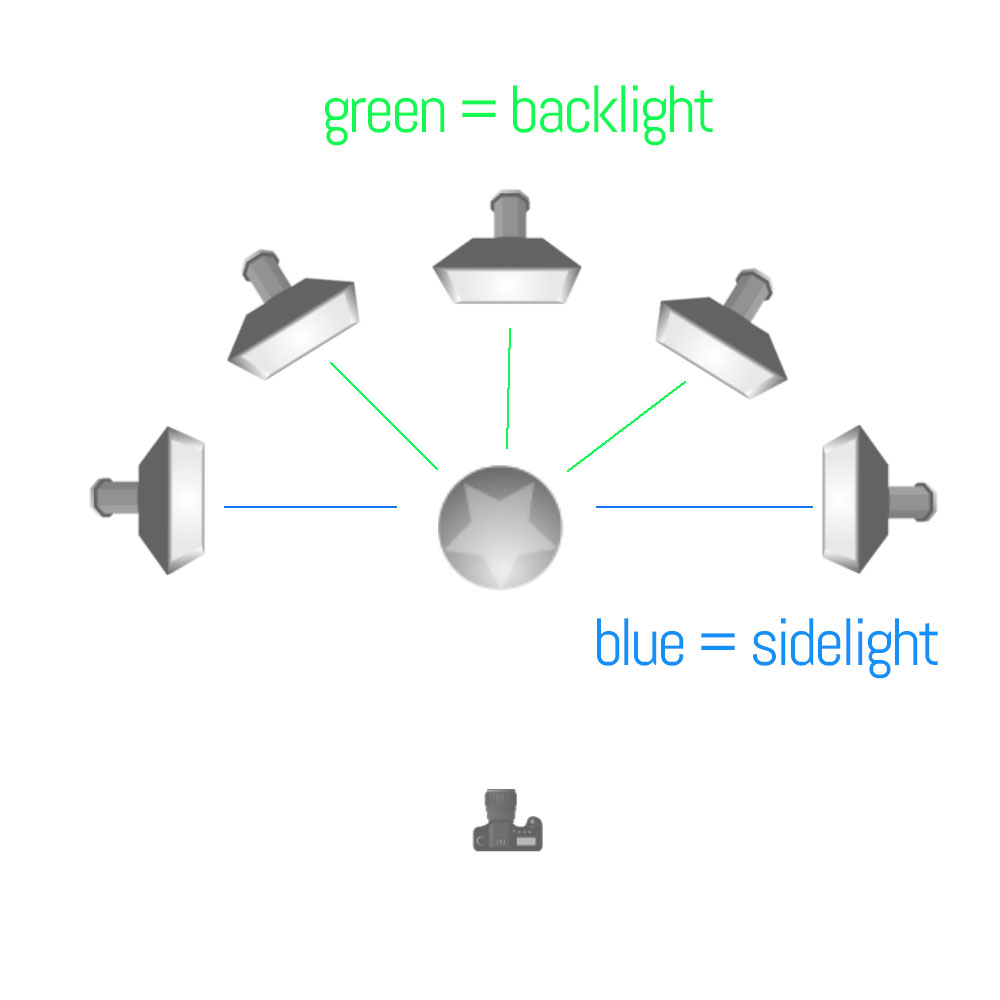
Top lighting from directly above is the same as side lighting if it is at a 90-degree angle to the subject/camera. If it is slightly in front it is front light, and slightly behind it is backlight.
Front Light One
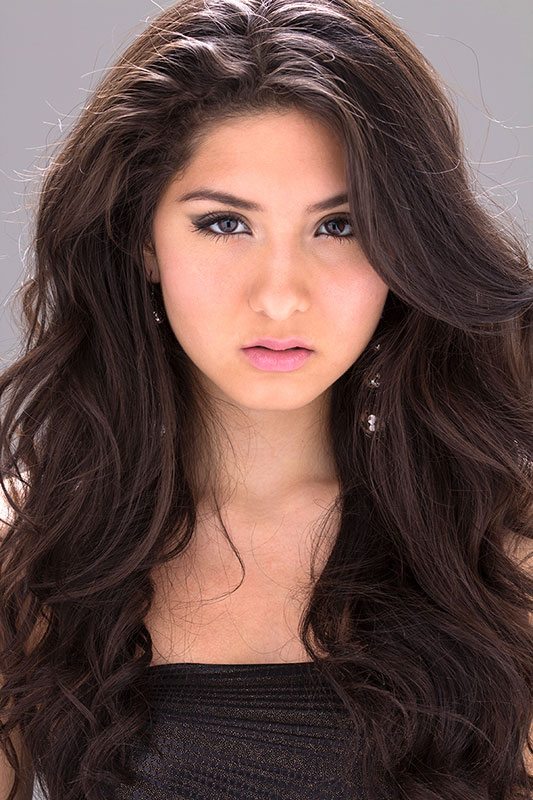
Front Light Two
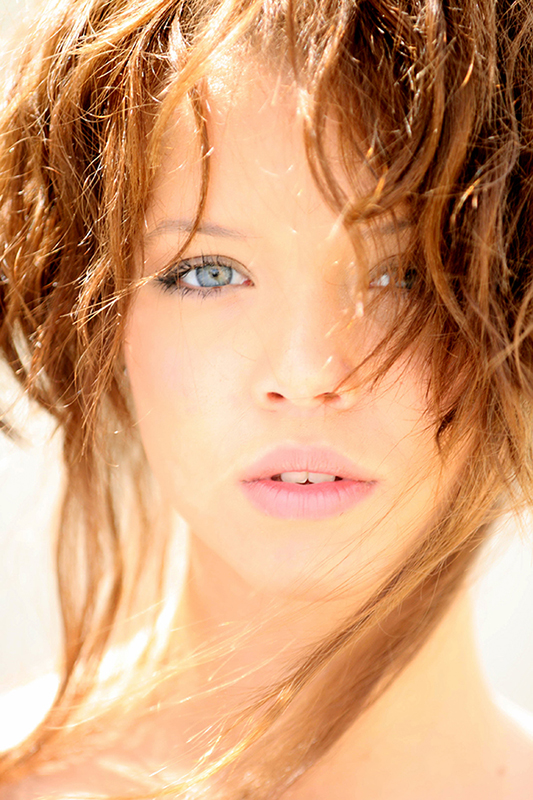
Side Light One
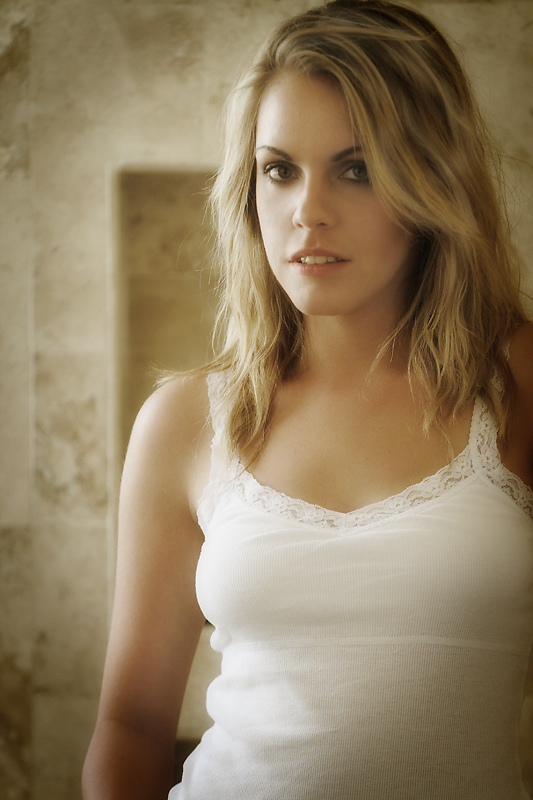
Side Light Two
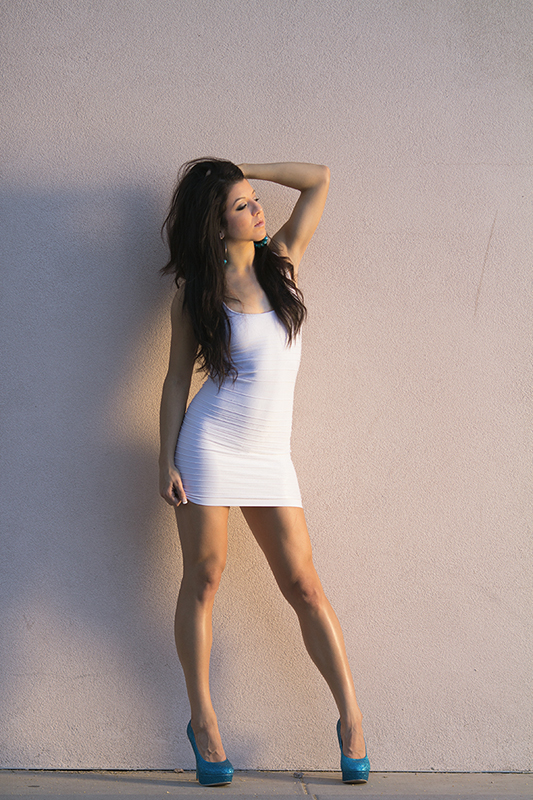
As you can see above, the angle of the light to the subject, and to the camera, makes a big difference when you are working toward making the shot look a specific way.
Let’s wrap it up:
The four different properties of lighting are:
- Size of the light source in relationship to the subject.
- Distance of the light source from the subject.
- Color of the light, and its relationship (if any) to the prevailing ambient.
- Angle of the light source to the subject, and to the camera.
And NONE of them are the most important – they are all equally important. We don’t think of them in an hierarchical way, we think of them in a holistic, symbiotic way. Change one, you may have to indeed change another. Change that one, and you may have to alter two others to make it work for you.
All of this only matters to you if you know what you want your image to look like. Do you want soft light, or do you want hard-edged light? Do you want a mixed light image that looks natural, or do you want to play with color temps in a creative way? If we move our light closer or farther away, what does that do to the look of the image? Do we need to bring out texture, or is a flatter look our goal?
These questions are usually not asked in order in our brains. All of them are asked at the same time, and we react to these creative decisions by utilizing the tools we have for creating them.
And now, with these basics, we can begin to create the images to present OUR vision of the subject in front of our lens.
ASSIGNMENTS:
- Find a subject that allows you to move around it and make images from all the different lighting positions. Do this either early in the morning or late in the afternoon so the sunlight is closer to your head height to the subject.Shoot front light, side light, back light, axis light. Study the images to see how the subject changes in the different lighting positions. Print the images and make notations on how it, and the background, look to you. What changes do you see?
- Using your flash or continuous lights, do the same thing with a subject inside. You can choose something as a still life, or – if you are a people shooter – grab a subject and start moving that light from on-axis to back.Note that when your light is backlight ONLY, the subject is quite dark, possibly even silhouette. You can adjust for that or not – your call. but remember that your adjustments will play the same role as the main light in the angle of light to subject to camera.
Project 52 : Working to Go Pro With a Real World Approach
I just got off the phone with a wonderful photographer in the Midwest. Bill is working the direct consumer market, but looking to break into the commercial market. His area is not the most cosmopolitan, being a small town about an hour or so from Memphis, but Bill is...
On Location with the GamiLight: A New Softbox for Speedlights
I use a mix of lighting as anyone who reads these posts know. I do not favor convenience over ability at all. I will pack a ton of gear - and be fine if we don't use a quarter of it. It is there if I need it, and when I do, I really do need it. There have been some...
My Drive Through the Wet Foothills of the Sierras
Last weekend I did a workshop in Sacramento. It was a small, but very vibrant group. It also rained both days... all day. We made do with a nice rental studio on Saturday, and a hotel conference room on Sunday. When it would clear for a few minutes, we headed out to...
Lessons. Learned: How One Photographer Fought Back Against a Very Contentious Client
The article below was written by a friend of mine in the New England market. He has asked to remain anonymous, so we will respect that and only say that he is a damn fine photographer, and this story of determination against a client that had much more means, is a...
Six Photographer’s Blogs that “Get It”
I love blogs. I think they are a revolution in publishing, and the effects of a democratized publishing platform have not been truly revealed. They give people who may never have had a chance to publish an elegant and rich platform. Words, video, photographs, graphs,...
Why Being a Photographer is Like Being a Jazz Musician
I love jazz. I always have. I can remember the first recording of jazz my dad played on our brand new stereo. It was a recording of Benny Goodman's Quartet with Buddy Rich on drums. I thought it was fascinating and glorious music. I didn't tell a soul that I liked it....
Featured Photographs from Project 52: Part One
Project 52. 52 weeks of assignments and critiques for those wanting to go pro, or be more professional in their approach to photography. The site is Project52.org and there is a ton of stuff there already. Audio crits with images to follow along with, information on...
A “GPS” For Our Photography… Yeah, That’d Be Nice
I have been quite busy this past two weeks. Many, many distractions taking me away from the work - and lots of work to be taken away from. It has produced a quagmire of challenges. I rarely miss a deadline, and I work very hard for my clients. Even the ones I don't...
Deciding What “ART” Is, Or Is Not, Can Be Quite Instructive
A Little Rant today. "I saw Cady Harran wearing army pants and flip-flops, so I bought army pants and flip-flops" -- Mean Girls. Recently at APE a post entitled "Why We Love Bad Photography" made me pause and consider what that meant to me. It ended up consuming quite...
Setting Goals: Is It Important for Photographers?
Yeah, we heard it all through our early schooling; "Set you goal to achieve..." And there are countless gurus out there teaching seminars and workshops and holding 'retreats' on the "Art of Decisive Goal Planning and the Strategic Paradigm of Unilateral Ubiquity..."...
The Sassimi Collection: The Ins and Outs of Shooting a Catalog
I recently completed a job for Tera at Sassimi, a boutique fashion designer in Seattle. And while she is small for now, she wants to grow her business. I think she will do well. Oh, and you can visit her site here at Sassimi.com. (For those looking for Project 52,...
A “Visionary Website”: My Talk with Selina on Clarion Call on Saturday, 2-12-11
Thanks to Selina for a wonderful opportunity to discuss the 'visionary website' and how being engaged with your clients and prospective clients through your website can be a strong tool for photographers. I will be speaking at 11:15AM EST so for you in CST it is...
How to be Incredibly Average and Never Breakout as a Photographer
I work with photographers on a one to one basis. I will only work with those who are really interested so we have a discussion on what is expected from both sides before the engagement. This weekend I had a conversation with a young photographer who wants to be...
Still Life with One Light in the Studio: “LIVE” on LE
This article is a look at the creation of a simple still life with one light in the studio. See it after the jump. At this point I want to remind everyone of the incredible opportunity this week. Selina's amazing Clarion Call is this coming Thursday/Friday,...
Some Examples from the Still Life Assignment
Photograph by Chis Martin. NOTE: If you are looking for this week's assignment, please go to Project 52, assignment five. You can see it here on LE as well. We are entering the month of February, and we are already at assignment number five... "the weather". The work...
Project 52, Assignment #4 Photograph an ‘Entrepreneur’.
Assignment Number Four: Entrepreneur Portrait Due before February 7, 2011 Posts at images at Flickr Lighting Essentials Group. Tag image LE52Weeks-4 You have been assigned by a national magazine for a photograph of a local entrepreneur, you have two weeks to put...
Photographing A Dancer: Guest Post by Josh Brewster.
This and all photos in this post copyright Josh Brewster, Austin TX. (Looking for Project 52? Hit the "52" link in categories for all the linky goodness. Visit Project52.org for ongoing assignment notes.) Josh took my workshop in Houston a couple of times. His work...
Project 52, Assignment #3 Still Life
Project 52: INFORMATION. It is important that you all go to Project52.org for assignment notes and more. We have a page there that will show all upcoming LIVE shows as well as other information that we will be giving out as these projects go along. Our schedule for...
Real Estate and Architectural Photographer Scott Hargis Has a New Book
The Essential Guide to: LIGHTING INTERIORS Techniques for lighting with small flash by Scott Hargis Architectural photography has always interested me. I have done a substantial amount of it over my career and I still enjoy doing it when I get an opportunity. I wish I...
Project 52, Assignment #2 Photograph a Stranger: and Selina Maitreya Interview
Audio from this past week's discussion. This is from the Friday afternoon chat. I had a wonderful opportunity to discuss the upcoming Clarion Call 2011, a free teleseminar for photographers, with the talent and brains behind it, Selina Maitreya. You can listen here on...
52 – A Project For Photographers: Assignments, Discussions, Critiques and Portfolio Building. Assignment Number 1
UPDATE: Thanks to all the folks on the Project 52 LIVE last evening. As promised, here is the audio file. It will be linked here for one week, and one week only. Part One Part Two Some things we talked about. 1. The reason we do a 'vision' statement for ourselves it...
2010 Is Done, 2011 Presents New Opportunities and New Challenges
I am flying to Portland for a shoot as I write this end of the year blog. Outside the window it is blue sky above a gray mass of clouds that stretch the entire way from Phoenix to Seattle. Snow in the desert tomorrow. I will be downtown Portland having warm Brandy...
Things I’ve Learned About Photography, Writing, Gear, and Life This Year
Perhaps I should have said learned and re-learned. I am hard headed, and some of the things I know still need a refresher course every once in a while... ya know. This will be my second to last post of 2010. The last post will be on New Year's Eve. I am taking next...
Dispatch from Florida: Anna Maria Workshop Wrap Up
Anna Maria is the last workshop of the season for me. For the past three years we have done that workshop on Anna Maria Island, Florida. We will do next years last workshop of the year on Anna Maria. I love that place and it has so many places to make images. Next...