
DISTANCE OF THE LIGHT SOURCE FROM THE SUBJECT
The second principle of light is the distance of the light source from the subject.
One thing for sure, if it is artificial light, the distance of the light source from the subject can change the size relationship, but there are other things that happen as well.
With artificial lights, one of the most important rules is The Inverse Square Law.
And it can be kinda scary that one. First, it’s a law. That seems pretty definite. And of course it has something to do with math – ‘squared[. But the word INVERSE? What the heck is that?
Let’s not sweat that right at the moment.
Let’s just acknowledge it for what it means to us.
Essentially, the Inverse Square Law (ISL) means that the farther the light is from the subject, the less bright it will appear. We know that, right. The closer we get to a light source, the brighter the reflectance of that source from whatever we are bringing close to the light.
Say you are in a very dark room, and there is only one small light in the corner. You are desperately trying to read the calory count on your small bag of Cheetos but it is way too dark where you are. Well – simple, we take the Cheetos bag over to the light and as we get close to the light, we can instantly read that we are never allowed to eat Cheetos again.
Now that is way too simple for any rule, or LAW, especially one that concerns math and something called Inverse.
The ISL is a way of measuring that light fall off and it shows us that there is actually a formula to how much that light falls off. Formulas are great. They are like systems. We can use them over and over to achieve the results we need.
This formula is way simpler than the name implies:
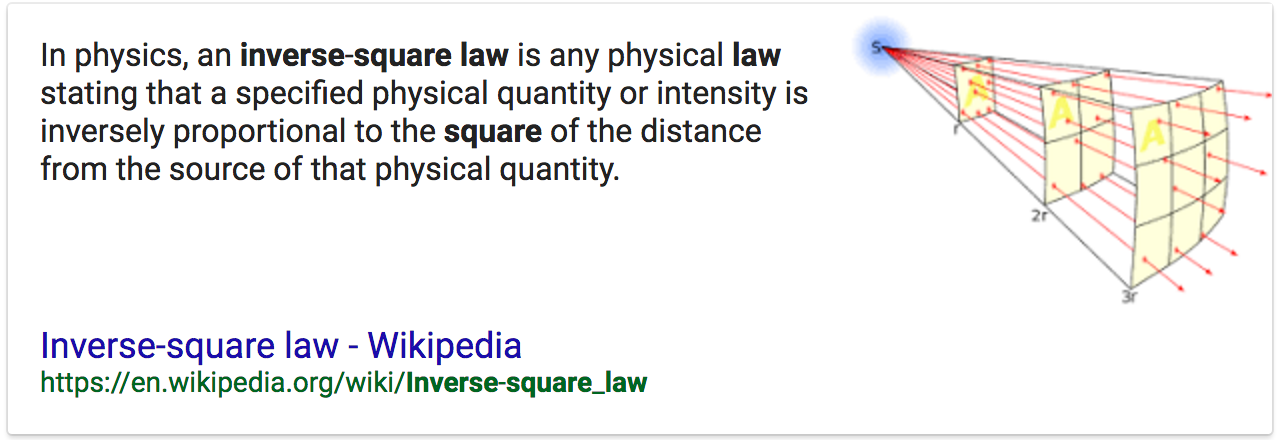
As you can see in the illustration above, at twice the distance the light has to cover four times as much space making it four times less powerful.
Four times less = 2 stops less in f-stops.
So if the light was f-8 on your subject at 4 feet, and you moved the light back to 8 feet, the amount of light on the subject would now equal f-4. If you started at f-4 at 8 ft and moved the light in to 4 ft it would be f-8.
What if instead of moving the light from 8 ft to 4 ft you decided to move it in 6 ft? Well, that would be half way between f-8 and f-4… f-5.6.
Now look at what happens when we apply the rule to a set of distances.
THE IMPORTANCE OF KNOWING RECIPROCALS
A reciprocal is simply understanding the relationships between all the numbers we throw around in photography.
F-stops, shutter speeds, ISO – all work hand in hand with each other to make the image with correct (for you) exposure. Changing any one of these three will necessitate a change in one of the others to compensate.
Let’s look at ISO:
f-4 / 1/125 @ ISO 100
If we change that to ISO 200 one of those above will have to change. Either the f-stop or the shutter speed. Since the ISO is now one stop more powerful, we either have to change to f-5.6 or change the shutter speed to 1/250. Both of these changes have the affect of decreasing the exposure setting one stop due to increasing the ISO by one stop.
Simply knowing the basics of one set will make it easy for you to re-configure for a new set.
I use ISO as my constant. In this case, I will use the settings of Sunny 16 (f-16 at 1/ISO).
ISO is 100 for these reciprocals.
f-16 @ 1/100
f-11 @ 1/200
f-8 @ 1/400
f-5.6 @ 1/800
f-4 @ 1/1600
f-2.8 @ 1/3200
These are committed to rote memory.
Changing the ISO compels me to make associated changes in these figures. If the ISO goes faster, I simply change the f-stop OR shutter speed to correlate to the amount of change in ISO. If the changes go out of the range of my camera, I will change one first, then catch up the other.
Example:
The light is getting a bit low, and I want to shoot with a shutter speed that allows me to hold the camera still. I take a meter reading and find that at ISO 100, my exposure for that shot is f-4 @ 1/15. Well, that aint’a gonna work for me handheld.
So first I decide that f-4 should be f-5.6 because of some Depth of Field issues (which moves the shutter speed down to 1/8), so that means I will have to move the ISO one stop for that aperture change to:
f-4 / ISO 100 @ 1/15 to f5.6 / ISO 100 @ 1/8 (reciprocal, one less stop in shutter speed to correlate with additional stop in aperture.
f-5.6 / ISO 200 @ 1/15
f-5.6 / ISO 400 @ 1/30
f-5.6 / ISO 800 @ 1/60
Learn your reciprocals for faster and more accurate decisions in the field.
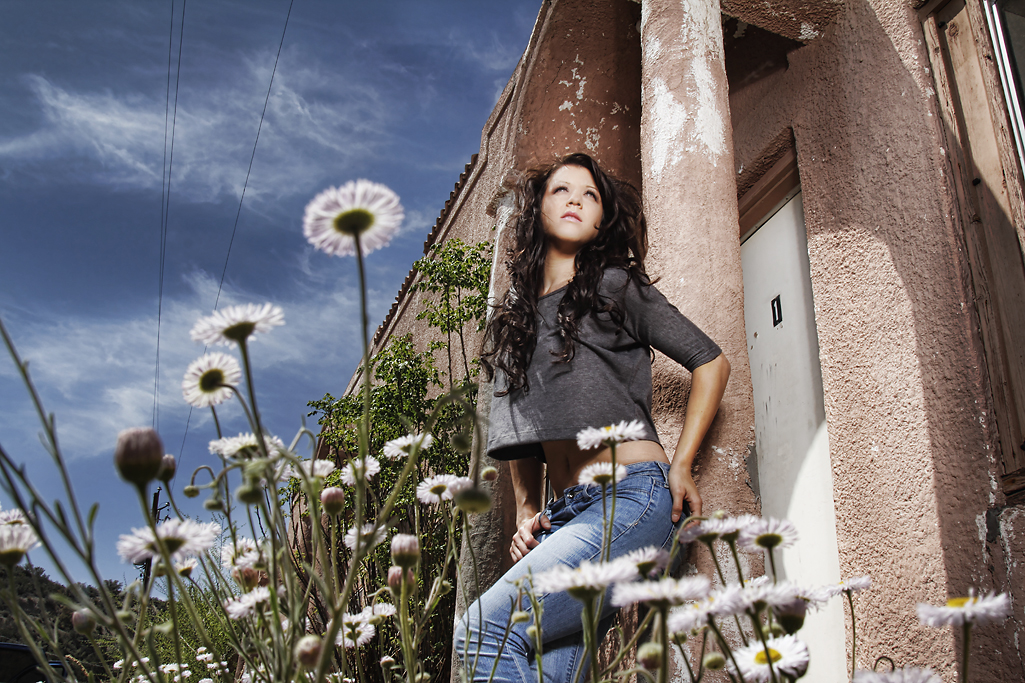
Bri in Miami.
I didn’t want the old building to go too dark behind her so I moved her next to the column. This gave me the ability to move the light in close to her, and let the background fall off fast – but retain the light and the texture right around her so she didn’t ‘pop’ out and look too overly lit.
This is a 4ft softbox with a Profoto 300 WS head and a single diffusion panel in the softbox. It is just above camera viewpoint in this shot – very close to her. You can see the light falling off as it reaches her knees.
I wanted the shot to appear somewhat realistic and not “strobed” so a careful blend of one stop over the ambient was chosen.
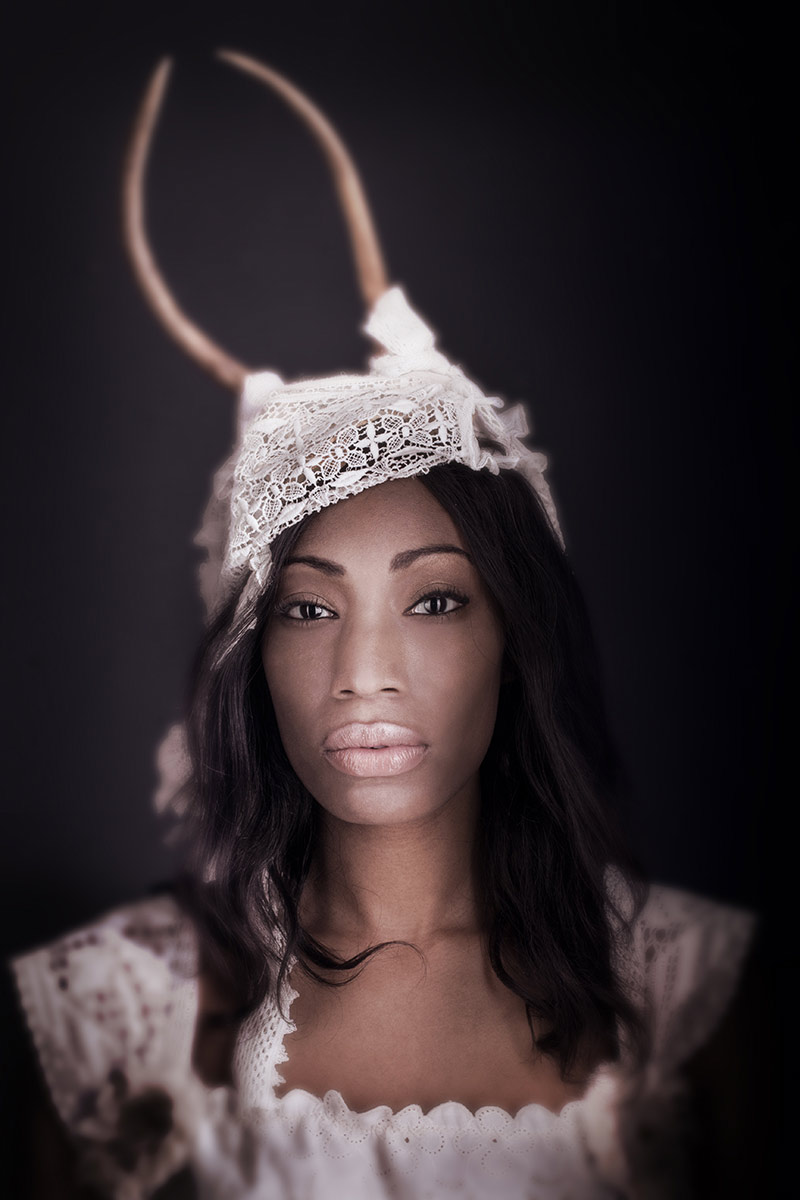
Ivy in the Studio.
My studio had bright white walls in a cove. I didn’t want this image to be on a white background so I moved Ivy far enough away that the light on her had no effect at all on the white wall behind her. It was simply way too underexposed to render at all.
Controlling the exposure through the Inverse Square Law is one of the more important tools you will have at your disposal.
And get this – it doesn’t cost a penny.
ASSIGNMENTS FOR THIS CLASS:
- Using a light source of your own: (studio strobe, speedlight, continuous light) place the light close to the subject and then move the subject AND light source closer to and farther back from a single background. Notice how the image presents itself as you go closer to the background with your subject and light, and what happens when you take subject and light farther away.
- Place camera and background at a fixed point. Then move your subject into the f-16 and make an exposure. Move back to f-11, then f-8, f-5.6, f-4 and if you can f2.8. What happens to the background as you move the subject closer to it and adjust exposure.
- Build your string meter. See below.
Find a piece of good, smallish rope. Clothesline will do nicely.
Put your light on a stand, and run the string straight out from the flash. The flash should be set at 1/8 power if possible. Not full. It should be on “normal” zoom setting neither on telephoto or wide angle.
- Using a meter and a remote flash trigger, find the exposure point for f-4 by going down the rope and aiming the ambient light meter dome directly at the strobe. Keep going until you find the point where f-4 is noted on your meter.
- Using a knot or marker, note that point as f-4.
- Now find the middle of the rope and note it with knot or marker.
- Between the end of the rope and the middle (left side) put a knot or mark in the middle of that area.
- Between the middle of the rope and the end to the right put a knot or marker
- On the right side, now find the middle between the end and the first mark, and knot it or marker
You now have simple rope meter that will be incredibly accurate in all situations.
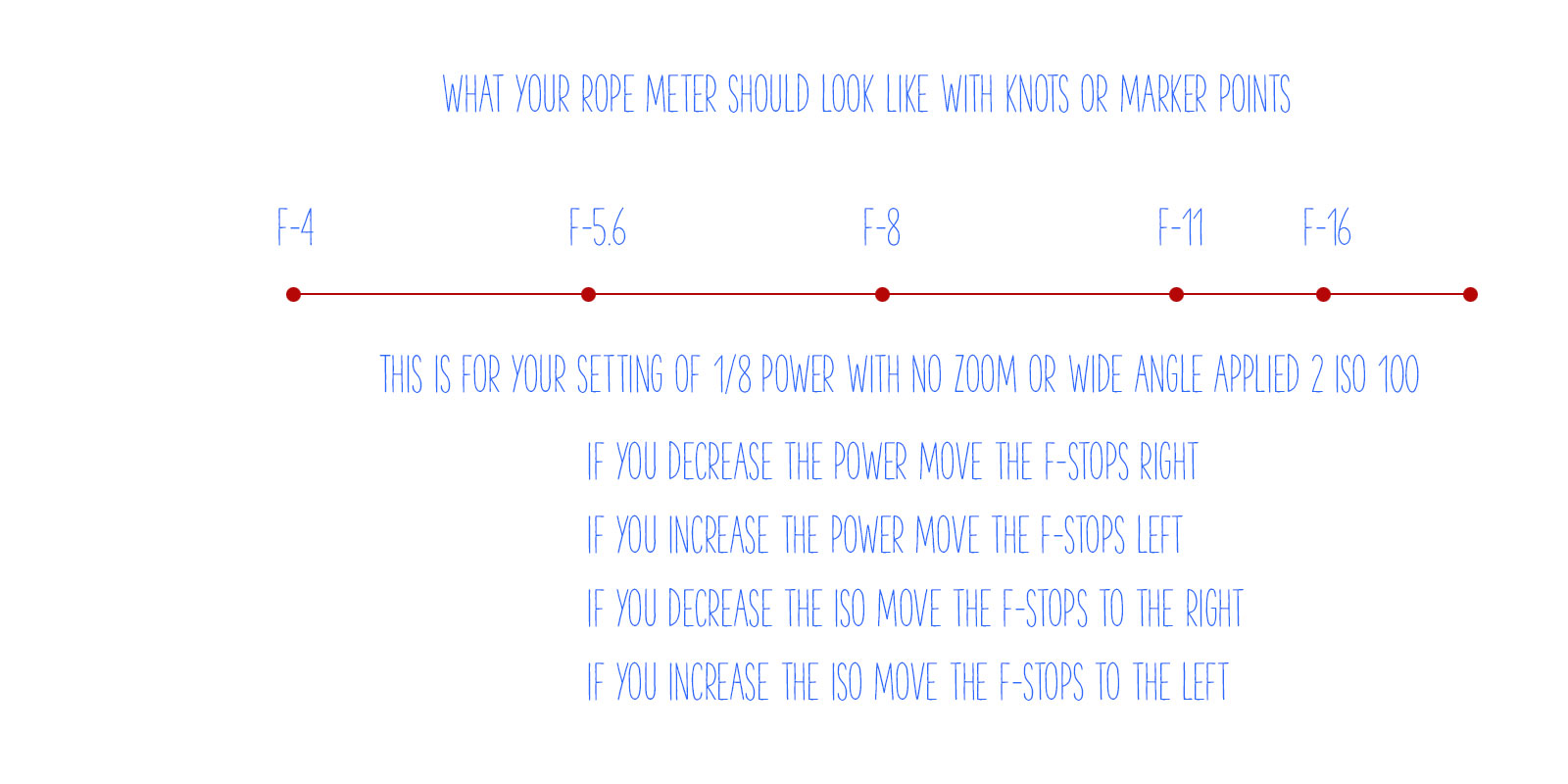
Finding f-4 is the most important part. Use a lightmeter for best results.
If you want to use a gray card, make sure it is at a very slight angle to the light source so it will not have a specular for the camera to see (the reflection of the light source). Shoot at f-4 until you find the distance that will render a single line of pixels in your histogram dead center. That is perfect exposure of a gray card.
Of course, you must fill the lens with the gray card, no extraneous stuff in the viewfinder – just the gray card.
Thank You creativeLIVE: What a Great Experience
Well it was planned for a long time. We put it on the calendar back in December I believe. I couldn't speak to it until it went "live" so to speak, and the marketing push started. So I simply alluded to a certain three days that my friends and LE followers should...
Emerging Photographer Jump Start Package
NOTE: THE CONTEST IS CLOSED. WINNER WILL BE ANNOUNCED MAY 28. Winner: Catherine Johnson AND Eric Bartel. We had a tough time with the tie, so we have to go with both. I will need to hear from you two very very quickly so we can find a date and a time. NOTE: For all...
WordPress Basics for Photographers: Part One
I am a big fan of Wordpress. I love the ease of use, and the total attention to quality that the Wordpress folks apply to the changes and updates to the core product. I also love traditional websites and feel that they do have their place for photographers. But many...
A Drive Through Northern Arizona on a Sunny Day
It was a bright Friday morning as I left to go up north. I had planned on leaving a bit earlier than 8:30, but those plans were offset by the need to get my youngest to school and finish some things at the office. Sometimes the plans we make don't work out. They just...
Why I Think You Should Watch My creativeLIVE Show in April
Hi, gentle readers of this blog/zine... err, whatever it is. If you have been following along for any time you know that I don't have a lot of stuff to sell, nor do I spend much time hawking how fabulously cool I am. Really. But occasionally I need to do a little...
GalleryPro: A Portfolio Tool for Photographers
Back in the fall I was discussing an idea about maintaining a portfolio over multiple platforms with Scott Forman, a photographer in Omaha. Scott is also a terrific coder, as you will see. My idea has always been to make it very easy for photographers who do not have...
Shooting With “Abundance” or “Scarcity” – A Creative Choice
Do you shoot with an "abundance" mental approach? Or is your choice to shoot from a mental state of "scarcity"? It makes a difference, you know. It makes a difference in how you approach your subject matter. It makes a difference in the way you see the world. It can...
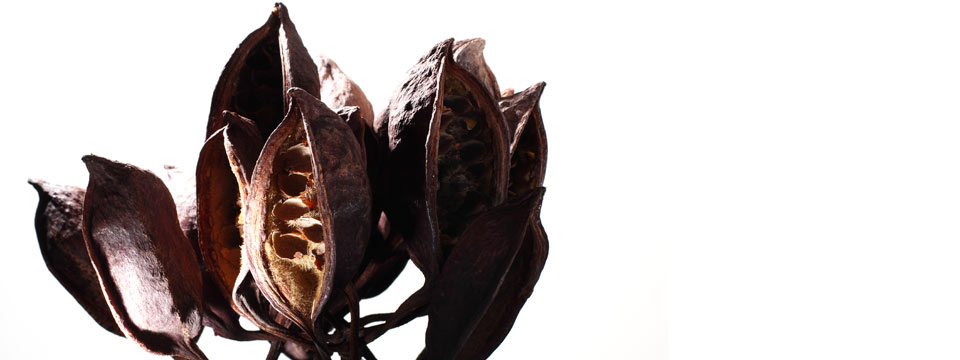
Improvisation with Pods… Lighting for Dramatic Effect
I have promised myself that I will get out and shoot more for myself this year. These "improvs" are part of the process. I limit myself to one subject and one hour. And the subjects can range over whatever happens to be near me or catch my eye. This time it was pods I...
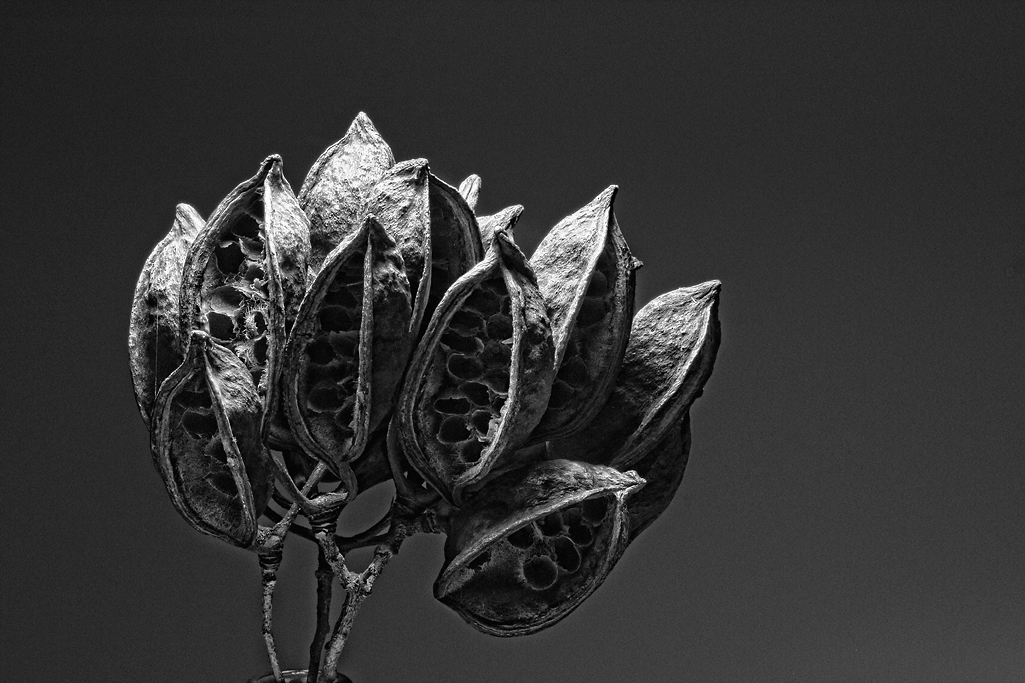
OT Sunday: Posts of Interest and Some Tunes for Fun
Occasionally we get a little off topic on a Sunday post. While this one is no exception, there are some very interesting posts from photographers I think you should check out. You may have missed them along the way, or not even known about the blogs, but they are...
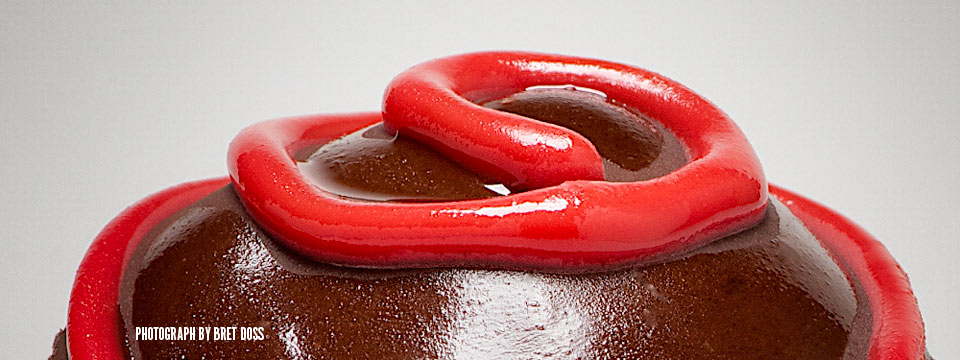
Some Assignments Are Just Sweeter Than Others
And that's a fact, Jack! Over at Project 52 (www.project52.org) we did an assignment on Desserts. The job was to make a dessert shot so inviting that it fairly SCREAMED chocolate (or at least DESSERT). We had a lot of submissions. Here are twenty that caught my eye......
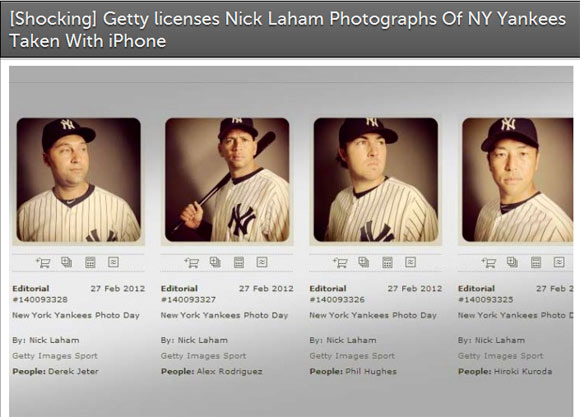
Does Culture Lead or Follow Photography? Hint – Look Up Ahead…
I think it leads it. Simply and right out there. This story on F-Stoppers has a lot of comments on it, most of them missing the point by a swing and a miss (sorry...). [Shocking] Getty licenses Nick Laham Photographs Of NY Yankees Taken With iPhone The story is about...
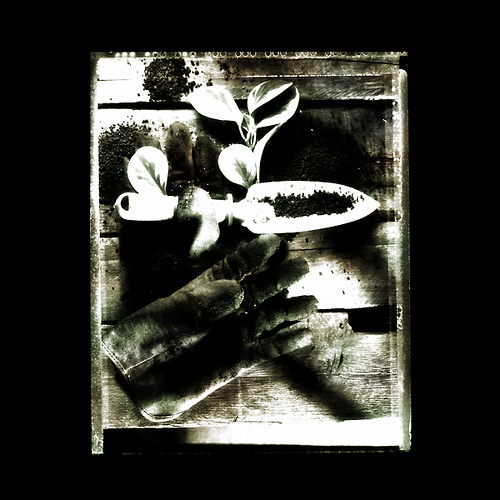
Still Life for Article on the Challenges of Home Gardening / Pesticides…
... or something like that. I don't remember the particulars on the slant of the article. Late on a Monday, the art director called in a panic with a rush job. Could I do an illustration for a publication that was going to press on Wednesday. We had to shoot it,...
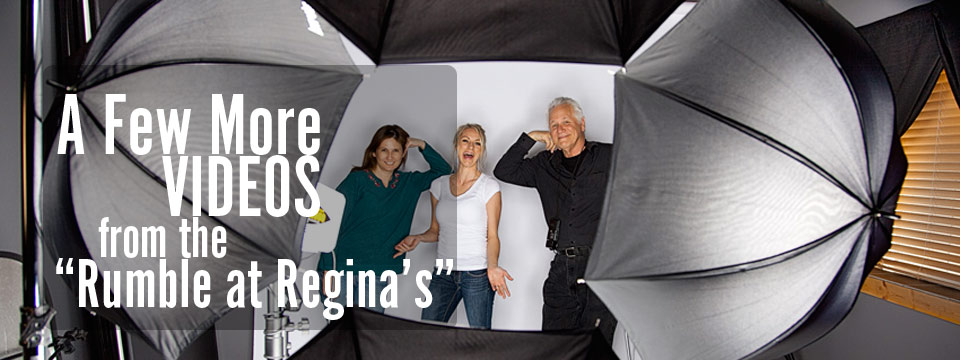
Some Fun Videos of Lighting Setups
These were quick and fun little videos I did while Regina was shooting at the one-on-one workshop she won at the Lighting Essentials Contest last winter. She has a great little studio for shooting and making great images, and with 7 lights and all kinds of modifiers...
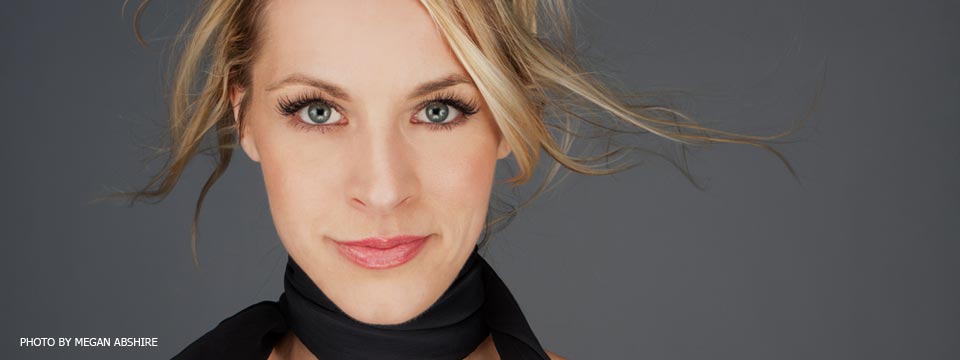
Four Umbrella Madness: Shooting with Regina in Utah
We were having so much fun with Regina (our contest winner) in her Utah studio that I decided to do a bunch of videos of a few of the setups. (Here is Regina's blog post on the past weekend.) This one was made possible when Regina said she had four matching small...
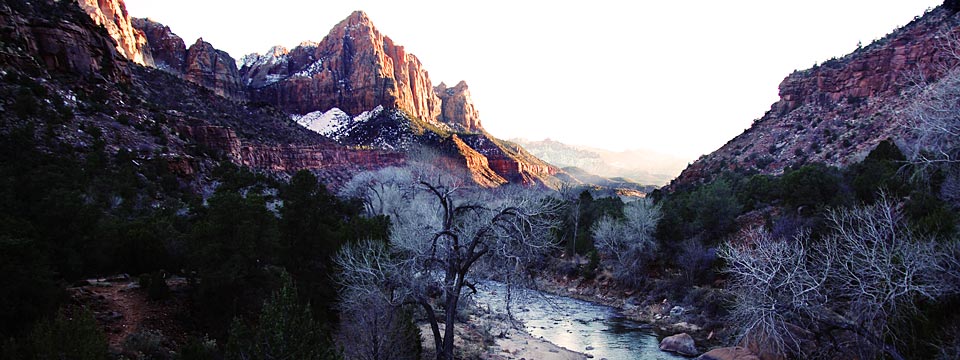
Greetings from Zion Nat’l Park – Winner’s Workshop
Hi everyone. We are here at the entrance to Zion National Park in the small town of Springdale. This is where the "Winner Gets Me" contest winner lives and where we are doing her one-on-one workshop for the weekend. She invited Megan from Phoenix to come up and do the...
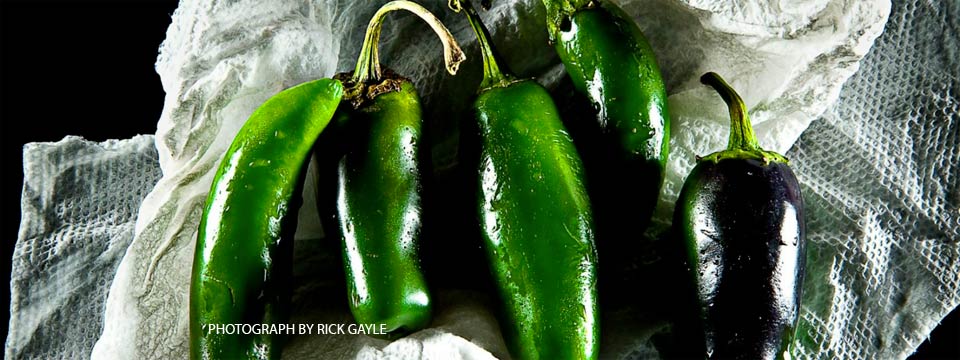
Discussing “Sculpting with Light” with Photographer Rick Gayle
Rick walks us through his lighting thoughts while actually doing a shot. You can hear him discussing the thought process he uses, and you will learn a lot of great little lighting tips and tricks to make your next photograph even better. Rick's Website. Rick's Blog I...
OT Sunday: Bill Evans, Alec Soth and MindMapping
Music. I am a huge Bill Evans fan. Have loved his music from the moment I first heard it. Magical changes, incredible technique, voicings that inspired... and a hot rhythm section that always kept pushing him along. The first time I heard Bill Evans was late one night...
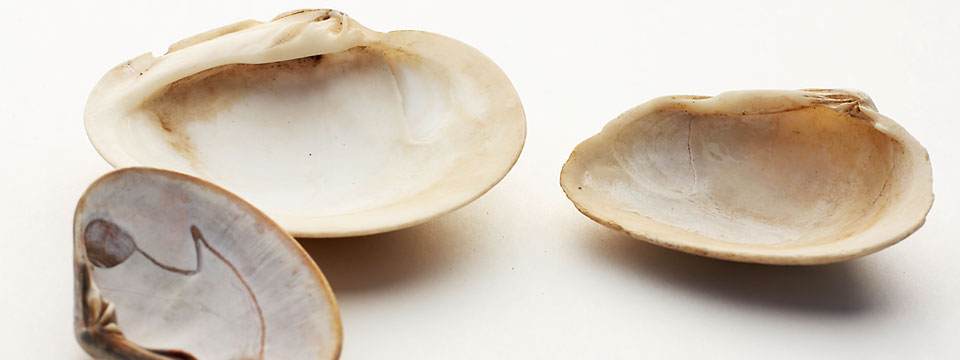
“Sea Shell” Improvisation: 1 Hour Challenge
I often say that photography is "Jazz with a camera." And I say that because I believe it to be absolutely true. A Jazz performer has to know their instrument so well, that it is second nature for them to simply play it. Jazz requires improvisation (and if it doesn't,...

Rick Gayle, Photographer: Phoenix, AZ
I have known Rick for a long, long time. I did not know that he had a blog until this morning. Funny how stuff like that goes around. Rick's blog is full of images and stories and shows a level of creativity that is rare indeed these days. I will contact Rick for a...

Miami and Key Biscayne Workshop in a Month…
I am happy to be working with Mayra and the Fotomiles Group in order to come out to Miami/Key Biscayne for a workshop. This will be a very special, limited participation workshop. Only 10 photographers and me. A full on, learn to light and master the concepts...
Hey, Hot Shot! One of My Favorite Competitions is On Now!
I first encountered Jen Bekman's project the first year it was on. I was knocked out by the level of work and would go and visit the site many times to view the work. Some of it was quite challenging, and I would look at images that were quite out of my 'zone'...
Hey… Where are you going with all that stuff?
Didja ever wonder? You got the gear. You got the lights. You got that shiny new megapixelbeast of a machine. You even have one of those latest doohickeys that everyone is drooling over. You know the one. Yeah... it's sweet. But where are you going with all that stuff?...
CreativeLIVE – Seattle – April 6, 7, 8, – Well, This Will Be Fun!
Thanks to Charles Tibbs for taking the photo. Yeah... that's me lookin' all serious and cold leaning against the back wall of my studio. Fact is, it was a bit chilly that day. Unlike today where it is pushing a bit over 70. But the weather is not the subject here - it...
OT- Sunday, #1: Darkness, Cello Madness and Jazz
Sometimes I have an opportunity to discuss other topics than photography. These times are rare, of course, but they do exist. I thought it may be fun to post some of the other things that are interesting to me on Sunday Mornings. Welcome to Off Topic Sundays, an...