
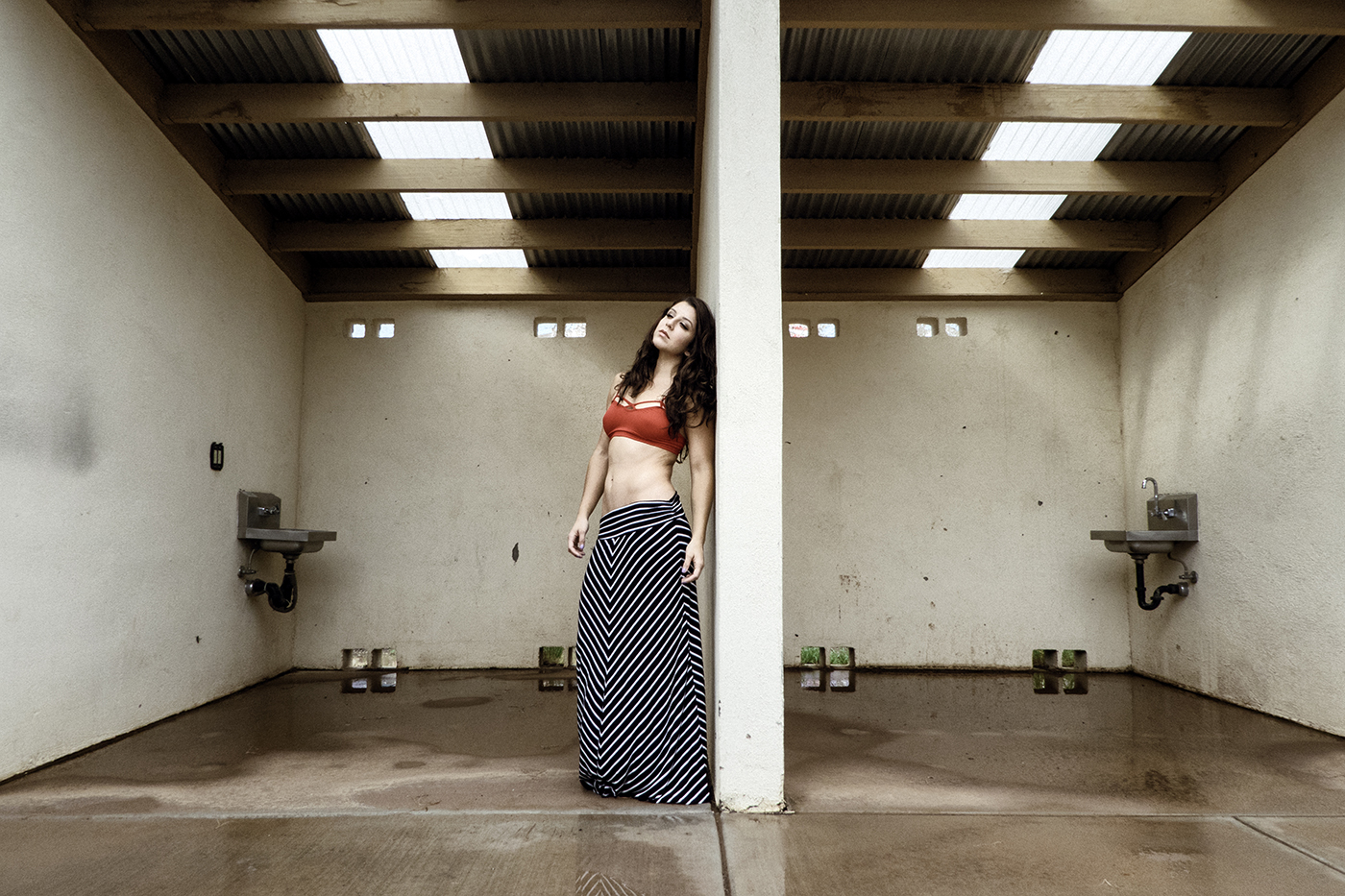
First up, the size of the light source in relation to the size of the subject.
Imagine looking out the window at the front yard and without seeing the sky knowing whether it is sunny or cloudy. We do know, right?
We don’t have to see the sky to know if it is sunny or cloudy, we can tell from the way the light is behaving on the subjects in our yard. The car has a deep shadow below it if it is sunny and very little shadow at all if it is cloudy.
The plants are either casting long shadows or seemingly no shadows. The sun makes everything have a shadow, while the cloud cover acts as a shadow reliever.
We know this because we have observed the world for our whole lives and we understand how light works when it is sunny and when it is cloudy.
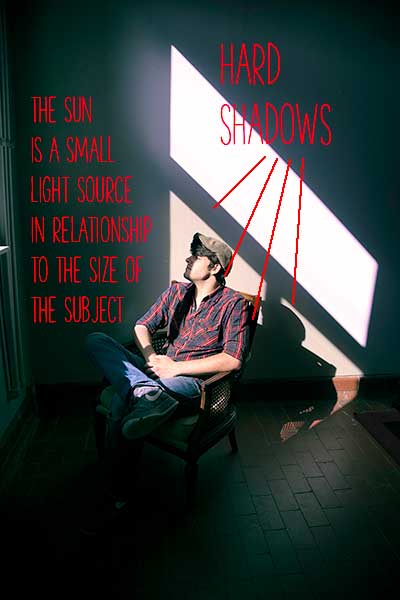
The sun is a tiny light source. (Yes, science nerds it is way huge, but I am talking about from where we look at it.) No more than a coin in the sky.
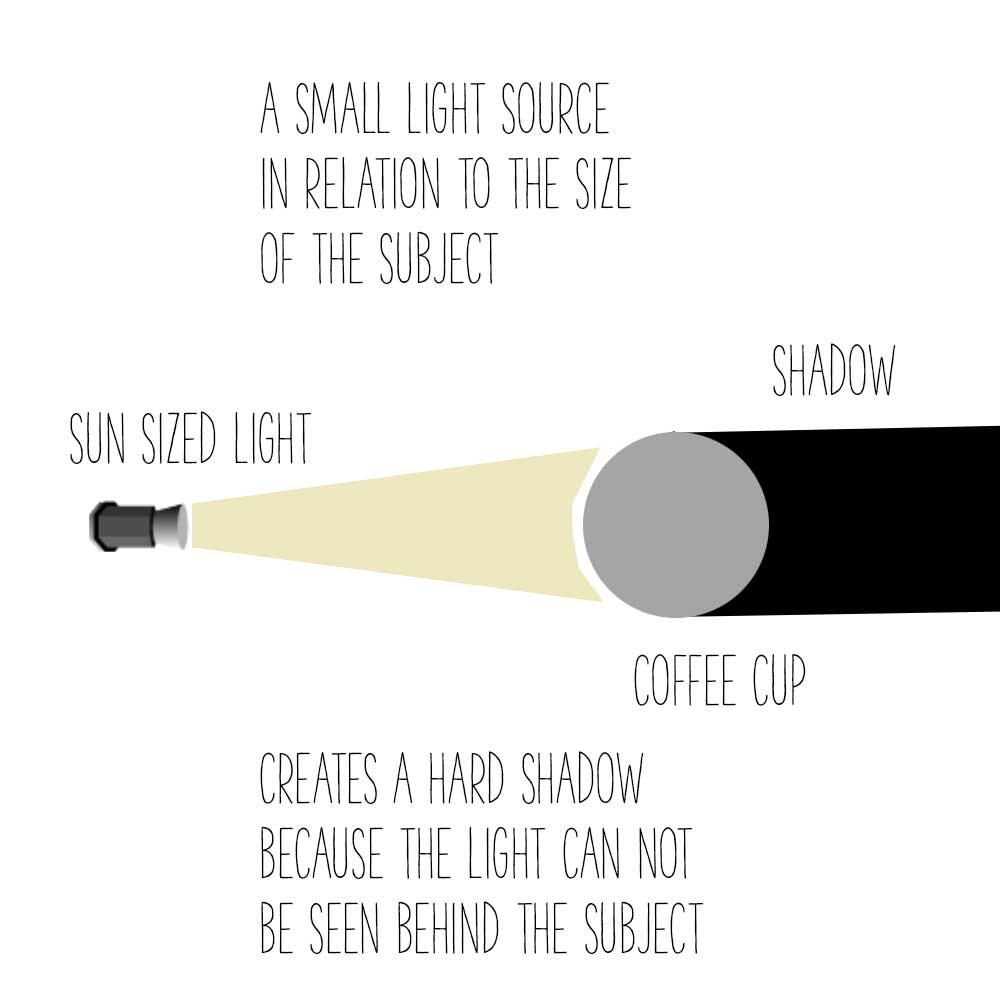
That is a very small light source. And it can be totally blocked out by the smallest of items: a branch, or a rose, or even a butterfly. That means that the light cannot go around the subject and is instead blocked by the subject.
Here is the equivalent of the sun in the studio. A small, unmodified light at a distance from a coffee cup.
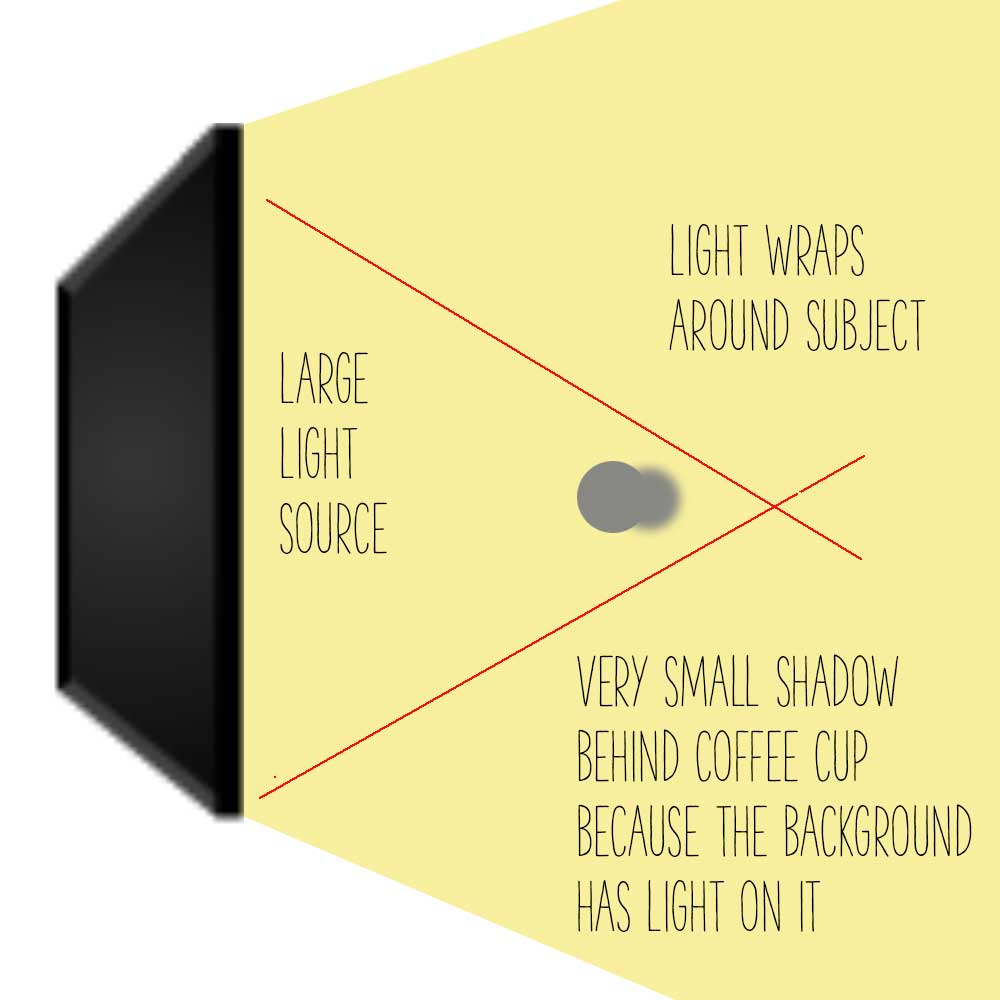
And here is how the shadow falls on a small coffee cup when a very large light is applied. The light wraps around the coffee cup because the light is so much larger than the subject.
That is how the sun works as well.
The sun is the very small light source, and when the clouds come over the land, the sun lights the back of the clouds and they light the earth with no shadows because they go from horizon to horizon. Light is wrapping all around all the subjects it is seen by.
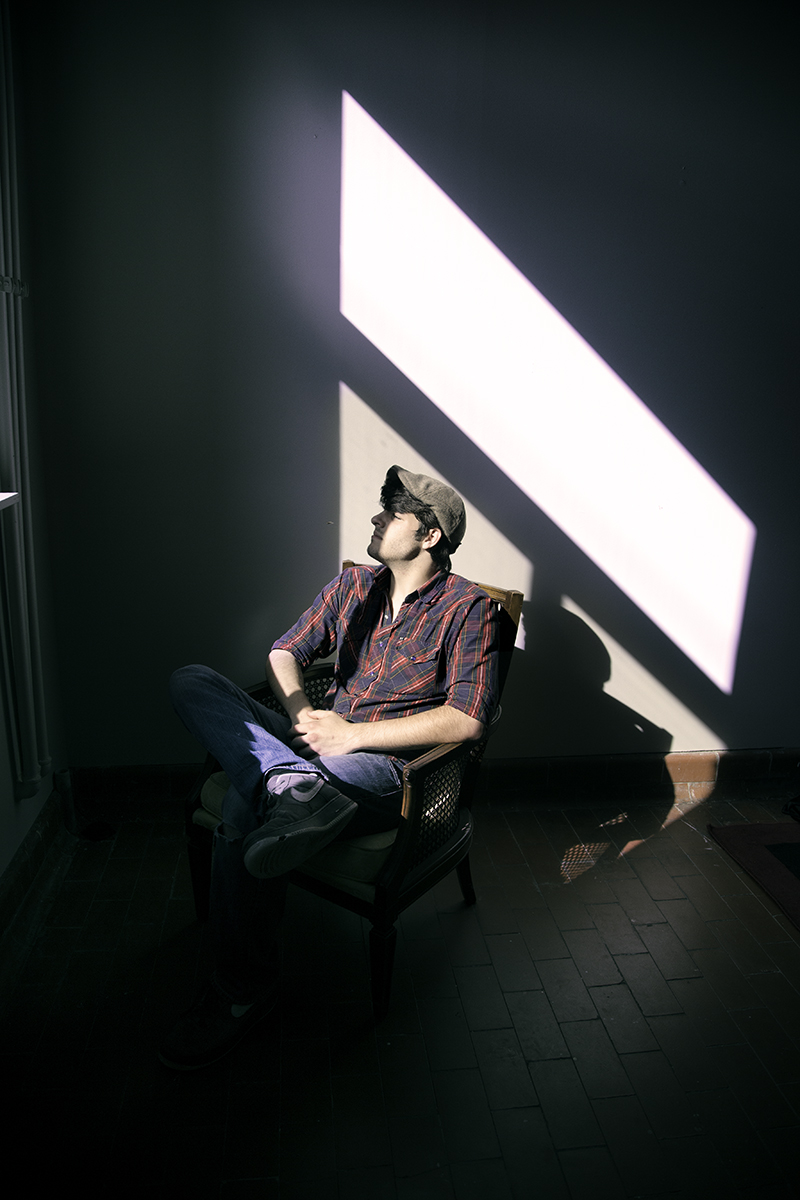
Think of your softbox as a “cloud cover” for your light (the sun) and it makes more sense to you.
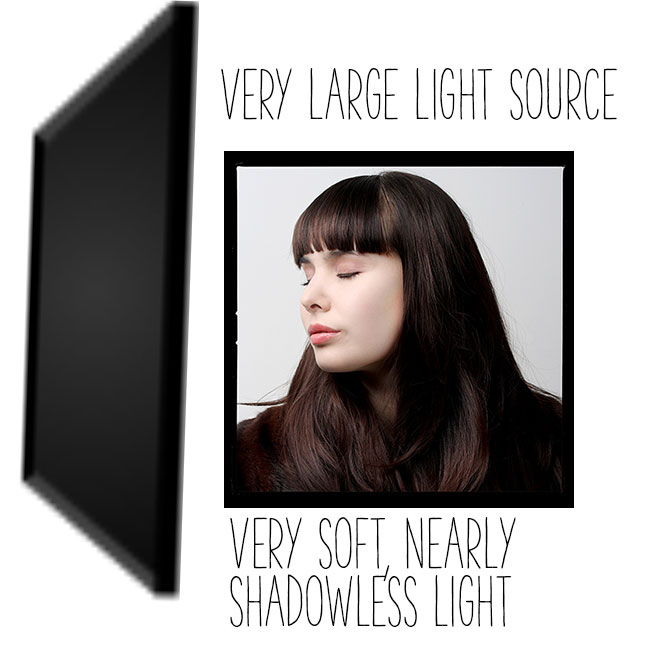
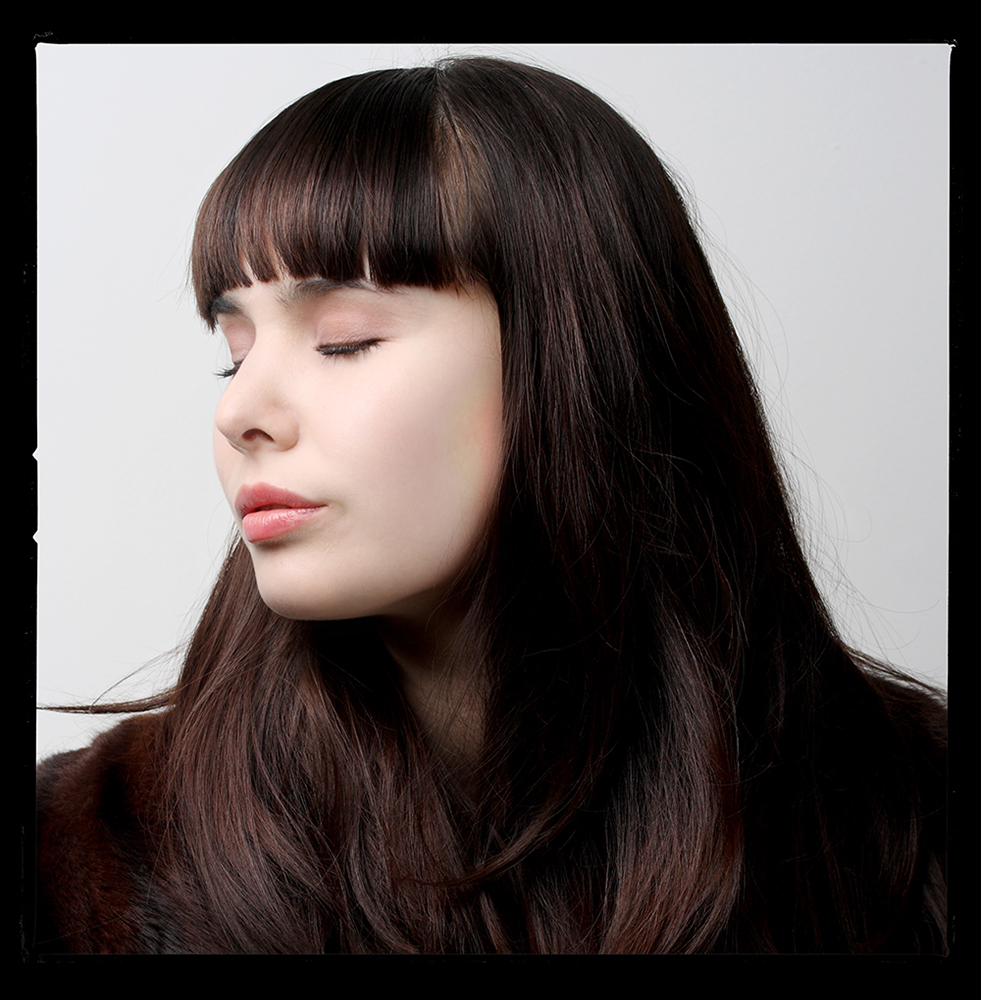
Question: is a 4’x5′ softbox a large softbox or a small softbox?
The answer is compared to what? Other softboxes? Yes.
The subject? Well – that depends. What is the subject?
If the subject is a Hot Air Popcorn Maker, then it is indeed a very large light source.
If our subject is a jetliner, then no – it is not a very big light source at all.
And then… how far will it be from our subject?
Distance makes the perceptual size of the light source diminish as it gets farther away. And it is that perceptual view is the one that matters.
A 20″ light source very close to a 1″ watch is a large light source. A 72″ x 72″ source far away from a 14′ square box is a small light source.
And the light will render that way as well.
LIGHT DOES THE SAME THING EVERY TIME – IT IS THE SUBJECTS THAT CHANGE THE GAME
ASSIGNMENT FOR THIS CLASS:
- Choose a subject less than about 8″ – like a shoe or a water bottle. Light it with a small light source (speedlight) to see how the shadows fall. Then light it with a softbox (24″ or so) in close. Very close.
- Move the softbox 6″ away and take another shot. Then do it again at 6″ intervals until the softbox is 6 feet away. Notice the changes in how the subject responds to the light, and how the shadows get sharper and deeper.
The size of the light source in relationship to the subject is one of the four principles of light.
Protected: 07 NATURAL LIGHT WORKSHOP MODULE SEVEN
Password Protected
To view this protected post, enter the password below:
Protected: 06-NATURAL LIGHT PORTRAITS MODULE SIX
Password Protected
To view this protected post, enter the password below:
Protected: 06: MARKETING AND PROMO: DESIGNING AN EMAIL CAMPAIGN
Password Protected
To view this protected post, enter the password below:
Protected: 05: MARKETING AND PROMO WORKSHOP: EXECUTING A MARKETING STRATEGY
Password Protected
To view this protected post, enter the password below:
Protected: 04: MARKETING AND PROMO WORKSHOP: DESIGN BASICS
Password Protected
To view this protected post, enter the password below:
Protected: 05: NATURAL LIGHT PORTRAITS MODULE FIVE
Password Protected
To view this protected post, enter the password below:
Protected: 04: NATURAL LIGHT PORTRAITS MODULE FOUR
Password Protected
To view this protected post, enter the password below:
Protected: 03: NATURAL LIGHT PORTRAIT CLASS MODULE THREE
Password Protected
To view this protected post, enter the password below:
Protected: 03: MARKETING AND PROMO WORKSHOP: COLOR MOOD AND BRANDING
Password Protected
To view this protected post, enter the password below:
SKIPPING THE LINE TO A CAREER IN PHOTOGRAPHY
SKIPPING THE LINE!PROJECT 52 CAN HELP JUMPSTART YOUR PHOTOGRAPHY CAREERWe hear all the time about how it is wrong to skip the line, that you have to 'pay your dues' and struggle mightily to get started in an art career.And some of that is true.It isn't an...
Protected: 02 NATURAL LIGHT PORTRAIT CLASS MODULE TWO
Password Protected
To view this protected post, enter the password below:
Protected: 02: MARKETING AND PROMO WORKSHOP: WHY TYPOGRAPHY MATTERS
Password Protected
To view this protected post, enter the password below:
01: NATURAL LIGHT PORTRAIT CLASS MODULE ONE
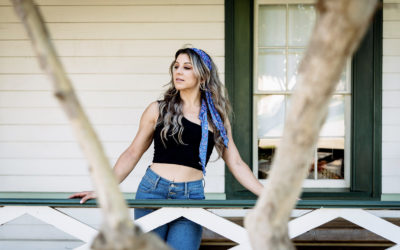
NATURAL LIGHT PORTRAIT CLASS MODULE ONE One of the most popular and easiest ways to make natural light portraits is to simply use an open sky. Usually, that means working in the shade, or with some sort of backlight. But it should be noted that shade alone is not...

Protected: 01: MARKETING AND PROMO WORKSHOP: WHY DESIGN MATTERS
Password Protected
To view this protected post, enter the password below:
A STUDY IN MINIATURE (2019 SUMMER SCHOOL)
HOW I MAKE THE MINI ME IMAGES BY TAMMY BOGESTRAND The start is usually simply an image or idea that forms in my twisted brain. I should really sketch my ideas, but I never do. I do these totally alone and I don’t have a green screen. Shooting in full sun is never...
TEN SUPER-GOOD PHOTOSHOP, LIGHTROOM, AND NIK TUTORIALS
LEARN TO USE THIS AMAZING SOFTWARE: 10 GREAT VIDEOS: PHOTOSHOP: 4 HOURS: LOTS OF INFO FOR BEGINNER/INTERMEDIATE https://www.youtube.com/watch?v=b-0HekkbdJM WHAT IS NEW IN CC 2019 https://www.youtube.com/watch?v=27RMFuzRvlA ADOBE TRAINING...
Shooting Flying Food (2019 SUMMER SCHOOL)
GET THE PDF OF VIRGINIA'S TUTORIAL HERE.Flying Food BTS (PDF)
A Personal Branding Lifestyle Portrait of a Musician (2019 Summer School)
Personal branding lifestyle shoot for a musician - the complete process from start to finish by Alex Baker, Spain I was asked recently by a friend and long standing client to collaborate on creating a series of curated lifestyle images for her personal brand. She is a...
Module One From Upcoming Free Food Course (2019 SUMMER SCHOOL)
https://www.youtube.com/watch?v=oH9XAKrGMIcFEATURING IMAGES BY THESE PROJECT 52 PRO PHOTOGRAPHERS:ANDERS ERIKSSONCOTY MONTROYJAMES KERNJOHN MCALLISTER
THE LOOK OF COLOR NEGATIVE FILM (C41)
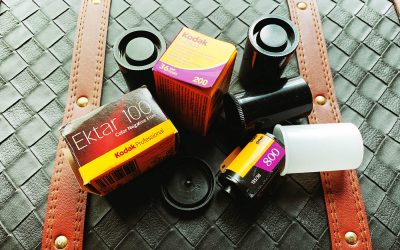
THE VARIOUS COLOR NEGATIVE FILMS AND WHAT THEY LOOK LIKEThese are emulations*, not scans, so they may not be perfect but are very close to the film stock and normal processing.This sample of film stock was taken from the Amazon inventory. These are the films you can...
Learning to Work with Natural Light (2019 SUMMER SCHOOL)
Learning to work with natural lightVirginia LongWhen I first started my photographic adventure with Project 52 I knew nothing about light, the importance of light, or the ways to manipulate it. I didn’t even know you should or could manipulate light. I...
Tech Sheets for Lighting (2019 SUMMER SCHOOL)
SUMMER SCHOOL 2019 CLASS TWO While putting the Lighting Book together (free for subscribers to "In The Frame") I found some tech sheets and thought I may share them here. Some of these techniques are of an older style, but the information is spot on and...
ON THE IMPORTANCE OF COLOR
A compilation of links to Youtube authors explaining the use of color in the cinema.These concepts are also important in the stil photography environment. Being deliberate about your color choices in location, wardrobe, lighting, and composition can...
LIGHTING BOOK (A COMPILATION OF LE TUTORIALS) FOR SUBSCRIBERS
YOURS FREE WHEN YOU SUBSCRIBE Lot's of lighting tutorials with charts, graphics, ideas, examples, and deconstructed images to help you find your own vision using lighting. Yours free when you subscribe to "In The Frame". Also included is the introductory course in...