
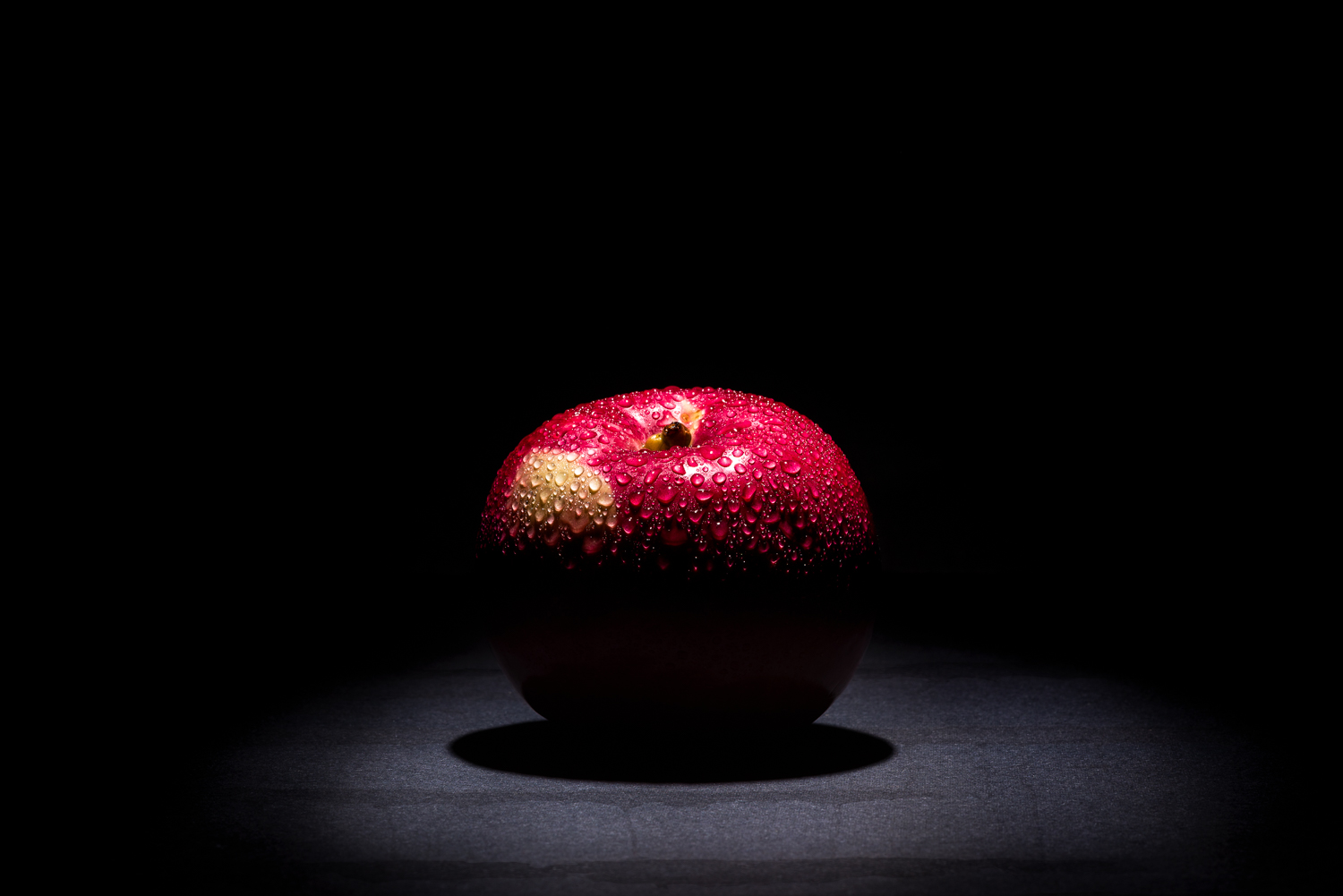
Subject Centric Lighting: The Five Areas of Light Presentation
Cover image by Project 52 student, Gabriel Alvarez.
When the lighting choices we have made are used, the light is ‘presented’ back to the camera in expected, and controlled ways. There are five parts of the light presentation, and we use them in every image we make.
True Subject Value:
What the subject looks like when not in specular or shadow, this is the area that shows us the color of the subject as well.
Specular:
The exact or absolute reflection of the light source.
Specular Transition:
The point where the specular reflection transitions to the true subject value
Shadow Transition:
The transition between True Subject Value and Shadow
Shadow:
The places on the image that are not lit, the opposite side of the light source.
These areas of light are found in nearly every subject. By understanding what they do, and how they are controlled, we can understand much more about the light that is used to present these areas in the ways we want to show them.
In other words, knowing what causes a shadow transition, how to present true value, and how to control a specular highlight means we have control over our lighting and we can create the looks we want. Whenever we want.
Photographers and artists use these representations of light to show texture, shape, dimension, color, clarity and mood. Illustrators use highlight and shadow in their work to create their own light. And they use the same tools to light their drawings, although quite imaginary, as photographers do.
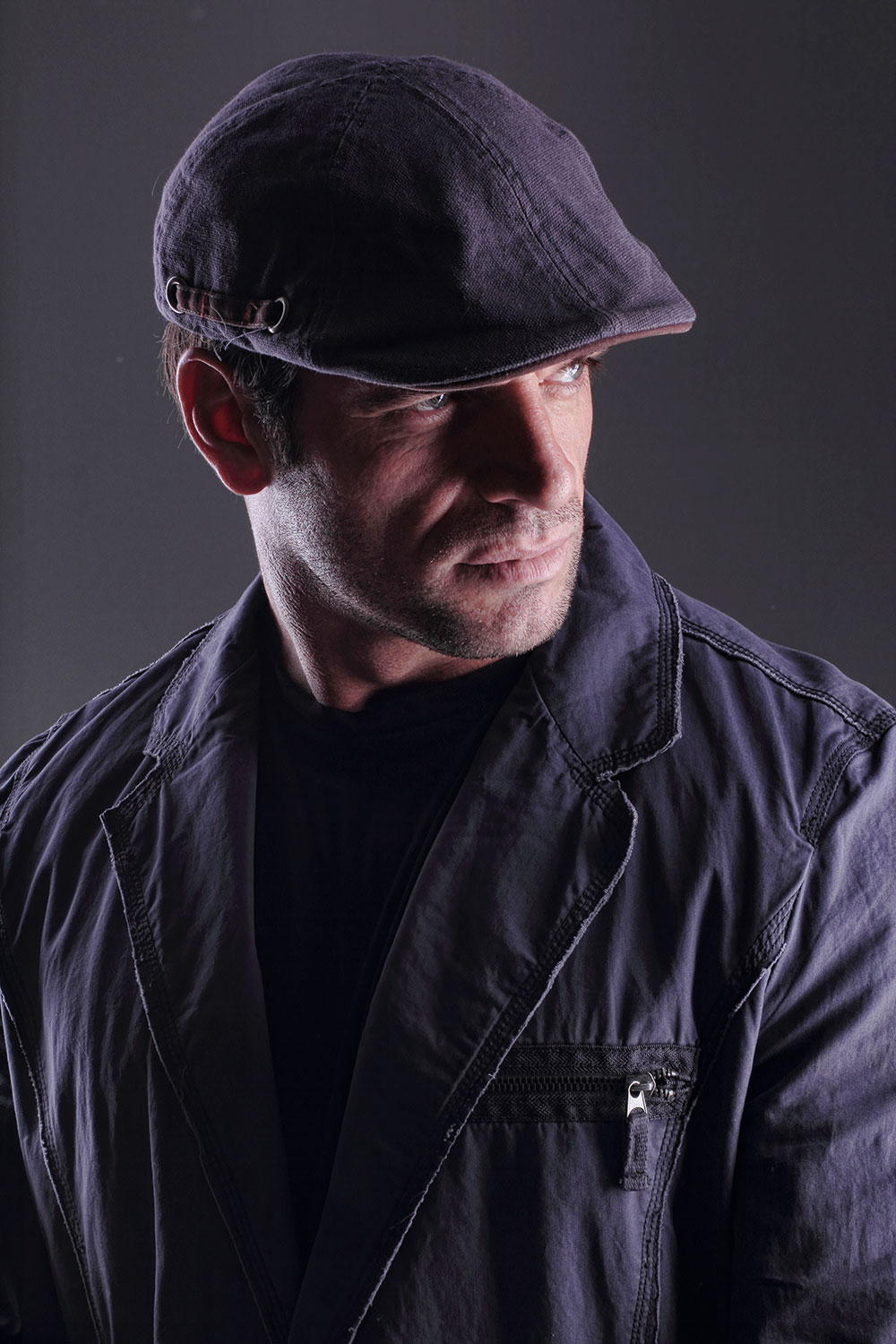
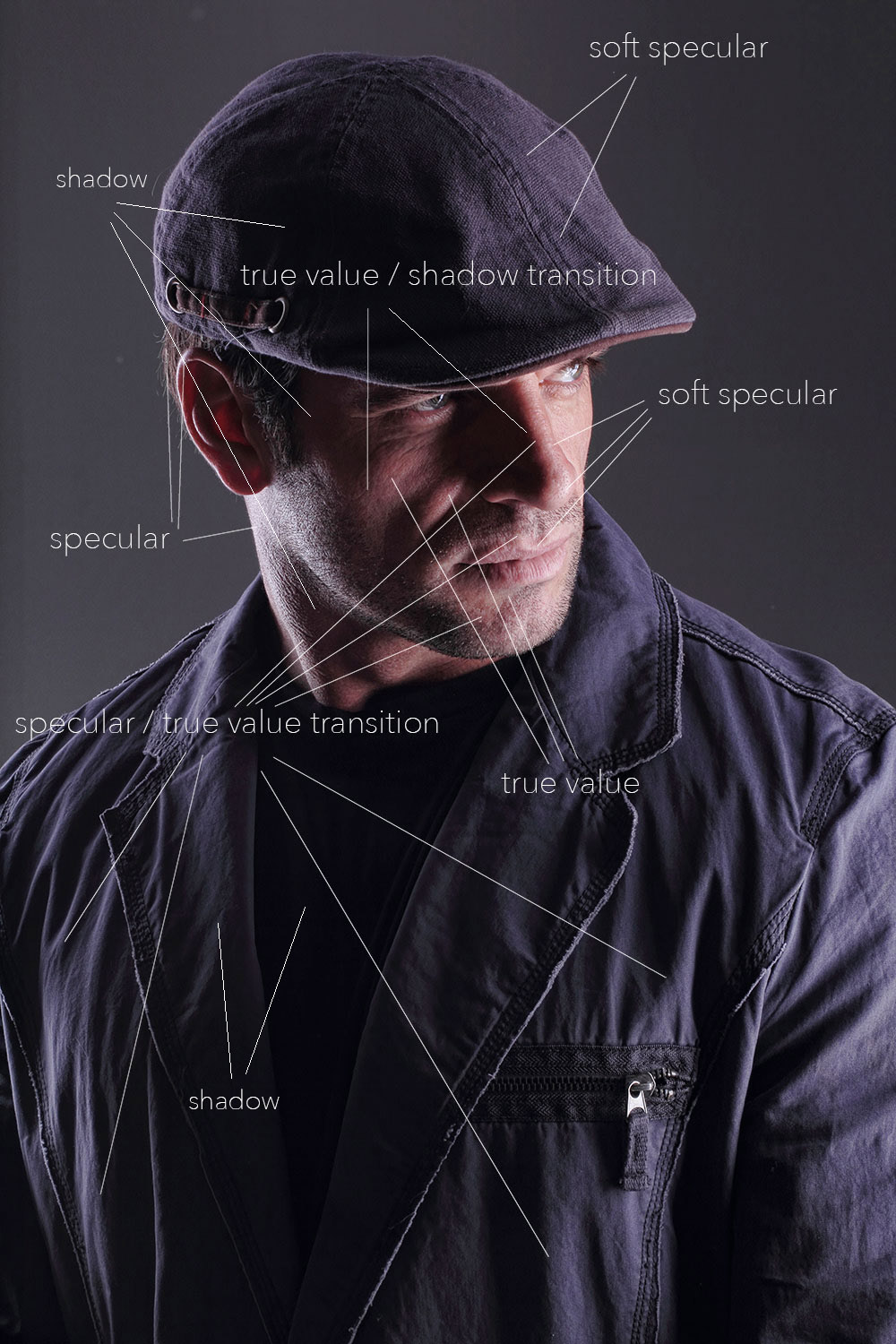
We can see all the presentations of light in this image of Inaudia.
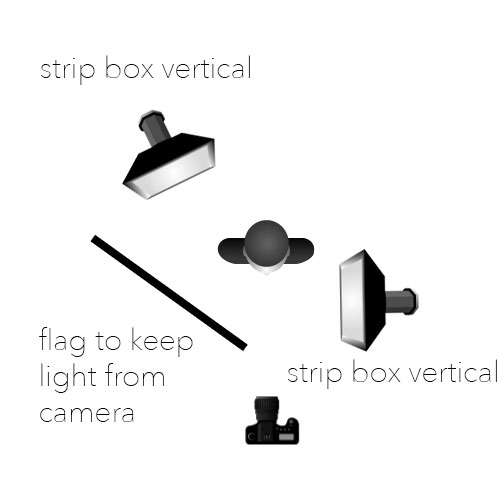
Lit with two strip lights (one on each side), the one on camera left is behind Inaudia and aimed forward just bit. The one on the right is slightly in front of him, and angled at an oblique angle.
This renders two different kinds of specular presentations, the absolute one on his neck and left side, and the softer one on the right side.
All of the transitions are there, and these transitions are what we see when we are determining soft light from hard light. A fast transition is a hard light, where a softer transition – as in the picture below – is a softer light. We would call this image a hard light image because of the fast fall off in the transitions between highlight and true value, and true value and shadow.
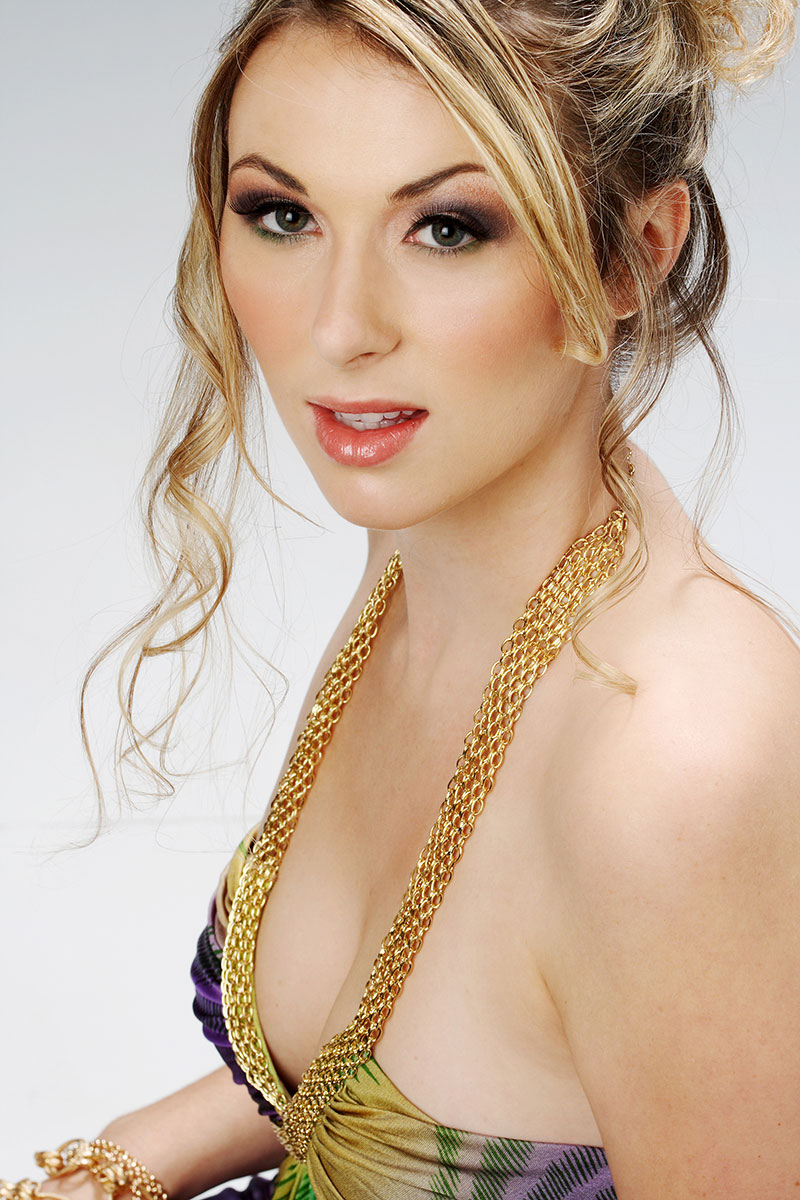
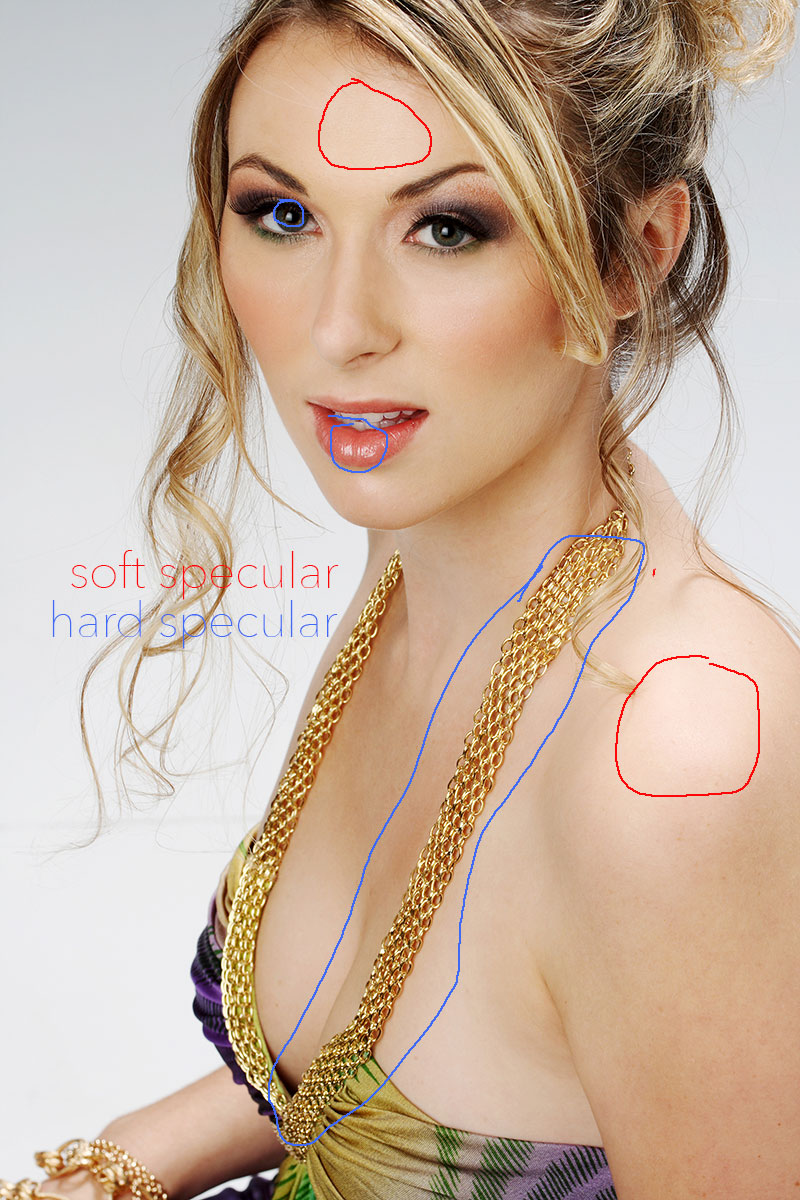
This image shows a lot of true value skin tone. One of the reasons is that the model is not shiny (wet) or perspiring to cause a shinier surface. Powder is used to intensify the diffuse skin (true value) so the speculars (in red) are presented softly. The blue speculars, however, are presented with very sharp transitions. Note that the specular on the shiny lips is absolute, with no soft transition. The gold jewelry on the dress shows as highlight/black because the reflection of the light source from the shiny metal is absolute.
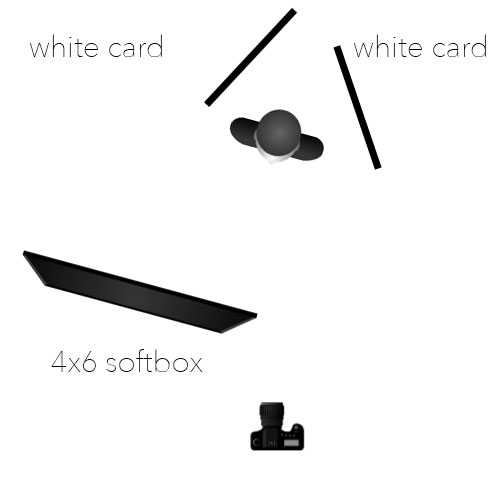
Lighting: Very large softbox directly in front of the model, and back 5 feet. White cards are positioned on either side of her, but pulled back to a point where they will not reflect in her eyes.
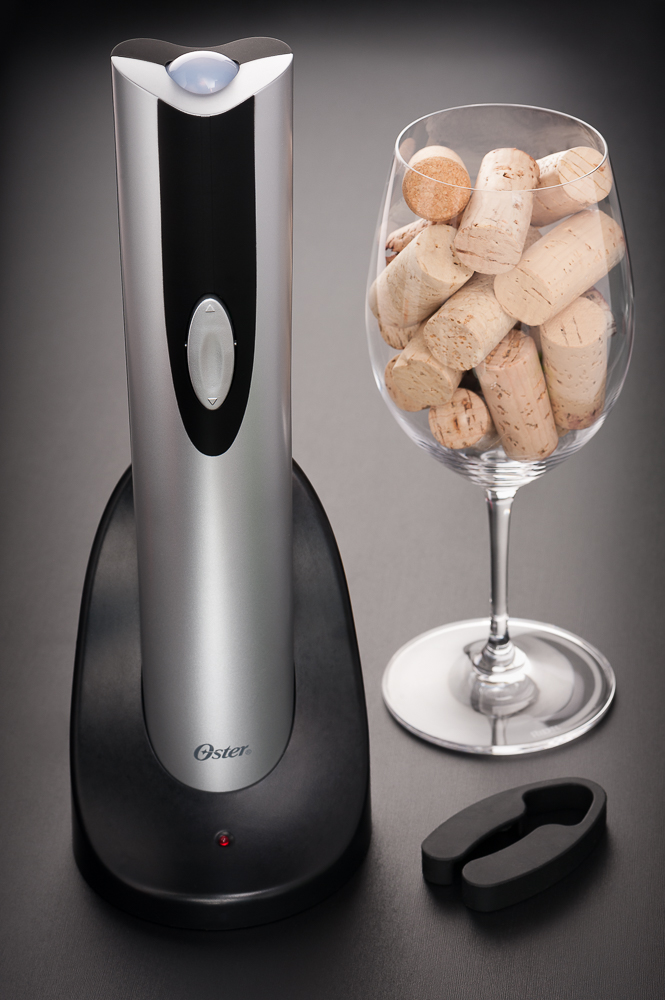
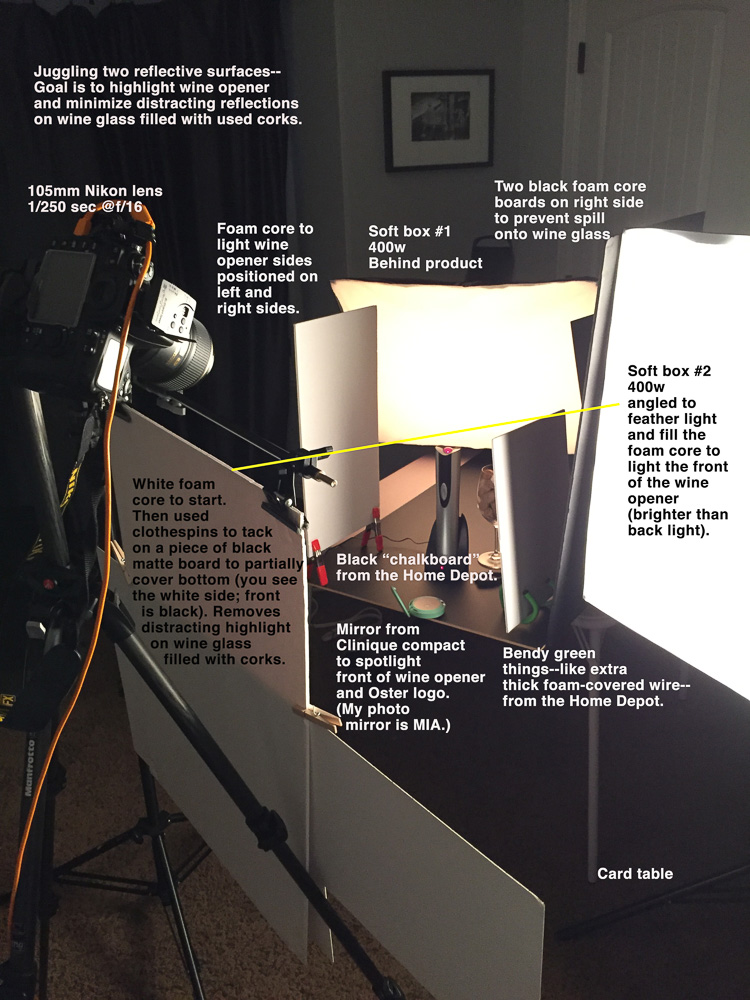
Photographer Anne Stephenson shows how to control the specular, true value, shadow and transitions in this seemingly simple table top product shot. As you can see, nothing done well is simple. Every kind of surface is in this shot.
Let’s start to put all of this together now.
Interview: Jason Scott Montoya: Path of the Freelancer
I had the pleasure of interviewing Jason Scott Montoya about his upcoming book, Path of the Freelancer. The book is a deep dive into the world of freelancing. The book is available for pre-order now at Amazon. Path of the Freelancer is available in soft cover at this...

Protected: FPCN Webinar, February 25, 2017
Password Protected
To view this protected post, enter the password below:

Personal Sports Equipment: Five Examples of Lighting
The assignment was to shoot personal sports equipment (non-team sports). The photographers gave us some very nice shots, and the ways they came up with them really rock. Rainie Mills gave us a workout box with an example of its use. The key element in her image was to...
Protected: FPCN Webinar, February 18, 2017
Password Protected
To view this protected post, enter the password below:
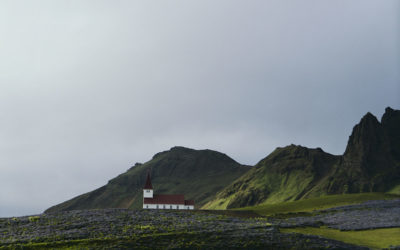
07: Assignment Seven: An Architectural Photo of a Church
The client wants to see something special for his new PR work for a local church. The image should not have any cars in the parking lot and light MUST be on the front of the church. The client is suggesting a very early morning shot (or sunset if the light is better...
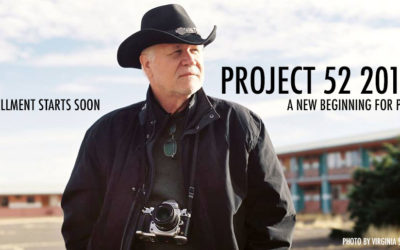
PROJECT 52 2017: A NEW BEGINNING
PROJECT 52 HAS BEEN A LAUNCHPAD FOR HUNDREDS OF PHOTOGRAPHERS OVER THE PAST 5 YEARS. THE TRADITION CONTINUES WITH A REBOOT. ENROLLMENT STARTS SOON. SIGNUP HERE FOR NOTIFICATION.
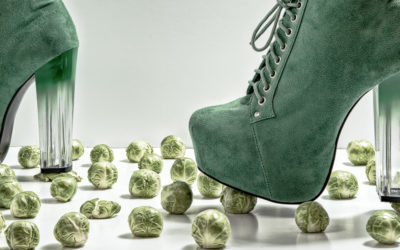
SPROUTS!!! Love ’em or hate ’em?
The assignment was to shoot Brussel's Sprouts. Anyway you want. Some people do not like Brussel's Sprouts, and some people love Brussel's Sprouts. Couldn't find anyone who was ambivalent to them. Either love 'em or hate 'em. The image above is by Karen Green who...

Behind the Image: Nicole Fernley
Nicole shot these images for the Still Life Class. The idea was to shoot a portrait and a landscape of the same image to see how the subject matter changes in the POV of the camera. She wanted a very soft, natural feel to the light. The photo at the top shows the...
Protected: FPCN Webinar; February 11, 2017
Password Protected
To view this protected post, enter the password below:

06: Assignment Six; A glass of wine on location
This shot cannot be done in a studio, the client would prefer it be done on location. Snow is good. Desert is good. Trees are good. It's all good because their tagline is "It's Always a Good Time for a Good Wine" (Please drink responsibly means probably not while...
05: Assignment Five: Industrial Magazine Cover
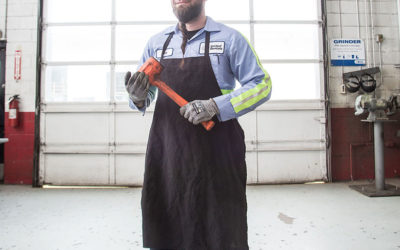
This is a fun assignment. An art director needs a cover shot for an industrial trade magazine. Which industry? Whichever industry you choose – but it is industrial. Mechanical… build stuff! The gig can be one of three approaches. People: This shot would be a worker,...
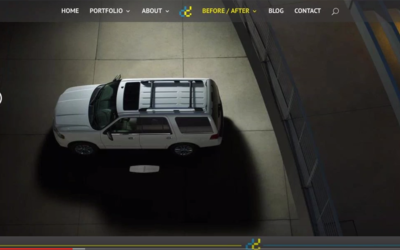
Protected: FPCN WEBINAR: JANUARY 28, 2017
Password Protected
To view this protected post, enter the password below:
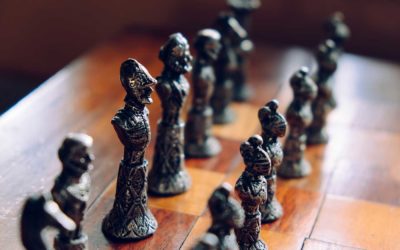
04: Assignment Four: The Game of Chess
CHESS as a Business Strategy We read about chess masters. There are movies made about chess and those who play. An esoteric, and definitively challenging game of wits and skill. Like business. Your assignment this week comes from a business magazine (Forbes, The...
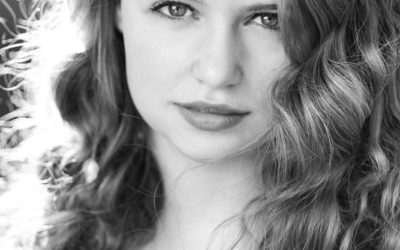
10 Black and White Portraits That Look Like Film
From some of the students in the 8 Week Black and White Class comes this selection of ten images that really look like film and paper. The assignment was to make sure the image was designed to look as though it was shot as a black and white, not simply a converted...
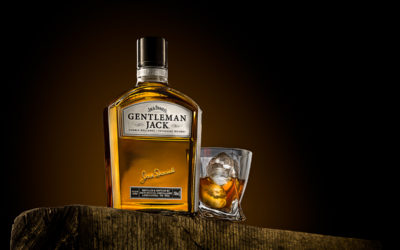
Daily Critique / Image Review: 1-17-17
This is an ongoing feature of Lighting Essentials, a Place for Photographers. We will be looking at images on a consistent basis. The images will all be work from my 8 Week Workshops or Project 52 Pros. These critiques will be short, but very informative and full of...
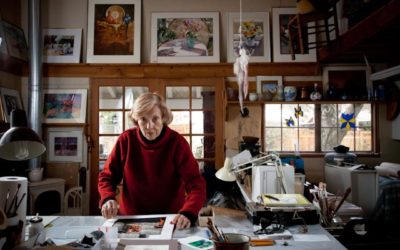
03: Assignment Three; Environmental Portrait
OK… time to shine. This must be a photograph in which the subject inhabits about 25% of the image. There is not much specifics to this assignment. After the difficult magazine assignment shoot, it is time to relax and make something fun. Here is a Google page of...
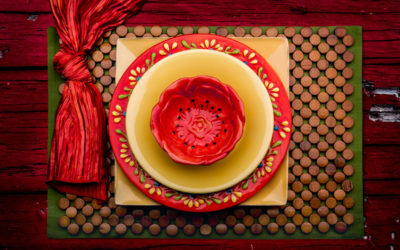
Daily Critique / Review
This is an ongoing feature of Lighting Essentials, a Place for Photographers. We will be looking at images on a consistent basis. The images will all be work from my 8 Week Workshops or Project 52 Pros. These critiques will be short, but very informative and full of...

Behind the Image: John Mcallister
This is a new feature on Lighting Essentials. We take a look at images and how they were made. We will be doing these posts as often as possible, and if you follow along you will get a heavy dose of instruction in lighting, composition, and the finesse of solving...

02: Assignment Two: The Incredible Egg
"THE INCREDIBLE EDIBLE EGG" Yeah... it is a popular headline, but that is what the client wants. The Design Company is located out of your area, but wants you to shoot this because you have been consistently marketing to them with great work. A local restaurant supply...
Daily Video 1
https://www.youtube.com/watch?v=4qgZiWveuBc
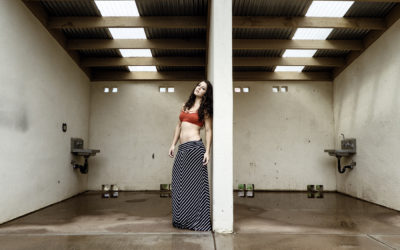
01: Lighting Class: Light Principle One: The Size of the Light Source
Let's look at light and the four principles of how light works. First up, the size of the light source in relation to the size of the subject. Imagine looking out the window at the front yard and without seeing the sky knowing whether it is sunny or cloudy. We do...

Assignment 1, P52 LE Edition, Portraits for Newspaper
Assignment Number One: Brief: A local newspaper has annexed an adjoining town when its newspaper folded up shop. The in-house creative at the paper wants to make a splash in the area by featuring some of its residents exclaiming happiness and joy that they can now get...
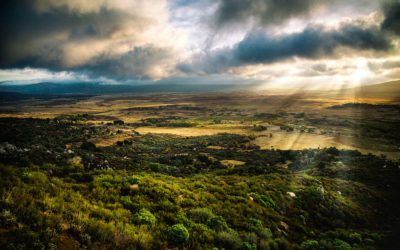
02: Lighting Class: Light Principle Two: The Distance of the Light Source
DISTANCE OF THE LIGHT SOURCE FROM THE SUBJECT The second principle of light is the distance of the light source from the subject. One thing for sure, if it is artificial light, the distance of the light source from the subject can change the size relationship, but...
03: Lighting Class: Lighting Principle Three: The Color of Light
LIGHTING PRINCIPLE THREE: THE COLOR OF LIGHT We see light usually as a white source, or at least a neutral source. It isn't. neutral, it has a color to it and that color can influence all the parts of your image, from shadows to highlights. We don't see the color of...