
Subject Centric Lighting: The Five Areas of Light Presentation
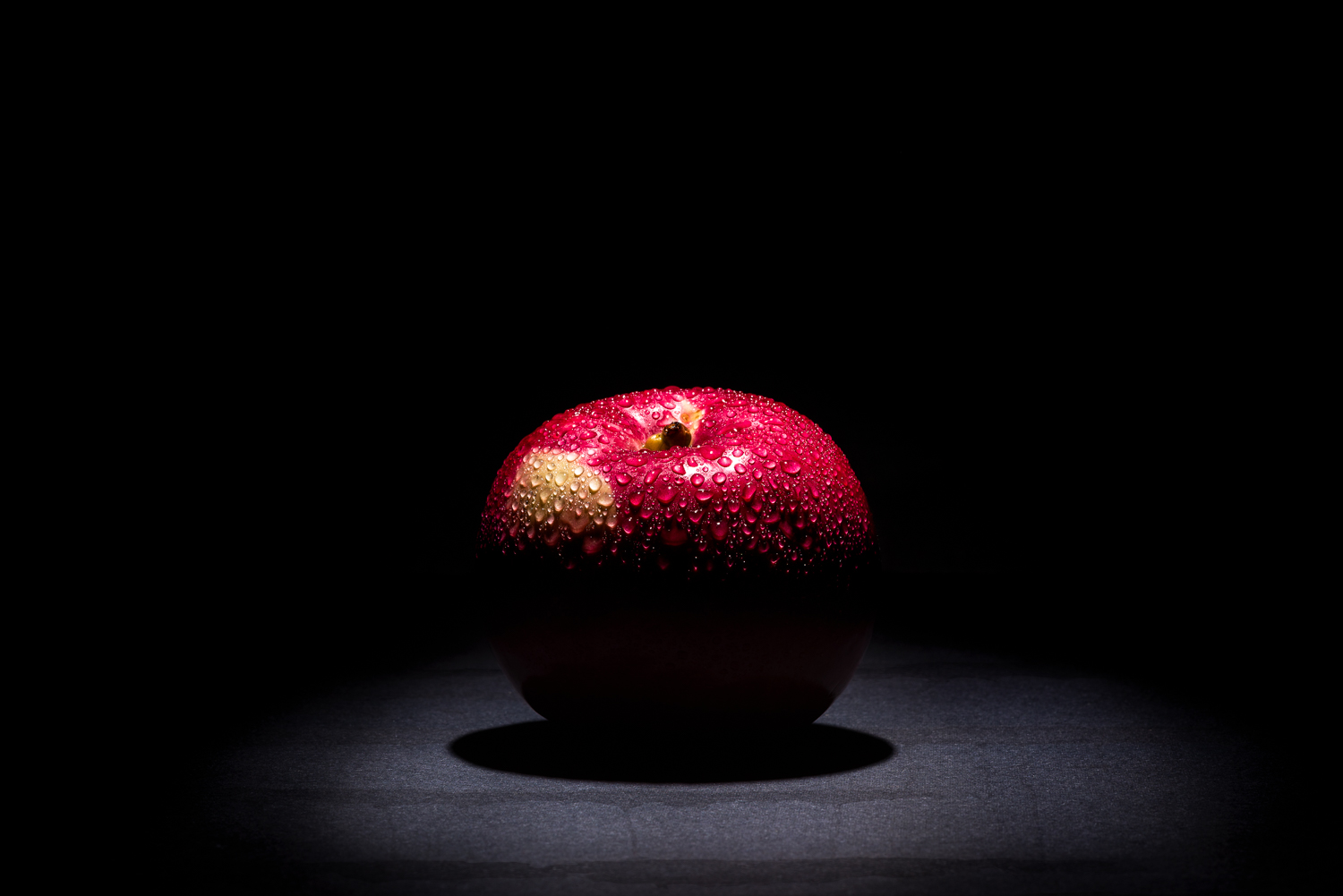
Cover image by Project 52 student, Gabriel Alvarez.
When the lighting choices we have made are used, the light is ‘presented’ back to the camera in expected, and controlled ways. There are five parts of the light presentation, and we use them in every image we make.
True Subject Value:
What the subject looks like when not in specular or shadow, this is the area that shows us the color of the subject as well.
Specular:
The exact or absolute reflection of the light source.
Specular Transition:
The point where the specular reflection transitions to the true subject value
Shadow Transition:
The transition between True Subject Value and Shadow
Shadow:
The places on the image that are not lit, the opposite side of the light source.
These areas of light are found in nearly every subject. By understanding what they do, and how they are controlled, we can understand much more about the light that is used to present these areas in the ways we want to show them.
In other words, knowing what causes a shadow transition, how to present true value, and how to control a specular highlight means we have control over our lighting and we can create the looks we want. Whenever we want.
Photographers and artists use these representations of light to show texture, shape, dimension, color, clarity and mood. Illustrators use highlight and shadow in their work to create their own light. And they use the same tools to light their drawings, although quite imaginary, as photographers do.
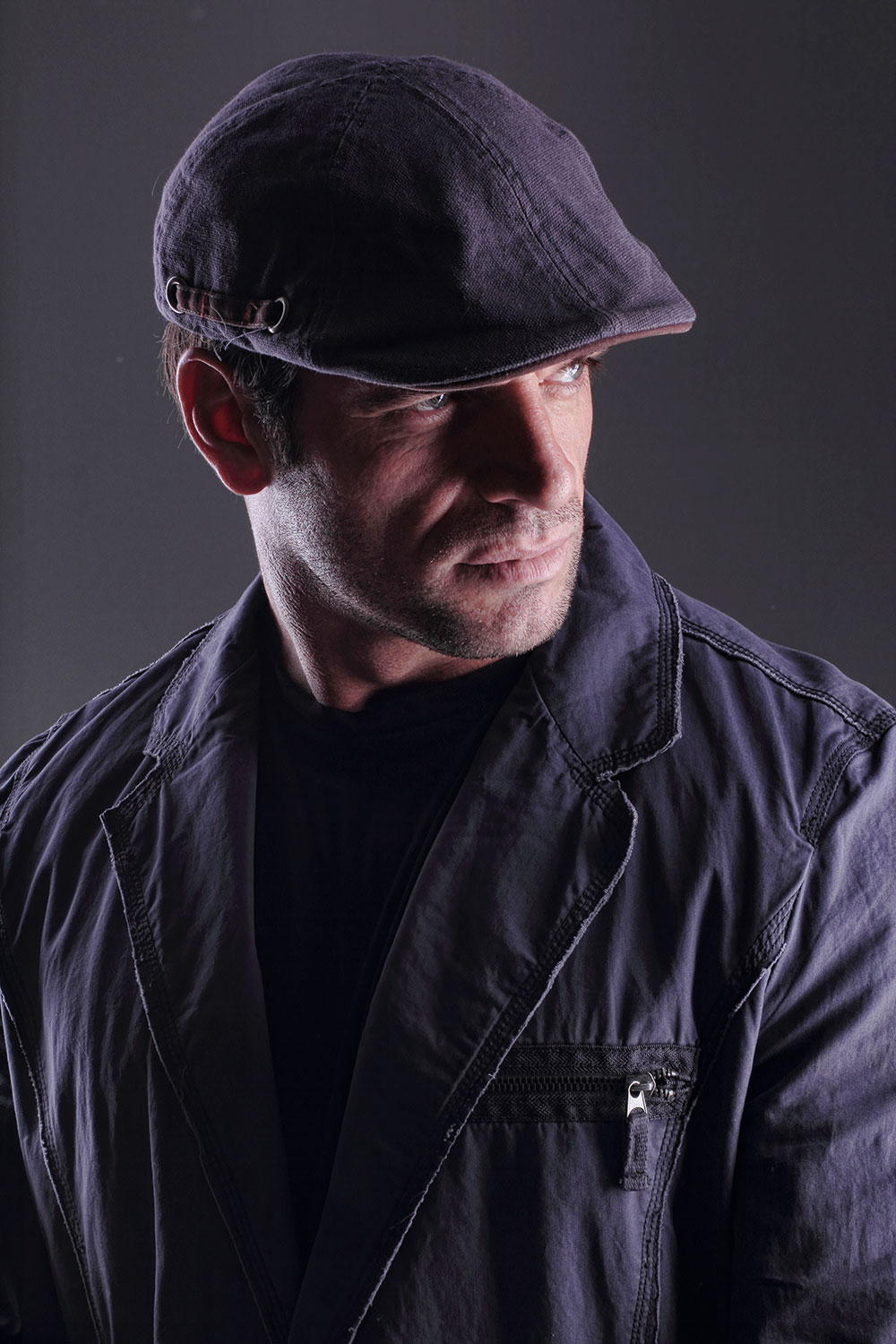
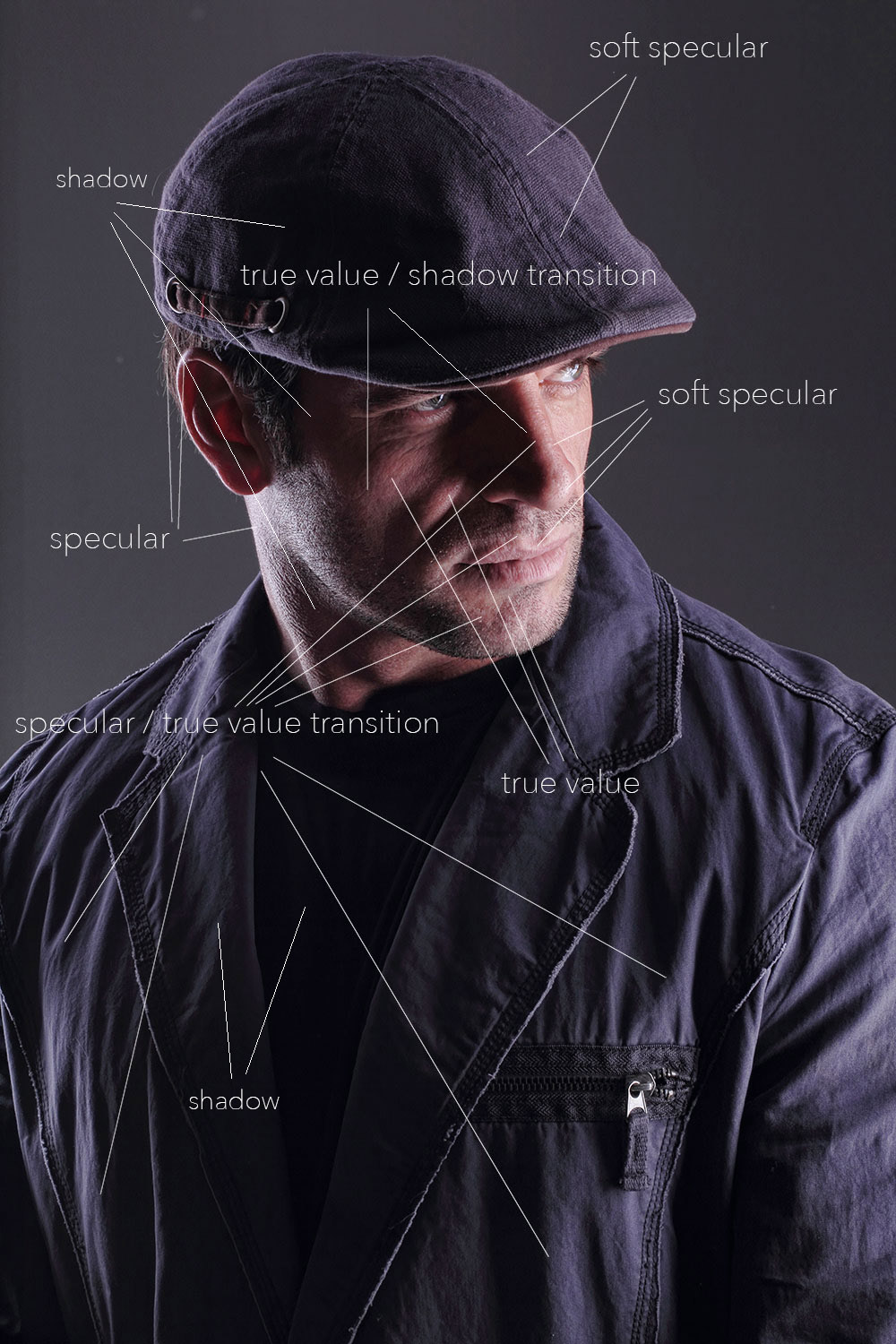
We can see all the presentations of light in this image of Inaudia.
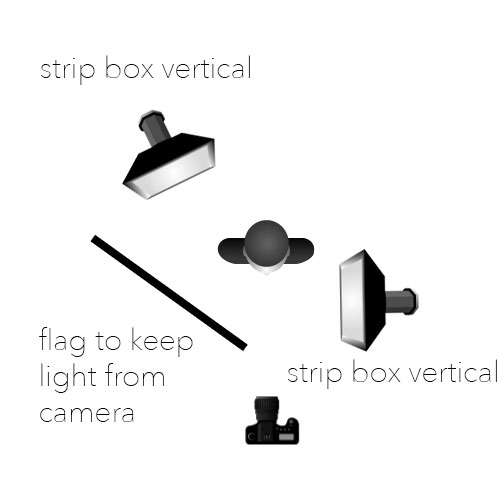
Lit with two strip lights (one on each side), the one on camera left is behind Inaudia and aimed forward just bit. The one on the right is slightly in front of him, and angled at an oblique angle.
This renders two different kinds of specular presentations, the absolute one on his neck and left side, and the softer one on the right side.
All of the transitions are there, and these transitions are what we see when we are determining soft light from hard light. A fast transition is a hard light, where a softer transition – as in the picture below – is a softer light. We would call this image a hard light image because of the fast fall off in the transitions between highlight and true value, and true value and shadow.
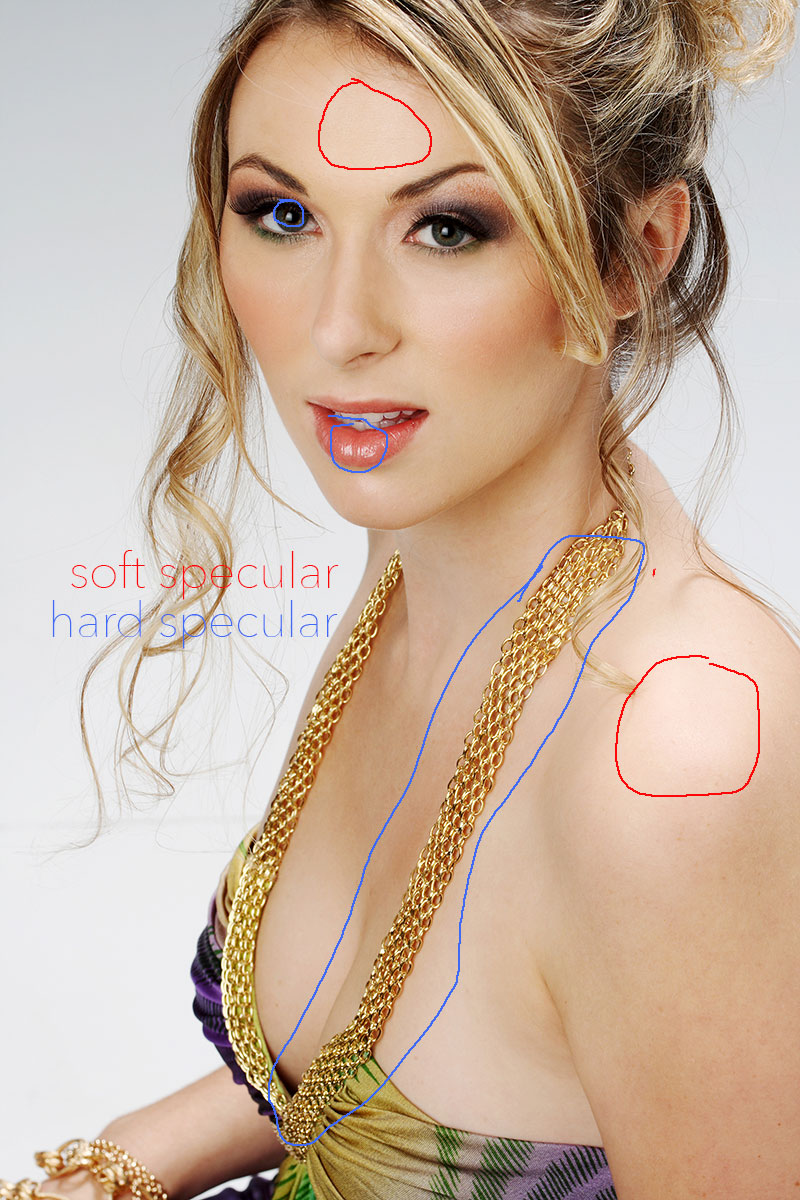
This image shows a lot of true value skin tone. One of the reasons is that the model is not shiny (wet) or perspiring to cause a shinier surface. Powder is used to intensify the diffuse skin (true value) so the speculars (in red) are presented softly. The blue speculars, however, are presented with very sharp transitions. Note that the specular on the shiny lips is absolute, with no soft transition. The gold jewelry on the dress shows as highlight/black because the reflection of the light source from the shiny metal is absolute.
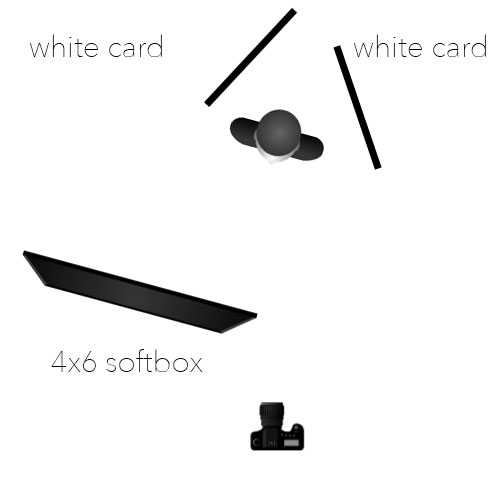
Lighting: Very large softbox directly in front of the model, and back 5 feet. White cards are positioned on either side of her, but pulled back to a point where they will not reflect in her eyes.


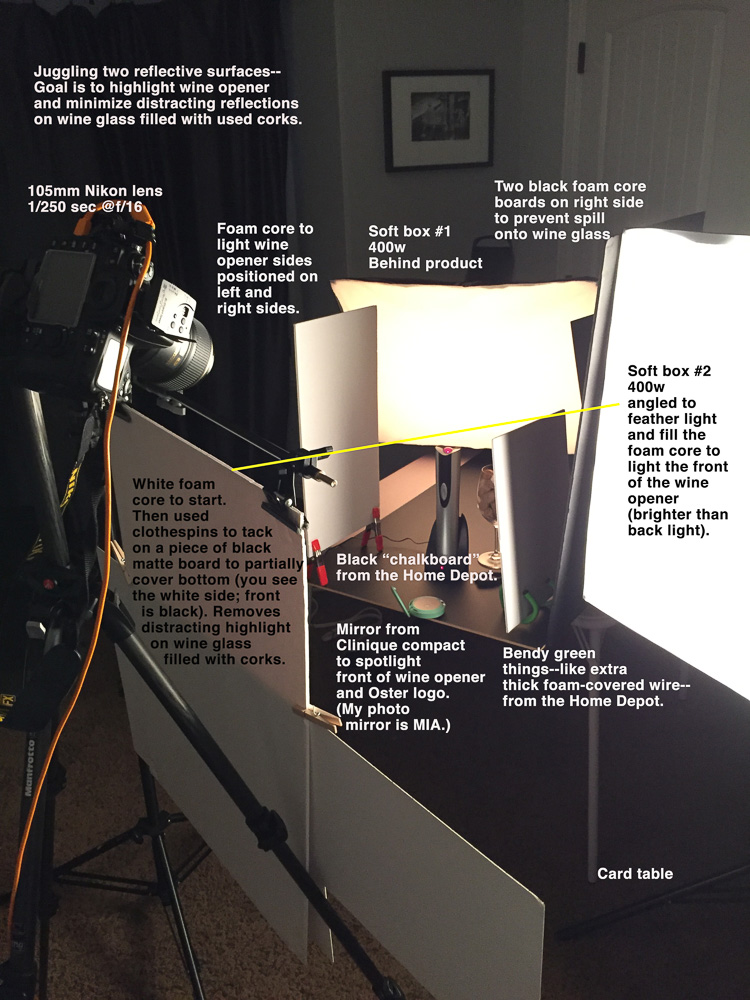
Photographer Anne Stephenson shows how to control the specular, true value, shadow and transitions in this seemingly simple table top product shot. As you can see, nothing done well is simple. Every kind of surface is in this shot.
Let’s start to put all of this together now.
The Olympian Image Dust Up… Are There Lessons?
Over the weekend a 'controversy' began with a small firestorm of criticism of the images of American Athletes taken at a "media event" in Dallas. The images show cut off limbs, torn background papers, shooting off the sweep, terrible lighting and a longer list of...
Hectic Weeks, Good Friends, and New Books
It has now been a full week since I did the creativeLIVE workshop on introduction to product and still life. It was so long in the making, and then it was there. Done. The weekend before I left for Seattle, I had a huge list of things that were to be done for the...

Product and Still Life Workshop – FREE at creativeLIVE
I am making my second appearance at creativeLIVE this coming weekend. And it will prove to be something totally different than what creativeLIVE normally does. We are going to be tackling the still life and product realms. And I have a few goals and plans for this...

Commlite Enters the Trigger Market with Some Cool Features
NOTE: These triggers were sent to me to test. My TOS is clear. I do not review items that are not interesting or do not live up to my standards. If I don't like something, I do no write about it. I like these triggers. Commlite is a company based in China, I believe,...
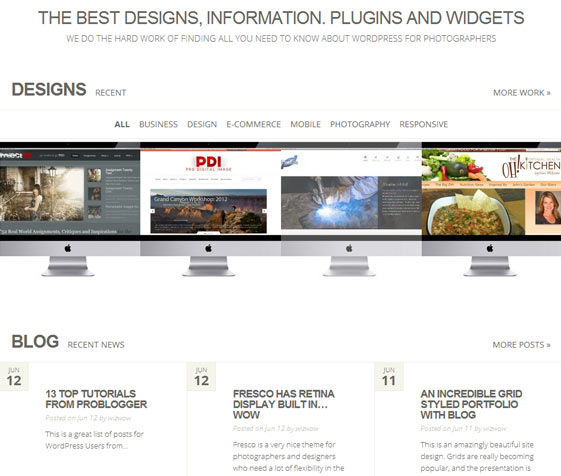
My New WordPress Theme and Info Site
WordpressThemesForPhotographers is a new site at the URL I used for selling my WP sites. We are no longer selling those sites, but will be offering customization and initial setups of Wordpress Themes for photographers, designers, artists and small business. I will be...

OT Sunday: Hot Shots, Drums, Books and Jazz
Hey Hot Shot is a photo competition held by the Jen Bekman Gallery in New York. Featuring the work of up and coming photographers, the competition introduces new ways of seeing to an ever widening audience. It is certainly one place to go on the internet to see work...
Sorry We Were Away, Back Now… Hopefully for Good.
Looks like we had a server issue where one of my plugins was creating a huge CPU draw. The culprit was Contextual Related Posts which creates a little set of links at the bottom of each page to show you posts that may be related to the one you are reading. Problem was...
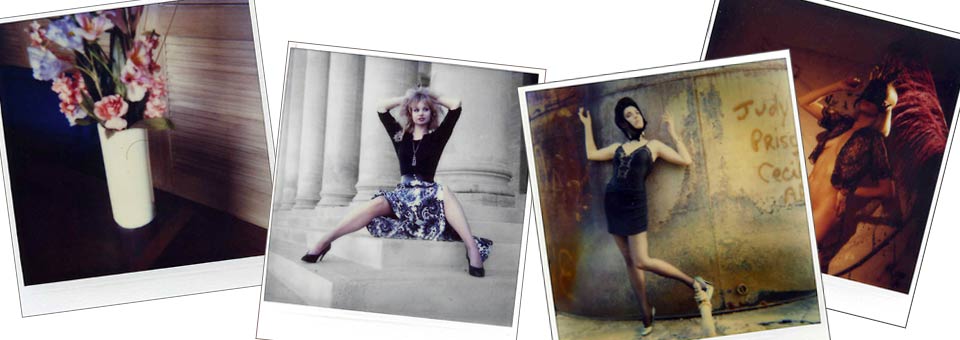
While Cleaning Up the Office, I Am Reminded of How Much I Miss Polaroid
Yeah, it happens. Once in a while I have to break down to clean the office. I find it is a great way to procrastinate from doing something that is not ready yet. Creative block - no problem... dig through the cabinets. Heh. This time I found my little box of...

OT Sunday: Travel, Freedom, Politics, and Donna Summer
Travel I simply love to travel. I want to do it much more. I am adding to my travel portfolio by doing some traveling this year just for portfolio work. On the agenda is: Vancouver and Western Canada, Toronto and Eastern Canada, Singapore, Malaysia, Cambodia, South...

Staying Involved and Staying Visible… Are You?
Photo District News has a great two part article on where art buyers are finding new talent. Consider it an absolute must to read... and take some time to hit ALL the links. There are many places we all know about... Flickr, 500Pixels, Yahoo, G+. And participation...
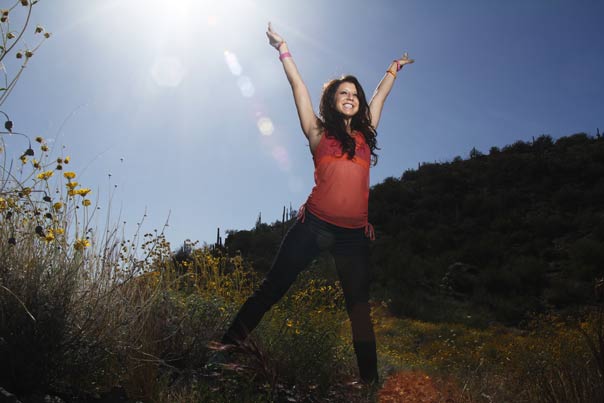
Emerging Photographer “Jump Start” Winner(s)
Update Info: We will be having dinner Friday evening at 7PM at Macayo's which is not very far away. If we need multiple cars, we will arrange it. Macayo's is a landmark restaurant in Phoenix and is where the Chimichanga was invented. Yes, it is Mexican food. I have...

The Black and White Portrait
I am an old school film guy. It's true. It's also true that I have embraced and love digital. Seems to me that photography gained a whole new set of tools with the addition of digital. Of course, many folks treat everything they do as some sort of 'team' affiliation...
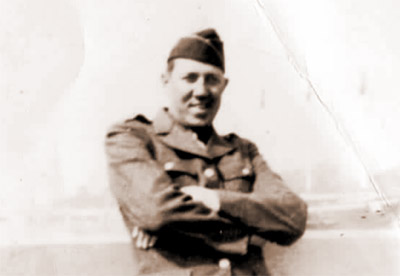
Memorial Day, 2012. Some Thoughts.
Memorial Day... always comes on a Monday. The all important three day weekend. Sales on mattresses and big screen TV's. Beach, sun, the start of summer. I am rather quiet on these days. You see, there is another reason for this holiday. Long forgotten in the lowered...
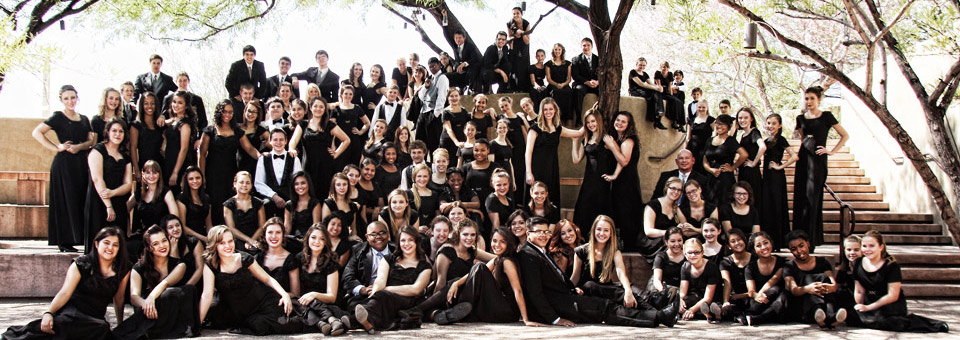
Seat-o-the-Pants Shooting… Yeah, It Happens.
I am working on a big project with the Phoenix Children's Choir, and need to get some new shots of the kids and the choirs and the performances. So when last weekend's final concert came along, I knew I had to get some shots. The venue was amazing, and I checked it...
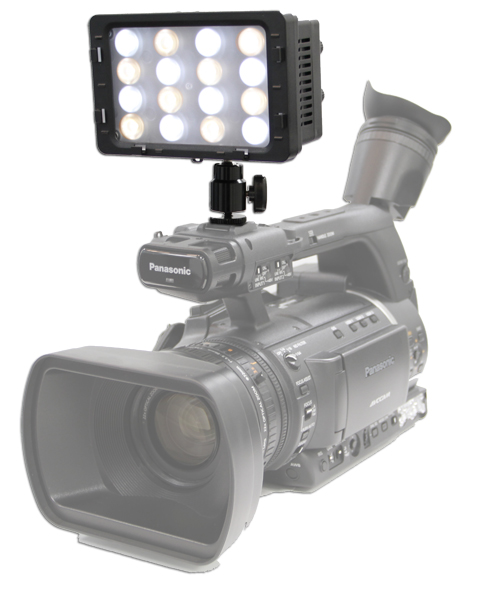
The “Bolt” – Small LED Packs a Punchy Light.
The "Bolt" LED light for photographers. LED lights are becoming more and more important as a tool for photographers. We are adding video and motion to our solutions, and continuous light that has color control as well as being able to run 'cool' is a great tool. This...
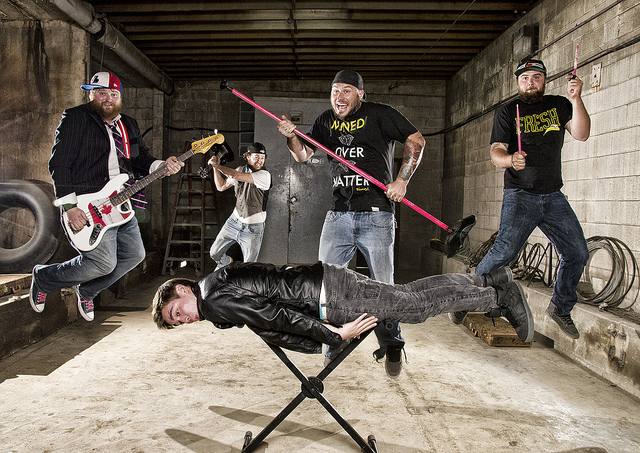
Some Exceptional Images from the Project 52 PRO Group
Project 52 is in its second year, and we added a PRO group. This group is focused on getting up to speed on the business, portfolio, website and marketing focus needed to go professional. Whether that professional is full time, part time or just for the fun of getting...
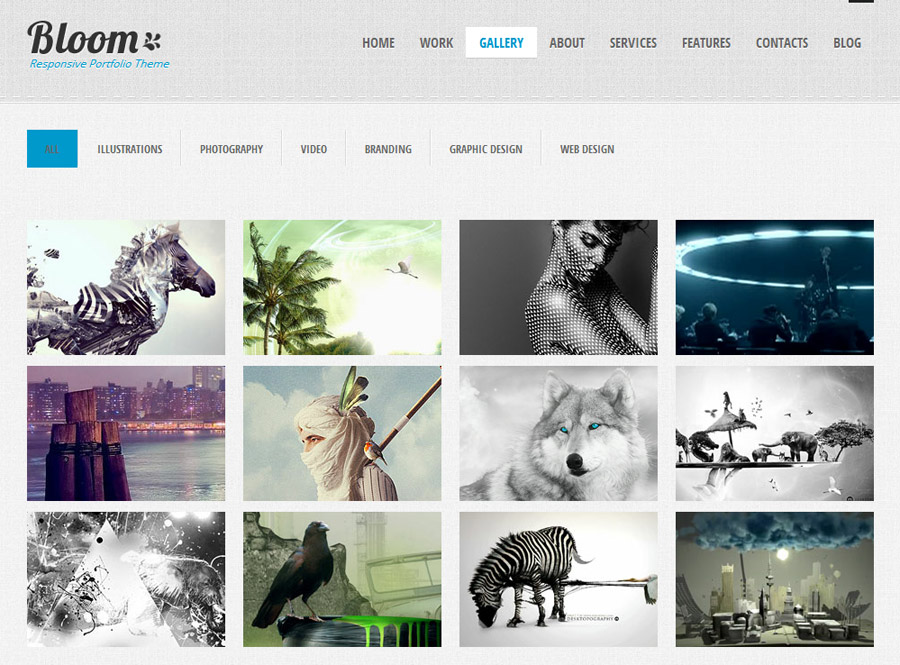
WordPress Themes that Rock: “Bloom”
I love this theme from Theme Forest. Bloom could be just what you are looking for. Clean, neat, responsive and full of custom features. This is a theme that would be a comfortable fit for a photographer, a designer or an illustrator. It would work for a small boutique...

creativeLIVE Workshop: “Table Top Product”
The great folks up at creativeLIVE produce new learning experiences for photographers, designers, illustrators and more. Their plan of delivering focused, intensive learning that is student centric instead of geography or school centric, is bold and, I think,...
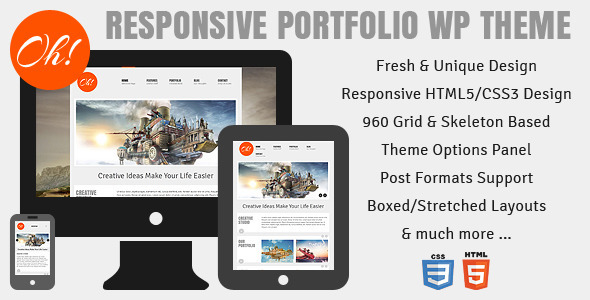
WordPress Basics for Photographers: Part Four
One of the most powerful gifts of using Wordpress is the vast amount of Plugins and tools that are developed for it. These tools help you increase your productivity and interactivity without having to learn how to code. Simply push a button and install very powerful...
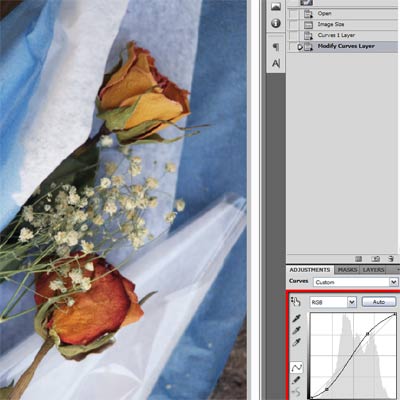
WordPress Basics for Photographers: Part Three
Once we have our theme worked out, we must get our materials ready. I suggest doing this before you start to build your Wordpress website. Flying by the seat of your pants is NOT the best way to organize your material, as well as write it, design it and get it into...
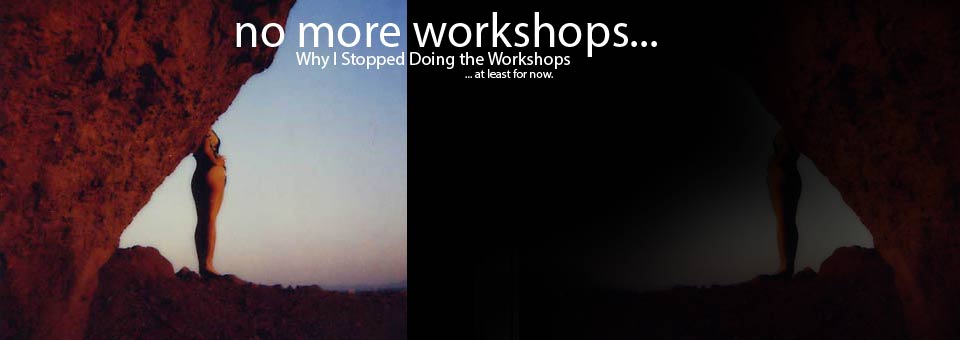
Workshops? A New Direction… After a Break. Maybe.
It's time. Actually it may be later than that. And that makes it all the more... more... Well, I don't really know how I feel about stopping the workshops. A little sad, I suppose. Possibly a tiny bit bitter (fuckit, I'm human... right?). But mostly I feel like I...
A Project 52 Assignment: Lunch
This was a most incredible assignment over at Project 52. Based on a single layout, supplied to the photographers, they had to complete a faux assignment from an ad agency that was representing a Pharmaceutical Company. The point of the ad was to show how a new pill...

Thoughts On A Couple of Portraits
I was asked about my portraiture by a reader who wanted to know what I am thinking about when shooting. I decided to break down a couple of shots I did of Natalie in Seattle the Sunday after my creativeLIVE presentation. We were on the waterfront and the sun was out...
WordPress Basics for Photographers: Part Two
(Finding your Wordpress Theme should not be taken lightly. I think you should spend some time getting to know what it will do for you before you pull the trigger.) Continued from Wordpress Basics for Photographers: Part One We have looked around and found a few themes...