
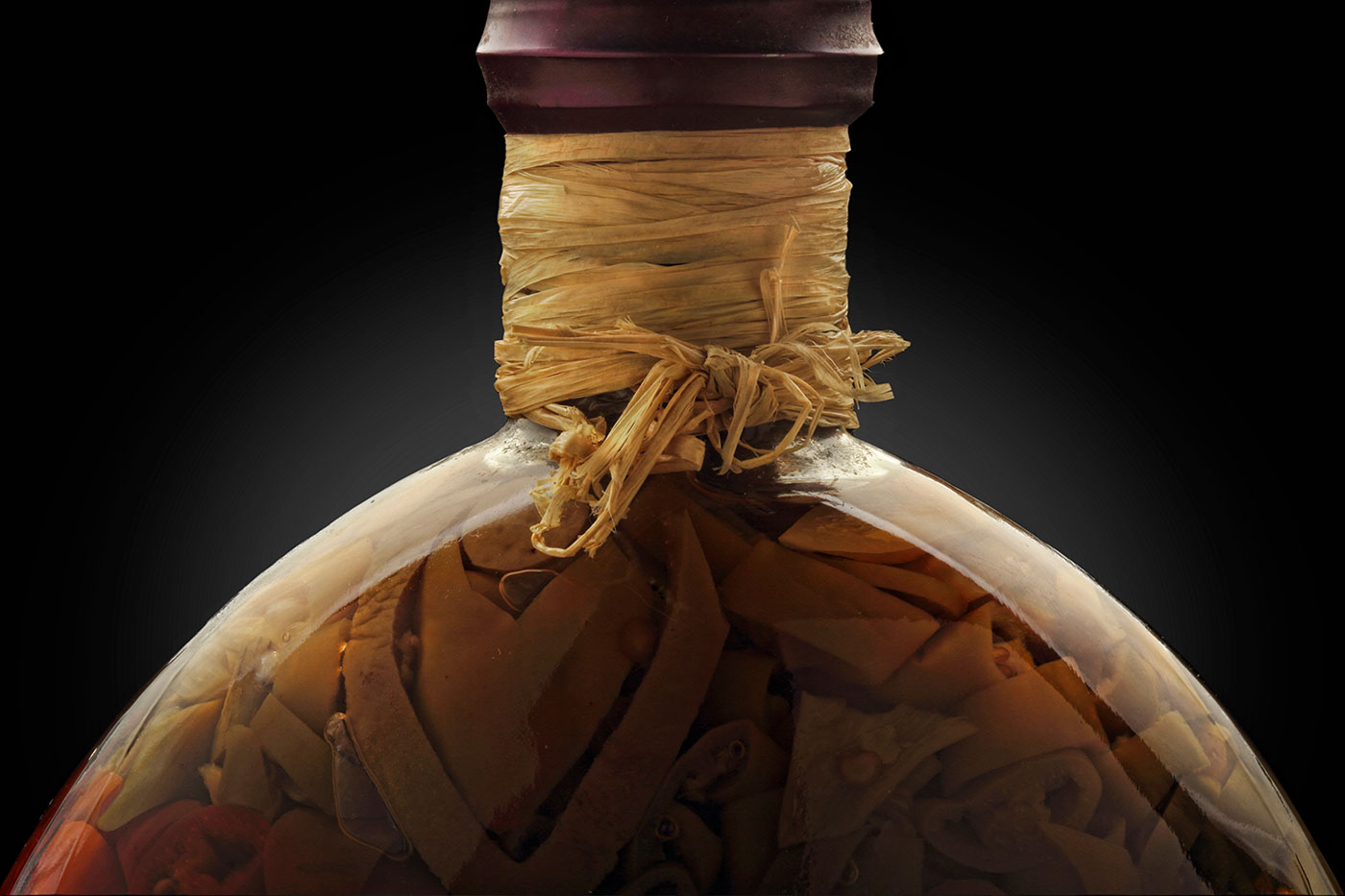
Shiny or Glossy surfaces:
The third of our major surface efficiencies is glossy or very shiny surfaces.
The complete opposite of the textured surface, the glossy surface will record the reflection of the light source absolutely. That means we have to be very careful with our light sources… they will be shown in the object.
Umbrellas may be seen in their totality, the studio can be reflected into the camera, busy, confusing surroundings will find their way to our lens via the absolute reflectance of the subjects extremely efficient surface.
Of all the surfaces, shiny will be the most challenging. There is no room for even a bit of sloppiness in lighting angle or source choice. We will actually see the light in the reflection so it is part of our subject.
Where light was used to render subjects with texture and matte, it is itself part of the image when the surface is shiny, or very efficient.
(I am often asked how to light a car. The first thing I say is that you shouldn’t light the car, light what the car is going to reflect… because that IS the lighting on the car. The absolute efficiency of the paint is going to reflect whatever the photographer has put at the angle of incidence in order to present it to the lens.)
Example of a car shot:
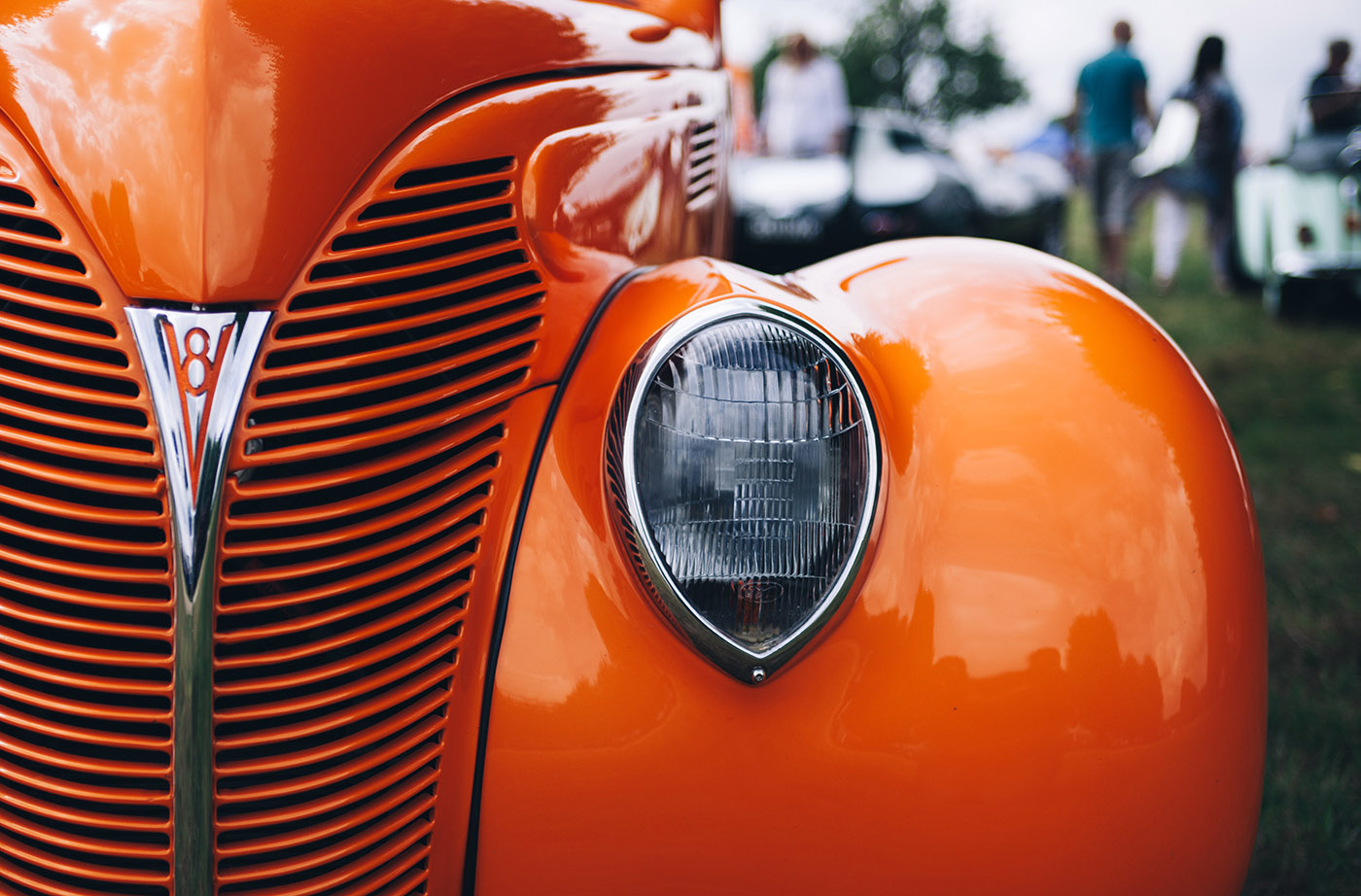
In the shot above you can see the reflection of the trees and buildings behind the photographer. The absolute efficiency (gloss) of the paint reflects what it sees (angle of incidence = angle of reflection) and we can see clouds, threes and more in the paint. If we wanted the paint to be more controlled we would have to control what it ‘sees’. And then reflects.
Motorcycle in the sun.
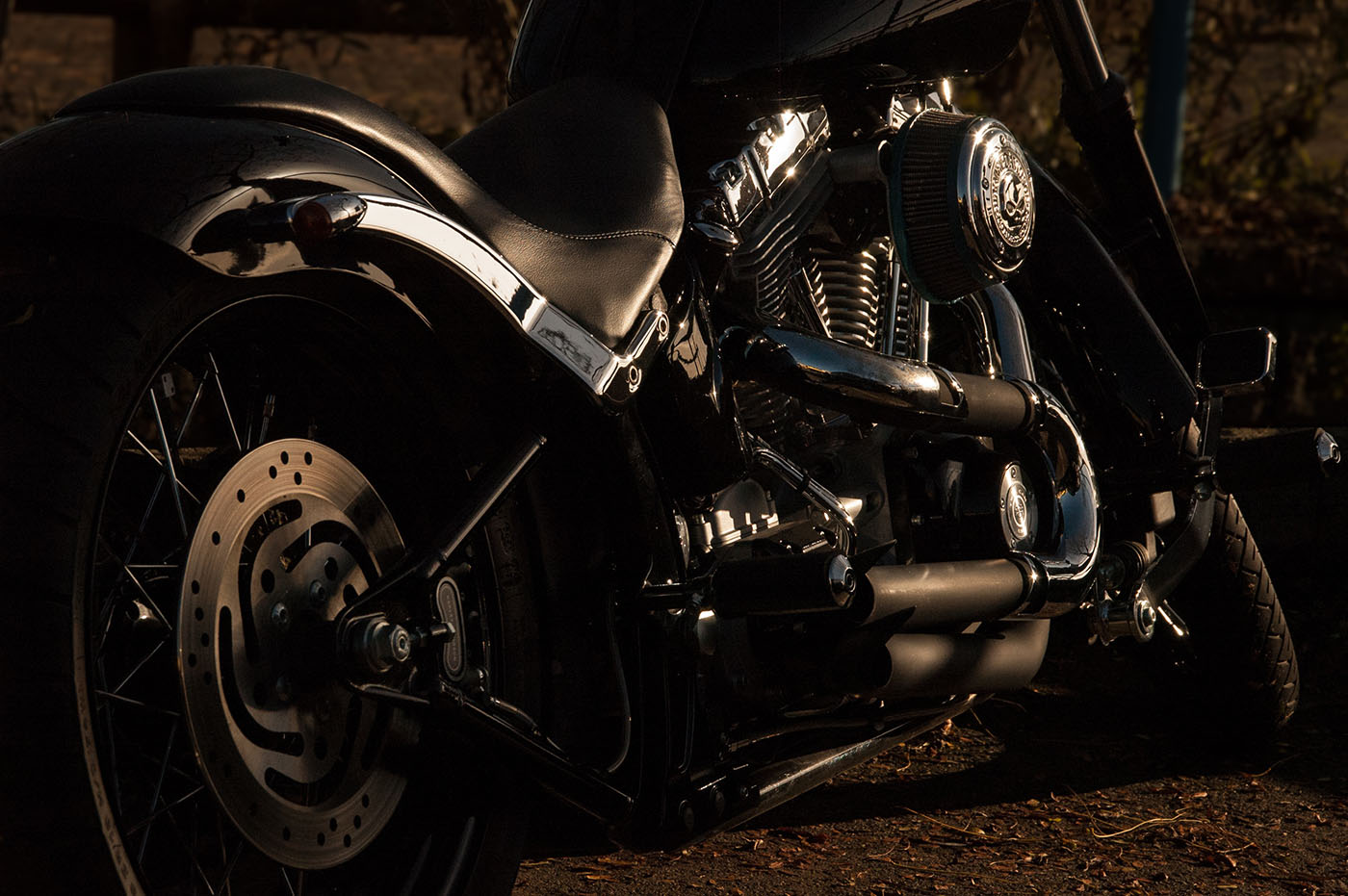
The motorcycle above shows different efficiencies on the surfaces. The sun, a very small light source, provides a diffuse light on the textured leather seat and the brushed metal braking pad in the back. It also provides a somewhat diffused presentation from the black parts of the chrome pipes. But where it is striking the chrome, it is either an absolute specular or there is no reflected light at all. The chrome areas are reflecting what they see, and in most cases, they are seeing a dark void. You can see the street and surrounding area in the curved pipe in the middle of the photograph. Want ‘chrome’ pipes? Put white cards where they will be reflected back to the camera.
Glossy and shiny items are everywhere in our lives. From iPads and computers to glassware and furniture. We must learn the difference between lighting for texture and matte, and lighting for glossy. While both are photographic lighting, they have very different results if approached the same way.
I approach shooting something shiny differently than shooting texture or matte. The reason? Texture and matte will not show my light sources and shiny will – absolutely.
One place that shiny surface exist in an otherwise matte area are eyes. Eyes are quite efficient because they are a glossy surface with moisture. Can’t get more efficient than that.
Eyes absolutely reflect the source of the light. If you are shooting with a big umbrella, it will be seen in the eyes. If the choice is a softbox, it will be seen as a square highlight in the eyes. A photographer can even simulate ‘window’ light by putting black tape in a grid pattern across the softbox diffusion panel, and the eyes will render it as ‘window panes’… pretty cool, eh?
And it is a challenge too. Eyes reveal what the light source is, where it is, and how many lights were used. We can see reflectors and occasionally ourselves, in the reflections from the eyes.
Example of eyes;
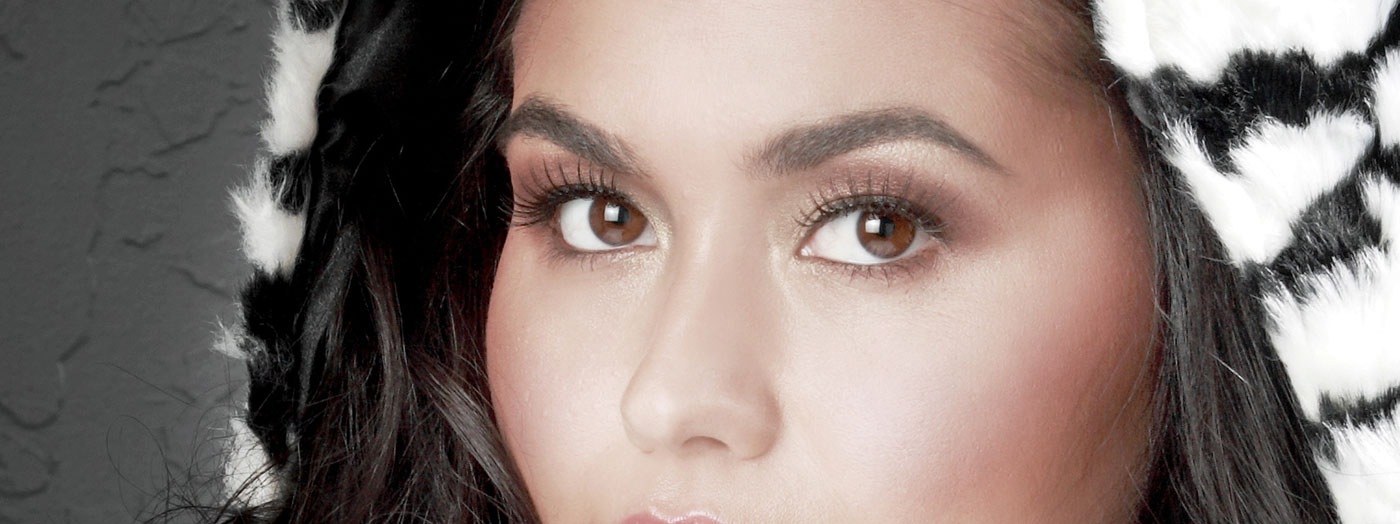
As you can see, the eyes are so glossy they reflect the square softbox used for the main light. Look closely and you will see the white card in front of her providing the ‘beauty fill’ to the underside of chin, nose, and eyes. Surrounding the super efficient eyes is a more matte surface that allows the light to be diffused in presentation.
Another area on a face that can become efficient is the lips. We can add lipstick or lip gloss to enhance the surface efficiency of that area. After adding shiny lipstick, the lips will begin to reflect the light source absolutely, but because the area is small, and still has texture, the source is not revealed absolutely as it is with the eyes.
Shiny, efficient surfaces, like glassware and computers, become a challenge because of the rounded edges and absolute reflections of the surroundings.
Controlling the area around the shiny subject can be as important as the lighting itself. I have large black pieces of cloth that I regularly hang to make sure that the studio itself is not registering as a reflection in some of the glossy objects I shoot.
When shooting subjects with high surface efficiency, control is the word of the day; Control of the surroundings, control of the light, and control of the reflection. Other than all those control issues, shooting shiny stuff is a piece of cake.
Just put the light at the angle that puts it where you want to see it reflecting from the subject. Done.
Done.
Well, yeah, there is a little more to it than that.
And we are going to go into depth with all the controls we can use as we progress through the course.
ASSIGNMENT
- Find glossy items and photograph them in the natural world, and then surround them with white cards in such a way they reflect those cards back to you.
- Explore ways to show how glossy something is by using the light source reflecting in it.
- Photograph cars or motorcycles with interesting reflections.

Find and Keep Commercial Photography Clients: A Free Training Series.
What We Learn from Studying Master Photographers

P52 Member Adi Talwar Shooting for the NYT
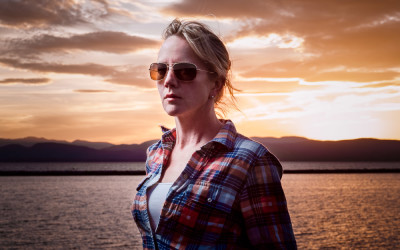
Some Amazing Portraits from The Current Class
“Monsoons”
https://vimeo.com/mikeolbinski/monsoon2 I live where Monsoons create havoc a few months out of the year. Mike Olbinski, a photographer here in Phoenix is an amazing storm shooter, and this video he did of this past monsoon season is a killer. His video will keep you...
What Riding a Motorcycle Taught Me About Life (and Photography)
Challenging Times; A Few Ideas to Positively Impact Your Business
Here are a few ideas that I use to impact my business quickly and also help me move from a creative block. A few years ago I wrote about the things I do when given a chance to jump out and spend a little time on a project. That list is still pretty timely, so here it...
The “Dating Game”
Five Things to Share on a Wednesday
What’s It Like on a P52 Annual Meetup/Roadtrip
I could try to explain what it is like, but we had a videographer on the trip with us last time. https://www.youtube.com/watch?v=urSQqCGRKkM
Because Jerry… (and it’s Friday)

Shooting to Layout: A Point of Purchase Display
One of the most difficult parts of commercial photography is shooting to layout. A designer or art director has an approved layout, and your shot must work within the elements on the page. We see it a lot in catalog, advertising, collateral, and web oriented...
A WordPress Plugin for Photographers
Because… Natalia (and it’s Friday)
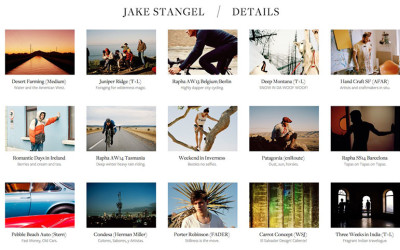
Jake Stangel on Starting Out as a Professional Photographer
Jake Stangel is one of my favorite photographers. I love the fresh way he shoots, and his no-nonsense approach to making images that reveal more than what may meet the eye in the real world. First: here is an hour talk he gave at CCA, and it is really good. (Below is...
Shooting to Layout: P52 Members are “Cooking” with heat!
The assignment was given with a "napkin" layout. A very simple sketch similar to what we get from AD's from time to time. Then the photographers got to download the layout - and shoot to that layout exactly. It is one of my favorite assignments because we get to see...
A Few More Portraits
The 8 Week Portrait Classes are now finished. I added a bonus photographer on for each of them (9 photographers per class) and this is the gallery of inspired images from the bonus photographer for the 8 Week II class, Mark Tucker. We look at the work of the...
Ten Things to Remember As You Begin Your Photographic Odyssey
Ten Things to Remember As You Begin Your Photographic Odyssey I stopped doing what I was doing and began to be a photographer one day. I had been around photographers, but I didn’t have any clue what being a "professional" really meant. I simply started out as a...
Portraits, Portraits!
More amazing portraits from the last portrait group. Just so impressed with the hard work and growth that was the hallmark of all these classes. [gallery link="file" columns="4"...
Catherine Vibert Delivers Social Media Headshots
P52 Alum and member Catherine Vibert explains the necessity of having a perfect headshot for Social Media. This kind of client centric marketing will create an interest in those needing to have the best headshots they can get. And - that is EVERYBODY on social media...
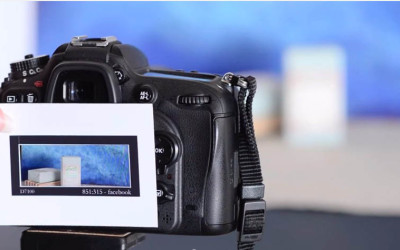
An Easy Tool for Shooting to Format
Project 52 Alums Anna and Filipe (McGunn Media) have created a set of templates (mattes) for shooting to formats that are many times required - especially by social media. They have made them available free on their site as well, so you can download them if you need...
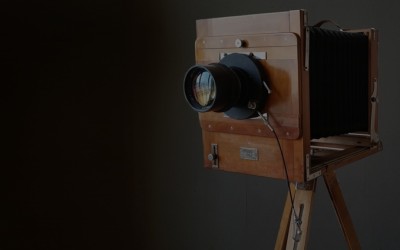
Large Format Shooters: This Looks Really Interesting
GALAXY HYPER SPEED Direct Positive Photo Paper I love shooting large format cameras, but the hassle of developing 4x5 and 8x10 negatives can be daunting unless one has a full darkroom. Paper is easy... safelight and some trays and you got it. This project will bring...

Portraits from the Portrait Workshop
Last week we saw a bunch of amazing portraits come in from the students in the 9 Week Portrait Class 102.