
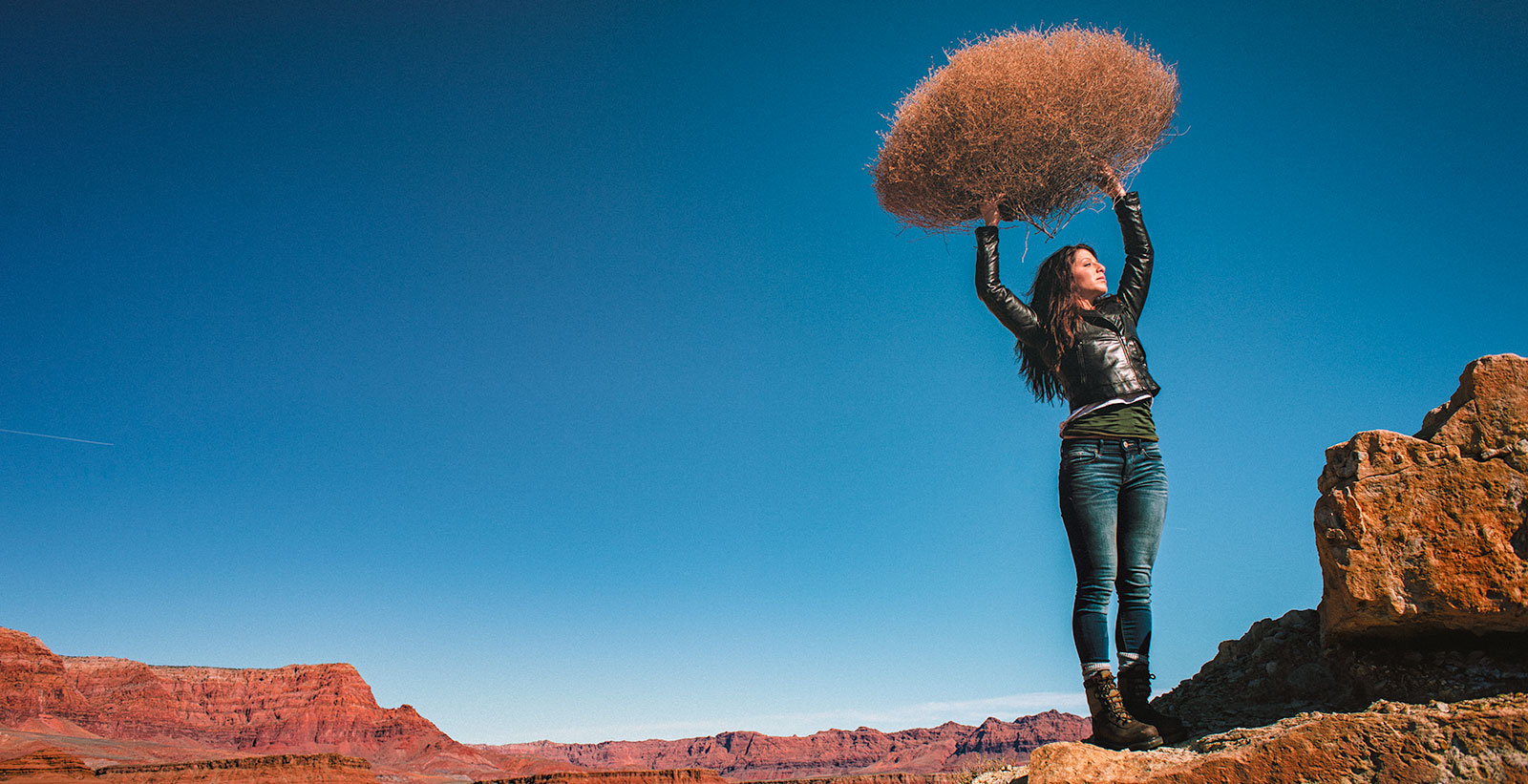
LIGHTING PRINCIPLE THREE: THE COLOR OF LIGHT
We see light usually as a white source, or at least a neutral source.
It isn’t. neutral, it has a color to it and that color can influence all the parts of your image, from shadows to highlights. We don’t see the color of light because our brain changes it to a neutral “white” color as we see it.
Here is a wonderful article that explains the way that the color of light affects your image. Read it now.
When we look at the color of the scene in front of us we can change it globally by changing our color balance in the camera, or using a filter. What “globally’ means is that everything in the photo is changed to the same setting. All the colors are altered by this global change to the color of the light.
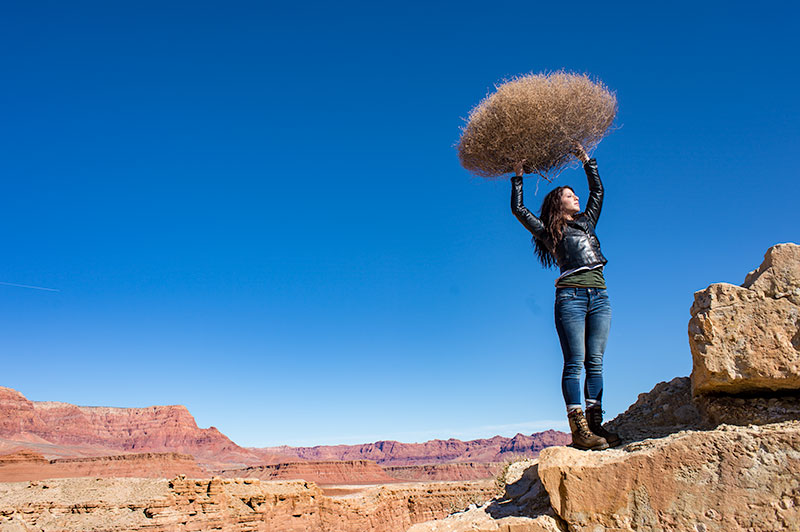
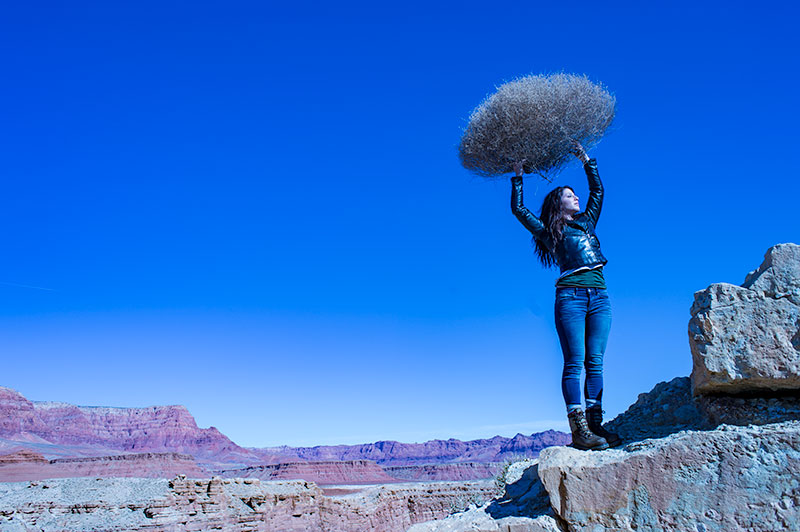
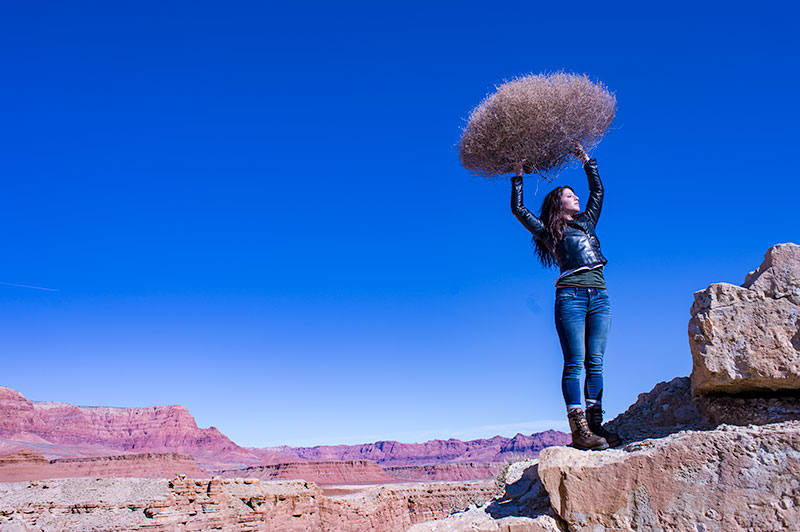
On the left is a photograph taken near Mable Canyon. The sun was quite bright, and there was a bit of warmth to the image because of all the warm browns and oranges of the topography all around us.
This image is as shot. I have applied global changes to the color of the light source so you can see what that does to the image.
Below from left to right:
Daylight / Shade / Tungsten / Flourescent
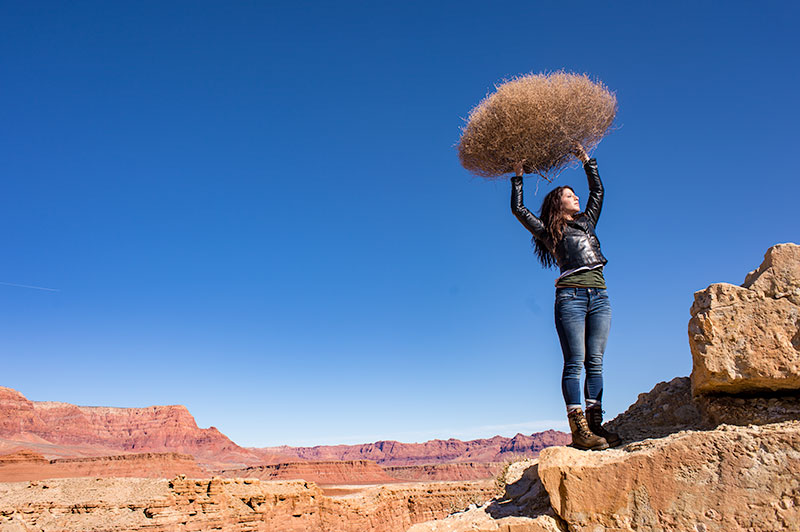
DAYLIGHT
Changing from As Shot to Daylight shows very little difference, although the daylight color balance makes it a bit more warm.
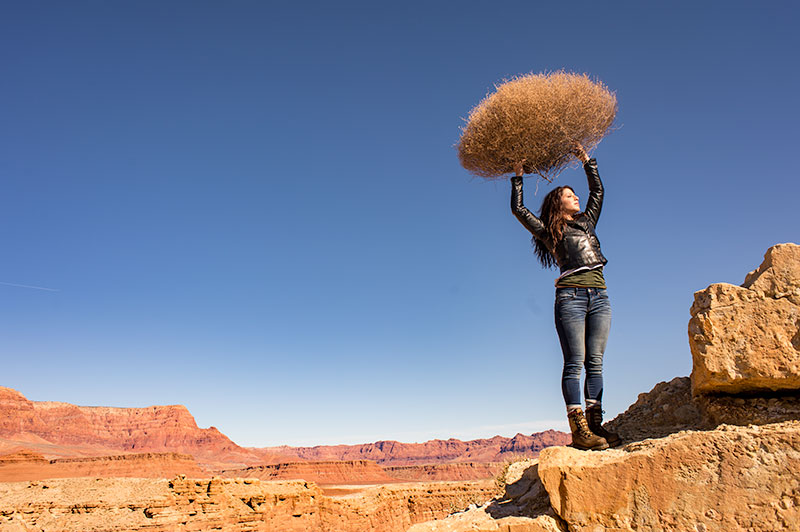
SHADE
Since the color of the light in the shade is a bit more blue, we add some warmth to the overall image to compensate for it. In this shot you can see the global warmth is not going to work because the image was not shot in the shade.
TUNGSTEN
Tungsten light is very orange, so when we apply a tungsten color balance to a shot that is not too orange, we get this very blue looking shot. This is a good reminder of just how ‘warm’ tungsten light is if it takes this much blue to make it correct.
FLUORESCENT
Fluorescent light is blue/green so it makes it difficult to compensate for. In this application of the fluorescent color balance, we can see the sky going a deep blue, while the desert mountains behind become more magenta.
LOCAL LIGHT SOURCE MATCHED TO AMBIENT
Working with a secondary light source that may be a different color presents us with a challenge. We cannot change the image globally because adding a correction to the image to correct for the different light source will affect the entire image.
We must then change the different light source to the ambient (or overwhelming light) in order to ‘balance’ the subject in the ambient setting.
The ambient setting is the overwhelming light that we usually cannot change: the sun, a large warehouse, a home. Bringing in our own lights means we must know how to match what we bring to what is there.
ASSIGNMENTS FOR THIS CLASS:
- Using the color settings on your camera, take the same image with each of them. Shoot with Daylight, Shade, Tungsten, Flourescent at least and do this in places where those colors exist. In other words, shoot some images outside, inside with regular household lamps, and some place that has Flourescent. (NOTE: Many big box stores use a light source known as Mercury Vapor. Mercury Vapor is blue/green so it is very difficult to adequately address. We can add magenta to offset the green, but that turns the blue part of the light to purple. If we address the blue with something warm, we add that to the green part of the light.For Mercury Vapor correction, try “auto” on your camera setting. It is the best I have found for correcting most of that blue/green color shift.
- Using a strobe (speedlight), take a photograph of someone while the sun is going down behind them. Do not alter the strobe setting, just let it keep making the shot as the light turns warmer and warmer. You will then see how “blue” the light source seems coming from the flash.You may have to change the settings as the light gets dimmer, but I think you will see the changes pretty well.
We will be addressing color balance in all of the upcoming classes.

04: Lighting Principle Four: Angle of the Light Source to Subject / Camera
Lighting Principle Number Four: The Angle of the Light to the Subject and the Camera Law of Physics: Angle of Incidence equals the Angle of Reflection. This is an axiom that a lot of people hear and repeat without taking careful note of what it means to their...
05: Subject Properties: Part One
EVERYTHING REFLECTS. Let me say that again. Everything reflects. Some things reflect more than others. Some surfaces are more reflective than others. But since everything reflects, we are sometimes presenting what that subject reflects rather than ‘bouncing’ light...
Announcing Lighting Essentials V4
Here we start the new year with a bang... a big bang. Lighting Essentials has always been a quiet site for a select group of serious photographers and that will not change. However, I have decided on some new content ideas for the upcoming year. MY LIGHTING WORKSHOP A...

06: Subject Properties: Part Two
Matte Surfaces These are surfaces that are not as rough as texture, but not smooth either. Skin, cloth, natural leather, finished woods and many food items are examples. Most of what we deal with in our daily lives would fall under the Matte surface example. Matte...
07: Subject Properties: Part Three
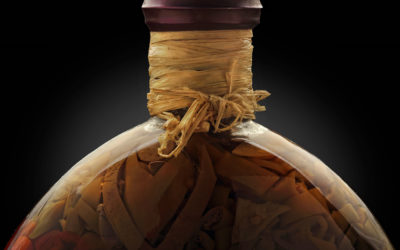
Shiny or Glossy surfaces: The third of our major surface efficiencies is glossy or very shiny surfaces. The complete opposite of the textured surface, the glossy surface will record the reflection of the light source absolutely. That means we have to be very careful...
08: Controlling The “Presentation of Light”
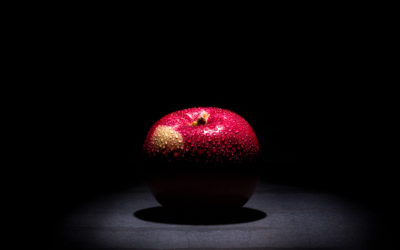
Subject Centric Lighting: The Five Areas of Light Presentation Cover image by Project 52 student, Gabriel Alvarez. When the lighting choices we have made are used, the light is 'presented' back to the camera in expected, and controlled ways. There are five parts of...
Arc of Beauty: Side to Back Lighting
Have You Considered the "Arc of Beauty" in your lighting? (Image by Tracy Sutherland) We are going to take a high-level view of lighting today and discuss what I call the "Arc of Beauty". And while no lighting scheme is going to be directly discussed, what we are to...

Merry Christmas / Happy Holidays to All
My CreativeLIVE Table Top Class to be rebroadcast!
What does this mean to you? It means you can watch it free, no charge, toll exempt, dinero not necessary! Consider it a Holiday Gift from the great folks at CreativeLIVE and your host here at LE. From the CL class page: Basic Product Photography. Don Giannatti returns...
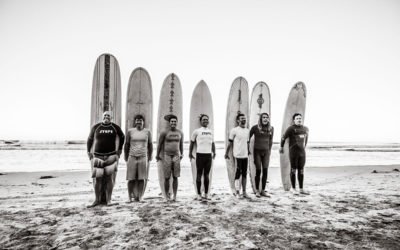
Mike Moore: Surf Shoot
Mike Moore is a Project 52 alumni, and has been building his business in Encinitas, CA for a few years. His specializes in food and lifestyle, especially beach lifestyle. This is a personal project Mike shot at a surf event in Encinitas, CA. 1.) Tell us a little about...
The Games We Play; Find the Shot Before Moving On
One of the things I like to do is to play visual games. I have several to share with you, but this one is one that anyone can do. Anywhere, any time. First; I believe that if we are to call ourselves photographers, we must photograph. Make pictures. Make images....
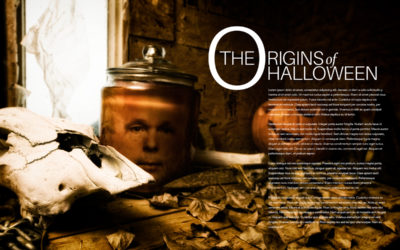
The Origins of Halloween, 2016
Just before Halloween (October 31, 2016) the assignment for the Project 52 students was to shoot to layout for this fictitious piece. The magazine layout is a two page (spread, or "double truck") and calls for the photographer to be very cognizant about what is on the...

Photographing Chocolate: A Sweet Challenge
Photographing chocolate is very challenging. For one thing, humidity and temperature can play a big part in what the chocolate looks like. And chocolate is very susceptible to damage from fingerprints, casual bumping against other product, and time. Working with...
Two Workshops in November: Portrait and Still Life
For the last time this year, I am running this very popular class on Black and White Portraiture. Lots of information on shooting people and converting the images to monochrome (black and white, sepia, toned etc...). Please check out the page for a lot more...
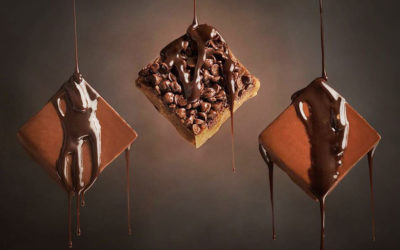
Attention to the Details
Paying attention to the tiniest of details is one of the jobs of a commercial photographer. And rarely do details matter more than when shooting chocolate. Chocolate dust, scratches, fingerprints, and the chalky white of damaged edges can draw the eye to the problems...
What Is A “Photographer” Anyway?
Photograph of me making a photograph on my iPhone in Rocky Mountain National Park by Grey Gibbs Recently, my friend and fellow artist Jerry OConnor and I took a drive/ride to Superior, AZ to do a little video of me blabbing about being a "photographer". I wanted to...
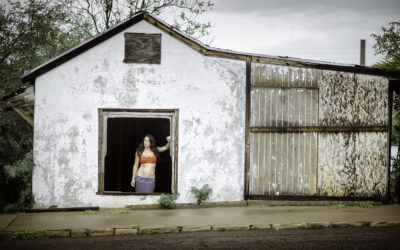
Back to Work… Again
I was truly disappointed that my Alaska trip was cut so dramatically short. I didn't expect it, and I was not really ready to give up on that idea. (I will do it next year, or the year after if I have to.) The back pain forbade me doing any camera work, or walking...
July Portrait Challenge Entries
The 8 Week Portrait Classes had a July challenge of a "summer portrait". Winner was decided by photographer Nick Giron, a very good portraitist himself. Here are the entries: [gallery link="file" columns="4"...
Off to Alaska
Daily updates at Phoenix to Fairbanks website. I decided last August that this year I would do something big, something challenging. When I told my wife I wanted to do something to really get back in touch with my creative side, she said, "well then, what do you want...
Paula Puffer: “Journeys” – A Show in Houston
"Journeys" Photographs by Paula Puffer Journeys consists of selected images from several bodies of work photographed by Paula Puffer since her mother’s death in 2010. Works that are a part of the show include: Watching Alzheimer’s: Focusing on aspects of Alzheimer’s...
Meet Yechiel Orgel, Commercial Photographer in NYC
I read about Yechiel Orgel in an online publication a few weeks ago, and instantly knew I wanted to meet him and get an interview for Lighting Essentials. This is the interview I read, and please go over for a complete view of how hard and long Yechiel worked at his...
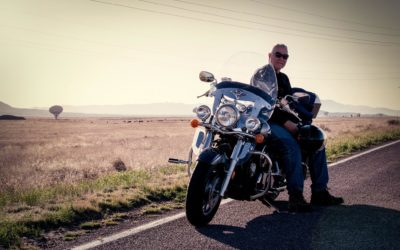
ALL OF MY UDEMY CLASSES ARE NOW FREE
In celebration of my upcoming Alaska roadtrip, I have just made all my courses on UDEMY FREE. No charge. Portrait Photography with Simple Gear Natural Light Beauty and Fashion Photography Real World, No BS Marketing for Photographers Using a Photographic Lightmeter...
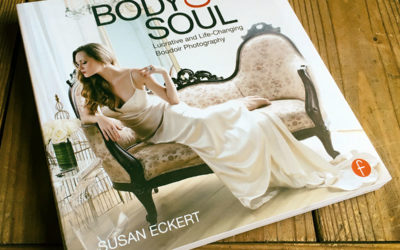
Four Wonderful Books For Photographers
I think this book by Susan Eckart is one of the best photography / business books I have ever read on the business of photography. She is a consumer photographer with a long list of awards and loyal customers, and her experience gives you a rarely seen insight into...
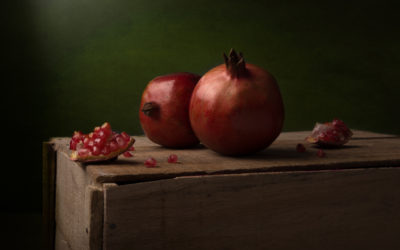
Exceptional Still Life Photography (from the recent Still Life workshop)
We just wrapped up the most recent 8 Week Still Life Class. I wanted to feature a few of the images the students submitted. I will be doing more 8 Week classes when I return from my road trip to Alaska. [gallery columns="4" link="file"...