
DISTANCE OF THE LIGHT SOURCE FROM THE SUBJECT
The second principle of light is the distance of the light source from the subject.
One thing for sure, if it is artificial light, the distance of the light source from the subject can change the size relationship, but there are other things that happen as well.
With artificial lights, one of the most important rules is The Inverse Square Law.
And it can be kinda scary that one. First, it’s a law. That seems pretty definite. And of course it has something to do with math – ‘squared[. But the word INVERSE? What the heck is that?
Let’s not sweat that right at the moment.
Let’s just acknowledge it for what it means to us.
Essentially, the Inverse Square Law (ISL) means that the farther the light is from the subject, the less bright it will appear. We know that, right. The closer we get to a light source, the brighter the reflectance of that source from whatever we are bringing close to the light.
Say you are in a very dark room, and there is only one small light in the corner. You are desperately trying to read the calory count on your small bag of Cheetos but it is way too dark where you are. Well – simple, we take the Cheetos bag over to the light and as we get close to the light, we can instantly read that we are never allowed to eat Cheetos again.
Now that is way too simple for any rule, or LAW, especially one that concerns math and something called Inverse.
The ISL is a way of measuring that light fall off and it shows us that there is actually a formula to how much that light falls off. Formulas are great. They are like systems. We can use them over and over to achieve the results we need.
This formula is way simpler than the name implies:
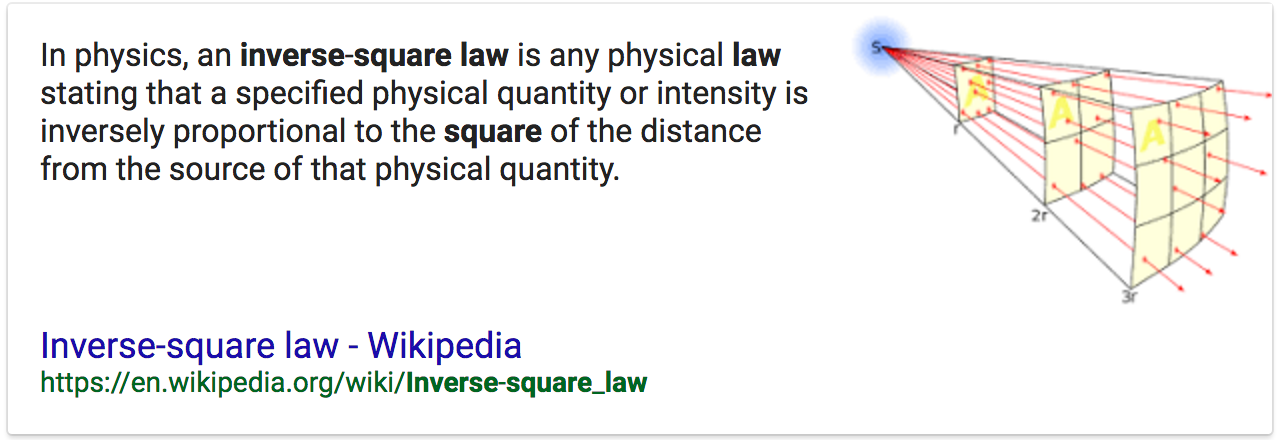
As you can see in the illustration above, at twice the distance the light has to cover four times as much space making it four times less powerful.
Four times less = 2 stops less in f-stops.
So if the light was f-8 on your subject at 4 feet, and you moved the light back to 8 feet, the amount of light on the subject would now equal f-4. If you started at f-4 at 8 ft and moved the light in to 4 ft it would be f-8.
What if instead of moving the light from 8 ft to 4 ft you decided to move it in 6 ft? Well, that would be half way between f-8 and f-4… f-5.6.
Now look at what happens when we apply the rule to a set of distances.
THE IMPORTANCE OF KNOWING RECIPROCALS
A reciprocal is simply understanding the relationships between all the numbers we throw around in photography.
F-stops, shutter speeds, ISO – all work hand in hand with each other to make the image with correct (for you) exposure. Changing any one of these three will necessitate a change in one of the others to compensate.
Let’s look at ISO:
f-4 / 1/125 @ ISO 100
If we change that to ISO 200 one of those above will have to change. Either the f-stop or the shutter speed. Since the ISO is now one stop more powerful, we either have to change to f-5.6 or change the shutter speed to 1/250. Both of these changes have the affect of decreasing the exposure setting one stop due to increasing the ISO by one stop.
Simply knowing the basics of one set will make it easy for you to re-configure for a new set.
I use ISO as my constant. In this case, I will use the settings of Sunny 16 (f-16 at 1/ISO).
ISO is 100 for these reciprocals.
f-16 @ 1/100
f-11 @ 1/200
f-8 @ 1/400
f-5.6 @ 1/800
f-4 @ 1/1600
f-2.8 @ 1/3200
These are committed to rote memory.
Changing the ISO compels me to make associated changes in these figures. If the ISO goes faster, I simply change the f-stop OR shutter speed to correlate to the amount of change in ISO. If the changes go out of the range of my camera, I will change one first, then catch up the other.
Example:
The light is getting a bit low, and I want to shoot with a shutter speed that allows me to hold the camera still. I take a meter reading and find that at ISO 100, my exposure for that shot is f-4 @ 1/15. Well, that aint’a gonna work for me handheld.
So first I decide that f-4 should be f-5.6 because of some Depth of Field issues (which moves the shutter speed down to 1/8), so that means I will have to move the ISO one stop for that aperture change to:
f-4 / ISO 100 @ 1/15 to f5.6 / ISO 100 @ 1/8 (reciprocal, one less stop in shutter speed to correlate with additional stop in aperture.
f-5.6 / ISO 200 @ 1/15
f-5.6 / ISO 400 @ 1/30
f-5.6 / ISO 800 @ 1/60
Learn your reciprocals for faster and more accurate decisions in the field.
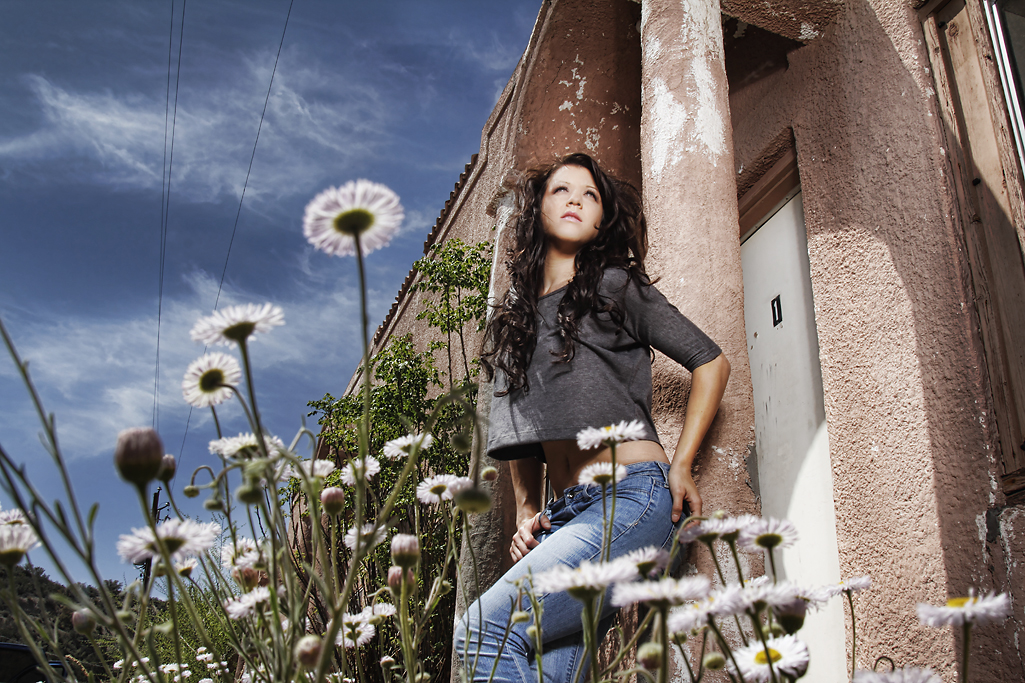
Bri in Miami.
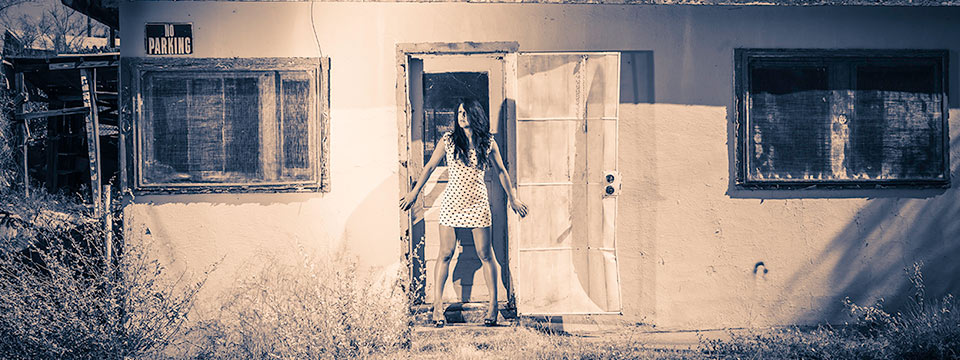
I didn’t want the old building to go too dark behind her so I moved her next to the column. This gave me the ability to move the light in close to her, and let the background fall off fast – but retain the light and the texture right around her so she didn’t ‘pop’ out and look too overly lit.
This is a 4ft softbox with a Profoto 300 WS head and a single diffusion panel in the softbox. It is just above camera viewpoint in this shot – very close to her. You can see the light falling off as it reaches her knees.
I wanted the shot to appear somewhat realistic and not “strobed” so a careful blend of one stop over the ambient was chosen.
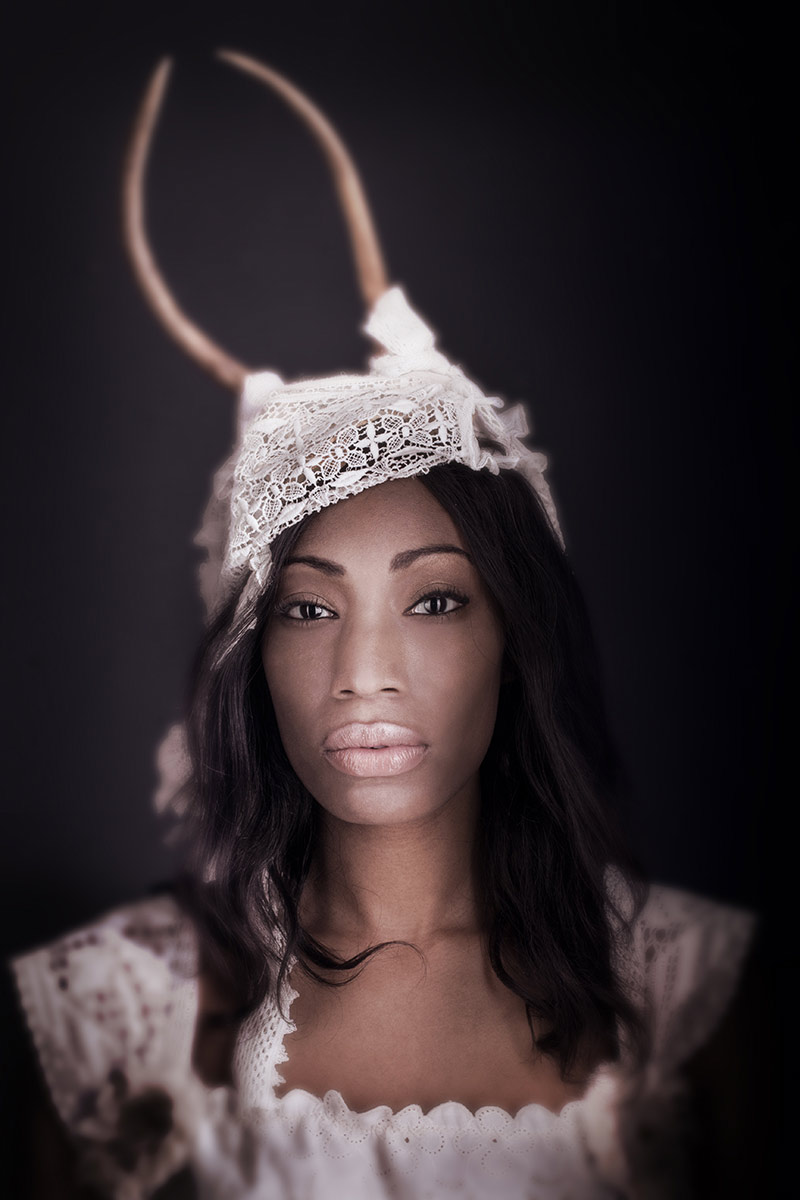
Ivy in the Studio.
My studio had bright white walls in a cove. I didn’t want this image to be on a white background so I moved Ivy far enough away that the light on her had no effect at all on the white wall behind her. It was simply way too underexposed to render at all.
Controlling the exposure through the Inverse Square Law is one of the more important tools you will have at your disposal.
And get this – it doesn’t cost a penny.
ASSIGNMENTS FOR THIS CLASS:
- Using a light source of your own: (studio strobe, speedlight, continuous light) place the light close to the subject and then move the subject AND light source closer to and farther back from a single background. Notice how the image presents itself as you go closer to the background with your subject and light, and what happens when you take subject and light farther away.
- Place camera and background at a fixed point. Then move your subject into the f-16 and make an exposure. Move back to f-11, then f-8, f-5.6, f-4 and if you can f2.8. What happens to the background as you move the subject closer to it and adjust exposure.
- Build your string meter. See below.
Find a piece of good, smallish rope. Clothesline will do nicely.
Put your light on a stand, and run the string straight out from the flash. The flash should be set at 1/8 power if possible. Not full. It should be on “normal” zoom setting neither on telephoto or wide angle.
- Using a meter and a remote flash trigger, find the exposure point for f-4 by going down the rope and aiming the ambient light meter dome directly at the strobe. Keep going until you find the point where f-4 is noted on your meter.
- Using a knot or marker, note that point as f-4.
- Now find the middle of the rope and note it with knot or marker.
- Between the end of the rope and the middle (left side) put a knot or mark in the middle of that area.
- Between the middle of the rope and the end to the right put a knot or marker
- On the right side, now find the middle between the end and the first mark, and knot it or marker
You now have simple rope meter that will be incredibly accurate in all situations.
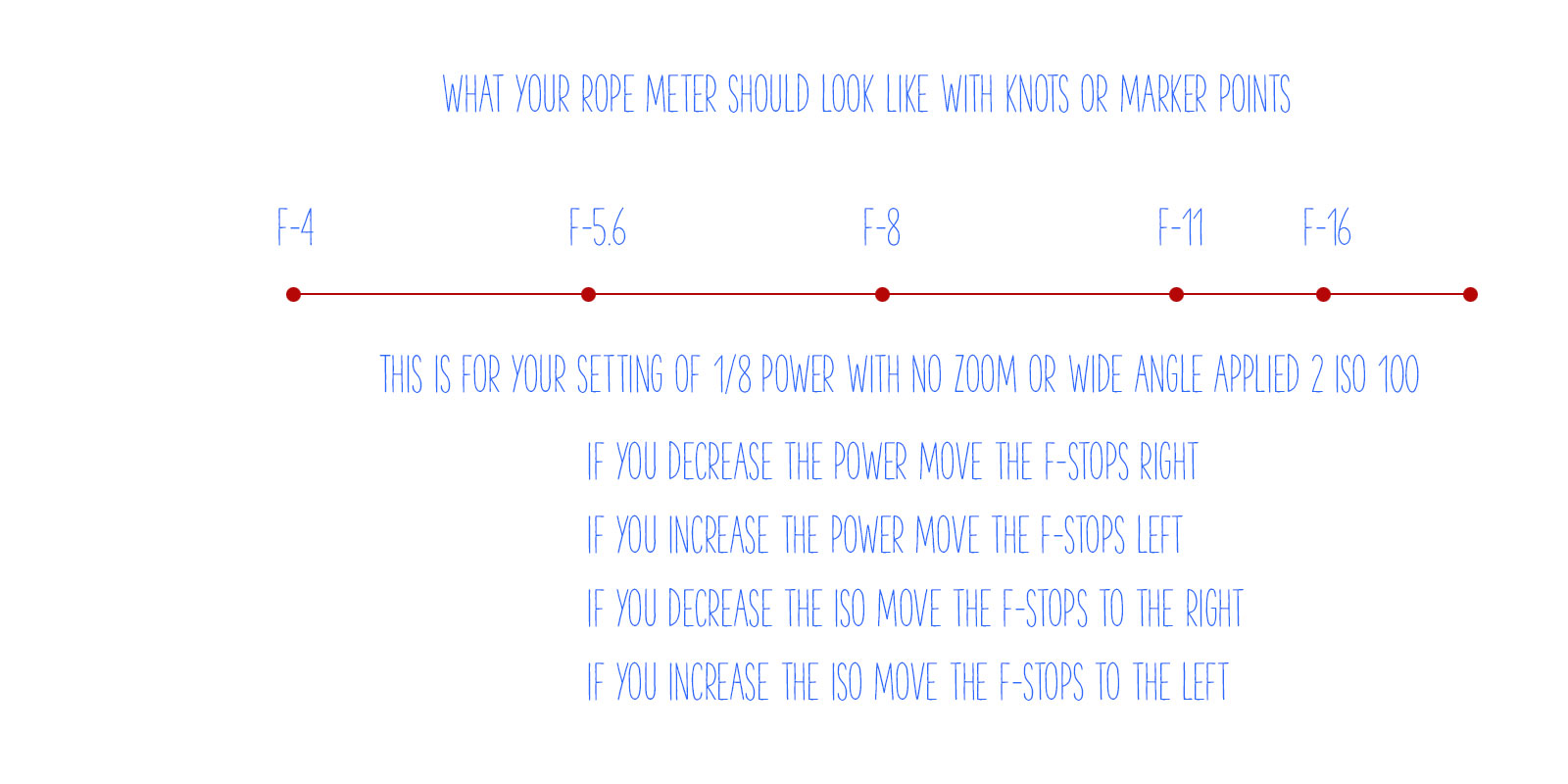
Finding f-4 is the most important part. Use a lightmeter for best results.
If you want to use a gray card, make sure it is at a very slight angle to the light source so it will not have a specular for the camera to see (the reflection of the light source). Shoot at f-4 until you find the distance that will render a single line of pixels in your histogram dead center. That is perfect exposure of a gray card.
Of course, you must fill the lens with the gray card, no extraneous stuff in the viewfinder – just the gray card.
Lighting Basics, Class Two
The Lighting Angle: Part One Now that we are starting to understand the metering a bit better, we are going to look at how the angle of the light can create different presentations - AND different exposure situations. The camera is a fixed position. It is where the...
“Tungsten”
Photographer Anders Ericksson, Sweden. A combination of several photographs, Anders Eriksson creates a 'magical' moment of light. The bulb was shot alone in order to get the edge lighting exactly right. A strip light was used to light either side and then the two...
Lady in Blue
Photographer Girish Bashavar, Ohio In this photograph by Girish Balshavar of Dayton, Ohio, the model is lit with one large source to camera left, and slightly below the subjects elbow. The light source, a softbox, is only a little out of frame and providing...
Through the Rainy Glass
Photographer Anna Gunn and Filipe Martins, Portugal. A thin sheet of glass was sprayed with water to provide a bit of an out of focus foreground and create a mood for this stylish portrait by Anna and Filipe. To create the feel of a rainy day, they used a large...
“Firemen”
Photographer Julie Clegg, Seattle. A main light softbox from slightly to camera left provides the overall illumination. Julie added a fill card to camera right, and it is just out of frame. Directly behind the center fireman there is a gridded spot to add very...
Bob Knill’s “Moody Style”
Photographer Bob Knill, Maryland. Bob Knill of Frederick, Maryland wanted a very dark, moody portrait. Using a main light consisting of a 5-in-one scrim (the inside of a 5-in-one reflector system) with a speedlight he created a very earthy, dark but sublime...
One Light Glamour
Photographer Alicia Bonaterre (Trinidad) For this shot, Alicia used a single strobe in a dish reflector from slightly to the left of her camera. The hard light provides a wonderful highlight on the models legs and sculpts her form well. Using a single hard light is...
Lighting Basics, Class One: Light and Exposure
WELCOME TO THE CLASS... ENJOY LEARNING. This is Lighting Basics... a way to get a fundamental instruction in the art and science of photography. It is geared toward beginners, and those who are mid level but have not had formal training of any kind. Please do all the...
Lighting Basics: The Introduction
It's February 1, 2014. This begins the "Year of Teaching" for me. I may or may not be doing any workshops, but I love to teach so here goes. What this year long series will be: A comprehensive look at what I call "Subject Centric Lighting" - the understanding that the...
And We Are Back
That medical issue took more out of me than I was willing to admit. But I am back - and so is Lighting Essentials... a new post every day. Lighting, gear, photography and fun... What's gonna be new? Watch and see. We will have a new photograph, complete with lighting...

Going Back to Go Forward: REBOOTING Lighting Essentials
As many of you know, I had a pretty rocky third quarter with some serious health issues. They took the wind out of my sails, so to speak, and I had limited energy to work on the things that I loved. Lighting Essentials is one of my favorite things, but I had to keep...
Protected: Social Media Photo Sharing Sites: Your Experiences.
Password Protected
To view this protected post, enter the password below:
The “Help Me Pay My Docs Off” Sale… LOL
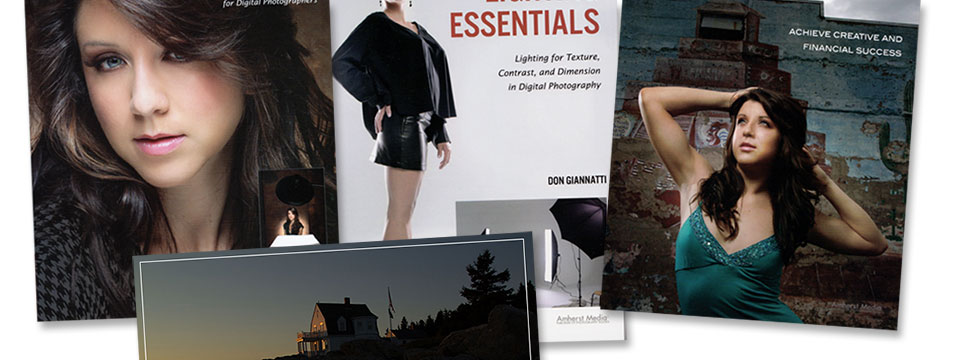
The "Help Me Pay My Docs Off" Sale As many of you know, I was hospitalized for a week in August for a severe blood clot, and a PE which resulted in a heck of a lot of clots in my lungs. I am on the mend, and things are getting back to normal... but I also have...
“Everyone is a Photographer Now…”
Photography: A recent quote by photographer Mary Ellen Mark has had some angst-driven controversy: "“People are bidding on something that has no value. I thought it was a joke, so I just took a cell phone picture of a real photograph. It is easy to take a good picture...
Impatient Patience
Impatient Patience...Keeping The Momentum While Learning the Ropes You know how you think about things around the edges, trying to formulate the thoughts into some kind of pattern that makes sense and can be challenged and won from various angles? You do? Cool, then...
An Excerpt From New E-Book
Chapter Eight Becoming Exceptional As we move toward the beginning of our business plan, I want to take this time to discuss becoming exceptional. Being exceptional means you are a cut above. Maybe two. Being exceptional means you do things differently, and better....
Camera Phones and the Future
Photography: "Everyone is now fully aware that professional Dslr are going to be replaced by mobile phone cameras. It is just a question of time. Already, this year, there has been more phone cameras sold than point and shoots. One main reason: Phone cameras can now...
What’s Wrong With Photography? Nothing… Its Photo Writers We Should Question
A review of an article written for F-Stoppers by Lee Morris. The Nikon DF Represents Everything Wrong With Photography Or does it? I have a bad distaste for the bullshit club. The elitists who sit on the sidelines telling others what 'should be' without getting in the...
Just How Easy Is It To Be a Photographer?
(Originally Published in "In The Frame" my weekly Sunday Dispatch. If you are not subscribed, there is a place to do it just to the right of this article.) I recently received an eamail that made my day. It promised me a six figure income in photography and with...
First Roadtrip: Flagstaff and Jerome
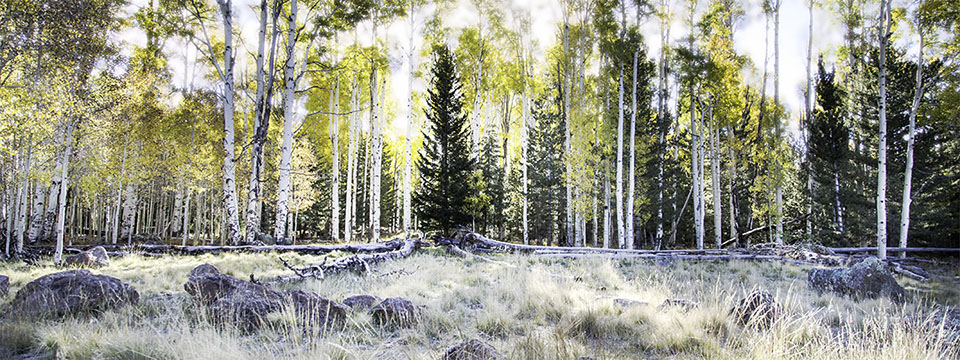
I have not had the chance to do much roadtripping lately. The docs wanted me to stay pretty close to home for a while, but heading up to Flagstaff is only a couple of hours - well within the four hour limit. I wanted to catch some fall foliage, something I have never...
Kyle Jones Shoots the Reno Rodeo
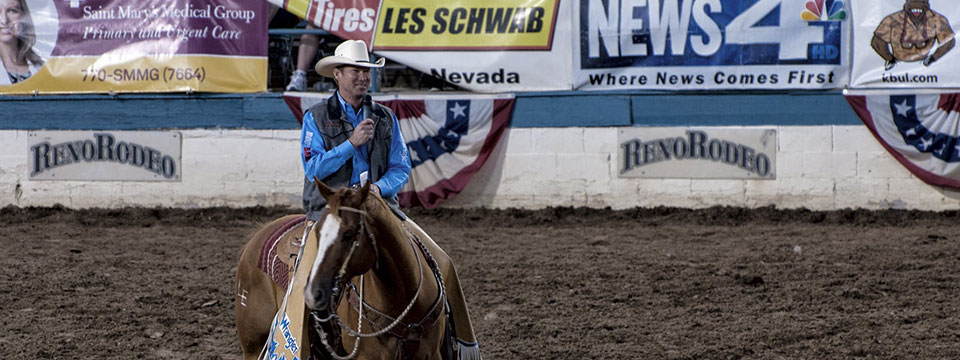
Project 52 Member Kyle Jones shot the rodeo in Reno recently. Kyle is a photographer of many interests and talents. He is working on building a book and getting out in the Reno market by the first of the year. This fun shoot is one of the stories he is working on for...
My Neighborhood
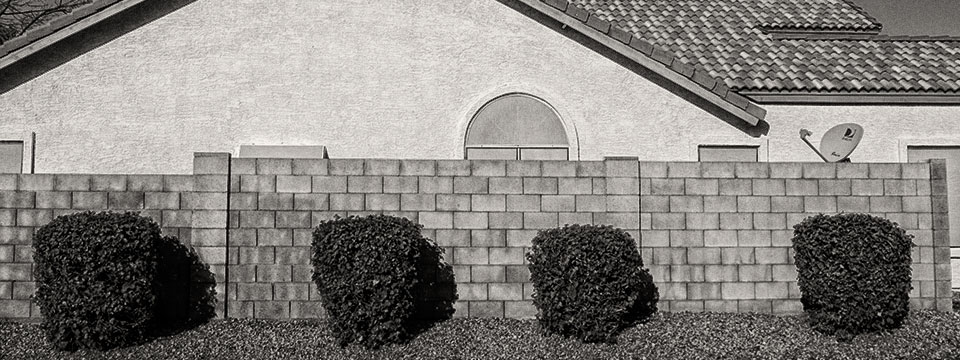
I have been recovering and walking... lots of walking. The immediate neighborhood is of course the most logical place, so I traverse the streets around my home a couple of times per day. When my friend Antony Northcutt asked to see some images from people's...
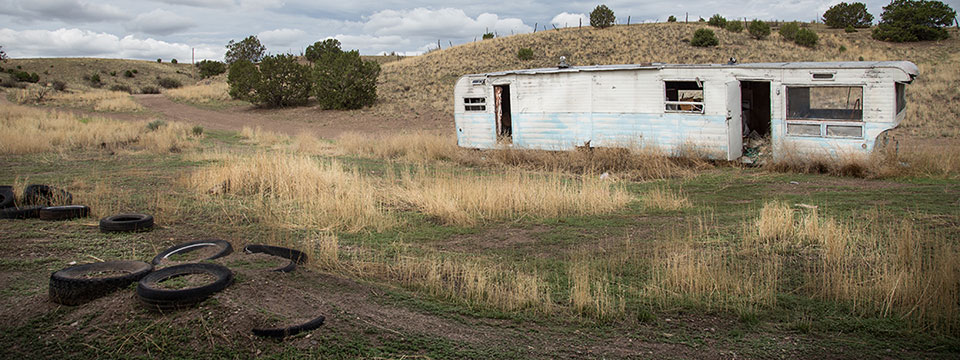
Life: Rebooting and Re-Evaluating
I dodged the bullet and my health is steadily improving. I am beginning to get clear headed again, the recent fogginess resulting from lungs that were not sufficient to make oxygen for the brain. The docs say the heart came through it with flying colors, even...
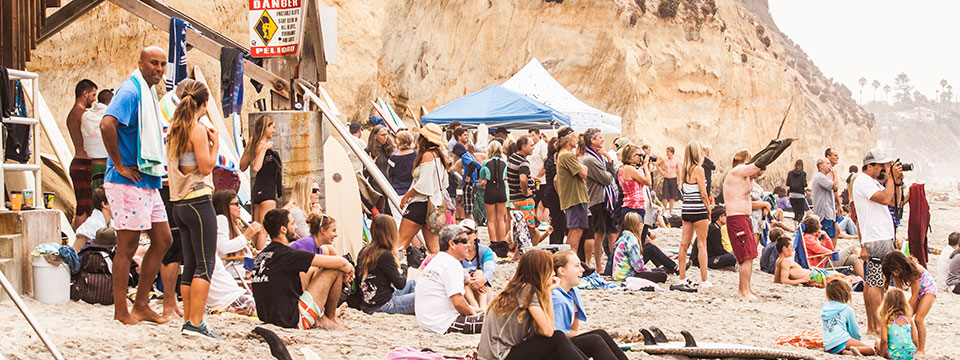
Mike Moore: Surf Meet
Project 52 member, Mike Moore's Project. I live in Encinitas California. It is a small but growing city 25 miles north of San Diego. Known for its legendary surf spots, Pipes, Swami’s and Stonesteps to name a few, Encinitas is often described as laid-back and funky....