
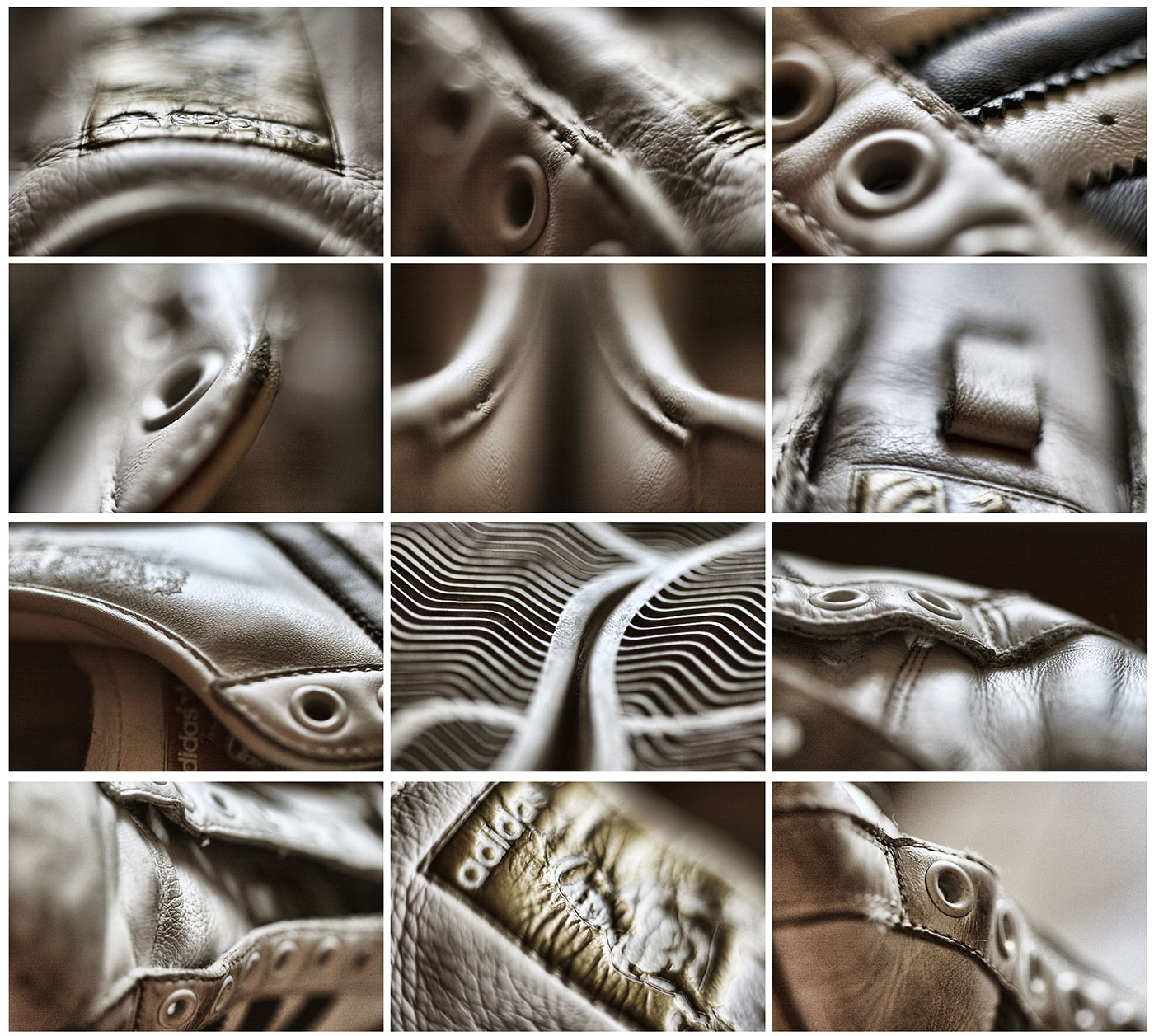
EVERYTHING REFLECTS.
Let me say that again. Everything reflects.
Some things reflect more than others. Some surfaces are more reflective than others.
But since everything reflects, we are sometimes presenting what that subject reflects rather than ‘bouncing’ light into a dark area.
In portraiture, I think of providing the shadow side of the face something to reflect back to me rather than ‘filling’ as in creating light on a dark surface. The reason is that the cheek and chin and hair on the shadow side can be made to reflect the object I have placed there if it will indeed be within the angle of reflection to my camera.
I believe I get more control that way. The brighter the ‘reflectors’ the brighter the reflections back to me. Moving the reflector away from the subject increases the distance, and the reflection becomes less bright.
One of the chief reasons that things reflect the way they do is the surface of the subject. Smooth surfaces may reflect absolutely, with lots of contrast, while adding texture will cut down on the reflection of the light and actually cause it to be presented with less contrast.
It is this nature of the subject that I focus on first when deciding what kind of light to use.
I will say this before we go on… there is NO one way or right way or best way do make images. There is your way and my way and her way and his way and on and on. I will present to you what I do and you are free to take it and modify/adjust/deconstruct/start over or discard what I do. It’s OK. In fact it is what I want you to do. Take this information and make it yours. Utilize subject centric lighting in your own way and make better photographs.
Surfaces have a couple of distinct parameters for us to explore: rough, smooth matte, shiny and combinations of all three sometimes. And each one of them reflects light back to us in different and particular ways.
Shiny, glossy surfaces, matt surfaces, and textured surfaces.
We will first look at textured surfaces.
Texture is what I see first when I start to look at a subject. I just do. Of course color and shape and all play into it, but the light has its way with texture, and I notice how it is presented back to the camera. In nature it can help me decide the angle of my camera to subject and in the studio it helps me decide on what kind of lights/modifiers I will be using.
I can choose to either enhance or mitigate texture by using the angle of the light as it is presented to the subject and back to me. A very rough wood wall with light scraping down across it shows a lot of texture, and I can use that angle of light to reveal that texture to my viewers. If I decide to lessen the contrast I can wait for a cloud to come between the sun and the subject, or go around the subject to see if there is texture wood in the shade. It will still be a texture, but it will have less contrast between the bright part of the texture detail and the shadow side.
The cloud lowers the contrast just as being in the shade does. In simple form, the light source becomes larger than the detail of the texture, but we will discuss this further in the next chapter.
If the light is on either horizon, I can change the look of the texture by changing where I put the light in relation to the subject – in relation to the camera.
Light from the side shows more texture. Light from the camera means less texture. The reason is that there is more contrast between the highlights and the shadows cast on the sidelight than there is with the light coming from the same direction as the camera. The light behind the camera actually doesn’t show shadow to the camera (angle of incidence = angle of reflection) while the sidelight throws shadows and creates contrast.
Texture shows the viewer how rough an area is, or what kind of surface they would find if they were there. It delineates the shape of details and it gives us information beyond what we would see on the surface. Old things have lots of texture from the weather or the sun. Areas that are full of texture have lots of visual energy. The eye knows that the light is playing on something that shows itself with character and charm. Cookies have to have texture, as does old barn wood. We want to see the texture in an old book as we want to see it in a pasta dish or leather jacket.
In the picture below, I am using a hard light to emphasize the texture of the pods. A small light source placed at a side angle to the pods and camera gives me highlight and shadow with very little transition between.
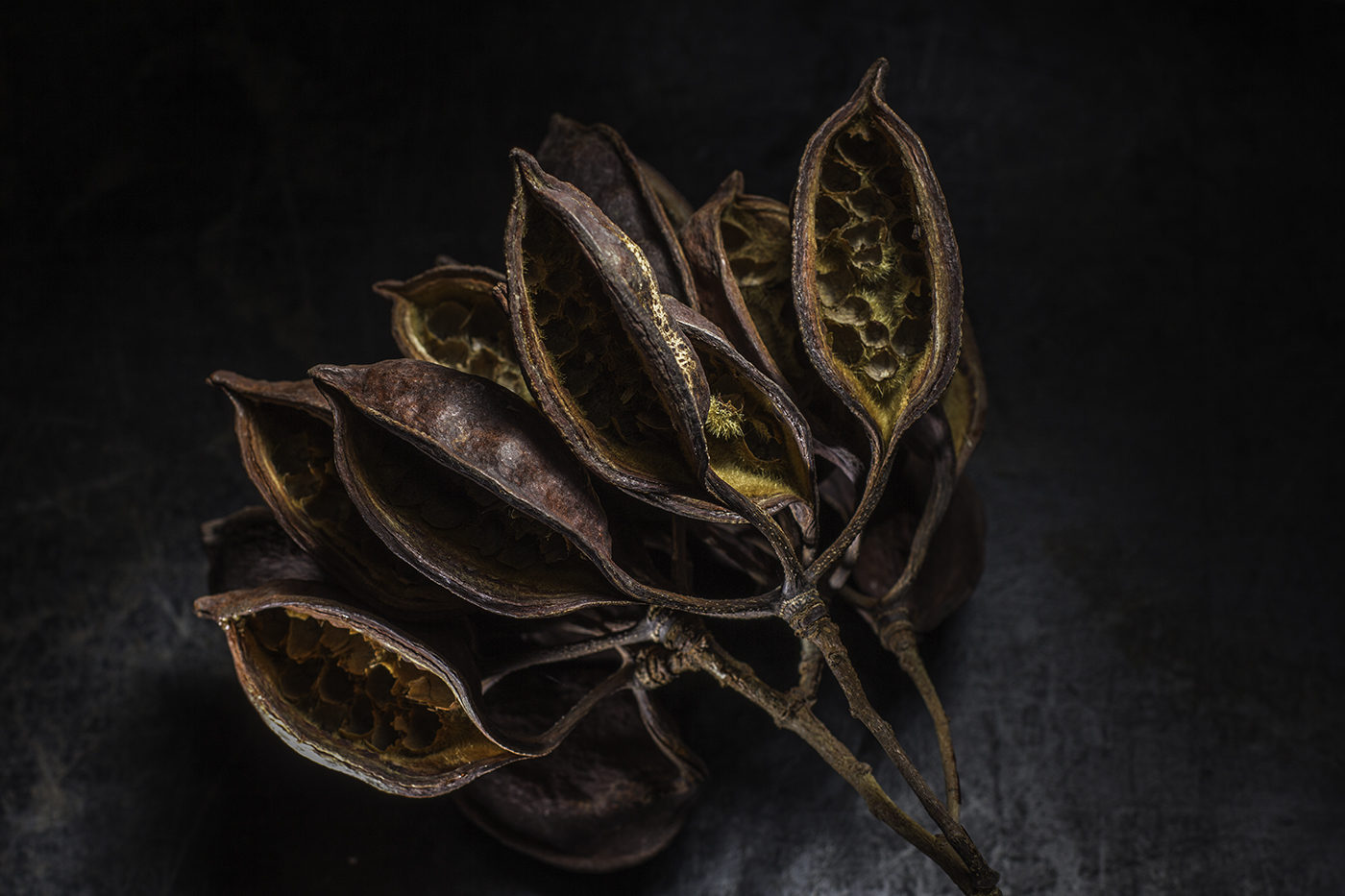
You can see the side light in the stems and the rim of light that is created by the quick fall off from reflection of the light source to the shadow.
Texture gives us context, and it is nearly unconsciously understood. We have seen what light does to texture our whole lives, so when we go to photograph it, we are naturally drawn to those times of day and places where the texture is well rendered.
But there are places where texture may not be as welcome. A subject’s face or skin may not be considered a good thing when rendered with a lot of texture. Unless, of course, they are quite interesting with the texture rendered. Age is something we can show with texture – and along with that inspiration, wisdom and the universal knowledge of what aging does to us all.
The old brick wall that Jamie is running on shows lots of texture due to the sidelight (top light) giving us edges and shadows.
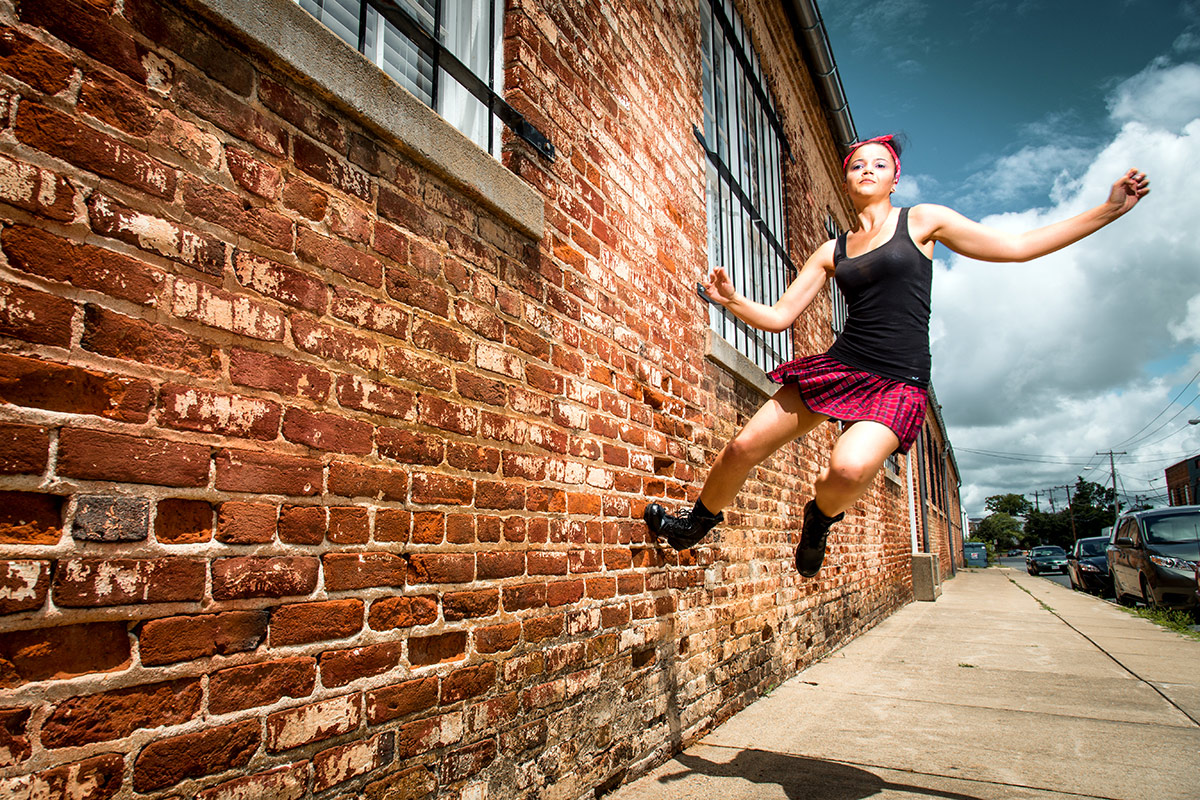
A close inspection shows us the highlights on top of the bricks and then the many indentations exacerbated by highlight and shadow with a fast fall off. This is created by using a small light source – the sun – and a large subject – the wall.
We want our things to be rendered as we expect them to be in real life. Water is wet, rough-hewn wood should look like it is a splinter waiting to happen, glassware should be very smooth, and skin should be smooth and attractive.
Sure there are examples of things being rendered in an un-natural state – and that’s fine. I am talking in a generality here, and one with a lot of history to back it up. While there may be an example of two of rough, scary skin on teenage girls, the vast majority will reject that image instantly.
This shot of cracked earth exhibits many of the properties of a subject / light relationship. Notice how much texture is shown due to the small light source side lighting the cracked earth. The sun is a small light source, and you see no soft, wrapping light, In addition, there is a bright spot in the middle of the image created by the specular – although it is a bit diffused, the dried mud is still reflective enough to show us a reflection of the sun at the same angle from camera. If I moved left or right, I would change where that bright spot was because it was locked into the same angle as my camera from the other side.
I chose to place my exposure one stop less than the recommended exposure to increase the feeling of a vignette.
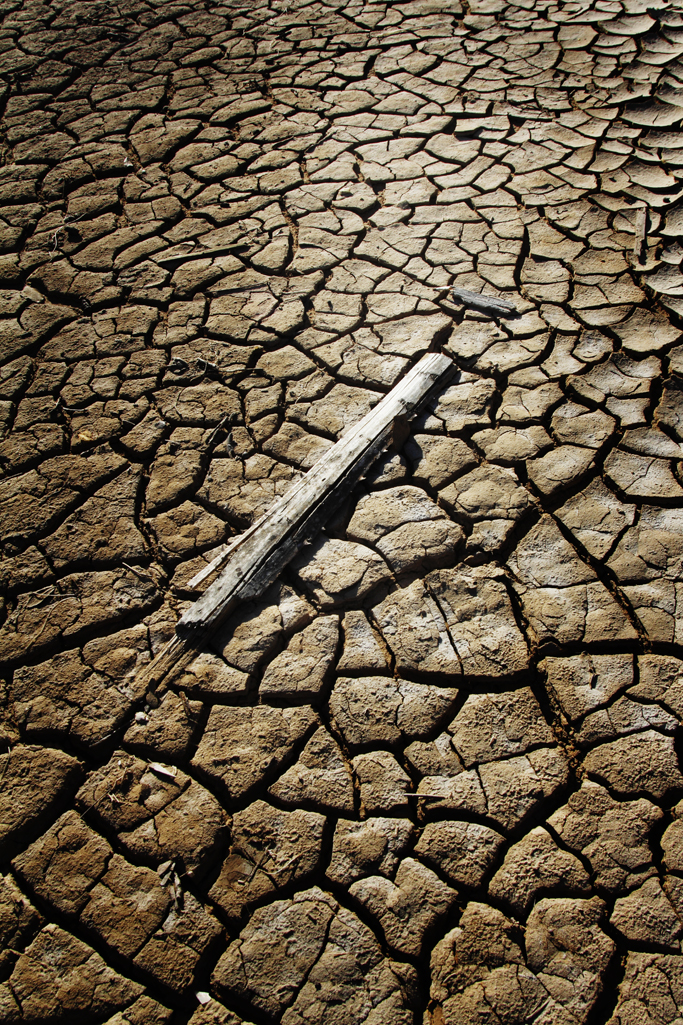
Small lightsource, at a side (back) angle and a slightly reflective surface gives us more to work with than just a dried mud slab.
Texture is also shown by the angle of incidence rule. If we choose to include the light as a part of the composition, for instance, we may choose to include its direct reflection back into the lens. A highlight on a shiny surface will show us how shiny it is by the relationship of the light and the surface around it. A less smooth surface may make a softer reflection of the light source, and that will also tell us about the surface texture.
In this detail of an alto saxophone, the light is coming from the top back and it leaves small speculars on the areas that are efficient (shiny) and emphasizes the texture of the old keys and metal discoloration.
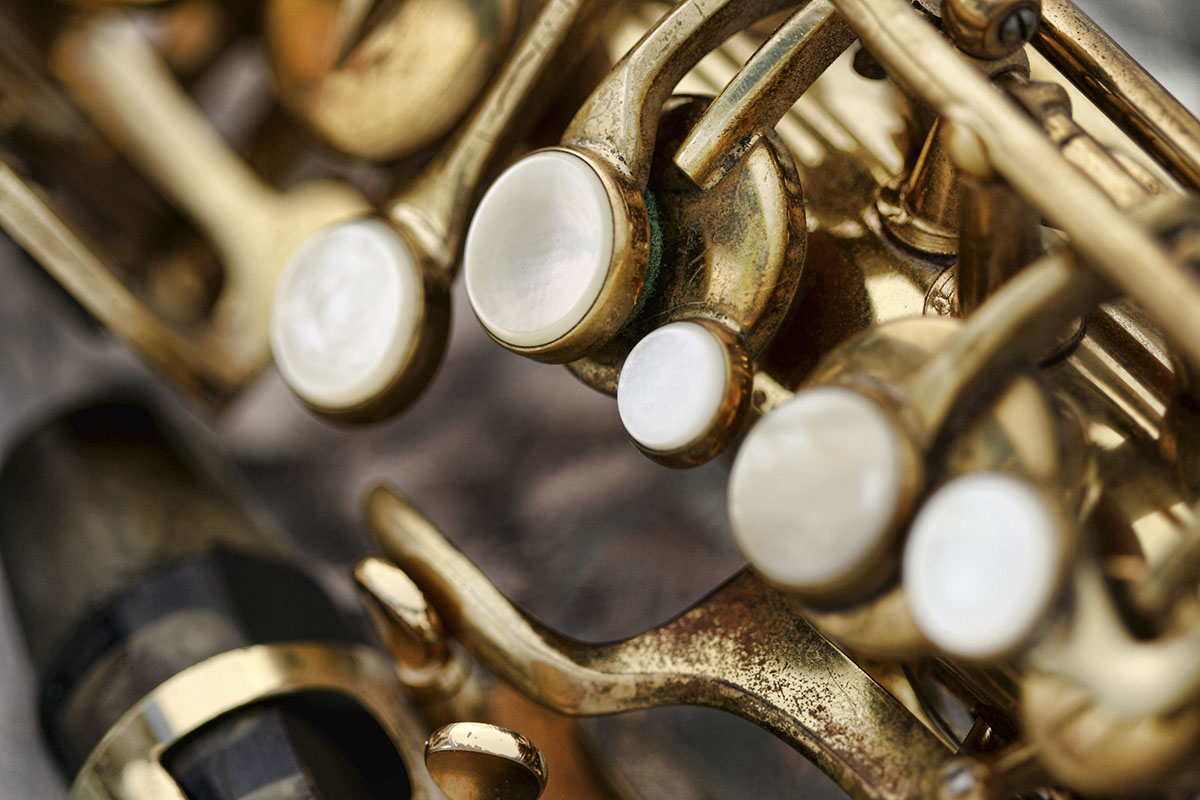
There are many places where we can use the reflection of the light source to create a cool looking gradation or highlight to create some interest as a point of composition as well.
The main point of this composition is the light on the wooden tools. By making sure the matte textured tools have a soft, directional light without any fill, the texture of the wood shows clearly in the image.
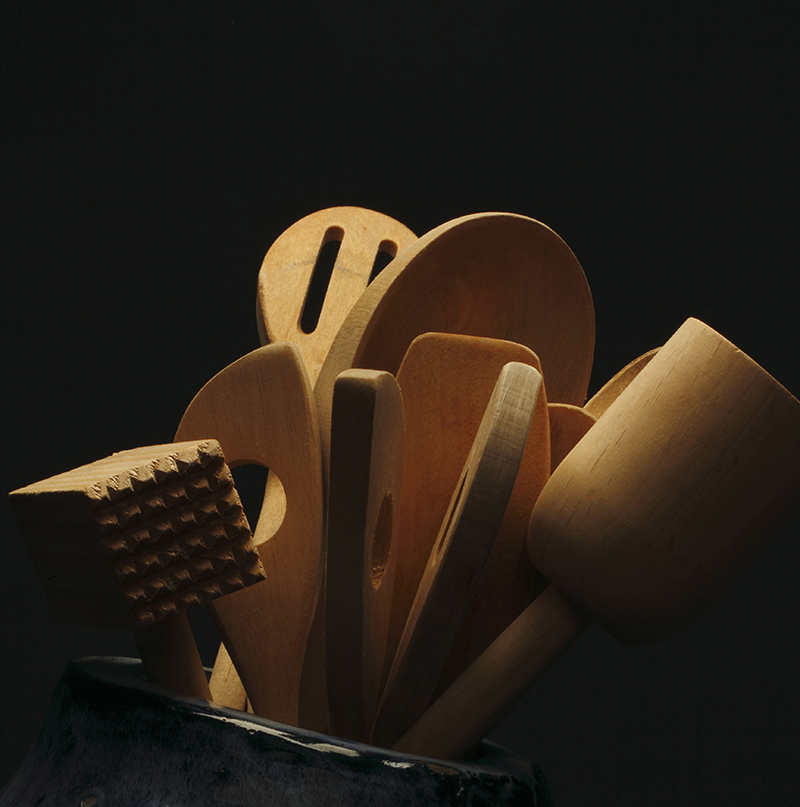
Ways to create texture:
Sidelight.
Top light.
Hard light (small source).
Backlight can also be used in many situations.
ASSIGNMENT
- Shoot a textured item (product / thing) to show the texture and find ways to mitigate or lessen the texture. Hint – front light nearly always kills texture, and sidelight nearly always makes it stronger.
- Take a single textured item – like a shoe – and using your flashes or studio lighting, create as many different texture shots as you can using only one light – no fill.
- Look for texture in nature and shoot images that emphasize and also lessen the texture just by walking around the subject to see different angles of light to subject to camera.
It is Election Day in America… Vote
Two Lenses: A Day in the North Country
Yesterday I spent the morning wandering around an area north of Phoenix for a few hours. Joined by photographers Dennis Mong and Miachelle DePiano, we took a loop through a beautiful part of central / north Arizona. I had no expectations other than hoping I could...
Great Reads: November Books 2014
"A Road Through Shore Pine focuses on a series of 18 never-before-seen photographs by Robert Adams (born 1937), taken in Nehalem Bay State Park, Oregon, in the fall of 2013. Adams documents a contemplative journey, made first by automobile, then by foot, along an...
Halloween Shoot: Project 52 Members
The assignment was to illustrate a double truck (2 page spread) magazine story on the Origins of Halloween. Layout was furnished as a layered PSD file and the P52 students had to shoot TO that layout - reversed copy and all. The assignment was a great example of how...
Basic Systems for Commercial Photographers
My recent Lighting Essentials post on "Systems" (Don't Be Afraid of Systems) was an overview of some simple checklists that I use to keep focused and create content in an overwhelmingly busy world. The amount of people, information, education, entertainment and sheer...
Project 52 “The Catalog”
In this assignment, the photographers had to jump through a few hoops. The previous week they had to submit a "Creative Direction" shoot showing at least two different approaches to doing the fictitious catalog. Those approaches had to meet some criteria. First is...
Off Topic Sunday, October 26, 2014
An absolutely astoundingly hectic week. My daughter got married Friday night, and Saturday was spent on a hundred different unrelated errands. Now, Sunday is going to be for catching up and getting ready for next week. Check out this amazing commercial. And please...
Inspiration Friday: October 24, 2014
Kyle Johnson | William Cohea
Too %$#*@ Much Freedom
Last week I railed against too many rules. Now I am asking if there is too much freedom? Could I be off my meds, or a little daffy? To complain about too many rules and then question if there may be too much freedom too… OMG, I am turning into a …. no, I won’t go...
Help a Singer Go To Argentina, and Get Four Hours Consulting
Hi everyone. My daughter, Alissa, is going to Argentina with the Phoenix Children's Chorus summer, 2015. We are all pretty excited. You can hear them sing here. However, it costs a bit to send her, and we are looking for some ways to help her get there (along with...
Off Topic Sunday: October 20
Yesterday I was asked to shoot one of the new choirs at Phoenix Children's Chorus. This is an elite group of singers that are available for gigs in the valley. This is one of my favorites from the shoot. ON SIMPLIFICATION I am going through a simplification...
Great Reads: October 2014 Releases
I don't know very many photographers who do not have a large collection of photo books. Mine fills an entire double walled shelve system and is still growing. I love books. I love photographs. Nothing better than to grab an old book, a cup of tea and peruse the...

Inspiration Friday 10/17
Irene Liebler / Jessica Edler
Photography: Too Many #%*#$ Rules!
I was talking with a couple of photographers this week and we were discussing their output… or lack thereof, and I was commiserating a bit with them. I have been mired deep to the elbows in stuff that doesn’t involve cameras for the last six weeks. Very little...
ATTENTION ALL PROJECT 52 MEMBER AND ALUMNI – 2015 Trip to the Canyons is ON
As we do every year, the meetup / party is scheduled for February 6-8 and the trip north is from February 8 - 15. There are no creative or workshop fees attached. Only a per person share for van rentals, gas and a few consumables. We will have information on local...
Josh Ross on Marketing and the Life Cycle of a Product Shoot
My friend Josh Ross and I got a chance to talk a bit about marketing and project life cycle of a product shoot. This was an invite only (Project 52 members) and you will hear some questions at the end of the webinar. This is NOT a flashy look at photographs webinar,...
Inspiration Friday 10/10
Eric Muetterties / Scott Toepfer

New Directions, Multiple Channels
A few things have caught my attention lately. I mean really caught my attention. One was the great chat we had with my friend Rosh Sillars on how to price a gig in the new economy, and the other was his discussion we had off mic about photographers being able to do...
Dennis Dunbar: Retouching Secrets of the Pros
In Charlotte, NC, October 25 Presented by APA Charlotte If you are in the area, you should check it out. Dennis is an excellent retoucher. "Dennis Dunbar is a Digital Artist with extensive experience in digital issues and techniques. Since 1991, he has been working...
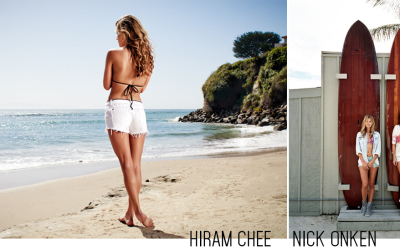
Inspiration Friday
A new feature idea I thought would be cool. Each Friday we will look at a couple of images from famous and not so famous photographers. Hiram Chee / Nick Onken
Building A WordPress Photography Site (Santino)
My friend Bob Knill wanted a bit of a hand on building his site. He chose the them Santino, and I did these videos for him, and you, to see how to build and maintain a Wordpress website for photographers. We will add additional movies as we go through SEO, but this...
Hey, They Want You In the Arena… Are You Ready?
Would it surprise you that what we think is more powerful than reality? That mere thoughts can be as powerfully uplifting or critically damaging as what we actually do? “I don’t think I am ready to get out there and show my book” he said to me. It didn’t matter that...
Perfume Shot To Layout
At Project 52 last week we had an assignment to shoot a specific image of a perfume bottle. You can see the assignment here. These are some of the great images the students shot for this assignment.
Environmental Portraits
The crew at Project 52 (2014) shot some environmental portraits last week. Thought I would share them here.