
Subject Centric Lighting
LIGHTING ESSENTIALS WORKSHOP: SUBJECT CENTRIC LIGHTING
I hope you enjoy this workshop.
It is the culmination of decades of being a working, professional photographer and having to meet the challenges of making images for other people. Other people with high expectations and demands for the work. Other people who didn’t necessarily care how hard it was to make the shot they wanted, they wanted that shot. Now.
Being a photographer in a small market meant I didn’t necessarily have a strict specialty, although people and still life did make up the bulk of my work. I would occasionally shoot architecture and food, as well as the now and then corporate shoot.
I wasn’t really a ‘generalist’, but some weeks it seemed as though my assignments were as unrelated as they possibly could be.
One week I had a food shot going on in one corner of the studio, with a catalog shoot going on in the other part. All of this while I was shooting a lingerie shoot for an ad agency in the rest of the studio. Heady times, long hours, really damned fun.
This workshop will take us through many of the ways to light photographic subjects. And lighting is, as they say, lighting. Yeah, I am so old I remember when “off camera flash” was simply called lighting.
We are going back to that time. Lighting is lighting and the goal is always the same: to make an image that represents what we see in our mind’s eye. Knowing what we want is step one, making it happen with the tools at hand is step two.
The assignments will be given one per week. They will remain in place for future photographers. You do not have to start at the beginning, but the first five lessons are absolutely important to review before moving to the assignments you want to do.
SUBJECT CENTRIC LIGHTING
I call my system “Subject Centric Lighting” because the subject plays a bigger part in the lighting than the lighting gear does. How a subject renders the lighting we apply to it, and how the camera receives that light is what makes our images interesting.
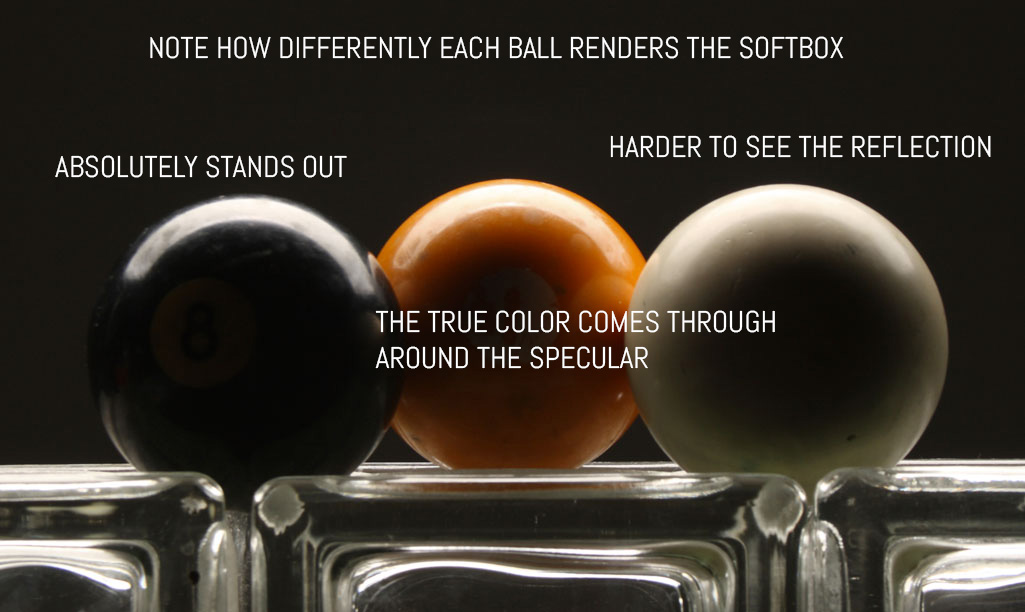
Subject Centric Lighting recognizes that light does the same thing every time. It is the subject that changes the way the light reflects back to our camera, not the light tool we choose to light the subject with. Lighting a dark bowling ball with a soft box presents a far different rendition of the light than using the same light for a white bowling ball. Everything is changed – from specular presentation to shadow fall.
But more of that as we go along.
First, let’s get into the basic principals of light and lighting.
LIGHT DOES THE SAME THING EVERY TIME
It must. Otherwise, we could never control it.
Imagine a saxophone with its many variations of keys. A sax player has to know that if a certain set of keys are pushed, a specific sound will come out. If it was random, then no music could be produced. There would be no point in learning the saxophone since there was no knowledge to be applied that would render it usable.
The same with lighting. We have to know that if we have a flash at 1/4 power, 15′ from the subject, that a specific exposure will be generated. We can control how much exposure that is by changing the ISO of course, but always at any specific setting that flash will produce the same measurable amount of light. Every time.
It is the same thing with modifiers. A softbox will look like a softbox when it is being reflected from a shiny surface. An umbrella will wrap the light if used to do so based on science and physics, not some magical desire to use an umbrella.
So if light does the same thing, how can we use that knowledge to make light do what we want it to do? And if it does the same thing every time, why do images look different from each other when using the same or similar lighting?
Subjects.
Subjects are dimensional, with textures and surfaces, and shadows and speculars and more. A shiny subject renders the light back to the camera differently than a diffuse subject does. A dark subject renders the perceptible highlights differently than a light subject. Subject change, but the physics of light do not.
WHAT YOU WILL NEED:
This workshop is designed to teach you the basic principles of lighting for photography. We will have weekly assignments and you can start anywhere, anytime. There is no charge for this workshop, although we will be asking for your email so we can keep you up-to-date with all that is going on in the workshop.
We have a Facebook Group for this workshop, and you will be able to meet others in the workshop, ask questions and find out when the open webinars will be.
You will need a camera, of course. And while much of the natural light information can be used with even a cell phone camera, much of the photographic education will require a camera with aperture / shutter speed controls.
Lighting gear:
A 5-in-one reflector kit would be a great purchase since it will be something you will be available to use over and over for all sorts of image lighting effects. I call them the best bang for the buck in lighting gear.
White cards. From the Dollar Store or Target, white foam style boards will be a vital part of your gear.
Photographic light stands. A couple of cheap ones would be fine if you do not have any at the moment.
A couple of ‘A’ Clamps from the local hardware store will hold the boards and reflectors to the stands. Get the cheap ones.
A tripod will make your work a lot easier, and there are some good ones that are not expensive.
If you are going to use artificial light, there are too many options for me to tell you much other than we will be doing a lot with them. So whether you are a speedlight shooter, have a couple of studio lights, or even continuous light set ups, all the information is the same. Light is light, and the gear is there to provide that light.
We will learn to control light and make it do provide the look we want.
On the black cue ball, the light is distinctly shaped and no other light is seen. On the orange ball, we see the softbox specular, and a bit of the true tone of the orange around it. That bright orange makes the highlight specular a bit harder to see distinctly – at least as distinctly as the black ball. On the white ball, the specular all but disappears into the white true tone of the ball.
Same light is seen differently by the camera because of the makeup of the subject. We will be discussing this in length in future posts.
Light.
It is a substance that we cannot smell, touch or hear.
Can we see light? No… we can only see what it reflects from. The subject.
I will refer to that as the “presentation of the light” in this workshop. That refers to the way the subject is taking the light onto its surface, then reflecting it back to the camera lens.
No… we can only see what it reflects from. The subject defines the light… we cannot see the light in transit from source to subject, only what the subject reveals after the light has come into contact with it.
To me, that is one of the magical qualities of light, almost mysterious and yet compliant with our wishes. I think of light as a liquid when planning my lighting… it helps
I think of light as a liquid when planning my lighting… it helps me ‘see’ something that isn’t there but yet has similar properties. Direct light is like water from a hose, while diffused light is mist. Ambient is similar to fog in my mind, while umbrellas are more like garden sprinklers.
You can think of light in many different ways to help you plan your shots, but whatever you do to help, keep in mind that light does the same thing every time. Everytime. If you have a light that gives you an exposure at f-ll
If you have a light tool that gives you an exposure at f-ll on 1/2 power at ISO 100 at 6 feet… it will repeat that for you (barring some sort of malfunction) every single time you set it at that distance, power, and ISO.
The predictability of light tools makes controlling it a matter of understanding what it does and how to use the tools at our disposal to modify, control, and adjust it to suit our plan.
Even the sun is predictable. F-16 at 1/100 with ISO 100 film. (Sunny 16 Rule: F-16 at 1/ISO). This makes understanding light far easier than if it was unpredictable.
Getting the idea of what to shoot is harder than shooting it in most case… once you know how to light correctly.
Important Note:
Everything reflects. Everything.
Dark, rough fabric does not reflect as much as a shiny, painted surface. But it does indeed reflect.
It is important to know that as we begin.
We will first turn our study to the four principles of light. While I am not a fan of rules, I will say that understanding these four principles will definitely enhance your ability to handle any lighting situation you may have.
SIZE OF THE LIGHTSOURCE RELATIVE TO THE SUBJECT
DISTANCE OF THE LIGHTSOURCE
COLOR OF THE LIGHTSOURCE
ANGLE OF THE LIGHTSOURCE
Now here is the hard part: there is no hierarchy to these principles. What that means is there is no ‘first, second’, etc. Each one of these four principles are as important as the others. We do not approach it from size first, then color – or any of that. All of it is very important and all are important at the same time.
This single idea – that all four of these principles are equal in importance is perhaps the hardest one to think about – but it starts to flow when you get it down. You can do this.
Now to be sure there are times when we start with one or another of these principles because that is the biggest challenge at the moment. And those priorities will change from shot to shot. It is to be expected since we never know what is going to be in front of us at any specific moment.
LIGHT DOES THE SAME THING EVERY TIME.
And we can control that light by the way we understand the principles of light, and understand how those principles affect a given subject depending on their properties.
Let’s look at the four principles of light.
THE FOUR MAIN PRINCIPLES OF LIGHT
An Excerpt From New E-Book
Chapter Eight Becoming Exceptional As we move toward the beginning of our business plan, I want to take this time to discuss becoming exceptional. Being exceptional means you are a cut above. Maybe two. Being exceptional means you do things differently, and better....
Camera Phones and the Future
Photography: "Everyone is now fully aware that professional Dslr are going to be replaced by mobile phone cameras. It is just a question of time. Already, this year, there has been more phone cameras sold than point and shoots. One main reason: Phone cameras can now...
What’s Wrong With Photography? Nothing… Its Photo Writers We Should Question
A review of an article written for F-Stoppers by Lee Morris. The Nikon DF Represents Everything Wrong With Photography Or does it? I have a bad distaste for the bullshit club. The elitists who sit on the sidelines telling others what 'should be' without getting in the...
Just How Easy Is It To Be a Photographer?
(Originally Published in "In The Frame" my weekly Sunday Dispatch. If you are not subscribed, there is a place to do it just to the right of this article.) I recently received an eamail that made my day. It promised me a six figure income in photography and with...
First Roadtrip: Flagstaff and Jerome
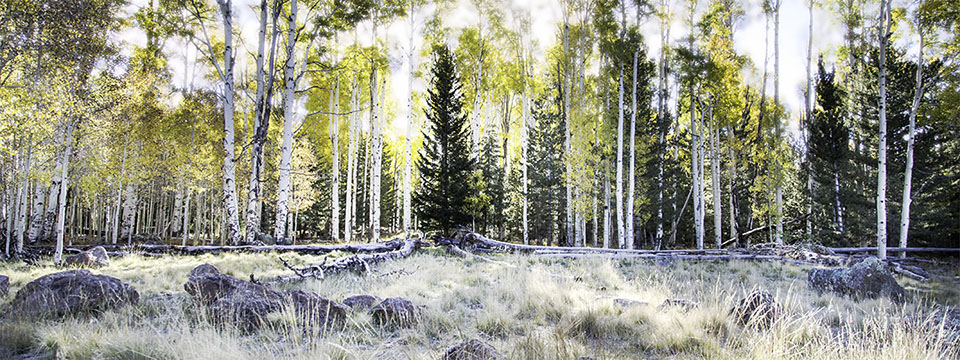
I have not had the chance to do much roadtripping lately. The docs wanted me to stay pretty close to home for a while, but heading up to Flagstaff is only a couple of hours - well within the four hour limit. I wanted to catch some fall foliage, something I have never...
Kyle Jones Shoots the Reno Rodeo
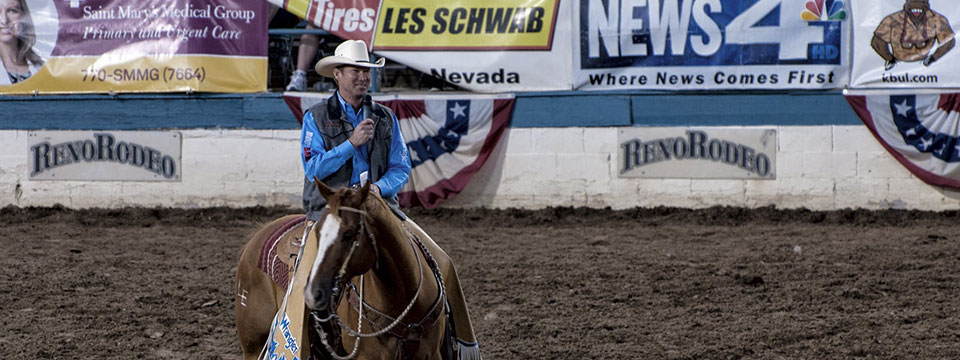
Project 52 Member Kyle Jones shot the rodeo in Reno recently. Kyle is a photographer of many interests and talents. He is working on building a book and getting out in the Reno market by the first of the year. This fun shoot is one of the stories he is working on for...
My Neighborhood
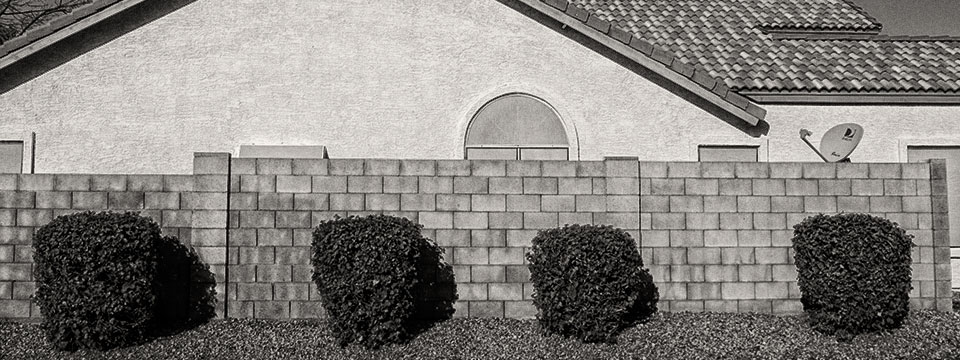
I have been recovering and walking... lots of walking. The immediate neighborhood is of course the most logical place, so I traverse the streets around my home a couple of times per day. When my friend Antony Northcutt asked to see some images from people's...
Life: Rebooting and Re-Evaluating
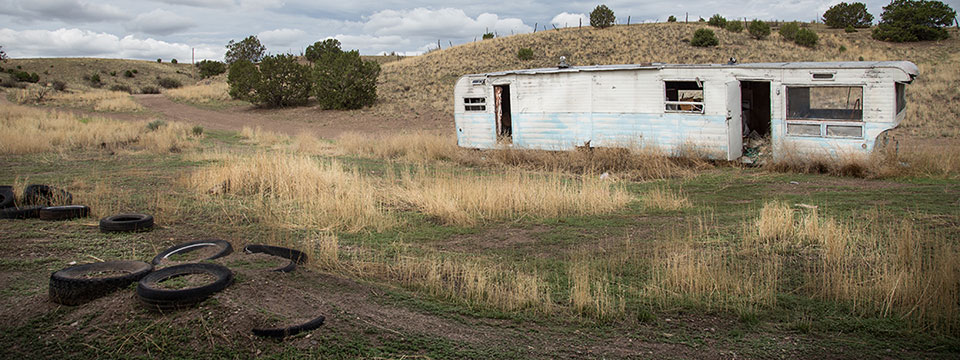
I dodged the bullet and my health is steadily improving. I am beginning to get clear headed again, the recent fogginess resulting from lungs that were not sufficient to make oxygen for the brain. The docs say the heart came through it with flying colors, even...
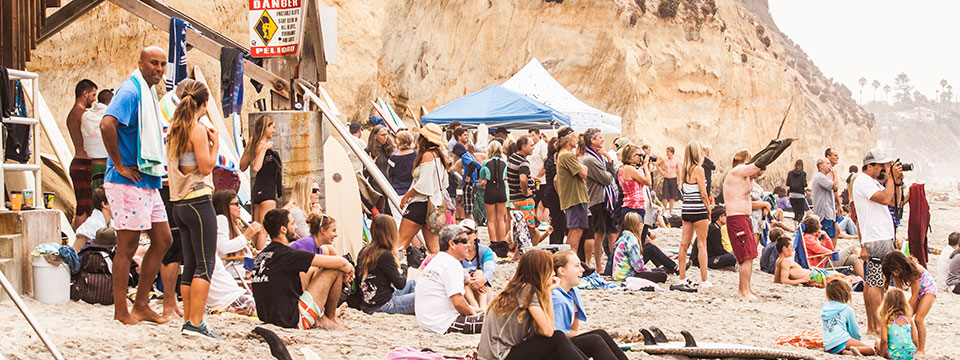
Mike Moore: Surf Meet
Project 52 member, Mike Moore's Project. I live in Encinitas California. It is a small but growing city 25 miles north of San Diego. Known for its legendary surf spots, Pipes, Swami’s and Stonesteps to name a few, Encinitas is often described as laid-back and funky....
Move. Seriously, Get Up and Move!
The curtain to the ER room flew open. A white coated doctor stood there with some papers in his hand and just looked at me. “You aren’t supposed to be here”, he said. I smiled and said they were moving me to the ICU in a few minutes. He kind of wryly smiled and said,...
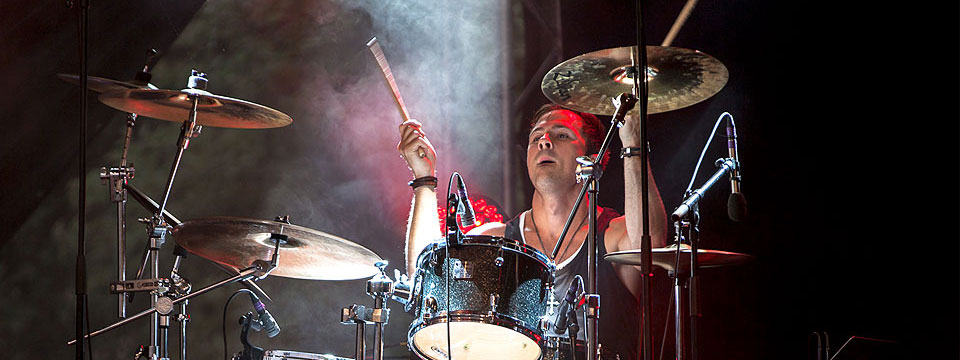
A Concert in Boras, Sweden by Tomas Jansson (P52)
Tomas Jansson is a Project 52 PRO. This is his project shoot. "With my pictures I have tried to capture a story, give an overview of the area, the people and of course the concert. Every Thursday for eight weeks in the summer there are festivities in my hometown of...
CreativeLIVE is Having a Sale on All Programs
And you can get mine for $50 off. Also suggest the first Sue Bryce and the first Zack Arias. Hit their site for all the sale items... every show is on sale.
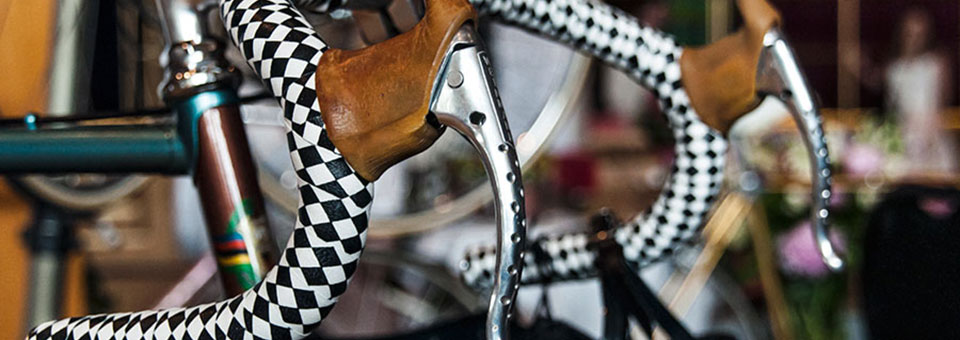
Vintage Clothing Expo, Malmo by Flora Cusi
Vintagemässan i Malmö, 25th of May 2013 http://vintagemalmo.se photographer: Flora Cusi floramc@floramc.se Project: I decided to visit the vintage expo in Malmö for my event project. My main interests are colors and patterns and less documenting the presence of...
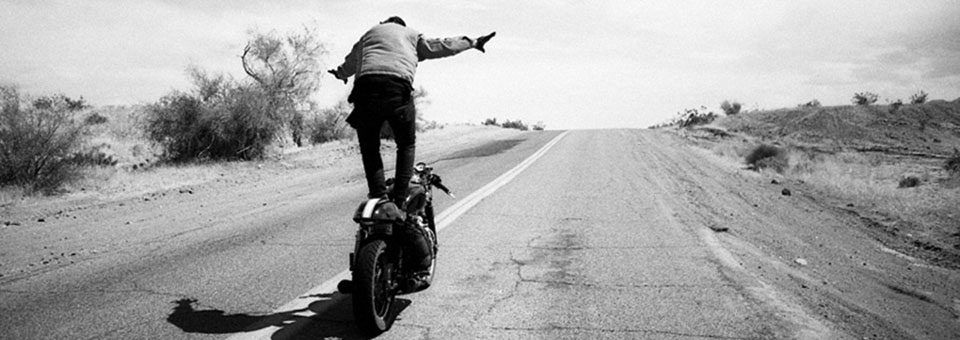
Interview With Photographer Scott Toepfer
I first found Scott's work one day when a P52 member linked his great video on motorcycling, "It's Better in the Wind". Watch it. All with DSLR video. I became an instant fan. The words I use for Scott's work are fresh, surprising, intimate and classic. I expected the...
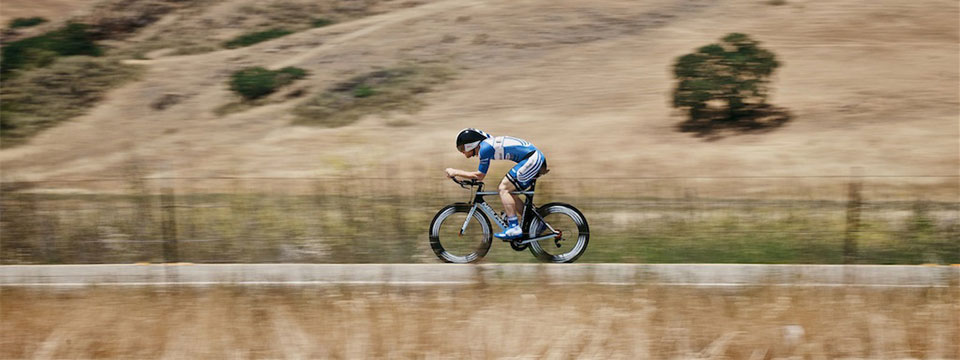
Tour of California Bicycle Race: Adam Bendig
Project 52 PROS is a group of highly motivated photographers who are spending a year with me working on their books, their marketing tools, marketing plans and becoming more familiar with shooting like a professional. Adam Bendig is one of our pros,, and this is the...
Adi Talwar, Photographer
Adi Talwar has been a strong member of Project 52. His wit and charm infuse his work no matter whether it is lifestyle, photojournalism or portrait. Adi was asked to do a show of some of his experimental work, and for those of you who may not be near NY at this...
2016 P52 Roadtrip Book: FREE PDF
Every year we go on a roadtrip and all of the Project 52 members can come along. It is not a workshop, although we do photography nearly all the time. There is no charge for it, members simply pay their own way and their portion of van rentals. We spend a week in...

The Art of Still Life: June 2016 Edition
Examples from the Still Life Class here at Lighting Essentials. Finished photos and the BTS shots of the lighting used. (cover image by Carla McMahon) A big shout out to the students for such wonderful work. And the BTS shots. Photographer: Doris Rudd...
The Porto Photography Experience
From Anna at the Porto Photography Experience: "As photographers living in Porto, Portugal, we feel privileged: the UNESCO World Heritage area backdrops to shoot in, the kind of sights all photographers dream of; amazing food; great weather for most of the year;...
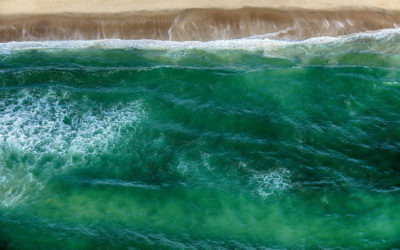
“A Disturbing Trend” – by Neal Rantoul
PHOTO BY NEAL RANTOUL FROM THE PORTFOLIO "WAVES" "Look, the practice of making pictures used to be hugely craft based. You needed to study photography and the making of pictures hard to be good at it. It used to be difficult to do well. As a professor I seldom saw any...
Digital. Film. Images.
“I don't think using film per se makes someone stand out in a digital world,” he says. “That's never been a motivation to me. It's essentially a photographer’s understanding of his craft and sensibility and way of seeing that makes him stand out... And that certainly...
Is Snapchat a New Story Telling Medium?
“Snapchat brings the reader into the story. Each viewer becomes a part of the assignment. They are my travel companions,” Stanmeyer tells TIME. “When millions of readers pick up the magazine each month, they only see 12 to 15 photographs. But so much more takes place...