
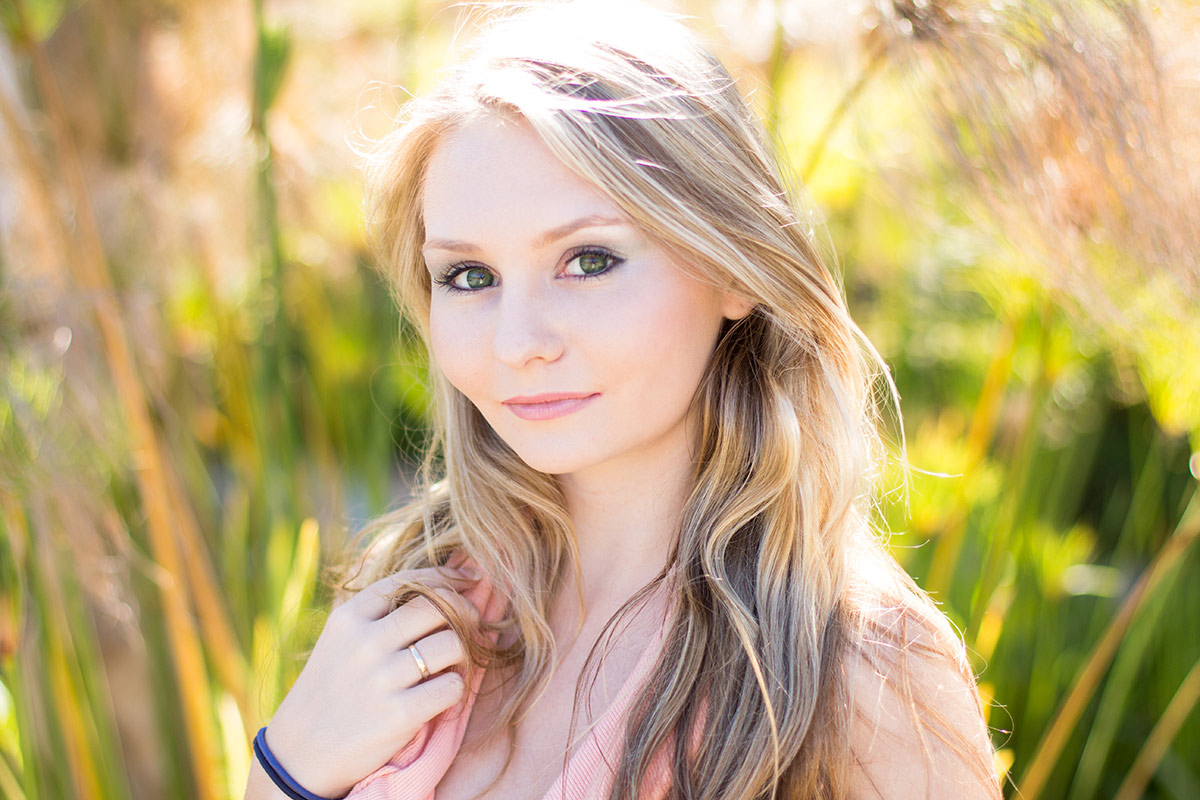
Matte Surfaces
These are surfaces that are not as rough as texture, but not smooth either. Skin, cloth, natural leather, finished woods and many food items are examples. Most of what we deal with in our daily lives would fall under the Matte surface example.
Matte surfaces have a softer way of showing us the reflection of the light source. Where texture showed us mini sources next to mini shadows, the matte surfaces have less of a drastic presentation. The surface doesn’t have that much difference between the size of the components of the texture. A cloth book cover has texture, but it is much more tightly confined than say old barn wood.
And the reflection of the source is shown as a larger area rather than many tiny reflections. This gives the texture a smooth and not altogether recognizable shape. There is an angle where the incidence will match the reflection, and be seen by the camera, but it will be a muted reflection, not a harsh one.
EXAMPLE of Matte Surface reflection of the light source. You can clearly see the reflection of the source, but the transition to the non-reflective areas is gradual and not defined.
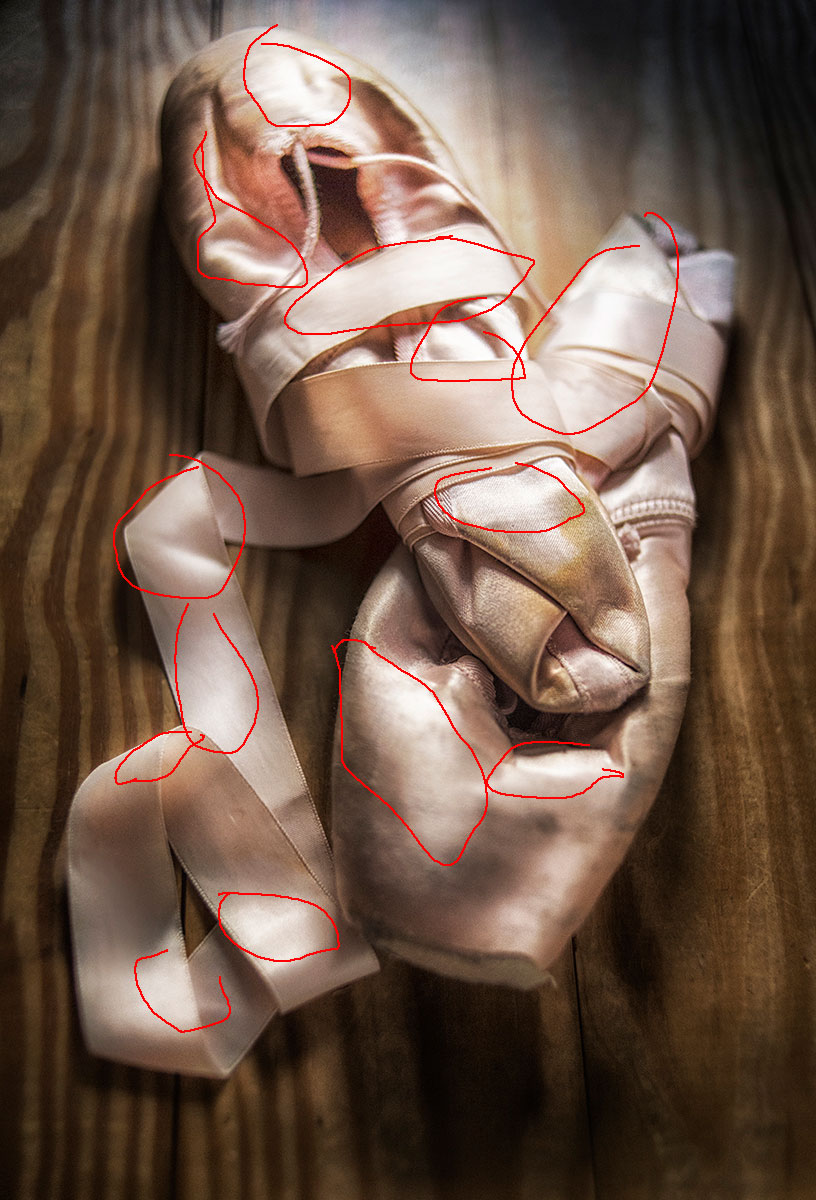
The ballet shoes are most defintely NOT a highly textured object, nor are they glossy.
Skin is one area of great interest. Portrait, beauty and fashion photographers have to be able to control the way skin looks for their imagery. And skin can present some widely diverse efficiency. Dry skin has a very matte look, wet skin becomes more efficient due to the water, and then the reflection is nearly absolute, and skin color can become an issue with the wrong kind of light presentation.
A good makeup artist helps to smooth out skin blemishes, we know. But the MUA also helps to matte the skin evenly so that the reflections of the light sources do not create very bright reflections on the face.
A model begins to sweat…err, sorry, perspire with the heat, and the skin becomes a bit more efficient due to the moisture. Liquid is much more efficient than skin, so the perspiration on the face becomes shinier. The remedy is a little bit of powder, which of course renders the skin more matte and less efficient.
Faces are full of contours and angles that can reflect the light source back to us. Tips of noses, eyebrows, cheeks, chins and foreheads are all areas of concern when we are shooting with light that has a small source. The small source can become a direct reflection on even matted skin, so keeping it within our tolerances is very important.
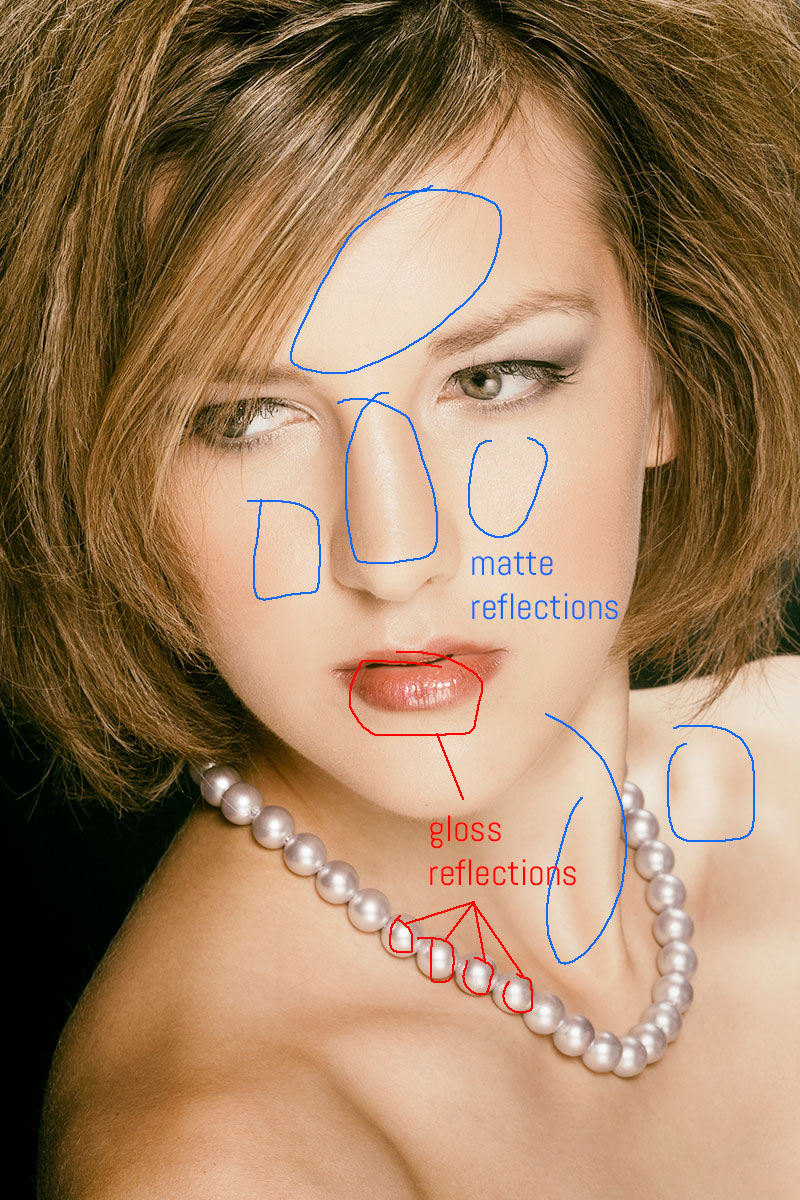
Again, you can see the very soft transition from the highlight to the non-highlight matte surface, where as the gloss lipstick provides a sharp, immediate transition to the non-reflective area.
Photoshop Note:
Trying to fix a small highlight on the tip of the nose, or one that is across the whole front of the forehead is painstaking and difficult. It can be done, of course, but working with the subject to make sure he/she is not rendering the light back to you in such a way as to need the Photoshop is much more preferable.
There may be times when we may want to enhance the matte texture, to make it more discernible, and bring out the texture instead of mitigating it.
Angle of incidence again comes to the fore. Angled to present even the smallest texture, the photographer can decide between broad light, like a softbox, or sharper light, like a direct, unmodified head, or a snoot.
Example of enhanced texture: Portrait of Tomas.
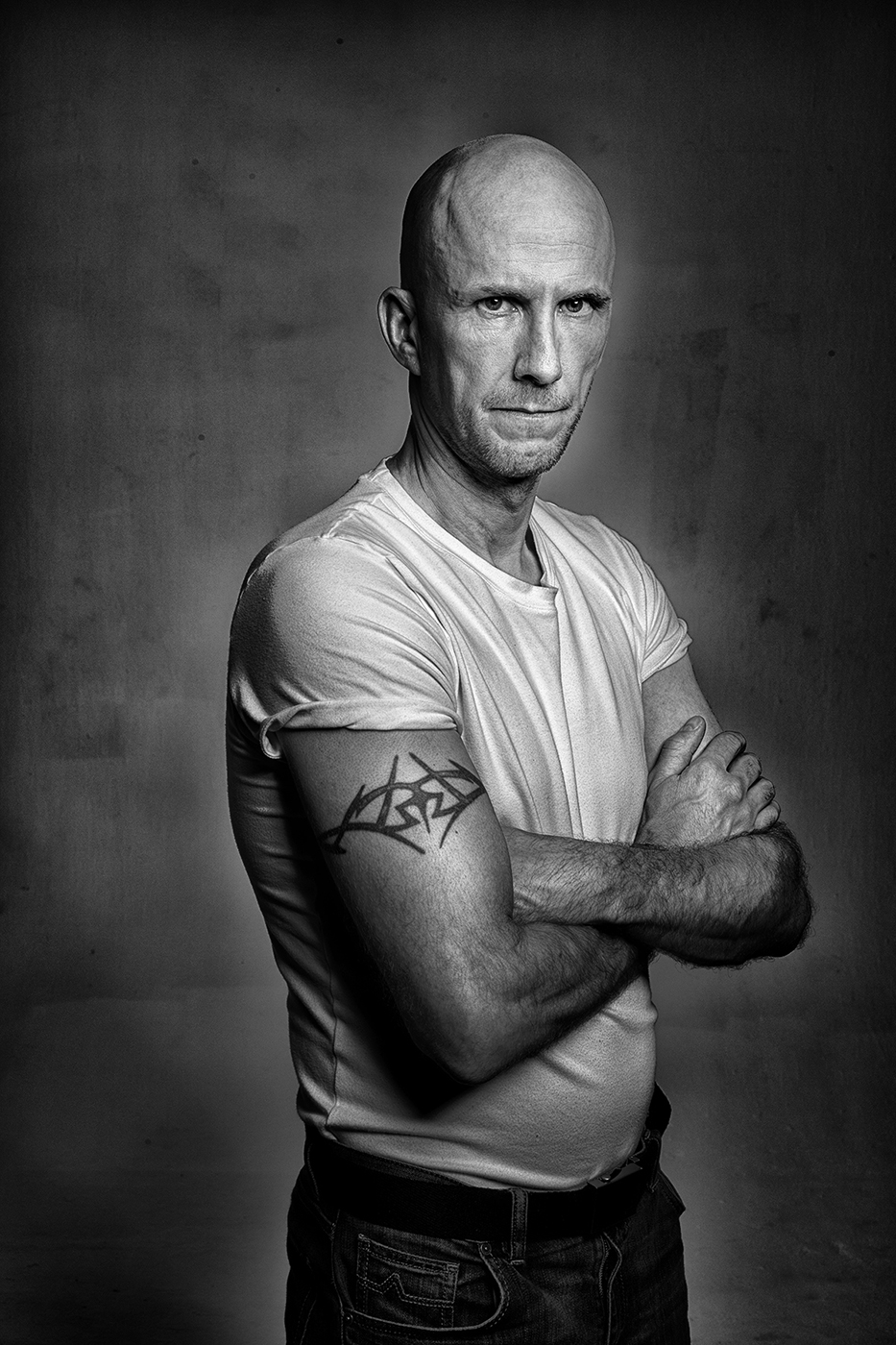
Even with the matte surface of the skin, by using a small lightsource (beauty dish at a distance) we can create more texture in this portrait by putting the light at more of a wide distance from the camera. This adds some texture from the sidelit properties of the subject. Enhancement in Photoshop is then easy, and keeps the matte surface for a cleaner presentation of skin.
Matte surfaces are where we can experiment and work with light to play down or enhance, or simply show it as it really is.
And most matte surfaces can be altered to create something more efficient or less. As we have seen, powder for skin can take away the ‘shine’ that we know is really the reflection of the light. Water or liquid can add sheen to the subject when we want the reflection. And we can use materials to create shine, like wax on a wood floor to enhance the matte to be more shiny by showing the reflection of the light as it renders back to us.
Remember that we all KNOW what shiny looks like, what matte feels like and how rough something is. It is part of what we learn from the beginnings of our lives. We touched, we saw, we felt… and we learned. Photographers aren’t creating anything new, we just learn to present it to others the way we want them to see it.
To recap:
Textured surfaces present small highlights and shadows because of the rough surface and how it reflects light. From a stone to a mountain, the texture can be enhanced by playing up the highlight and darkening the shadow.
Matte surfaces will show the highlight softly, allowing it to transition to the non-reflective part of the surface in a more gradual effect. This may be the most prevalent surface we have around us.
ASSIGNMENT:
- Look around at the matte surfaces. they will most likely be more numerous than very texturized things, or very shiny things. Take some time to quietly study what light does when it is refracted from them.
- Note how different light (direct / indirect) reflects from the surface. Make images showing the difference.
- Examine the ways that matte surfaces can become textured (heavy side/top light), or shiny (wetting the surface down changes its ability to render the highlight and now it becomes more efficient).
One Light Portrait with White Background
One of my clients is a wig importer for Irish Step Dancers. There's a niche for you. I shoot a couple of times a year for her. In this case we are shooting some styles she wanted to update before setting up her online store (another of my projects...) and we used her...
Two Light Workshop One, Part Four
Our last shot in the hat series. This was a shot that used one light for a background and the other for a dramatic front light. The two lights we used in this set are a Norman Beauty Dish and a silver/white Zebra umbrella. The beauty dish was used as a background. I...
Classic Setup for Photographing Jewelry
Classic, for me anyway, method that I shoot jewelry. Most of the time my clients want clean, easy to see pieces that show off the finish or the stones. I find that large soft light with lots of fill works to deliver the smooth highlights and well lit jewels. You can...
Single Umbrella Headshot and White Background.
Asked to shoot 40 non-models at an upscale salon was quite a challenge. I needed a light that would serve many different faces and body types. I would literally have only a few minutes with each and they would be nervous so working the light in many different ways was...
Two Light Workshop One, Part Three
This shot was something Briana wanted to do. We have tried to shoot the fedora many times and never gotten around to it. This time we wanted to make a go of it. She wore faded, ripped jeans, a black top, black hat and black gloves. With the red lips it was really...
Getting A White Background with Speedlights
Using your small camera flash for professional results is entirely possible and a fantastic option for those who travel a lot or want quick setup/teardown times. Today's modern flash units give out a lot of power and they are easily adapted to working with a...
Two Light Workshop One, Part Two
The Two Light Workshop rolls on with this cowboy hat look on "Miss Briana." We shot some with a western shirt and some with bare shoulders... both are represented here. One of the things I wanted to do was to create a bright light on her face and a quick dropoff. I...
Two Light Workshop One, Part One
This is a series of two light shots we did using hats as the theme, and a clean, simple studio background as the setting. For this set of shots we only used one umbrella and one beauty dish. There will be instructions on how to do this with your equipment as well. I...
Creating a Shiny Look
The thing about the corset was the glossy, shiny look. I wanted that shine to be smooth and liquid, a wide and smooth highlight that would set off the face of the model and the textures of the rest of the image. I wanted a dramatic light on the face however, so using...
Single Small Strobe Portrait Directly Into the Sun
This shot of Megan was done for my portrait book. Megan is a Doctor and an accomplished photographer. I wanted a portrait that would be different than some sort of modeling or professional headshot. This location is near the studio and off the beaten path. It is along...
Creating a Mood with Flash and Photoshop
Sometimes you find a location or a situation that you just know that you can do more with by creating the world the way you want it. In this case, the alley was ok, but it didn't get me excited. I saw the shot in my mind with the post process in place. In other words,...
Announcing the Portland, Maine Workshop
I am very excited to announce that we are doing a workshop in Portland, Maine on Wednesday, June 18, 2008. It will be a full day workshop with models, lunch and lots and lots of lighting and shooting. There will be a pre-workshop meetup on Tuesday, June 17th. I am...
A Quick Look at Balancing Flash at Sunset, Quickly
This shot presented itself after a harrowing drive through the Santa Barbra area to get to the beach before the sun went down. (I am not advocating driving like a madman, but... I'm just sayin... we had no time.) When we arrived, the sun had already dipped and we had...
Audio Interview with Ken Epstein
Here is a discussion with Ken Epstein on web sites, Web 2.0 sites, and how he keeps really busy at his Phoenix Studio. You can visit Ken's website here. We haven't launched his new site yet, but you can see what he does here. Ken is a busy commercial shooter in a...
Versatile Softlight for Portraits
Sometimes you need a simple, easy and quick way to create soft, pretty light for portraits - especially if there is a large group of portraits that are going to be presented in a similar fashion. Whether staff or employee photos, pageant and events, or simply a family...
Beating the Sun with a Small Flash in a Miami, Arizona Alley
When I saw the alley I knew I had to make a shot there. The sun was coming straight down the little alley way and creating this nice little reflection in the water. The clouds were amazing and very dramatic. I began by finding the shot with Hayley. I moved her from...
Serendipitous Light
I have spent a lot of time talking about small strobes lately. It seems that small strobe mania has swept the land. And that is fine. It is nice to see photographers of all levels start to adopt sound lighting priniciples. But sometimes we forget that it is simply an...
Fill Flash on the Beach with Action
A few weeks ago we looked at doing some fill flash at dusk. We covered some good techniques for blending the light so that it is subtle and looks more controlled than a big bright flash feeling. In this tutorial we are looking at working with a very bright sun. It is...
Fill Flash: Two Examples
Fill flash is a wonderful tool for opening up shadows and creating some light where the situations call for it. In using fill flash we many times refer to 'Ratios.' The ratio refers to the amount of light that we add to the ambient. If you think of them as f-stops it...
Simple Setups For Dramatic Lighting
Making dramatic headshots isn't hard if you know some simple tricks & have a light... or 2. This video tutorial starts with a simple one umbrella and fill card headshot. I consider it a classic glamour look with flat light and dramatic fall off on the sides. We...
January 11, Raymond Prax Shoot
A tunnel, a model, 4 lights and a creative photographer... That's a great combination. [youtube:http://www.youtube.com/watch?v=rnkD1Co3CtI] Ray and Megan often shoot together. Megan is a wonderful photographer as well. They conspired to creates something fun in a...
Shooting At Sunset on the Beach with Two Strobes
The sun was very low on the horizon when Briana put on the black swimsuit. I had been eyeing this tower for a while as we shot on the beach. At this point I knew it would be dark enough to be interesting. The shot is a normal exposure for the sky and background....
Umbrella Basics
Basic Umbrellas Part One Umbrellas are a staple of the lighting arsenal. You can certainly see them in use more and more as they regain some respect after the decades of SoftBox as king. I love umbrellas and have quite an assortment of them. Umbrellas come in...
A Beauty Dish and Cheyenne
A beauty dish is one of the most fun, and unique light modifiers for people shooters. It's very 'poppy' light, combined with a focused throw of light makes it ideal when you want to create a definite direction to the lighting. Most beauty dishes are metal parabolic...