
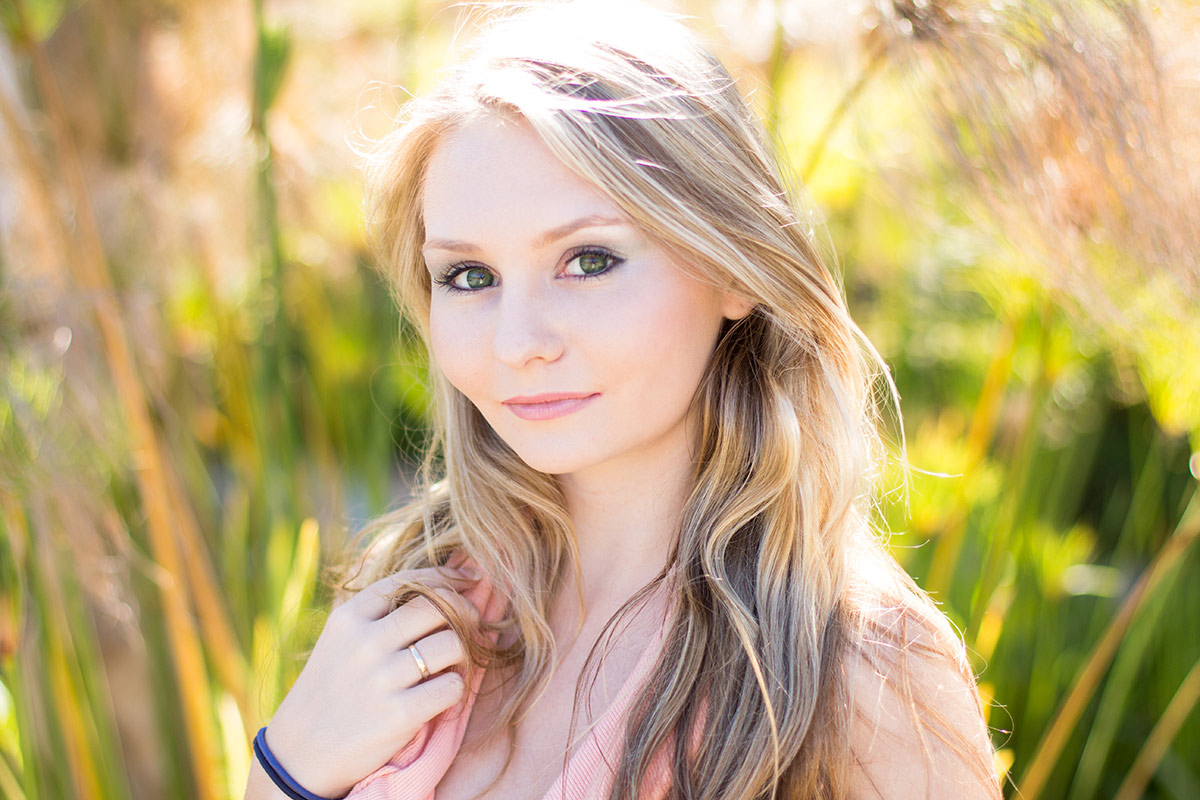
Matte Surfaces
These are surfaces that are not as rough as texture, but not smooth either. Skin, cloth, natural leather, finished woods and many food items are examples. Most of what we deal with in our daily lives would fall under the Matte surface example.
Matte surfaces have a softer way of showing us the reflection of the light source. Where texture showed us mini sources next to mini shadows, the matte surfaces have less of a drastic presentation. The surface doesn’t have that much difference between the size of the components of the texture. A cloth book cover has texture, but it is much more tightly confined than say old barn wood.
And the reflection of the source is shown as a larger area rather than many tiny reflections. This gives the texture a smooth and not altogether recognizable shape. There is an angle where the incidence will match the reflection, and be seen by the camera, but it will be a muted reflection, not a harsh one.
EXAMPLE of Matte Surface reflection of the light source. You can clearly see the reflection of the source, but the transition to the non-reflective areas is gradual and not defined.
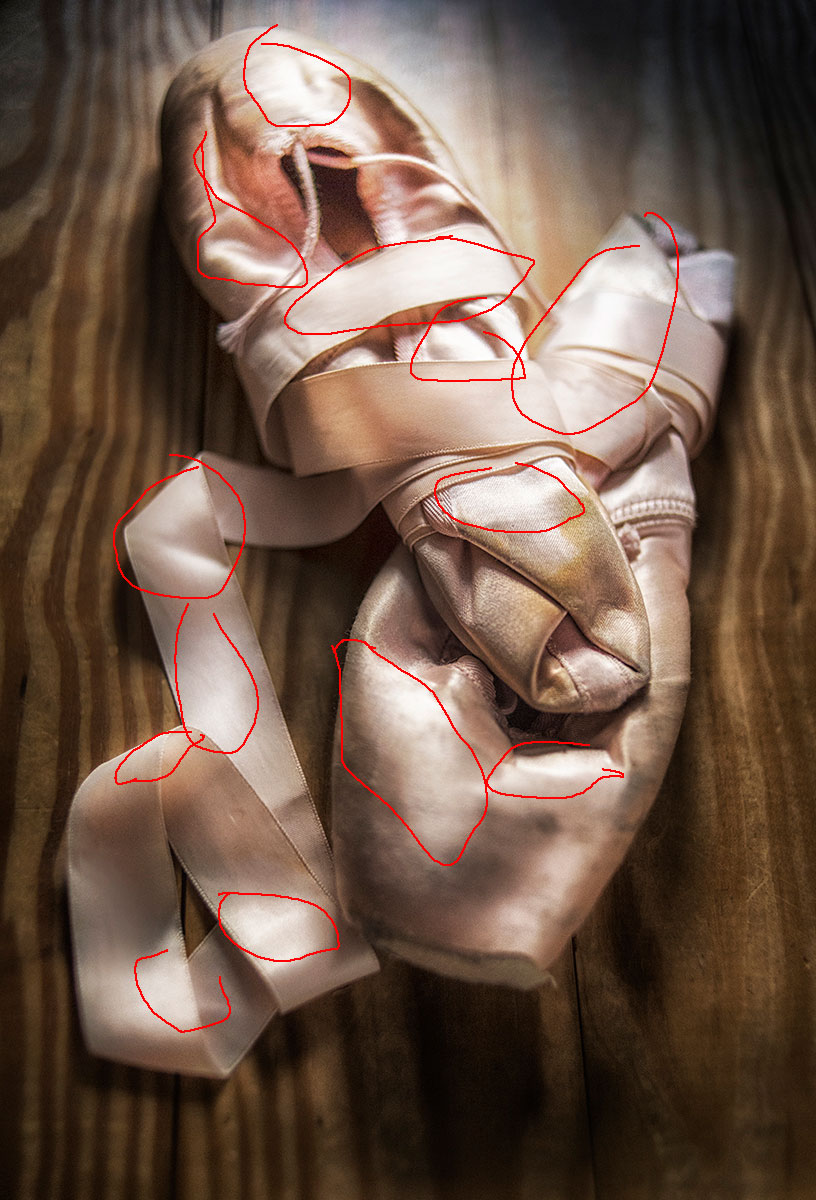
The ballet shoes are most defintely NOT a highly textured object, nor are they glossy.
Skin is one area of great interest. Portrait, beauty and fashion photographers have to be able to control the way skin looks for their imagery. And skin can present some widely diverse efficiency. Dry skin has a very matte look, wet skin becomes more efficient due to the water, and then the reflection is nearly absolute, and skin color can become an issue with the wrong kind of light presentation.
A good makeup artist helps to smooth out skin blemishes, we know. But the MUA also helps to matte the skin evenly so that the reflections of the light sources do not create very bright reflections on the face.
A model begins to sweat…err, sorry, perspire with the heat, and the skin becomes a bit more efficient due to the moisture. Liquid is much more efficient than skin, so the perspiration on the face becomes shinier. The remedy is a little bit of powder, which of course renders the skin more matte and less efficient.
Faces are full of contours and angles that can reflect the light source back to us. Tips of noses, eyebrows, cheeks, chins and foreheads are all areas of concern when we are shooting with light that has a small source. The small source can become a direct reflection on even matted skin, so keeping it within our tolerances is very important.
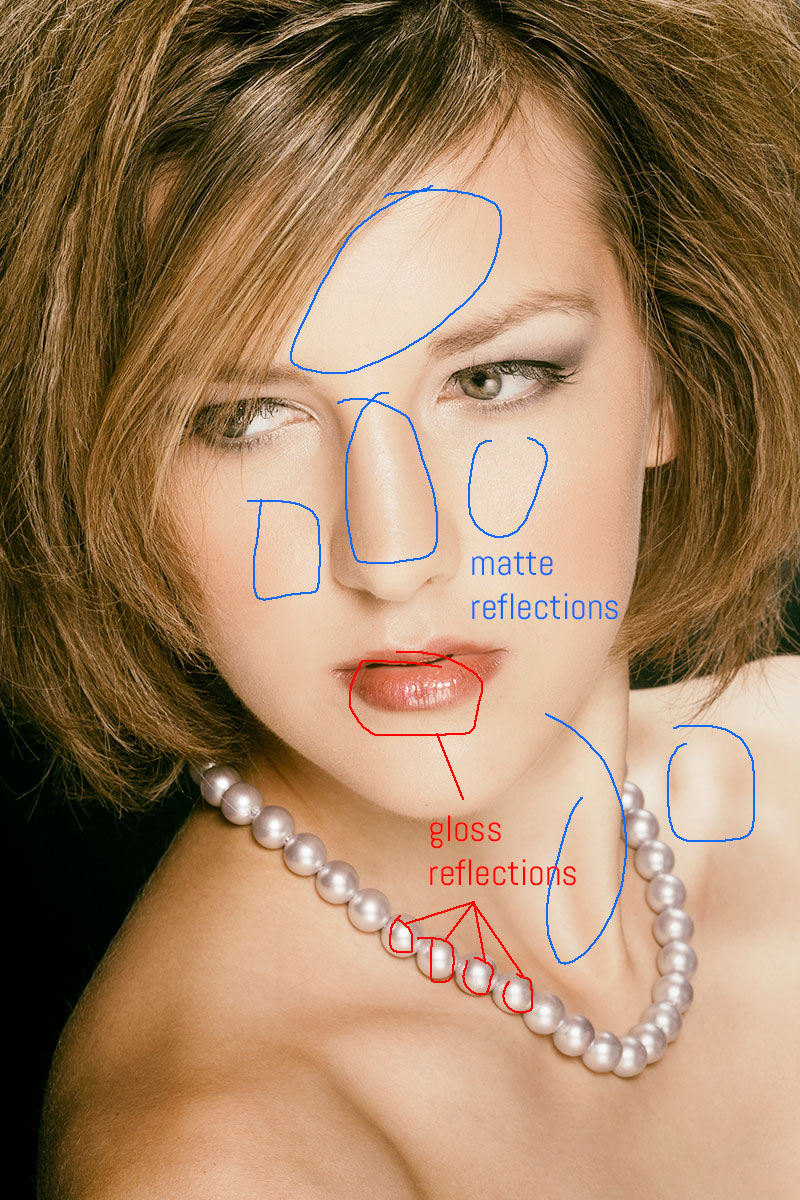
Again, you can see the very soft transition from the highlight to the non-highlight matte surface, where as the gloss lipstick provides a sharp, immediate transition to the non-reflective area.
Photoshop Note:
Trying to fix a small highlight on the tip of the nose, or one that is across the whole front of the forehead is painstaking and difficult. It can be done, of course, but working with the subject to make sure he/she is not rendering the light back to you in such a way as to need the Photoshop is much more preferable.
There may be times when we may want to enhance the matte texture, to make it more discernible, and bring out the texture instead of mitigating it.
Angle of incidence again comes to the fore. Angled to present even the smallest texture, the photographer can decide between broad light, like a softbox, or sharper light, like a direct, unmodified head, or a snoot.
Example of enhanced texture: Portrait of Tomas.
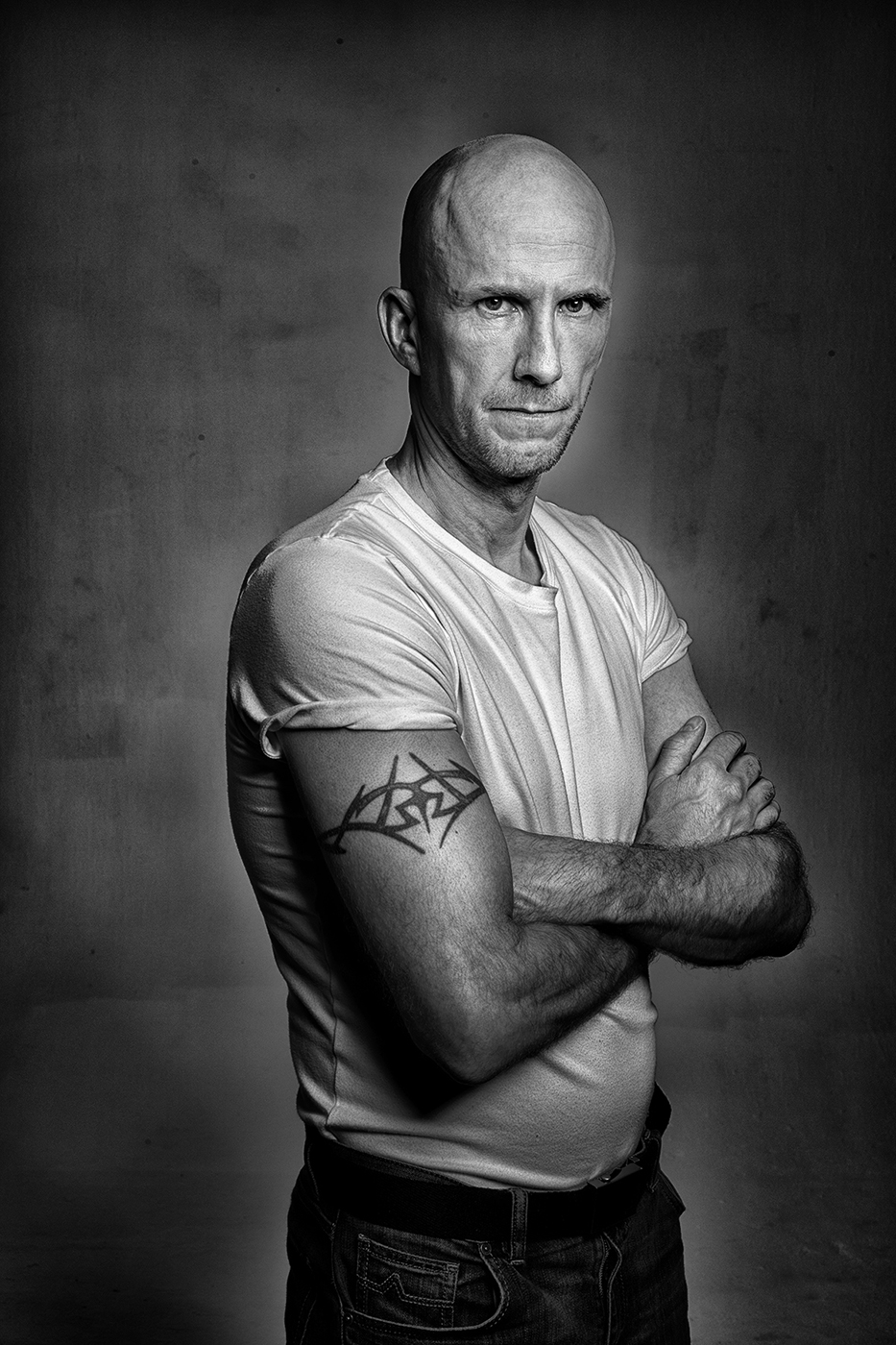
Even with the matte surface of the skin, by using a small lightsource (beauty dish at a distance) we can create more texture in this portrait by putting the light at more of a wide distance from the camera. This adds some texture from the sidelit properties of the subject. Enhancement in Photoshop is then easy, and keeps the matte surface for a cleaner presentation of skin.
Matte surfaces are where we can experiment and work with light to play down or enhance, or simply show it as it really is.
And most matte surfaces can be altered to create something more efficient or less. As we have seen, powder for skin can take away the ‘shine’ that we know is really the reflection of the light. Water or liquid can add sheen to the subject when we want the reflection. And we can use materials to create shine, like wax on a wood floor to enhance the matte to be more shiny by showing the reflection of the light as it renders back to us.
Remember that we all KNOW what shiny looks like, what matte feels like and how rough something is. It is part of what we learn from the beginnings of our lives. We touched, we saw, we felt… and we learned. Photographers aren’t creating anything new, we just learn to present it to others the way we want them to see it.
To recap:
Textured surfaces present small highlights and shadows because of the rough surface and how it reflects light. From a stone to a mountain, the texture can be enhanced by playing up the highlight and darkening the shadow.
Matte surfaces will show the highlight softly, allowing it to transition to the non-reflective part of the surface in a more gradual effect. This may be the most prevalent surface we have around us.
ASSIGNMENT:
- Look around at the matte surfaces. they will most likely be more numerous than very texturized things, or very shiny things. Take some time to quietly study what light does when it is refracted from them.
- Note how different light (direct / indirect) reflects from the surface. Make images showing the difference.
- Examine the ways that matte surfaces can become textured (heavy side/top light), or shiny (wetting the surface down changes its ability to render the highlight and now it becomes more efficient).
Style Week on Lighting Essentials – Day Two; Daron
Style Week Posts: Selina Maitreya Day One Daron Shade Day Two Christian O'Dell Day Three Ivar Teunissen Kirk Tuck Day Five If you have come in at this point, be sure to go back to the first post and start there. I believe that style is innate within each of us. It is...
“Style” Week on Lighting Essentials – Day One; Selina
It is "Style Week" On Lighting Essentials. Each morning at 10AM Pacific we will post a new set of images and an audio interview with a photographer. Style Week Posts: Selina Maitreya Day One Daron Shade Day Two Christian O'Dell Day Three Ivar Teunissen Kirk Tuck Day...
Five Ways to Differentiate Your Photography Business
... and 5 ways you shouldn't differentiate. There are a lot of photographers out there. Actually, there are a lot of really talented photographers out there. What separates you from them? How can you differentiate yourself from the throng? How to stand out, be...
How Do Photographers Learn the Business? Some Thoughts…
My friend Trudy posted a great little article with the question "How Do Photographers Learn the Business? I read it and asked Trudy if I could take a few of her questions and answer them here on my blog. Wednesday evening, September 1, we will have a show based on...
Ten Myths of Professional Commercial Photography
Err... at least the 10 that I hear a lot of chatting about. I get questions about these at nearly every workshop. So a quick post on what some folks think is reality and what IS reality. Yeah, I know... you saw it on the interwebs. Shoots with all the latest and...
Speaking in Seattle Tonight, Teaching Tomorrow
NOTICE: Because of a late plane schedule today, there will not be a Lighting Essentials LIVE show tonight. I will still be in the air at 6PM, and doing it later will mean it is too late on the East Coast. There will be a LE LIVE this Wednesday evening at 6PM. Sorry...
Increase the “Power” of your Speedlights with Photoshop
Lighting Essentials LIVE: Tonight we discuss pricing strategies for emerging photographers. Log in to ask questions. Thanks all for joining us this evening. This post from a year ago has some good information. Yeah... that's right. We can actually create an impression...
John Ricard, NYC Music Photographer: Interviewed on Lighting Essentials
The interview with John Ricard comes after the jump. Click on the "more" link below. Our next Lighting Essentials LIVE Broadcast, Sunday, Aug 22, 2010. Expanded edition (90 minutes). Here is the pre-show material you may want to read before the show. Up first is a...
10 (More) Website Strategies for Photographers
A little over a year ago I posted "10 Web Site Strategies for Emerging Photographers." I think the article holds up very well and is as relevant as it was when I posted it. So please read it if you haven't done so, then come back to this article for 10 more web...
Editing a Portfolio: Ed Z, Philadelphia Photographer
This is the audio discussion to introduce Ed to you all. A discussion with Ed Z, Philadelphia Photographer You can visit his website at EdZStudios.com. We are working on creating his print portfolio in this discussion. I will have done a preliminary edit before we get...
Keith Taylor: Atlanta Photographer. Interview
Meet Keith Taylor, a photographer out of the Atlanta area. Keith has done a bit of everything and his insights into getting started as a photographer are fantastic. Take a few minutes and view his work, and his words and meet this talented shooter. He will be live...
Finding and Identifying Clients for Commercial Photographers
OK... we got the gear and the portfolio is looking pretty good. So now we need to find clients to actually pay us for the images, and help us go from a part-time Pro-Am to a full time photographer. You see, clients may not seek you out - even if your portfolio is...
Then and Now: A Matter of Style
----------- (NOTE) Tomorrow, August 8, 2010 we will have a live discussion on how to go about identifying clients who would be consumers for your work. This is for commercial photographers, we will not be discussing direct-to-consumer photography (wedding and...
If You Have No Customer Skills, No Problem, You Will Soon Have No Customers
I saw the tweet above and just smiled. Yeah, I know what she is going through. I emailed the 'tweeter' and she sent me an email back (reprinted below). I have removed specifics so as not to cause any undue embarrassment of the people who should be embarrassed. So...
Interviews on Lighting Essentials: Get to Know These Photographers
I have had the wonderful opportunity to hear from lots of terrific, upbeat and successful photographers at Lighting Essentials. We have posted interviews with many talented people working in this most incredible business. They maybe aren't the most famous around, but...
Discussion: Social Media and the Emerging Professional Photographer
Well, we tried it with UStream and that was a bust. I think this solution may even be better. You will have the opportunity to ask questions live (and if you have a vidcam, you will stream right on up to me and be seen). I have tested it a bit and seems to work pretty...
Interview with David Giral, Montreal Photographer
Our Interview with Montreal Photographer David Giral. I met David in Toronto at the Workshop. I loved his work and asked him to do this interview with us. 1. How long have you been in business? Was it a slow transition or did you just open shop? Until recently, I...
First Live Broadcast: Discuss Photography and Promotion
This is for today's date: Thursday, July 29, 2010. It will not be archived unless I decide to, you know, archive it... we'll see. We are going to try a little something different. Recently we have discussed pricing and the perils of "shooting for free" and the perils...
Shooting Waverunners in Mexico – In the Ocean
Well, I am kinda with my buddy Kirk here. We have had some distinctly powerful discussions on working for free and what to charge. So we are going to lighten it up a bit with some discussions on images. So let's take a look at something I am working on right now. I...
Enough Negativity: Ten Things to Positively Affect Your Photography
While some pros are worried about kids shooting Facebook and concert pix for free, I think that the perspective is really skewed when we start to become more interested in what non-consequential folks are doing and forget to be excited about this wonderful thing...
No Assignments Without Experience, No Experience without Assignments… Yeah, That Makes Sense, Right?
Rant/Rave today. So it kinda sounds like this to a lot of young photographers: 1. You can't get gigs unless you have experience. 2. Without actual shoots you cannot get experience. 3. You must always charge for your work (see # 1 above) 4. Get an assistant gig. 5....
What is the Difference Between Shooting for Free and Shooting for Me?
And I should add to that headline... "and not giving a damn?" Today's RANT on common sense. A recent post at Blackstar Rising has created a mini fire-storm there. The post, by John Harrington, who runs the very popular and quite informative Photo Business News and...
Sometimes It Is About Being Able to Simply Get the Shot
A bit of a Rant - a bit of a Rave. Something for everyone. I just had lunch with a photographer friend of mine, Ken Easley. We were chatting about business when Ken brought up a recent assignment he had finished. It was a shoot of 13 or 14 corporate head shots. I will...
On the Matter of Style: Some Examples
We were talking about style and vision in the last few posts. I thought I would take this point to show some photographers who I believe show a lot of vision and style. This is as nearly a random sampling of the photographers I love as possible. There are a lot of...