
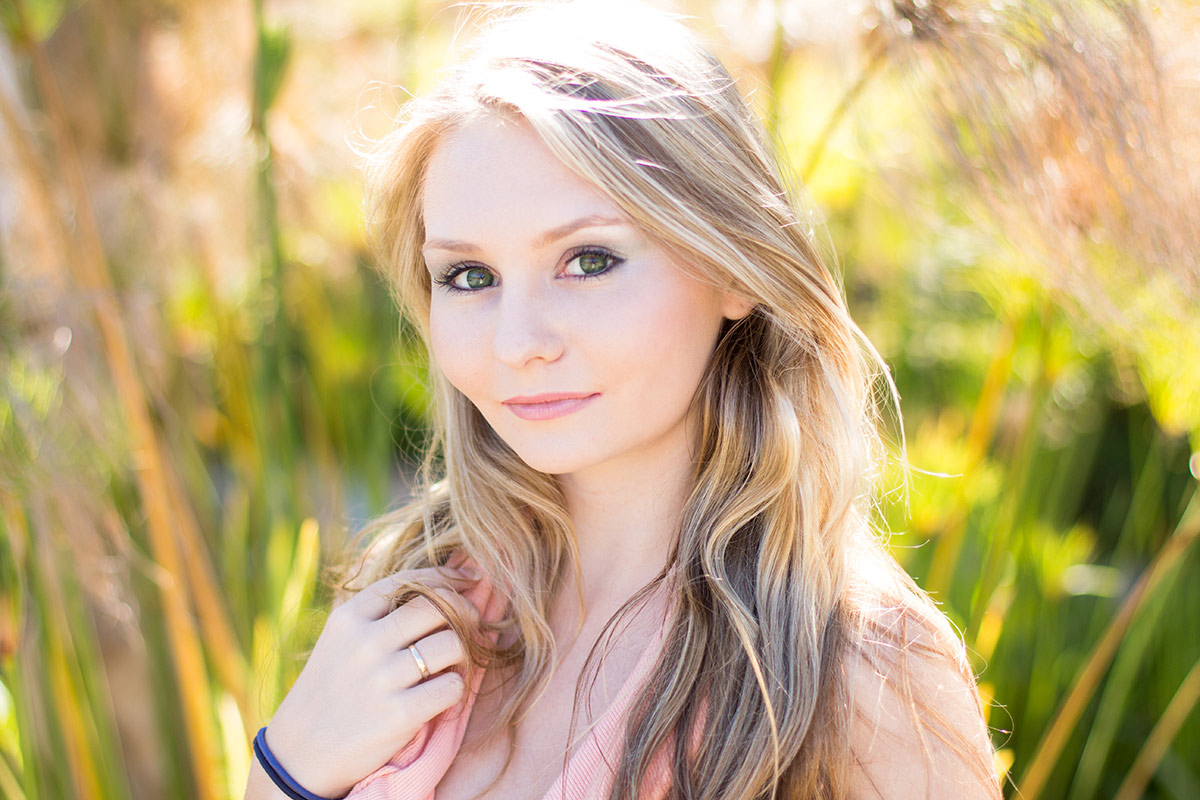
Matte Surfaces
These are surfaces that are not as rough as texture, but not smooth either. Skin, cloth, natural leather, finished woods and many food items are examples. Most of what we deal with in our daily lives would fall under the Matte surface example.
Matte surfaces have a softer way of showing us the reflection of the light source. Where texture showed us mini sources next to mini shadows, the matte surfaces have less of a drastic presentation. The surface doesn’t have that much difference between the size of the components of the texture. A cloth book cover has texture, but it is much more tightly confined than say old barn wood.
And the reflection of the source is shown as a larger area rather than many tiny reflections. This gives the texture a smooth and not altogether recognizable shape. There is an angle where the incidence will match the reflection, and be seen by the camera, but it will be a muted reflection, not a harsh one.
EXAMPLE of Matte Surface reflection of the light source. You can clearly see the reflection of the source, but the transition to the non-reflective areas is gradual and not defined.
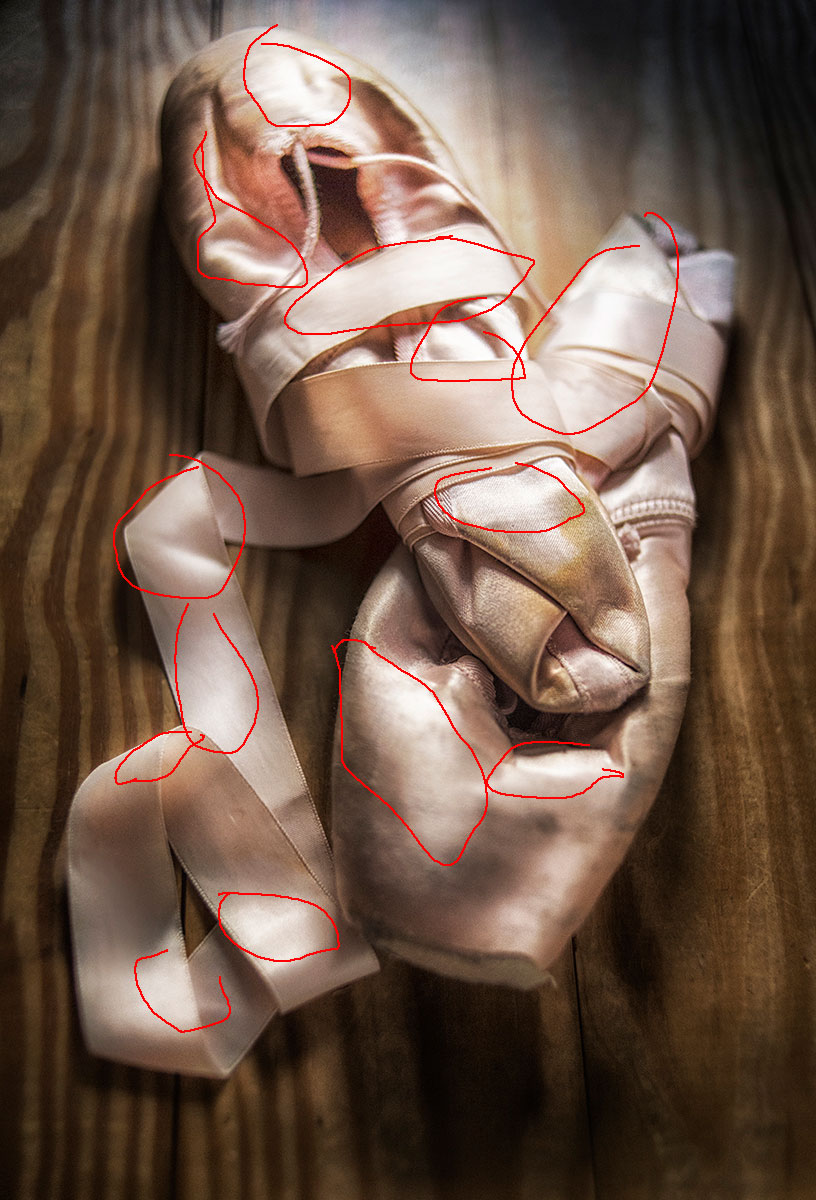
The ballet shoes are most defintely NOT a highly textured object, nor are they glossy.
Skin is one area of great interest. Portrait, beauty and fashion photographers have to be able to control the way skin looks for their imagery. And skin can present some widely diverse efficiency. Dry skin has a very matte look, wet skin becomes more efficient due to the water, and then the reflection is nearly absolute, and skin color can become an issue with the wrong kind of light presentation.
A good makeup artist helps to smooth out skin blemishes, we know. But the MUA also helps to matte the skin evenly so that the reflections of the light sources do not create very bright reflections on the face.
A model begins to sweat…err, sorry, perspire with the heat, and the skin becomes a bit more efficient due to the moisture. Liquid is much more efficient than skin, so the perspiration on the face becomes shinier. The remedy is a little bit of powder, which of course renders the skin more matte and less efficient.
Faces are full of contours and angles that can reflect the light source back to us. Tips of noses, eyebrows, cheeks, chins and foreheads are all areas of concern when we are shooting with light that has a small source. The small source can become a direct reflection on even matted skin, so keeping it within our tolerances is very important.
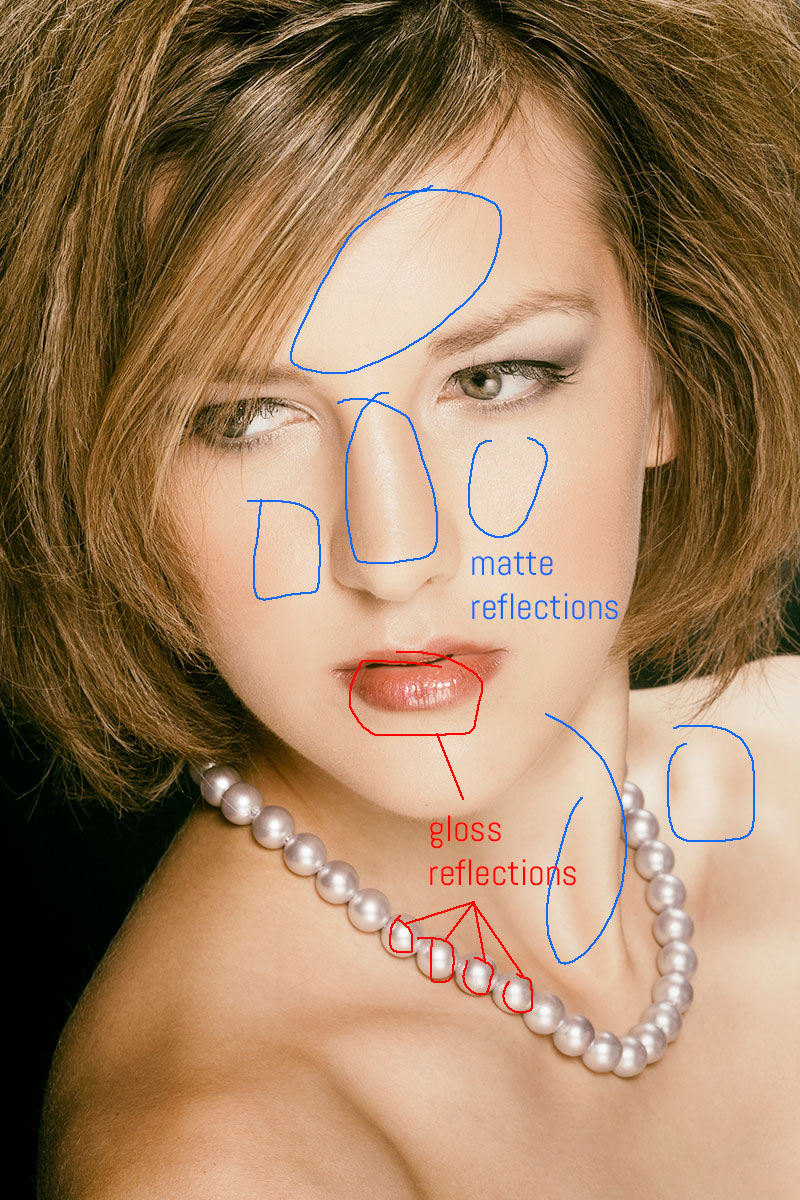
Again, you can see the very soft transition from the highlight to the non-highlight matte surface, where as the gloss lipstick provides a sharp, immediate transition to the non-reflective area.
Photoshop Note:
Trying to fix a small highlight on the tip of the nose, or one that is across the whole front of the forehead is painstaking and difficult. It can be done, of course, but working with the subject to make sure he/she is not rendering the light back to you in such a way as to need the Photoshop is much more preferable.
There may be times when we may want to enhance the matte texture, to make it more discernible, and bring out the texture instead of mitigating it.
Angle of incidence again comes to the fore. Angled to present even the smallest texture, the photographer can decide between broad light, like a softbox, or sharper light, like a direct, unmodified head, or a snoot.
Example of enhanced texture: Portrait of Tomas.
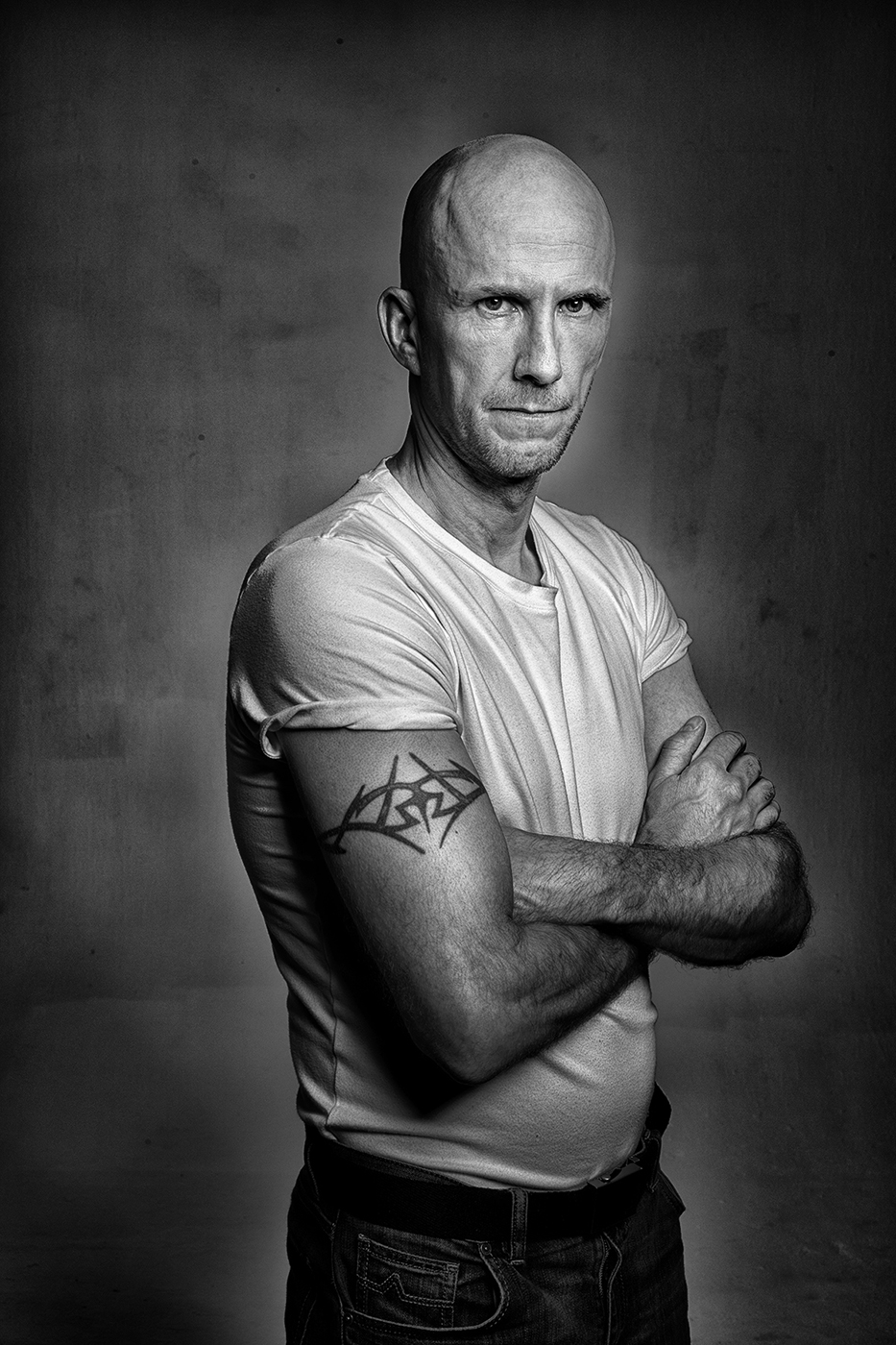
Even with the matte surface of the skin, by using a small lightsource (beauty dish at a distance) we can create more texture in this portrait by putting the light at more of a wide distance from the camera. This adds some texture from the sidelit properties of the subject. Enhancement in Photoshop is then easy, and keeps the matte surface for a cleaner presentation of skin.
Matte surfaces are where we can experiment and work with light to play down or enhance, or simply show it as it really is.
And most matte surfaces can be altered to create something more efficient or less. As we have seen, powder for skin can take away the ‘shine’ that we know is really the reflection of the light. Water or liquid can add sheen to the subject when we want the reflection. And we can use materials to create shine, like wax on a wood floor to enhance the matte to be more shiny by showing the reflection of the light as it renders back to us.
Remember that we all KNOW what shiny looks like, what matte feels like and how rough something is. It is part of what we learn from the beginnings of our lives. We touched, we saw, we felt… and we learned. Photographers aren’t creating anything new, we just learn to present it to others the way we want them to see it.
To recap:
Textured surfaces present small highlights and shadows because of the rough surface and how it reflects light. From a stone to a mountain, the texture can be enhanced by playing up the highlight and darkening the shadow.
Matte surfaces will show the highlight softly, allowing it to transition to the non-reflective part of the surface in a more gradual effect. This may be the most prevalent surface we have around us.
ASSIGNMENT:
- Look around at the matte surfaces. they will most likely be more numerous than very texturized things, or very shiny things. Take some time to quietly study what light does when it is refracted from them.
- Note how different light (direct / indirect) reflects from the surface. Make images showing the difference.
- Examine the ways that matte surfaces can become textured (heavy side/top light), or shiny (wetting the surface down changes its ability to render the highlight and now it becomes more efficient).
March Madness: 07; A Simple Portable Background
A Simple and Easy Background Stand By Virginia Smith Every photographer needs a simple portable backdrop for portraits, headshots, product photography. If we had the budget of Annie Liebowitz then we’d all have Handpainted Oliphant Canvas Backgrounds, only the finest...
March Madness: 06; One Big Light!
The assignment was to use one very large light source for the shot. Bring it in close, and use the magic of soft, diffused light to present the subject. The students in the still life workshop also photographed their setups for us. They say a picture is worth a...
March Madness: 05; The Making of Chocolate Indulgence
The Making of “Chocolate Indulgence” Creative Director, Photographer, Retoucher: Sam Breach http://www.sambreach.com Hair and Make...
March Madness: 04; Using the Selection Tool
Using the Quick Selection Tool https://www.youtube.com/watch?v=ZxtjC1cE_kg Tutorial by James Kern
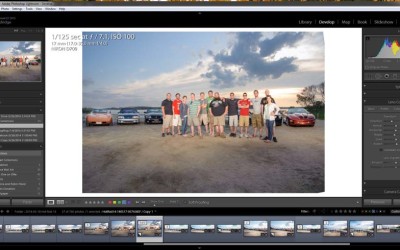
March Madness: 03; Modifying an Image to Fit an Alternate Format
How to modify an image to fit an alternate format by Chris Aldridge. Here’s a walkthrough of how I modified an image to fit a particular format. There are several methods used here to widen the overall image so that it fits a wide but squat format. The layout required...
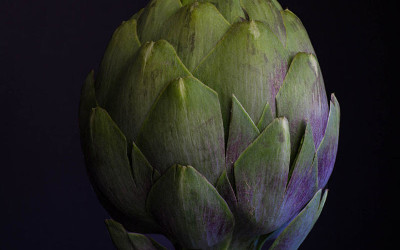
March Madness: 02; Natural Window Light Still Life
Still Life by Window Light Tutorial by Heather Gill, Las Vegas A very simple use of window light to make a softly lit still life This is using a single light source and in this case, natural light on black. I had planned to use a strobe but when I started to set up...

March Madness: One Tutorial Per Day – 01
Choosing a Point of View for a Still Life Tutorial by Lily Dale, Illinois For Don's Still Life Workshop, our class was assigned to photograph objects from three points of view: oblique (shooting from straight on), natural (shooting from a standing position) and...
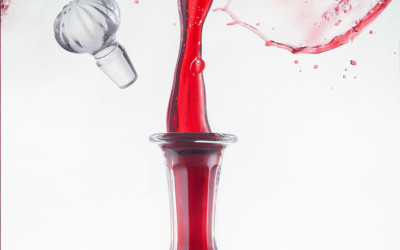
The Always Challenging “Pour Shot”
The pour shot may be one of the most challenging of commercial photography's many challenges. Getting the pour to look right, making sure the liquid is lit so that it looks great, catching the action as it happens... so many things to monitor as the photographer...
How Would You Shoot a Fork?
(NOTE: This is a repost of an article that was corrupted and caused the outage of the site last week.) "How would you shoot a fork?" That was the question I asked my Project 52 Students for last week's assignment. Photograph a fork and make it interesting. Forks are...
The “Long Game” in Photography
A Fragrance Ad by the P52 Members.
A Beautiful Promo
My bud Dave Siegel sent this to me. I think it is very powerful. Showing the before shot next to the final image makes the package more informational as well, and provides the viewer a glimpse into what Dave can do for them. Email promotion.
Interviewed by Frederic Bye: Creativity, Photography, and Purpose
I really enjoyed meeting Frederic and having a chance to discuss art, creativity, and purpose. If you are interested in hearing me blather on about this stuff - and I do so love to do that - give the link a click and listen in. Frederic is a very good interviewer, and...
Deconstructing a Portrait
What We Can Learn from Portraits
2015: A Postmortem and Retrospective.
We humans love to think in terms of beginnings and ends, and where, in reality, January 1 carries no more significance than any other day, we see it as a beginning of a new year full of promise. And that is fine with me. 2015 was a difficult year for me, and I am...
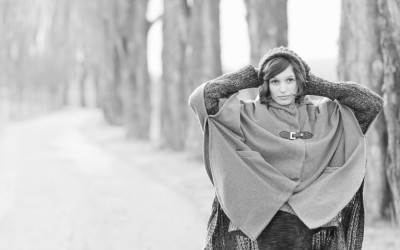
Portraits for a Friday Afternoon
I love portraits. This week the students looked at Peter Lindbergh and were inspired by his elegant simplicity. See the images after the jump. [gallery columns="5" link="file"...
THE “REAL LIFE” MYTH
Shooting a CD Cover: Front and Back (Project 52)
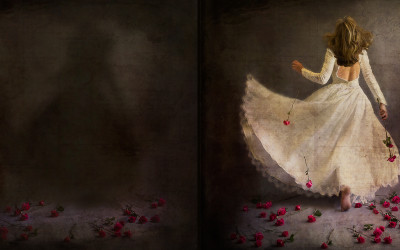
This past week we have been reviewing the CD cover assignment for the Project 52 2015 group. The assignment was for a cover and back image for a String Quartet performing Samuel Barber's String Quartet Op 11. The assignment specifically noted that the string quartet...
Exceptional Portraits (from the workshop)
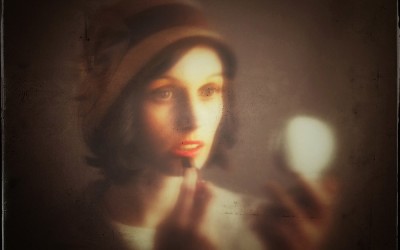
One of the most exciting and ultimately satisfying things I am doing is the 8 Week Workshop courses. We mostly focus on portraits, but are beginning to expand out with an upcoming Still Life Workshop as well. And more ideas are in the works. This last week, we studied...
Now Enrolling for Two Different 8 Week Photography Workshops
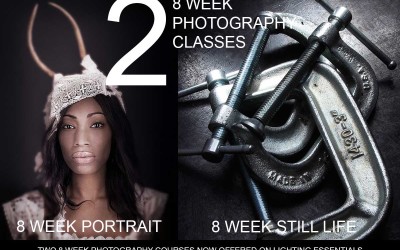
If portraiture is your interest, we are starting the 8 Week Portrait Workshop 102 in January. There are still a few openings if you are interested. See the workshop page for more information on this unique class. Lots going on in that class, and if you love...
“Connected” – A Travel Photographers Visual Diary of the World and its People
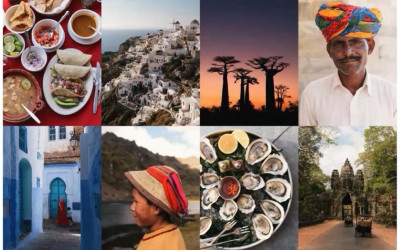
Matt Dutile is a young, emerging, and very talented people photographer who specializes in travel and lifestyle editorial. His newest project is a book of his more enigmatic imagery. What started as a promotional piece, has grown into a larger, more robust publication...
More Portraits… I Love Portraits
From the current 8 Week Class: Inspired by Skrebneski.
Gettin’ the Adventure Spirit
Perhaps it is because it is the Saturday after Thanksgiving, or maybe the wanderlust of the highway calling to me, but today's update is a bunch of cool stuff about adventure photography that makes me want to get out the door, fire up Sarek and "head out on the...