
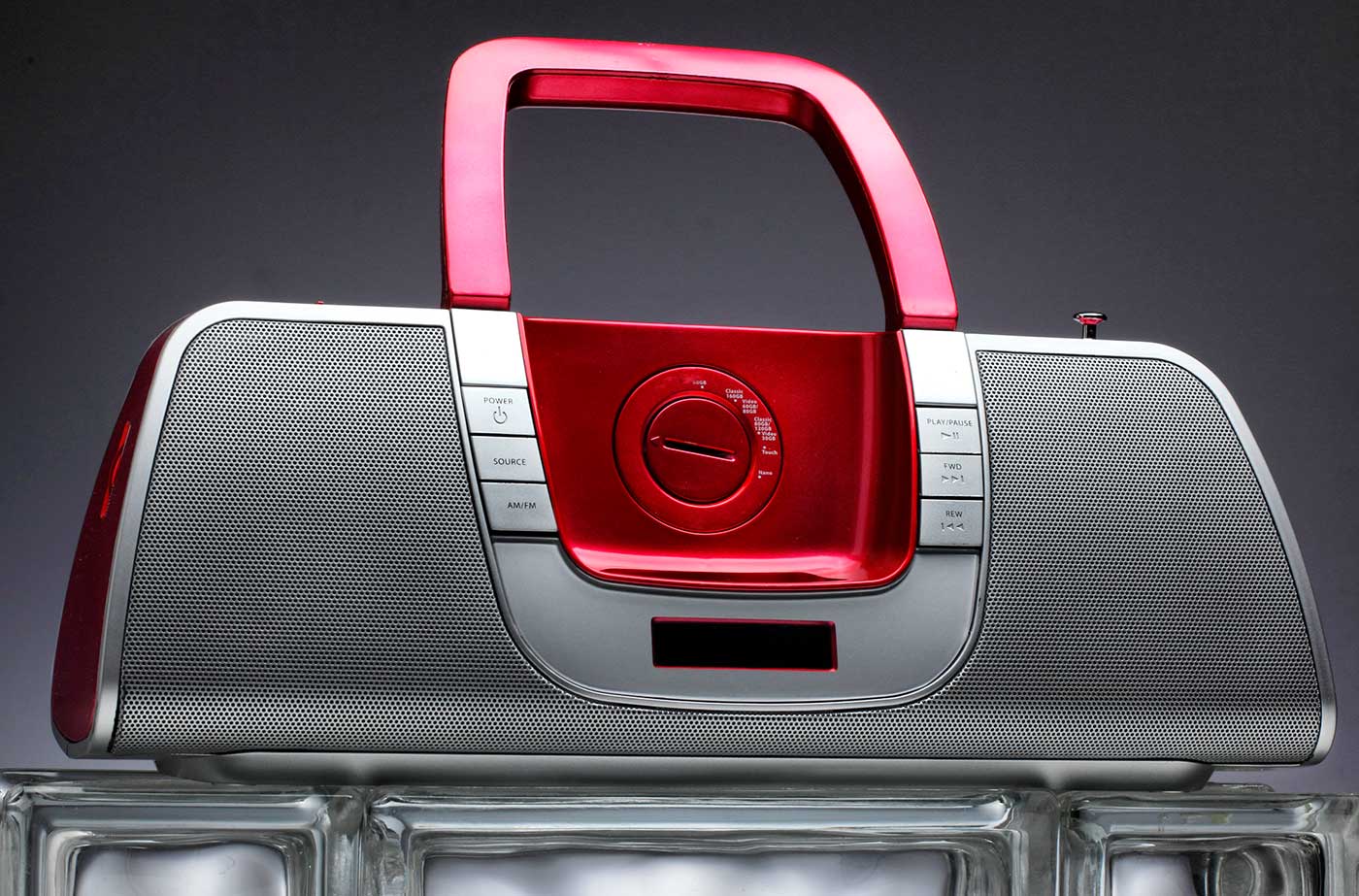
Lighting Principle Number Four: The Angle of the Light to the Subject and the Camera
Law of Physics: Angle of Incidence equals the Angle of Reflection.
This is an axiom that a lot of people hear and repeat without taking careful note of what it means to their photography.
And yet it is one of the most basic and important physical rules of subject centric lighting.
What does it mean and how can we use this to our advantage?
It means that if the light is angled toward a subject, the reflection of that light will be presented back to the camera at the same angle.
Think of the game of billiards or pool. If you hit a ball into the wall at a 30% angle, the ball will come off that wall at a 30% angle. And that completes a triangle. Understanding that triangle is key to making quicker, smarter lighting decisions.
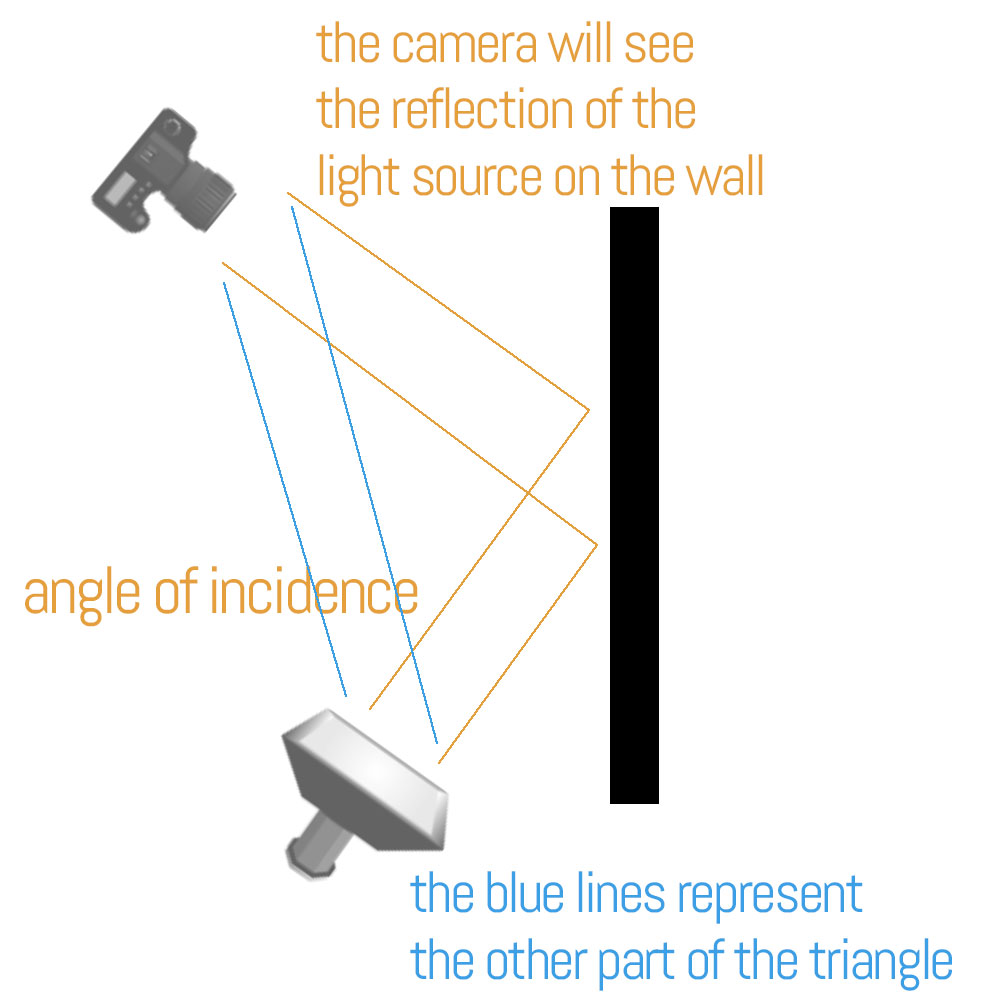
It means that you have to be able to judge the angle of the light as it strikes the subject and understand what that light will do once it strikes the subject. If there is something being reflected in your subject, look at the camera angle from the other side and you will find what it is.
EVERYTHING REFLECTS. EVERYTHING.
Some things reflect more than others, but everything you see is simply the reflection of the light from its surface.
I call it ‘presentation’, and when I discuss lighting, I use the word presentation to talk about how the light looks to the viewer.
Once we realize that the angle of the light source to the subject, and the incident angle of that light source to the subject is going to present to us in ways we can control, lighting becomes so much easier to create.
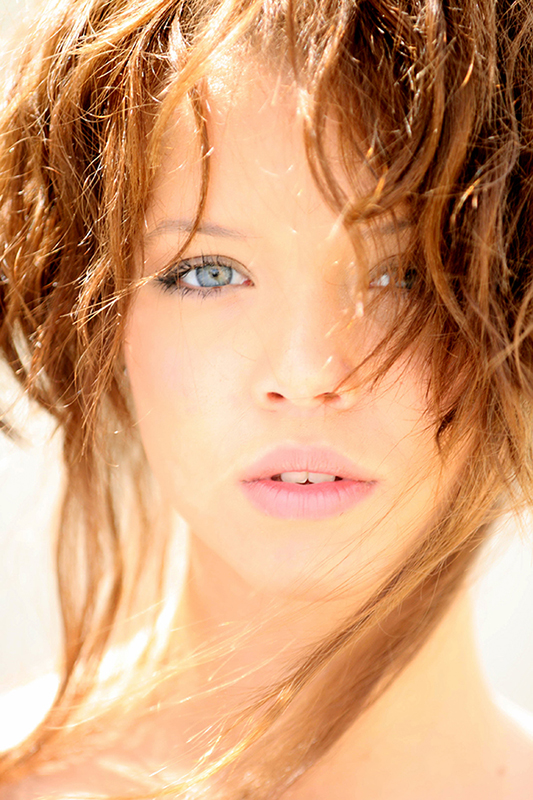
Think of the way the light strikes hair on a slightly backlit portrait. The reason the hair becomes so much brighter is because it is round in shape, and somewhere on that round, shiny hair is going to be that same angle of incidence that the camera is seeing.
An example.
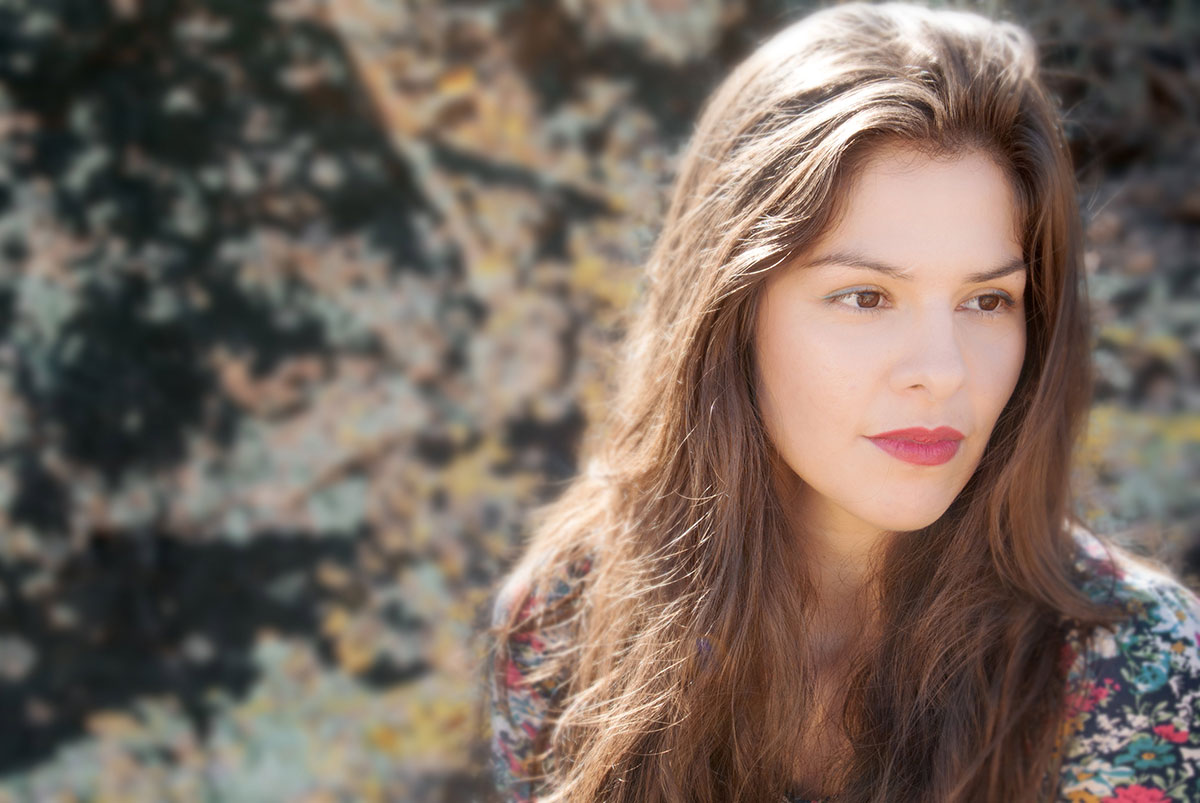
You can see how bright that hair is with the sun shining on it, and each tiny hair reflecting that sun back to the camera.
In the image below, I used a large softbox in order to get a shiny, reflective area off of the wall behind the subject and create a gradient to the background. You can see in the illustration that the angles of reflection come back to the camera on the left side of the model, but not on the right side of the model. The wall is a semi-gloss wall and provides a nice, soft reflection of the light source.
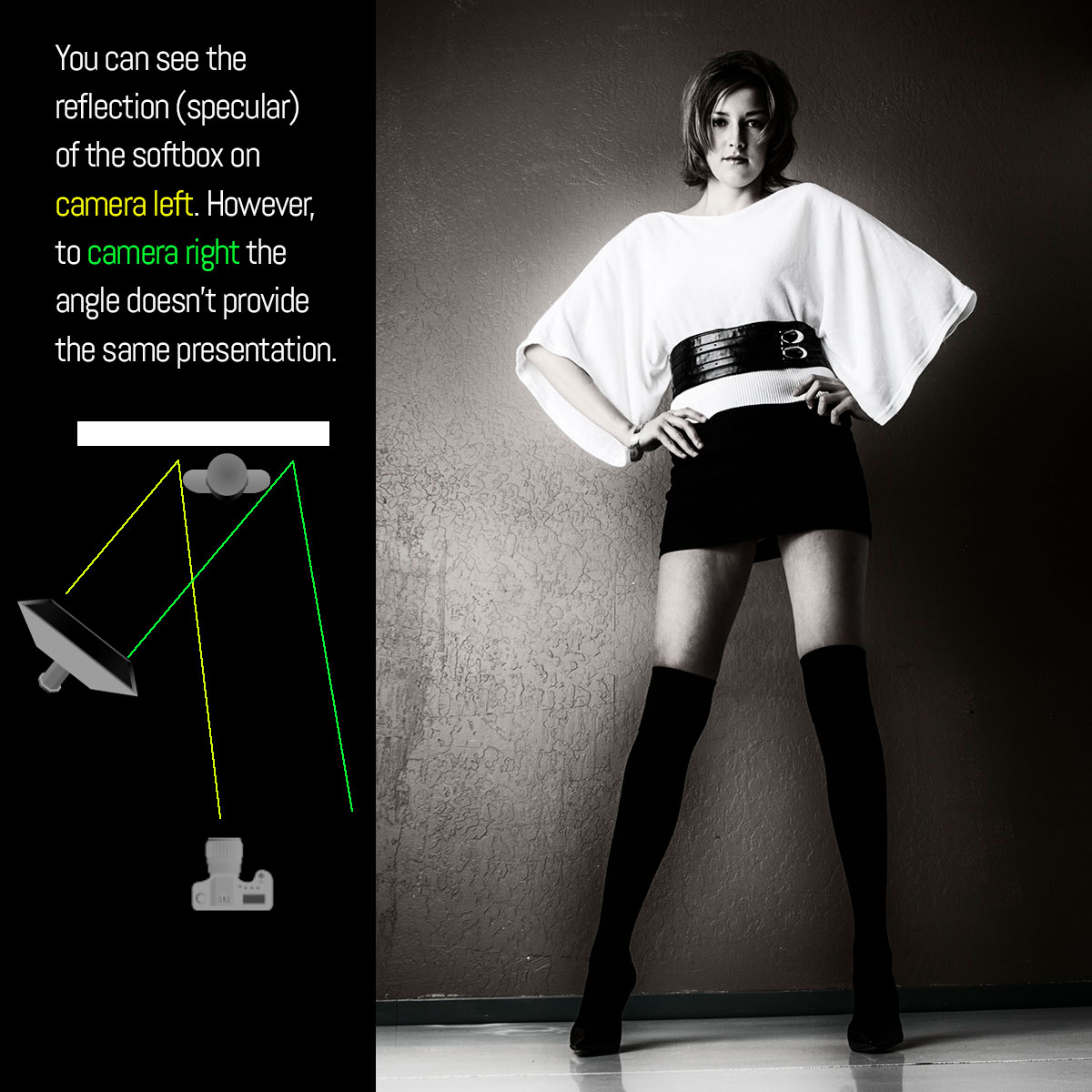
Let’s take a closer look at that triangle that is formed by the light to the subject, the subject to the camera, and the light to the camera.
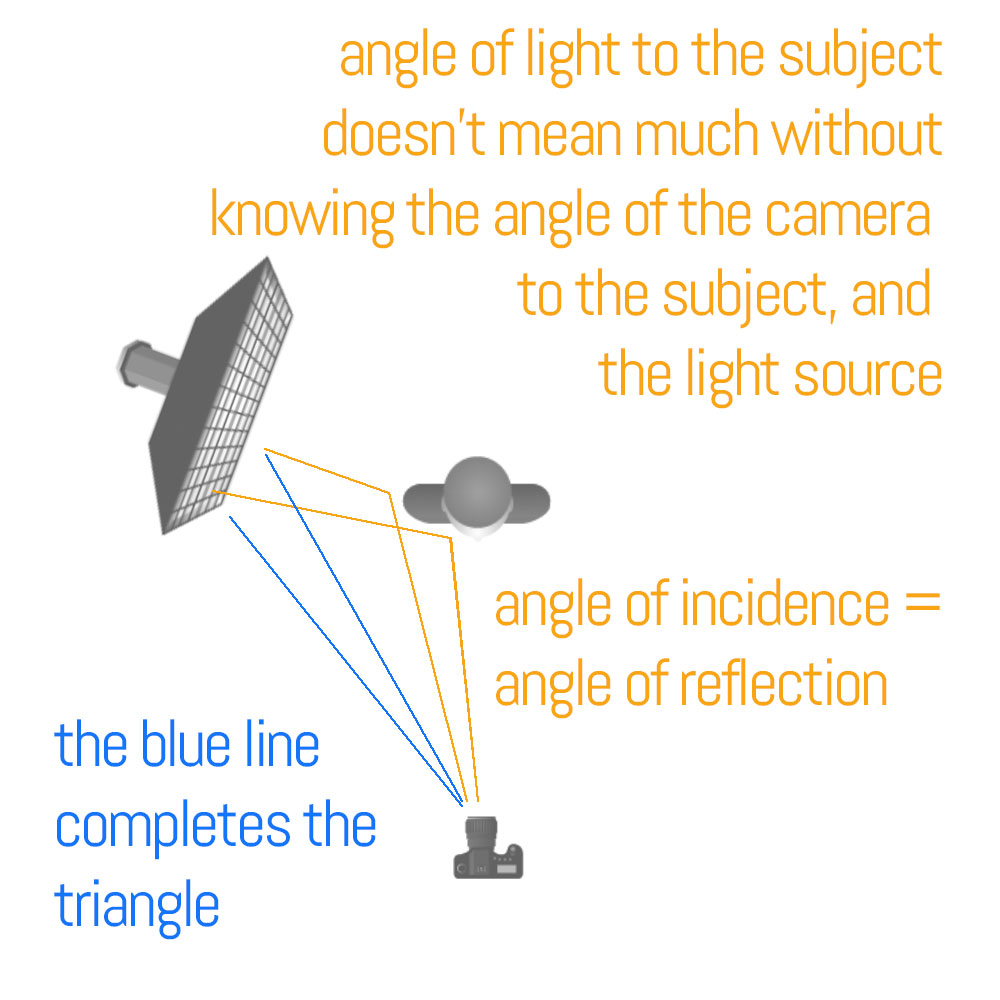
It is being able to see that triangle (shown above with the blue line) and to then visualize the presentation of the light that makes it easier to control. Once you begin to see those angles, and the way they will present back to the camera, lighting can become much more of a finessed technique rather than a flailing exercise.
Let’s talk about direction.
There are three major directions of light and one that doubles as a direction. I will explain.
This is front lighting. The light comes from the side of the camera, and it can be angled quite a bit (90 degrees). The presentation is full angle of incident / angle of reflection, and you can control that fall of incidence by where you place the camera in relationship to the light and to the subject angle.
Front light:
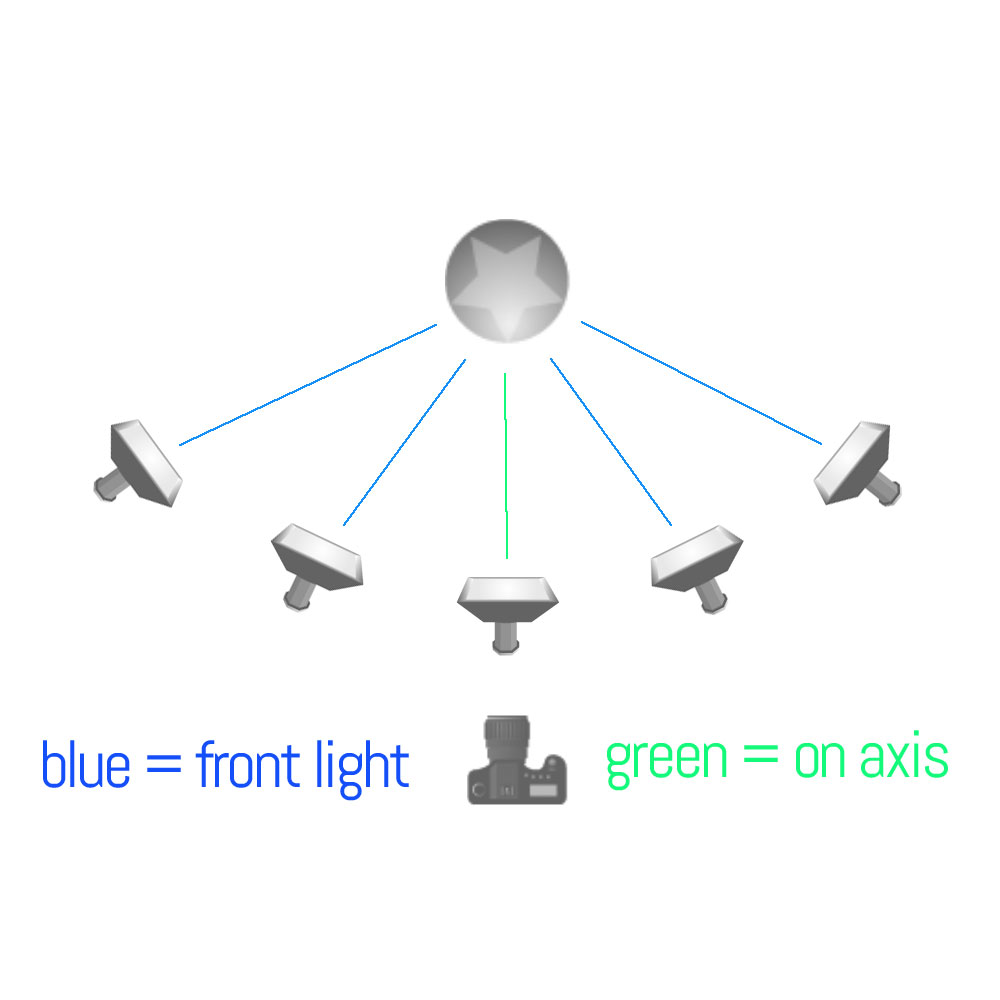
You can see that from right to left there is 180 degrees of placement that will allow you to have front light. There is one point in the middle, however, that is at the same angle as the camera. We call that “on-axis” lighting and is a favorite of beauty and fashion shooters.
On-axis lighting is from the position angle of the camera to the subject, not necessarily at the distance of the camera. That means there is no triangle (horizontally) from light to subject to camera. As you can imagine the reflection is straight back into the camera. A wide, soft light with few shadows.
In the diagram below we see side lighting and backlighting. Side lighting is as its name suggests, directly from the side of the subject creating a 90-degree angle to the camera angle.
When we move the lights farther back from sidelighting, we have backlight. Backlight has all the same angle variations as does the front lighting.
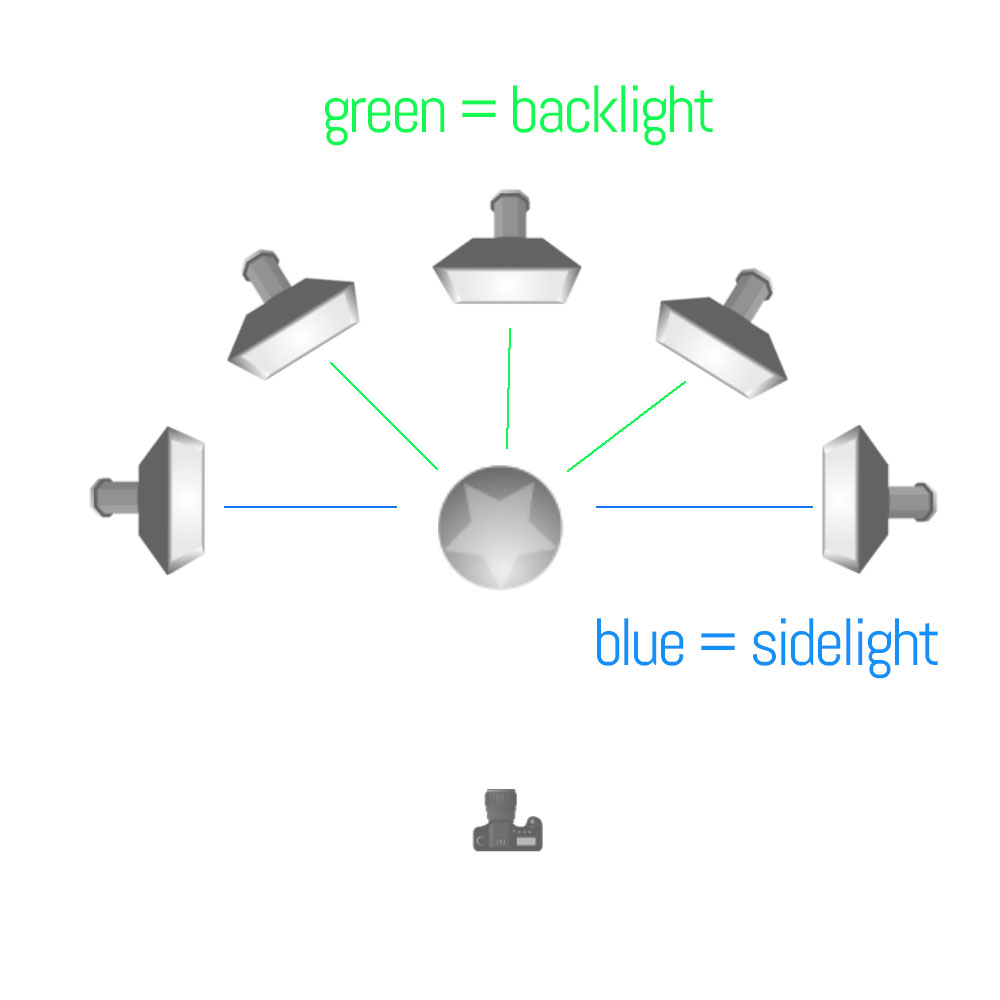
Top lighting from directly above is the same as side lighting if it is at a 90-degree angle to the subject/camera. If it is slightly in front it is front light, and slightly behind it is backlight.
Front Light One

Front Light Two
Side Light One
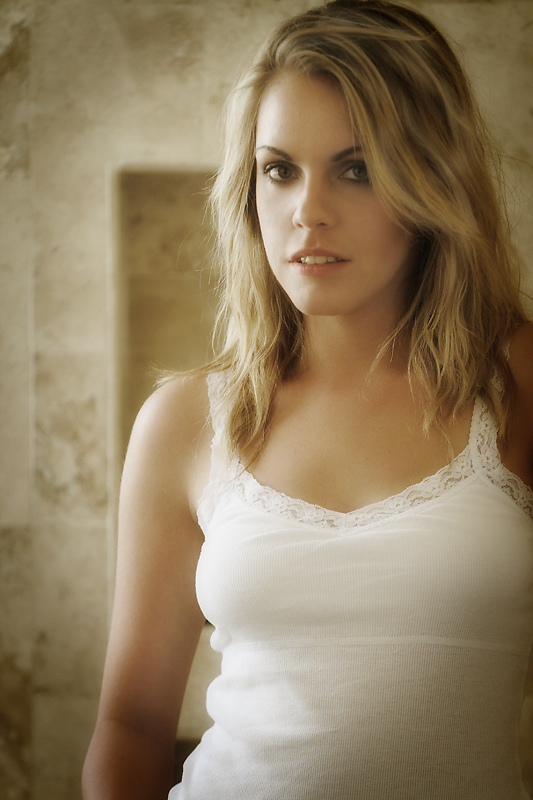
Side Light Two
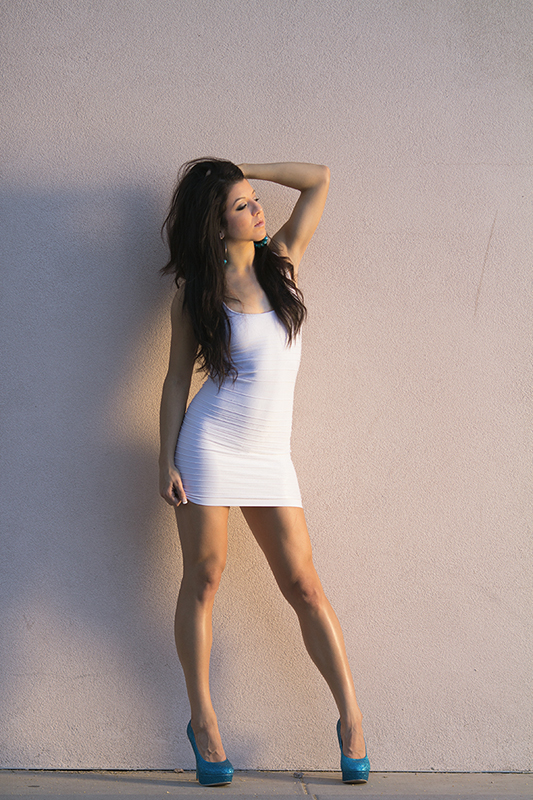
As you can see above, the angle of the light to the subject, and to the camera, makes a big difference when you are working toward making the shot look a specific way.
Let’s wrap it up:
The four different properties of lighting are:
- Size of the light source in relationship to the subject.
- Distance of the light source from the subject.
- Color of the light, and its relationship (if any) to the prevailing ambient.
- Angle of the light source to the subject, and to the camera.
And NONE of them are the most important – they are all equally important. We don’t think of them in an hierarchical way, we think of them in a holistic, symbiotic way. Change one, you may have to indeed change another. Change that one, and you may have to alter two others to make it work for you.
All of this only matters to you if you know what you want your image to look like. Do you want soft light, or do you want hard-edged light? Do you want a mixed light image that looks natural, or do you want to play with color temps in a creative way? If we move our light closer or farther away, what does that do to the look of the image? Do we need to bring out texture, or is a flatter look our goal?
These questions are usually not asked in order in our brains. All of them are asked at the same time, and we react to these creative decisions by utilizing the tools we have for creating them.
And now, with these basics, we can begin to create the images to present OUR vision of the subject in front of our lens.
ASSIGNMENTS:
- Find a subject that allows you to move around it and make images from all the different lighting positions. Do this either early in the morning or late in the afternoon so the sunlight is closer to your head height to the subject.Shoot front light, side light, back light, axis light. Study the images to see how the subject changes in the different lighting positions. Print the images and make notations on how it, and the background, look to you. What changes do you see?
- Using your flash or continuous lights, do the same thing with a subject inside. You can choose something as a still life, or – if you are a people shooter – grab a subject and start moving that light from on-axis to back.Note that when your light is backlight ONLY, the subject is quite dark, possibly even silhouette. You can adjust for that or not – your call. but remember that your adjustments will play the same role as the main light in the angle of light to subject to camera.
Lighting Essentials Appreciation Weekend: January 28/29 2012: Workshops/BBQ/Fun
I have wanted to do this for a long time, and now that I am changing stuff up, it seems like a great time to hold our Lighting Essentials Appreciation Weekend. What it is: A weekend for us to have fun, make photographs, meet old friends and make new ones. There will...
October’s Gone, I Am Changing It Up, and Are You Up For a Visit From Me?
This is the last weekend of October. Only two months left till the new year, and hopefully some new directions. Seems like I always think of January, June, and September as transitional months. Maybe from all those years in school... I dunno. But change is in the air,...
“The Photographer’s Path” – A New Program from Selina Maitreya
Selina Maitreya's new course is something that is as unique as it gets. It is fresh, fun, exciting and with such a personal twist to the usual consultants approach, that you will be quite amazed. I have been working with the first month, and just received the second...
Why Simply Being “Better” Won’t Get You Assignments
There is a reason why the above was not chosen as a worldwide statement meant to inspire us to try a different method of computing... ya know. As photographers, we see this sort of thing all the time. "To get more work, become better than your competition". Really?...
It’s Nice to have Talented Friends (3 Photographers You Should Know)
It has been a long, hot summer here in the desert. Takes its toll on us sometimes. Creativity can be a little stifled when it is 120 degrees in the shade... heh. And yeah, I do have a studio to shoot in, but like that old adage about being careful what you wish for,...
Assignment Photography: a Strategy for Bidding the Gig
The phone rings a little before lunch. You answer it and a voice on the other end says, "How are you. You showed your book here at the agency a few weeks ago, and we have a job we would like you to bid on. We will email over the particulars if you are interested." The...
What Changed? What Remains?
I am very sad that my friend Kirk Tuck closed the door on his wonderful blog The Visual Science Lab. I sent a hearfelt note urging him to reconsider, but he has very strong and equally heartfelt reasons why he felt it was time to let it go. And I know that feeling. I...
Environmental Portraits: Be Ready for Anything, Use Only What You Need
I am working with a sculptor on some creating collateral and website materials. She didn't have any good images of her working, so we put together a shoot schedule that brought me to her studio in Paradise Valley. I love going on location to shoot portraits and I pack...
“… To See What The World Looks Like as a Photograph.” Works For Me
Garry Winogrand had a wonderful and unique way of thinking about photography. He was asked once why he seemed to photograph everything, seemingly without regard as to what he was photographing. His response:"I photograph to see what the world looks like in...
Why I Teach: A Personal Perspective
(NOTE: I would like to thank those students and alums who helped me become one of the top workshop teachers on Photo District News, Reader's Poll for September, 2011.) I was recently asked to discuss what I liked about teaching photography, and why I thought it was...
On Balance: Challenging the Nature of Gravity
There has been one strong thought in the back of my mind lately. It sort of hangs there like a candle that is almost ready to die, but keeps the flame going for another few seconds. Then it flickers nearly to extinction - and lights up again with the slight change of...
Green Tea, Rice Balls and Ancient Asian Cities
Photograph of sunrise in Kuala Lumpur, Malaysia. God I love iced green tea. Especially when it is really hot outside. And even more when I am outside with the extremely hot outside. The soft, gentle flavors and the coolness of the ice help with the - at times brutal -...
Cole Bennett: Photographer, Orillia, Ontario
(Photo by Cole Bennett: "One frame from the fairly extensive photography project I've been working on with the YMCA of Simcoe Muskoka (which is within my county." Meet Cole Bennett, a commercial photographer in a small town in east-central Canada. Orillia, Ontario is...
Project 52: Environmental Portraiture Examples
I am so enjoying working with the Project 52 photographers. It is one of the things I am having the most fun with. If you are not familiar with Project 52, it is an ongoing project that started last January, and is continuing till Christmas this year... 52 weeks, 52...
Time to View The Lighting Essentials Contest Submissions and Vote
Well it's that time. Time to choose the winners in our Summer contest: "Summer in My Town". The assignment was to make between 6 and 8 images to show off what summer is like in your town. We had a lot of entrants, but not so many uploads. But we got some good ones,...
Contest Submission Instructions and a big THANKS to our Sponsors
Hi everyone. It is time to wrap up the contest shooting. "Summer In My Town" has run from June 1 through the first 2 weeks of August. We now must collect the entries and get the site set up. Below are submission instructions. Please send the images to me by Tuesday,...
Guest Post: Selina Maitreya on the “Whole Enchilada”
You Need the Whole Enchilada © 2011 Selina Maitreya NOTE: This is a guest blog post by Selina Maitreya. At the end of the post is a special deal that will net you nearly $300 worth of valuable photographic information. I urge you to take advantage of this incredible...
A Photographer’s Decision: Take the Freeway or the Road Less Traveled?
Recently there has been some buzz about how to get noticed as a photographer. And more and more I see photographers doing images that look for all the world like some other guy's images that looks like a woman he really admires' images. And her work was copied from...
New Gear: Aputure Triggers and Gamilight Modifiers – Gear that WORKS
Dontcha just love gear that works the way you do. Intuitive design, ease of use, multiple applications... the things that make working with the gear simply an extension of what we are trying to do. And that is make photographs. When I am shooting I want to be involved...
Rediscovering the 50 – Working To Know My Least Favorite Lens Better
After neglecting my 50MM lens for a long long time, I decided it was time to get to know each other better. I spent a week with the lens, and we are coming to an understanding.
Your ‘About Me’ page image: Make it part of your brand
Over at Project 52 we did an assignment to do a self portrait, or at least a portrait of ones self. An "About Me" page is such an important part of the website that it must be addressed in a professional and stylistic manner. Some statistics show that it is the most...
It’s Summer: Ten Things to Do to Boost Your Photography
1. Road Trip I love road trips. Planning them, packing for them, and doing them. Unpacking... well, not so much. But road trips are one of the most fun and inspiring things you can do. I try to take small road trips whenever possible. Last week I was in Vancouver....
Do You Have a Line You Won’t Cross in Photography?
A recent heated discussion on a photographer making her political affiliations known led me to another thought... is there a line you won't cross in your work? Should there be? It is a competitive market out there. There are bills to pay, and gear to maintain, and...
Is it a changing market, or are systems simply broken?
Discussing the new expectations of commercial photography and creating new challenges and channels for the visual executive