
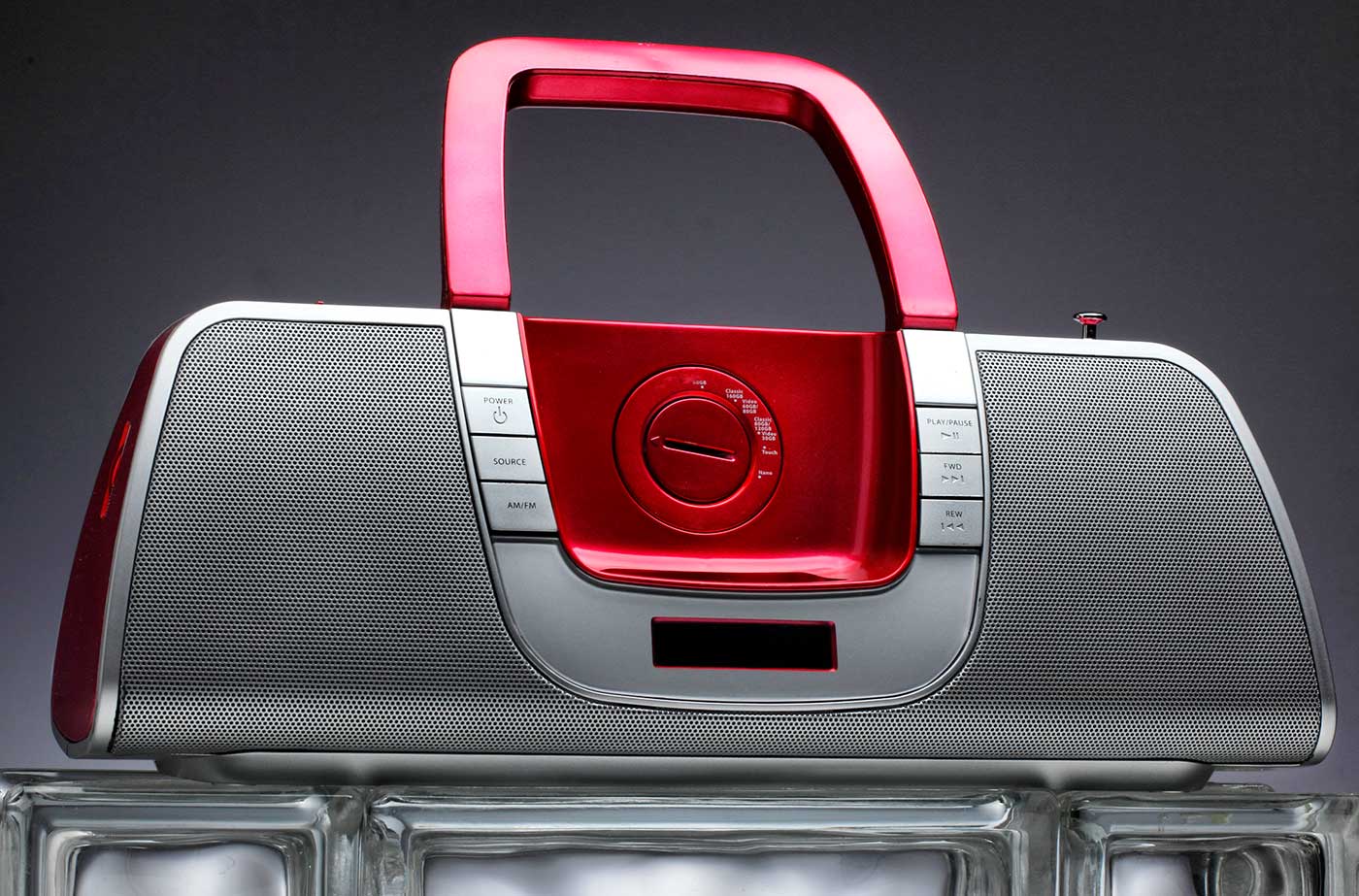
Lighting Principle Number Four: The Angle of the Light to the Subject and the Camera
Law of Physics: Angle of Incidence equals the Angle of Reflection.
This is an axiom that a lot of people hear and repeat without taking careful note of what it means to their photography.
And yet it is one of the most basic and important physical rules of subject centric lighting.
What does it mean and how can we use this to our advantage?
It means that if the light is angled toward a subject, the reflection of that light will be presented back to the camera at the same angle.
Think of the game of billiards or pool. If you hit a ball into the wall at a 30% angle, the ball will come off that wall at a 30% angle. And that completes a triangle. Understanding that triangle is key to making quicker, smarter lighting decisions.
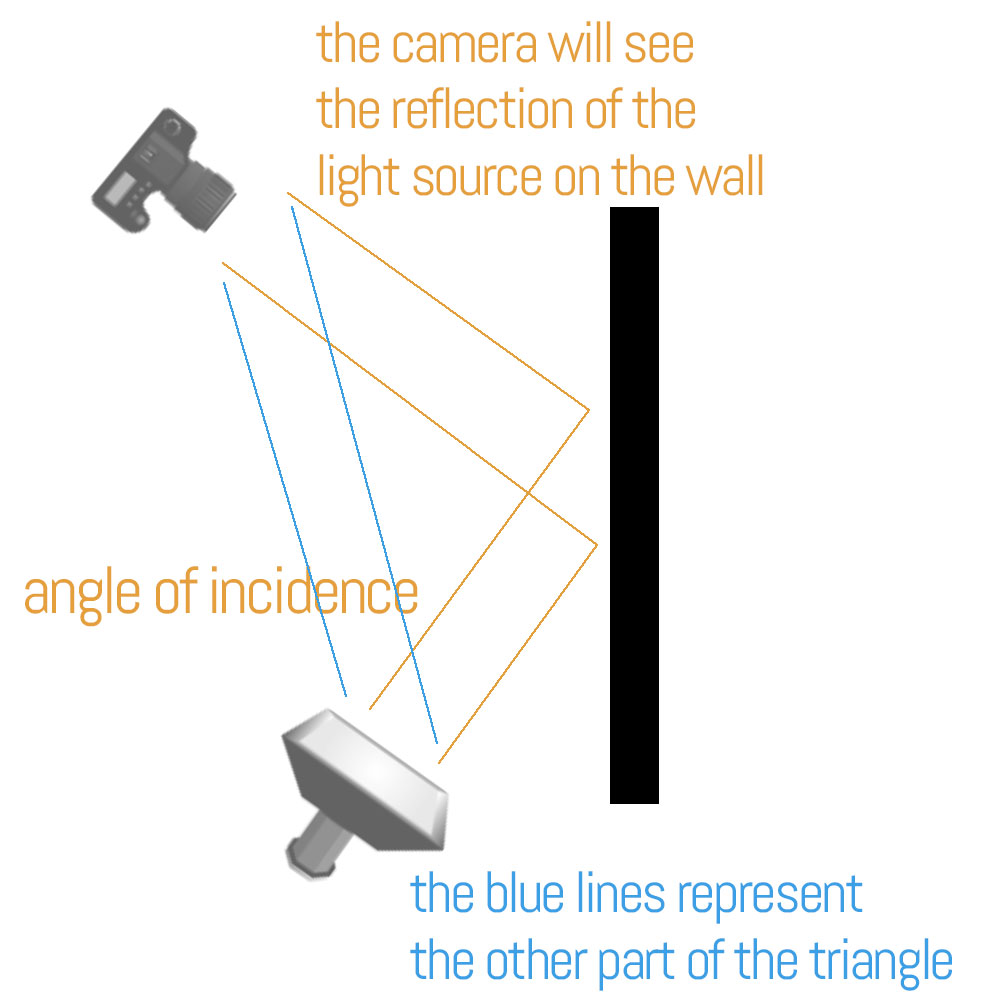
It means that you have to be able to judge the angle of the light as it strikes the subject and understand what that light will do once it strikes the subject. If there is something being reflected in your subject, look at the camera angle from the other side and you will find what it is.
EVERYTHING REFLECTS. EVERYTHING.
Some things reflect more than others, but everything you see is simply the reflection of the light from its surface.
I call it ‘presentation’, and when I discuss lighting, I use the word presentation to talk about how the light looks to the viewer.
Once we realize that the angle of the light source to the subject, and the incident angle of that light source to the subject is going to present to us in ways we can control, lighting becomes so much easier to create.
Think of the way the light strikes hair on a slightly backlit portrait. The reason the hair becomes so much brighter is because it is round in shape, and somewhere on that round, shiny hair is going to be that same angle of incidence that the camera is seeing.
An example.

You can see how bright that hair is with the sun shining on it, and each tiny hair reflecting that sun back to the camera.
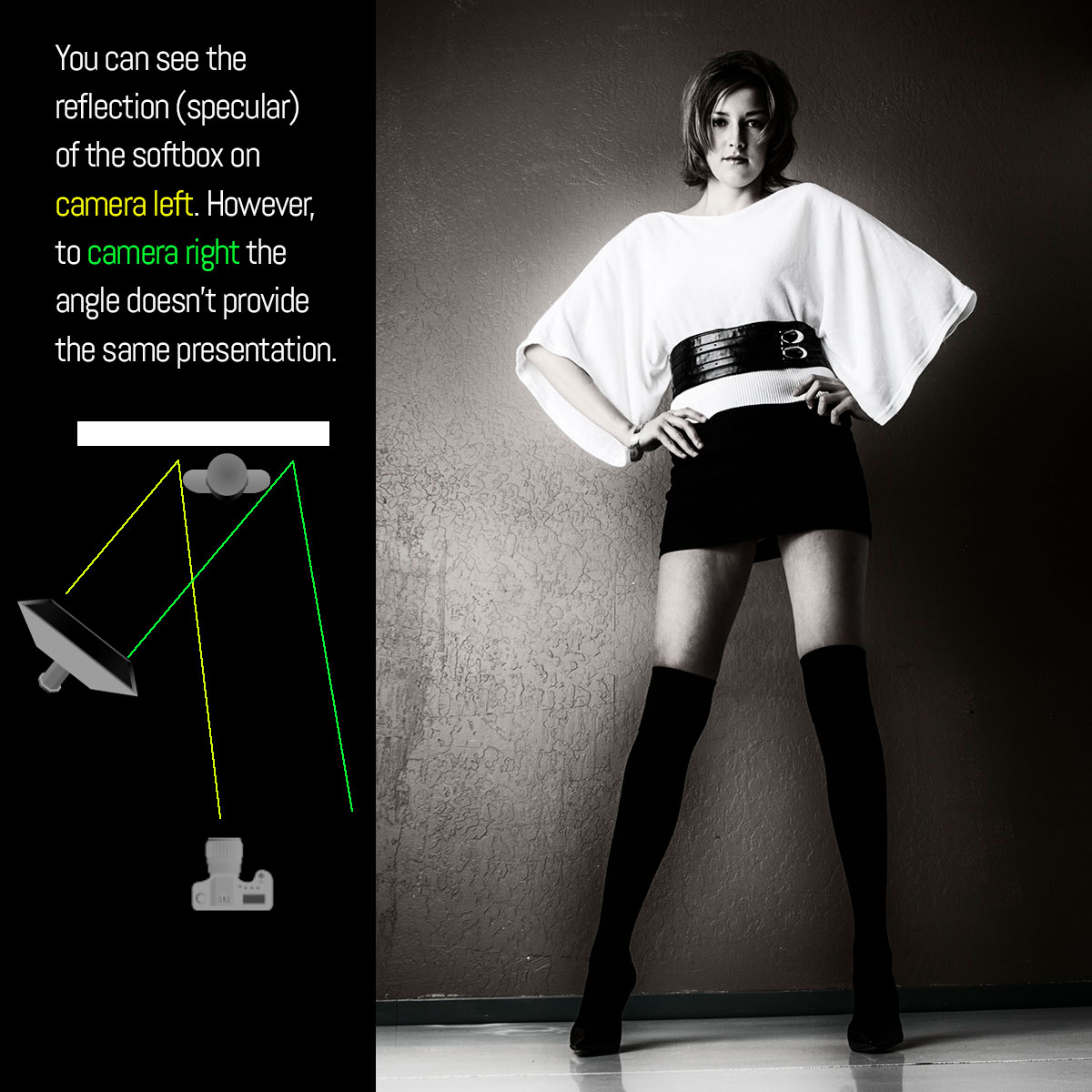
In the image below, I used a large softbox in order to get a shiny, reflective area off of the wall behind the subject and create a gradient to the background. You can see in the illustration that the angles of reflection come back to the camera on the left side of the model, but not on the right side of the model. The wall is a semi-gloss wall and provides a nice, soft reflection of the light source.
Let’s take a closer look at that triangle that is formed by the light to the subject, the subject to the camera, and the light to the camera.
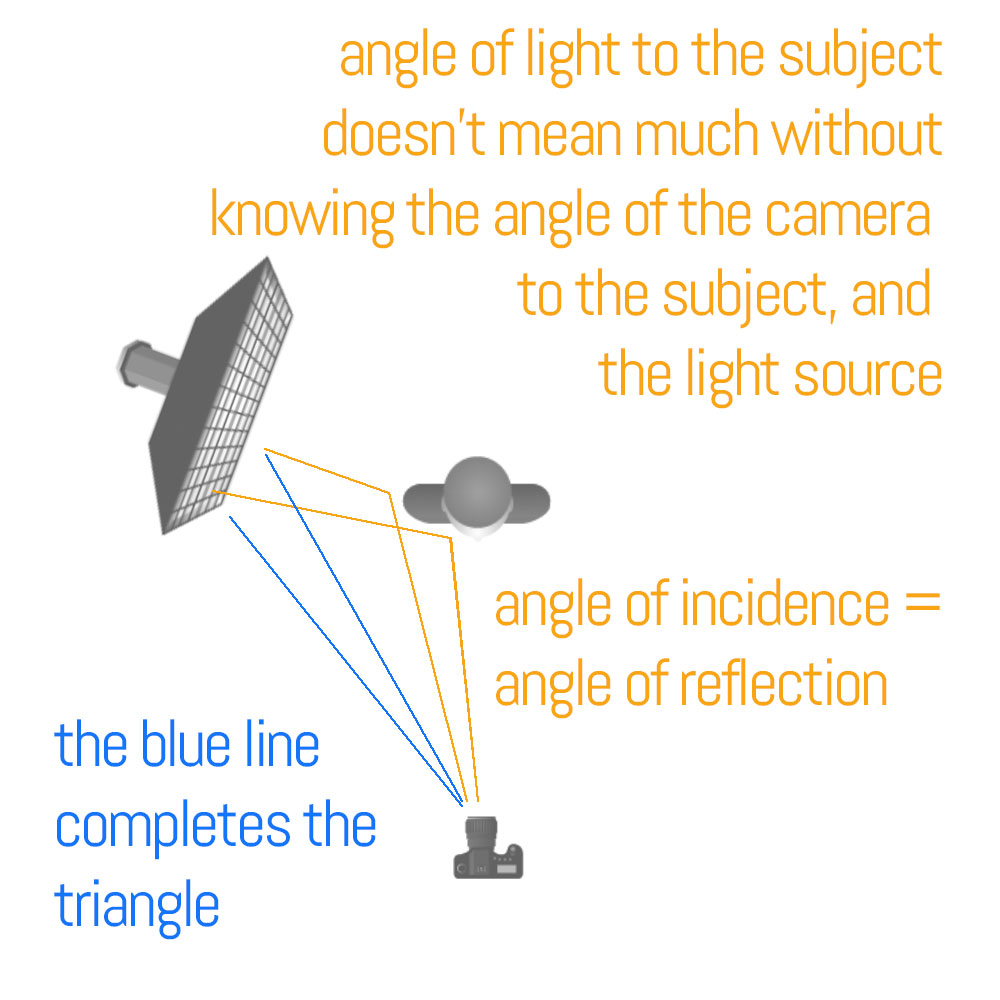
It is being able to see that triangle (shown above with the blue line) and to then visualize the presentation of the light that makes it easier to control. Once you begin to see those angles, and the way they will present back to the camera, lighting can become much more of a finessed technique rather than a flailing exercise.
Let’s talk about direction.
There are three major directions of light and one that doubles as a direction. I will explain.
This is front lighting. The light comes from the side of the camera, and it can be angled quite a bit (90 degrees). The presentation is full angle of incident / angle of reflection, and you can control that fall of incidence by where you place the camera in relationship to the light and to the subject angle.
Front light:
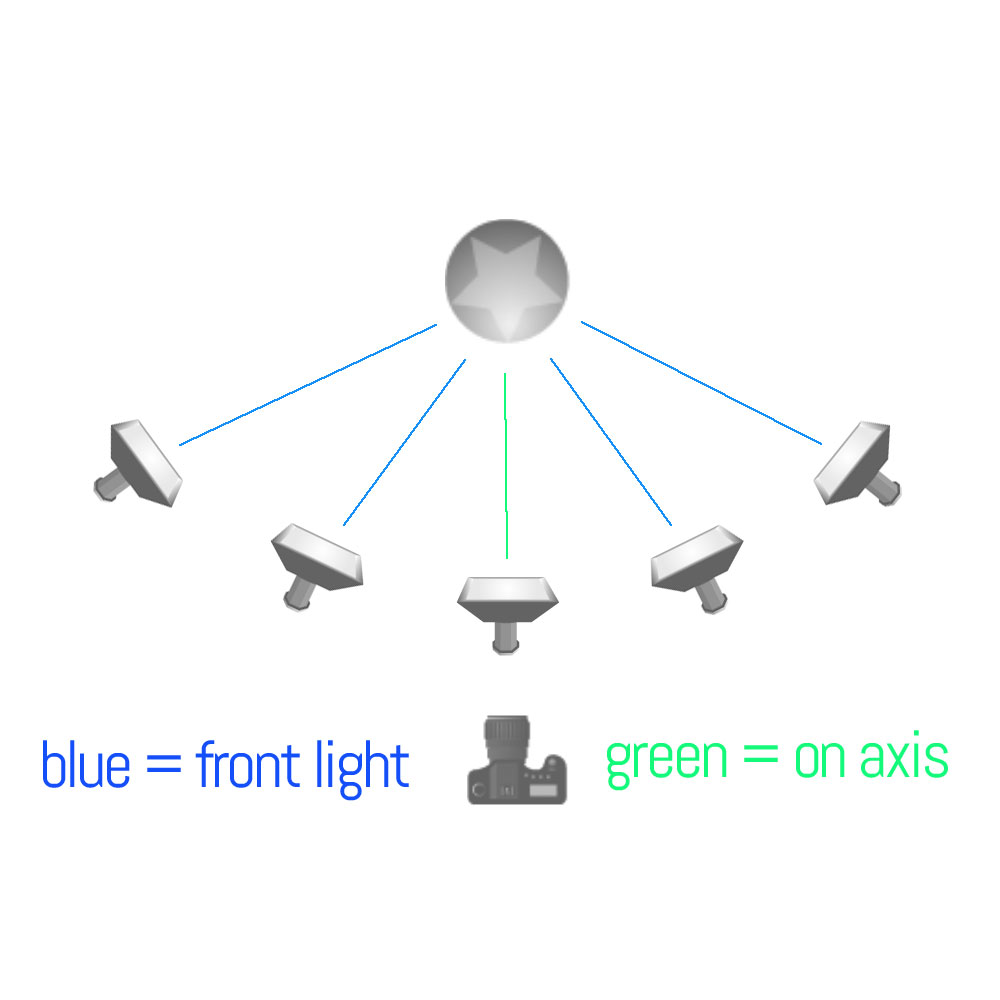
You can see that from right to left there is 180 degrees of placement that will allow you to have front light. There is one point in the middle, however, that is at the same angle as the camera. We call that “on-axis” lighting and is a favorite of beauty and fashion shooters.
On-axis lighting is from the position angle of the camera to the subject, not necessarily at the distance of the camera. That means there is no triangle (horizontally) from light to subject to camera. As you can imagine the reflection is straight back into the camera. A wide, soft light with few shadows.
In the diagram below we see side lighting and backlighting. Side lighting is as its name suggests, directly from the side of the subject creating a 90-degree angle to the camera angle.
When we move the lights farther back from sidelighting, we have backlight. Backlight has all the same angle variations as does the front lighting.
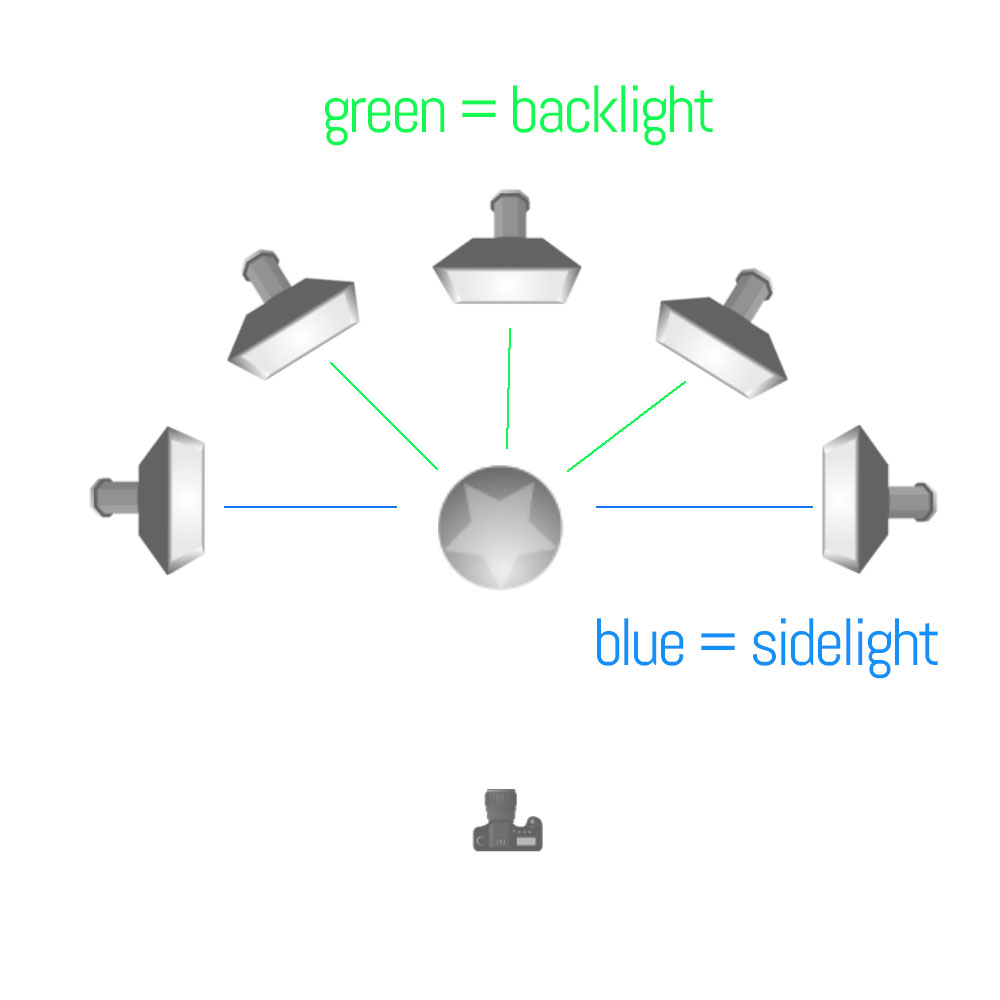
Top lighting from directly above is the same as side lighting if it is at a 90-degree angle to the subject/camera. If it is slightly in front it is front light, and slightly behind it is backlight.
Front Light One
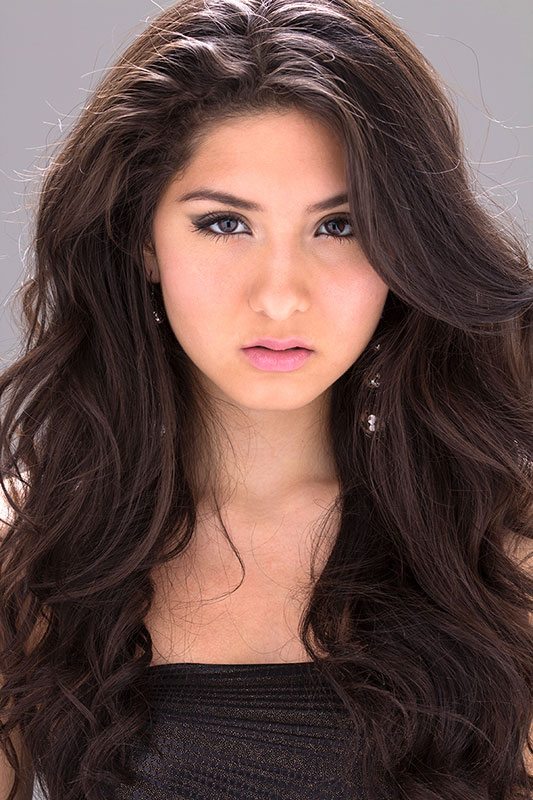
Front Light Two
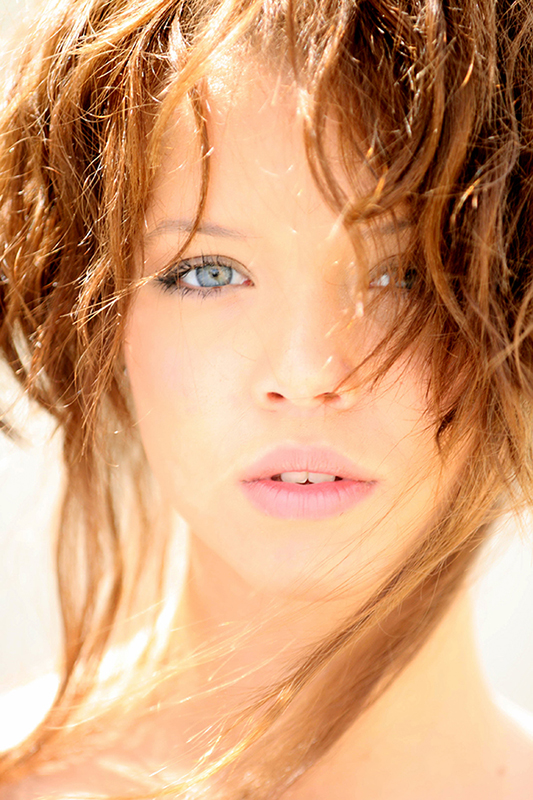
Side Light One
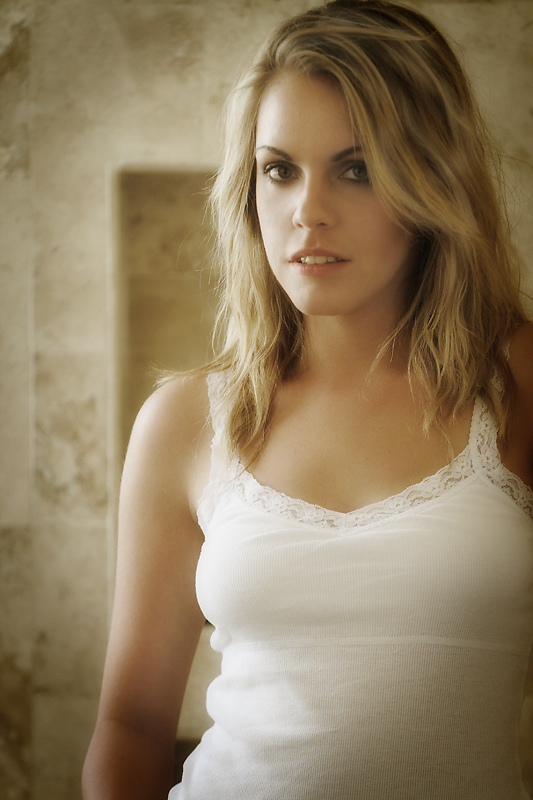
Side Light Two
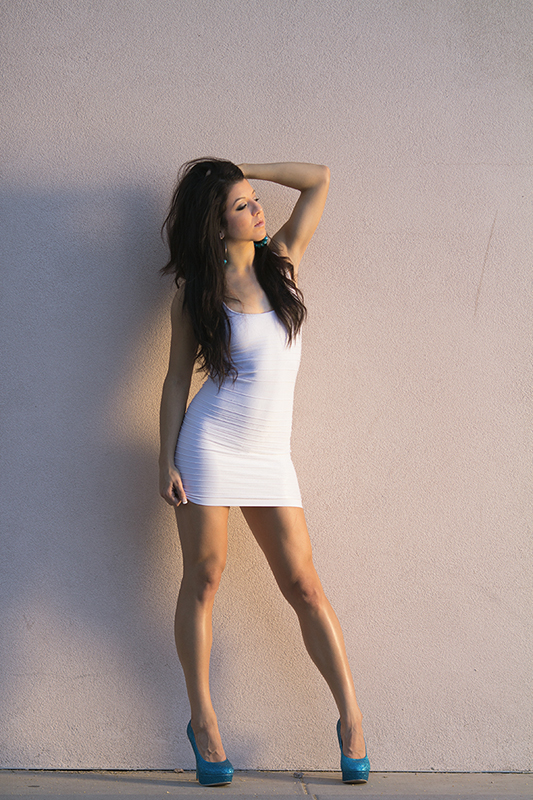
As you can see above, the angle of the light to the subject, and to the camera, makes a big difference when you are working toward making the shot look a specific way.
Let’s wrap it up:
The four different properties of lighting are:
- Size of the light source in relationship to the subject.
- Distance of the light source from the subject.
- Color of the light, and its relationship (if any) to the prevailing ambient.
- Angle of the light source to the subject, and to the camera.
And NONE of them are the most important – they are all equally important. We don’t think of them in an hierarchical way, we think of them in a holistic, symbiotic way. Change one, you may have to indeed change another. Change that one, and you may have to alter two others to make it work for you.
All of this only matters to you if you know what you want your image to look like. Do you want soft light, or do you want hard-edged light? Do you want a mixed light image that looks natural, or do you want to play with color temps in a creative way? If we move our light closer or farther away, what does that do to the look of the image? Do we need to bring out texture, or is a flatter look our goal?
These questions are usually not asked in order in our brains. All of them are asked at the same time, and we react to these creative decisions by utilizing the tools we have for creating them.
And now, with these basics, we can begin to create the images to present OUR vision of the subject in front of our lens.
ASSIGNMENTS:
- Find a subject that allows you to move around it and make images from all the different lighting positions. Do this either early in the morning or late in the afternoon so the sunlight is closer to your head height to the subject.Shoot front light, side light, back light, axis light. Study the images to see how the subject changes in the different lighting positions. Print the images and make notations on how it, and the background, look to you. What changes do you see?
- Using your flash or continuous lights, do the same thing with a subject inside. You can choose something as a still life, or – if you are a people shooter – grab a subject and start moving that light from on-axis to back.Note that when your light is backlight ONLY, the subject is quite dark, possibly even silhouette. You can adjust for that or not – your call. but remember that your adjustments will play the same role as the main light in the angle of light to subject to camera.
Project 52 Photographer, Pete Hudeck
While these guys and gals from Project 52 are sharing their adventures with you all, I am busy creating new content and preparing the Project 52 project and the new Lighting Essentials website. I love how much they share. Meet Pete Hudeck, another who has been with...

Project 52 Photographer Kathy Jan
Kathy Jan found Project 52... and while it was a bit daunting to her at first... she stuck to it, made the assignments - and more usually - and learned a great deal. Her work is now pretty darn fine. I think she has shown tremendous growth. Here is Kathy Jan in her...
Project 52 Photographer: Rob Davidson
Meet Photographer Rob Davidson, from New York City. Rob Davidson Rob Davidson Photography Website Email RobD3 on Flickr Facebook "For the past few years I have been clambering to gain knowledge and insight as a photographer. My hobby had taken that turn to become an...
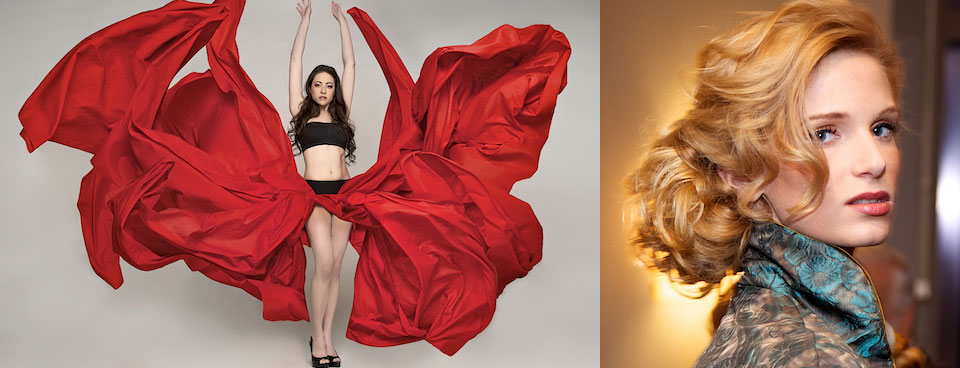
Project 52 Photographer: Bret Doss
Meet Bret Doss, a Project 52 participant and a friend. I met Bret a while ago when I taught my first workshop in Seattle. He truly loves photography. Website Facebook Twitter "Project 52 presented a unique opportunity: ongoing instruction and critique each week for 52...
New Years : New Changes, New Attitudes, New Looks, New Projects
NOTE: POTTY MOUTH ALERT... Just in case I sound like all those 'oh-so-cool' women bloggers who drop f-bombs and tell us about their sex lives ... ick!" It's time for a change. it's time to get busy, change shit up, make new plans. Stop old habits and forge new ideas...
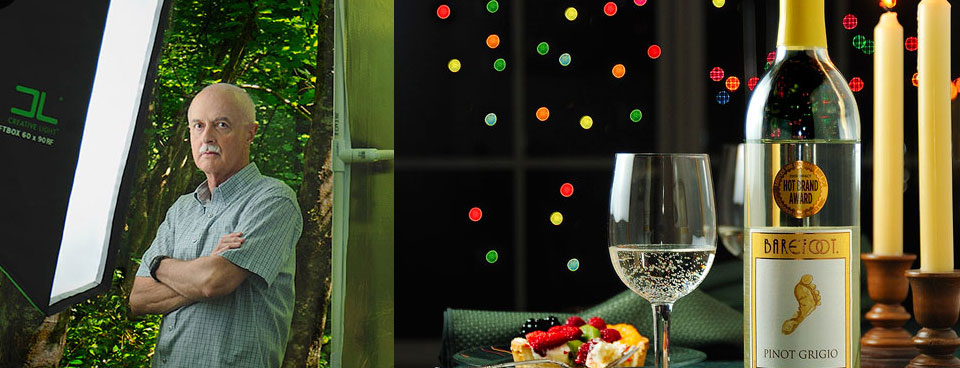
Project 52 Photographer: Ron Heusser
Meet Ron Heusser from Washington State. Ron is active in the Project 52 group. Project 52 Experience Ron Heusser Ron WA on Flickr "I'm a mechanical engineer for my day job, but have always had an interest in photography. I have pursued landscape shooting for the last...
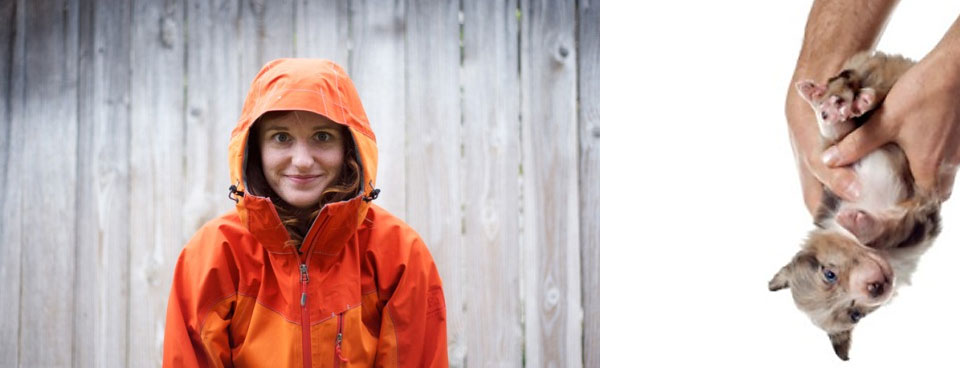
Project 52 Photographer: Christopher Bersbach
Project 52 Photographer, Christopher Bersbach checks in with his thoughts on Project 52. "I had been a follower of Lighting Essentials, as well as several other online photography resources, for a while before Don started Project 52. s a self-taught photographer, I...
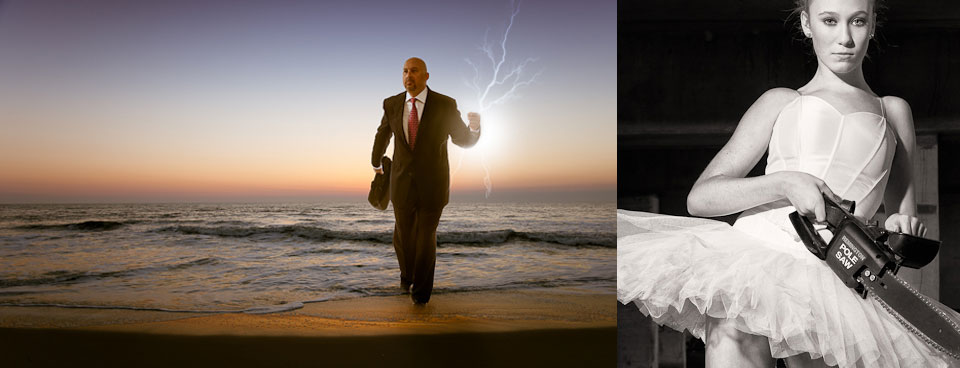
Project 52 Photographer: Don Fadel
Another Project 52 participant, Don Fadel, checks in from Florida. "First of all I would like to thank Don Giannatti (historically “WizWow”) for establishing Project 52 and taking the time to organize and critique the images. This was a major commitment on his part...
Merry Christmas and Happy Holidays from Wizwow and LE
Thanks to everyone who took part in LE, the Project 52, all the workshops and my clients. Have the happiest of holiday seasons... And please remember, I am a drummer. 😉
Project 52 Photographer: Hiram Chee
We will be featuring some of the photographers who spent time with Project 52 this year (2011). These are their own words, and I am proud of each and every one of them. Whether you want to do every assignment or just one or so a month, you should consider being a part...
Light or Dark Backgrounds for a Portrait? Sometimes it is Subject Driven
Many times when I am preparing to shoot a portrait, I have to make a decision on background color. I check three things: the purpose of the shot, the model's features and hair color and wardrobe. First of all - there is no right way to do this stuff. Anyone who tells...
Smile or No Smile? In Portraits It’s All About the Eyes
I love the simple portrait/headshot. I would be happy to shoot faces every day. Old faces, young faces, tired faces, happy faces, sad faces and more. The human face has so many facets of interest. When we are very young, we learn to recognize faces. Mom, Dad,...
Shot Under Moonlight with a Touch of Streetlight for Kicker… ahhh, Kodak 3200
It was a muggy summer night in Chicago. We had been shooting all day and wrapped a three day catalog shoot. We took a few hours to eat and go dancing at a club near the studio, and then go back to the studio to shoot some more. I don't remember the year... late 80's I...
24 Project 52 Images to Inspire Your Weekend
These are some of the wonderful shots from a while back at Project 52. We are gearing up for another great year of shooting - and remember, you can join anytime. Just start shooting and posting the images for critique. A new site is forthcoming, and more information...
Beautiful and Unique Photographs In Our Charity Print Sale
We are doin something a bit different on this post. Kinda like PBS's "Dialing for Dollars" only the money doesn't go to us, it will be going to the Toys for Tots Charity. We are simply showing off some wonderful images that our Project 52 folks have done, and offered...
2012 Brings a Lot of Changes to Lighting Essentials – A Heads Up On What’s New!
(LOOKING FOR A COOL AND UNIQUE PHOTO GIFT? Check out our Lighting Essentials Charity Print sales page. Only $27 for a 14" print, with shipping included. All profit will go to Toys For Tots, the Marine Charity for kids. See the Charity Print Sale page for more...
No Magic Pill, No “Easy” Button! What’s a Photographer To Do?
I recently spent some time in my studio with a photographer who was struggling a bit to find his 'style'. He thought that I could help him find what it is that he was doing wrong, and came by for a long working lunch. His assumption that I could help him find his...
The “Business” of Photography: Have I Lost Perspective, Or Simply Disconnected?
OK... Snarky Rant follows: You have been warned. So there's this photographer on Google +, Colby Brown, and he is writing a book about Google + and photographers. He decided to run a contest or something like a contest, to get some photographers who are actively...
Designing The Image You Want (a Chapter from My Book, Lighting Essentials)
Today I present an excerpt from my book, "Lighting Essentials: A Subject-Centric Approach for Photographers" now available from Amazon and fine book retailers all over the world! Whew! It is really interesting that yesterday I got a knock on the door and was handed...
Thanks is for Giving, and I Need To Do Some Givin’
It is Thanksgiving week in the US. It is a day that was set aside to give thanks for all that we have and take a moment to reflect on our year. It is also a time for being gluttonous, preparing for the biggest shopping day in the year and when family who may not speak...
What Happens When You Do Everything Right, And It Still Doesn’t Work?
There was a very interesting post over at Kirk Tuck's blog this week. It had to do with only being as good as the last shot, and how some great photographers are watching their careers slow precipitously, even while still being recognized as top level photographers....
Fear and Loathing in Photoville
Last week, Zack Arias received an email from someone excoriating him for ruining the photography business, teaching "n00b's" misleading information, fouling the water, defiling the tenants of Mordor, and general misbehaving. Or something. You should read it here, and...
Question and Answer Friday at Lighting Essentials
I was wondering aloud on twitter last night and asked if anyone had any questions they wanted answered... four tweets later we had these. One I believe I answered by tweets, but these three were so strong that they needed more than the 144 character response. Here...
It’s the Wild and Wacky “Winner Gets ME” Contest at LE (this will be fun!)
Wacky Winner Gets ME Contest. Yep – I will either come out to you and do a one on one workshop, or you can come here to do one in Phoenix. If you decide to come out here, airfare will be taken care of round trip (there are some caveats – see below). The workshop is...