
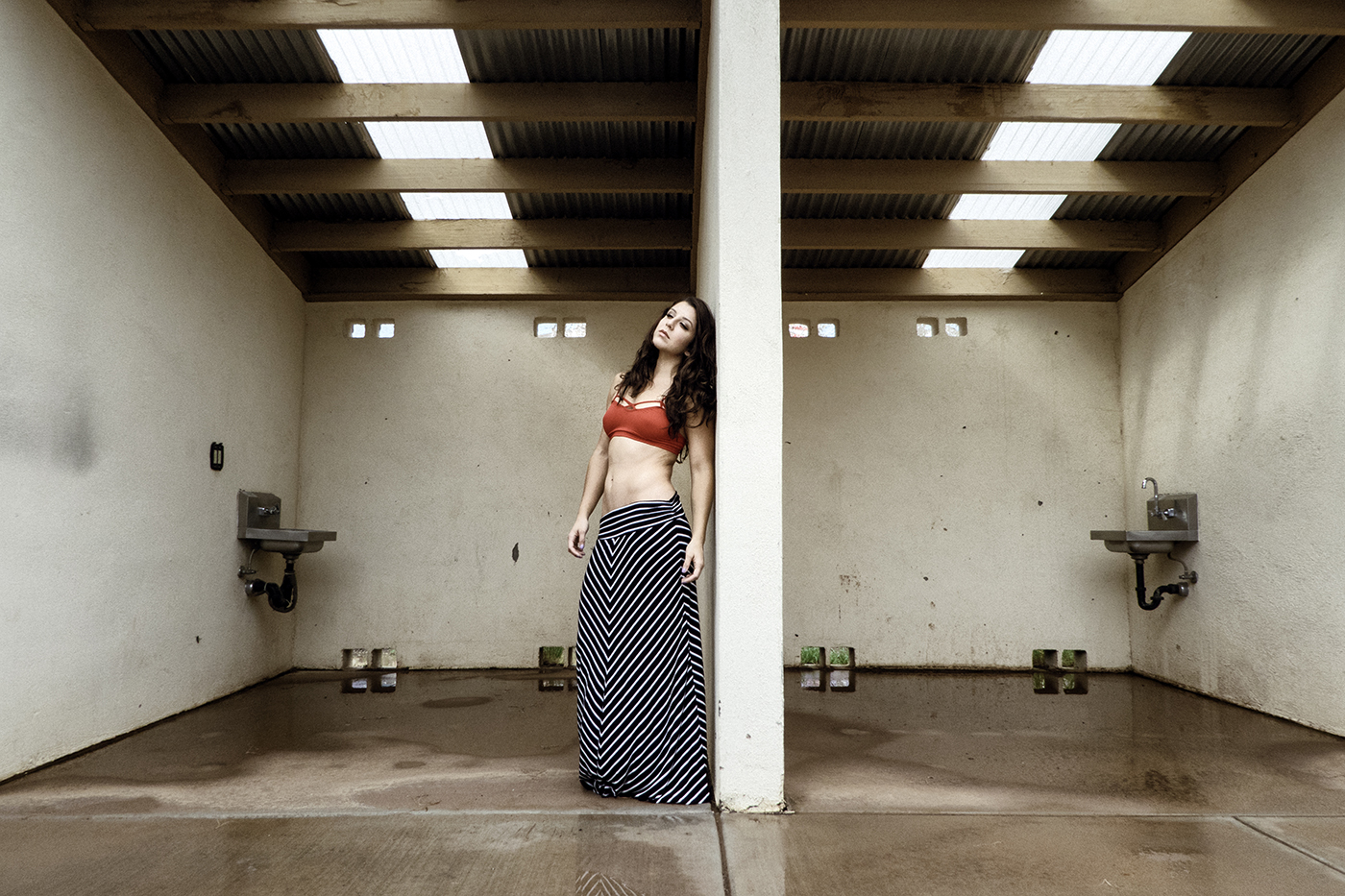
First up, the size of the light source in relation to the size of the subject.
Imagine looking out the window at the front yard and without seeing the sky knowing whether it is sunny or cloudy. We do know, right?
We don’t have to see the sky to know if it is sunny or cloudy, we can tell from the way the light is behaving on the subjects in our yard. The car has a deep shadow below it if it is sunny and very little shadow at all if it is cloudy.
The plants are either casting long shadows or seemingly no shadows. The sun makes everything have a shadow, while the cloud cover acts as a shadow reliever.
We know this because we have observed the world for our whole lives and we understand how light works when it is sunny and when it is cloudy.
The sun is a tiny light source. (Yes, science nerds it is way huge, but I am talking about from where we look at it.) No more than a coin in the sky.
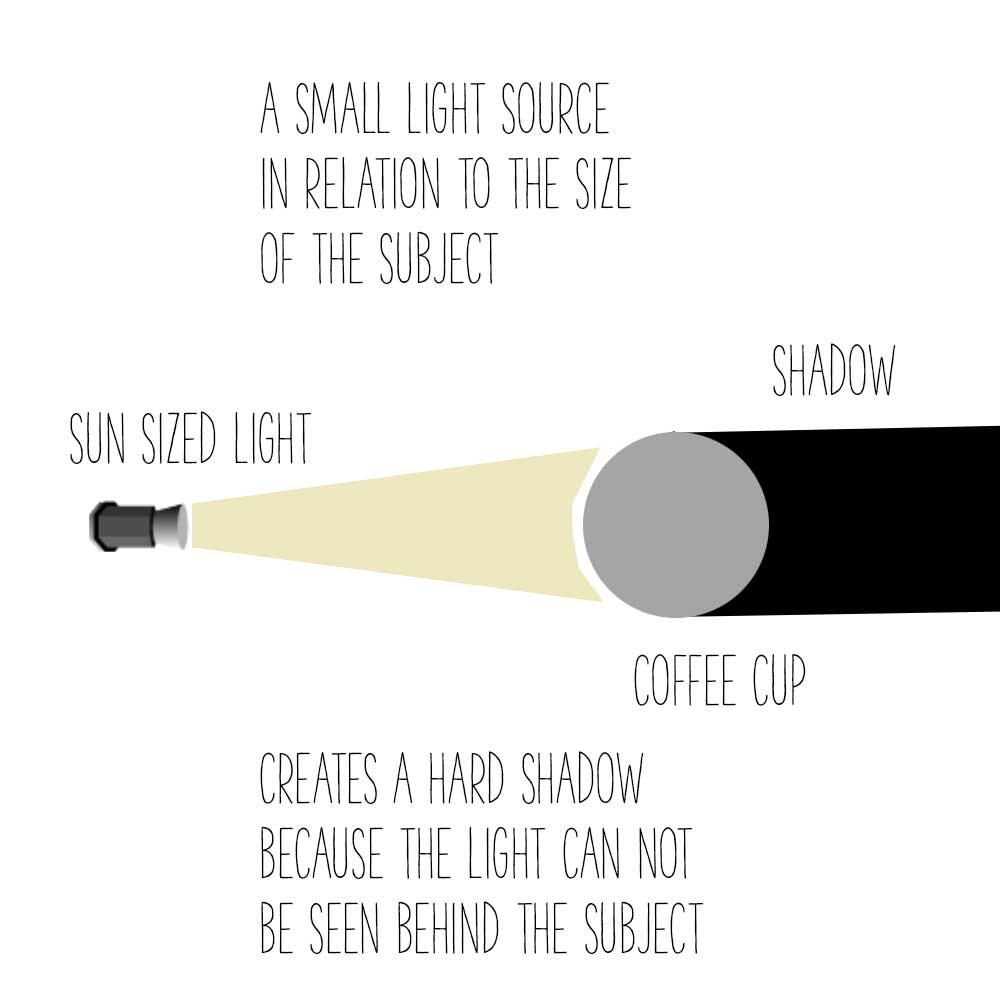
That is a very small light source. And it can be totally blocked out by the smallest of items: a branch, or a rose, or even a butterfly. That means that the light cannot go around the subject and is instead blocked by the subject.
Here is the equivalent of the sun in the studio. A small, unmodified light at a distance from a coffee cup.
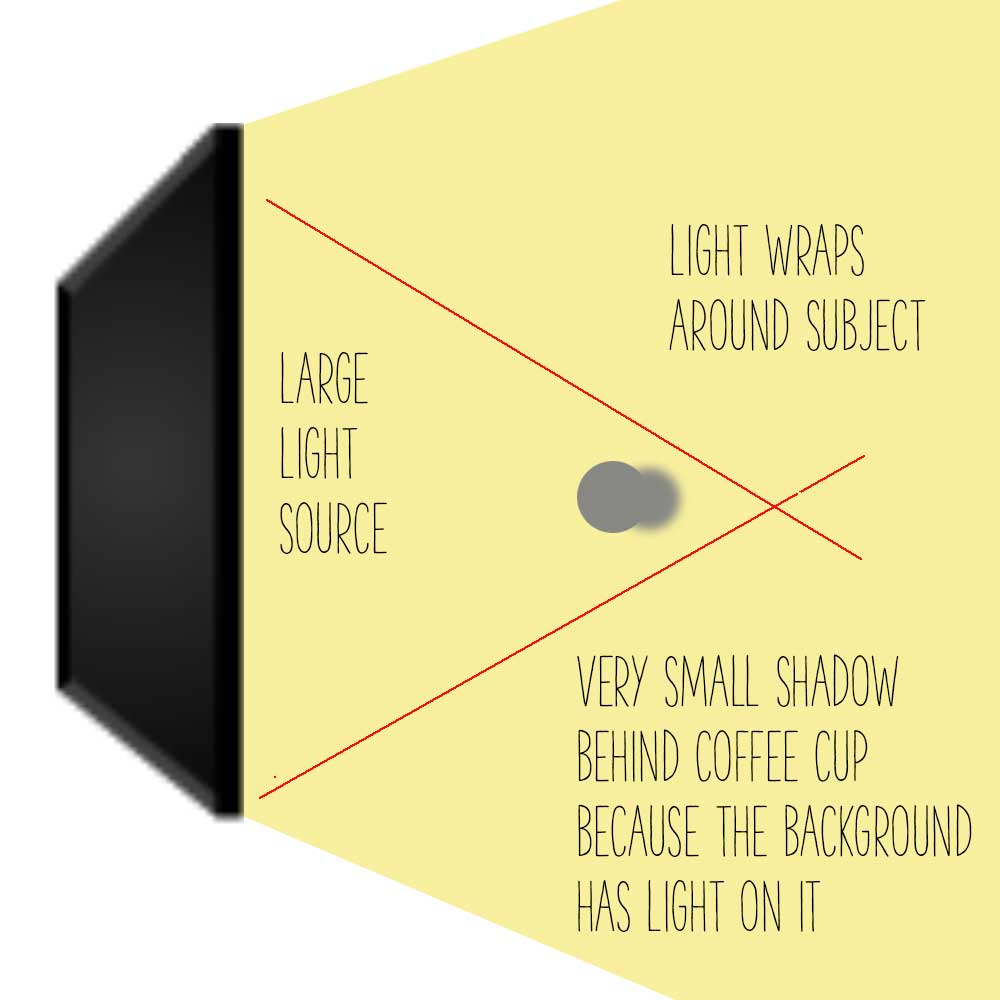
And here is how the shadow falls on a small coffee cup when a very large light is applied. The light wraps around the coffee cup because the light is so much larger than the subject.
That is how the sun works as well.
The sun is the very small light source, and when the clouds come over the land, the sun lights the back of the clouds and they light the earth with no shadows because they go from horizon to horizon. Light is wrapping all around all the subjects it is seen by.
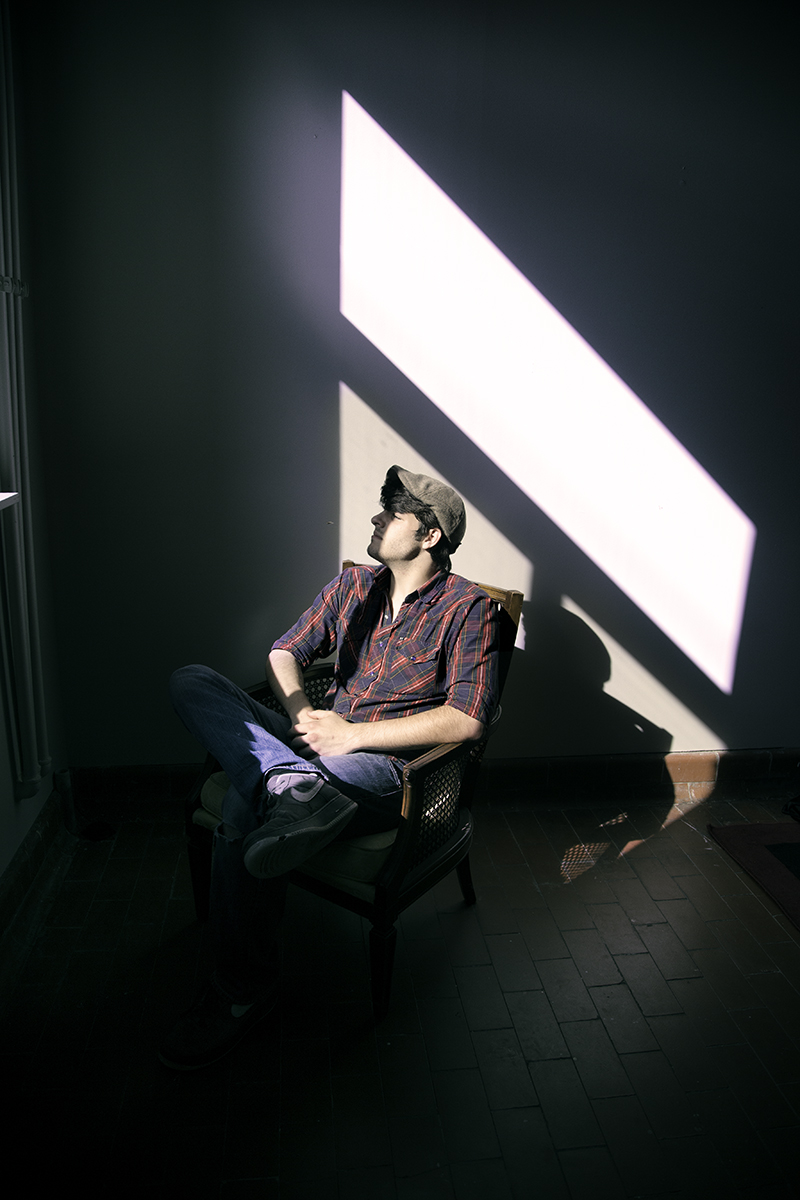
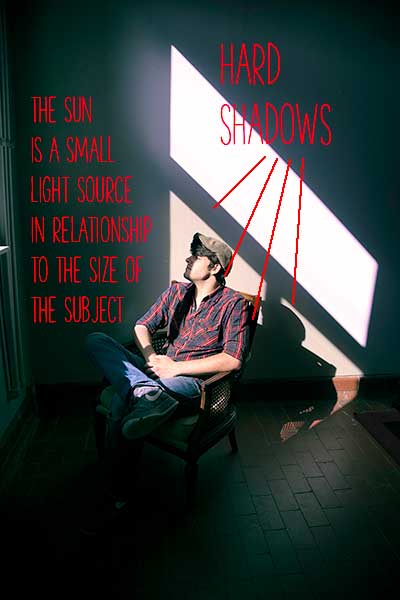
Think of your softbox as a “cloud cover” for your light (the sun) and it makes more sense to you.
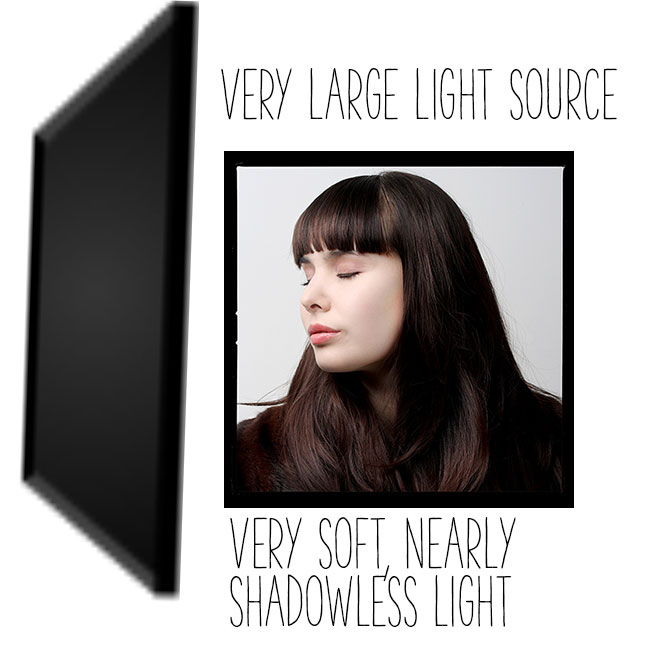
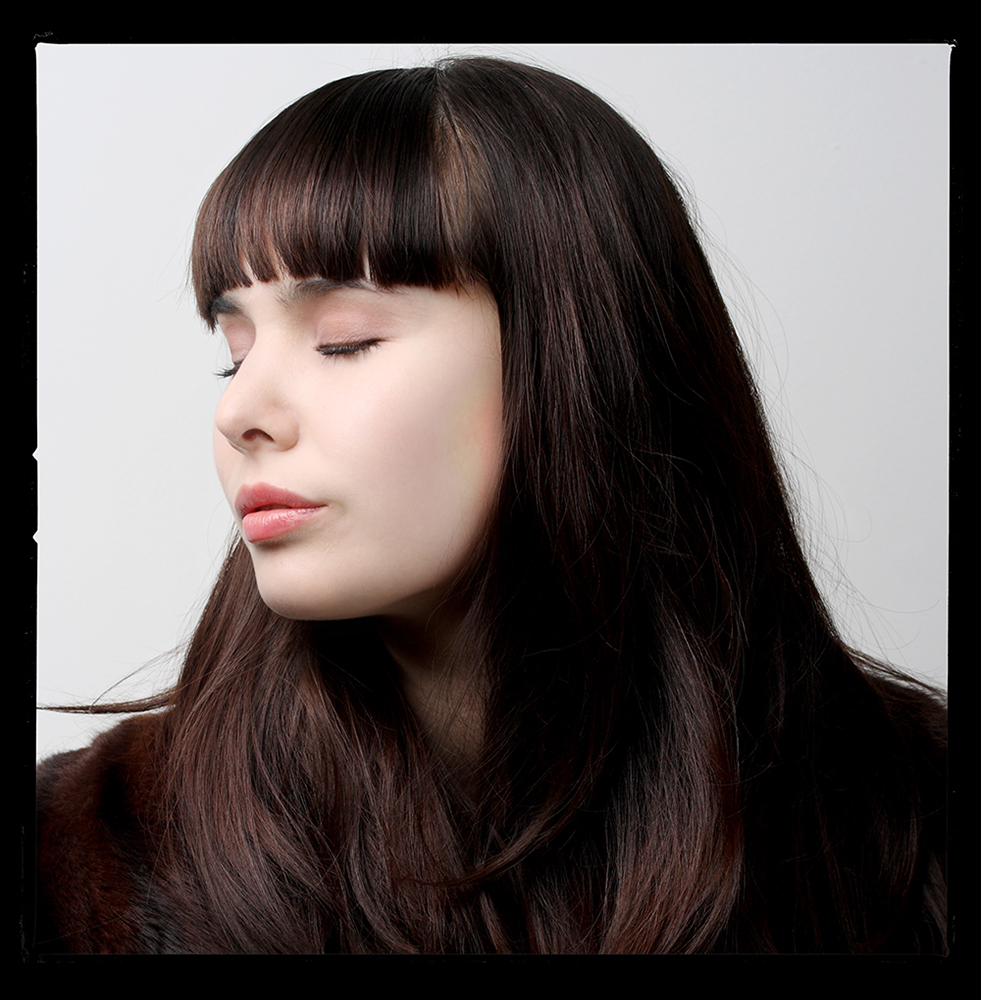
Question: is a 4’x5′ softbox a large softbox or a small softbox?
The answer is compared to what? Other softboxes? Yes.
The subject? Well – that depends. What is the subject?
If the subject is a Hot Air Popcorn Maker, then it is indeed a very large light source.
If our subject is a jetliner, then no – it is not a very big light source at all.
And then… how far will it be from our subject?
Distance makes the perceptual size of the light source diminish as it gets farther away. And it is that perceptual view is the one that matters.
A 20″ light source very close to a 1″ watch is a large light source. A 72″ x 72″ source far away from a 14′ square box is a small light source.
And the light will render that way as well.
LIGHT DOES THE SAME THING EVERY TIME – IT IS THE SUBJECTS THAT CHANGE THE GAME
ASSIGNMENT FOR THIS CLASS:
- Choose a subject less than about 8″ – like a shoe or a water bottle. Light it with a small light source (speedlight) to see how the shadows fall. Then light it with a softbox (24″ or so) in close. Very close.
- Move the softbox 6″ away and take another shot. Then do it again at 6″ intervals until the softbox is 6 feet away. Notice the changes in how the subject responds to the light, and how the shadows get sharper and deeper.
The size of the light source in relationship to the subject is one of the four principles of light.
Sony Steps Up the Game
B&H Photo
On the Fear of Failure…
"Fear of failure for an artist, be that a photographer or creator of any kind, is deadly -it stunts growth." --McGunn Media (Anna Gunn and Filipe Martins, Portugal) on Medium.
Matt Dutile and I Discussing Editorial and Travel Photography
Take an hour and listen to Matt discuss marketing, working with magazines, finding work, keeping motivated and traveling the world making photographs for a living. Thanks, Matt! Matt Dutile, Photographer
“Too Expensive” or ‘Not Worth It” – There is a Difference
From Seth this morning: "Culturally, we create boundaries for what something is worth. A pomegranate juice on the streets of Istanbul costs a dollar, and it's delicious. The same juice in New York would be seen as a bargain for five times as much money. Clearly, we're...
Cool Shot, March 19, 2014
Photographer Andras Deme. Assignment shot for Project 52 PROS: "Time Travel". Andras used collage techniques to show the same woman in antique garments and a future wardrobe. The image was shot in London.
This Evening: Meet with Matt Dutile, Editorial and Travel Photography
Register for the free webinar here. More information here.
Are Photographers “Lonely”?
Do we think that by having a great twitter feed and a bunch of cool likes on 500pixies or GPus is the same as having buds? Friends? People to hang out with - and NOT at a keyboard while in our underwear... real interactions. I can say unequivocally that the difference...
Oh Yeah, We’ve Seen That Before…
Iconic images. You know them. The ones everyone has seen. Mather Point at the Grand Canyon. Zabriskie Point in Death Valley. Horseshoe Bend on the Colorado. The bridge over the Virgin River in Zion is one of those iconic photographs as well. A shot most everyone takes...
Michael Clark Photography: Winter Newsletter
Michael Clark's Winter Newsletter. Michael Clark's website.
Some Very Cool Footer Ideas
A well constructed footer is vital for a photographer's website. More on this subject here.
A Conversation with Matt Dutile, Travel and Portrait Photographer
Free and open to the public. Wednesday, March 19, 2014 at 6PM PST. Registration at this link. Please do not register if you cannot make the show. We have limited availability. From Matt: "Hi, I'm Matt Dutile. I'm a professional travel and portrait photographer living...
Lighting Essentials is Now a Blog
Just a short note of change here. The magazine style site is now switched to a blog page. More and shorter posts. Occasional long format posts. Back to the Essentials of Lighting Essentials.
Why I Like My Nikon Df, And Don’t Care What Others Think
Yeah, it seems strange to write an article on why in particular I really love my Nikon Df. Why would anyone give a shit what someone else likes as far as a camera? And yet, they do. And I kinda get that on some level. I have heard this camera derided as being too...

“I Could’a Been A Contender”
The assignment was to illustrate the phrase: "I Could'a Been a Contender". Taken from the Marlon Brando movie, "On the Waterfront", the phrase has been used to mean a lot of similar feelings... not making the cut, not being good enough, or being held back. The P52...
CreativeLIVE Photoshop Week
I was asked for some ideas of which shows to watch, so here is my suggestions for both beginners and power users. CreativeLIVE is bringing a ton of material to the week, and most time slots are showing two different classes. Please feel free to watch more than my...
Lighting Basics – Class Four: Inverse Square Law (Basics)
Lighting Basics: Class Four Light does the same thing every time. Read the above again, please. Because it does. Can you imagine what would happen if every time we pushed a key on a piano we got a different note? How would we make music? If 2+2 is occasionally...
Jamie at the Window
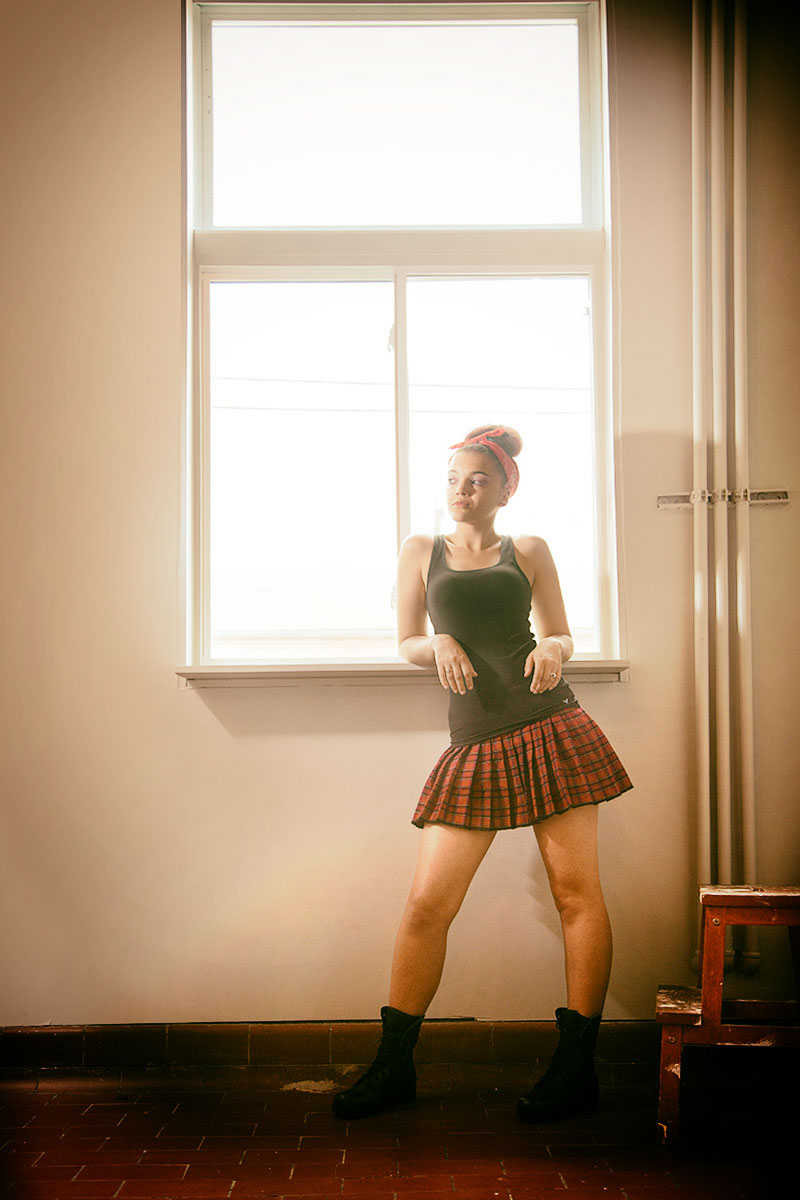
Jaimie at the Window: Fredericksburg, Virginia. I really loved the feeling of light coming in the window but the shot was very blah without the addition of a light source inside. Using a speedlight with a modifier of cards around it to give direction, I lit Jaimie...
Texture
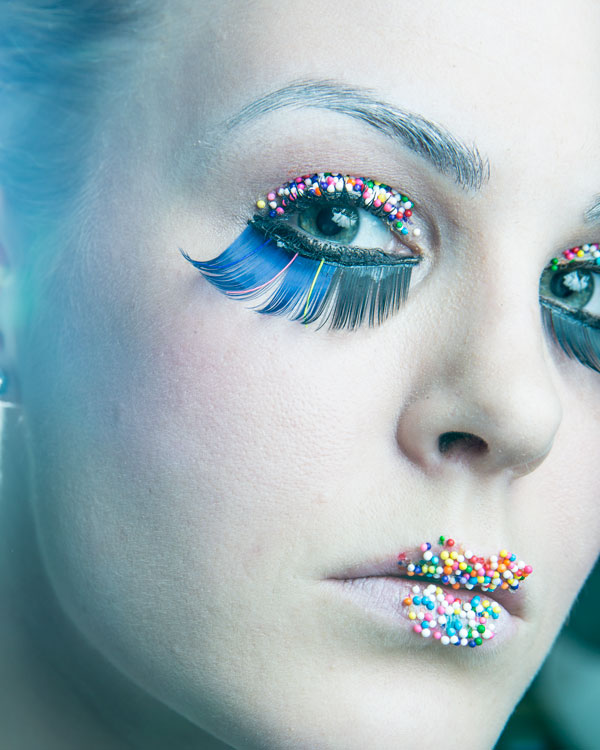
Lighting for texture is a very important part of what we do.
Understanding Reciprocals: A Basic Tenant of Exposure
Lighting Basics, Class Three I am often asked what do I decide first when making a photograph. The answer is easy... aperture. Aperture changes the way my photographs work more than any other thing. It is important to note that I am not an 'action' shooter or sports...
In Threes
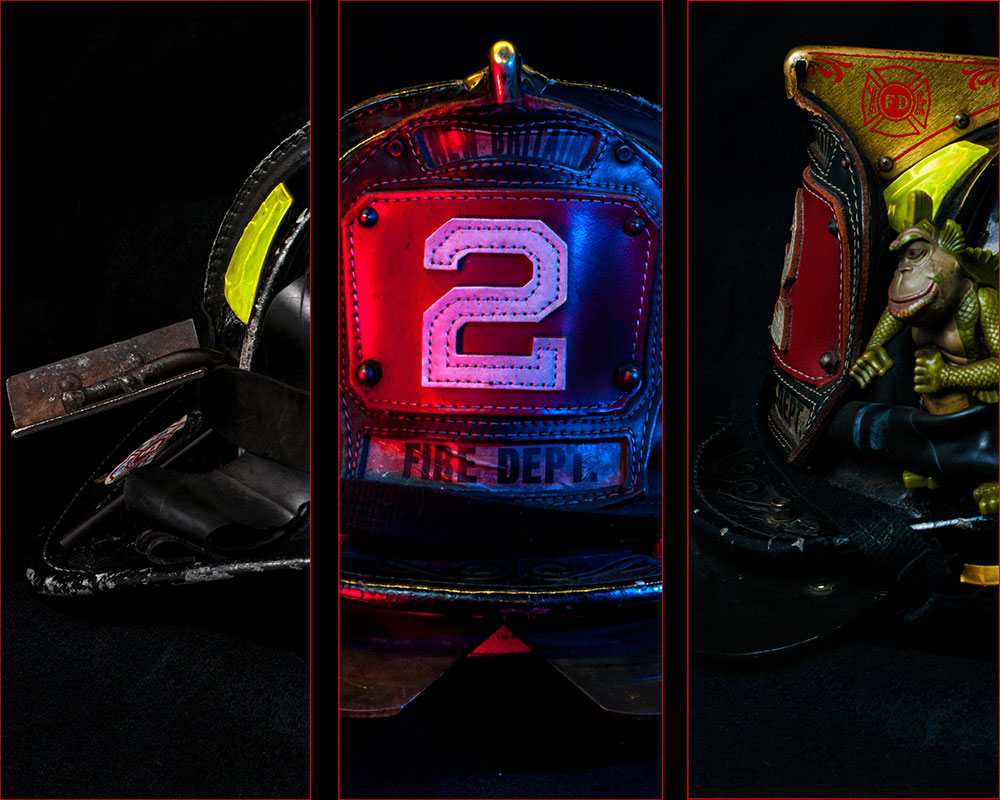
Many times in catalog or product work we are asked to shoot the same thing from different angles. This is NOT as easy as it sounds. Objects present light differently depending on shape, color, texture and dimension... and many objects have different qualities on...
Double Portraits: David Price
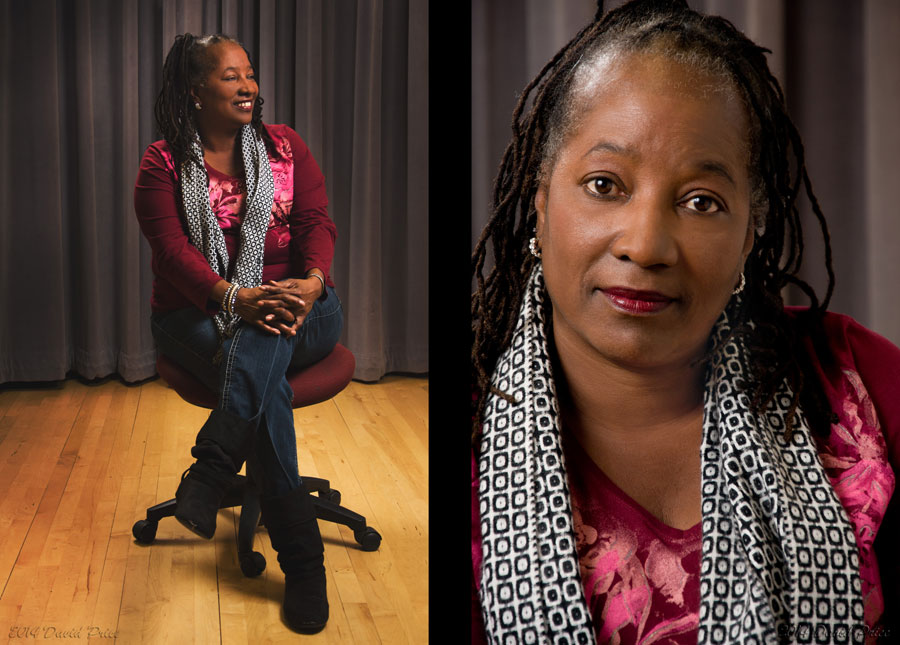
Bay area photographer David Price was assigned to do a double portrait. He chose some co-workers who were happy to work with him to make the shots. It is always wonderful to have people want to work with you to make images, and David took his time to make the images...
A Simple Portrait by Tomas Jansson
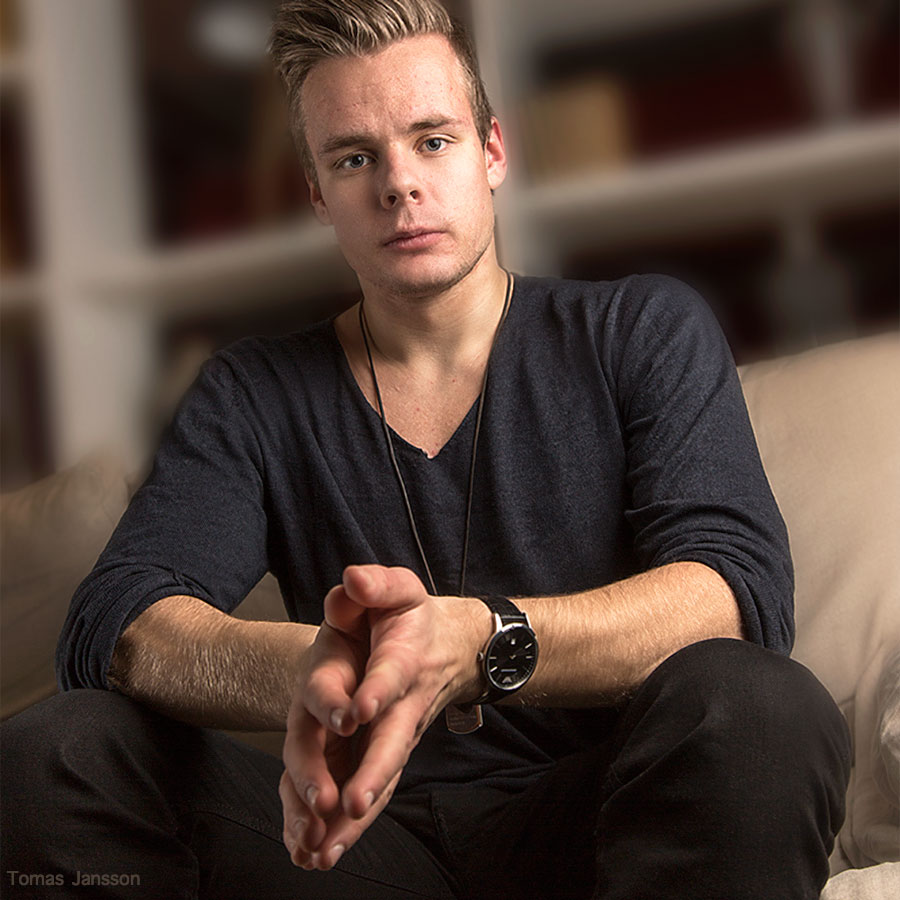
This portrait of a young man was shot by Tomas Jansson, Norway. Tomas used a softlighter umbrella (a bounced position umbrella with a diffusion screen over the front) for his main light, and a silver reflector for a secondary light source from camera...
“Man In The Red Coat” – Photoshop Magic by Irene Liebler
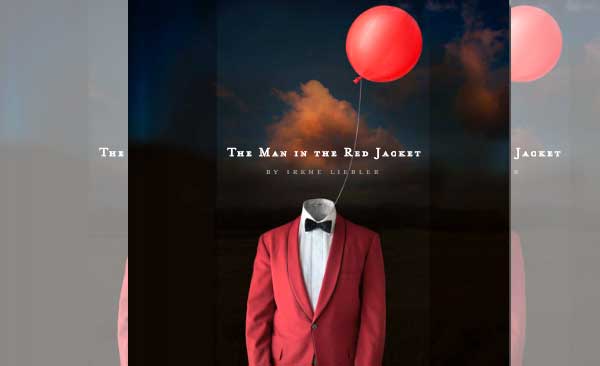
Here is a chance to get something very cool. One of our Project 52 long time members has created a book of images from her series "The Man In The Red Coat". Irene Liebler is a photographer and designer in Connecticut and has been working on this project for a while...
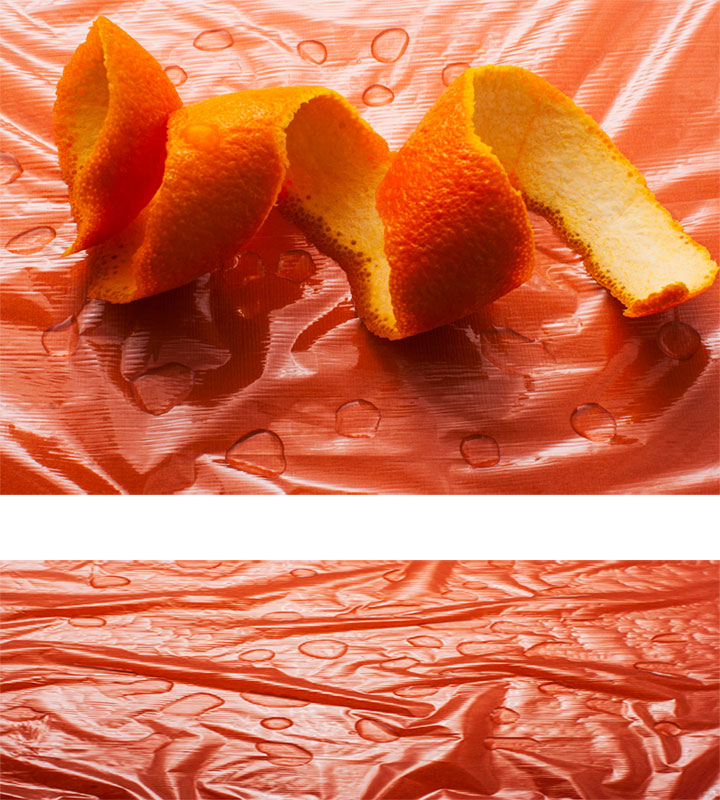
Still Life for a Water Repellent Company
The assignment was to show two images for a company that made water repellent spray. It could not have the spray in the shot, and the client wanted a second shot for the banner across the top of the website. Type and images would be placed on it, so it was to be...