
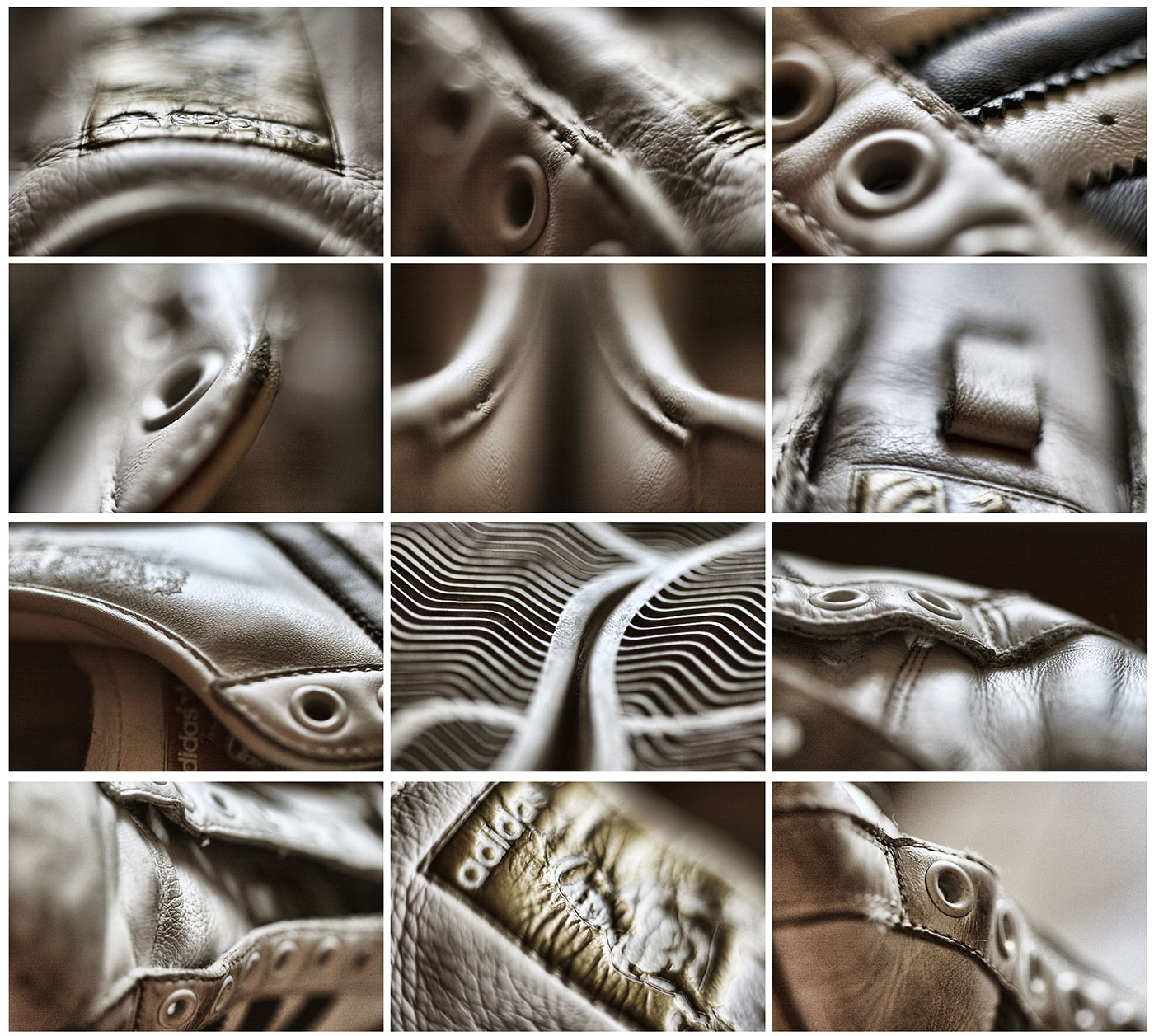
EVERYTHING REFLECTS.
Let me say that again. Everything reflects.
Some things reflect more than others. Some surfaces are more reflective than others.
But since everything reflects, we are sometimes presenting what that subject reflects rather than ‘bouncing’ light into a dark area.
In portraiture, I think of providing the shadow side of the face something to reflect back to me rather than ‘filling’ as in creating light on a dark surface. The reason is that the cheek and chin and hair on the shadow side can be made to reflect the object I have placed there if it will indeed be within the angle of reflection to my camera.
I believe I get more control that way. The brighter the ‘reflectors’ the brighter the reflections back to me. Moving the reflector away from the subject increases the distance, and the reflection becomes less bright.
One of the chief reasons that things reflect the way they do is the surface of the subject. Smooth surfaces may reflect absolutely, with lots of contrast, while adding texture will cut down on the reflection of the light and actually cause it to be presented with less contrast.
It is this nature of the subject that I focus on first when deciding what kind of light to use.
I will say this before we go on… there is NO one way or right way or best way do make images. There is your way and my way and her way and his way and on and on. I will present to you what I do and you are free to take it and modify/adjust/deconstruct/start over or discard what I do. It’s OK. In fact it is what I want you to do. Take this information and make it yours. Utilize subject centric lighting in your own way and make better photographs.
Surfaces have a couple of distinct parameters for us to explore: rough, smooth matte, shiny and combinations of all three sometimes. And each one of them reflects light back to us in different and particular ways.
Shiny, glossy surfaces, matt surfaces, and textured surfaces.
We will first look at textured surfaces.
Texture is what I see first when I start to look at a subject. I just do. Of course color and shape and all play into it, but the light has its way with texture, and I notice how it is presented back to the camera. In nature it can help me decide the angle of my camera to subject and in the studio it helps me decide on what kind of lights/modifiers I will be using.
I can choose to either enhance or mitigate texture by using the angle of the light as it is presented to the subject and back to me. A very rough wood wall with light scraping down across it shows a lot of texture, and I can use that angle of light to reveal that texture to my viewers. If I decide to lessen the contrast I can wait for a cloud to come between the sun and the subject, or go around the subject to see if there is texture wood in the shade. It will still be a texture, but it will have less contrast between the bright part of the texture detail and the shadow side.
The cloud lowers the contrast just as being in the shade does. In simple form, the light source becomes larger than the detail of the texture, but we will discuss this further in the next chapter.
If the light is on either horizon, I can change the look of the texture by changing where I put the light in relation to the subject – in relation to the camera.
Light from the side shows more texture. Light from the camera means less texture. The reason is that there is more contrast between the highlights and the shadows cast on the sidelight than there is with the light coming from the same direction as the camera. The light behind the camera actually doesn’t show shadow to the camera (angle of incidence = angle of reflection) while the sidelight throws shadows and creates contrast.
Texture shows the viewer how rough an area is, or what kind of surface they would find if they were there. It delineates the shape of details and it gives us information beyond what we would see on the surface. Old things have lots of texture from the weather or the sun. Areas that are full of texture have lots of visual energy. The eye knows that the light is playing on something that shows itself with character and charm. Cookies have to have texture, as does old barn wood. We want to see the texture in an old book as we want to see it in a pasta dish or leather jacket.
In the picture below, I am using a hard light to emphasize the texture of the pods. A small light source placed at a side angle to the pods and camera gives me highlight and shadow with very little transition between.

You can see the side light in the stems and the rim of light that is created by the quick fall off from reflection of the light source to the shadow.
Texture gives us context, and it is nearly unconsciously understood. We have seen what light does to texture our whole lives, so when we go to photograph it, we are naturally drawn to those times of day and places where the texture is well rendered.
But there are places where texture may not be as welcome. A subject’s face or skin may not be considered a good thing when rendered with a lot of texture. Unless, of course, they are quite interesting with the texture rendered. Age is something we can show with texture – and along with that inspiration, wisdom and the universal knowledge of what aging does to us all.
The old brick wall that Jamie is running on shows lots of texture due to the sidelight (top light) giving us edges and shadows.
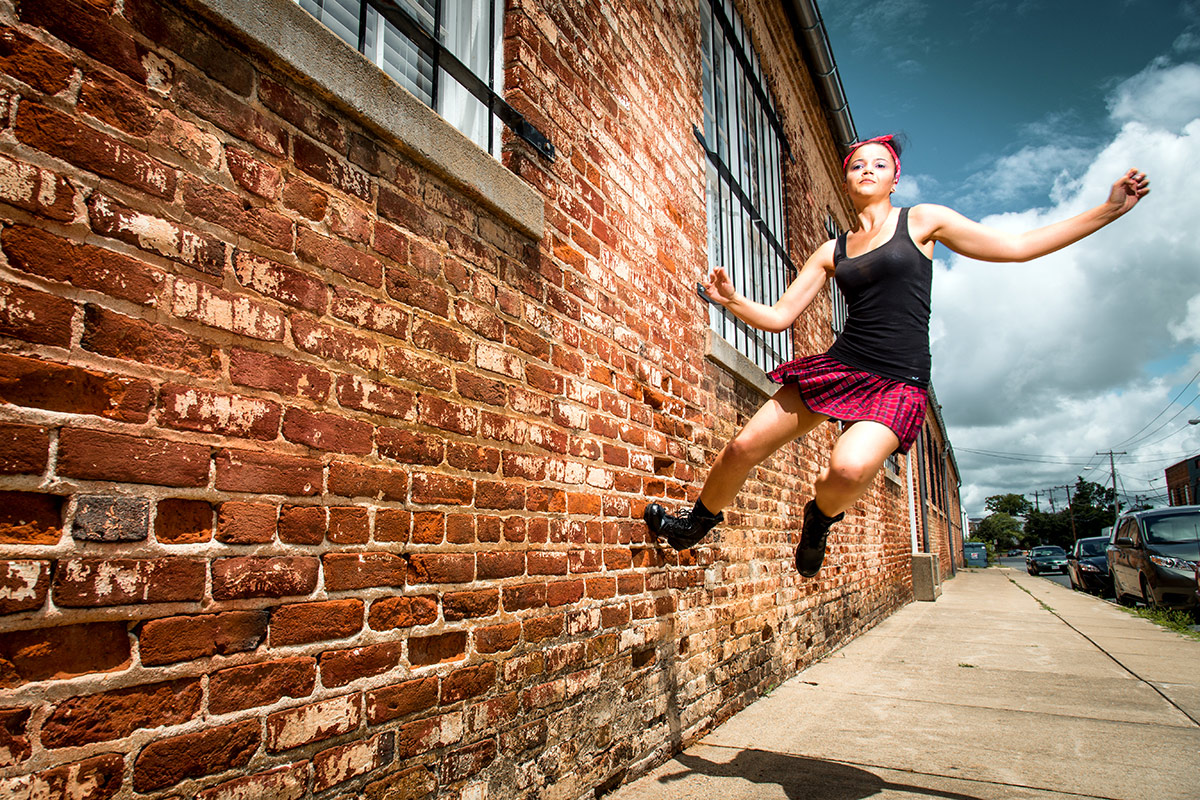
A close inspection shows us the highlights on top of the bricks and then the many indentations exacerbated by highlight and shadow with a fast fall off. This is created by using a small light source – the sun – and a large subject – the wall.
We want our things to be rendered as we expect them to be in real life. Water is wet, rough-hewn wood should look like it is a splinter waiting to happen, glassware should be very smooth, and skin should be smooth and attractive.
Sure there are examples of things being rendered in an un-natural state – and that’s fine. I am talking in a generality here, and one with a lot of history to back it up. While there may be an example of two of rough, scary skin on teenage girls, the vast majority will reject that image instantly.
This shot of cracked earth exhibits many of the properties of a subject / light relationship. Notice how much texture is shown due to the small light source side lighting the cracked earth. The sun is a small light source, and you see no soft, wrapping light, In addition, there is a bright spot in the middle of the image created by the specular – although it is a bit diffused, the dried mud is still reflective enough to show us a reflection of the sun at the same angle from camera. If I moved left or right, I would change where that bright spot was because it was locked into the same angle as my camera from the other side.
I chose to place my exposure one stop less than the recommended exposure to increase the feeling of a vignette.
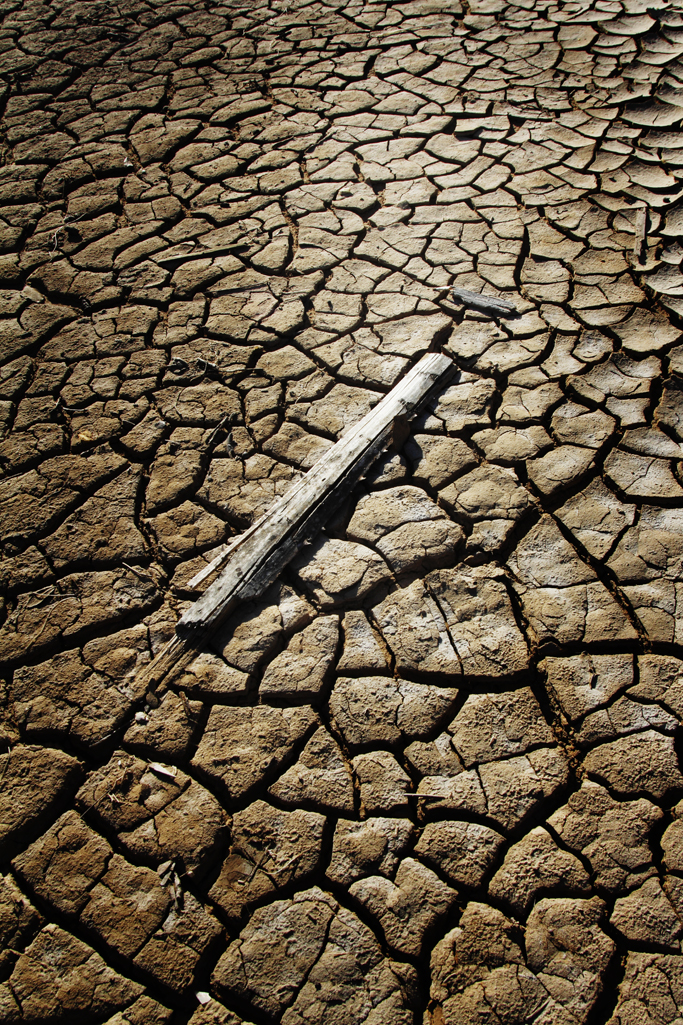
Small lightsource, at a side (back) angle and a slightly reflective surface gives us more to work with than just a dried mud slab.
Texture is also shown by the angle of incidence rule. If we choose to include the light as a part of the composition, for instance, we may choose to include its direct reflection back into the lens. A highlight on a shiny surface will show us how shiny it is by the relationship of the light and the surface around it. A less smooth surface may make a softer reflection of the light source, and that will also tell us about the surface texture.
In this detail of an alto saxophone, the light is coming from the top back and it leaves small speculars on the areas that are efficient (shiny) and emphasizes the texture of the old keys and metal discoloration.

There are many places where we can use the reflection of the light source to create a cool looking gradation or highlight to create some interest as a point of composition as well.
The main point of this composition is the light on the wooden tools. By making sure the matte textured tools have a soft, directional light without any fill, the texture of the wood shows clearly in the image.

Ways to create texture:
Sidelight.
Top light.
Hard light (small source).
Backlight can also be used in many situations.
ASSIGNMENT
- Shoot a textured item (product / thing) to show the texture and find ways to mitigate or lessen the texture. Hint – front light nearly always kills texture, and sidelight nearly always makes it stronger.
- Take a single textured item – like a shoe – and using your flashes or studio lighting, create as many different texture shots as you can using only one light – no fill.
- Look for texture in nature and shoot images that emphasize and also lessen the texture just by walking around the subject to see different angles of light to subject to camera.
Running On Empty: Decompression and Evaluation
We are a week from Christmas and I have not updated this site since the Raleigh workshop. Since then, I have been to the Anna Maria Workshop (more coming soon on that one... wow) and finishing up a large project. At the same time, I am working on new content, new...
Dispatch from Raleigh, NC: Notes on the Lighting Essentials Workshop, 2010
Photograph by Eric Muetterties It's about time for the last workshop of the year for me: Anna Maria Island, Florida (Northern tip of South Tampa Bay) and I am so excited about going. I will be working on the final parts of the book, teaching a three day workshop and...
Houston Lighting Essentials Workshop – a Wrap Up
photograph by Karissa Hosek I had a blast in Houston and thought I would share some images from the workshop. These are some of the great photographers we spent time with there. We used Charles Howard's great little studio in a suburb south of the city. His studio has...
Creating Images That Brand – Pushing Toward the Icon
What do I mean by Photographing for your brand? Photographing for your brand is photographing with “intent.” That means making images that have some reason, continuity and stylistic connection to the images that are already a part of your lexicon – that body of work...
Why Do You Make Photographs?
Why do you make photographs? Simple question, really. But have you ever thought about what it is that makes you do it and love it so? (I am making an assumption that you love to make photographs because you are reading this blog and this blog is all about loving to...
Notes from the Lighting Essentials Norfolk Workshop
Photographs by Rasheid Scarlett, our first big contest winner. Norfolk was the little workshop that grew slowly into a wonderful weekend. I put it up and got one sign up... a guy from Poland was going to fly over and take the workshop. No signups followed for quite a...
Is NOW the Time? And 22 Images from the LE Flickr Pool
(Photograph by Tom Seibert taken as on assignment at the Cincinnati Workshop) It's been a while since I have done a post from the pool. Sorry about that. Hopefully this little treasure trove of images will be fun to peruse as you go about the first of November. We'll...
The Last Light of the Day
I love to shoot in the last light of the day. I try to have my camera and be out as the sun gets to about 30 minutes before the sun goes down and 15 minutes afterward. So many changes happening so fast makes it a very exciting and adrenaline driven few minutes. BTW,...
Just a Rant that Started Elsewhere and Ended Up Here
Welcome Back. We are back up and locked down. I have had to remove Registrations for the time being, but will be adding a Newsletter signup for those of you who want to be 'in the know'. At this time the magazine is still down, but it was very old content anyway. We...
Road Trip and Some Workshop Images from Cincinnati
I spent some time in the southern Ohio area on October 8 - 11, 2010. Friday evening I did a "Making the Jump - Going Pro" talk with a large group of photographers in the Cincinnati area. Monday evening I spoke to 45+ photographers at Midwest Photo Exchange...
I Love Photography, and I Am Not On Board with Creative Commons.
RANT. EDIT: Well, first of all, I quoted and gave a link to the PDN site, which is "fair use". I also quoted only enough to qualify as "fair use." So, if I am a hypocrite for working as a blogger and using fair use without buying into a slippery slope of the "right to...
The Hard Life: Embracing and Experimenting with Small Light Sources: by Steve Korn
The Hard Life: Embracing and Experimenting with Small Light Sources by Steve Korn, Seattle Editorial Photographer “Avoid mid-day sun, it’s too hard and contrasty.†“Learning to light, start with an umbrella.†“If your subject is a woman, you should use...
A Positive Look at Today’s Photography Market by Eduardo Frances (El Salvador Beauty Photographer)
Guest Post by Eduardo Frances, El Salvador. Eduardo is a fashion and beauty shooter in San Salvador. Eduardo has been featured on LE before. Another look at today´s market: Positive and I hope inspiring too. (Or how adding a violin soundtrack is not needed when we...
Preparing Digital Files for Printing a Book by Jan Klier (Part Two)
Photograph from a book on northern Arizona to be printed by Blurb. Part two of the Jan Klier post on preparing your files for printing a book. We have a link at the bottom of the page where you can download the entire two part post as a PDF. Part One of this article...
Preparing Digital Files for Printing a Book by Jan Klier
Image from my book on Northern Arizona, to be printed by Blurb. Preparing the Digital File for Book Printing (Part One) by Jan Klier (I am deep into the writing of my first book so there will be some wonderful posts by guests coming this month. It is nice to have...
Photographer Michael Huxley and the Violinist. Breaking Down a Test Shot
Working the thought out from conception to realization. Pre-visualization and tenacity blend to help a photographer go from reacting to an image situation to creating an image situation. It is a very powerful technique. I saw this photograph by photographer Michael J....
Slightly Random Thoughts on Photography and Related Stuff
A bit of a different sort of post today. I have been working hard on getting to a point that I can take large blocks of time to myself. I need it because I have signed a book deal with Amherst Media and need to get the book finished in a short time frame. I am very...
Lindsay Adler, Fashion Photographer and Author
Today's discussion is with Lindsay Adler, a fashion photographer working in Manhattan. The audio is not the best... sorry, it just has a clipped thing happening. Chatting with some different input devices can be a bit maddening. But the content is what is important. I...
Looking at Portraits from the LE Flickr Pool.
After a terrific busy week, a weekend in Calgary and a workshop in the Phoenix studio with temps outside ranging in the mid 1-teens, I am a bit exhausted. What better way to have some fun than to look at some images from the pool and from some workshop attendees. But...
How Do You Hit a Home Run If You Never Swing At The Ball?
Recently there was a post on a forum that asked "Did You Ever Think You Could Be One of the the Best Photographers?" And sadly, many responses were of the "No, I only want to be fairly good", or "Well, those people are special". Or simply a concern that it was hard -...
“Unsustainable” – MicroStock Comes of Age…er, Not.
Today's short rant before heading to the airport in Spokane and home... Microstock. It has been a contentious part of the 'professional' photography world for quite some time. Today's post "iStockphotos “Unsustainable†Business Model: From Crowd-Sourcing To...
Style Week on Lighting Essentials: Day 5: Kirk Tuck
Style Week Posts: Selina Maitreya Day One Daron Shade Day Two Christian O'Dell Day Three Ivar Teunissen Kirk Tuck Day Five There are few things I love more than taking a photograph of someone. From family to strangers, there is always something to learn from the...
Style Week on Lighting Essentials – Day Four; Ivar
Style Week Posts: Selina Maitreya Day One Daron Shade Day Two Christian O'Dell Day Three Ivar Teunissen Kirk Tuck Day Five Point of View is a defining piece of a photographer's style. Where is the camera in relationship to the subject? It can be confrontational and...
Style Week on Lighting Essentials : Day Three; Christian
Style Week Posts: Selina Maitreya Day One Daron Shade Day Two Christian O'Dell Day Three Ivar Teunissen Kirk Tuck Day Five I recommend starting at the beginning if you haven't already. Today I wanted to take a few minutes and talk about the 'presentation' of the...