
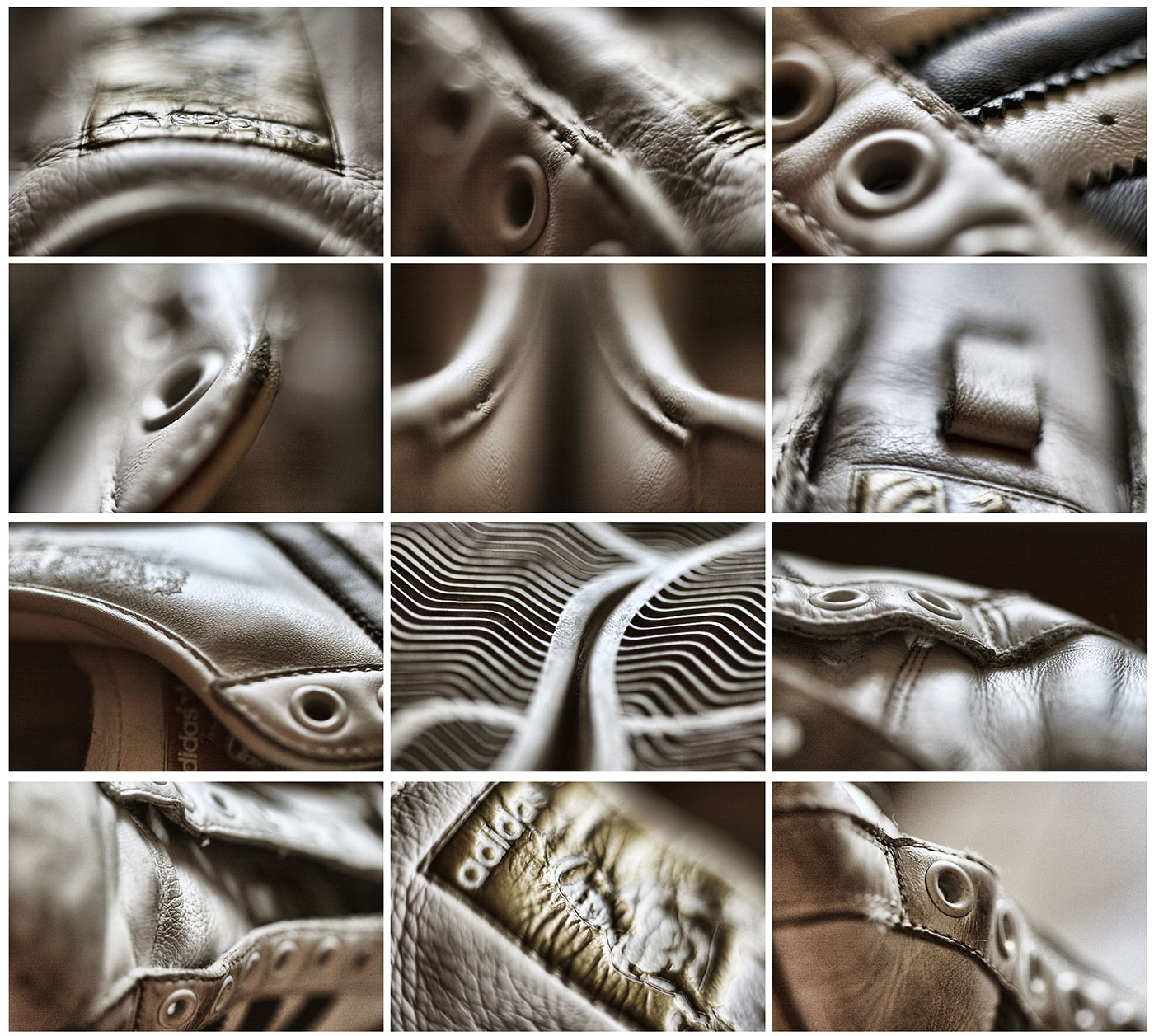
EVERYTHING REFLECTS.
Let me say that again. Everything reflects.
Some things reflect more than others. Some surfaces are more reflective than others.
But since everything reflects, we are sometimes presenting what that subject reflects rather than ‘bouncing’ light into a dark area.
In portraiture, I think of providing the shadow side of the face something to reflect back to me rather than ‘filling’ as in creating light on a dark surface. The reason is that the cheek and chin and hair on the shadow side can be made to reflect the object I have placed there if it will indeed be within the angle of reflection to my camera.
I believe I get more control that way. The brighter the ‘reflectors’ the brighter the reflections back to me. Moving the reflector away from the subject increases the distance, and the reflection becomes less bright.
One of the chief reasons that things reflect the way they do is the surface of the subject. Smooth surfaces may reflect absolutely, with lots of contrast, while adding texture will cut down on the reflection of the light and actually cause it to be presented with less contrast.
It is this nature of the subject that I focus on first when deciding what kind of light to use.
I will say this before we go on… there is NO one way or right way or best way do make images. There is your way and my way and her way and his way and on and on. I will present to you what I do and you are free to take it and modify/adjust/deconstruct/start over or discard what I do. It’s OK. In fact it is what I want you to do. Take this information and make it yours. Utilize subject centric lighting in your own way and make better photographs.
Surfaces have a couple of distinct parameters for us to explore: rough, smooth matte, shiny and combinations of all three sometimes. And each one of them reflects light back to us in different and particular ways.
Shiny, glossy surfaces, matt surfaces, and textured surfaces.
We will first look at textured surfaces.
Texture is what I see first when I start to look at a subject. I just do. Of course color and shape and all play into it, but the light has its way with texture, and I notice how it is presented back to the camera. In nature it can help me decide the angle of my camera to subject and in the studio it helps me decide on what kind of lights/modifiers I will be using.
I can choose to either enhance or mitigate texture by using the angle of the light as it is presented to the subject and back to me. A very rough wood wall with light scraping down across it shows a lot of texture, and I can use that angle of light to reveal that texture to my viewers. If I decide to lessen the contrast I can wait for a cloud to come between the sun and the subject, or go around the subject to see if there is texture wood in the shade. It will still be a texture, but it will have less contrast between the bright part of the texture detail and the shadow side.
The cloud lowers the contrast just as being in the shade does. In simple form, the light source becomes larger than the detail of the texture, but we will discuss this further in the next chapter.
If the light is on either horizon, I can change the look of the texture by changing where I put the light in relation to the subject – in relation to the camera.
Light from the side shows more texture. Light from the camera means less texture. The reason is that there is more contrast between the highlights and the shadows cast on the sidelight than there is with the light coming from the same direction as the camera. The light behind the camera actually doesn’t show shadow to the camera (angle of incidence = angle of reflection) while the sidelight throws shadows and creates contrast.
Texture shows the viewer how rough an area is, or what kind of surface they would find if they were there. It delineates the shape of details and it gives us information beyond what we would see on the surface. Old things have lots of texture from the weather or the sun. Areas that are full of texture have lots of visual energy. The eye knows that the light is playing on something that shows itself with character and charm. Cookies have to have texture, as does old barn wood. We want to see the texture in an old book as we want to see it in a pasta dish or leather jacket.
In the picture below, I am using a hard light to emphasize the texture of the pods. A small light source placed at a side angle to the pods and camera gives me highlight and shadow with very little transition between.

You can see the side light in the stems and the rim of light that is created by the quick fall off from reflection of the light source to the shadow.
Texture gives us context, and it is nearly unconsciously understood. We have seen what light does to texture our whole lives, so when we go to photograph it, we are naturally drawn to those times of day and places where the texture is well rendered.
But there are places where texture may not be as welcome. A subject’s face or skin may not be considered a good thing when rendered with a lot of texture. Unless, of course, they are quite interesting with the texture rendered. Age is something we can show with texture – and along with that inspiration, wisdom and the universal knowledge of what aging does to us all.
The old brick wall that Jamie is running on shows lots of texture due to the sidelight (top light) giving us edges and shadows.
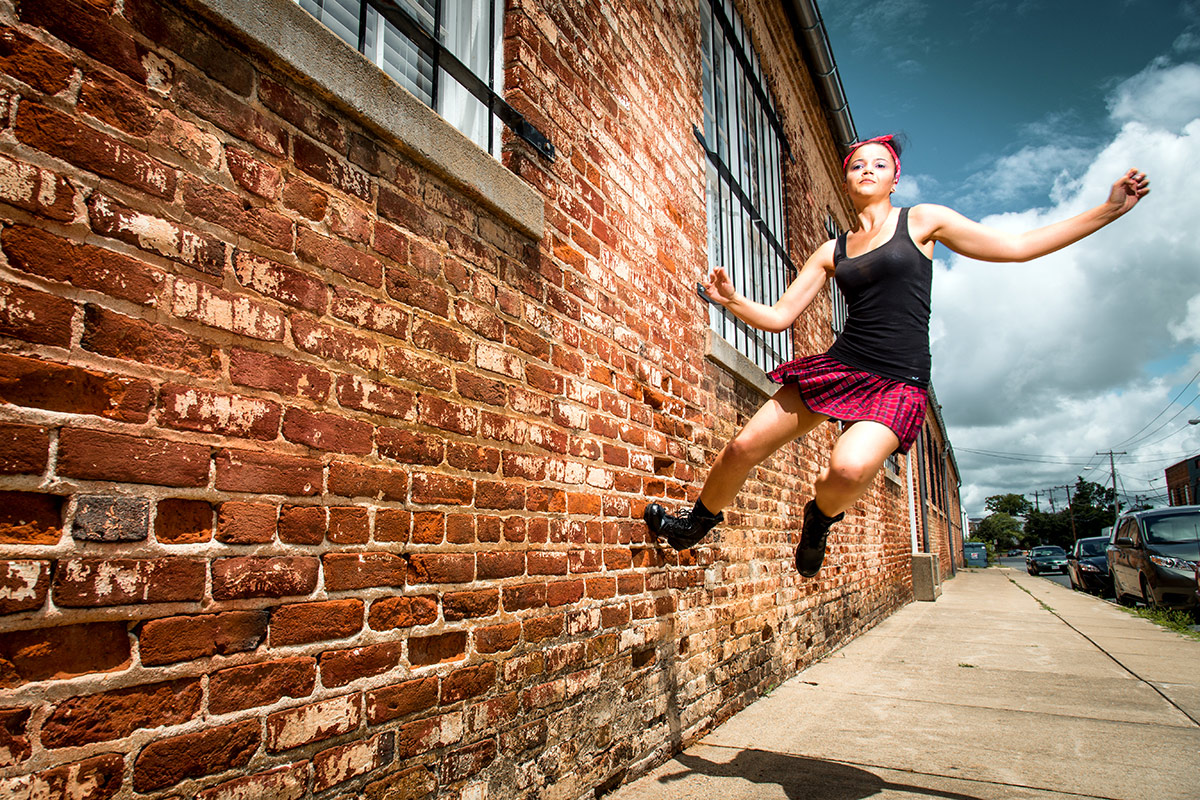
A close inspection shows us the highlights on top of the bricks and then the many indentations exacerbated by highlight and shadow with a fast fall off. This is created by using a small light source – the sun – and a large subject – the wall.
We want our things to be rendered as we expect them to be in real life. Water is wet, rough-hewn wood should look like it is a splinter waiting to happen, glassware should be very smooth, and skin should be smooth and attractive.
Sure there are examples of things being rendered in an un-natural state – and that’s fine. I am talking in a generality here, and one with a lot of history to back it up. While there may be an example of two of rough, scary skin on teenage girls, the vast majority will reject that image instantly.
This shot of cracked earth exhibits many of the properties of a subject / light relationship. Notice how much texture is shown due to the small light source side lighting the cracked earth. The sun is a small light source, and you see no soft, wrapping light, In addition, there is a bright spot in the middle of the image created by the specular – although it is a bit diffused, the dried mud is still reflective enough to show us a reflection of the sun at the same angle from camera. If I moved left or right, I would change where that bright spot was because it was locked into the same angle as my camera from the other side.
I chose to place my exposure one stop less than the recommended exposure to increase the feeling of a vignette.
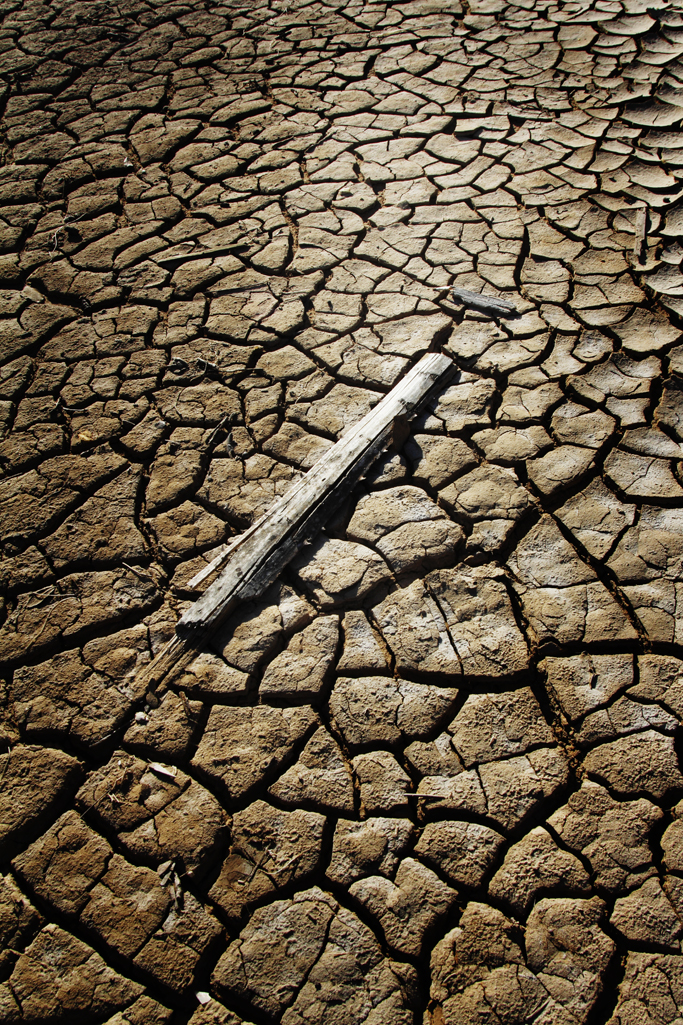
Small lightsource, at a side (back) angle and a slightly reflective surface gives us more to work with than just a dried mud slab.
Texture is also shown by the angle of incidence rule. If we choose to include the light as a part of the composition, for instance, we may choose to include its direct reflection back into the lens. A highlight on a shiny surface will show us how shiny it is by the relationship of the light and the surface around it. A less smooth surface may make a softer reflection of the light source, and that will also tell us about the surface texture.
In this detail of an alto saxophone, the light is coming from the top back and it leaves small speculars on the areas that are efficient (shiny) and emphasizes the texture of the old keys and metal discoloration.
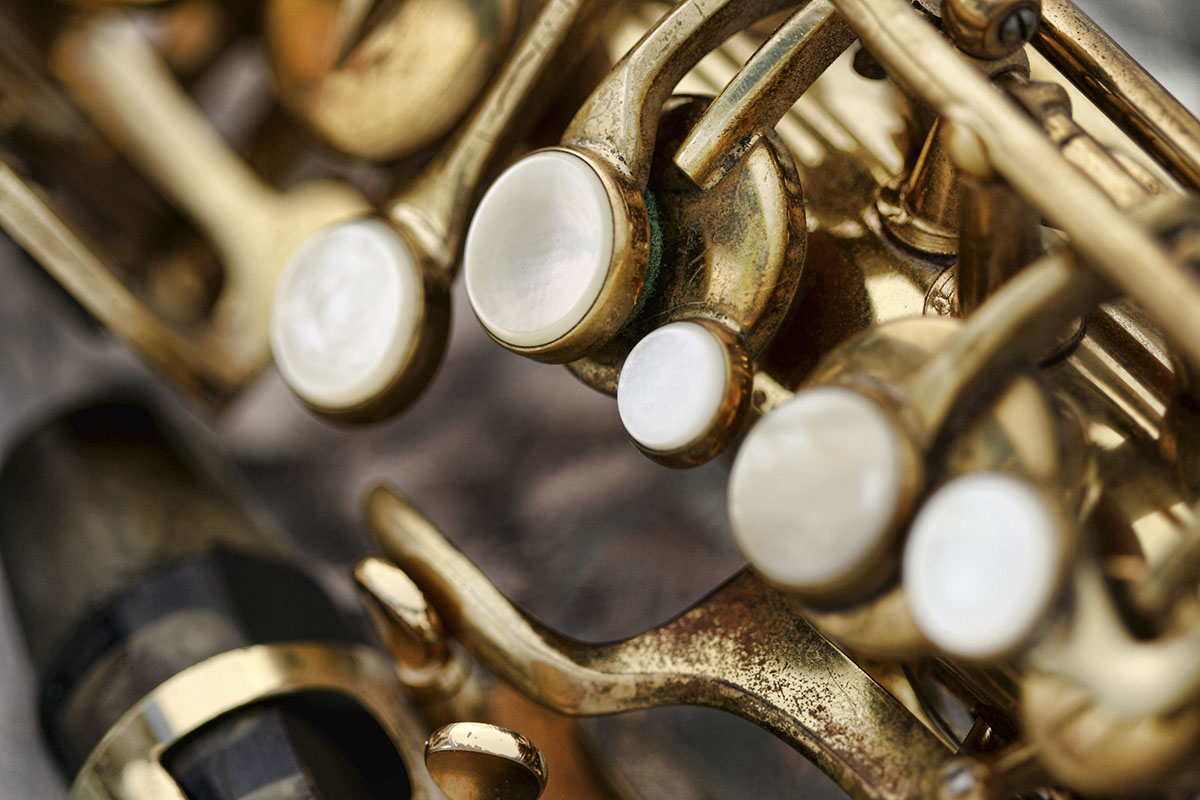
There are many places where we can use the reflection of the light source to create a cool looking gradation or highlight to create some interest as a point of composition as well.
The main point of this composition is the light on the wooden tools. By making sure the matte textured tools have a soft, directional light without any fill, the texture of the wood shows clearly in the image.

Ways to create texture:
Sidelight.
Top light.
Hard light (small source).
Backlight can also be used in many situations.
ASSIGNMENT
- Shoot a textured item (product / thing) to show the texture and find ways to mitigate or lessen the texture. Hint – front light nearly always kills texture, and sidelight nearly always makes it stronger.
- Take a single textured item – like a shoe – and using your flashes or studio lighting, create as many different texture shots as you can using only one light – no fill.
- Look for texture in nature and shoot images that emphasize and also lessen the texture just by walking around the subject to see different angles of light to subject to camera.
Time to Put the 8 Week Portrait Class Away for A While
Winding up one of the Portrait Classes: I have loved teaching these mini classes and studying some of the great modern portrait photographers. I believe much can be learned when one immerses themselves into the work and looks deeply into the work and styles of those...
More Portraits from the Portrait Class
(Image © Adi Talwar) Tuesday nights image review was a blast. So many good portraits that I have to share them with you all today. These portraits were influenced by the photographer Albert Watson who we studied for the week previous. [gallery link="file" columns="4"...
Moving From the Studio to The Great Outdoors: Meet Ken Howie
Ken Howie is a friend of mine and an excellent photographer. Ken used to have a studio in the same space as my old studio (and now, Dave and I are in his old studio). Ken was a consummate studio shooter. He was nearly 90%+ studio work - from product and still life to...
Portraits: June 2015
Student Work: A few of the amazing portraits students in the Portrait Workshops have turned in. There are dozens of truly great portraits. I am choosing only 16 for this post. [gallery columns="4" link="file"...
Perhaps It’s Time to Rethink “Photographer”
I got a beautiful pen as a gift from a client recently. Thanks for that, Randi, it is an absolutely gorgeous writing implement. And, I assure you, I will write with it. Because I am a writer as well as a photographer. Millions of pens are sold daily in the world. How...
It’s Father’s Day: Make a Photograph to Keep
The Best Photographs I Never Took It was Christmas a few years ago. My father in law came for the annual Christmas Dinner at the Giannatti’s. We host about 20 people here throughout the day, and Floyd always came over with his warm and infectious smile. The dude knew...
Sometimes the Nonsense We Tell Ourselves Can Make Us Crazy
Sometimes the Nonsense We Tell Ourselves Can Make Us Crazy. Today, I have a challenge for you all. Not one that I make lightly. And one that comes from a deep and abiding point of wanting you to be successful. Really successful. It has to do with barriers. Barriers to...
On Work Ethic – Nick Giron, Photographer
"Drive through your town and look at the businesses YOU DON'T go into and figure out why they work without you. Look at your business and ask why someone would want to come into yours. If you're the only one that knows the answer to that it could be part of the...
James Eisele, West Palm Beach FL Commercial Photographer
I met James Eisele down in West Palm Beach, FL when I did a workshop in that area. He showed a lot of talent and when I started the Project 52 course, he jumped in and became involved. I have watched his work improve at a very high rate, and his studio in West Palm is...
Tne New Sony Alpha a7RII Mirrorless Digital Camera
Is ready for purchase for those of you who may want a killer mirrorless camera.
Please Don’t Buy Stolen Gear
LensProToGo, a popular camera gear rental house and studio in Massachusetts was hit by the lowest of scum and had over a half million dollars of gear stolen. This gear will undoubtedly be offered for sale in shady cesspools of slime (their homes) and on line at...
Why I Have Decided to do Project 52 One More Time
https://vimeo.com/130593335 This will be year 5 of Project 52. It has matured and seen many alumni start businesses going from weekend warrior to full time shooter. P52 has helped many more photographers find their creative voice and look at the world in a different...
Off Topic Sunday: Gadgets, Gizmos, and Music
Every once in a while I get so many little things going on that I decide to share them with you all. I call them Off-Topic Sundays and they are always fun for me. So here we go: First... ever have your phone die on location? Not good, and since so many of us USE our...
Tucker Joenz, St, Augustine FL Commercial Photographer
Tucker Joenz was with Project 52 for a couple of years and in that time I watched him go from hobbyist to serious photographer. He works hard and creates wonderful pictures for his clients. Tucker also shoots self assigned personal projects that have garnered some...
Stephen Collins: Fredricksburg VA Commercial Photographer
I first met Steve when I did a workshop in Baltimore. It was a hot, muggy day but Steve never tired. He shot and asked questions and seemed to be very interested in getting better... which was a good thing. I kid Steve about how far he has come, but it is true. His...
Eric Muetterties: East Bay Commercial Photographer
Meet Eric Muetterties, a working photographer in the East Bay area of San Francisco. I met Eric 4 years ago at a workshop in North Carolina, and we shared a plane coming home. His attention to detail and love for the medium made me think he could actually do this...
Finding and Keeping Commercial Photography Clients: Part Four, Staying Connected
(NOTE) If you are just coming into this series, I highly suggest you start at Part One, and then do Part Two and Part Three before starting Part Four. Links for all of them are inside the protected area, and you can access them easily. A brilliant portfolio won't get...
Irene Liebler and Sandy Connolly: Starting the Journey
Irene Liebler was one of the Project 52 members from a few years ago. She did the course twice, I believe and rarely missed an assignment. She also rarely did an image that we were not blown away by. Irene is a consummate artist, and a painstaking perfectionist when...
Finding Commercial Photography Clients: Part Three; Getting Personal
(NOTE) If you are just coming into this series, I highly suggest you start at Part One, and then do Part Two before starting Part Three. Links for all of them are inside the protected area, and you can access them easily. So far we have been working on our portfolios,...
Finding Commercial Photography Clients: Part Two
"How do I find clients?" One of the most asked questions I get when chatting with photographers is where can they find clients. It is one of the questions I ask when reviewing a portfolio; "OK, these are nice shots. Who do you know who will pay you for this kind of...
Finding Commercial Photography Clients: Pt. One – Portfolio
https://www.youtube.com/watch?v=c7rj_D9t-kw Image Uses PDF Image Audit Tool PDF Ad Image Assessment PDF Finding and Keeping Clients Part One PDF Build a Solid Client List Finding and Keeping Commercial Photography Clients NOTE: This is a course for emerging...
Inspired by Skrebneski
The first set of images from the 8 Week Portrait Class came in last evening and they are really good. The class takes a close look at 8 major portrait photographers by analyzing what they do, how they accomplished their imagery and what the thought process was behind...
“Light Conversation” Volume Three
https://youtu.be/tv2EBtW5YLY Our next Light Conversations will be Monday, May 25. Join us.
“The Sprinklers” (A Mother’s Day Essay)
(My daughter, Alissa, wrote this Friday for one of her final assignments. It fits in nicely for mother's day.) Sprinklers My mom used to tell my sisters and me that if we ran through the sprinklers we would feel like different people. We could do anything, be...