
Subject Centric Lighting: The Five Areas of Light Presentation
Cover image by Project 52 student, Gabriel Alvarez.
When the lighting choices we have made are used, the light is ‘presented’ back to the camera in expected, and controlled ways. There are five parts of the light presentation, and we use them in every image we make.
True Subject Value:
What the subject looks like when not in specular or shadow, this is the area that shows us the color of the subject as well.
Specular:
The exact or absolute reflection of the light source.
Specular Transition:
The point where the specular reflection transitions to the true subject value
Shadow Transition:
The transition between True Subject Value and Shadow
Shadow:
The places on the image that are not lit, the opposite side of the light source.
These areas of light are found in nearly every subject. By understanding what they do, and how they are controlled, we can understand much more about the light that is used to present these areas in the ways we want to show them.
In other words, knowing what causes a shadow transition, how to present true value, and how to control a specular highlight means we have control over our lighting and we can create the looks we want. Whenever we want.
Photographers and artists use these representations of light to show texture, shape, dimension, color, clarity and mood. Illustrators use highlight and shadow in their work to create their own light. And they use the same tools to light their drawings, although quite imaginary, as photographers do.
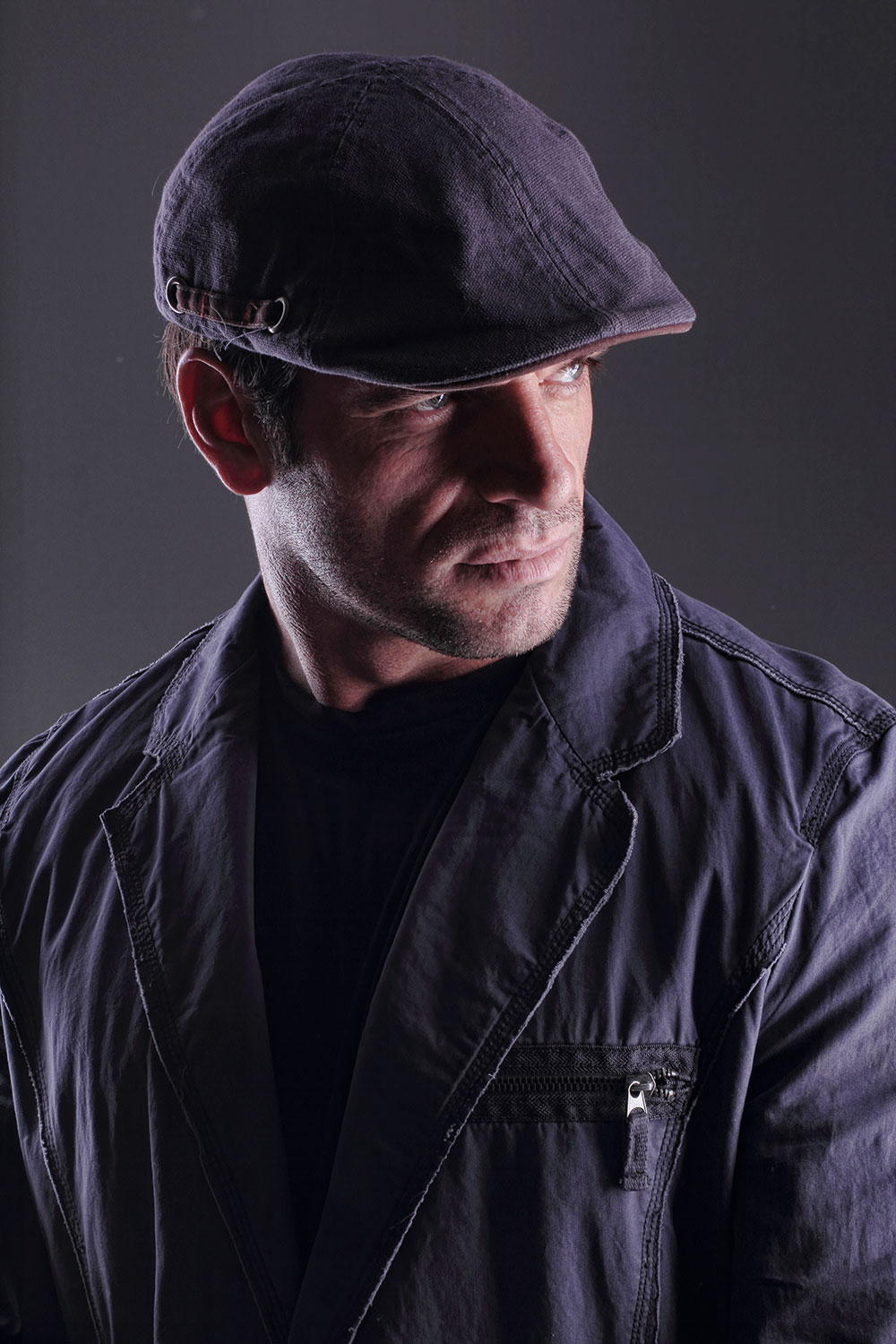
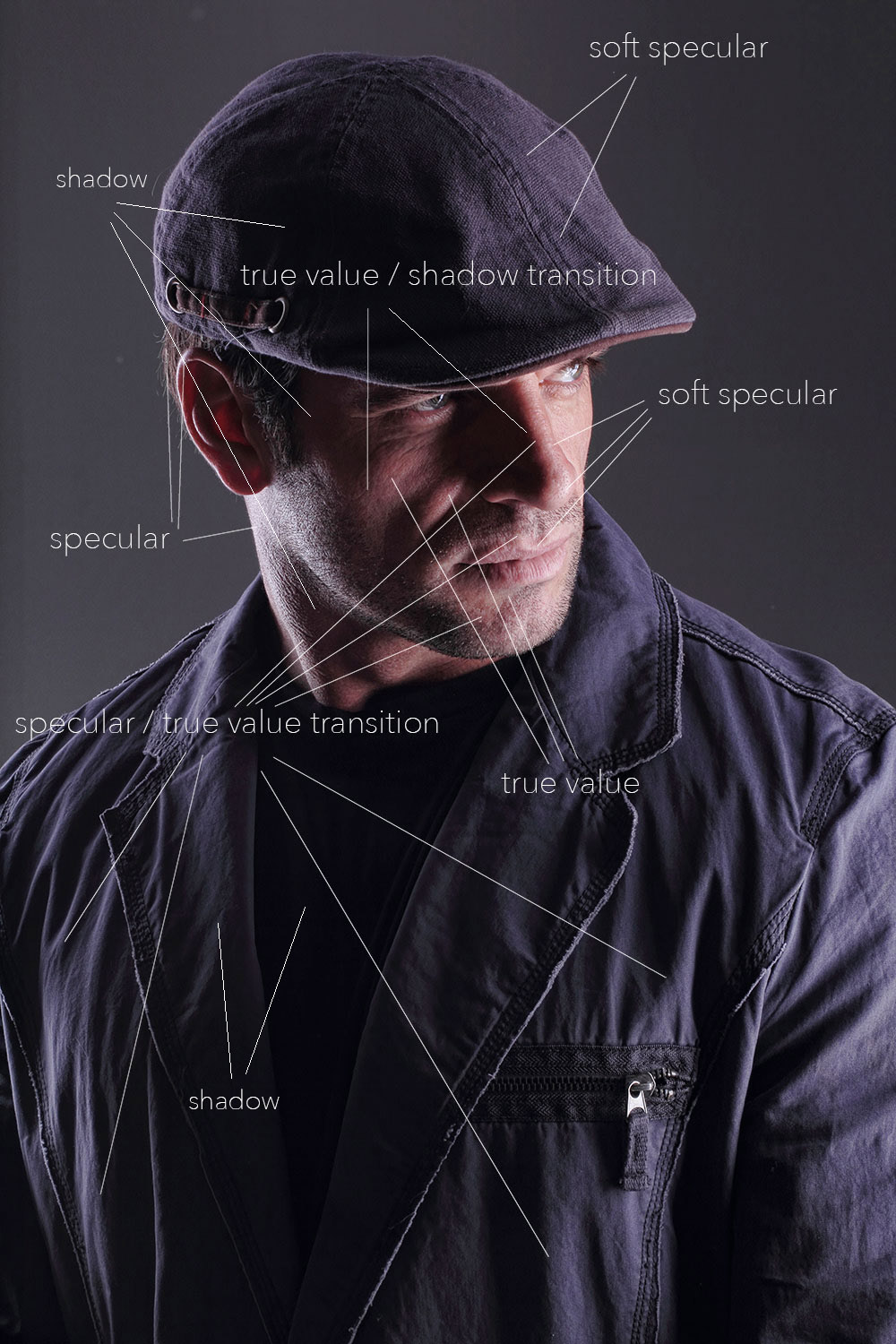
We can see all the presentations of light in this image of Inaudia.
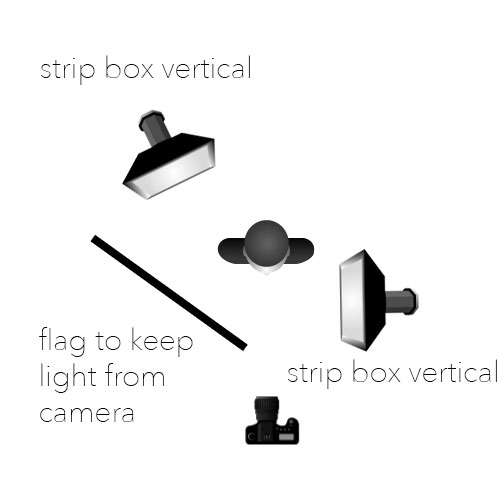
Lit with two strip lights (one on each side), the one on camera left is behind Inaudia and aimed forward just bit. The one on the right is slightly in front of him, and angled at an oblique angle.
This renders two different kinds of specular presentations, the absolute one on his neck and left side, and the softer one on the right side.
All of the transitions are there, and these transitions are what we see when we are determining soft light from hard light. A fast transition is a hard light, where a softer transition – as in the picture below – is a softer light. We would call this image a hard light image because of the fast fall off in the transitions between highlight and true value, and true value and shadow.
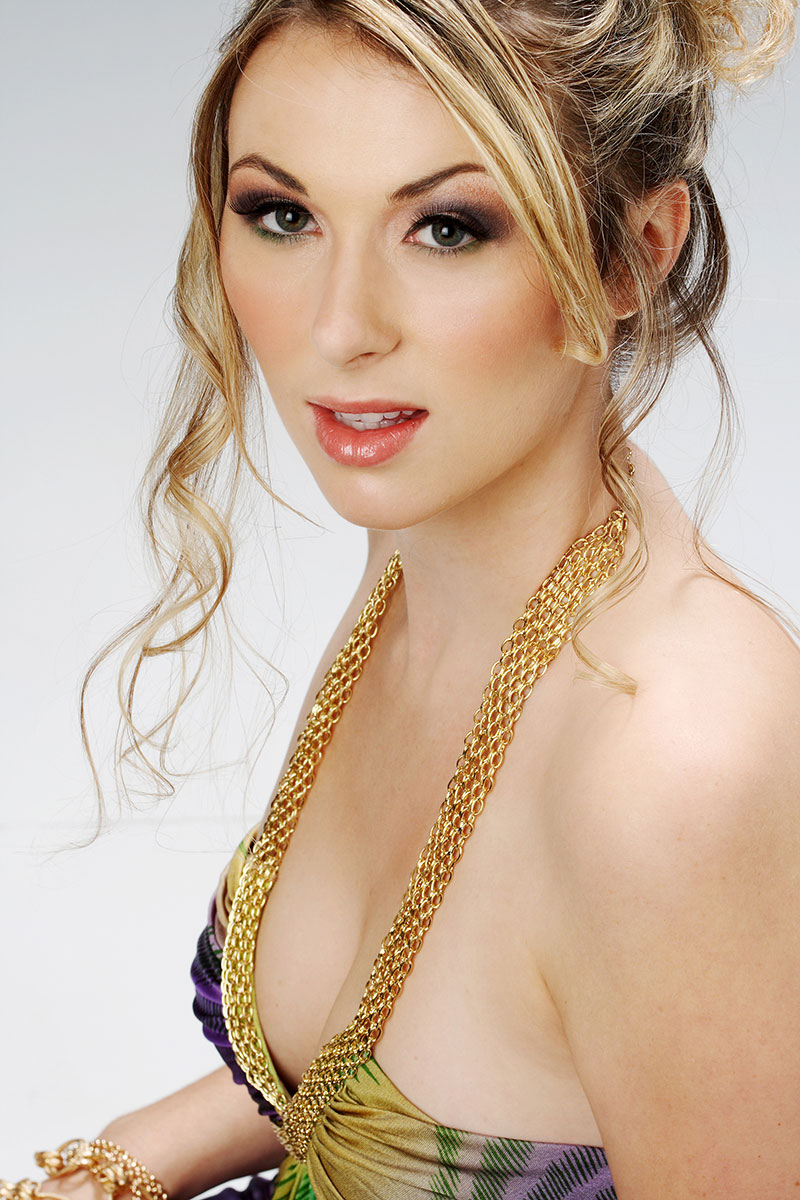
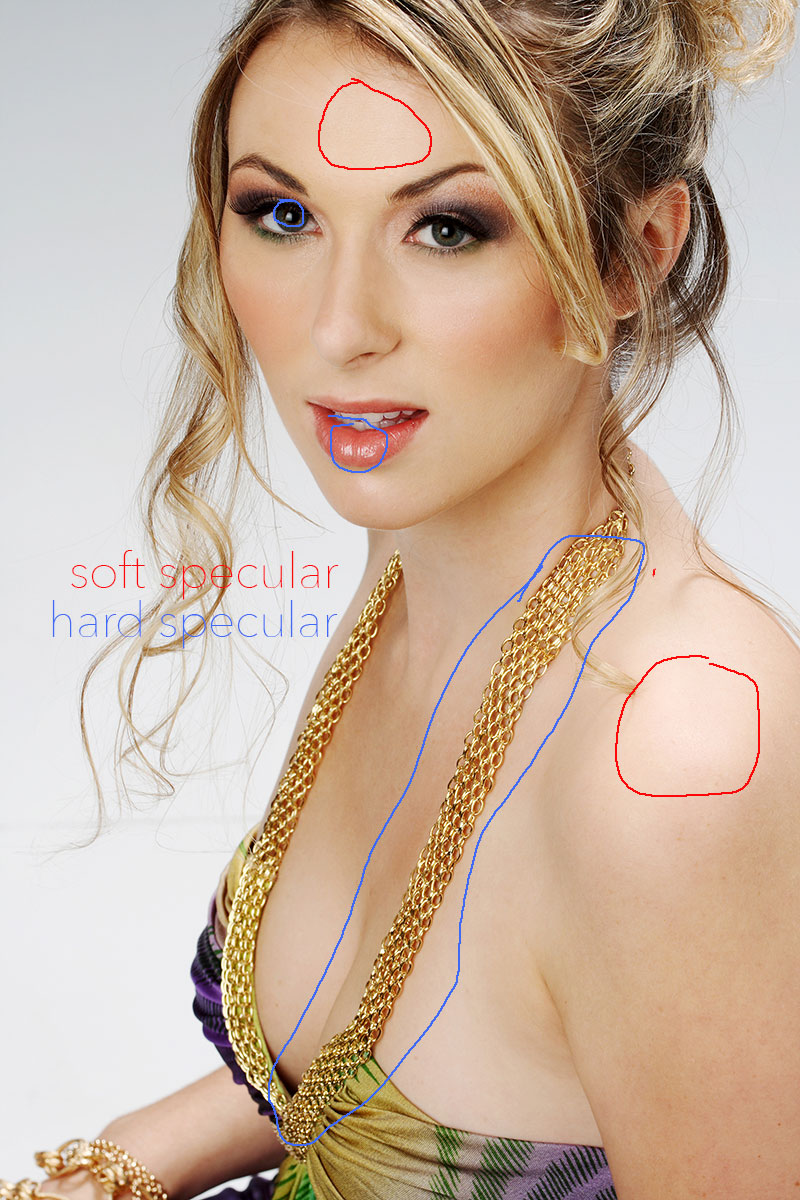
This image shows a lot of true value skin tone. One of the reasons is that the model is not shiny (wet) or perspiring to cause a shinier surface. Powder is used to intensify the diffuse skin (true value) so the speculars (in red) are presented softly. The blue speculars, however, are presented with very sharp transitions. Note that the specular on the shiny lips is absolute, with no soft transition. The gold jewelry on the dress shows as highlight/black because the reflection of the light source from the shiny metal is absolute.
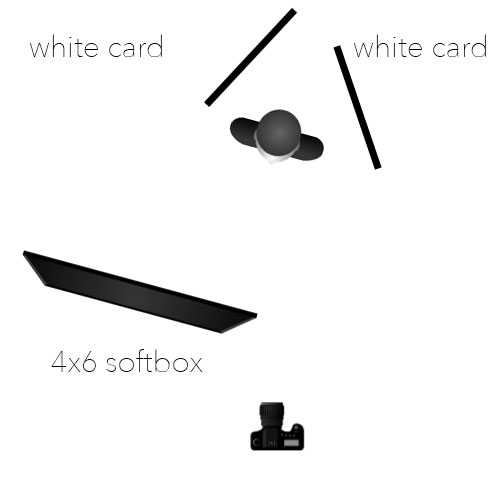
Lighting: Very large softbox directly in front of the model, and back 5 feet. White cards are positioned on either side of her, but pulled back to a point where they will not reflect in her eyes.

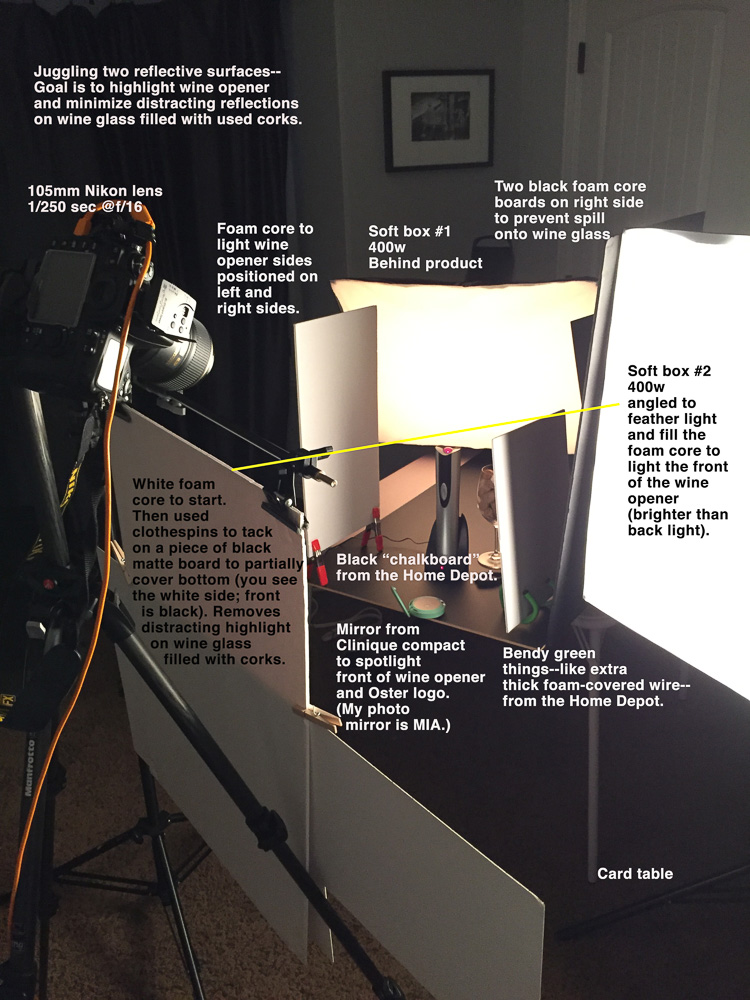
Photographer Anne Stephenson shows how to control the specular, true value, shadow and transitions in this seemingly simple table top product shot. As you can see, nothing done well is simple. Every kind of surface is in this shot.
Let’s start to put all of this together now.
“Twenty Four Frames In May”
The Project 52 members were tasked with shooting something different: 24 frames of film - and making every image count. This is a very exciting time with digital instantaneousness... but something can be said about taking one's time to make an image. Limiting the work...
Extensive Post Production with Tomas Jansson
From Project 52 member, Tomas Jansson. An extensive retouch/edit on a fantastic food shot. ALL THE TUTORIALS DURING "SUMMER SCHOOL" ARE BY PROJECT 52 PRO MEMBERS EITHER CURRENTLY ENROLLED OR ALUMNI. Thanks Tomas!
Photographing a Mundane Item… Is Harder Than You Think
Our assignment #46 was to shoot a power strip. A mundane, easy to find, nearly ubiquitous power strip that could possibly be purchased at any store for about $10. It proved to be quite a challenge. These images are from the assignment, and while the photographers all...
Go Beyond Full Frame Without Selling The Farm: Shane Ernest
Going Beyond Full Frame Without Selling The Farm. In this tutorial, I’ll share my reasoning for going beyond full-frame, a few reasons why you shouldn’t, and some simple steps I use to create images that match your vision. While there are huge differences between a...
Post Production (Retouching) of Wardrobe: with Don Fadel
See more of Don Fadel's work at his website.
Fitness Model on Location with Hiram Chee
I was aiming for a clean catalog feel. We shot this image at high noon in a football field. I used an Einstein F13 in a Softlighter without the sock for fill. I also used a -3f stop ND filter on my 85mm F1.8 to get the blue sky and blurred background. I was shooting...
Jamie in a Kimono, Omaha. Lightroom and Photoshop
Here is a look at my processes. From Lightroom to Photoshop to finished image. These are the simple steps that I use nearly every time. I hope you enjoy it. ALL THE TUTORIALS DURING "SUMMER SCHOOL" ARE BY PROJECT 52 PRO MEMBERS EITHER CURRENTLY ENROLLED OR ALUMNI - or...
Hey… It’s Me. Being Somewhat Controversial… or Not – if you know me.
Creating a Grid Effect in Photoshop with Luxkala
See more of Luxkala's work at his website. ALL THE TUTORIALS DURING "SUMMER SCHOOL" ARE BY PROJECT 52 PRO MEMBERS EITHER CURRENTLY ENROLLED OR ALUMNI.
Don’t Be Afraid of ‘Systems’
As a commercial photographer I know a lot about how to make things happen. In fact, being a commercial photographer is a lot of 'solutions... NOW' sort of life. The locations are too small or too large. Too many lights or not enough. Always need another stand or...
“Photographing Pills” with Alicia Bonterre
The assignment was to photograph some pills and bottle for a drop in to another shot. Parameters for the shot? White background…..that’s it. My thought process for this shot was how can I make this even a little bit interesting What type of shadows do I want and What...
Available Light / Available Tools; with David Price
I wanted to side-light this artisan's hands to highlight the texture both in her hands, as well as the fabric. She was making a set of custom gloves to honor my wife for her many years of service to living history re-enactments. I did not have a lot of equipment with...
Fitness Shoot with a Model by Hiram Chee
For the key light I used an Einstein F8 through a Softlighter camera right and for fill and Einstein F4 through a 8in reflector and 30 degree grid, camera left. The reflector was angled up towards the model's shoulder slightly towards the back wall. I also feathered...
“Layering Your Image” with McGunn Media
McGunn Media (Anna and Filipe) have this great little video for you on "Layering" the different items you use for still life. They have a full course on shooting table top and still life work at Udemy. See more of McGunn Media's work at their website.
Cool Sneakers with Alicia Bonterre
Today's class is from Alicia Bonterre, a photographer who makes her home in Trinidad. This was the assignment: Running Shoes are one of the staples of sports and fitness… and come in all colors and sizes. Distance runners, joggers, sprinters, hobbyists and kids all...
Making a “Splashing” Apple with John McAllister
SUMMER SCHOOL, DAY ONE: JOHN MCALLISTER. John shows how to create this stunning effect. You can download the raw files used to make this photograph here. Image One Image Two Image Three Image Four Image Five image Six For more from John McAllister, visit his blog. ALL...
Visual Literacy – Visual Media Strategy
Even when it is done as a parody, it works. How's YOUR visual media strategy doing?
Viral Visual Strategies
Social Media - VISUAL social media - is really powerful. "On Thursday April 10th I shared the tumblr page with a huge dog magazine I’ve worked with regularly called The Bark. By Friday morning, it had 4,700 likes and 1,080 shares. I also sent the link out to a...
Irene Liebler Interview at Raincoast Creative
This is so cool. Project 52 Alumni Sandra Harris has interviewed p52 Alumni Irene Liebler for Raincoast Creative. Pop on over for a great read and some new work by Irene.
Matt Dutile Adds a New Set of Portraits
LE's bud Matt Dutile has added some wonderful portraits to his website. Check them out here.
Talk About Your Awesome Opportunities… Holy Smokes THIS Rocks!
An "opportunity" for you to bust your ass, make some cool shots and then give them away to someone who will then get to use them for whatever the heck they want to for as long as they want to. Oh, and by the way you need to simply shut up about it. And they are...
My Newest Book Will Take Your Photography To The Next Level… or something
I have decided it was time for me to put it all out there... no holding back, no withholding of the secrets that I am privvy to. All of the stuff that other photographers wont tell you... I will. I am like a man on fire. Without the burning pants and sickly smell of...
Photographers Dump Film so They Can Emulate It Digitally… or, something…
"The company, founded back in March 2011, received the fifth largest Series A round Accel Partners has ever done; the investors are well known for the funds they granted a company called Facebook back when it was just starting up. Besides the app itself, VSCO’s known...
PROJECT 52 ANNUAL FOR 2013
Is available at Blurb if you love the feel of good paper and a quality book. We are also giving it out as a free PDF for all. Please feel free to share it with anyone you think would be interested. All images are copyright the photographer, and there is contact...