
Welcome, Workshoppers. Time for Module Two
SHROOMS!!!
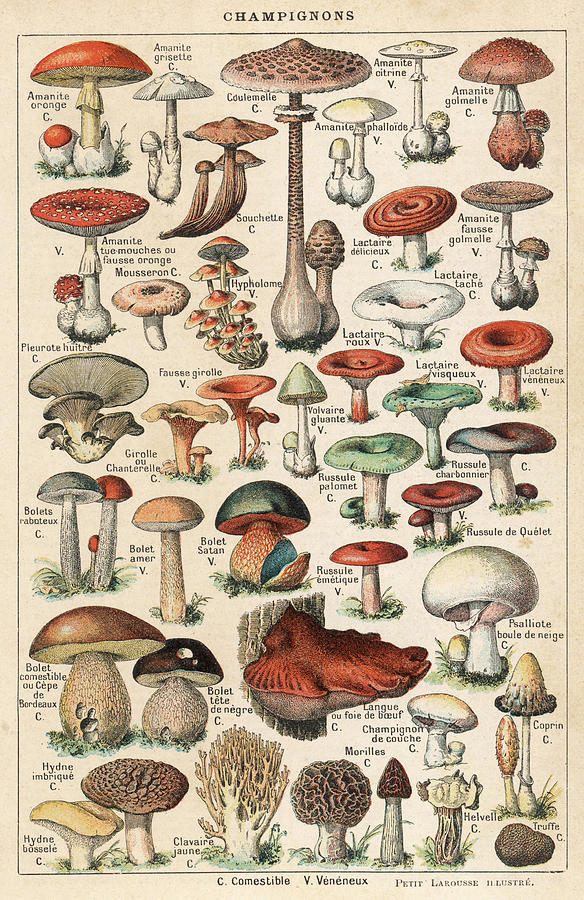
Mushrooms to be exact. One of nature’s most photogenic entities. And our subject of the week.
There are a wide variety of these fungal delicacies, and they have such unique physical properties.
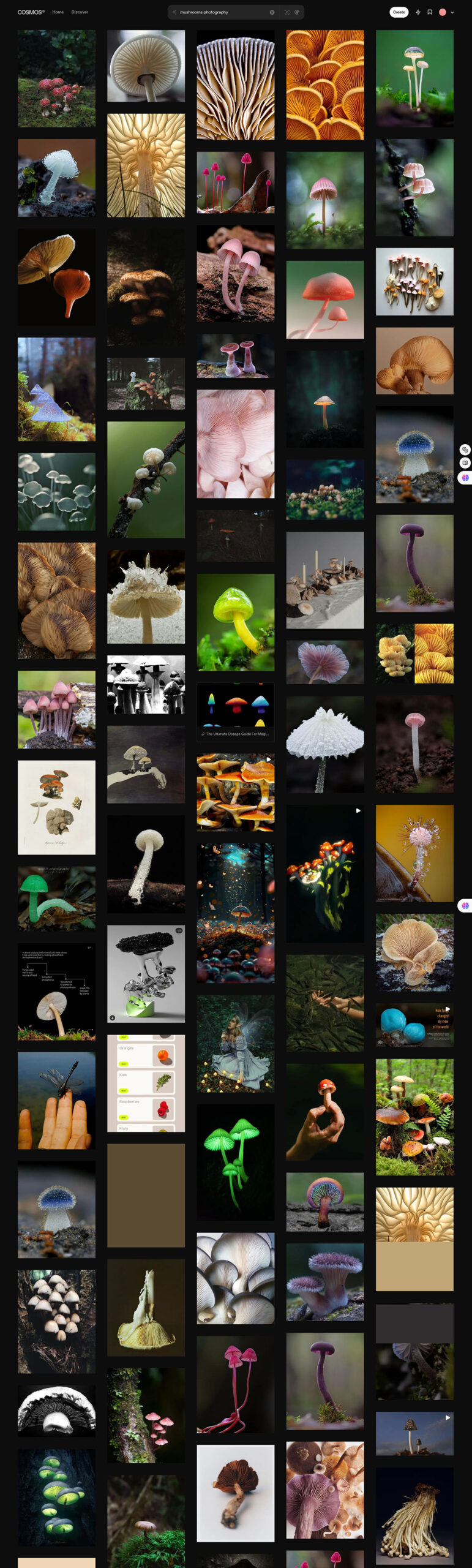
Some inspiration for you...
Why Mushrooms?
Mushrooms are incredible subjects because they’re both simple and complex: their textures, shadows, and organic shapes offer great opportunities to experiment with lighting, composition, and storytelling. Additionally, because they’re often monochromatic, mushrooms push photographers to capture depth and detail without relying on vibrant colors. This makes for an excellent study in contrast, texture, and mood.
Shooting Tips for Mushrooms:
- Lighting: Mushrooms have delicate textures, so soft, diffused lighting will highlight these details. A simple overhead light or natural window light can create depth, while side lighting can add drama by casting shadows.
- Backdrop and Props: Use earthy tones—browns, greys, greens—to complement the mushroom’s natural look. Rustic props like wooden boards, slate, or ceramic add texture without stealing the show.
- Angles: A top-down view is popular for showing mushroom groupings, but side angles capture their stems, which can be beautifully delicate and interesting. Experiment with close-ups to show gills or imperfections, adding character to the shot.
- Moody Composition: Mushrooms look wonderful in low-key setups. Play with darker backgrounds and selective lighting to enhance the mysterious quality of these fungi.
- Post-Processing: Emphasize textures and contrast to make those gills pop. A bit of clarity or contrast can go a long way to bring out the “woodland” feel without overpowering the natural softness.
Five Professional Briefs for Mushroom Photography in the Studio
Here are five assignments, each designed to challenge different techniques and creative approaches in mushroom photography:
1. “Forager’s Feast”
- Objective: Capture the wild essence of mushrooms in a natural, earthy composition.
- Lighting: Soft, diffused natural light (or simulated in-studio).
- Props: Include elements like moss, pine needles, or small stones to mimic a forest floor.
- Shot Specs: A top-down view to showcase the mushrooms nestled together; aim for a warm, inviting look.
- Deliverable: Three shots focusing on texture, group arrangement, and individual mushroom detail.
2. “Mushroom Portraits”
- Objective: Create intimate, portrait-like images of individual mushrooms.
- Lighting: Use a single side light to create shadows and highlight texture.
- Props: Keep it minimal—one mushroom against a plain background. Try both high-key (white background) and low-key (black or dark background).
- Shot Specs: Shoot at a slight angle to highlight the gills or the curvature of the cap.
- Deliverable: Two distinct images that highlight the uniqueness of each mushroom’s structure.
3. “Minimalism in Monotone”
- Objective: Embrace the simplicity of mushrooms in a clean, monochromatic setting.
- Lighting: Even, soft lighting to avoid harsh shadows and keep the image as clean as possible.
- Props: Pure white or grey background with no additional elements.
- Shot Specs: Use a top-down view or a clean side angle. The focus should be on shape and form, almost as if the mushrooms are abstract art.
- Deliverable: Two to three minimalist images that emphasize form over detail.
4. “Gourmet Plate”
- Objective: Capture mushrooms as part of a high-end culinary presentation.
- Lighting: Balanced lighting with a slight focus on highlights to give a polished, appetizing look.
- Props: Use a high-quality plate, a garnish (herbs or a small sauce smear), and maybe a fork or spoon for context.
- Shot Specs: A slight overhead angle with a shallow depth of field to focus on the mushrooms while keeping other elements subtly in frame.
- Deliverable: One image that captures the elegance of mushrooms as a gourmet dish.
5. “The Underworld”
- Objective: Create a mysterious, moody composition with mushrooms as the central subject.
- Lighting: Low-key lighting with dramatic shadows, emphasizing the “underworld” feel.
- Props: Use dark, textured surfaces like slate, wood, or metal. Add a hint of mist or fog for atmosphere if possible.
- Shot Specs: Close-ups with a focus on texture and shadows; experiment with side lighting and backlighting to create an eerie, mysterious effect.
- Deliverable: Two images—one close-up of texture and one full composition that conveys a sense of mystery.
Each of these briefs challenges you to think about storytelling, texture, and lighting in unique ways. With mushrooms as the main subject, these exercises will help beginners refine their attention to detail, develop their aesthetic, and discover the magic that even humble fungi can bring to a photograph.
Your assignment is to create two different photos of the same mushrooms. Remember the BTS shoot.
OPTIONAL: Do any of the assignments above, and even better if you do two.
ASSIGNMENT UPLOAD
1. Must not be larger than 1200 pixels on the longest side.
2. Must be .jpg format
3. Include BTS shots (at least one per set)
|
Upload files
|
|
|
|
|
|
|



|
|
ZOOM MEETING INFORMATION HERE
SATURDAY
Meeting time is 9 AM Pacific
Join Zoom Meeting:
THURSDAY
Meeting time is 6 PM, Pacific
Join Zoom Meeting:
ASSIGNMENT ONE
Shoot natural food, one item or several of one item. For instance, one tomato or several tomatoes. No additional veggies. Props are allowed as long as you keep them as props, not part of the main image.
Two images due:
The hero image you shoot.
A behind the scenes of your setup.
Post in the Assignment One album under Media on the Facebook Page.
Whether you use a super shallow DoF, or a tilt-shift lens, or focus stack the subject, this is your image to make incredible.
There are myriad ways to make the images that you see in your head, and I want you to push for something that is unique, beautiful, and eye-catching.
Think color.
Think focus.
Think texture.
Think shape.
Think dimension.
Think telephoto.
Think wide angle.
Think POV.
Think light… LIGHT!!!
A good time to sketch, I believe. I think ideas flow from us onto paper faster than just making them up in our heads. You may disagree… that’s cool.
Sketching allows you to visualize lighting and the challenges it may bring to the image.
Below are two videos to help you understand lighting for intimate food subjects. These are mushrooms and we have to get in close due to the nature of their size.
