
Subject Centric Lighting: The Five Areas of Light Presentation
Cover image by Project 52 student, Gabriel Alvarez.
When the lighting choices we have made are used, the light is ‘presented’ back to the camera in expected, and controlled ways. There are five parts of the light presentation, and we use them in every image we make.
True Subject Value:
What the subject looks like when not in specular or shadow, this is the area that shows us the color of the subject as well.
Specular:
The exact or absolute reflection of the light source.
Specular Transition:
The point where the specular reflection transitions to the true subject value
Shadow Transition:
The transition between True Subject Value and Shadow
Shadow:
The places on the image that are not lit, the opposite side of the light source.
These areas of light are found in nearly every subject. By understanding what they do, and how they are controlled, we can understand much more about the light that is used to present these areas in the ways we want to show them.
In other words, knowing what causes a shadow transition, how to present true value, and how to control a specular highlight means we have control over our lighting and we can create the looks we want. Whenever we want.
Photographers and artists use these representations of light to show texture, shape, dimension, color, clarity and mood. Illustrators use highlight and shadow in their work to create their own light. And they use the same tools to light their drawings, although quite imaginary, as photographers do.
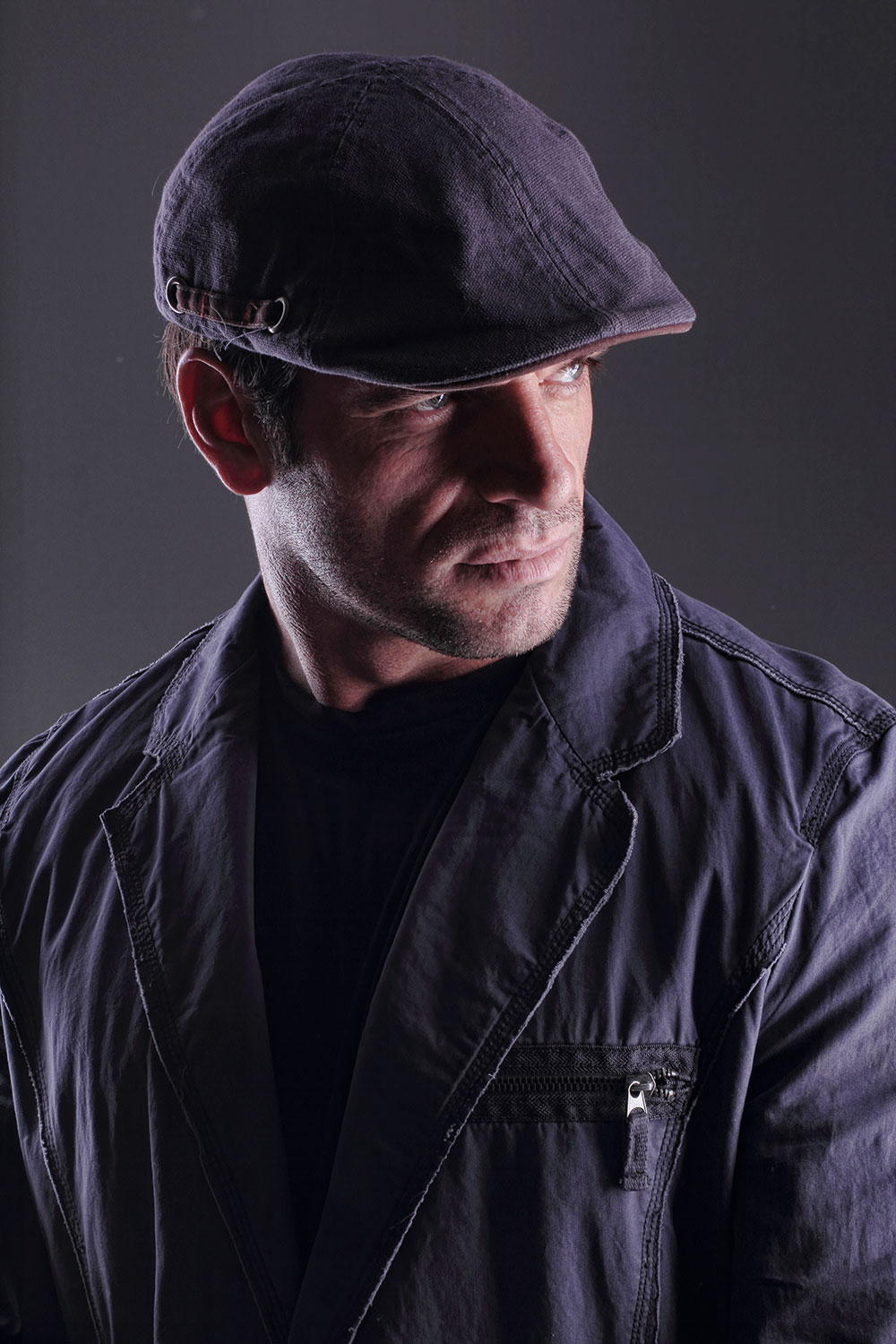
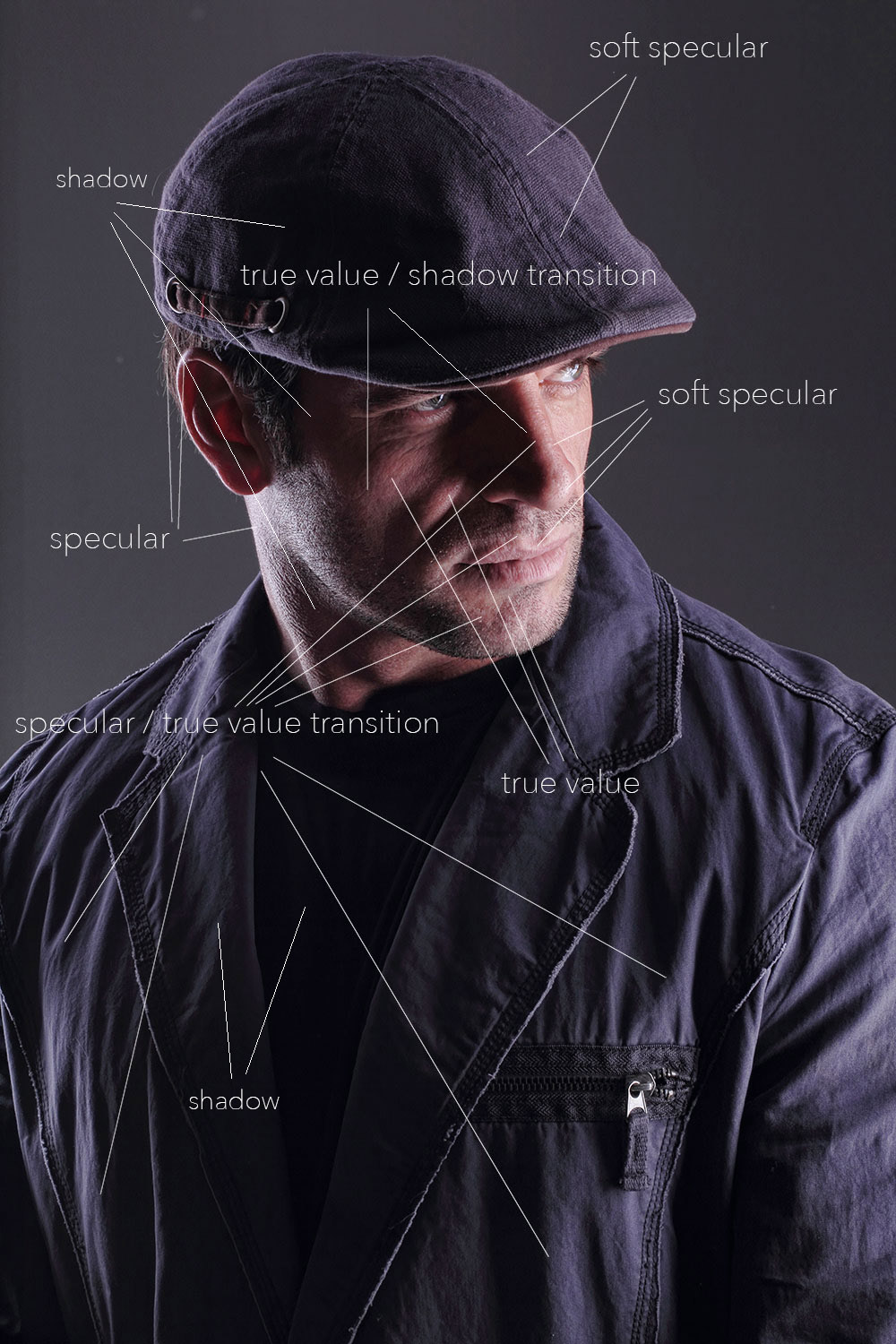
We can see all the presentations of light in this image of Inaudia.
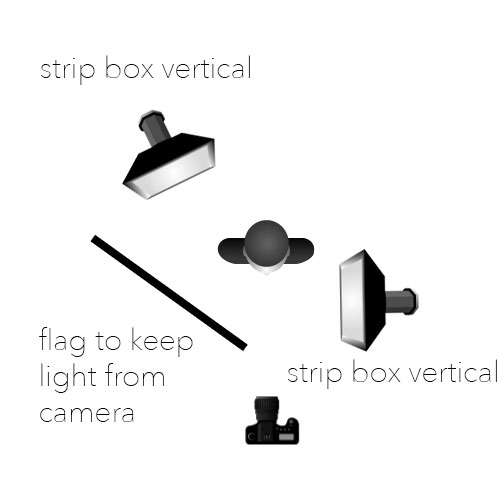
Lit with two strip lights (one on each side), the one on camera left is behind Inaudia and aimed forward just bit. The one on the right is slightly in front of him, and angled at an oblique angle.
This renders two different kinds of specular presentations, the absolute one on his neck and left side, and the softer one on the right side.
All of the transitions are there, and these transitions are what we see when we are determining soft light from hard light. A fast transition is a hard light, where a softer transition – as in the picture below – is a softer light. We would call this image a hard light image because of the fast fall off in the transitions between highlight and true value, and true value and shadow.
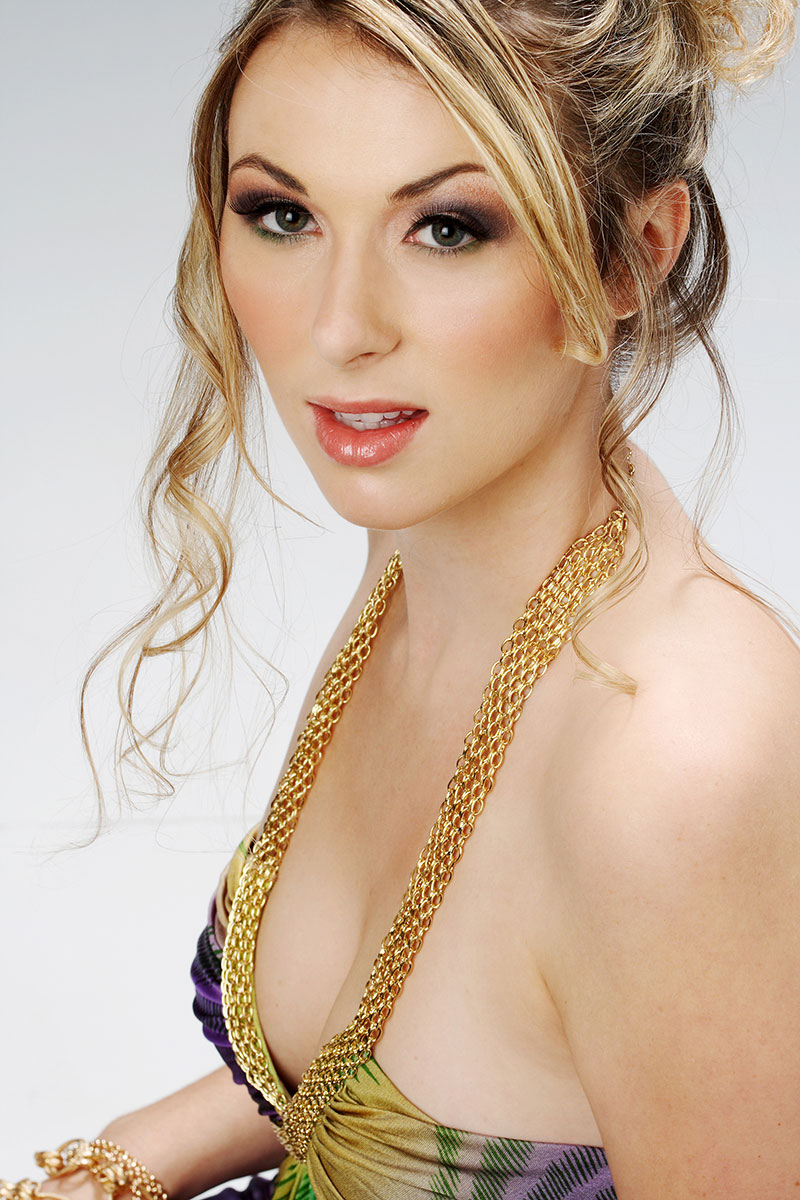
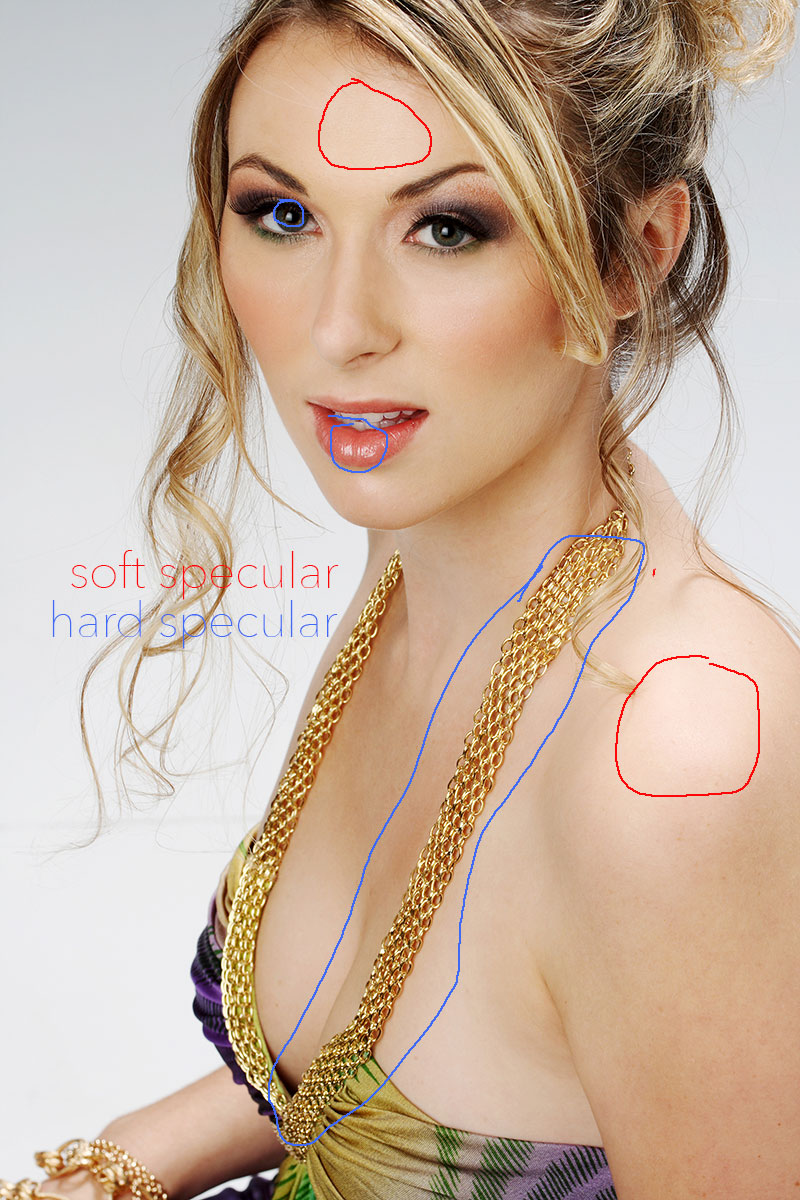
This image shows a lot of true value skin tone. One of the reasons is that the model is not shiny (wet) or perspiring to cause a shinier surface. Powder is used to intensify the diffuse skin (true value) so the speculars (in red) are presented softly. The blue speculars, however, are presented with very sharp transitions. Note that the specular on the shiny lips is absolute, with no soft transition. The gold jewelry on the dress shows as highlight/black because the reflection of the light source from the shiny metal is absolute.
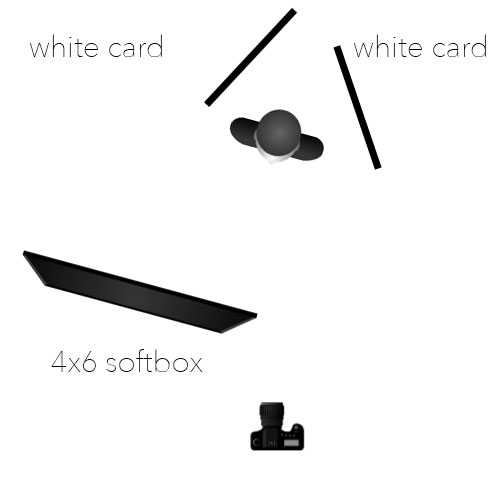
Lighting: Very large softbox directly in front of the model, and back 5 feet. White cards are positioned on either side of her, but pulled back to a point where they will not reflect in her eyes.

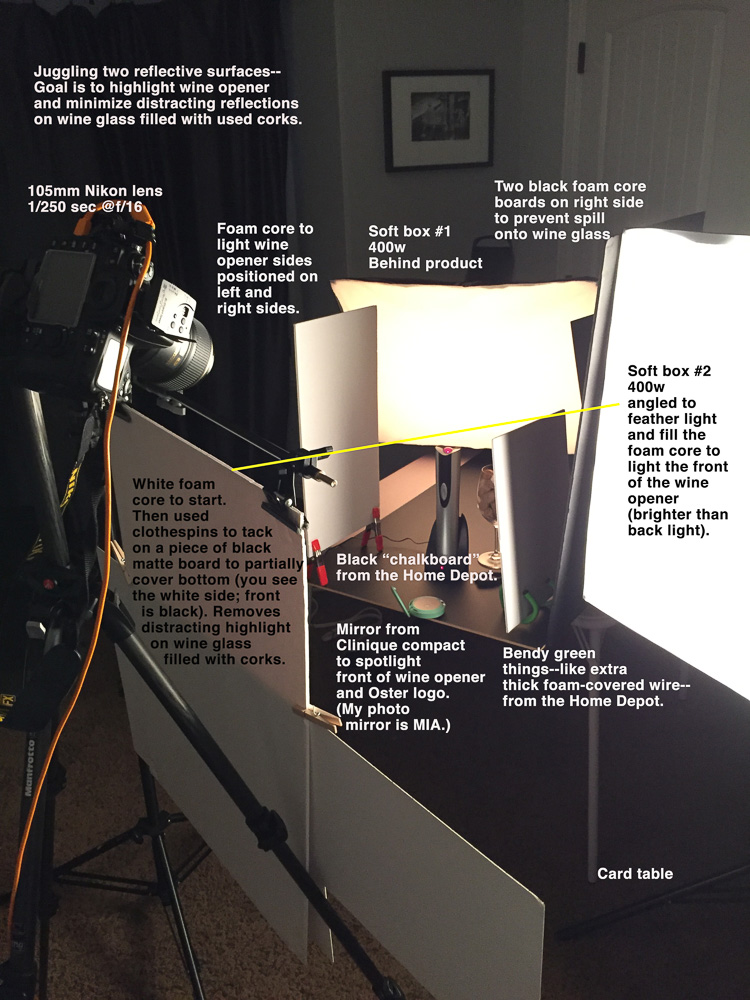
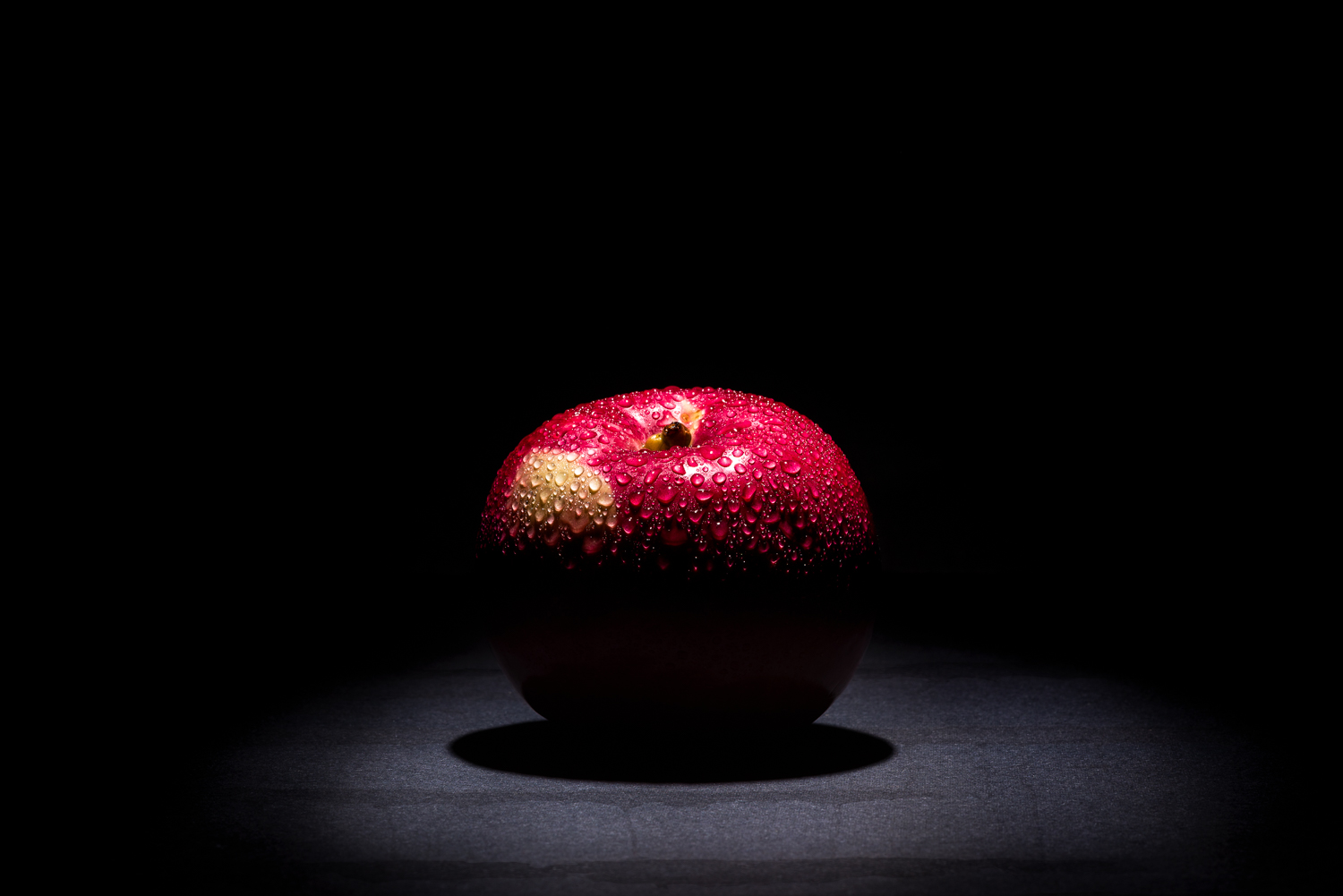
Photographer Anne Stephenson shows how to control the specular, true value, shadow and transitions in this seemingly simple table top product shot. As you can see, nothing done well is simple. Every kind of surface is in this shot.
Let’s start to put all of this together now.
“No Plastic Sleeves” a Review of the Book
This is one of the best books on the holistic creation of a creative's portfolio in quite a while. There are certainly quite a lot of portfolio books out there, and many of them are terrific. However, I like the total take on creativity and creating a unique...
“So You’re a Photographer, Quick… Tell Me What You Do”
How's that for a panic inducer? So could you tell them? Say someone walks up to you at a mixer for the Art Directors club meeting, introduces himself and you realize he is one of the guys you have been trying to see for a few months. Now he is standing there, and in...
Meet My Friend, Ken Easley, Photographer, in Phoenix, Arizona
Full disclosure... Ken and I have been friends for about 25 years or so. We have traveled the back roads of the Sierras together and solved the ills of the world over about a hundred lunches. It is fun to present this interview with him for you all. We met and chatted...
Do You Know Your Camera Well Enough to Master Your Craft?
A sorta Rant and sorta Rave: Knowing your instrument in music means knowing it so well that you can pick it up and play whatever note you want to play. There isn't a hesitation at all in the choice of keys, or fingering, or hand position. With a piece of music in...
Throwing Other Photographers Under the Bus May be Great Fun, But Is It a Good Thing?
This is a RANT, folks. I am totally and definitely pissed off. If you decide to read this, you will find I am not kind or reticent in my total loathing of this situation. You are warned. (UPDATE: There are many, many comments to this post. Seem to break into two...
STOP Censoring Your Vision
(A rant about self censoring your work) Have you ever stopped yourself from taking a photograph? And then thought later that “I should have taken that shot…†The excuses and reasons abound for not taking a photograph that presents itself to you. Not the right...
Nick Onken’s New Travel Photography Book, “Photo Trekking”
I discovered Nick's work a couple of years ago. Surfin' from link to link, I stumbled upon his opening page and the image there of a woman with some amazing flare engulfing her. I immediately liked that shot, so I took some time to look around his site. simply...
Content is King: Guest Post by Daron Shade
Content is King In preparation for the Social Media Marketing article, I came to the realization that most of us have trouble figuring out what to say about ourselves, so I decided that we first need to talk about content – both on the website and in the portfolio....
24 Portraits With a Sense of Drama from the LE Flickr Pool
Portraits... man I love portraits. People are so interesting and the combination of an interesting person and a creative photographer reveals more than simply a photo of someone... it reveals the nature of all of us. And that makes it timeless. From the earliest...
A Sense of Urgency. Are You Demanding More Of Yourself?
I ran across this quote today: "I have been impressed with the urgency of doing. Knowing is not enough; we must apply. Being willing is not enough; we must do." -- Leonardo da Vinci It gave me pause. The "urgency" of doing. Pretty much says it all. Doing is the thing...
Seattle Workshop Images: The Great Pacific Northwest
Hey... how are ya? I'm back from three workshops in very close proximity. In Seattle we did two in a row, and then back for a day and off to San Diego for a fun workshop. Lots of excitement, and I got to meet so many talented people. I have some images from the...
Thoughts on Photography, and Other Stuff, While Driving Across the Desert.
I love to drive. Cars and motorcycles and trucks... I love to get behind the wheel and just go. This weekend I drove to San Diego for the workshop there. And, BTW... it was a very fun and exciting workshop with a lot of talented photographers, some wonderful models,...
Before You Shoot for Peanuts, Consider the Risks
Ummm... this is a Rant, so be warned. I stated in the last post that I would tell you why I would prefer beginning photographers shoot for free rather than dirt cheap. And I mean that totally. I am not saying you should shoot for free, I am saying to cut out the...
Pricing Issues: One Big Monster of a Problem
A day or two ago a firestorm of sorts broke out on the interwebs on pricing. It got heady and angry and although I initially made a post on one of the players in this dramas posts here, I subsequently found that I had stumbled on to something that was just getting...
Go Ahead and Play!
Today's Rant is really a Rave... sorta. it is about the fun and joy of photography... beyond the craft and business of photography. I don't know what happens to us as photographers when we get to the point where the cameras stay in the vault until someone pays us to...
Just a Camera and a Subject. Simplicity Can Be Fun.
Recently there was a discussion on whether natural light shooters would be able to compete with the strobe-heavy photographers and those deep into the Photoshop illustrative techniques. And before we begin it must be stressed that I love all kinds of photography. This...
30 Cool and Fabulous Images from the LE Flickr Pool
Well, we present 30 images from the pool today. Images that are soft and wild and quiet and loud... but all of them compelling in their own way. As always, the images link to the photographer's Flickr pages so please click and visit. Leaving them a comment always...
Selina Maitreya: 4 To Do’s for Photographers (Interview in Three Parts)
We present a three part look at the current business of commercial and editorial photography through the 'lens' of Selina Maitreya, photographers coach and consultant. Selina's 30+ years experience working with photographers all over the globe has given her a unique...
Selina Maitreya: Trends… or Not. (Interview in Three Parts)
We present the second of a three part look at the current business of commercial and editorial photography through the 'lens' of Selina Maitreya, photographers coach and consultant. First things first: Selina's website is 1PortAuthority.com, and it is there you can...
Selina Maitreya: What’s Working Now (Interview in Three Parts)
We present a three part look at the current business of commercial and editorial photography through the 'lens' of Selina Maitreya, photographers coach and consultant. Selina's 30+ years experience working with photographers all over the globe has given her a unique...
Recharging the Soul with Personal Projects
This is kind of a personal post for me. There are challenges that I face as an artist and writer. And photographer. And sometimes those challenges can take its toll on me, and us. Creativity, for me, takes nurturing and constant practice. I have always felt that...
Controlling Your World With the Lens Cap On
Seems like a crazy thing to say... put the lens cap on. Lens caps make taking photographs impossible. They don't let any light in. Maximum Density Filters ya know. They keep the lens clean and don't let images be made unless the photographer wants them to be made. But...
Shooting Fast: Keeping the ‘Mojo’ Going
Well this was a fun gig. Once per year my friend Troy asks me to photograph his choir kids for a year of marketing for them. We spend about 4 hours and shoot a gazillion images. Neat part... he lets me do what I want. I can be as 'creative' as I want - as long as we...
24 Examples of Emotional Lighting from the LE Flickr Pool
Photograph by Evan Romine. At least they strike me as being lit with the 'feeling' or 'mood' of the photograph foremost in mind. I have made some notes on what intrigued me about each of the images. They will get the ol' juices goin' for thinking about light before we...