
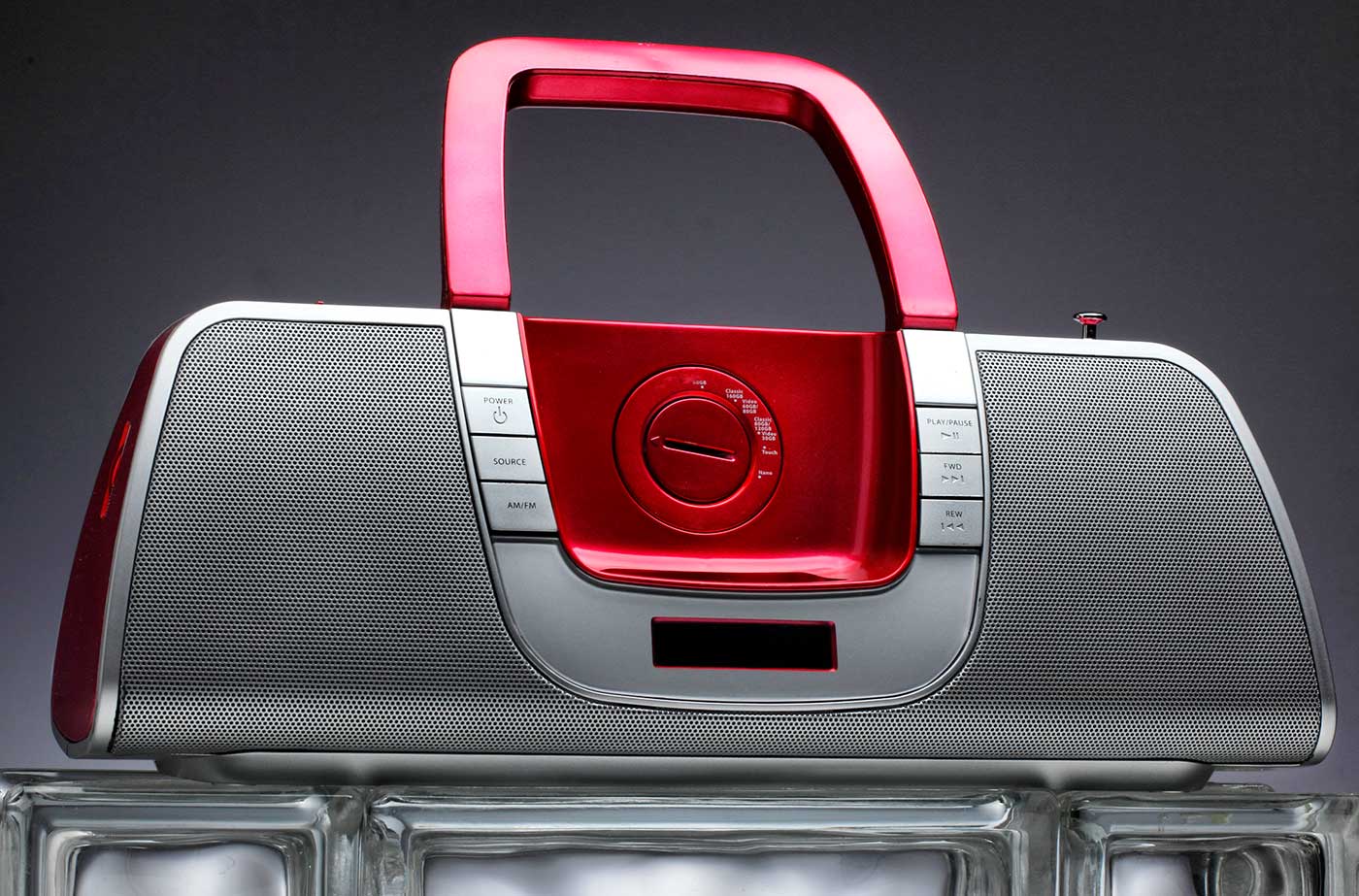
Lighting Principle Number Four: The Angle of the Light to the Subject and the Camera
Law of Physics: Angle of Incidence equals the Angle of Reflection.
This is an axiom that a lot of people hear and repeat without taking careful note of what it means to their photography.
And yet it is one of the most basic and important physical rules of subject centric lighting.
What does it mean and how can we use this to our advantage?
It means that if the light is angled toward a subject, the reflection of that light will be presented back to the camera at the same angle.
Think of the game of billiards or pool. If you hit a ball into the wall at a 30% angle, the ball will come off that wall at a 30% angle. And that completes a triangle. Understanding that triangle is key to making quicker, smarter lighting decisions.
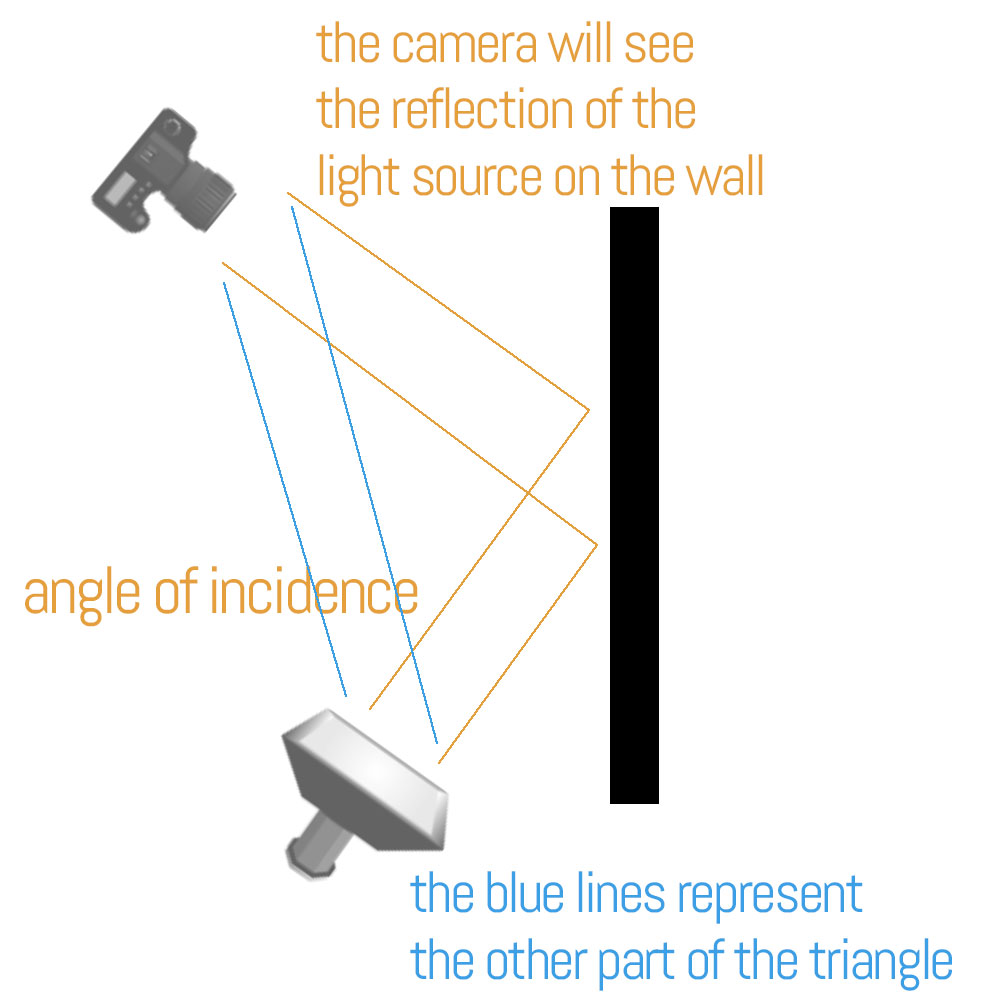
It means that you have to be able to judge the angle of the light as it strikes the subject and understand what that light will do once it strikes the subject. If there is something being reflected in your subject, look at the camera angle from the other side and you will find what it is.
EVERYTHING REFLECTS. EVERYTHING.
Some things reflect more than others, but everything you see is simply the reflection of the light from its surface.
I call it ‘presentation’, and when I discuss lighting, I use the word presentation to talk about how the light looks to the viewer.
Once we realize that the angle of the light source to the subject, and the incident angle of that light source to the subject is going to present to us in ways we can control, lighting becomes so much easier to create.
Think of the way the light strikes hair on a slightly backlit portrait. The reason the hair becomes so much brighter is because it is round in shape, and somewhere on that round, shiny hair is going to be that same angle of incidence that the camera is seeing.
An example.
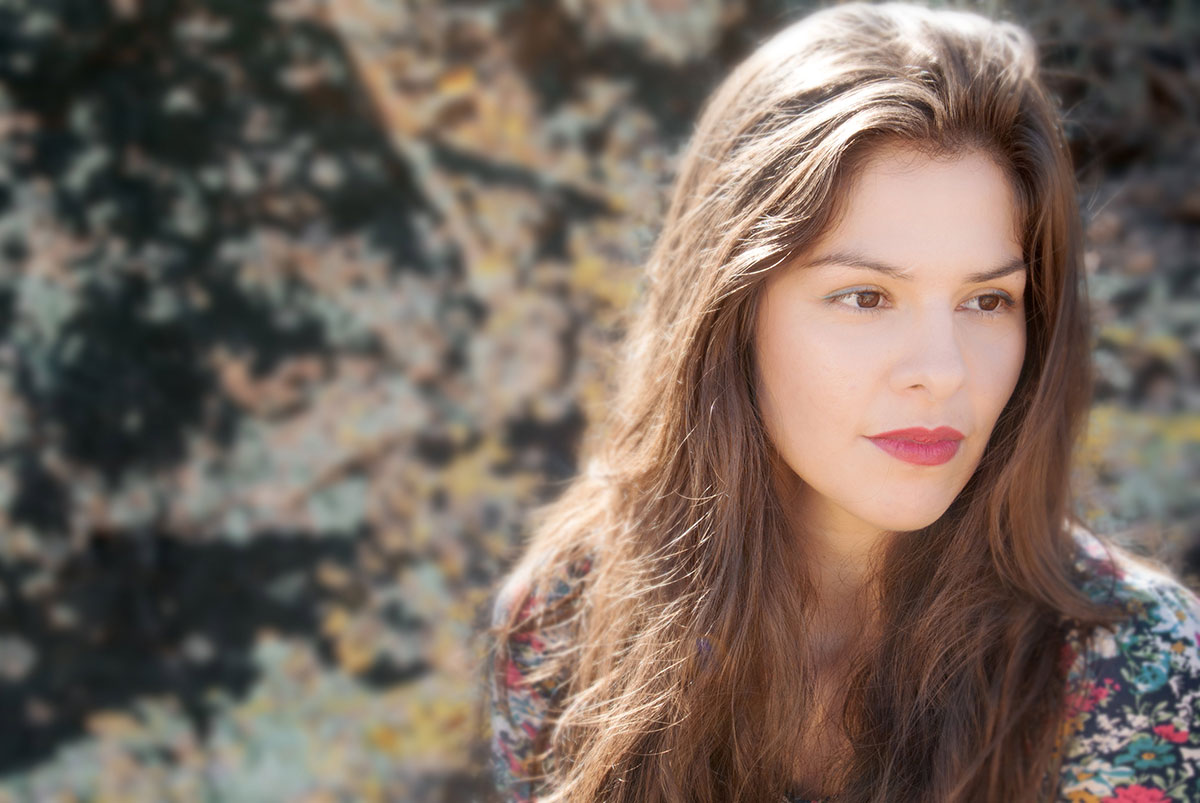
You can see how bright that hair is with the sun shining on it, and each tiny hair reflecting that sun back to the camera.
In the image below, I used a large softbox in order to get a shiny, reflective area off of the wall behind the subject and create a gradient to the background. You can see in the illustration that the angles of reflection come back to the camera on the left side of the model, but not on the right side of the model. The wall is a semi-gloss wall and provides a nice, soft reflection of the light source.
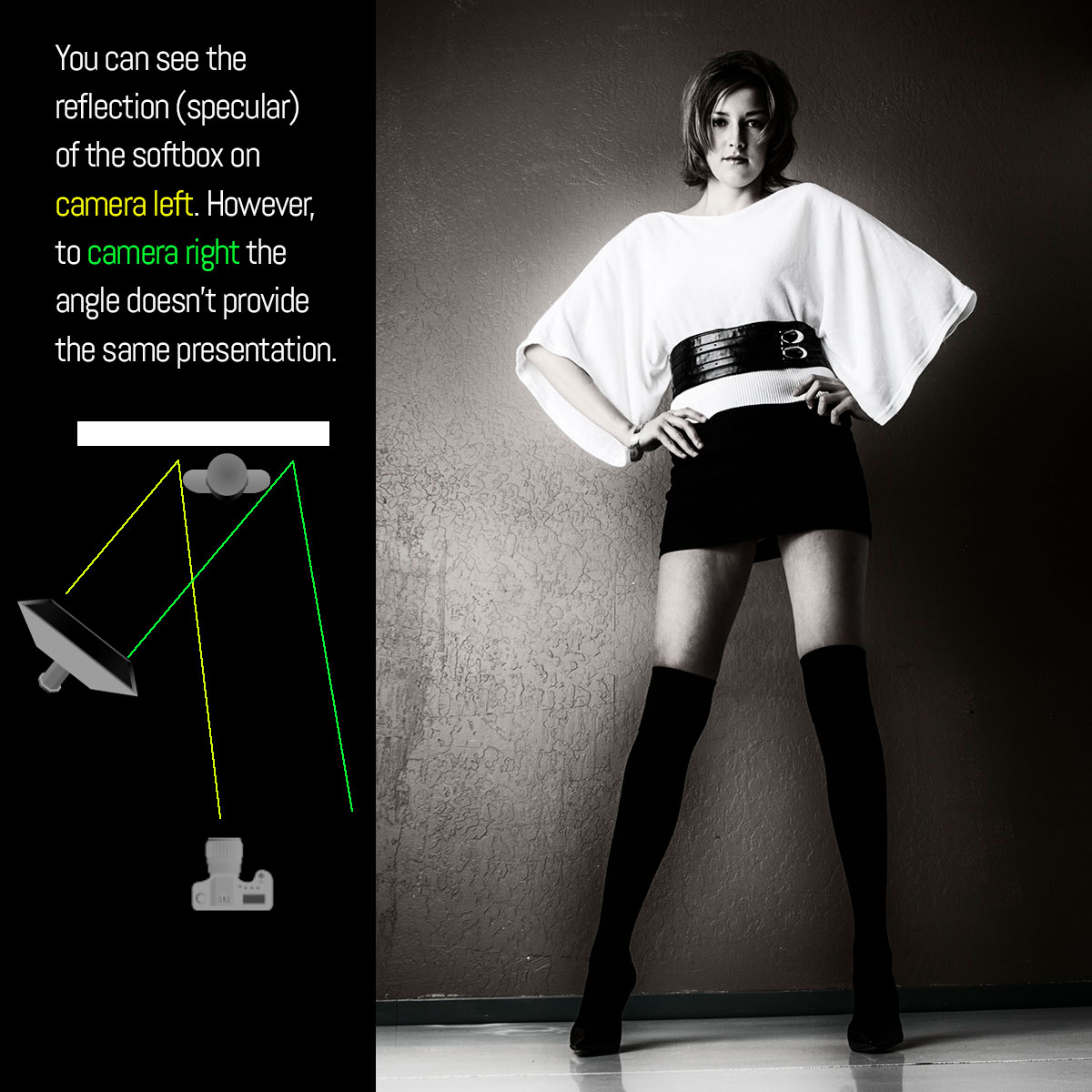
Let’s take a closer look at that triangle that is formed by the light to the subject, the subject to the camera, and the light to the camera.
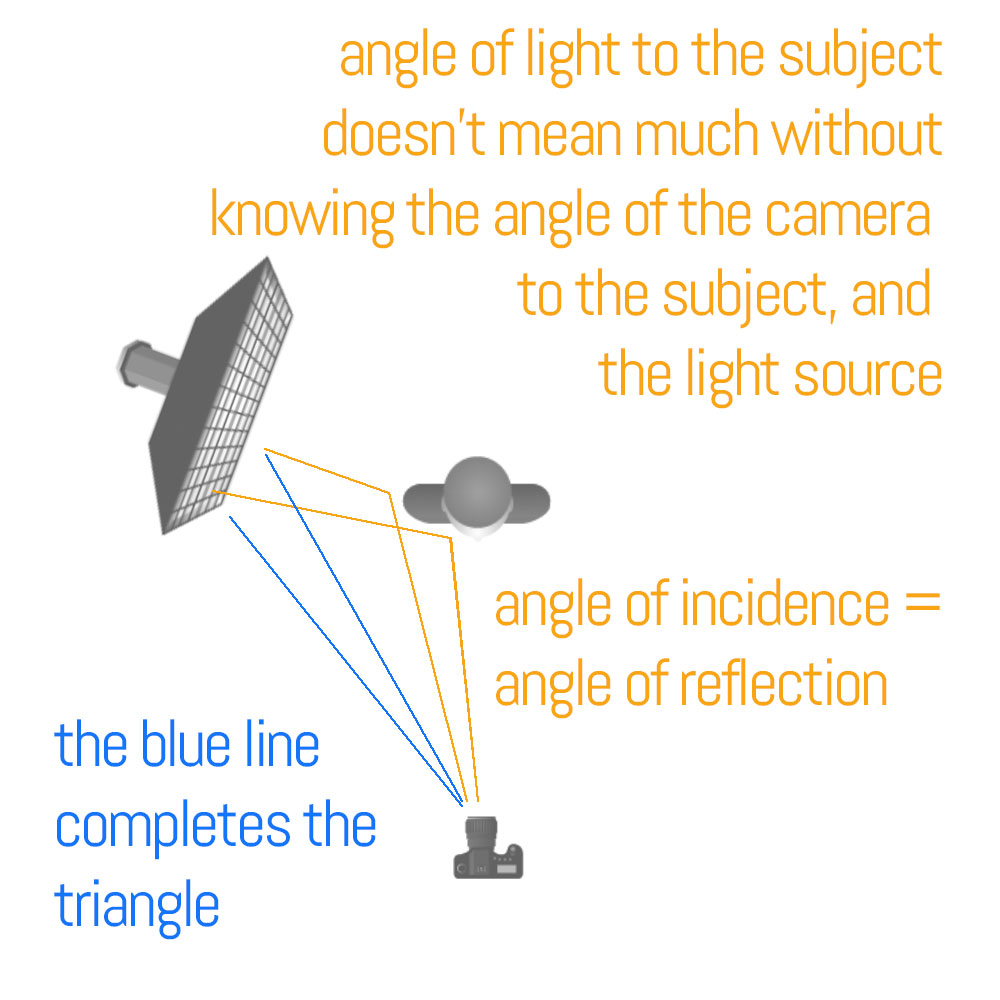
It is being able to see that triangle (shown above with the blue line) and to then visualize the presentation of the light that makes it easier to control. Once you begin to see those angles, and the way they will present back to the camera, lighting can become much more of a finessed technique rather than a flailing exercise.
Let’s talk about direction.
There are three major directions of light and one that doubles as a direction. I will explain.
This is front lighting. The light comes from the side of the camera, and it can be angled quite a bit (90 degrees). The presentation is full angle of incident / angle of reflection, and you can control that fall of incidence by where you place the camera in relationship to the light and to the subject angle.
Front light:
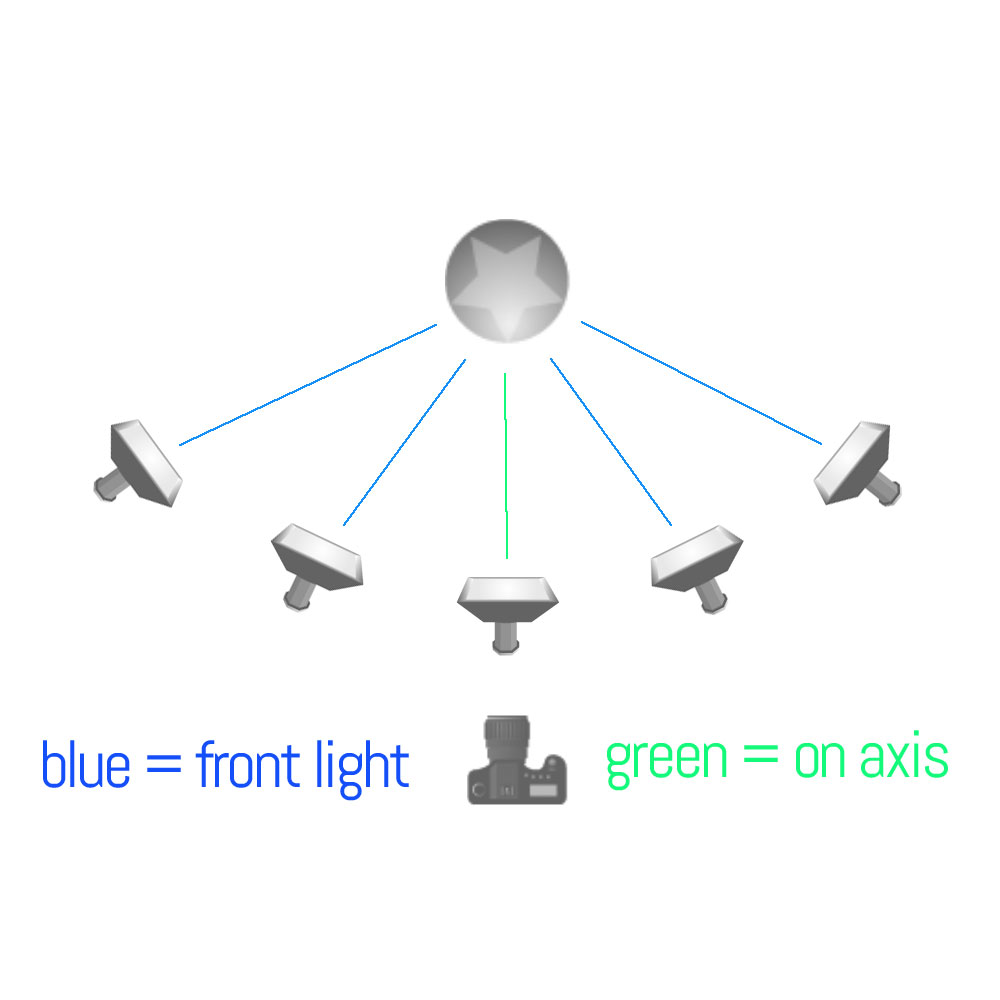
You can see that from right to left there is 180 degrees of placement that will allow you to have front light. There is one point in the middle, however, that is at the same angle as the camera. We call that “on-axis” lighting and is a favorite of beauty and fashion shooters.
On-axis lighting is from the position angle of the camera to the subject, not necessarily at the distance of the camera. That means there is no triangle (horizontally) from light to subject to camera. As you can imagine the reflection is straight back into the camera. A wide, soft light with few shadows.
In the diagram below we see side lighting and backlighting. Side lighting is as its name suggests, directly from the side of the subject creating a 90-degree angle to the camera angle.
When we move the lights farther back from sidelighting, we have backlight. Backlight has all the same angle variations as does the front lighting.
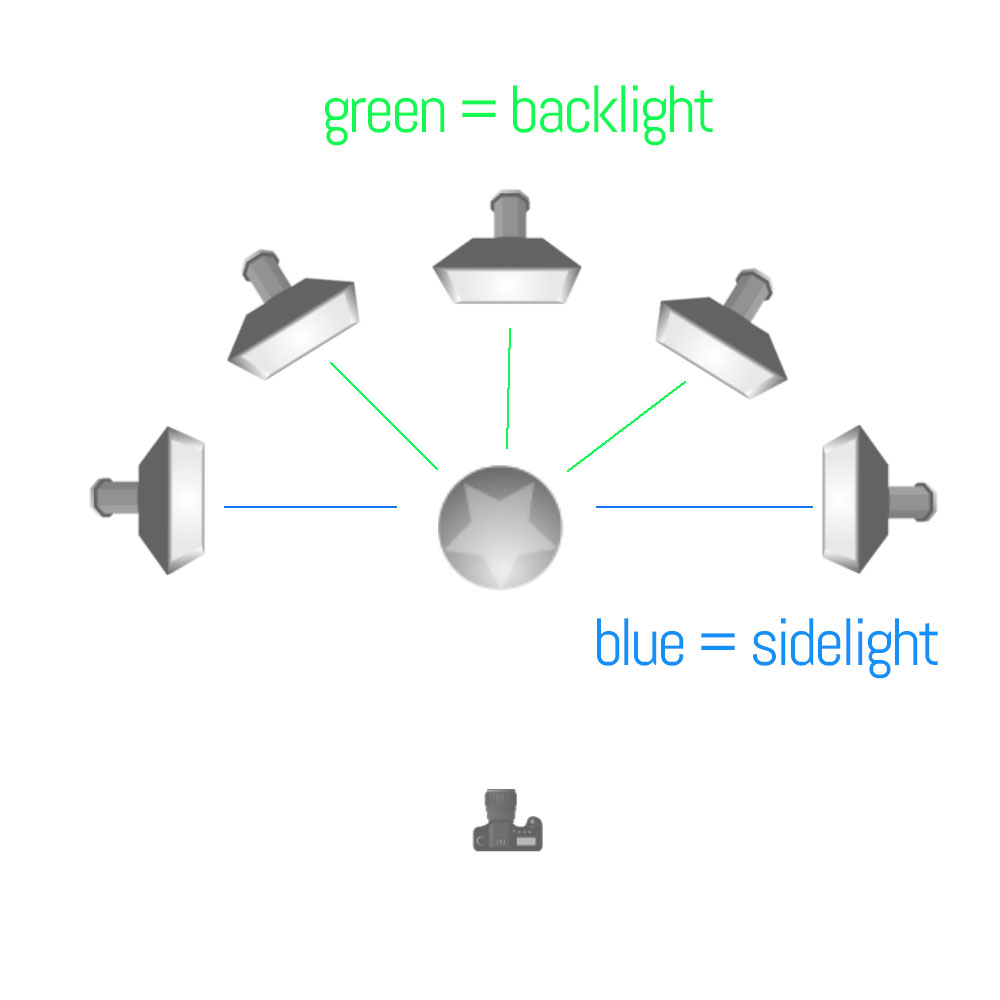
Top lighting from directly above is the same as side lighting if it is at a 90-degree angle to the subject/camera. If it is slightly in front it is front light, and slightly behind it is backlight.
Front Light One
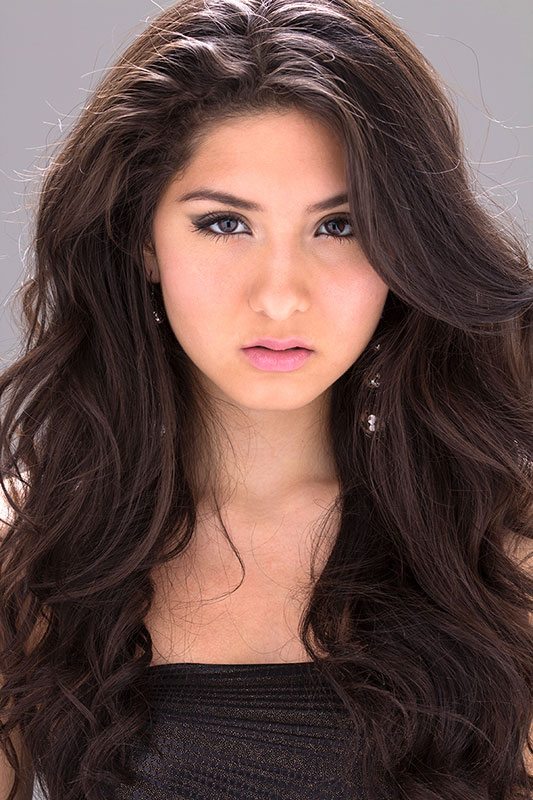
Front Light Two
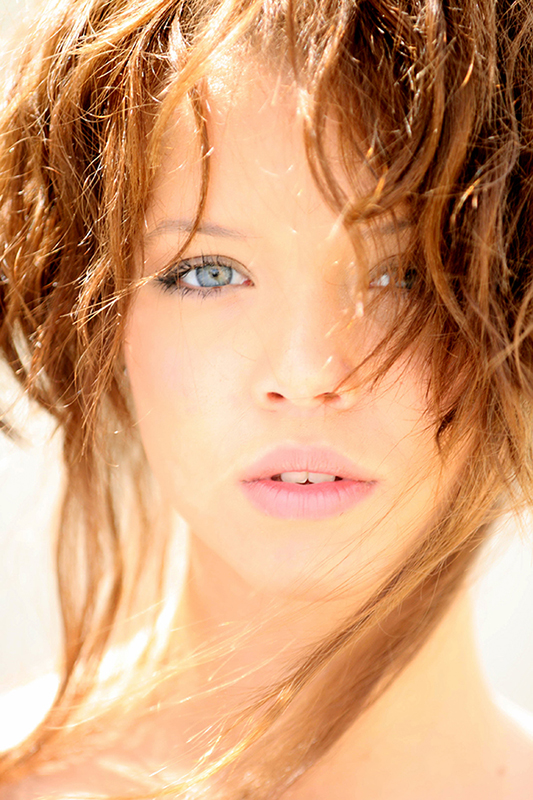
Side Light One
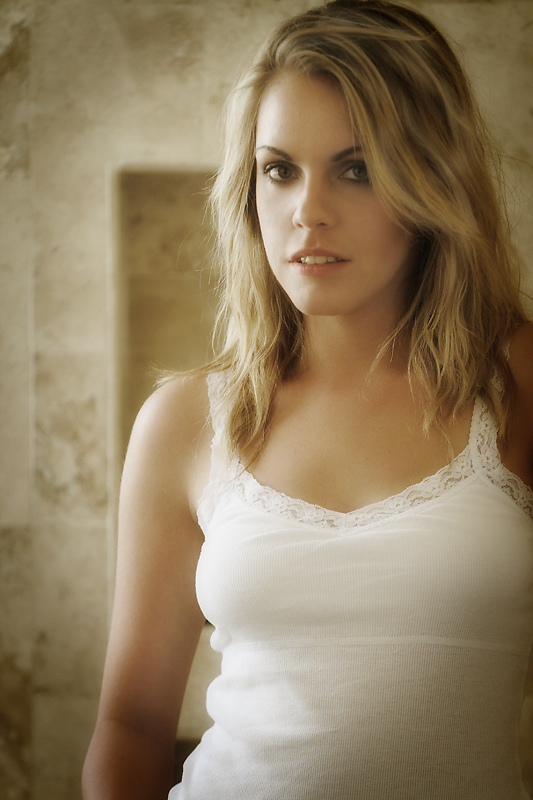
Side Light Two
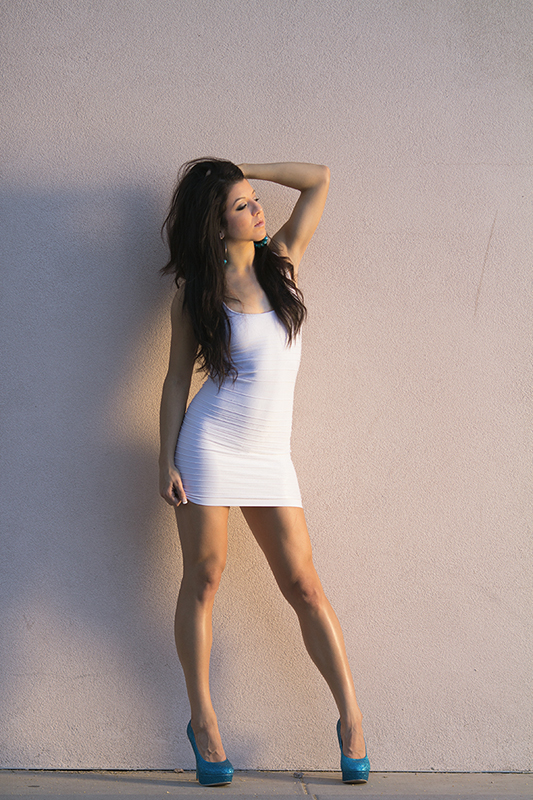
As you can see above, the angle of the light to the subject, and to the camera, makes a big difference when you are working toward making the shot look a specific way.
Let’s wrap it up:
The four different properties of lighting are:
- Size of the light source in relationship to the subject.
- Distance of the light source from the subject.
- Color of the light, and its relationship (if any) to the prevailing ambient.
- Angle of the light source to the subject, and to the camera.
And NONE of them are the most important – they are all equally important. We don’t think of them in an hierarchical way, we think of them in a holistic, symbiotic way. Change one, you may have to indeed change another. Change that one, and you may have to alter two others to make it work for you.
All of this only matters to you if you know what you want your image to look like. Do you want soft light, or do you want hard-edged light? Do you want a mixed light image that looks natural, or do you want to play with color temps in a creative way? If we move our light closer or farther away, what does that do to the look of the image? Do we need to bring out texture, or is a flatter look our goal?
These questions are usually not asked in order in our brains. All of them are asked at the same time, and we react to these creative decisions by utilizing the tools we have for creating them.
And now, with these basics, we can begin to create the images to present OUR vision of the subject in front of our lens.
ASSIGNMENTS:
- Find a subject that allows you to move around it and make images from all the different lighting positions. Do this either early in the morning or late in the afternoon so the sunlight is closer to your head height to the subject.Shoot front light, side light, back light, axis light. Study the images to see how the subject changes in the different lighting positions. Print the images and make notations on how it, and the background, look to you. What changes do you see?
- Using your flash or continuous lights, do the same thing with a subject inside. You can choose something as a still life, or – if you are a people shooter – grab a subject and start moving that light from on-axis to back.Note that when your light is backlight ONLY, the subject is quite dark, possibly even silhouette. You can adjust for that or not – your call. but remember that your adjustments will play the same role as the main light in the angle of light to subject to camera.

Meet David Giral: Montreal Photographer
David Giral is a photographer in Montreal, Canada. I met him a few years ago at a workshop near Toronto, and we have stayed in touch. He is a talented young man, for sure, but he is also tenaciously working on his business. From leave-behinds, to websites, to email...
Meet Hector Cruz: Emerging Pro
Hector "Big Boy Drums" Cruz... I met him a few years ago on on of the Flickr forums we were both hanging out on. His sense of humor and humility was something that was refreshing. He wanted to be a photographer, and was bound and determined to learn how. We bantered...

Rui Bandeira’s “Endangered Jobs” Project
I saw this work today by one of the Project 52 photographers. It began as one of our assignments: Photograph a Stranger. Rui jumped in and not only photographed some strangers... he is developing it into a very cool project. I will let Rui describe it in his own...
Clarion Call 2013: “Open to Creativity’
This will be a truly fascinating day. Plan now to make it a must listen. Selina is a great friend, and a consummate teacher/mentor. Her work researching creativity and its many manifestations will give you insights into the process you may never have touched. I am...

Thirty Three Tired and Dated Photographic Expressions: Un-Edited
Riffing on a post by Ash Ambirge today, I asked the intrepid members of my Lighting Essentials Flickr group to come up with a list of photographic cliche's and terms that they were also tired of. I did not edit them, nor did I censor any of them... 33 different pet...
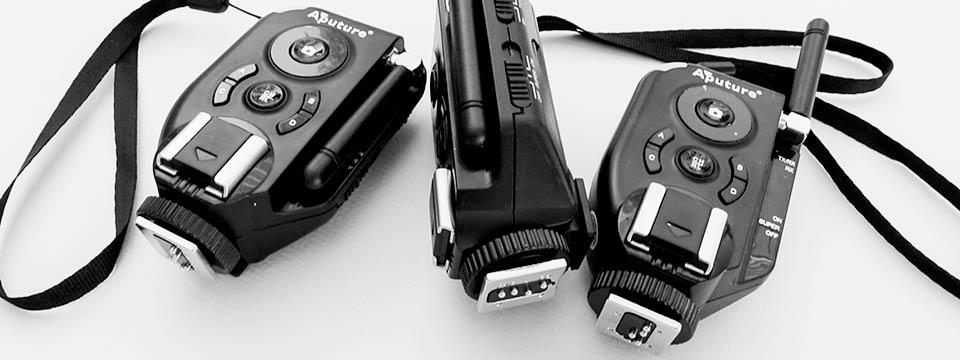
Aputure Trigmaster Plus II Triggers
Wow... Have you ever gotten a product that made so much sense to you that you think it was made to order? That is how I feel about these Trigmaster Plus II's from Aputure. Wireless Triggers for flash is now one of the most important tools we have seen emerge in the...
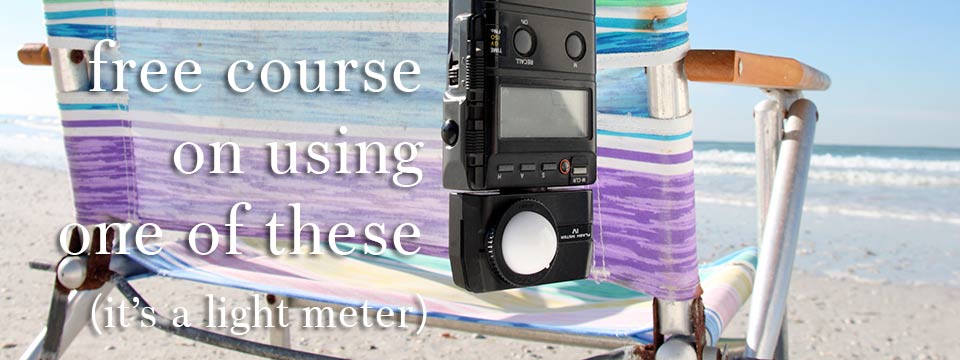
Learn To Use A Light Meter
Do you have a hand-held light meter that is just sitting around gathering dust? Have you ever wondered how it would be beneficial to you? I have created a new, free class at UDEMY to help you understand the uses and reasons for using a light meter. There is over 2...
New Webinar: ” Up Your Game – One Assignment at a Time”
IMPORTANT NEWS FOR ALL WHO HAVE REGISTERED: You will be receiving an email newsletter from me on Tuesday, January 22. It will come from me through Mail Chimp. If you do not receive the email on Tuesday (check your Spam folder), let me know IMMEDIATELY. The newsletter...
Photography, I Hardly Knew You…
"...you're so vain, you probably think this song is about you, don't you, don't you..." Well, yeah. You see the problem with that grand lyric was that obviously the song WAS about 'him'. That mysterious beguiling playboy that Carly Simon sang about. I must admit I...

2013: Books Without Photos… Oh My!
I love books. My wife and I have enough for a small library I am sure. Every room of our home has books in it. And a good quantity of them as well. We read avariciously. Marian prefers fiction, while I spend a lot of time with non-fiction and poetry. It gives us a...

2013: Essay One: Distractions
2013. Seems like only yesterday we were all freaked out about the Y2K fraud. And we have made it 12 years into what was called the new millennium, to find that it is pretty much like the old millennium... with a few tweaks. This is New Years Day. A time for many of us...
Meet Matt Dutile: A Passion for the Image
Matt started his photography career here in Phoenix about 4 years ago. Actually, four years ago today as I understand it. His work is focused on travel and lifestyle, and he is working for several clients that have sent him to some pretty cool locations. You can visit...
Post Processing: A Small Harbor in Maine
There are times when I am shooting when I am in complete control of the situation. Well, at least as much control as the world lets me think I am capable of. And there are times when I am not taking a photograph, but in fact taking a capture to allow me to make a...

Pogoplug: Now This is Useful AND Cool
I just set up my Pogoplug. I plugged it in, turned it on, set it up and went to work Took about 2 minutes. Tops. Wait... you may not know what a Pogoplug is. Now this thing is cool. Think of it as a network drive / personal cloud sort of thing. With a very cool set of...
Shooting Shiny Stuff at P52
Sometimes photographers have to shoot shiny stuff. Lighting works very differently on things that are shiny compared to how light works on more diffused subject matter. The shinier the object, the more it will be reflecting the light sources - both main and secondary....
OT Sunday: Eliot Carter, American Composer
Eliot Carter was my favorite contemporary composer. It was his first and second string quartets that opened my mind to the possibilities of linear melody/rhythm and the transformative nature of time. I discovered his music in my second year of music school and have...
An Open Letter to a New “Photography” Blogger
(from a recent forum post where a new blogger was talking about 'getting out there and doing it... going pro.) Hi, I just looked at your blog and I have a few questions. Who are you trying to reach with the blog? Clients? Or other photographers? Clients would be a...
The Fabulous Sandwich: Some Examples
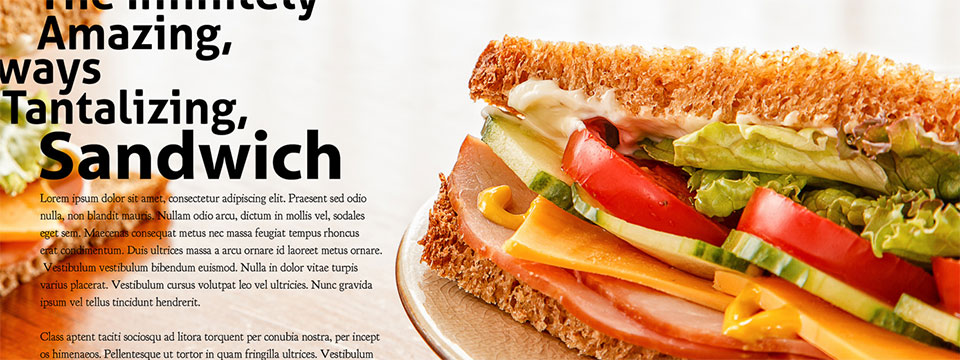
Some shining examples of food shooting and shooting to layout from the Project 52 group. The assignment: Your assignment is to do a very interesting sandwich shot that fairly reeks of “high end cuisine sandwich” – and for this you will have a layout. The designer has...
Business Slow? Have You Tried These Ideas?
Today? I mean today... These are simple ideas, built to do quickly or without being in a rush. Do at least five of them every day. 1. Have you checked in with past clients? Have you kept up with them? And more importantly, have you kept them up to date on what you are...

“Fredericksburg Today” a New Book by Steve Collins
Steve Collins has been a friend for several years. We met at a workshop, and he has been a huge part of Project 52. Steve is building his business one client at a time in Fredericksburg, VA (a small town outside of Washington, DC). I have watched his work grow...

Trick or Treat… or Something…
My kids love Halloween. I can remember every trek through the streets with plastic pumpkins in hand, towing a wagon with the smallest riding along. The great folks over at Project 52 have been adding zombie and other un-human images to our Flickr page. I thought I...
Three Bidding Fiascos: Be Prepared or Stay Home
Recently I had an opportunity to sit and chat (over delicious Mexican food) with two very good photographers. Dave and Steve are both well seasoned, and full on commercial photographers here in Phoenix. As things do, we began discussing gigs and some of the war...
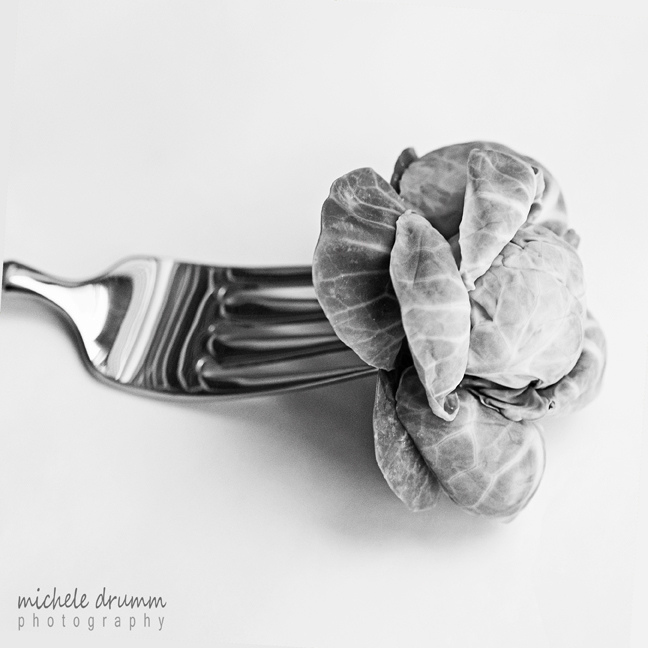
OK, Now I’m Hungry… the Food Photography of Michele Drumm
Michele Drumm is a photographer in the Washington DC / Fredricksberg area of Virginia. Her work ranges from still life to environments, but one of her great loves is shooting food. From meticulous studio shoots to on location editorial work, Michele brings a bit of...
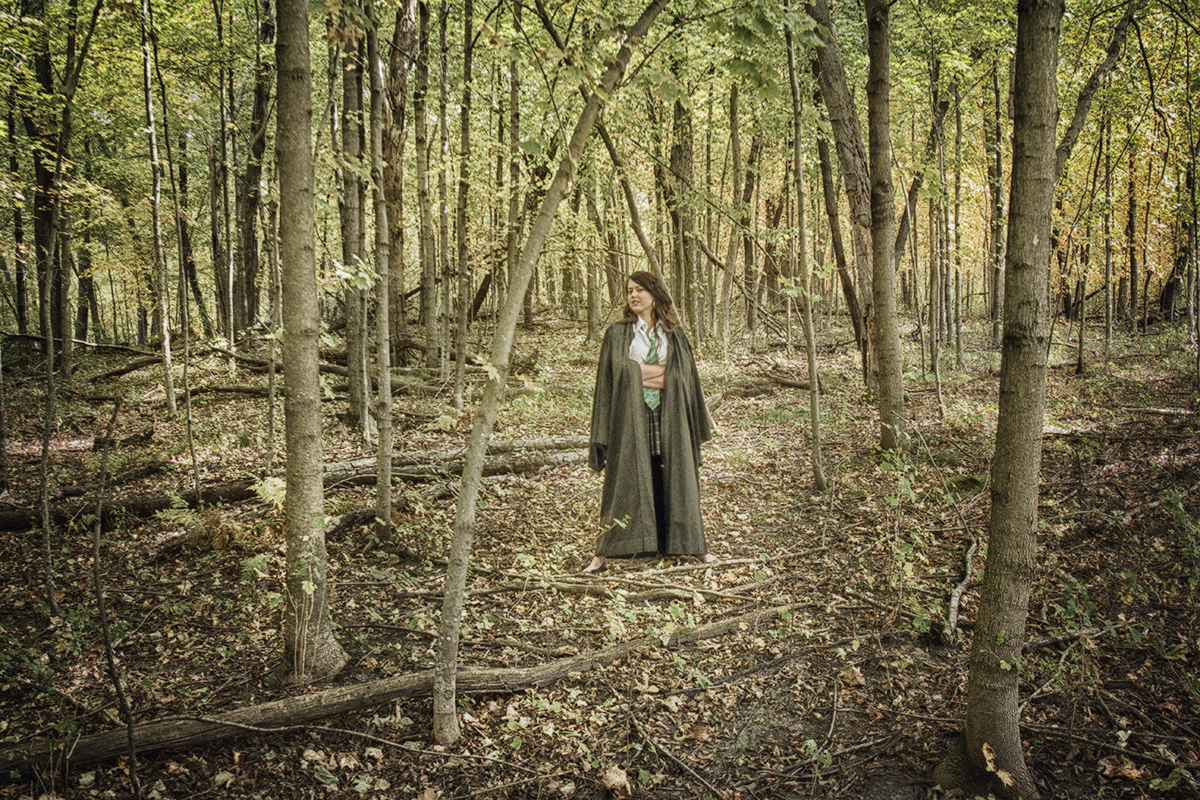
Should You Shoot ‘Edgy’ Work for Your Portfolio?
Recently a photographer asked about whether or not "Fantasy" makeup or "Avant Garde" images should be included in a commercial photographer's portfolio. The work he was specifically asking about was a kind of shoot one sees a lot on Model Mayhem... multi-colored...