
DISTANCE OF THE LIGHT SOURCE FROM THE SUBJECT
The second principle of light is the distance of the light source from the subject.
One thing for sure, if it is artificial light, the distance of the light source from the subject can change the size relationship, but there are other things that happen as well.
With artificial lights, one of the most important rules is The Inverse Square Law.
And it can be kinda scary that one. First, it’s a law. That seems pretty definite. And of course it has something to do with math – ‘squared[. But the word INVERSE? What the heck is that?
Let’s not sweat that right at the moment.
Let’s just acknowledge it for what it means to us.
Essentially, the Inverse Square Law (ISL) means that the farther the light is from the subject, the less bright it will appear. We know that, right. The closer we get to a light source, the brighter the reflectance of that source from whatever we are bringing close to the light.
Say you are in a very dark room, and there is only one small light in the corner. You are desperately trying to read the calory count on your small bag of Cheetos but it is way too dark where you are. Well – simple, we take the Cheetos bag over to the light and as we get close to the light, we can instantly read that we are never allowed to eat Cheetos again.
Now that is way too simple for any rule, or LAW, especially one that concerns math and something called Inverse.
The ISL is a way of measuring that light fall off and it shows us that there is actually a formula to how much that light falls off. Formulas are great. They are like systems. We can use them over and over to achieve the results we need.
This formula is way simpler than the name implies:
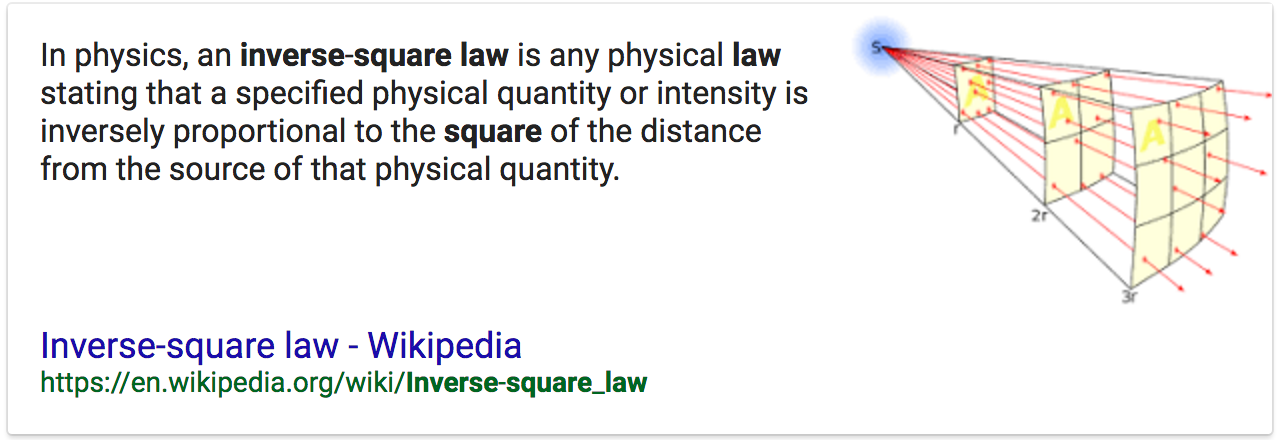
As you can see in the illustration above, at twice the distance the light has to cover four times as much space making it four times less powerful.
Four times less = 2 stops less in f-stops.
So if the light was f-8 on your subject at 4 feet, and you moved the light back to 8 feet, the amount of light on the subject would now equal f-4. If you started at f-4 at 8 ft and moved the light in to 4 ft it would be f-8.
What if instead of moving the light from 8 ft to 4 ft you decided to move it in 6 ft? Well, that would be half way between f-8 and f-4… f-5.6.
Now look at what happens when we apply the rule to a set of distances.
THE IMPORTANCE OF KNOWING RECIPROCALS
A reciprocal is simply understanding the relationships between all the numbers we throw around in photography.
F-stops, shutter speeds, ISO – all work hand in hand with each other to make the image with correct (for you) exposure. Changing any one of these three will necessitate a change in one of the others to compensate.
Let’s look at ISO:
f-4 / 1/125 @ ISO 100
If we change that to ISO 200 one of those above will have to change. Either the f-stop or the shutter speed. Since the ISO is now one stop more powerful, we either have to change to f-5.6 or change the shutter speed to 1/250. Both of these changes have the affect of decreasing the exposure setting one stop due to increasing the ISO by one stop.
Simply knowing the basics of one set will make it easy for you to re-configure for a new set.
I use ISO as my constant. In this case, I will use the settings of Sunny 16 (f-16 at 1/ISO).
ISO is 100 for these reciprocals.
f-16 @ 1/100
f-11 @ 1/200
f-8 @ 1/400
f-5.6 @ 1/800
f-4 @ 1/1600
f-2.8 @ 1/3200
These are committed to rote memory.
Changing the ISO compels me to make associated changes in these figures. If the ISO goes faster, I simply change the f-stop OR shutter speed to correlate to the amount of change in ISO. If the changes go out of the range of my camera, I will change one first, then catch up the other.
Example:
The light is getting a bit low, and I want to shoot with a shutter speed that allows me to hold the camera still. I take a meter reading and find that at ISO 100, my exposure for that shot is f-4 @ 1/15. Well, that aint’a gonna work for me handheld.
So first I decide that f-4 should be f-5.6 because of some Depth of Field issues (which moves the shutter speed down to 1/8), so that means I will have to move the ISO one stop for that aperture change to:
f-4 / ISO 100 @ 1/15 to f5.6 / ISO 100 @ 1/8 (reciprocal, one less stop in shutter speed to correlate with additional stop in aperture.
f-5.6 / ISO 200 @ 1/15
f-5.6 / ISO 400 @ 1/30
f-5.6 / ISO 800 @ 1/60
Learn your reciprocals for faster and more accurate decisions in the field.
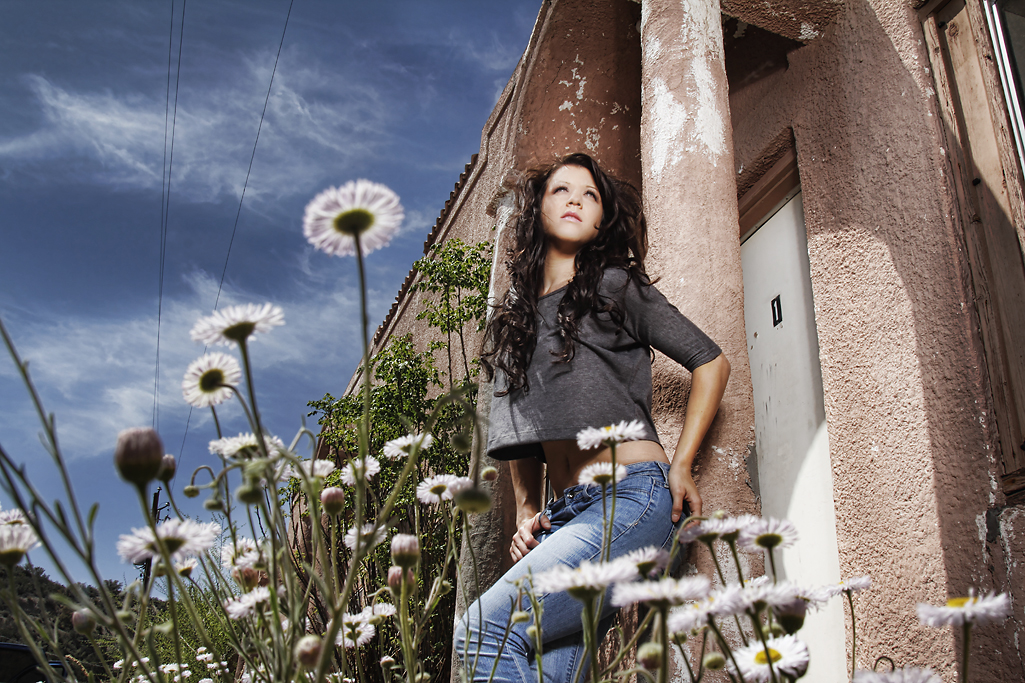
Bri in Miami.
I didn’t want the old building to go too dark behind her so I moved her next to the column. This gave me the ability to move the light in close to her, and let the background fall off fast – but retain the light and the texture right around her so she didn’t ‘pop’ out and look too overly lit.
This is a 4ft softbox with a Profoto 300 WS head and a single diffusion panel in the softbox. It is just above camera viewpoint in this shot – very close to her. You can see the light falling off as it reaches her knees.
I wanted the shot to appear somewhat realistic and not “strobed” so a careful blend of one stop over the ambient was chosen.
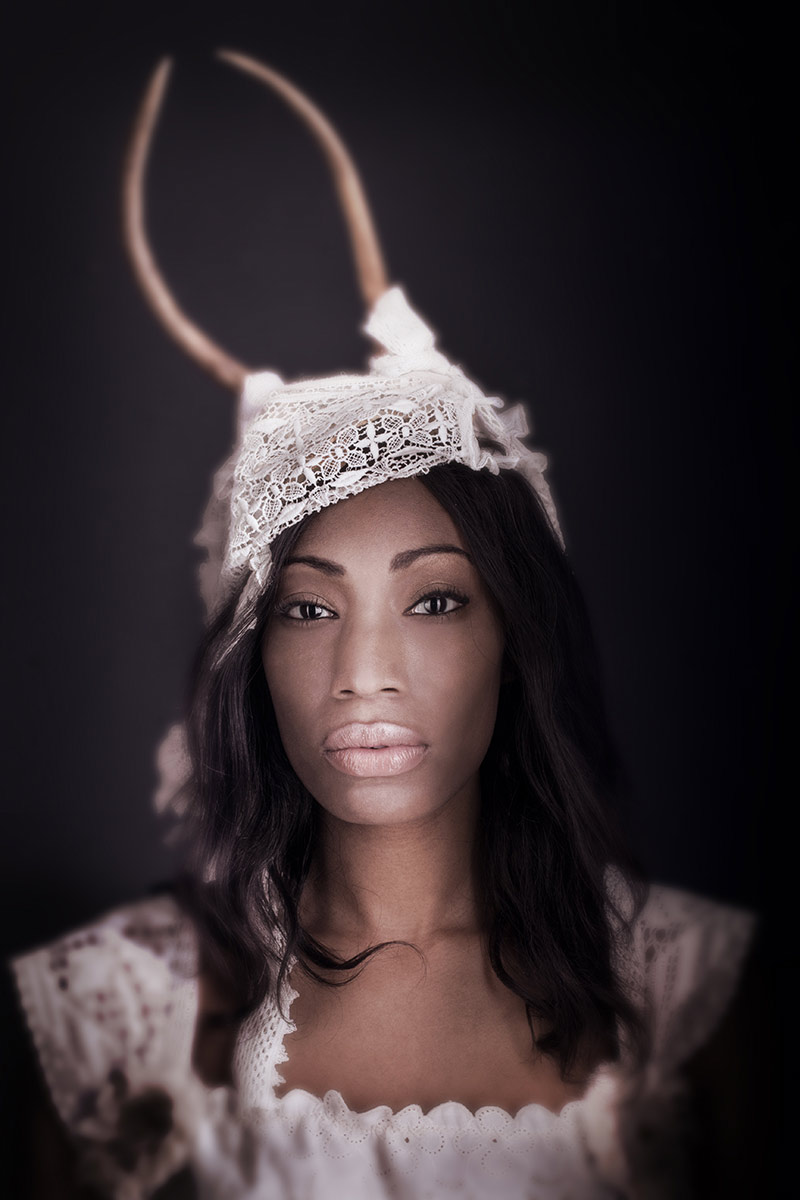
Ivy in the Studio.
My studio had bright white walls in a cove. I didn’t want this image to be on a white background so I moved Ivy far enough away that the light on her had no effect at all on the white wall behind her. It was simply way too underexposed to render at all.
Controlling the exposure through the Inverse Square Law is one of the more important tools you will have at your disposal.
And get this – it doesn’t cost a penny.
ASSIGNMENTS FOR THIS CLASS:
- Using a light source of your own: (studio strobe, speedlight, continuous light) place the light close to the subject and then move the subject AND light source closer to and farther back from a single background. Notice how the image presents itself as you go closer to the background with your subject and light, and what happens when you take subject and light farther away.
- Place camera and background at a fixed point. Then move your subject into the f-16 and make an exposure. Move back to f-11, then f-8, f-5.6, f-4 and if you can f2.8. What happens to the background as you move the subject closer to it and adjust exposure.
- Build your string meter. See below.
Find a piece of good, smallish rope. Clothesline will do nicely.
Put your light on a stand, and run the string straight out from the flash. The flash should be set at 1/8 power if possible. Not full. It should be on “normal” zoom setting neither on telephoto or wide angle.
- Using a meter and a remote flash trigger, find the exposure point for f-4 by going down the rope and aiming the ambient light meter dome directly at the strobe. Keep going until you find the point where f-4 is noted on your meter.
- Using a knot or marker, note that point as f-4.
- Now find the middle of the rope and note it with knot or marker.
- Between the end of the rope and the middle (left side) put a knot or mark in the middle of that area.
- Between the middle of the rope and the end to the right put a knot or marker
- On the right side, now find the middle between the end and the first mark, and knot it or marker
You now have simple rope meter that will be incredibly accurate in all situations.
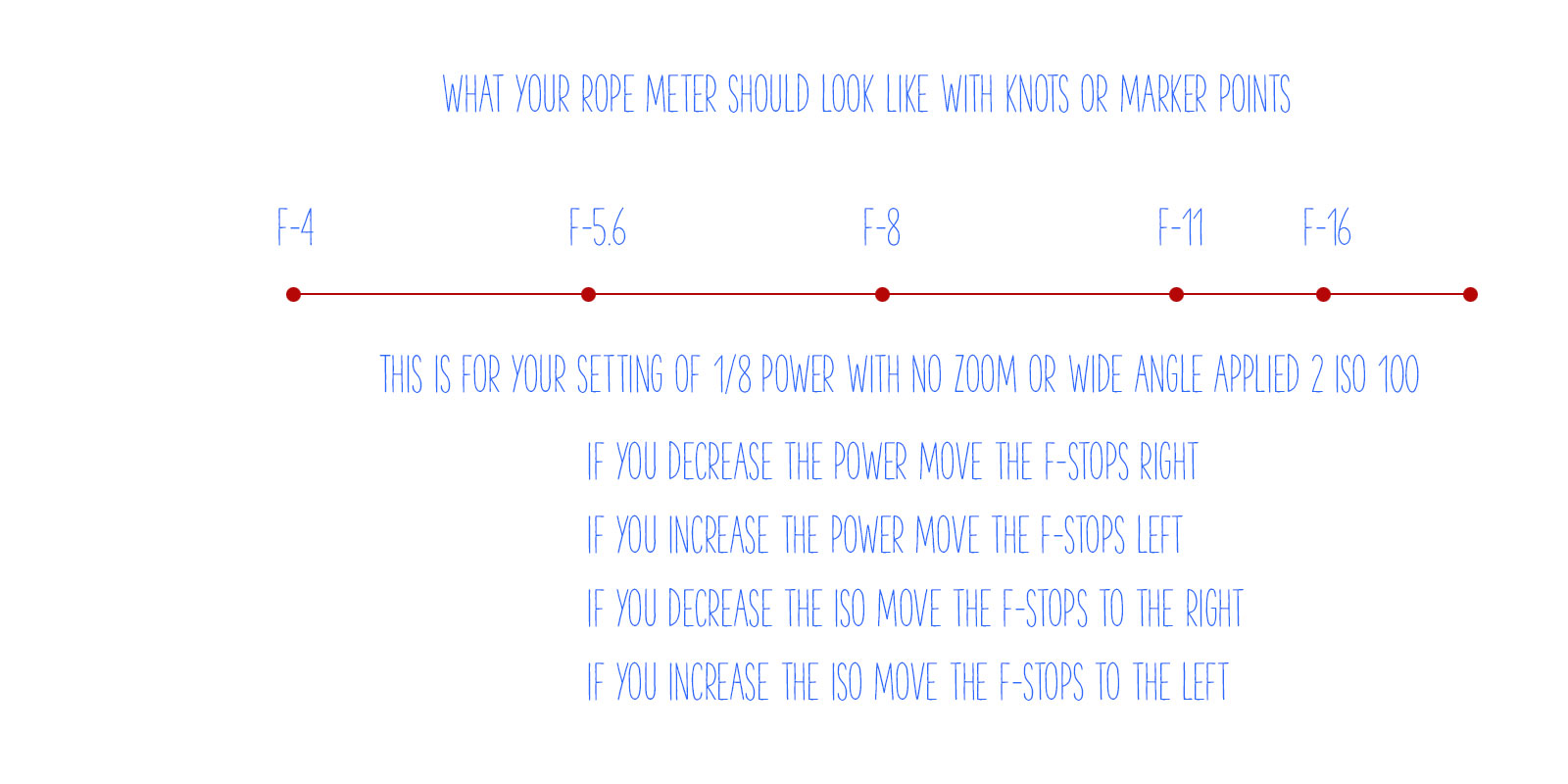
Finding f-4 is the most important part. Use a lightmeter for best results.
If you want to use a gray card, make sure it is at a very slight angle to the light source so it will not have a specular for the camera to see (the reflection of the light source). Shoot at f-4 until you find the distance that will render a single line of pixels in your histogram dead center. That is perfect exposure of a gray card.
Of course, you must fill the lens with the gray card, no extraneous stuff in the viewfinder – just the gray card.
Meet David Giral: Montreal Photographer
David Giral is a photographer in Montreal, Canada. I met him a few years ago at a workshop near Toronto, and we have stayed in touch. He is a talented young man, for sure, but he is also tenaciously working on his business. From leave-behinds, to websites, to email...
Meet Hector Cruz: Emerging Pro
Hector "Big Boy Drums" Cruz... I met him a few years ago on on of the Flickr forums we were both hanging out on. His sense of humor and humility was something that was refreshing. He wanted to be a photographer, and was bound and determined to learn how. We bantered...

Rui Bandeira’s “Endangered Jobs” Project
I saw this work today by one of the Project 52 photographers. It began as one of our assignments: Photograph a Stranger. Rui jumped in and not only photographed some strangers... he is developing it into a very cool project. I will let Rui describe it in his own...
Clarion Call 2013: “Open to Creativity’
This will be a truly fascinating day. Plan now to make it a must listen. Selina is a great friend, and a consummate teacher/mentor. Her work researching creativity and its many manifestations will give you insights into the process you may never have touched. I am...

Thirty Three Tired and Dated Photographic Expressions: Un-Edited
Riffing on a post by Ash Ambirge today, I asked the intrepid members of my Lighting Essentials Flickr group to come up with a list of photographic cliche's and terms that they were also tired of. I did not edit them, nor did I censor any of them... 33 different pet...
Aputure Trigmaster Plus II Triggers
Wow... Have you ever gotten a product that made so much sense to you that you think it was made to order? That is how I feel about these Trigmaster Plus II's from Aputure. Wireless Triggers for flash is now one of the most important tools we have seen emerge in the...
Learn To Use A Light Meter
Do you have a hand-held light meter that is just sitting around gathering dust? Have you ever wondered how it would be beneficial to you? I have created a new, free class at UDEMY to help you understand the uses and reasons for using a light meter. There is over 2...
New Webinar: ” Up Your Game – One Assignment at a Time”
IMPORTANT NEWS FOR ALL WHO HAVE REGISTERED: You will be receiving an email newsletter from me on Tuesday, January 22. It will come from me through Mail Chimp. If you do not receive the email on Tuesday (check your Spam folder), let me know IMMEDIATELY. The newsletter...
Photography, I Hardly Knew You…
"...you're so vain, you probably think this song is about you, don't you, don't you..." Well, yeah. You see the problem with that grand lyric was that obviously the song WAS about 'him'. That mysterious beguiling playboy that Carly Simon sang about. I must admit I...

2013: Books Without Photos… Oh My!
I love books. My wife and I have enough for a small library I am sure. Every room of our home has books in it. And a good quantity of them as well. We read avariciously. Marian prefers fiction, while I spend a lot of time with non-fiction and poetry. It gives us a...
2013: Essay One: Distractions
2013. Seems like only yesterday we were all freaked out about the Y2K fraud. And we have made it 12 years into what was called the new millennium, to find that it is pretty much like the old millennium... with a few tweaks. This is New Years Day. A time for many of us...
Meet Matt Dutile: A Passion for the Image
Matt started his photography career here in Phoenix about 4 years ago. Actually, four years ago today as I understand it. His work is focused on travel and lifestyle, and he is working for several clients that have sent him to some pretty cool locations. You can visit...
Post Processing: A Small Harbor in Maine
There are times when I am shooting when I am in complete control of the situation. Well, at least as much control as the world lets me think I am capable of. And there are times when I am not taking a photograph, but in fact taking a capture to allow me to make a...

Pogoplug: Now This is Useful AND Cool
I just set up my Pogoplug. I plugged it in, turned it on, set it up and went to work Took about 2 minutes. Tops. Wait... you may not know what a Pogoplug is. Now this thing is cool. Think of it as a network drive / personal cloud sort of thing. With a very cool set of...
Shooting Shiny Stuff at P52
Sometimes photographers have to shoot shiny stuff. Lighting works very differently on things that are shiny compared to how light works on more diffused subject matter. The shinier the object, the more it will be reflecting the light sources - both main and secondary....
OT Sunday: Eliot Carter, American Composer
Eliot Carter was my favorite contemporary composer. It was his first and second string quartets that opened my mind to the possibilities of linear melody/rhythm and the transformative nature of time. I discovered his music in my second year of music school and have...
An Open Letter to a New “Photography” Blogger
(from a recent forum post where a new blogger was talking about 'getting out there and doing it... going pro.) Hi, I just looked at your blog and I have a few questions. Who are you trying to reach with the blog? Clients? Or other photographers? Clients would be a...
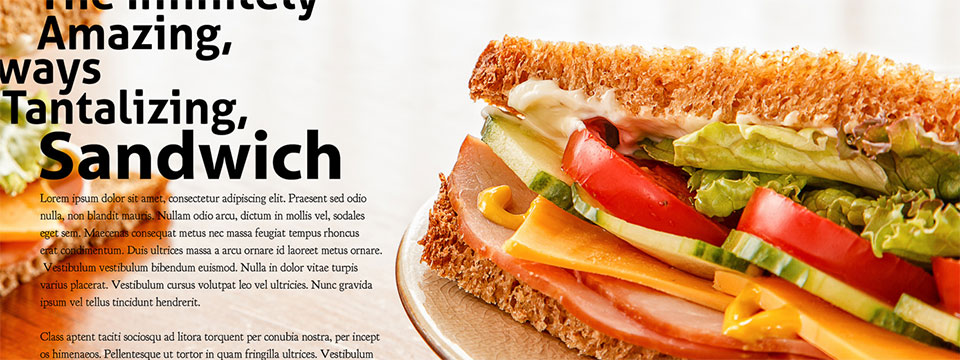
The Fabulous Sandwich: Some Examples
Some shining examples of food shooting and shooting to layout from the Project 52 group. The assignment: Your assignment is to do a very interesting sandwich shot that fairly reeks of “high end cuisine sandwich” – and for this you will have a layout. The designer has...
Business Slow? Have You Tried These Ideas?
Today? I mean today... These are simple ideas, built to do quickly or without being in a rush. Do at least five of them every day. 1. Have you checked in with past clients? Have you kept up with them? And more importantly, have you kept them up to date on what you are...
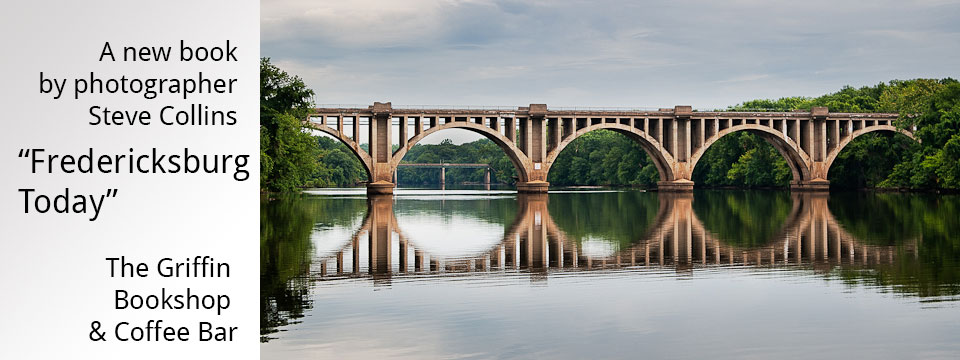
“Fredericksburg Today” a New Book by Steve Collins
Steve Collins has been a friend for several years. We met at a workshop, and he has been a huge part of Project 52. Steve is building his business one client at a time in Fredericksburg, VA (a small town outside of Washington, DC). I have watched his work grow...

Trick or Treat… or Something…
My kids love Halloween. I can remember every trek through the streets with plastic pumpkins in hand, towing a wagon with the smallest riding along. The great folks over at Project 52 have been adding zombie and other un-human images to our Flickr page. I thought I...
Three Bidding Fiascos: Be Prepared or Stay Home
Recently I had an opportunity to sit and chat (over delicious Mexican food) with two very good photographers. Dave and Steve are both well seasoned, and full on commercial photographers here in Phoenix. As things do, we began discussing gigs and some of the war...
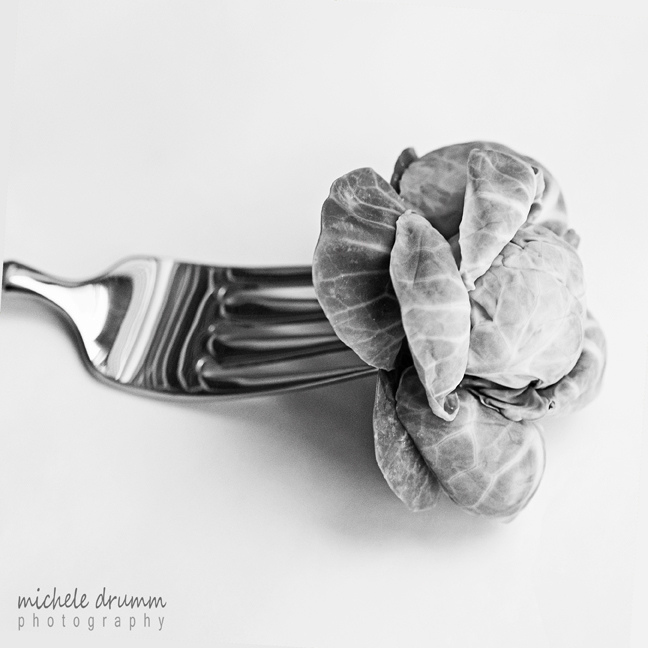
OK, Now I’m Hungry… the Food Photography of Michele Drumm
Michele Drumm is a photographer in the Washington DC / Fredricksberg area of Virginia. Her work ranges from still life to environments, but one of her great loves is shooting food. From meticulous studio shoots to on location editorial work, Michele brings a bit of...
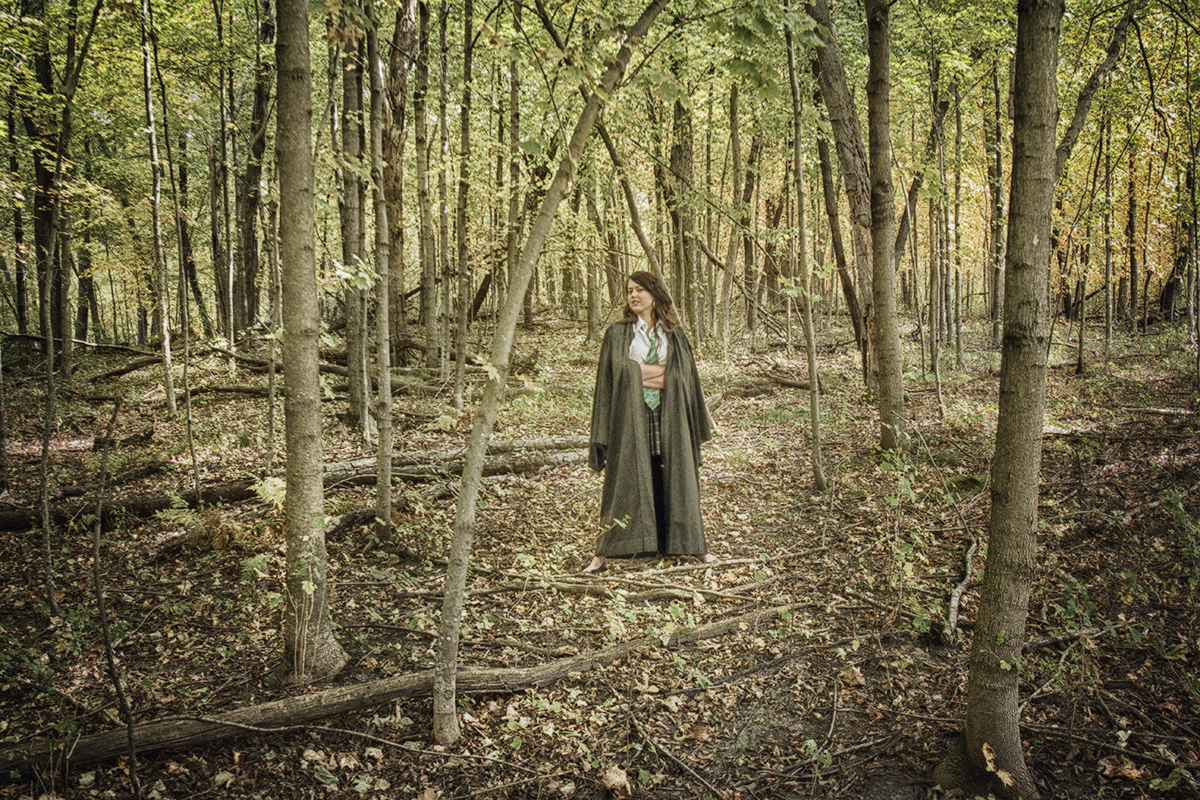
Should You Shoot ‘Edgy’ Work for Your Portfolio?
Recently a photographer asked about whether or not "Fantasy" makeup or "Avant Garde" images should be included in a commercial photographer's portfolio. The work he was specifically asking about was a kind of shoot one sees a lot on Model Mayhem... multi-colored...